The 2026 Guide to Safe Sun Exposure: Protect Skin & Get Vitamin D
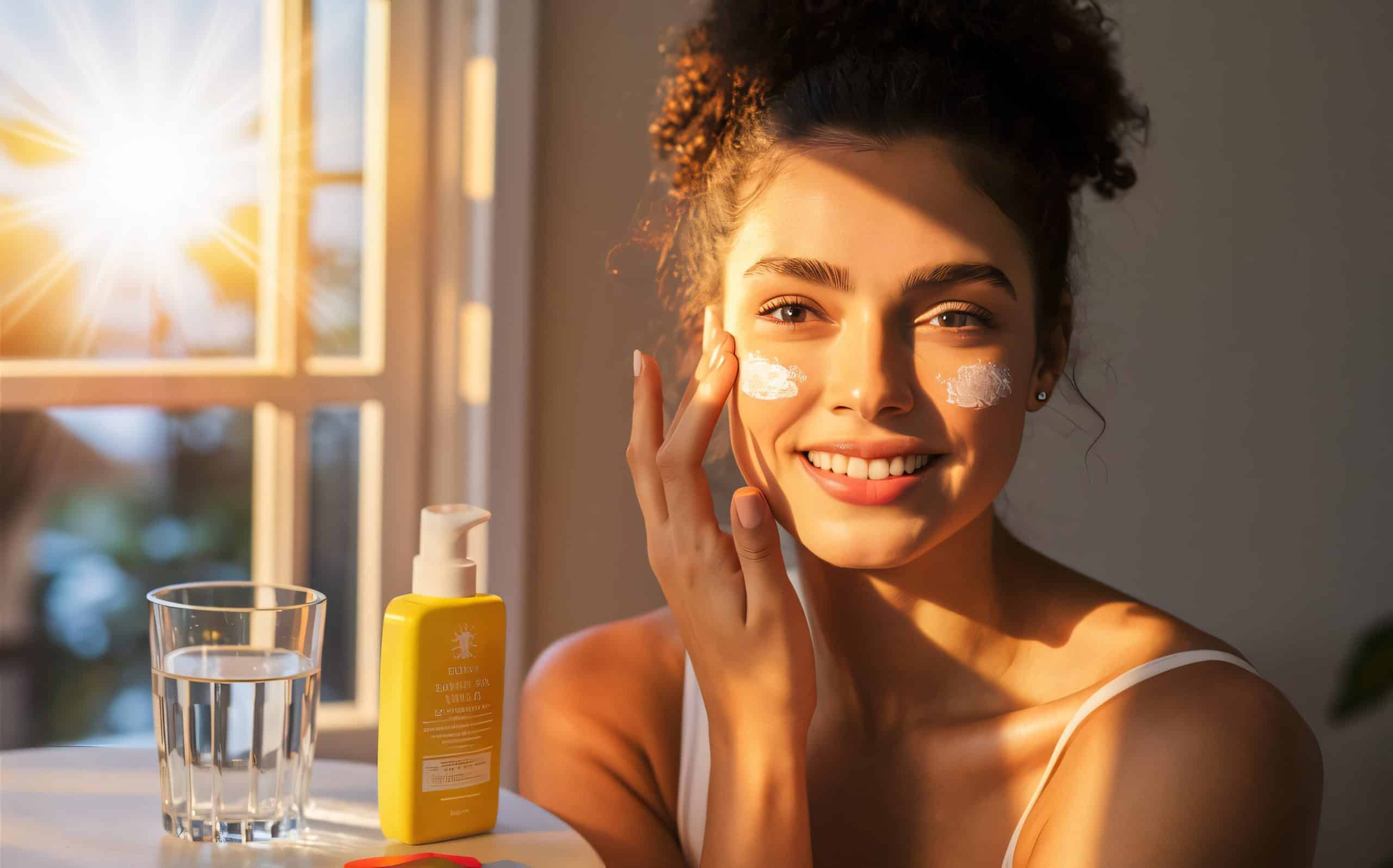
 Achieving safe sun exposure involves a delicate balance of protecting skin from harmful UV radiation while allowing for essential vitamin D synthesis, requiring informed choices about timing, protection, and individual needs.
Navigating the complexities of sun exposure in 2026 can feel like a tightrope walk: how do we harness the benefits of sunlight without succumbing to its risks?
This comprehensive guide, The 2026 Guide to Safe Sun Exposure: Protect Your Skin and Get Vitamin D, aims to demystify this balance, offering practical, up-to-date advice to safeguard your skin while ensuring adequate vitamin D levels.
Understanding the Dual Nature of Sunlight
Sunlight, a powerful natural resource, plays a crucial role in our well-being, yet it also harbors potential dangers.
Its dual nature means we must approach it with respect and knowledge. On one hand, sunlight is essential for life, driving photosynthesis and regulating our circadian rhythms. On the other, excessive exposure to its ultraviolet (UV) radiation can lead to severe health issues.
The year 2026 brings new insights and technologies, but the fundamental principles of sun safety remain. We’re constantly learning more about the long-term effects of UV exposure, making informed decisions even more critical. This section explores both the advantages and disadvantages of sunlight, setting the stage for safer practices.
The Benefits of Sun Exposure: Beyond Vitamin D
While vitamin D synthesis is perhaps the most well-known benefit, sunlight offers more. It can boost mood, improve sleep quality, and even strengthen the immune system. Exposure to natural light helps regulate our internal body clock, leading to better sleep patterns and reduced symptoms of seasonal affective disorder.
Mood Enhancement: Sunlight stimulates serotonin production, a hormone linked to feelings of well-being.
Improved Sleep: Exposure to natural light during the day helps regulate melatonin production at night.
Immune System Support: Studies suggest moderate sun exposure can enhance immune function.
Circadian Rhythm Regulation: Essential for maintaining a healthy sleep-wake cycle.
The Risks of UV Radiation: A Modern Perspective
Despite its benefits, UV radiation poses significant health risks. These risks are cumulative, meaning damage builds up over time, increasing the likelihood of long-term problems. The three main types of UV rays are UVA, UVB, and UVC, with UVA and UVB being the primary concerns for human health.
In 2026, with climate shifts and potential ozone layer variations, understanding these risks is more important than ever. Skin cancer, including melanoma, basal cell carcinoma, and squamous cell carcinoma, remains a major public health concern linked directly to UV exposure. Premature skin aging, characterized by wrinkles, fine lines, and sunspots, is another common consequence.
Skin Cancer: Increased risk of melanoma and non-melanoma skin cancers.
Premature Aging: Accelerates the formation of wrinkles, sunspots, and loss of skin elasticity.
Eye Damage: Can lead to cataracts and other vision problems over time.
Immune Suppression: Excessive UV exposure can temporarily weaken the skin’s local immune responses.
Balancing the benefits and risks of sunlight requires a nuanced approach, acknowledging that while some exposure is vital, excessive or unprotected exposure can be detrimental. The key lies in strategic interaction with the sun, utilizing protective measures when necessary, and understanding our individual needs.
Optimizing Vitamin D Synthesis Safely
Vitamin D, often called the “sunshine vitamin,” is crucial for bone health, immune function, and overall well-being. Our bodies produce vitamin D when skin is exposed to UVB rays. However, the amount of sun exposure needed varies greatly depending on several factors, and overexposure can quickly negate the benefits by increasing skin cancer risk.
The goal is to achieve sufficient vitamin D levels without compromising skin health. This means understanding the optimal times and durations for sun exposure, alongside considering alternative sources. The latest research in 2026 continues to refine these recommendations, emphasizing a personalized approach.
Factors Affecting Vitamin D Production
Several elements influence how much vitamin D your body produces from sunlight. These include skin type, geographical location, time of day, season, and even cloud cover or pollution levels. Darker skin tones, for instance, require more sun exposure than lighter skin tones to synthesize the same amount of vitamin D due to higher melanin content.
Skin Type: Melanin acts as a natural sunscreen, so darker skin needs longer exposure.
Latitude and Altitude: UV intensity is higher closer to the equator and at higher altitudes.
Time of Day: Midday (10 AM to 3 PM) offers the most effective UVB rays for vitamin D synthesis.
Season: In many regions, UVB rays are only strong enough for vitamin D production during spring and summer.
Recommended Safe Sun Exposure Times in 2026
For most individuals, a short period of sun exposure without sunscreen, typically 10-30 minutes, several times a week, can be sufficient for vitamin D synthesis.
This should ideally occur during the midday hours when UVB radiation is most intense, maximizing vitamin D production while minimizing total exposure time. However, this recommendation is highly individualized and depends on the factors mentioned above.
It’s crucial to observe your skin for any signs of reddening. If your skin starts to turn pink, it’s time to seek shade or apply protection. The goal is never to burn.
For those with very fair skin, even 5-10 minutes might be enough. Consulting with a healthcare provider can help determine your specific needs and the safest approach for your skin type and location.
Optimizing vitamin D safely involves a mindful approach to sun exposure, recognizing that a little goes a long way. Beyond direct sunlight, dietary sources and supplements remain reliable options to ensure adequate levels without unnecessary skin risk.
Advanced Skin Protection Strategies for 2026
As we move further into the 21st century, skin protection has evolved beyond simple sunscreen application. The year 2026 sees a greater emphasis on integrated strategies that combine smart product choices, technological advancements, and behavioral changes. Effective skin protection is about creating a comprehensive defense against UV damage, not just reacting to immediate threats.
These strategies are designed to be practical for everyday life, allowing individuals to enjoy outdoor activities confidently while minimizing long-term risks. Understanding the nuances of each protective measure is key to building an effective sun safety routine tailored to your lifestyle.
Choosing the Right Sunscreen in 2026
Sunscreen technology continues to advance, offering more effective and user-friendly options. In 2026, the focus is on broad-spectrum formulas that protect against both UVA and UVB rays, with a minimum SPF of 30.
Water-resistant formulas are essential for swimming or sweating. Mineral sunscreens, containing zinc oxide and titanium dioxide, are increasingly popular for their immediate physical barrier and suitability for sensitive skin.
Broad-Spectrum Protection: Always look for products that protect against both UVA and UVB.
SPF 30 or Higher: Provides substantial protection against UVB rays.
Water Resistance: Crucial for active individuals and humid climates.
Reapplication: Apply every two hours, or more frequently after swimming or sweating.
Protective Clothing and Accessories
Beyond sunscreen, physical barriers offer a highly effective and often overlooked layer of protection. UPF (Ultraviolet Protection Factor) clothing is designed to block UV radiation and is a game-changer for prolonged outdoor activities. Wide-brimmed hats protect the face, neck, and ears, while UV-blocking sunglasses shield your eyes from harmful rays.
The fashion industry in 2026 is increasingly integrating UPF technology into everyday wear, making protective clothing stylish and accessible. Investing in a few key pieces can significantly reduce your overall sun exposure without constant reapplication of sunscreen.
UPF Clothing: Look for clothing with a UPF rating of 30 or higher for effective protection.
Wide-Brimmed Hats: Essential for shading the face, neck, and ears.
UV-Blocking Sunglasses: Protect your eyes from cataracts and other sun-related damage.
Shade Seeking: Utilize natural or artificial shade, especially during peak UV hours.
A multi-faceted approach to sun protection, combining advanced sunscreens with physical barriers, provides the most robust defense against UV radiation. These strategies empower individuals to enjoy the outdoors safely, reducing the risk of sun damage and promoting long-term skin health.
Environmental Factors and UV Index Awareness
Understanding how environmental factors influence UV radiation levels is paramount for safe sun exposure in 2026. The sun’s intensity isn’t constant; it fluctuates based on various natural phenomena and geographical conditions. Being aware of these variables allows for more informed decisions about when and how to protect yourself.
The UV Index is a critical tool in this awareness, providing a daily forecast of UV intensity. Integrating this knowledge into your daily routine can significantly enhance your sun safety practices, moving beyond generic advice to personalized, real-time protection.
The Role of the UV Index
The UV Index is a standardized measure of the strength of ultraviolet (UV) radiation from the sun at a particular place and time. Developed by the World Health Organization and other international bodies, it helps people make informed decisions about sun protection.
A higher UV Index number indicates a greater risk of sun damage and the need for more stringent protective measures.
Low (1-2): Minimal risk; wear sunglasses on bright days.
Moderate (3-5): Moderate risk; seek shade during midday, wear protective clothing.
High (6-7): High risk; use sunscreen, wear hats and sunglasses, reduce sun exposure between 10 AM and 4 PM.
Very High (8-10): Very high risk; stay in the shade, apply sunscreen liberally, wear protective clothing.
Extreme (11+): Extreme risk; avoid sun exposure during midday hours completely.
Geographical and Atmospheric Influences
Beyond the daily UV Index, several environmental factors contribute to the overall intensity of UV radiation. Proximity to the equator means higher UV levels year-round.
Altitude also plays a role, as UV radiation increases by about 10-12% for every 1,000 meters (3,280 feet) of elevation gained. Reflections from surfaces like sand, water, and snow can significantly amplify UV exposure, sometimes doubling it.
Cloud cover can offer a false sense of security; while thick, dark clouds block some UV, lighter clouds can sometimes scatter and even increase UV radiation.
Air pollution can also interact with UV rays, sometimes reducing them, but often creating other health concerns. Awareness of these elements helps in adopting a holistic approach to sun safety.
Equator Proximity: Higher UV intensity closer to the equator.
Altitude: UV radiation increases with elevation.
Reflective Surfaces: Sand, water, and snow can intensify UV exposure.
Cloud Cover: Can be misleading; some clouds scatter UV, increasing exposure.
Staying informed about the UV Index and understanding local environmental factors are crucial components of a modern sun safety strategy. These insights empower individuals to adapt their protective measures to real-world conditions, ensuring effective defense against harmful UV radiation.
Dietary and Supplemental Vitamin D Sources

While sunlight is a primary source of vitamin D, relying solely on it can be risky due to the potential for UV damage. Fortunately, dietary sources and supplements offer safe and effective alternatives to maintain adequate vitamin D levels, especially for those with limited sun exposure or specific health needs. Integrating these into your routine can provide a reliable backup.
In 2026, there’s a growing understanding of the importance of a multi-pronged approach to vitamin D intake, acknowledging that sun exposure isn’t always feasible or advisable. This section explores the best food sources and guidelines for supplementation.
Vitamin D-Rich Foods
Several foods naturally contain vitamin D, though the amounts can vary. Fatty fish like salmon, mackerel, and tuna are excellent sources.
Cod liver oil is another potent natural source. For those who don’t consume fish, some foods are fortified with vitamin D, including milk, plant-based milk alternatives, cereals, and orange juice. Always check food labels to confirm fortification.
Fatty Fish: Salmon, mackerel, tuna, and sardines are rich in vitamin D.
Cod Liver Oil: A traditional and highly concentrated source.
Fortified Foods: Milk, plant-based milks, cereals, and some yogurts.
Mushrooms: Some varieties, especially those exposed to UV light, contain vitamin D2.
When and How to Supplement
For many, especially during winter months or in regions with limited sunlight, dietary sources alone may not be enough to meet vitamin D requirements. In such cases, supplementation becomes a vital tool. It’s crucial to consult with a healthcare professional to determine the appropriate dosage, as excessive vitamin D intake can be harmful.
Blood tests can accurately measure your current vitamin D levels, guiding your doctor’s recommendations. Common forms of supplements include vitamin D3 (cholecalciferol), which is the same type produced by the skin, and vitamin D2 (ergocalciferol). D3 is generally considered more effective at raising blood levels of vitamin D.
Consult a Doctor: Always seek medical advice before starting any supplement regimen.
Dosage: Varies by individual needs; typically 600-2000 IU per day for adults.
Form: Vitamin D3 (cholecalciferol) is often preferred for its efficacy.
Regular Monitoring: Periodic blood tests can ensure optimal levels without toxicity.
By combining sensible sun exposure with a diet rich in vitamin D and, if necessary, strategic supplementation, individuals can confidently maintain healthy vitamin D levels year-round. This balanced approach mitigates the risks associated with excessive sun exposure while ensuring this vital nutrient is not overlooked.
Special Considerations and Vulnerable Populations
Sun protection and vitamin D needs are not one-size-fits-all. Certain individuals and groups require specific considerations due to their unique physiological characteristics, health conditions, or lifestyle factors. Recognizing these differences is crucial for tailoring safe sun exposure guidelines and ensuring equitable health outcomes.
In 2026, personalized medicine and public health initiatives increasingly focus on these nuanced requirements. This section addresses the particular needs of vulnerable populations, ensuring that everyone can benefit from sunlight safely.
Children and Infants
Children, especially infants, have extremely delicate skin that is highly susceptible to sun damage. The American Academy of Pediatrics recommends keeping infants under 6 months out of direct sunlight entirely. For older children, strict sun protection measures are essential, including protective clothing, hats, sunglasses, and broad-spectrum sunscreen applied generously and frequently.
Infants (under 6 months): Keep entirely in the shade; avoid direct sun exposure.
Young Children: Emphasize protective clothing, hats, and regular sunscreen application.
Peak Hours: Limit outdoor play during the strongest UV hours (10 AM to 4 PM).
Hydration: Ensure children stay well-hydrated during outdoor activities.
Individuals with Specific Skin Conditions or Medications
People with certain skin conditions, such as lupus, rosacea, or extreme photosensitivity, must exercise extra caution.
Sun exposure can trigger flare-ups or exacerbate symptoms. Similarly, many medications, including some antibiotics, diuretics, and retinoids, can increase photosensitivity, making the skin more vulnerable to sun damage.
Consulting with a dermatologist or healthcare provider is vital for these individuals to develop a personalized sun protection plan. This might involve using specific types of sunscreen, avoiding certain times of day, or taking additional precautions based on their unique medical profile.
Photosensitive Conditions: Lupus, rosacea, and specific allergies require stringent protection.
Medication Interactions: Be aware of drugs that increase sun sensitivity; read labels carefully.
Post-Procedure Skin: Skin recovering from laser treatments, chemical peels, or surgery is highly vulnerable.Organ Transplant Recipients: Have a significantly higher risk of skin cancer and require diligent protection.
Acknowledging the diverse needs of different populations ensures that sun safety advice is inclusive and effective. By addressing these special considerations, we can promote healthier sun habits for everyone, safeguarding vulnerable individuals from preventable harm.
Long-Term Skin Health and Monitoring

Safe sun exposure isn’t just about preventing immediate sunburns; it’s a lifelong commitment to long-term skin health. The cumulative effects of UV radiation underscore the importance of consistent protection and regular self-monitoring.
Establishing good habits early and maintaining them throughout life can significantly reduce the risk of serious skin conditions.
In 2026, advancements in dermatological screening and personal monitoring tools make it easier than ever to track skin changes and detect potential issues early. This proactive approach is fundamental to preserving skin health and detecting skin cancer when it is most treatable.
Regular Skin Self-Exams
Performing regular skin self-exams is a simple yet powerful tool for early detection of skin cancer. Familiarize yourself with your skin’s normal appearance and note any new moles, growths, or changes in existing ones. The “ABCDE” rule is a helpful guide for identifying suspicious moles:
Asymmetry: One half of the mole does not match the other.
Border Irregularity: The edges are ragged, notched, or blurred.
Color Variation: The color is not uniform and may include shades of brown, black, or tan.
Diameter: The spot is larger than 6 millimeters (about the size of a pencil eraser).
Evolving: The mole is changing in size, shape, color, or elevation, or new symptoms like bleeding or itching occur.
Professional Dermatological Check-ups
In addition to self-exams, annual professional skin examinations by a dermatologist are strongly recommended, especially for individuals with a history of extensive sun exposure, multiple moles, or a family history of skin cancer.
Dermatologists can identify suspicious lesions that might be missed during a self-exam and provide expert guidance on sun protection and skin care.
Technological advancements in dermatology, such as dermoscopy and digital mole mapping, allow for more precise monitoring of skin changes over time.
These tools can help in the early detection of melanoma and other skin cancers, significantly improving treatment outcomes. Early intervention is often the key to successful management of skin cancer.
Annual Check-ups: Essential for early detection, especially for high-risk individuals.
Dermoscopy: A non-invasive technique to examine skin lesions in detail.
Digital Mole Mapping: Tracks changes in moles over time with photographic documentation.
Biopsy: If a suspicious lesion is identified, a biopsy may be performed for definitive diagnosis.
By combining diligent self-monitoring with professional medical oversight, individuals can maintain optimal skin health and significantly reduce their risk of advanced skin cancers. This proactive approach is a cornerstone of safe sun exposure and overall well-being.
| Key Aspect | Brief Description |
|---|---|
| Vitamin D Balance | Achieve sufficient vitamin D levels through short, strategic sun exposure or supplements, avoiding overexposure. |
| Skin Protection | Use broad-spectrum SPF 30+ sunscreen, UPF clothing, hats, and sunglasses for comprehensive defense. |
| UV Index Awareness | Monitor daily UV Index and adjust outdoor activities and protection based on intensity levels. |
| Regular Monitoring | Perform self-exams and schedule annual dermatologist visits for early detection of skin changes. |
Frequently Asked Questions About Safe Sun Exposure
Typically, 10-30 minutes of midday sun exposure, two to three times a week, can be sufficient for most people to synthesize enough vitamin D. This varies based on skin type, location, and time of year.
No, most windows block UVB rays, which are necessary for vitamin D production. While UVA rays can penetrate glass, they do not contribute to vitamin D synthesis and can still cause skin damage.
Use a broad-spectrum sunscreen with an SPF of 30 or higher. Reapply every two hours, or more frequently if swimming, sweating, or toweling off, to maintain effective protection.
No, sunbeds emit harmful UV radiation that significantly increases the risk of skin cancer and premature aging. They are not recommended as a safe method for vitamin D production.
Wear sunglasses that block 99-100% of both UVA and UVB rays. Look for labels indicating UV400 or 100% UV protection to safeguard your eyes from cataracts and other sun-related issues.
Conclusion
Navigating The 2026 Guide to Safe Sun Exposure: Protect Your Skin and Get Vitamin D ultimately boils down to informed choices and consistent practices. By understanding the profound benefits and inherent risks of sunlight, we can harness its power for vitamin D synthesis and mood enhancement while diligently protecting our skin from harmful UV radiation.
The future of sun safety lies in a balanced approach, integrating advanced protective measures, awareness of environmental factors, and proactive health monitoring. It’s about empowering ourselves with knowledge and tools to enjoy the sun responsibly, ensuring long-term health and vitality for ourselves and future generations.