2026 Guide to Strength Training at Home: 30-Minute Muscle Building
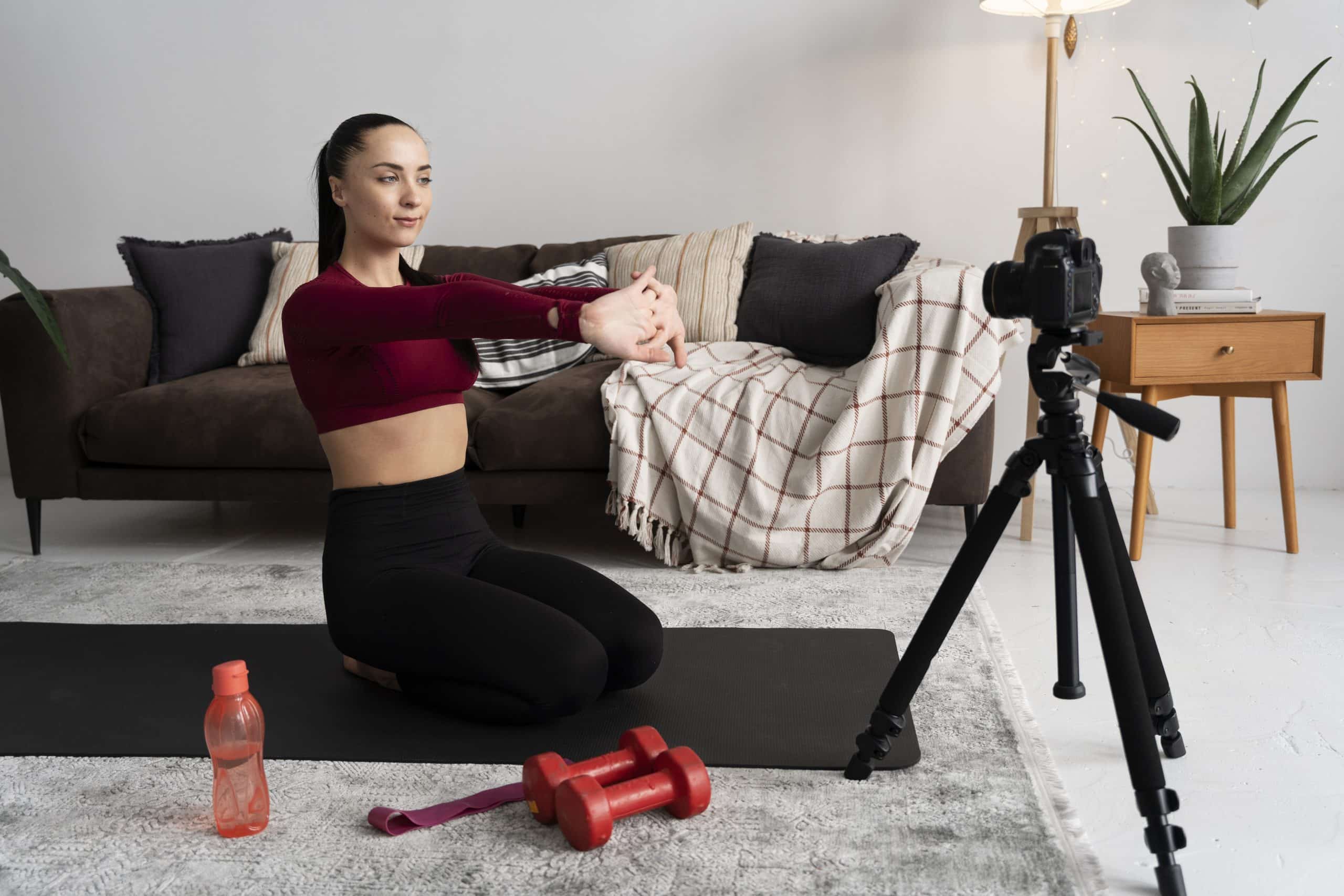
 Are you ready to transform your body without ever stepping foot in a gym? The 2026 Guide to Strength Training at Home: Build Muscle with Just 30 Minutes a Day is your definitive roadmap to achieving impressive physical results from the comfort of your own space. Discover how effective home workouts can be, even with limited time.
The Evolution of Home Strength Training: What’s New for 2026
The landscape of home fitness has dramatically evolved, moving beyond simple push-ups to embrace sophisticated, results-driven methodologies. For 2026, the emphasis is on smart, efficient workouts that maximize muscle growth and strength gains within a minimal time frame. This isn’t just about convenience; it’s about optimizing every minute of your workout for peak performance and noticeable progress.
Gone are the days when significant muscle building required a fully equipped commercial gym. Innovations in bodyweight mechanics, resistance band technology, and smart workout programming have made it entirely feasible to sculpt a powerful physique at home. The key lies in understanding progressive overload and applying it consistently, even without heavy barbells.
Smart Technology Integration
The year 2026 brings an even greater integration of smart technology into home fitness. From AI-powered apps that tailor workouts to your progress to wearable devices that provide real-time feedback on form and effort, technology empowers individuals to train smarter.
These tools help track your reps, sets, and even suggest modifications to ensure you’re continuously challenged without overtraining.
Personalized workout plans based on AI analysis.
Real-time form correction through smart sensors.
Progress tracking and goal setting integrated with devices.
Virtual coaching sessions for expert guidance.
This technological leap ensures that your strength training at home experience is as effective, if not more so, than traditional gym routines. It removes guesswork, allowing you to focus purely on execution and consistent improvement.
The shift towards more personalized and data-driven home workouts for 2026 means that whether you’re a beginner or an experienced lifter, you can find a program that perfectly fits your needs. The goal is to make muscle building not just possible, but highly efficient and enjoyable, all within your daily 30-minute window.
Setting Up Your Home Gym for Optimal Muscle Growth
Creating an effective home gym doesn’t require a dedicated room or a substantial investment. The goal is to have a functional space and a few key pieces of equipment that allow for a wide range of exercises. For strength training at home, simplicity often leads to consistency and better results.
Start by designating a clear area in your home, whether it’s a corner of your living room or a spare bedroom. Ensure you have enough space to move freely and safely. Good ventilation and natural light can also enhance your workout experience, making it more pleasant and motivating.
Essential Equipment for 2026
While bodyweight exercises are incredibly powerful, a few affordable tools can significantly expand your workout repertoire and accelerate muscle growth. These items are chosen for their versatility, portability, and effectiveness in targeting various muscle groups.
Resistance Bands: A set of varying resistances provides endless possibilities for both upper and lower body exercises, mimicking the tension of free weights.
Adjustable Dumbbells: Space-saving and highly versatile, adjustable dumbbells allow you to change weights quickly and easily, making progressive overload simpler.
Pull-up Bar: A doorway pull-up bar is excellent for back and bicep development, a crucial component often overlooked in home workouts.
Yoga Mat: Essential for comfort during floor exercises and for providing grip.
Investing in these items provides a solid foundation for a comprehensive strength training at home regimen. Remember, the quality of your workout isn’t determined by the quantity of your equipment, but by how effectively you use what you have. Focus on proper form and engaging your muscles with each repetition.
Ultimately, your home gym setup should inspire you to workout regularly. Keep it organized, clean, and easily accessible. The less friction there is to start your session, the more likely you are to stick to your 30-minute daily commitment and see consistent muscle gains.
Designing Your 30-Minute Strength Training Routine
The core of successful strength training at home in just 30 minutes lies in intelligent program design. Every minute must count, focusing on compound movements and supersets to maximize time under tension and caloric expenditure. This approach ensures you hit all major muscle groups effectively and promote muscle hypertrophy.
A well-structured 30-minute routine will typically involve a brief warm-up, followed by 20-25 minutes of intense work, and a short cool-down. The intensity is key; you should be pushing your muscles to near failure within the designated time to stimulate growth.
Sample 30-Minute Full-Body Workout
This sample routine prioritizes compound exercises that work multiple muscles simultaneously, perfect for maximizing your 30 minutes. Perform each exercise for 3-4 sets of 8-12 repetitions, with minimal rest (30-60 seconds) between sets.
Warm-up (5 minutes): Light cardio (jumping jacks, high knees), arm circles, leg swings.
Workout (20 minutes):
]Goblet Squats (with dumbbell or bodyweight)
Push-ups (on knees or toes)
Dumbbell Rows (or resistance band rows)
Overhead Press (with dumbbells or resistance bands)
Plank (hold for 30-60 seconds)
Cool-down (5 minutes): Static stretches for major muscle groups.
For each exercise, focus on controlled movements and feeling the muscle work. If you find an exercise too easy, increase the resistance (heavier dumbbells, stronger band) or the number of repetitions. If it’s too challenging,modify it (e.g., knee push-ups instead of regular push-ups).
The beauty of this approach to strength training at home is its adaptability. As you get stronger, you can introduce more complex variations, increase the weight, or decrease rest times. The goal is to consistently challenge your body, forcing it to adapt and grow stronger with each session.
Mastering Progressive Overload Without a Gym
Progressive overload is the fundamental principle for muscle growth, meaning you must continually challenge your muscles with increased stress over time. In a gym, this often means lifting heavier weights. For strength training at home, especially within a 30-minute window, mastering this concept requires creativity and a strategic approach.
Without access to a vast array of heavy equipment, you need to manipulate other variables to keep your muscles adapting. This is where understanding different forms of progressive overload becomes crucial for sustained muscle building.
Methods of Progressive Overload at Home
There are several effective ways to apply progressive overload to your home workouts, ensuring your muscles continue to grow stronger and larger.
Increase Repetitions: If you can comfortably perform 12 reps, aim for 15. Once 15 is easy, consider adding another set or moving to a harder variation.
Decrease Rest Time: Shorter rest periods between sets increase the intensity and metabolic stress, promoting muscle growth.
Improve Form and Time Under Tension: Focus on slower, more controlled movements, especially during the eccentric (lowering) phase. This increases the time your muscles are under tension.
Increase Frequency: If you’re currently training a muscle group twice a week, try adding a third session.
Utilize Advanced Techniques: Incorporate drop sets (reducing weight/resistance mid-set), supersets (performing two exercises back-to-back with no rest), or negatives (focusing only on the eccentric phase) to push your muscles further.
Add Resistance: As you get stronger, invest in heavier resistance bands or adjustable dumbbells. Even household items like filled backpacks can serve as added weight.
The key is to consistently track your progress. Keep a simple workout journal to note down reps, sets, and any modifications. This allows you to visually see your improvements and plan your next progressive step. Remember, even small, consistent increases in challenge lead to significant gains over time when it comes to strength training at home.
By intelligently applying these progressive overload techniques, you can ensure that your 30-minute home workouts remain challenging and effective, continually stimulating muscle growth and preventing plateaus.
Nutrition and Recovery: Fueling Your Home Muscle Growth

Building muscle through strength training at home isn’t just about the exercises; it’s equally dependent on what you do outside of your 30-minute sessions. Nutrition and recovery are the unsung heroes of muscle growth, providing the necessary building blocks and repair time for your body to adapt and strengthen.
Think of your muscles as needing fuel to perform and materials to rebuild. Without adequate protein, carbohydrates, and healthy fats, even the most consistent training schedule will yield limited results. Similarly, insufficient sleep and rest can hinder your body’s ability to repair muscle tissue and recover from intense workouts.
Key Nutritional Pillars for Muscle Building
Focus on these core elements to support your muscle growth journey:
Protein Intake: Aim for 0.7-1 gram of protein per pound of body weight daily. This provides the amino acids essential for muscle repair and synthesis. Sources include lean meats, poultry, fish, eggs, dairy, and plant-based options like legumes and tofu.
Complex Carbohydrates: These are your primary energy source for workouts and recovery. Include whole grains, fruits, and vegetables to fuel your 30-minute sessions and replenish glycogen stores.
Healthy Fats: Crucial for hormone production and overall health. Avocados, nuts, seeds, and olive oil are excellent choices.
Hydration: Drink plenty of water throughout the day. Dehydration can impair performance and recovery.
Beyond nutrition, prioritize sleep. Aim for 7-9 hours of quality sleep per night. During sleep, your body releases growth hormone and repairs muscle tissue, making it a critical component of your muscle-building strategy. Incorporating active recovery, like light stretching or walking on off days, can also aid in reducing soreness and improving blood flow.
By paying close attention to your diet and ensuring adequate rest, you create an optimal environment for your body to respond to the demands of strength training at home. Remember, consistency in these areas is just as important as consistency in your workouts.
Overcoming Challenges and Staying Motivated
Embarking on a strength training at home journey, even for just 30 minutes a day, comes with its unique set of challenges. From maintaining motivation to navigating plateaus, staying consistent requires a proactive approach and a resilient mindset. The key is to anticipate these hurdles and develop strategies to overcome them before they derail your progress.
One of the biggest advantages of home workouts is convenience, but this can also turn into a disadvantage if you lack external accountability. Without a gym membership or a workout buddy, it’s easier to skip sessions. However, with the right mental tools and habits, you can build an unbreakable routine.
Strategies for Long-Term Success
Cultivating a sustainable habit for your 30-minute daily workouts involves more than just physical effort. It requires mental fortitude and smart planning.
Set Realistic Goals: Understand that muscle building is a gradual process. Celebrate small victories and focus on consistent effort over immediate, dramatic results.
Track Your Progress: Seeing your strength improve, whether it’s more reps, longer holds, or using heavier resistance, is a powerful motivator. Keep a workout log.
Vary Your Routine: While consistency is key, introducing new exercises or variations every few weeks can prevent boredom and challenge your muscles in new ways.
Find an Accountability Partner: Even if they don’t train with you, having someone to check in with can provide that extra push on tough days.
Reward Yourself: Set non-food rewards for reaching milestones. This reinforces positive habits.
Educate Yourself: Continuously learn about exercise science, nutrition, and recovery. The more you understand, the more engaged you’ll be.
Remember that motivation ebbs and flows. On days when you feel less enthusiastic, remind yourself of your long-term goals and the health benefits. Sometimes, simply starting your 30-minute session is enough to reignite your drive. Consistency, even on low-motivation days, is what builds true resilience and delivers lasting results in your strength training at home journey.
Integrating Strength Training into a Busy Lifestyle

The promise of building muscle with just 30 minutes a day through strength training at home is particularly appealing for those with demanding schedules.
Integrating this consistent habit into an already busy lifestyle requires strategic planning and a commitment to prioritizing your health and fitness goals. It’s about making fitness work for you, not against you.
Many believe they don’t have enough time for exercise, but 30 minutes is a remarkably achievable segment of most people’s day.
The challenge often lies in carving out that time and protecting it from other commitments. The key is to view this 30-minute block as non-negotiable, just like any other important appointment.
Tips for Seamless Integration
Making your 30-minute home strength training a consistent part of your routine involves practical adjustments and a shift in mindset:
Schedule It: Treat your workout like a firm appointment in your calendar. Whether it’s first thing in the morning, during a lunch break, or after work, block out the time and stick to it.
Prepare in Advance: Lay out your workout clothes and any equipment the night before. This eliminates excuses and makes starting your session easier.
Combine Tasks: If possible, listen to a podcast or audiobook during your workout. This can make the time feel more productive and enjoyable.
Be Flexible: Life happens. If you miss a session, don’t dwell on it. Simply get back on track the next day. A missed workout is not a reason to abandon your routine entirely.
Communicate Your Goals: Let your family or housemates know your dedicated workout time. This can help minimize interruptions.
Focus on Consistency Over Perfection: It’s better to do a slightly less intense 30-minute workout consistently than to aim for perfection and miss sessions.
By adopting these strategies, you’ll find that strength training at home for 30 minutes a day can seamlessly become a natural and enjoyable part of your daily routine. The cumulative effect of these short, intense sessions will lead to significant muscle gains and overall improved health, proving that time is not an insurmountable barrier to fitness.
| Key Aspect | Brief Description |
|---|---|
| Efficient Workouts | Maximize muscle growth in 30 minutes using compound movements and supersets. |
| Home Gym Essentials | Resistance bands, adjustable dumbbells, pull-up bar, and yoga mat are key. |
| Progressive Overload | Increase reps, decrease rest, improve form, or add resistance to keep challenging muscles. |
| Nutrition & Recovery | Adequate protein, carbs, healthy fats, hydration, and sleep are crucial for muscle repair. |
Frequently Asked Questions About Home Strength Training
Yes, absolutely. By focusing on compound exercises, progressive overload, and high-intensity principles, 30 minutes of dedicated strength training at home can be highly effective for muscle growth. Consistency and proper form are far more critical than extended workout durations for achieving significant results.
While bodyweight is foundational, a set of resistance bands offers the most versatility and progressive resistance for a minimal investment. They allow you to add tension to nearly any exercise, effectively mimicking free weights and facilitating muscle growth across various muscle groups.
For optimal muscle growth and recovery, aim for 3-4 sessions per week, allowing at least one rest day between full-body workouts. This frequency provides enough stimulus for muscle adaptation without overtraining, which is crucial for sustained progress in strength training at home.
Nutrition is paramount. Without adequate protein, carbohydrates, and healthy fats, your body lacks the essential building blocks and energy for muscle repair and growth. A well-structured diet, combined with proper hydration and sufficient sleep, complements your home strength training efforts for superior results.
Staying motivated involves setting realistic goals, tracking your progress, varying your routine, and finding an accountability system. Celebrate small achievements and remind yourself of the long-term health and fitness benefits. Consistency, even on challenging days, is the ultimate driver of success in your home workout journey.
Conclusion
The 2026 Guide to Strength Training at Home proves that building significant muscle doesn’t require a gym membership or hours of dedicated time. With just 30 minutes a day, a smart approach to programming, a few essential tools, and a commitment to progressive overload, you can achieve remarkable physical transformations.
By prioritizing nutrition, recovery, and consistent effort, you unlock a powerful, sustainable path to a stronger, healthier you, all from the convenience of your home.