Cash in on Clutter: Declutter for Extra Income in 2026

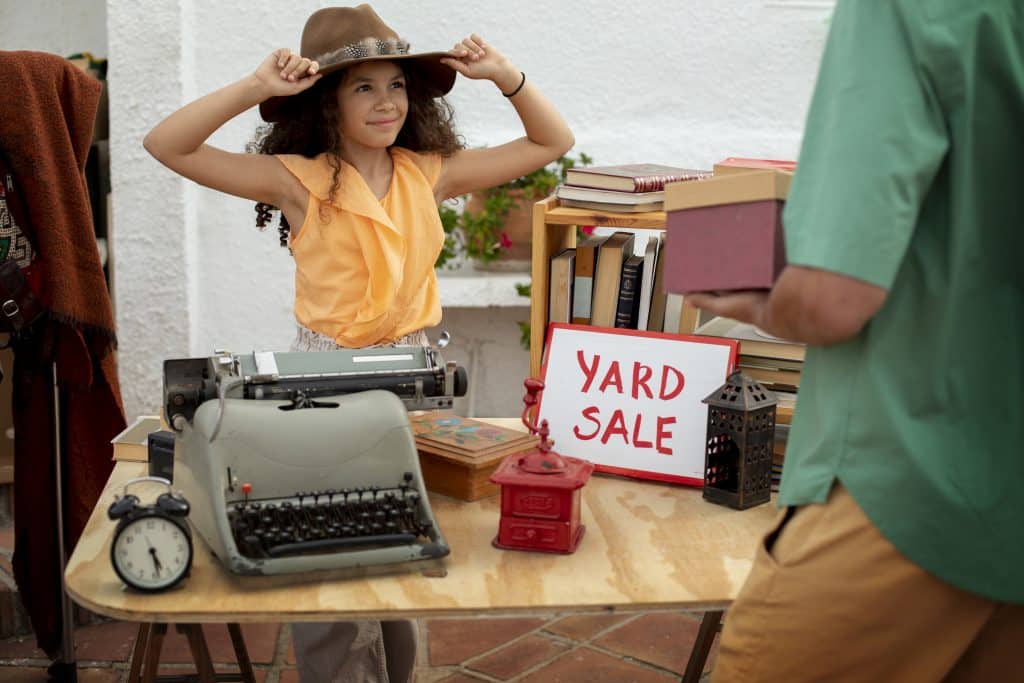
Are you looking to free up space in your home and simultaneously boost your bank account? Learning to cash in on clutter is a powerful strategy that combines home organization with financial gain.
It’s more than just tidying up; it’s about recognizing the hidden value in items you no longer need and converting them into tangible income.
The hidden value in your belongings
Many of us accumulate items over the years, often forgetting their existence or postponing the decision to discard them.
These forgotten treasures, from old electronics to seldom-worn clothing, represent untapped financial potential.
Realizing this potential begins with a shift in perspective, viewing clutter not as a burden, but as an opportunity.
The first step in this journey is acknowledging that what might be junk to you could be a valuable find for someone else.
This principle forms the foundation of a successful decluttering and selling endeavor.
It’s about more than just making a few dollars; it’s about participating in a circular economy, reducing waste, and making conscious decisions about consumption.
Identifying valuable items
Not all clutter is created equal when it comes to resale value. Some items inherently hold more appeal or command higher prices.
Understanding what these items are can significantly streamline your decluttering process and maximize your earnings.
Electronics: Old smartphones, tablets, gaming consoles, and even some vintage electronics can fetch a good price, especially if they are in working condition.
Designer clothing and accessories: High-end brands, even if gently used, retain significant value. Look for labels that are well-known and sought after.
Antiques and collectibles: Furniture, decor, coins, stamps, or even comic books can be worth a substantial amount to the right buyer. Research is key here.
Jewelry: Gold, silver, and gemstone jewelry, even broken pieces, have inherent material value.
Books and media: Rare books, first editions, or complete series can be highly desirable. Vinyl records are also experiencing a resurgence in popularity.
To conclude, the initial phase of cashing in on clutter involves a systematic approach to identifying items with potential resale value.
By being discerning and understanding market trends, you can set yourself up for a more profitable decluttering experience.
Strategic decluttering: A step-by-step guide
Decluttering can feel overwhelming, but approaching it strategically can make the process manageable and even enjoyable.
It’s not about throwing everything out, but rather making intentional choices about what stays, what goes, and what can be monetized.
A common mistake is trying to tackle too much at once. Instead, break down your home into smaller, more manageable zones.
This could be one room at a time, or even a single closet or drawer. This focused approach prevents burnout and allows for a more thorough evaluation of each item.
The four-box method
A popular and effective method for decluttering is the ‘four-box method’. This involves labeling four boxes with distinct categories to sort your belongings:
Keep: Items you regularly use, love, or truly need.
Donate/Give Away: Items in good condition that you no longer need but someone else could benefit from.
Sell: Items with resale potential that you’re willing to put in the effort to sell.
Trash/Recycle: Items that are broken, stained, or no longer functional.
As you go through each item, assign it to one of these categories. Be honest with yourself about why you’re keeping something. If it’s been untouched for over a year, or if it doesn’t bring you joy or serve a practical purpose, it might be a candidate for selling or donating.
Once you’ve sorted everything, immediately remove the ‘Trash/Recycle’ box from your home. Schedule a drop-off for the ‘Donate/Give Away’ items. The ‘Sell’ box is where your focus for earning extra income truly begins. This systematic approach ensures that you not only declutter but also prepare efficiently for the next steps in monetizing your unwanted items.
Choosing the right selling platform
With your items sorted and ready, the next critical step is selecting the most appropriate selling platform. Different items perform better on different channels, and understanding these nuances can significantly impact your success and profit margins.
The landscape of selling platforms is vast, ranging from local community options to global online marketplaces. Each comes with its own set of advantages, disadvantages, fees, and target audiences. A little research into what works best for your specific items can save you time and increase your chances of a quick sale.
Online marketplaces for broader reach
For items that are easily shippable or have a niche appeal, online marketplaces are often your best bet. They offer a vast audience, increasing the likelihood of finding a buyer.
- eBay: Ideal for collectibles, electronics, vintage items, and unique finds. Offers auction and ‘Buy It Now’ options.
- Poshmark/Depop: Excellent for clothing, accessories, and shoes, particularly designer or trending items.
- Facebook Marketplace: Great for local sales of furniture, larger items, or anything you prefer not to ship.
- Etsy: Best for handmade goods, vintage items (over 20 years old), and craft supplies.
- Amazon (Seller Central): Suitable for new or used books, media, and certain electronics, though it has stricter guidelines.
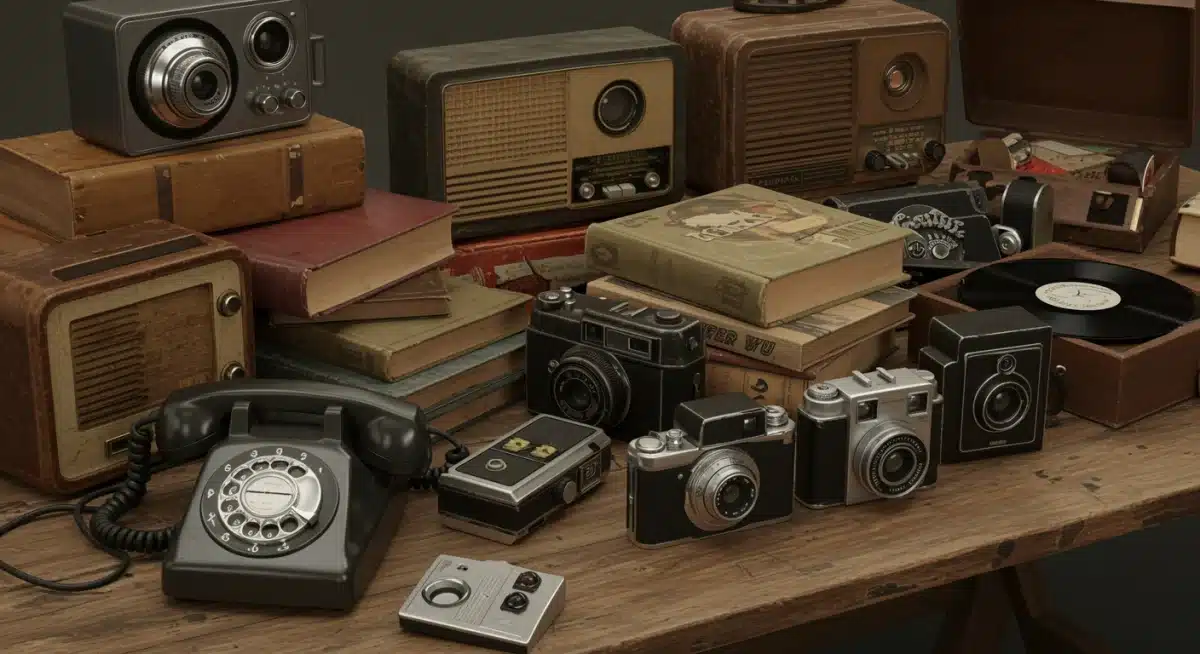
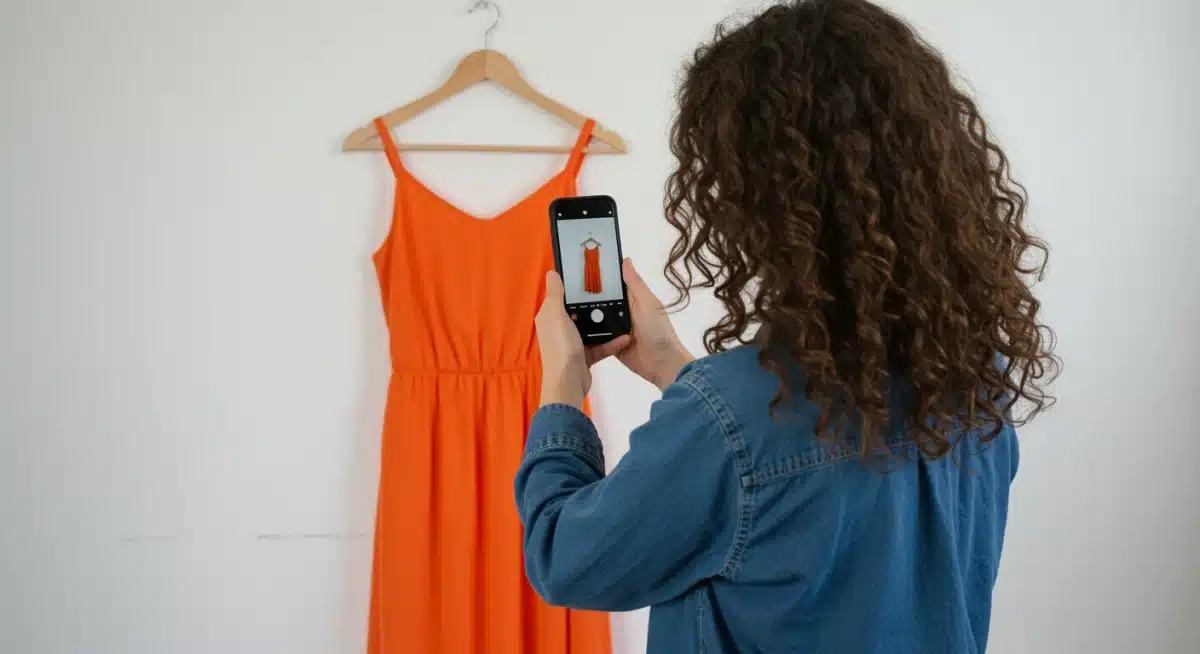
When using online platforms, high-quality photos, detailed descriptions, and clear communication are paramount.
Buyers rely heavily on visual cues and accurate information to make purchase decisions. Remember to factor in shipping costs and platform fees when pricing your items to ensure you still make a profit.
In summary, matching your items to the right platform is a strategic decision that can maximize your earning potential.
Consider the item’s size, value, target audience, and your comfort level with shipping or local pickup when making your choice.
Mastering the art of pricing and presentation
Once you’ve identified your items and chosen a platform, the next crucial step is to price them competitively and present them attractively. These two factors often determine how quickly an item sells and for how much.
Underpricing can leave money on the table, while overpricing can deter potential buyers. Striking the right balance requires a bit of research and an understanding of market dynamics.
Similarly, a well-presented item, even if used, conveys care and quality, making it more appealing.
Researching market value
Before setting a price, take the time to research. Look for similar items that have recently sold on your chosen platform or comparable sites. This ‘sold listings’ data is more valuable than current asking prices, as it reflects what buyers are actually willing to pay.
Check sold listings: On platforms like eBay, filter searches to show only items that have successfully sold.
Compare condition: Factor in the condition of your item compared to others. Is it ‘like new,’ ‘good,’ or ‘fair’?
Consider rarity: Rare or limited-edition items can command higher prices.
Account for fees: Remember to subtract platform fees, shipping costs, and any material costs (packaging) from your desired profit.
For presentation, ‘a picture is worth a thousand words’ rings especially true in online sales. Use natural light, take photos from multiple angles, and highlight any unique features or flaws.
A clean, uncluttered background focuses attention on the item itself. Write clear, concise, and honest descriptions, including dimensions, materials, and any imperfections. Transparency builds trust with buyers.
Ultimately, successful selling hinges on a combination of realistic pricing and compelling presentation. By investing time in these areas, you increase your chances of attracting buyers and securing a fair price for your decluttered treasures.
Effective Clutter Strategies for Selling Locally
While online platforms offer broad exposure, local selling remains a powerful clutter strategy for turning unwanted items into quick cash.
Selling locally helps you eliminate shipping costs, avoid delays, and handle transactions face to face—making it especially effective for bulky, fragile, or lower-value clutter.
When used strategically, local selling complements online efforts and helps you clear clutter faster.
Local sales also allow direct interaction with buyers, making it easier to showcase an item’s condition, explain its value, and negotiate confidently.
However, successful clutter selling at the local level requires thoughtful planning around pricing, safety, and convenience to ensure smooth transactions.
Exploring clutter selling opportunities in your community
Several proven local channels support an effective clutter-clearing approach:
Garage sales / Yard sales
A classic clutter solution for moving large volumes quickly. Ideal for household goods, clothing, toys, and miscellaneous items. Success depends on organization, clear pricing, local promotion, and visible signage.
Consignment shops
A smart clutter option for higher-quality items such as designer clothing, handbags, accessories, and select furniture. These shops sell items on your behalf in exchange for a percentage of the sale price, saving time and effort.
Local buy/sell/trade groups
Neighborhood-based Facebook groups and community boards are highly effective for selling clutter locally. They connect you directly with nearby buyers, reduce competition, and often lead to faster sales due to convenience and trust.
Flea markets and craft fairs
If your clutter includes collectibles, vintage items, or themed goods, renting a booth can be a profitable strategy. These venues attract motivated buyers and allow you to sell multiple items in a single day.
Pawn shops
While pawn shops typically offer lower payouts, they remain a viable clutter option when speed matters.
They work best for valuables like jewelry, electronics, or musical instruments when immediate cash is the priority.
Tips to maximize results when selling clutter locally
To get the most from local clutter strategies, price items realistically, keep them clean and presentable, and prioritize safety by meeting buyers in public places or having someone present at home. Using multiple local methods increases visibility and helps move clutter efficiently.
By applying these clutter strategies, local selling becomes more than a backup plan—it becomes a reliable and flexible way to generate cash, reduce household clutter, and regain control of your living space.
When selling locally, always prioritize safety. Meet buyers in well-lit, public places if possible, or have another person present if meeting at your home. Be clear about your pricing and payment methods, typically cash for local sales.
By utilizing these local strategies, you can efficiently convert larger or less shippable items into income, further enhancing your cash-in-on-clutter strategy.
Maximizing profits and avoiding pitfalls
Selling unwanted items can be highly profitable, but like any venture, it comes with potential pitfalls.
To truly maximize your earnings and ensure a smooth selling experience, it’s essential to be aware of common challenges and implement strategies to overcome them.
From dealing with lowball offers to navigating shipping logistics, proactive planning can make a significant difference.
The goal is not just to sell, but to sell efficiently and profitably, minimizing stress and maximizing your return on investment.
Tips for successful selling
Here are some key strategies to help you navigate the selling process effectively:
Be patient but persistent: Not everything sells overnight. Keep listings active, and consider relisting or slightly adjusting prices if items don’t move.
Communicate clearly: Respond promptly to inquiries and provide all necessary information. Good communication builds trust and facilitates sales.
Package securely: If shipping, invest in appropriate packaging materials to prevent damage. Damaged goods lead to refunds and negative feedback.
Track your sales: Keep a record of what you’ve sold, for how much, and any associated fees. This helps you understand what sells best and your actual profit.
Be wary of scams: Especially in online sales, be cautious of buyers who insist on unusual payment methods or overpay and ask for a refund of the difference. Stick to secure payment platforms.
Consider bundling: For lower-value items, bundling them together (e.g., a set of books, a lot of baby clothes) can make them more attractive and easier to sell.
Furthermore, understand the tax implications of selling. While occasional sales of personal items for less than their original purchase price are generally not taxable, if you’re regularly buying items to resell for profit, you might be considered a business and have tax obligations.
Consult with a tax professional if you have concerns.
By adopting these best practices, you can effectively navigate the complexities of selling your decluttered items, ensuring a more profitable and less stressful experience overall.
Maximizing profits means not only getting a good price but also minimizing unforeseen costs and issues.
| Key Strategy | Brief Description |
|---|---|
| Identify Value | Recognize which items have resale potential (electronics, designer goods, collectibles). |
| Systematic Decluttering | Use methods like the ‘four-box’ to sort items efficiently and prevent overwhelm. |
| Choose Right Platform | Select online marketplaces or local options based on item type and target audience. |
| Optimize Pricing & Presentation | Research market value, take quality photos, and write honest descriptions for better sales. |
Frequently Asked Questions About Selling Unwanted Items and Reducing Clutter
What items typically sell best for extra income when clearing clutter?
When tackling household clutter, certain items consistently perform better in resale markets. High-demand categories include electronics such as smartphones, tablets, laptops, and gaming consoles.
Designer clothing, handbags, and accessories also sell well, especially when in good condition.
Vintage pieces, collectibles, quality furniture, and unique home décor items can turn overlooked clutter into profitable sales when listed on the right platforms with appealing photos and descriptions.
How do I determine a fair price for used items from my clutter?
Pricing items correctly is essential when selling clutter. Start by researching completed or “sold” listings for similar items on platforms like eBay or Facebook Marketplace.
Take into account the item’s condition, brand reputation, age, and rarity.
Be sure to factor in selling fees, shipping costs, and platform commissions so your final price reflects real profit—not just movement of clutter.
What are the best online platforms for selling clutter? ▼
The best platform depends on the type of clutter you’re selling:
eBay: Ideal for electronics, collectibles, and hard-to-find items
Poshmark & Depop: Best for fashion, shoes, and accessories
Facebook Marketplace: Great for local sales, furniture, and bulky clutter
Etsy: Perfect for vintage items, crafts, and unique décor
Choosing the right marketplace increases visibility and helps turn clutter into cash faster.
Are there safety tips I should follow when selling clutter locally?
Yes—safety is essential when selling clutter in person. Always meet buyers in well-lit, public locations when possible.
If transactions occur at home, have another adult present. Avoid unusual payment requests and stick to cash or trusted digital payment apps. Staying alert protects both your finances and your personal safety while decluttering.
Do I need to worry about taxes when selling personal clutter?
In most cases, selling personal clutter for less than you originally paid is not taxable. However, if you regularly resell items for profit or sell something for more than its original purchase price, the income may be taxable.
If your decluttering efforts start to resemble a business, it’s wise to consult a tax professional to stay compliant.
Conclusion
Turning household clutter into extra income is not just a dream—it’s an achievable goal with the right strategy.
By identifying the hidden value in unused items, applying smart organization techniques, and choosing the best selling platforms, you can successfully transform everyday clutter into real cash.
Reducing clutter not only creates a more functional and stress-free living space but also delivers a meaningful financial benefit.
This process proves that what feels like excess or mess to you may be valuable to someone else. Embrace decluttering as an ongoing habit, and let your clutter become an unexpected source of income and opportunity.