Combatting SAD: 7 Strategies for Winter Wellness in 2026


As the days grow shorter and the temperatures drop, many Americans find themselves grappling with a profound shift in mood and energy.
This isn’t just the ‘winter blues’; for a significant portion of the population, it’s a clinically recognized condition known as Seasonal Affective Disorder (SAD). Understanding and proactively addressing SAD is crucial for maintaining overall well-being.
This article will delve into Combatting Seasonal Affective Disorder: 7 Effective Strategies for Winter Wellness in 2025, offering practical and actionable advice to navigate the colder months with resilience and vitality.
Understanding Seasonal Affective Disorder (SAD)
Seasonal Affective Disorder, often referred to as SAD, is a type of depression that recurs with the changing seasons. Most commonly, symptoms emerge in late fall or early winter and dissipate during the spring and summer months.
While the exact cause remains elusive, research suggests it’s linked to changes in the body’s circadian rhythm, a drop in serotonin levels, and an imbalance in melatonin production, all influenced by reduced exposure to natural sunlight.
Recognizing the symptoms is the first step toward effective management. These can range from mild to severe and often mimic those of major depression.
Common indicators include persistent low mood, loss of interest in previously enjoyed activities, low energy, difficulty concentrating, changes in appetite (often cravings for carbohydrates), and increased sleep. For some, winter can feel like an unending struggle against a fog of lethargy and sadness.
The biological clock and light exposure
Our bodies rely heavily on natural light cues to regulate our internal clocks. When daylight hours shorten, this rhythm can be disrupted, leading to challenges in sleep patterns and mood regulation.
Less sunlight means the brain produces less serotonin, a neurotransmitter that affects mood, and more melatonin, which promotes sleep. This imbalance can leave individuals feeling sluggish and down.
Disrupted circadian rhythm due to less light
Reduced serotonin production affecting mood
Increased melatonin leading to fatigue
Difficulty regulating sleep-wake cycles
Understanding these underlying physiological changes is fundamental to appreciating why certain interventions, such as light therapy, are so effective.
It’s not simply about feeling happier; it’s about recalibrating your body’s natural processes to function optimally even when daylight is scarce. Being proactive about these changes can significantly improve one’s quality of life during winter.
In essence, SAD is a complex interplay of environmental factors and biological responses. By acknowledging its cyclical nature and understanding the science behind it, individuals can better prepare and implement strategies to minimize its impact and foster a sense of well-being throughout the winter season.
Strategy 1: Embrace Light Therapy
Light therapy, also known as phototherapy, is one of the most effective and widely recommended treatments for Seasonal Affective Disorder.
It involves daily exposure to a special light box that emits bright, full-spectrum light, mimicking natural outdoor light.
This exposure helps to regulate the body’s circadian rhythm and can positively influence neurotransmitter levels, particularly serotonin and melatonin.
The key to successful light therapy lies in consistency and proper usage. Typically, individuals are advised to sit in front of a light box for 20 to 60 minutes each morning, preferably within an hour of waking.
The light box should emit 10,000 lux of light and filter out harmful UV rays. It’s important to place the light box at an angle so the light reaches your eyes indirectly, rather than staring directly into it.
Many people report noticeable improvements in their mood and energy levels within a few days or weeks of starting light therapy.
It’s a non-invasive treatment with relatively few side effects, making it an accessible option for many.
However, consulting with a healthcare professional before starting light therapy is always recommended to ensure it’s the right approach for your specific needs and to rule out any contraindications.
Choosing the right light box
Not all light boxes are created equal. When selecting one, consider factors like lux intensity, UV filtration, and portability.
A 10,000-lux output is generally recommended for SAD treatment. Also, look for devices certified by reputable organizations to ensure safety and effectiveness.
Some light boxes also offer adjustable brightness settings and timers, which can enhance the user experience.
Ensure 10,000 lux output
Verify UV light filtration
Consider portability and design
Look for certified devices
Integrating light therapy into your daily routine can be a simple yet powerful way to counteract the effects of reduced natural light during winter.
Whether it’s during breakfast, while reading, or working at your desk, making time for light therapy can significantly uplift your spirits and improve your overall winter wellness.
The consistent application of light therapy can be a game-changer for those struggling with SAD.
It provides a daily dose of simulated sunlight that helps to reset the body’s internal clock and boost mood-regulating chemicals, offering a tangible path toward feeling more balanced and energized throughout the darker months.
Strategy 2: Prioritize Regular Physical Activity
Exercise is a potent mood booster, and its benefits extend significantly to those combatting Seasonal Affective Disorder.
Regular physical activity, even moderate amounts, can alleviate symptoms of depression and anxiety by stimulating the release of endorphins, natural mood elevators.
It also helps regulate sleep patterns, which are often disrupted by SAD.
During winter, it can be challenging to maintain an exercise routine, especially when motivation is low and outdoor conditions are uninviting.
However, finding activities you enjoy and can stick with is key.
This doesn’t necessarily mean hitting the gym every day; it could be anything from brisk walking to dancing in your living room.
Finding your winter workout rhythm
Consider indoor activities like yoga, Pilates, swimming, or joining a fitness class. If you prefer the outdoors, bundle up and try winter sports like skiing, snowboarding, or even just a walk in a local park.
The fresh air, even on a cloudy day, combined with physical exertion, can be incredibly invigorating.
Aim for at least 30 minutes of moderate exercise most days
Explore indoor fitness options like yoga or dance
Embrace outdoor activities if weather permits
Vary your routine to keep it interesting
The consistency of exercise is more important than its intensity. Even short bursts of activity throughout the day can accumulate and contribute to your overall well-being.
Think of it as a non-negotiable appointment with yourself, a fundamental component of your winter wellness strategy. The physical benefits are well-known, but the mental health advantages, especially for SAD, are truly transformative.
By making regular physical activity a cornerstone of your winter routine, you’re not just improving your physical health; you’re actively building resilience against the seasonal blues. The energy boost, improved sleep, and enhanced mood are invaluable tools in your arsenal against SAD.
Strategy 3: Optimize Your Diet for Mood and Energy
What you eat plays a critical role in how you feel, both physically and mentally. During winter, when cravings for comfort foods and carbohydrates can be strong, it’s especially important to focus on a diet rich in nutrients that support mood and energy levels.
A well-balanced diet can help stabilize blood sugar, reduce inflammation, and provide the building blocks for neurotransmitters.
Pay attention to foods that are known to support brain health and mood. This includes omega-3 fatty acids, found in fatty fish like salmon, flaxseeds, and walnuts.
These healthy fats are crucial for brain function and have been linked to reduced symptoms of depression. Also, ensure adequate intake of B vitamins, which are essential for energy production and neurotransmitter synthesis.

Nutrients to prioritize
Focus on whole, unprocessed foods. Lean proteins, complex carbohydrates, and plenty of fruits and vegetables should form the foundation of your winter diet.
While it’s tempting to reach for sugary snacks, these can lead to energy crashes and exacerbate mood swings. Instead, opt for nutrient-dense options that provide sustained energy.
Omega-3 fatty acids (fish, flaxseeds)
B vitamins (leafy greens, whole grains)
Vitamin D (fortified foods, supplements)
Complex carbohydrates (oats, sweet potatoes)
Hydration is another often-overlooked aspect of diet. Even mild dehydration can impact mood and cognitive function.
Make sure you’re drinking enough water throughout the day, even if you don’t feel as thirsty in colder weather. Herbal teas can also be a comforting way to stay hydrated.
By consciously choosing foods that nourish your brain and body, you’re actively contributing to your resilience against SAD.
A well-fueled body is better equipped to handle the challenges of winter, leading to more stable energy and a brighter outlook.
Strategy 4: Cultivate Strong Social Connections
Human beings are social creatures, and isolation can significantly worsen symptoms of depression, including those associated with SAD.
Maintaining and cultivating strong social connections is a vital strategy for winter wellness. Even when the weather makes it difficult to venture out, making an effort to connect with others can provide a powerful buffer against loneliness and low mood.
Schedule regular meet-ups with friends and family, even if it’s just for a coffee or a walk. If in-person gatherings are challenging, leverage technology through video calls or online social groups.
The act of connecting, sharing experiences, and feeling understood can provide immense emotional support and a sense of belonging.
Overcoming social inertia
It’s common to feel a lack of motivation to socialize when experiencing SAD symptoms. However, pushing through this inertia, even for short periods, can yield significant benefits.
Plan activities that are low-stress and enjoyable, such as watching a movie together, playing a board game, or cooking a meal with loved ones.
Schedule regular social engagements
Utilize video calls and online communities
Engage in low-stress, enjoyable group activities
Seek out new social opportunities or hobbies
Consider joining a club or group that aligns with your interests. This can be a fantastic way to meet new people and build a supportive community.
Whether it’s a book club, a hiking group, or a volunteer organization, shared activities can foster a sense of purpose and connection.
Prioritizing social interaction isn’t just a pleasant pastime; it’s a critical component of mental health, especially during the darker months.
The warmth of human connection can counteract the chill of winter and provide much-needed emotional sustenance.
Strategy 5: Prioritize Quality Sleep
Sleep is a fundamental pillar of health, and its quality and quantity profoundly impact mood, energy, and cognitive function. For individuals affected by SAD, establishing a consistent and healthy sleep routine is paramount.
SAD can disrupt the body’s natural sleep-wake cycle, leading to insomnia or excessive sleepiness, both of which can exacerbate symptoms.
Aim for 7-9 hours of quality sleep each night. This means not just getting enough hours but ensuring that sleep is restorative.
Creating a conducive sleep environment and adhering to a consistent sleep schedule, even on weekends, can significantly improve sleep quality.
Avoid major fluctuations in bedtime and wake-up time to help regulate your circadian rhythm.
Creating a sleep-friendly environment
Your bedroom should be a sanctuary for sleep. Keep it dark, quiet, and cool. Blackout curtains can be particularly helpful during winter mornings when the sun rises later, allowing you to maintain your desired sleep schedule.
Avoid screens (phones, tablets, computers) for at least an hour before bedtime, as the blue light emitted can interfere with melatonin production.
Maintain a consistent sleep schedule
Ensure 7-9 hours of sleep per night
Create a dark, quiet, and cool bedroom
Avoid screens before bedtime
Mindful relaxation techniques before bed, such as reading a physical book, taking a warm bath, or practicing gentle stretching, can signal to your body that it’s time to wind down.
Limiting caffeine and alcohol intake, especially in the afternoon and evening, will also contribute to better sleep quality.
By making quality sleep a non-negotiable priority, you’re providing your body and mind with the essential rest they need to function optimally.
This proactive approach to sleep hygiene can significantly reduce the impact of SAD symptoms and promote overall winter wellness.
Strategy 6: Practice Mindfulness and Stress Reduction
The shorter days and challenging conditions of winter can heighten stress levels, which in turn can exacerbate SAD symptoms.
Integrating mindfulness and stress reduction techniques into your daily routine can be incredibly beneficial for managing mood and fostering a sense of calm amidst the seasonal shift.
Mindfulness involves being present and fully engaged in the current moment, observing thoughts and feelings without judgment.
Simple practices like deep breathing exercises, meditation, or engaging in activities that bring you joy and focus can help to ground you.
Even a few minutes of mindful attention each day can make a significant difference in your ability to cope with stressors and maintain emotional balance.
These practices don’t require extensive training; they simply require an intention to be present.
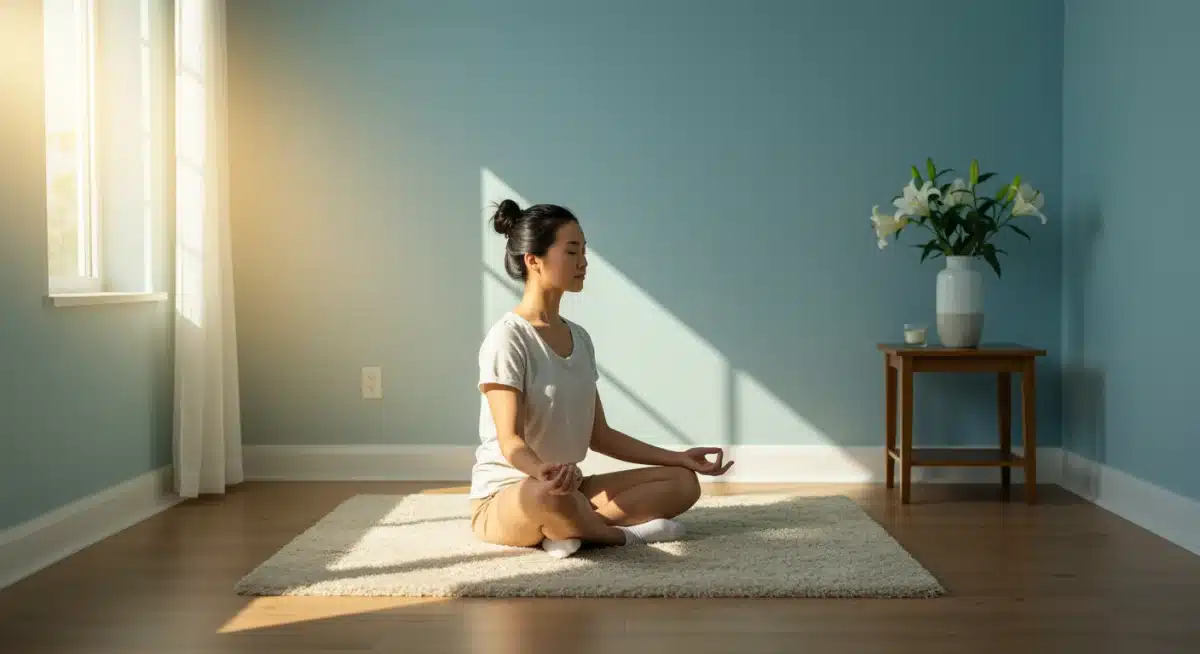
Incorporating mindfulness into daily life
Mindfulness isn’t just about formal meditation; it can be integrated into everyday activities. Pay full attention when you’re eating, walking, or even doing chores.
Notice the sensations, sounds, and sights around you. This practice helps to shift your focus away from negative rumination and towards the present moment.
Daily meditation or deep breathing exercises
Engage in mindful eating or walking
Practice gratitude journaling
Spend time in nature, observing your surroundings
Consider keeping a gratitude journal. Regularly noting down things you are thankful for can shift your perspective towards positivity and appreciation, even during challenging times.
This simple act can reframe your outlook and reduce feelings of overwhelm.
By actively engaging in mindfulness and stress reduction, you’re equipping yourself with powerful tools to navigate the emotional landscape of winter.
These practices help to create an internal sanctuary, allowing you to find peace and stability regardless of external conditions.
Strategy 7: Seek Professional Support When Needed
While self-help strategies are incredibly powerful, it’s crucial to recognize when professional support is necessary.
Seasonal Affective Disorder is a legitimate medical condition, and for some, the symptoms can be severe enough to significantly impact daily functioning. Seeking help from a healthcare professional, such as a doctor, therapist, or psychiatrist, is a sign of strength, not weakness.
A professional can offer a comprehensive assessment, provide an accurate diagnosis, and recommend a tailored treatment plan.
This might include psychotherapy (such as cognitive-behavioral therapy for SAD, or CBT-SAD), medication (antidepressants), or a combination of approaches. They can also help you integrate self-care strategies more effectively and monitor your progress.
When to consider professional help
If your SAD symptoms are persistent, severe, interfere with your daily life, or if you experience thoughts of self-harm, it’s imperative to seek professional help immediately.
Don’t wait for symptoms to worsen; early intervention can make a significant difference in your recovery and well-being.
Symptoms are severe or persistent
Daily functioning is significantly impaired
Self-help strategies are not sufficient
Experiencing thoughts of self-harm
Your doctor can also rule out other conditions that might mimic SAD symptoms, such as thyroid issues or other forms of depression.
Having a clear diagnosis ensures that you receive the most appropriate and effective treatment. Remember, there is no shame in seeking support for mental health challenges.
Embracing professional support as part of your overall winter wellness plan demonstrates a commitment to your health.
With the right guidance and treatment, you can effectively manage SAD and enjoy a more balanced and fulfilling winter season in 2025 and beyond.
| Strategy | Brief Description |
|---|---|
| Light Therapy | Daily exposure to 10,000-lux light boxes to regulate circadian rhythm and mood. |
| Regular Exercise | Boosts endorphins, improves sleep, and alleviates depressive symptoms. |
| Optimized Diet | Focus on omega-3s, B vitamins, and whole foods for sustained mood and energy. |
| Social Connections | Combat isolation and foster emotional support through regular interactions. |
Frequently Asked Questions About Winter Wellness
While the exact cause is unknown, SAD is primarily linked to reduced exposure to natural sunlight during shorter winter days. This lack of light can disrupt the body’s circadian rhythm and lead to imbalances in brain chemicals like serotonin and melatonin, affecting mood and sleep patterns.
Many individuals report experiencing noticeable improvements in their mood and energy levels within a few days to a couple of weeks of consistently using a 10,000-lux light box for 20-60 minutes each morning. Consistency is key for optimal results.
Yes, diet plays a significant role. A diet rich in omega-3 fatty acids, B vitamins, and complex carbohydrates can support brain health, stabilize blood sugar, and contribute to neurotransmitter balance, all of which are crucial for managing SAD symptoms and maintaining energy.
Any form of regular physical activity that you enjoy can be beneficial. Whether it’s indoor yoga, brisk walks outdoors, or dancing, the goal is to engage in at least 30 minutes of moderate exercise most days to boost endorphins and improve mood and sleep.
If your SAD symptoms are severe, persistent, interfere significantly with your daily life, or if you experience thoughts of self-harm, it is crucial to seek immediate professional help from a doctor, therapist, or psychiatrist for proper diagnosis and treatment.
Embracing a Brighter Winter
Combatting Seasonal Affective Disorder: 7 Effective Strategies for Winter Wellness in 2026 is not merely about enduring the colder months, but about thriving through them.
By proactively integrating light therapy, regular physical activity, an optimized diet, strong social connections, quality sleep, mindfulness, and knowing when to seek professional support, you can significantly mitigate the impact of SAD.
These strategies empower you to take control of your well-being, transforming winter from a period of struggle into an opportunity for growth and resilience. Embrace these tools, and look forward to a brighter, more energized winter.