Eco Friendly Furniture for Your Bedroom


How to Create a Comfortable and Eco-Friendly Space
In today’s world, making sustainable choices is more important than ever — and that includes how we furnish our homes. The bedroom, being our private retreat, is the perfect place to start making changes that not only benefit the planet but also enhance our health and well-being.
Choosing sustainable bedroom furniture means opting for pieces made with eco-conscious materials, ethical production methods, and long-term durability. And the best part? You don’t have to sacrifice comfort or style to live more sustainably.
What Is Sustainable Bedroom Furniture?
Sustainable bedroom furniture is designed and produced with the environment in mind. This means using renewable or recycled materials, avoiding harmful chemicals, and ensuring the item is built to last.
A truly sustainable piece of furniture meets most or all of these criteria:
Made from responsibly sourced or recycled materials (like FSC-certified wood, bamboo, reclaimed wood)
Built to last, reducing the need for frequent replacements
Produced ethically, with fair labor practices and minimal environmental impact
Finished with non-toxic paints, stains, or adhesives
Designed with multifunctionality or modularity to reduce waste
Why Choose Sustainable Furniture for the Bedroom?
| Feature | Traditional Furniture | Sustainable Furniture | Benefit |
|---|---|---|---|
| Material Source | Non-renewable wood, MDF, plastic | FSC-certified wood, bamboo, reclaimed materials | Lower environmental impact |
| Production | Mass-produced, low transparency | Ethical manufacturing, handcrafted options | Supports local jobs and fair labor |
| Finishes & Adhesives | Toxic glues, VOC paints | Non-toxic, water-based finishes | Healthier indoor air |
| Durability | Wears out in 3–5 years | Designed to last 10+ years | Long-term savings |
| End-of-Life Impact | Difficult to recycle, landfill waste | Often recyclable or biodegradable | Reduces environmental footprint |
| Aesthetic Value | Generic, mass-produced | Unique, artisan-crafted | Personalized, stylish design |
| Cost (Initial) | Lower upfront | May be slightly higher | Better investment over time |
Sustainable Bedroom Furniture Ideas by Category
Below are practical ideas for every key piece of bedroom furniture, with sustainable options and tips.

Sustainable Beds
The bed is the true centerpiece of any bedroom, both visually and functionally, which makes it the perfect place to start when creating a more eco-conscious space. Choosing a sustainable bed doesn’t mean sacrificing comfort or style—it means being intentional about materials, construction, and longevity.
Opt for bed frames crafted from reclaimed wood, bamboo, or FSC-certified solid wood, all of which reduce deforestation and support responsible forestry practices.
These materials are not only environmentally friendly but also incredibly durable, ensuring your bed frame lasts for years rather than ending up in a landfill.
Minimalist and modular bed designs are another smart sustainable choice. By using fewer materials and simple construction methods, these frames reduce waste while offering flexibility if you move or redecorate. Clean lines and timeless designs also help prevent the urge to replace furniture based on trends.
For a truly budget-friendly and eco-conscious approach, consider DIY pallet bed frames. Repurposed pallets give discarded materials a second life, add a rustic or industrial charm to your bedroom, and can be customized to fit your space perfectly. With proper sanding and sealing, pallet beds can be both safe and stylish.
Bonus Tip: Complete your sustainable sleep setup by pairing your bed with an organic or natural latex mattress and bedding made from cotton, linen, or bamboo. These natural fibers are breathable, long-lasting, and often produced with fewer chemicals, contributing to healthier sleep and a smaller environmental footprint.
Nightstands and Bedside Tables
Nightstands don’t need to be elaborate to be effective—they simply need to support your nightly routine while complementing your bedroom’s style and values. Sustainable bedside tables are all about creativity, reuse, and thoughtful design.
One of the easiest eco-friendly options is to repurpose old furniture. Wooden stools, crates, or even vintage drawers can be transformed into charming bedside tables with minimal effort. These pieces add character to your space while keeping perfectly usable items out of landfills.
Shopping secondhand is another excellent strategy. Thrift stores, flea markets, and online marketplaces often offer solid wood nightstands at a fraction of the cost of new ones. Refinishing them with non-toxic paint, natural oils, or beeswax allows you to personalize the look while keeping indoor air quality safe.
For a modern and space-saving solution, consider building a floating nightstand using leftover or reclaimed wood. This sleek design reduces material use, frees up floor space, and creates a clean, contemporary feel. Floating nightstands are especially ideal for small bedrooms and minimalist interiors, proving that sustainable choices can also be highly stylish.
By rethinking how beds and bedside tables are sourced and designed, you can create a bedroom that’s comfortable, beautiful, and aligned with sustainable living principles.
Dressers and Storage Units
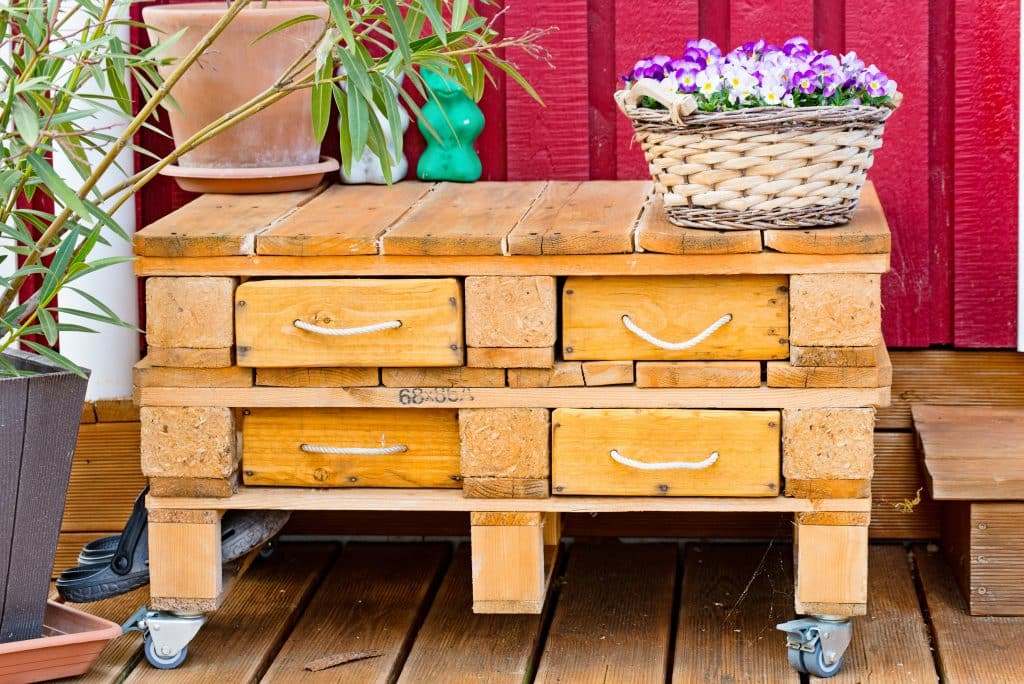
Storage furniture often uses engineered wood or MDF, which can contain formaldehyde. Sustainable alternatives include:
Solid wood dressers from certified brands or local artisans
Dressers made from reclaimed or upcycled wood
Vintage pieces from thrift stores or online marketplaces (buying secondhand is a great sustainable choice)
Pro Tip: If the piece is still structurally sound, a little sanding and a coat of natural finish can bring new life to an old dresser.
Wardrobes and Clothing Racks
If you don’t have a built-in closet, you can create beautiful, eco-conscious alternatives:
Open clothing racks made from metal pipes or wooden dowels
Armoire-style wardrobes made from responsibly sourced materials
DIY closet systems using reclaimed materials or bamboo shelving
Shelving and Bookcases
Shelves offer both storage and decoration. Sustainable shelf ideas include:
Reused wooden crates turned into modular bookshelves
Floating shelves made from salvaged wood or bamboo
Ladder-style bookshelves, which use less material and fit into small spaces
These can double as spaces for books, décor, or indoor plants that improve air quality.
Accent Chairs or Reading Corners
A cozy corner for reading or relaxing is a great addition to your bedroom.
Use secondhand armchairs with natural fabrics or reupholster old ones with sustainable textiles.
Consider rattan, wicker, or bamboo chairs — lightweight, renewable, and stylish.
Add a recycled cotton throw and a few natural-fiber cushions for extra comfort.
Eco-Friendly Decor and Accessories
Creating a sustainable bedroom goes beyond choosing responsible furniture—the decor and accessories you select play a powerful role in shaping both the environmental impact and the overall atmosphere of your space. Thoughtful styling with natural, biodegradable, or secondhand pieces helps reduce waste while adding warmth, texture, and personality to the room.
Start with textiles, which can dramatically influence comfort and air quality. Rugs made from jute, sisal, or organic cotton are excellent alternatives to synthetic carpeting. These natural fibers are renewable, durable, and often biodegradable, making them a smart long-term investment. Their earthy tones also create a calming foundation that pairs beautifully with sustainable furniture.
Window treatments are another opportunity to make an eco-conscious upgrade. Curtains crafted from linen or hemp provide breathability and softness without relying on petroleum-based materials. These fabrics tend to last longer and age gracefully, meaning you won’t need frequent replacements. Plus, heavier natural curtains can improve insulation, helping regulate bedroom temperature year-round.
When it comes to wall decor, consider pieces that celebrate craftsmanship and low-impact materials. Macramé hangings, dried botanical arrangements, woven art, and handmade décor introduce organic texture while supporting artisans and small creators. These elements complement sustainable furniture by reinforcing a cohesive, nature-inspired aesthetic.
Mirrors and picture frames are perfect candidates for upcycling. Instead of buying new, look for vintage options at thrift stores or flea markets. Refinishing an old wooden frame or repainting a mirror border can instantly refresh the piece while keeping usable materials out of landfills. Upcycled accents often carry a charm that mass-produced items simply can’t replicate.
As a general guideline, try to avoid plastic decor and heavily synthetic fabrics whenever possible. Many synthetic materials are derived from fossil fuels and can release microplastics into the environment over time. Choosing natural alternatives supports a healthier indoor space and aligns with the sustainable choices you’ve made in your furniture.
To elevate your bedroom even further, consider adding plants in ceramic or terracotta pots. Greenery naturally improves air quality, boosts mood, and strengthens the connection between your interior and the outdoors—an ideal complement to eco-friendly furniture and decor.
Ultimately, sustainable accessories help transform your bedroom into more than just a place to sleep—they turn it into a restorative retreat built on mindful choices. By layering natural textures, repurposed finds, and ethically made pieces around your furniture, you create a space that feels serene, stylish, and environmentally responsible.
Sustainable Materials to Look For
When selecting furniture for a greener home, the materials you choose matter just as much as the design. Sustainable materials help conserve natural resources, reduce pollution, and promote longer product lifecycles. Whether you’re buying new pieces or building your own, understanding what goes into your furniture empowers you to make smarter, eco-friendly decisions.
Reclaimed Wood
Reclaimed wood is one of the most sought-after materials in sustainable furniture design. Salvaged from old barns, factories, shipping pallets, or historic buildings, this wood is given a second life instead of being discarded.
Each piece carries unique textures, grain patterns, and subtle imperfections that add warmth and character to your space. Beyond aesthetics, reclaimed wood reduces the demand for newly harvested timber, helping preserve forests and lower carbon emissions associated with logging.
FSC-Certified Wood
If you prefer new wood furniture, look for products certified by the Forest Stewardship Council (FSC). FSC-certified furniture ensures that the wood comes from responsibly managed forests where biodiversity is protected and harvesting practices are carefully regulated.
Choosing certified furniture supports ethical forestry while still providing the strength and timeless appeal that solid wood offers.
Bamboo
Bamboo has become a standout material in modern sustainable furniture because of its rapid growth cycle. Unlike traditional hardwood trees that can take decades to mature, bamboo regenerates in just a few years without requiring replanting.
It is lightweight yet remarkably strong, making it ideal for bed frames, shelving, and accent furniture. Its natural, clean appearance also complements a wide range of interior styles—from minimalist to contemporary.
Natural Fabrics
Upholstered furniture often hides synthetic materials that can release chemicals into your home. Opting for natural fabrics such as cotton, wool, hemp, or linen helps create a healthier indoor environment.
These breathable textiles are typically produced with fewer harsh treatments and are more biodegradable at the end of their lifecycle. Natural-fabric furniture also enhances comfort by regulating temperature and moisture more effectively.
Recycled Metal or Glass
Recycled materials are increasingly popular in sustainable furniture manufacturing. Metals and glass can be repurposed repeatedly without losing structural integrity, making them excellent choices for frames, legs, and hardware.
Furniture incorporating recycled components reduces mining demand and energy consumption while adding a sleek, modern touch to your décor.
By prioritizing these materials when purchasing or crafting furniture, you actively support a circular economy—one that values reuse, responsible sourcing, and durability. Sustainable furniture isn’t just a trend; it’s a thoughtful investment in a healthier home and a more resilient planet.
Where to Buy Sustainable Bedroom Furniture
Online Brands:
Avocado Green (US) – natural bed frames, dressers, and organic mattresses
Medley Home – handmade sustainable furniture with eco-friendly materials
Made Trade – curated collection of fair trade and eco-conscious home goods
The Joinery – heirloom-quality furniture from FSC-certified wood
Local & DIY Options:

Thrift stores or flea markets
Local carpenters and artisans
Facebook Marketplace, Craigslist, or Freecycle
Community woodworking classes for DIY builds
Tips to Make Any Bedroom More Eco-Friendly
Even if you don’t replace every piece of furniture, you can make your bedroom greener with small changes:
Switch to LED light bulbs and unplug devices when not in use.
Add indoor plants for better air quality and a calming vibe.
Use non-toxic cleaning products and natural air fresheners (like essential oils).
Opt for neutral colors and minimalist decor, which reduce visual clutter and waste.
CONCLUSION
Creating a bedroom with sustainable furniture is more than a design choice — it’s a lifestyle decision that aligns with your health, your values, and your impact on the Earth.
You don’t need to do everything at once. Start small: buy secondhand, refinish a piece you already own, or build your own nightstand. As you make each conscious choice, your room becomes not just more beautiful — but more meaningful.
Sustainable bedroom furniture proves that it’s possible to combine style, comfort, and care for the environment — all in the same space.