Build a Chicken Coop: Fresh Eggs, Save $20 Monthly
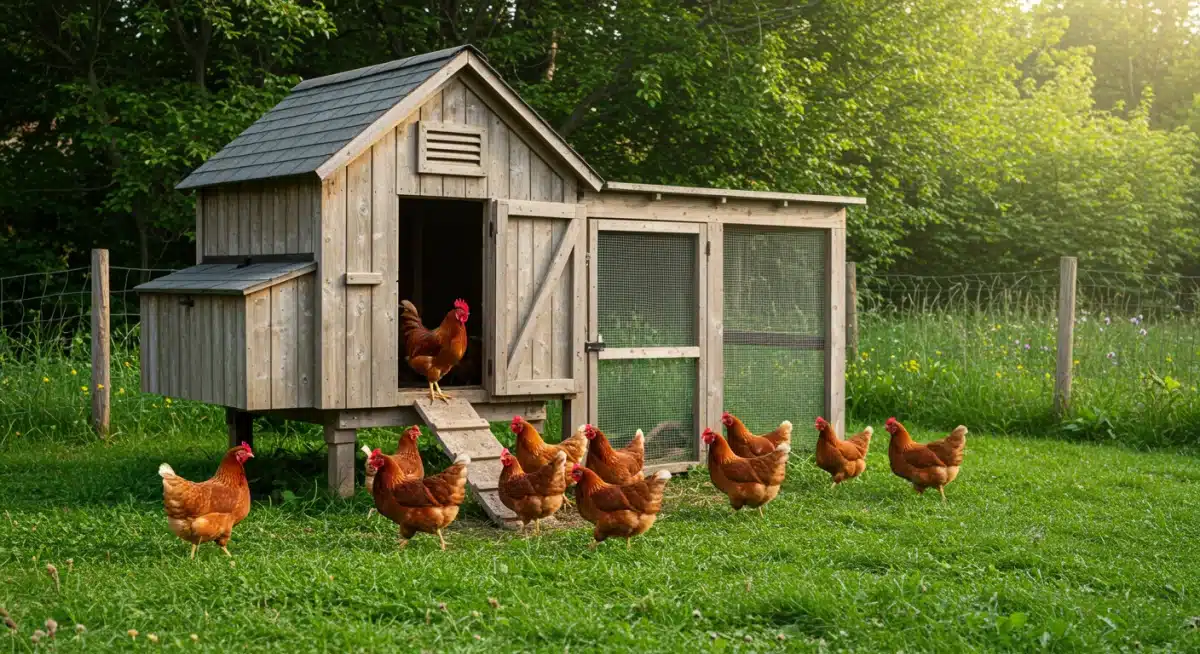
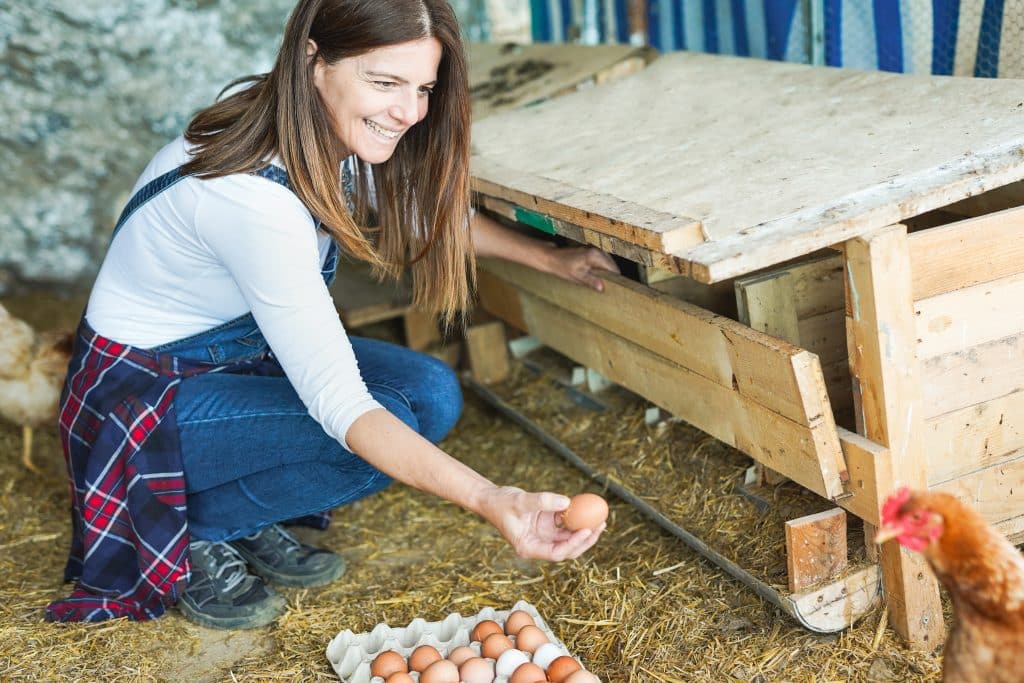 Building a chicken coop enables homesteaders to establish a sustainable source of fresh eggs, fostering self-sufficiency and offering a tangible reduction in household grocery expenditures.
Are you dreaming of waking up to fresh, organic eggs every morning? The idea of raising your own chickens might seem daunting, but it’s an incredibly rewarding endeavor that can significantly impact your household budget.
Learning how to build a chicken coop is the first step toward enjoying daily fresh eggs and potentially saving around $20 per month on groceries.
This guide will walk you through everything you need to know, from initial planning to daily care, making backyard chicken keeping an achievable reality for you.
Why Build a Chicken Coop? The Benefits of Backyard Poultry
Embarking on the journey of backyard chicken keeping offers a multitude of advantages beyond just fresh eggs.
It’s a lifestyle choice that connects you more deeply with your food source, promotes sustainability, and can even become a fulfilling hobby. Understanding these benefits can solidify your decision to build your own coop.
One of the most compelling reasons is the superior quality of eggs. Store-bought eggs, even organic ones, often lack the vibrant yolks and rich flavor of eggs from happy, healthy backyard hens.
When you raise your own chickens, you control their diet, ensuring they receive high-quality feed free from unwanted additives. This translates directly into more nutritious and delicious eggs for your family.
Financial Savings and Food Security
While there’s an initial investment in building a coop and acquiring chickens, the long-term financial benefits are substantial.
Imagine consistently saving $20 or more on your monthly grocery bill by eliminating the need to purchase eggs.
Over a year, this adds up to significant savings. Furthermore, having a reliable source of protein right in your backyard enhances your household’s food security, offering peace of mind in uncertain times.
Reduced Grocery Costs: Fresh eggs mean fewer purchases at the store.
Sustainable Food Source: A continuous supply of protein.
Control Over Diet: Feed your chickens what you want them to eat.
Educational for Families: Teaches children about food origins and responsibility.
Beyond the tangible benefits, there’s an undeniable joy in watching your flock thrive. Chickens are surprisingly engaging creatures, each with their own personality.
They contribute to a healthier garden by eating pests and providing nutrient-rich manure for composting. Choosing to build a chicken coop is an investment in a more self-sufficient, sustainable, and enjoyable way of life.
Planning Your Coop: Design, Size, and Location
Before you even pick up a hammer, thorough planning is crucial for a successful chicken coop. The design, size, and location of your coop will directly impact the health and happiness of your flock, as well as the ease of maintenance for you.
A well-planned coop is the foundation of a thriving backyard poultry operation.
Consider your local climate and potential predators when designing. Will your coop need extra insulation for cold winters or ample ventilation for hot summers?
Will it need to be fortified against raccoons, foxes, or even neighborhood dogs? These factors should influence your material choices and structural decisions.
Research local zoning laws and homeowner association rules regarding backyard chickens; these often dictate minimum distances from property lines and house size limits for coops.
Determining Coop Size and Essential Features
The size of your coop depends primarily on the number of chickens you plan to keep. A general rule of thumb is to allow at least 2-3 square feet per bird inside the coop and 8-10 square feet per bird in the outdoor run.
Overcrowding can lead to stress, health issues, and behavioral problems among your flock.
Roosting Bars: Provide at least 8 inches of roosting space per bird, elevated off the ground.
Nesting Boxes: One nesting box for every 3-4 hens is usually sufficient.
Ventilation: Essential for air circulation and preventing respiratory issues, but without drafts.
Accessibility: Easy access for cleaning, egg collection, and daily checks.
The location of your coop is equally important. Choose a spot that offers some shade during hot parts of the day but also receives morning sun. Good drainage is key to prevent muddy conditions, which can harbor bacteria.
Proximity to water and electricity sources can also simplify daily chores, especially during colder months when water might need to be heated to prevent freezing. Thoughtful planning at this stage saves time and effort in the long run.
Essential Materials and Tools for Coop Construction
Once your design is finalized, gathering the right materials and tools is the next critical step in your journey to build a chicken coop.
Having everything on hand before you start will make the construction process smoother and more efficient. While specific needs vary with design, some core items are universally required.
For the primary structure, wood is a common choice due to its availability and ease of use. Treated lumber can offer better resistance to rot and pests, but ensure it’s safe for animal contact.
Plywood is excellent for walls and roofing, offering good insulation and a solid barrier. Hardware cloth, not chicken wire, is essential for predator protection; its smaller mesh size prevents even small predators from getting through.
Key Materials and Recommended Tools
Beyond the structural components, you’ll need roofing materials like shingles or corrugated panels, hinges and latches for doors and nesting boxes, and various fasteners.
Consider eco-friendly or recycled materials where possible to reduce costs and environmental impact. Don’t forget about bedding materials like straw or pine shavings for the coop floor and nesting boxes.
Lumber: For framing, supports, and roosting bars.
Plywood or OSB: For walls, roof, and flooring.
Hardware Cloth (1/2 inch or 1/4 inch): For predator-proof ventilation and run enclosures.
Roofing Material: Shingles, metal, or tarp for weather protection.
Hinges and Latches: Secure entry points and nesting box lids.
Fasteners: Screws, nails, and staples suitable for outdoor use.
As for tools, a basic set of carpentry tools will serve you well. A circular saw or miter saw will be invaluable for cutting lumber to size, while a drill/driver makes fastening components quick and easy. Measuring tapes, levels, and squares ensure accuracy.
Safety gear, including gloves and eye protection, should always be worn. Investing in quality tools will not only make this project easier but also prepare you for future DIY endeavors around your home.
Step-by-Step Coop Construction Guide
Building your chicken coop can be broken down into manageable steps, transforming a large project into a series of achievable tasks.
Approaching construction systematically ensures a sturdy, safe, and functional home for your future flock. Remember that patience and attention to detail are your best tools.
Start with laying out the foundation. This could involve pouring a concrete slab, building a wooden frame directly on the ground, or elevating the coop on skids or posts.
A solid foundation is crucial for stability and helps deter burrowing predators. Ensure the ground is level before proceeding.
Next, construct the floor frame, followed by the walls. It’s often easier to build wall sections on the ground and then raise them into place, securing them to the floor frame.
Framing, Walls, and Roofing
Once the walls are up, you’ll move on to framing the roof. The roof pitch should allow for proper water runoff, especially in areas with heavy rain or snow.
Install the roofing material according to the manufacturer’s instructions. Remember to include openings for windows and doors at this stage, ensuring they fit your pre-planned dimensions.
Foundation: Level and secure base for the coop.
Framing: Construct the floor, walls, and roof structure.
Sheathing: Cover the frame with plywood or siding.
Roofing: Install weather-resistant material.
Doors and Windows: Cut openings and install frames.
Ventilation: Create openings, covered with hardware cloth, for airflow.
With the main structure complete, focus on predator-proofing and ventilation. Cover all openings, including windows and vents, with hardware cloth.
Install sturdy doors and secure latches that predators cannot easily manipulate. Finally, add the interior elements: roosting bars, nesting boxes, and feeders/waterers.
Ensure all surfaces are smooth and free of splinters to protect your chickens. A fresh coat of non-toxic paint or sealant can extend the life of your coop and make it easier to clean.
Outfitting Your Coop: Interior Essentials and Predator Protection
A well-built structure is only half the battle; outfitting your coop with the right interior essentials and ensuring robust predator protection are equally vital for the health and safety of your flock. These elements create a comfortable and secure environment where your chickens can thrive and lay eggs without stress.
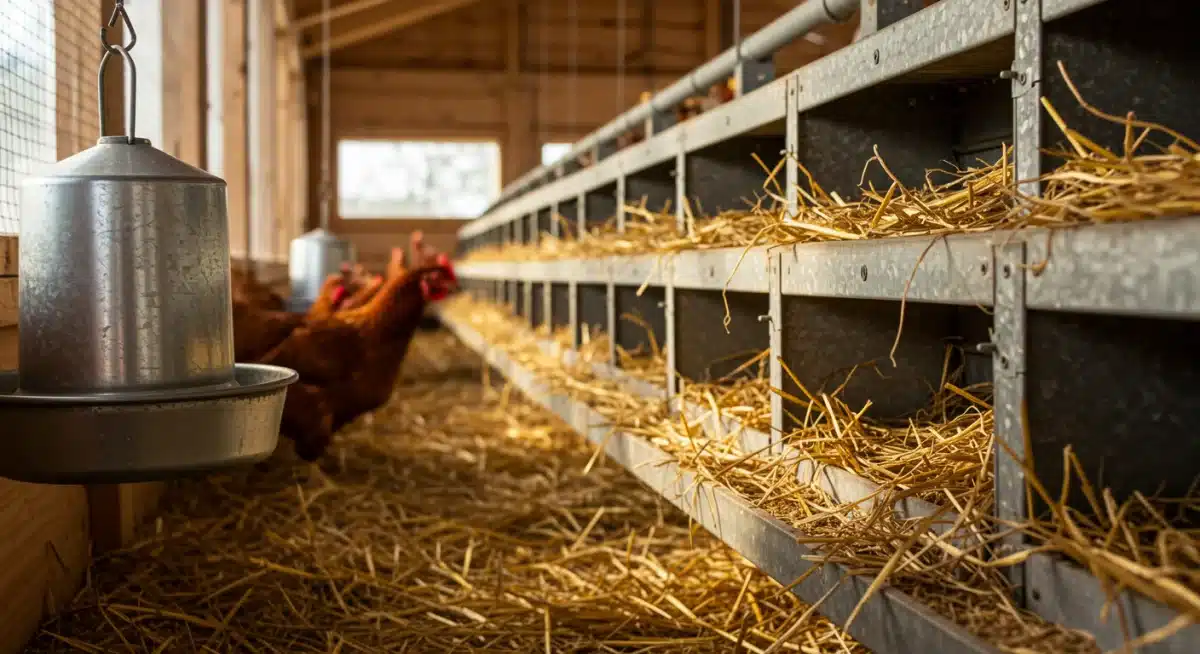
Inside the coop, the primary components are roosting bars, nesting boxes, and a reliable feeding and watering system.
Roosting bars should be sturdy and wide enough for chickens to comfortably grip, allowing them to perch at night, which is their natural instinct. Place them higher than the nesting boxes to prevent chickens from sleeping in them and soiling the eggs.
Creating a Safe and Functional Environment
Nesting boxes should be dark, secluded, and filled with soft bedding like straw or wood shavings to encourage laying and protect eggs.
Ensure they are easily accessible for you to collect eggs daily. For feeding and watering, choose durable, easy-to-clean options that minimize waste and contamination. Elevated feeders and waterers can help keep bedding dry and clean.
Secure Roosting Bars: Elevated perches for sleeping.
Comfortable Nesting Boxes: Dark, private spaces for laying eggs.
Reliable Feeders and Waterers: Keep food and water fresh and clean.
Ample Ventilation: Crucial for air quality, preventing respiratory issues.
Deep Litter Method: Consider for easier cleaning and composting.
Predator protection is paramount. Hardware cloth should be buried at least 6-12 inches deep around the perimeter of the run to prevent digging predators.
All doors and access points must have strong, animal-proof latches. Regular inspections for any breaches or weak points are essential. A secure coop and run are the best defense against threats, ensuring your chickens remain safe and productive.
Raising Your Flock: Chicken Care and Egg Collection
Once your chicken coop is complete, the exciting part begins: introducing your flock and establishing a routine for their care.
Raising chickens is a rewarding experience that offers daily fresh eggs and a unique connection to nature. Understanding their basic needs and behaviors is key to a happy and productive flock.
Start with healthy chicks or pullets (young hens nearing laying age) from a reputable source. Provide them with a high-quality layer feed, fresh water at all times, and occasional treats like kitchen scraps or mealworms.
Chickens need grit to aid in digestion, so offer a separate container of insoluble grit. Calcium supplements, like oyster shells, are also crucial for strong eggshells, especially for laying hens.
Daily Routine and Troubleshooting Common Issues
A consistent daily routine helps chickens feel secure. This typically involves opening the coop in the morning, checking food and water, collecting eggs, and closing the coop at dusk.
Regular cleaning of the coop is essential for preventing disease and odors.
Depending on your chosen bedding method, this could range from weekly spot cleaning to monthly full clean-outs.
Daily Checks: Ensure fresh food and water, observe flock health.
Egg Collection: Gather eggs at least once a day to prevent breakage and soiling.
Coop Cleaning: Maintain hygiene to prevent pests and diseases.
Health Monitoring: Watch for signs of illness or injury.
Predator Awareness: Remain vigilant, especially at dusk and dawn.
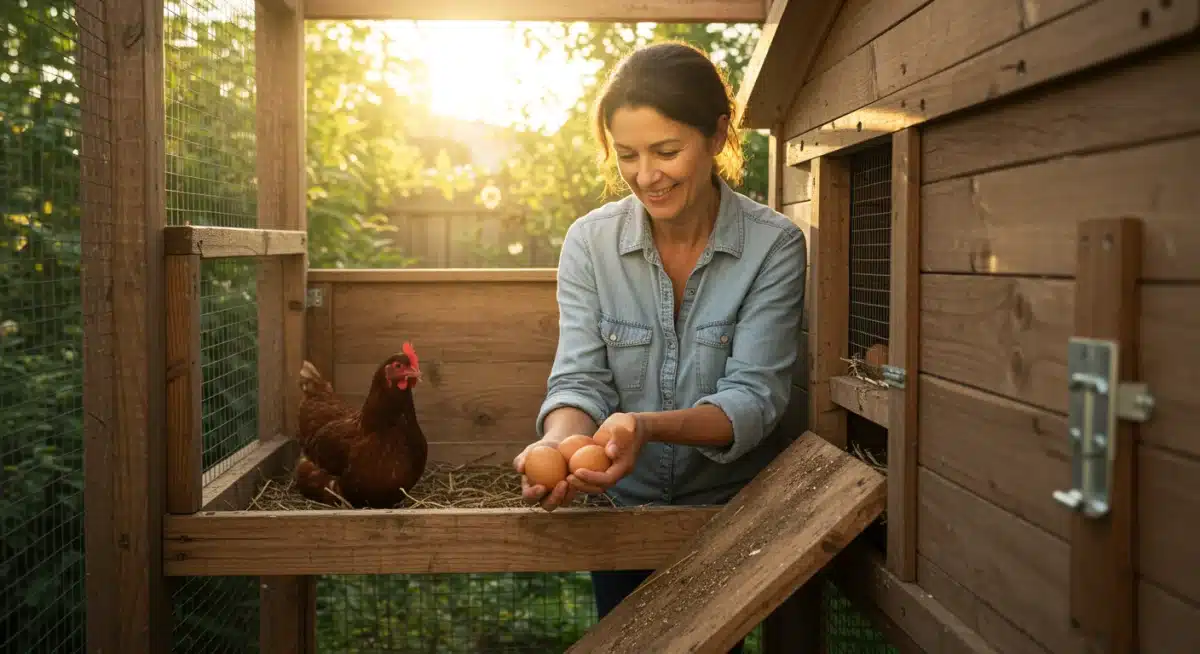
Collecting eggs is often the most anticipated part of the day. Most hens will lay an egg every 24-26 hours, though this can vary with breed, age, and season.
Store collected eggs in a cool, dry place. Unwashed eggs do not need refrigeration for a couple of weeks, thanks to their natural protective bloom.
If you wash them, they should be refrigerated. By providing attentive care, you’ll ensure a steady supply of delicious, fresh eggs and enjoy the many benefits of your backyard flock.
Maximizing Savings and Enjoying Your Fresh Eggs
The journey of building a chicken coop and raising your own flock culminates in the consistent enjoyment of fresh eggs and noticeable savings on your grocery bill.
To truly maximize these benefits, it’s worth considering how to optimize your flock’s productivity and integrate their contributions into your home and garden.
Beyond simply collecting eggs, think about how you can use them creatively. Fresh eggs elevate any meal, from breakfast scrambles to baking projects.
Consider preserving eggs during peak laying season through methods like water glassing or freezing scrambled eggs to ensure a year-round supply. This further enhances your savings and reduces reliance on store-bought alternatives.
Beyond the Eggs: Compost and Pest Control
Your chickens offer more than just eggs. Their droppings are a fantastic source of nitrogen-rich fertilizer for your garden.
Composting chicken manure with other organic materials creates a powerful soil amendment. Allowing your chickens supervised free-range time in your garden (when plants are mature enough) can also help with pest control, as they eagerly munch on insects and slugs.
Egg Preservation: Extend your fresh egg supply through various methods.
Manure Composting: Create nutrient-rich fertilizer for your garden.
Natural Pest Control: Chickens help manage garden pests.
Community Sharing: Share surplus eggs with neighbors, fostering goodwill.
Breeding for Sustainability: Consider raising chicks to maintain flock size.
Remember that the $20 per month savings on groceries is just an estimate; for many families, the actual savings can be even higher, especially when considering the premium price of organic, free-range eggs.
The satisfaction of self-sufficiency, the joy of connecting with nature, and the deliciousness of truly fresh eggs make the effort to build a chicken coop a truly worthwhile home hack. It’s an investment that pays dividends in both tangible and intangible ways, enriching your life and your table.
| Key Aspect | Brief Description |
|---|---|
| Coop Planning | Crucial for design, size, and location, ensuring predator protection and proper ventilation. |
| Materials & Tools | Gathering lumber, hardware cloth, roofing, and basic carpentry tools for efficient construction. |
| Flock Care | Daily routine, quality feed, fresh water, and hygiene for healthy, productive hens. |
| Savings & Benefits | Reducing grocery costs, fresh eggs, garden pest control, and nutrient-rich compost. |
Frequently Asked Questions About Chicken Coops
The ideal coop size is at least 2-3 square feet per chicken inside and 8-10 square feet per bird in the outdoor run.
This ensures adequate space, prevents overcrowding, and promotes a healthy environment for your flock to thrive and lay eggs comfortably.
Predator protection involves using hardware cloth with a small mesh size, burying it around the run perimeter to deter digging.
All doors and access points must have secure, animal-proof latches. Regular inspections for weak spots are crucial to maintain a safe environment against various threats.
Essential interior items include sturdy roosting bars for sleeping, comfortable nesting boxes filled with soft bedding for egg-laying, and reliable feeders and waterers to provide fresh food and water.
Good ventilation without drafts is also critical for air quality and chicken health.
Cleaning frequency depends on your chosen bedding method and flock size. Generally, spot cleaning soiled bedding should occur daily or every few days.
A full clean-out, replacing all bedding, might be done monthly or every few months. Regular cleaning prevents disease and keeps odors down.
Yes, absolutely. While there’s an initial investment, the consistent supply of fresh eggs can significantly reduce your grocery bill. Many families report saving $20 or more monthly by not purchasing eggs.
This adds up over time, making it a financially beneficial endeavor for self-sufficient households.
Conclusion
Learning how to build a chicken coop and successfully raise a flock offers a profound connection to sustainable living and tangible financial benefits.
From the satisfaction of collecting your own fresh, organic eggs to the significant savings on your grocery bill, the rewards are multifaceted.
This journey provides not only a continuous supply of high-quality food but also enriches your backyard ecosystem and fosters a deeper appreciation for where your food comes from.
Embracing backyard chickens is a practical and enjoyable step towards a more self-sufficient and vibrant home life.