Affordable Mental Healthcare US: Teletherapy & Resources 2026
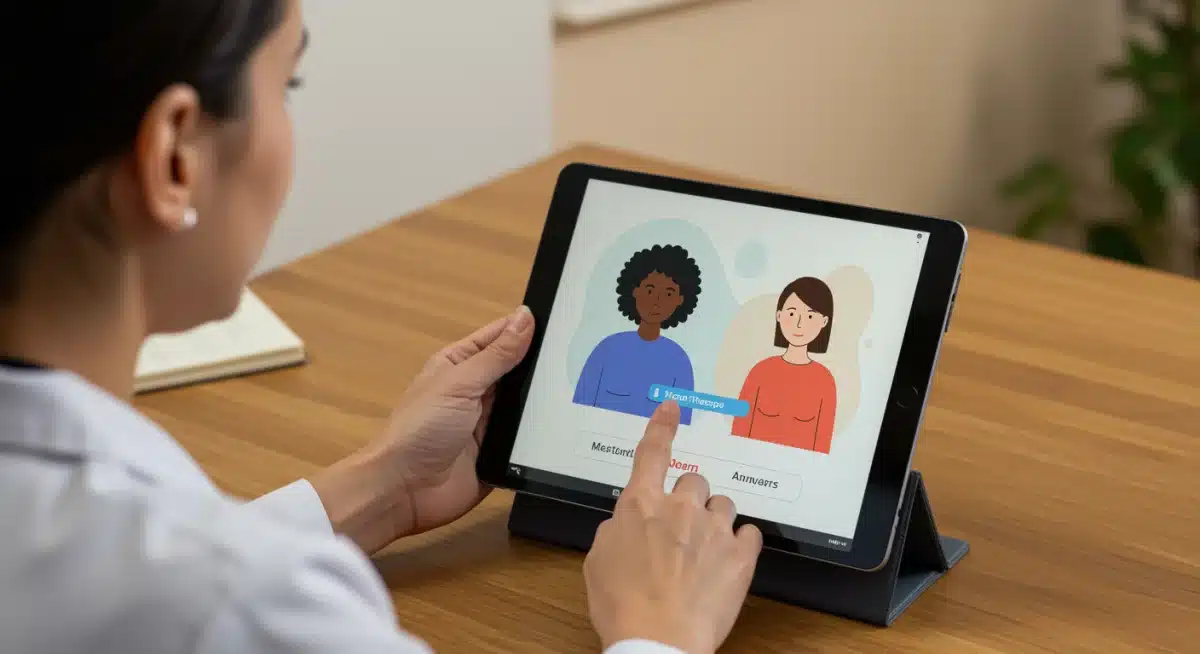

Navigating the landscape of mental health support can often feel overwhelming, especially when concerns about cost arise.
In 2026, finding affordable mental healthcare in the US is more crucial than ever, and thankfully, more accessible than before. This guide aims to demystify the options available, focusing on teletherapy and an array of resources designed to help you or your loved ones access vital support without financial strain.
understanding the mental health landscape in 2026
The demand for mental health services continues to grow across the United States. In 2026, awareness campaigns have significantly reduced stigma, encouraging more individuals to seek help.
However, the challenge of affordability remains a significant barrier for many. The healthcare system, while complex, has seen considerable advancements in making mental health support more attainable, particularly through the expansion of digital platforms and community-based programs.
Understanding the current state involves recognizing both the progress made and the persistent hurdles.
While insurance coverage for mental health has improved under parity laws, out-of-pocket costs, high deductibles, and limited in-network providers can still deter individuals from pursuing consistent care.
This section delves into the broader context, setting the stage for exploring specific solutions.
the evolving role of technology in mental health
Technology has revolutionized how mental healthcare is delivered. Teletherapy, once a niche option, has become a mainstream and often preferred method for many, offering convenience and reducing geographical barriers. This shift has not only broadened access but also introduced new models of care that are frequently more cost-effective than traditional in-person sessions.
Increased Accessibility: Teletherapy platforms connect individuals with licensed therapists regardless of location, a boon for rural areas.
Reduced Cost: Often, teletherapy sessions are priced lower than in-office visits, and many platforms offer subscription models.
Flexibility: Scheduling appointments becomes easier with virtual options, fitting into diverse lifestyles.
Privacy and Comfort: Receiving therapy from one’s own home can enhance comfort and reduce anxiety associated with visiting a clinic.
The integration of AI-powered tools and mental wellness apps further complements professional care, providing self-help resources and symptom tracking. These digital tools, while not replacements for therapy, can serve as valuable adjuncts in managing mental well-being on a budget.
In conclusion, the mental health landscape in 2026 is characterized by increased awareness and technological integration, which collectively work to expand access.
Despite these positive shifts, financial barriers persist, making it essential to explore all available avenues for affordable care.
demystifying teletherapy: a cost-effective solution
Teletherapy has emerged as a cornerstone of affordable mental healthcare in the US for 2026. This method of receiving therapy remotely, typically via video calls, phone calls, or secure messaging, offers a practical and often more economical alternative to traditional in-person sessions.
Its rise in popularity is not just due to convenience but also its potential to significantly reduce the financial burden of mental health treatment.
For many, the cost savings come from multiple angles. Eliminating commute times and associated expenses like gas or public transport fares, as well as childcare costs, can add up.
Furthermore, many teletherapy platforms operate with a different cost structure, often offering tiered pricing or subscription models that can be more predictable and budget-friendly than per-session fees in traditional settings.
how teletherapy reduces costs
The operational efficiencies of teletherapy providers often translate into lower costs for clients. Therapists working remotely can reduce overheads associated with office space, passing those savings on to their patients.
Moreover, the broader network of therapists available through teletherapy platforms can lead to more competitive pricing.
Lower Overhead for Providers: No physical office means fewer expenses for therapists, which can lead to lower session rates.
Subscription Models: Many platforms offer monthly subscriptions that include a set number of sessions or unlimited messaging, providing predictable costs.
Wider Provider Network: Access to a larger pool of therapists increases the likelihood of finding one who fits your budget and takes your insurance.
Reduced Ancillary Costs: Saving on transportation, parking, and time off work directly impacts the overall cost of care.
It’s important to research different teletherapy platforms, as pricing and services vary greatly. Some platforms specialize in specific mental health conditions, while others offer a broader range of services. Many also provide financial aid or sliding scale options based on income.
In summary, teletherapy presents a compelling argument for cost-effective mental healthcare. Its inherent flexibility and the varied pricing models available make it an invaluable resource for individuals seeking support without breaking the bank.
navigating insurance and government programs
Understanding how insurance and government programs can assist with funding mental healthcare is crucial for accessing affordable options in 2026.
The Affordable Care Act (ACA) mandates that most health insurance plans cover mental health and substance use disorder services as essential health benefits, meaning they must be covered at parity with medical and surgical care.
This parity is a significant step towards making mental health treatment more accessible.
However, simply having coverage doesn’t always guarantee affordability. Deductibles, co-pays, and out-of-network costs can still pose challenges.
It’s essential to thoroughly review your insurance policy and understand what your plan covers, what your out-of-pocket maximums are, and if teletherapy is included in your benefits. Many insurers have expanded their telehealth coverage significantly in recent years.
key government initiatives and programs
Beyond private insurance, several government-funded programs and initiatives are designed to provide mental health support, especially for low-income individuals, veterans, and specific demographic groups.
These programs often offer services at reduced costs or even free of charge.
Medicaid and CHIP: These programs provide comprehensive mental health services for eligible low-income adults, children, and families.
Medicare: Covers various mental health services for individuals 65 and older, and some younger people with disabilities.
Veterans Affairs (VA): Offers extensive mental health services to eligible veterans, including therapy, medication management, and specialized programs.
Community Mental Health Centers (CMHCs): Federally funded centers that provide affordable, comprehensive mental health services regardless of a person’s ability to pay, often utilizing sliding scale fees.
It is recommended to contact your insurance provider directly to confirm coverage details for mental health services, especially for teletherapy.
For government programs, reaching out to local or state health departments can provide detailed information on eligibility and how to apply. These resources are vital in bridging the gap between the need for care and its associated costs.

In conclusion, leveraging insurance benefits and exploring government programs are fundamental steps in securing affordable mental healthcare.
These avenues are designed to reduce financial barriers and ensure that essential mental health services are within reach for a broader segment of the population.
exploring community and non-profit resources
Beyond traditional insurance and government programs, a wealth of community and non-profit organizations are dedicated to providing affordable mental healthcare in the US.
These resources often fill crucial gaps, offering services to individuals who may not qualify for other aid or who are seeking alternative forms of support. They play a vital role in the overall mental health ecosystem, ensuring that no one is left without options due to financial constraints.
These organizations vary widely in their scope and services. Some offer direct therapy at reduced rates, while others focus on support groups, educational workshops, or crisis intervention.
Many operate on a sliding scale fee structure, adjusting costs based on an individual’s income, making professional help accessible to those with limited financial means.
valuable community and non-profit support
Identifying and connecting with these organizations requires some research, but the benefits can be substantial.
Many are locally focused, providing tailored support to the specific needs of their communities. National organizations also offer extensive resources and directories to help individuals find assistance.
NAMI (National Alliance on Mental Illness): Offers education, support groups, and advocacy for individuals and families affected by mental illness, often at no cost.
Mental Health America (MHA): Provides screening tools, information, and referrals to mental health services, with a strong focus on prevention and early intervention.
Local Community Centers: Many local health and community centers offer free or low-cost counseling, support groups, and mental wellness programs.
University and College Clinics: Training programs at universities often run clinics where students (under supervision) provide therapy at significantly reduced rates.
Religious and Faith-Based Organizations: Many churches, synagogues, mosques, and other faith-based groups offer pastoral counseling or connect members with affordable mental health resources.
When seeking help from these organizations, it’s advisable to inquire about their services, eligibility requirements, and fee structures.
Many maintain online directories or hotlines for easy access to information. These resources are invaluable for individuals seeking compassionate and budget-friendly mental health support.
To summarize, community and non-profit resources are indispensable for individuals seeking affordable mental healthcare.
They offer diverse services and support systems, often catering to specific needs and income levels, ensuring a broad safety net for mental well-being.
teletherapy platforms and their pricing models for 2026
In 2026, the teletherapy market has matured, offering a wide array of platforms, each with its unique pricing structure and service offerings.
This diversity provides consumers with more choices, making it easier to find a service that aligns with both their mental health needs and their budget. Understanding these models is key to maximizing affordability without compromising on quality of care.
From subscription-based services that offer unlimited messaging and weekly live sessions to platforms that charge per session with varying therapist rates, the options are extensive.
Many platforms also differentiate themselves by specializing in certain types of therapy or by catering to specific demographics, which can influence pricing and the availability of financial aid.
popular teletherapy platforms and their approaches
Choosing the right teletherapy platform involves considering several factors, including cost, therapist qualifications, types of therapy offered, and insurance acceptance. A brief overview of common models can help in making an informed decision.
Subscription-Based Platforms: Services like BetterHelp or Talkspace typically offer monthly subscriptions that include a certain number of live sessions (video, phone) and unlimited text messaging with a therapist. Prices can range from $60-$90 per week, billed monthly.
Per-Session Platforms: Other platforms, often those connected to larger healthcare networks, may charge per session, similar to traditional therapy. Rates can vary widely based on the therapist’s experience and location, but often fall within the $75-$200 range before insurance.
Hybrid Models: Some platforms combine elements of both, offering a base subscription with add-on options for more frequent or specialized sessions.
Insurance Integration: Many teletherapy providers now work directly with insurance companies, making it easier to use your existing health benefits. Always verify your coverage directly with your insurer and the platform.
It’s also worth noting that some platforms offer initial consultations at a reduced rate or for free, allowing individuals to gauge compatibility with a therapist before committing to a full plan.
Many also have financial aid programs or sliding scales for those with demonstrated financial need. Researching reviews and comparing services is crucial to finding the best fit.

In conclusion, the diverse landscape of teletherapy platforms in 2026 provides numerous pathways to affordable mental healthcare. By understanding the different pricing models and leveraging available financial aid, individuals can find quality mental health support that fits their budget.
strategies for long-term mental wellness on a budget
Achieving and maintaining mental wellness is an ongoing journey, and doing so within a budget requires thoughtful strategies.
In 2026, combining professional support with self-care practices and leveraging free or low-cost resources can create a sustainable plan for long-term mental health without incurring exorbitant costs. This holistic approach emphasizes prevention and proactive management.
Beyond formal therapy, many daily habits and readily available resources contribute significantly to mental well-being.
Integrating these into your routine can reduce the need for more intensive (and potentially more expensive) interventions down the line. The key is to find what works best for you and to consistently apply those strategies.
sustainable and affordable wellness practices
Developing a robust mental wellness plan involves more than just therapy sessions. It encompasses lifestyle choices, community engagement, and utilizing accessible tools.
These practices are often free or very low cost, making them invaluable for budget-conscious individuals.
Mindfulness and Meditation Apps: Many apps offer free guided meditations and mindfulness exercises, helping to reduce stress and improve focus.
Physical Activity: Regular exercise, even a daily walk, is a proven mood booster and stress reducer. Many free resources like outdoor parks or community sports groups are available.
Support Groups: Peer support groups, both online and in-person (e.g., NAMI groups, grief support groups), offer a sense of community and shared experience at no cost.
Journaling: A simple and effective way to process thoughts and emotions, journaling requires only a pen and paper or a free digital note-taking app.
Community Engagement: Volunteering or participating in local community events can foster connections and a sense of purpose, contributing to overall mental health.
Public Libraries: Libraries offer a wealth of free resources, including books on mental health, self-help guides, and sometimes even free workshops or support groups.
It’s important to view mental wellness as a continuous process, not just a response to a crisis. By incorporating these affordable strategies, individuals can build resilience and maintain better mental health over time, complementing any professional care they receive.
Ultimately, a proactive and diversified approach to mental wellness, integrating both professional and self-care strategies, is the most effective way to ensure long-term well-being on a budget.
The abundance of free and low-cost resources available in 2026 empowers individuals to take control of their mental health journey.
future outlook: innovations in affordable care
As we look towards the future, the landscape of affordable mental healthcare in the US is poised for further innovation and expansion beyond 2026.
Technological advancements, evolving policy frameworks, and a growing understanding of mental health needs are driving continuous improvements in accessibility and affordability.
This forward momentum offers hope for even more inclusive and effective care models in the years to come.
Key areas of development include the integration of artificial intelligence (AI) in diagnostic tools and personalized treatment plans, the expansion of integrated care models that combine physical and mental health services, and continued advocacy for stronger mental health parity laws.
These innovations aim to streamline processes, reduce costs, and enhance the quality of care available to all Americans.
emerging trends and promising developments
Several trends indicate a positive trajectory for affordable mental health services. These developments promise to make care more efficient, personalized, and ultimately, more accessible to a wider population.
AI-Powered Support: AI chatbots and virtual assistants are becoming more sophisticated, offering support for mild symptoms, mindfulness exercises, and connecting users to professional help.
Personalized Treatment: Data analytics and AI are helping therapists tailor treatment plans more effectively, potentially reducing the duration and cost of therapy.
Integrated Care Models: Primary care physicians are increasingly incorporating mental health screenings and basic support, creating a more holistic approach to health.
Digital Therapeutics: Prescription digital therapeutics (PDTs) are emerging as FDA-approved software programs designed to treat specific mental health conditions, often as an adjunct to traditional therapy.
Policy and Funding: Ongoing legislative efforts aim to increase funding for mental health services, expand Medicaid coverage, and enforce mental health parity more rigorously.
The commitment to innovation in mental healthcare reflects a growing societal recognition of its importance. These advancements are not just about new technologies but also about creating a more compassionate and responsive healthcare system that prioritizes mental well-being for everyone, regardless of their financial situation.
In conclusion, the future of affordable mental healthcare in the US looks promising, with ongoing innovations and policy changes working towards a more accessible and equitable system.
These developments will continue to reduce barriers and ensure that vital mental health support is available to all who need it.
| Key Point | Brief Description |
|---|---|
| Teletherapy Benefits | Offers accessible, often lower-cost mental health support via virtual platforms, reducing barriers like travel and scheduling. |
| Insurance & Government Aid | Leverage health insurance, Medicaid, Medicare, and VA benefits for subsidized or free mental healthcare. |
| Community Resources | Non-profits and local centers provide reduced-cost therapy, support groups, and educational programs based on income. |
| Long-Term Wellness Strategies | Combine professional care with free/low-cost self-care practices like mindfulness, exercise, and support groups for sustainable mental health. |