Optimize Gut Health: Probiotics, Prebiotics & Diet Tips 2026
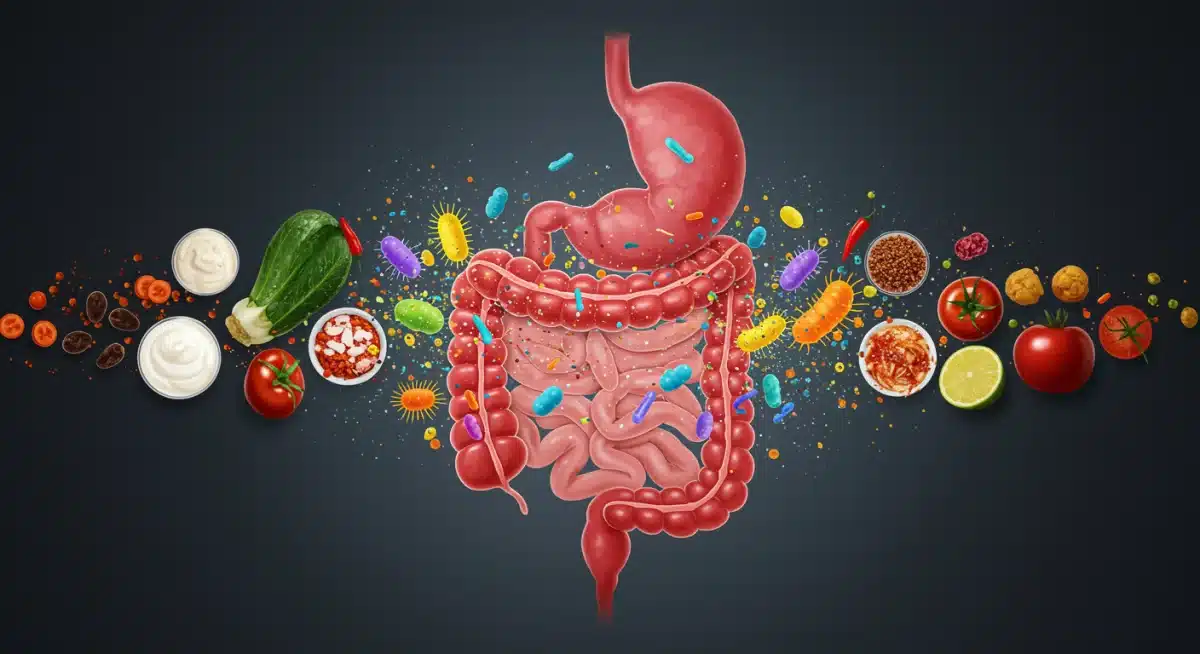
Looking to take control of your digestive wellness? Learning how to optimize gut health is more crucial than ever in 2026, as new research continually highlights its profound impact on everything from immunity to mental well-being.
This guide delves into the essentials of probiotics, prebiotics, and practical dietary adjustments to foster a thriving gut microbiome.
understanding the gut microbiome’s vital role
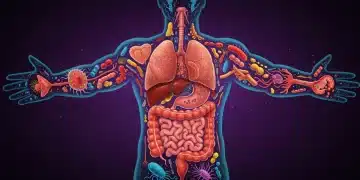
The human gut is home to trillions of microorganisms, collectively known as the gut microbiome, which play an indispensable role in our health.
This complex ecosystem is not just about digestion; it influences nutrient absorption, immune function, mood regulation, and even chronic disease prevention. Understanding its intricate workings is the first step towards achieving optimal wellness.
A balanced microbiome, characterized by a diverse range of beneficial bacteria, is key.
When this balance is disrupted, often by factors like poor diet, stress, or antibiotic use, it can lead to various health issues, including digestive discomfort, weakened immunity, and increased inflammation. Recognizing these connections empowers us to make informed choices for our gut.
the microbiome’s influence on immunity
A significant portion of our immune system resides in the gut. The beneficial bacteria there help train immune cells, distinguish between harmful pathogens and harmless substances, and produce compounds that support immune responses.
A robust gut flora can thus enhance the body’s ability to fight off infections and reduce the risk of autoimmune conditions.
Immune System Training: Gut bacteria educate immune cells.
Pathogen Defense: They compete with and inhibit harmful microbes.
Anti-inflammatory Compounds: Produce short-chain fatty acids (SCFAs).
Allergy Prevention: Can reduce susceptibility to allergies.
Beyond immunity, the gut microbiome also has a profound impact on metabolic health. It aids in breaking down complex carbohydrates that our bodies can’t digest, extracting additional nutrients and energy.
This process also yields beneficial compounds like short-chain fatty acids (SCFAs), which are vital for gut barrier integrity and overall metabolic regulation. Maintaining a healthy gut can therefore support healthy weight management and blood sugar control.
In essence, nurturing our gut microbiome is a holistic approach to health. It’s about feeding these tiny inhabitants the right nutrients and creating an environment where they can flourish, thereby supporting numerous bodily functions and contributing to a longer, healthier life.
The choices we make daily concerning our diet and lifestyle directly impact this internal ecosystem.
the power of probiotics: what you need to know
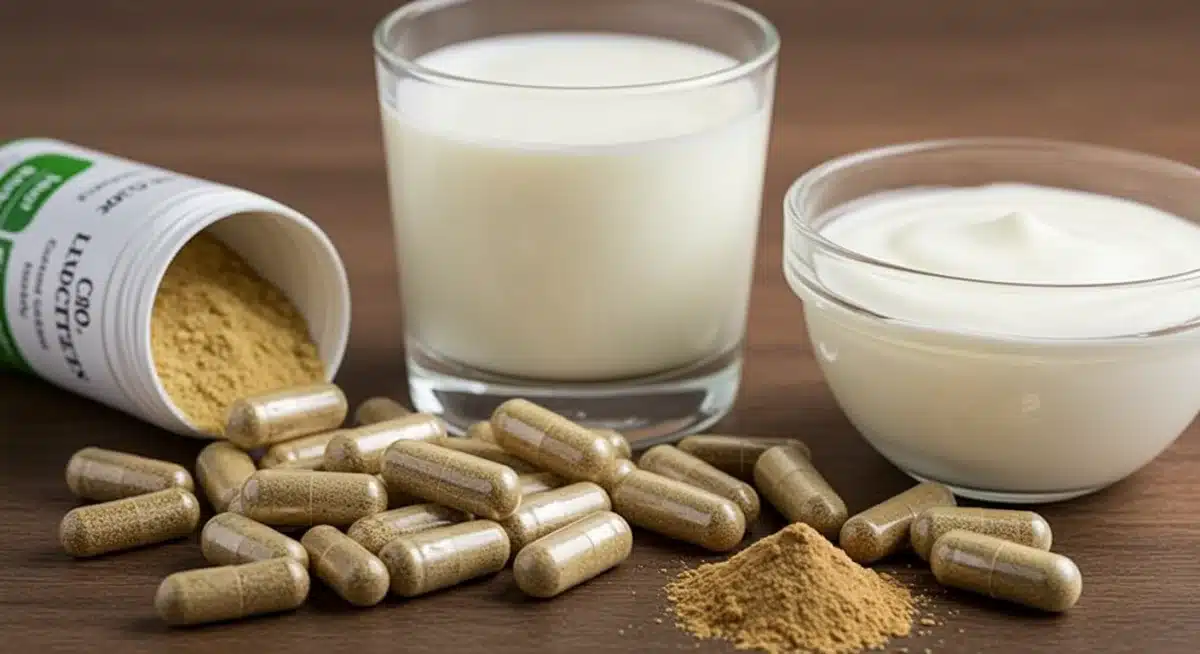
Probiotics are live microorganisms that, when administered in adequate amounts, confer a health benefit on the host. Often referred to as “good bacteria,” they are instrumental in maintaining a healthy balance within the gut microbiome.
While they can be found in supplements, many people prefer to incorporate them through fermented foods, which offer a natural and delicious way to boost beneficial bacteria.
The market for probiotic supplements is vast, with numerous strains and formulations promising various benefits. However, not all probiotics are created equal, and the efficacy can vary depending on the specific strai
n, dosage, and individual gut conditions. It’s important to understand the different types and their potential effects to make informed choices.
choosing the right probiotic supplement
When selecting a probiotic supplement, consider factors like the specific strains included, the colony-forming units (CFUs), and whether it’s designed to survive stomach acid.
Look for products that have been third-party tested and have clear labeling regarding their contents. Consulting with a healthcare professional can also help tailor recommendations to your specific needs.
Strain Specificity: Different strains target different issues (e.g., Lactobacillus for digestion, Bifidobacterium for immunity).
CFU Count: Aim for billions, not millions, for therapeutic effects.
Enteric Coating: Helps probiotics survive the acidic stomach environment.
Reputable Brands: Choose brands with transparent testing and quality control.
Beyond supplements, incorporating probiotic-rich foods into your daily diet is an excellent strategy. Fermented foods like yogurt, kefir, sauerkraut, kimchi, and tempeh are natural sources of diverse probiotic strains.
These foods not only provide beneficial bacteria but also often contain other nutrients that support overall gut health. Regular consumption can help maintain a consistently healthy microbial population.
It’s worth noting that consistency is key when it comes to probiotics. Their effects are often transient, meaning they need to be consumed regularly to maintain their benefits.
Integrating them into your routine, whether through supplements or food, is a long-term commitment to supporting your gut environment. The goal is to continuously replenish and diversify your gut flora.
prebiotics: the fuel for a flourishing gut
While probiotics introduce beneficial bacteria, prebiotics are non-digestible food components that selectively stimulate the growth and activity of these good bacteria already residing in your gut.
Think of prebiotics as the fertilizer for your gut garden, providing the necessary fuel for probiotics to thrive and multiply. They are just as crucial as probiotics for a healthy microbiome.
Many common plant-based foods are excellent sources of prebiotics, yet many people don’t consume enough of them.
Incorporating a variety of these foods into your diet can significantly enhance the health and diversity of your gut flora, leading to improved digestive function and overall well-being. Understanding where to find them is the first step.
top prebiotic-rich foods to include
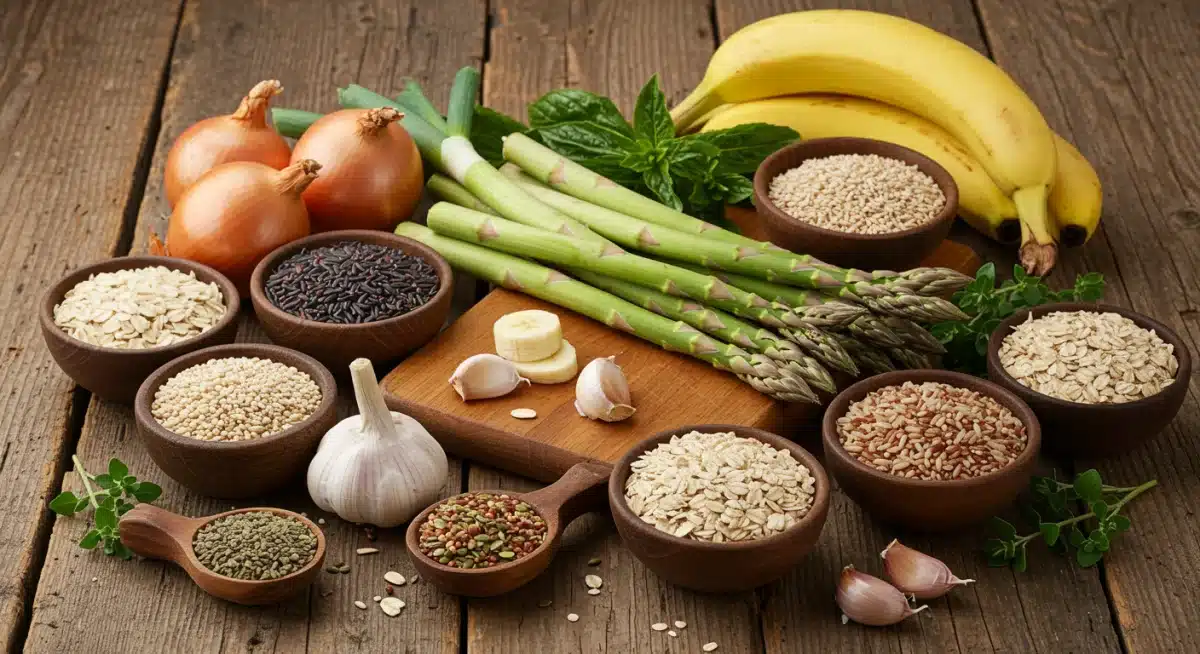
A diverse range of fruits, vegetables, and whole grains naturally contain prebiotics. Some of the most potent sources include garlic, onions, leeks, asparagus, bananas (especially slightly green ones), apples, oats, and barley. Chicory root and dandelion greens are also excellent, though less common in typical American diets.
Garlic and Onions: Rich in fructans, a type of prebiotic fiber.
Asparagus: Contains inulin, another beneficial fructan.
Bananas: Especially unripe, provide resistant starch.
Oats and Barley: Excellent sources of beta-glucan, a soluble fiber.
The synergy between prebiotics and probiotics is often referred to as synbiotics. When consumed together, prebiotics enhance the survival and activity of probiotics, making them even more effective.
This is why many fermented foods naturally contain both, or why certain supplements combine them for maximum benefit. A holistic approach often yields the best results.
Increasing your prebiotic intake should be done gradually to avoid digestive discomfort, such as gas or bloating.
Start with small amounts and slowly increase as your gut adjusts. This allows your microbiome to adapt and ensures you reap the benefits without unwanted side effects. Listen to your body and adjust accordingly.
dietary strategies for optimal gut health in 2026
Beyond specific probiotics and prebiotics, a comprehensive dietary strategy is fundamental to achieving and maintaining optimal gut health.
In 2026, the emphasis remains on a whole-food, plant-rich diet that supports diversity and reduces inflammation. This approach not only feeds your beneficial bacteria but also provides essential nutrients for your entire body.
Minimizing processed foods, added sugars, and unhealthy fats is crucial. These elements can disrupt the delicate balance of the gut microbiome, promoting the growth of less desirable bacteria and contributing to inflammation.
Shifting towards a more natural, unprocessed diet is one of the most impactful changes you can make for your gut.
the importance of dietary fiber diversity
Fiber is a cornerstone of gut health, and consuming a wide variety of fiber types is paramount. Different fibers feed different strains of bacteria, promoting a diverse and resilient microbiome.
Aim for a spectrum of fruits, vegetables, legumes, nuts, seeds, and whole grains to ensure a broad intake of dietary fibers.
Soluble Fiber: Found in oats, beans, apples; forms a gel, aids digestion.
Insoluble Fiber: Found in whole grains, vegetables; adds bulk to stool.
Resistant Starch: Found in cooked and cooled potatoes, green bananas; acts as a prebiotic.
Pectin: Found in apples, citrus fruits; supports beneficial bacteria.
Hydration also plays a critical role in gut function. Adequate water intake helps move food through the digestive tract, prevents constipation, and supports the overall health of the intestinal lining.
Make sure you’re drinking plenty of water throughout the day, as it’s an often-overlooked yet vital component of digestive wellness.
Furthermore, mindful eating practices can significantly impact gut health. Eating slowly, chewing food thoroughly, and being present during meals can improve digestion and reduce stress on the gut. These simple habits allow your body to better process nutrients and signal satiety, contributing to a healthier digestive system.
lifestyle factors influencing gut wellness
It’s not just what you eat; how you live also profoundly impacts your gut health. In 2026, recognizing the interconnectedness of lifestyle and the microbiome is more important than ever.
Stress management, adequate sleep, and regular physical activity are all critical components of a holistic approach to gut wellness, complementing dietary efforts.
Chronic stress, for instance, can significantly alter the gut microbiome, increasing gut permeability and contributing to inflammation.
Finding effective ways to manage stress, whether through mindfulness, meditation, or hobbies, is essential for maintaining a healthy digestive system. The gut-brain axis ensures that mental state directly influences gut state.
the gut-brain axis and stress management
The gut and brain are in constant communication via the vagus nerve, neurotransmitters, and hormones. This bidirectional pathway, known as the gut-brain axis, means that emotional and cognitive centers in the brain can influence intestinal functions, and vice versa. Managing stress effectively directly benefits this axis and, consequently, gut health.
Mindfulness Practices: Reduce stress hormones that impact the gut.
Regular Exercise: Can diversify gut bacteria and reduce inflammation.
Adequate Sleep: Restores gut barrier function and reduces stress.
Social Connections: Positive interactions can lower perceived stress.
Sleep deprivation also takes a toll on the gut. Poor sleep patterns can disrupt the circadian rhythm of gut bacteria, leading to dysbiosis and increased susceptibility to gut issues.
Prioritizing 7-9 hours of quality sleep per night is a non-negotiable for a healthy gut and overall well-being. Establish a consistent sleep schedule to support this.
Regular physical activity is another powerful modulator of the gut microbiome. Exercise has been shown to increase the diversity of beneficial bacteria, enhance gut motility, and reduce inflammation.
Even moderate activity, such as a daily walk, can contribute significantly to a healthier gut environment. Find activities you enjoy to make it sustainable.
Common Digestive Health Myths Debunked in 2026
The world of digestive wellness is constantly evolving, and with it comes a flood of information—some accurate and some misleading.
In 2026, separating fact from fiction is essential for making truly effective decisions about your digestive system and overall well-being. Let’s break down some persistent myths that often hold people back.
One widespread misconception is that all fermented foods provide the same probiotic benefits. While many do contain beneficial microorganisms, not all fermented products deliver live and active cultures at the time of consumption.
For instance, some commercially produced sourdough breads or pickles are processed in ways that eliminate these microbes. Checking labels for “live and active cultures” remains important.
Myth: All Probiotics Are the Same
This is one of the most common misunderstandings. In reality, probiotics come in thousands of different strains, each with its own specific functions.
A strain that supports immune function may not be effective for bloating or irregular digestion.
Key differences include:
Strain specificity: Each strain serves a different role
Dosage: CFU counts vary and influence effectiveness
Delivery format: Capsules, powders, and foods affect survival
Individual response: Results differ from person to person
Ignoring these factors often leads to disappointing or inconsistent results.
Another myth is that you only need to care about digestive wellness when symptoms appear. In truth, proactive maintenance plays a major role in long-term health.
A well-balanced microbiome supports immunity, energy levels, and nutrient absorption even when no discomfort is present.
A third misconception is that one “superfood” or supplement can fix everything.
Sustainable digestive wellness comes from a consistent, whole-body approach that includes nutrition, lifestyle, and sometimes targeted supplementation—not shortcuts.
Personalized Approaches to Microbiome Optimization
As 2026 continues, personalized wellness is becoming the new standard. Each person’s microbiome is shaped by genetics, environment, diet, and lifestyle, which means no single strategy works for everyone.
New tools like microbiome testing can offer insight into bacterial balance and potential deficiencies. These results can guide more precise nutrition and lifestyle changes.
While this field is still developing, it points toward a future of highly tailored digestive care.
Working With Healthcare Professionals
For people with ongoing digestive concerns or those seeking a highly individualized plan, working with professionals such as gastroenterologists, registered dietitians, or functional medicine practitioners can make a significant difference.
These experts can analyze test results, diagnose underlying issues, and design a safe, effective strategy.
Professional support may include:
Diagnostic testing to identify root causes
Customized nutrition and supplement plans
Ongoing monitoring and adjustments
Listening to your own body is just as important. Keeping a food and symptom journal helps identify what supports or disrupts your digestion, allowing you to fine-tune your choices over time.
Ultimately, improving digestive wellness is an ongoing journey of learning and adaptation. By combining science, self-awareness, and professional guidance when needed, you can build a resilient and balanced system in 2026 and beyond.
| Key Aspect | Brief Description |
|---|---|
| Probiotics | Live microorganisms that add beneficial bacteria to the gut, found in fermented foods and supplements. |
| Prebiotics | Non-digestible fibers that feed and stimulate the growth of beneficial gut bacteria, found in many plant foods. |
| Dietary Diversity | A wide range of whole, unprocessed foods, especially plants, is crucial for a diverse and resilient gut microbiome. |
| Lifestyle Factors | Stress management, adequate sleep, and regular exercise significantly impact gut health and microbial balance. |
Frequently Asked Questions About Digestive Health
What is the difference between probiotics and prebiotics? ▼
Probiotics are live beneficial microorganisms introduced into the digestive system through fermented foods or supplements.
Prebiotics are specialized plant fibers that serve as nourishment for these beneficial microbes already living in your body, helping them grow and function more effectively. Both play a vital role in maintaining a balanced microbiome.
How long does it take to improve digestive health?
The timeline varies based on your current health, eating habits, and lifestyle. Some people experience noticeable changes within a few weeks, while others may need several months of consistent habits.
Long-term commitment to supportive nutrition and routines delivers the most lasting results.
Can stress really affect digestion?
Yes. There is a powerful connection between the brain and the digestive system. Ongoing stress can disrupt digestive function, alter microbial balance, and increase inflammation, which may lead to discomfort or irregularity.
Stress management is an essential part of maintaining internal balance and wellness.
Are fermented foods always good sources of probiotics?
Not always. While many fermented foods naturally contain beneficial bacteria, some products are heat-treated during processing, which destroys live cultures.
Look for labels that say “live and active cultures” to ensure you are receiving probiotic benefits from foods such as yogurt, kefir, kimchi, or sauerkraut.
What are the best diet tips for digestive health in 2026?
For optimal digestive wellness in 2026, focus on a diverse, whole-food, plant-forward diet. Include plenty of fiber from fruits, vegetables, legumes, and whole grains, along with probiotic-rich fermented foods.
Limit ultra-processed items, excess sugar, and unhealthy fats. Staying hydrated and practicing mindful eating also supports smoother digestion and nutrient absorption.
Conclusion
As we move through 2026, the journey to optimize digestive and microbiome health is clearly multifaceted, extending beyond diet into daily habits and lifestyle choices.
By thoughtfully combining probiotics and prebiotics, prioritizing a diverse, whole-food approach to eating, and managing key factors such as stress and sleep, it becomes possible to support a balanced and resilient internal system.
The strategies outlined here provide a practical roadmap for strengthening immunity, improving digestion, and enhancing overall vitality. Consistency and a personalized approach remain the most powerful tools for achieving long-term digestive wellness.