Hydration in 2026: How Much Water Does Your Body Need?

Considering these variables, a more tailored approach to hydration becomes essential in 2026. Instead of relying on outdated one-size-fits-all rules, modern hydration is about learning how your body responds to daily demands and adjusting your fluid intake accordingly.
Physical activity, weather, stress, age, diet, and overall health all change how much water you truly need. Someone working outdoors in summer will have very different hydration requirements than someone working at a desk in an air-conditioned office.
Your body constantly sends signals about its hydration status. Thirst, urine color, energy levels, concentration, dry skin, and even mood can all indicate whether you are drinking enough.
When you tune into these signals and respond proactively, you create a dynamic hydration strategy that keeps your body balanced, energized, and functioning at its highest level throughout the day.
The Dangers of Dehydration: More Than Just Thirst
Dehydration happens when your body does not have enough fluid to maintain normal processes such as circulation, digestion, temperature control, and brain function.
Although thirst is the most well-known warning sign, it often appears after your hydration level has already dropped. Even mild dehydration can reduce physical stamina, slow reaction time, and cloud thinking.
When dehydration becomes more severe or prolonged, it can strain the kidneys, disrupt blood pressure, and interfere with heart and brain function.
Poor hydration can also increase the risk of urinary tract infections, kidney stones, and heat-related illnesses. This is why maintaining steady hydration is not just about feeling comfortable — it is about protecting your long-term health.
Common Symptoms of Dehydration
Fatigue and low energy: Inadequate hydration limits oxygen and nutrient delivery to cells.
Headaches: Dehydration reduces blood flow to the brain.
Dizziness or lightheadedness: Low fluid levels affect circulation.
Dry mouth and skin: Classic signs of poor hydration.
Dark urine and infrequent urination: The body is conserving water due to dehydration.
Recognizing these symptoms early allows you to restore hydration before serious complications develop.
Optimizing Your Hydration Strategy for 2026
In a fast-paced world, smart hydration requires planning and consistency. Drinking only when thirsty often isn’t enough. Instead, building habits that encourage steady fluid intake helps keep your body balanced from morning to night.
With modern technology, water-rich foods, and lifestyle tools, maintaining strong hydration has never been easier.
Practical Tips for Better Hydration
Carry a reusable water bottle to make hydration effortless.
Use reminders or smart apps to prompt regular drinking.
Infuse water with fruit or herbs to make hydration more appealing.
Eat water-rich foods like watermelon, cucumber, oranges, and lettuce.
Drink before you feel thirsty, since thirst signals early dehydration.
By making hydration a daily habit, you protect your energy, mental clarity, and physical resilience.
Hydration and Performance: Your Physical and Mental Edge
The effects of hydration go far beyond exercise. Because the brain is largely made of water, even mild dehydration can impair focus, memory, and emotional balance.
For people working, studying, or training, proper hydration can be the difference between peak performance and mental fog.
How Hydration Improves Performance
Sharper thinking and better concentration
Greater physical endurance and fewer cramps
Improved mood and emotional stability
Faster recovery after physical activity
When you prioritize hydration, you give your body and mind the support they need to operate at peak efficiency — helping you feel stronger, think clearer, and perform better every day in 2026 and beyond.
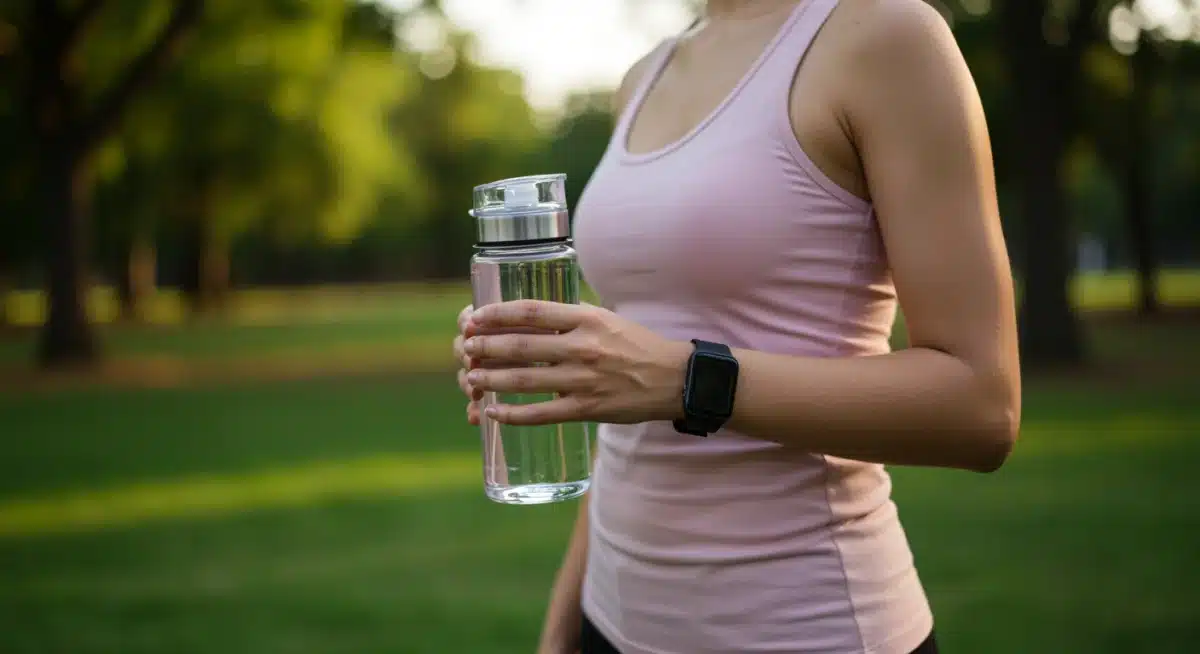
Recognizing these profound effects makes it clear that maintaining proper fluid balance is not just about staying alive — it is about performing, feeling, and living at your highest level.
Water is the medium through which nearly every biological process takes place, so when your body has enough of it, everything functions with greater efficiency and harmony.
Muscles contract more smoothly, the brain processes information faster, digestion becomes more efficient, circulation improves, and body temperature remains stable even under stress.
When cells are well supplied, nutrients are delivered more effectively and waste products are removed before they can cause fatigue or discomfort.
Energy production becomes steadier, helping you avoid the sharp crashes that often come with poor fluid intake.
Over time, this steady internal balance supports stronger immunity, better joint comfort, and more reliable physical performance.
Even small improvements in fluid balance can lead to noticeable gains in stamina, mental sharpness, and overall well-being.
Many people are surprised by how quickly their concentration improves, how much longer they can stay productive, and how much lighter their bodies feel when they consistently meet their daily water needs.
Headaches become less frequent, digestion feels smoother, and everyday movement requires less effort.
Whether you are training for a marathon, preparing for an important presentation, or simply trying to stay energized from morning to night, proper fluid intake gives you a real, measurable advantage.
It supports clearer thinking, stronger physical output, better emotional stability, and faster recovery after both mental and physical effort.
In this way, maintaining the right internal balance becomes a powerful foundation for success, resilience, and long-term vitality in every area of life.
The Future of Fluid Balance: Innovations and Personalized Approaches
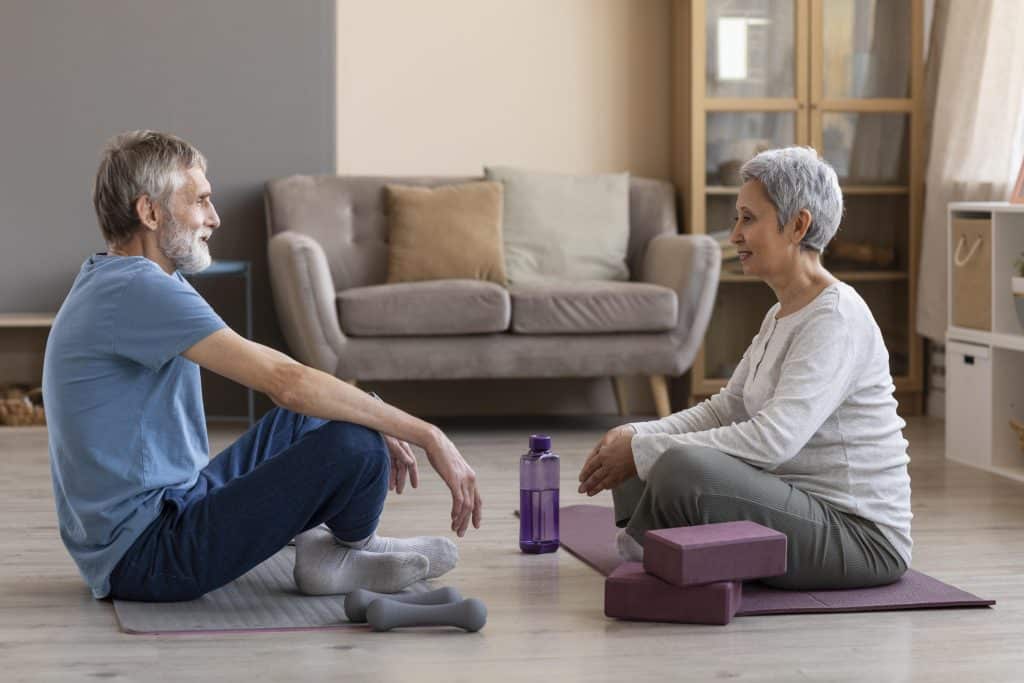
As we move into 2026, the way people manage their water intake is becoming smarter, more precise, and more personalized than ever before.
Instead of following rigid, outdated rules like “eight glasses a day,” individuals can now rely on real-time data and intelligent tools to understand exactly what their bodies need at any given moment.
The future of fluid management is built around customization. Advanced technology makes it possible to align intake with a person’s unique biology, daily activity, and surrounding environment. This shift moves people away from guesswork and toward informed, responsive habits that better support energy, focus, and physical performance.
New digital tools are playing a major role in this transformation. Smart bottles can record every sip, wearable sensors can estimate fluid loss through perspiration, and AI-powered apps can analyze trends over time.
These systems don’t just collect data — they turn it into meaningful insights that help people make better decisions about when and how much to drink.
Environmental factors such as heat, humidity, and altitude are also being integrated into these systems, allowing intake to adjust automatically when conditions change.
A hot day, an intense workout, or a stressful schedule can all trigger updated recommendations, helping the body stay balanced without constant manual tracking.
As these technologies continue to evolve, managing water intake becomes effortless and intuitive. In 2026, maintaining proper fluid balance is no longer about following fixed rules — it is about using smart, adaptive systems that work in harmony with your lifestyle, making everyday wellness easier, more accurate, and more sustainable.
Emerging Fluid-Tracking Technologies
Smart water bottles
These connected bottles record every sip and sync with mobile apps to monitor daily intake, send reminders, and suggest personalized goals based on your habits and activity.
Wearable fluid sensors
Skin-based devices analyze sweat rate and electrolyte loss, offering real-time feedback and guidance on when to drink or replenish key minerals.
Personalized intake algorithms
AI-powered platforms combine age, weight, health data, activity level, and climate to generate tailored water-consumption plans that adapt as your needs change.
Advanced electrolyte solutions
New formulations provide precise mineral balance with less sugar and fewer additives, supporting long workouts, travel, and daily performance without unnecessary ingredients.
These innovations represent a major shift toward proactive and individualized fluid management. Instead of guessing when or how much to drink, people can now rely on accurate, real-time data to stay properly balanced throughout the day.
As technology continues to evolve, maintaining optimal fluid levels in 2026 is no longer a challenge — it has become an easy, intuitive part of everyday life.
| Key Aspect | Brief Description |
|---|---|
| Body’s Water Percentage | Adult human body is approximately 60% water, essential for all bodily functions. |
| Personalized Needs | Daily water intake varies based on activity, climate, health, and diet, moving beyond generalized advice. |
| Dehydration Risks | Can lead to fatigue, headaches, dizziness, and impaired cognitive/physical performance. |
| Future Hydration | Innovations like smart bottles and sensors offer personalized, data-driven hydration management. |
Frequently Asked Questions About Staying Well Balanced
How much water should I drink daily in 2026?
While a common guideline is about eight 8-ounce glasses per day, individual needs vary widely. Factors such as physical activity, climate, age, body size, overall health, and diet all influence how much fluid your body requires.
A practical way to gauge if you’re drinking enough is to monitor urine color — pale yellow generally signals good balance.
Yes, fluids from food absolutely count toward your daily intake, and in many cases they play a larger role than people realize. A wide range of fruits and vegetables contain very high levels of water, making them an excellent and natural way to support fluid balance throughout the day.
Foods like watermelon, cucumbers, oranges, tomatoes, strawberries, lettuce, celery, and zucchini are made up of more than 85–90% water.
When you eat these foods, you are not only taking in fluid but also benefiting from vitamins, minerals, fiber, and antioxidants that support digestion, immune function, and cellular health.
Unlike sugary drinks or processed beverages, water-rich foods release fluid slowly as they are digested, helping maintain steady absorption and reducing the risk of rapid fluid loss.
This makes them especially useful for maintaining consistent balance, particularly in hot weather, during travel, or when physical activity increases.
Incorporating fruits and vegetables into meals and snacks is one of the easiest ways to support daily fluid needs while also improving overall nutrition.
A salad, a bowl of fresh fruit, or a vegetable-based soup can quietly contribute a significant amount of fluid without requiring extra effort, making it easier to stay well-balanced throughout the day.
What are the warning signs of dehydration?
Early signs include thirst, dry mouth, fatigue, headaches, darker urine, and reduced urination.
If fluid levels drop further, symptoms can progress to dizziness, confusion, muscle cramps, or a rapid heartbeat. Drinking regularly throughout the day helps prevent these issues before they become serious.
Is it possible to drink too much water?

Yes. Consuming excessive amounts in a short period can dilute sodium levels in the blood, a condition known as hyponatremia.
This is uncommon but can occur in endurance athletes or people with certain medical conditions. The key is maintaining balance rather than overconsumption.
How do smart water bottles help people stay on track?
Smart bottles pair with mobile apps to record how much you drink, send reminders, and set personalized goals based on your routine. This technology makes daily tracking easy and helps build consistent habits without relying on guesswork.
As we move through the fast-paced demands of modern life in 2026, one truth remains constant: proper fluid intake is a cornerstone of good health.
Understanding how much water your body truly needs is not about hitting a rigid target — it is about supporting every system, from brain function and digestion to circulation, immunity, and joint comfort.
Adequate intake fuels energy, sharpens focus, and helps regulate body temperature and metabolism. With today’s wearable devices, smart bottles, and personalized tracking tools, staying well balanced has never been easier or more precise.
These technologies allow you to adjust intake based on activity level, weather, stress, and individual health needs, helping prevent both too little and too much.
Listening to your body remains essential. Signals such as thirst, fatigue, headaches, dry skin, and difficulty concentrating often indicate that you need more fluids. When you respond early and keep your intake steady throughout the day, you support resilience, improve physical performance, and protect emotional well-being.
Making this a daily habit is one of the simplest yet most powerful investments you can make in long-term health. When water intake becomes part of your wellness routine, your body gains the support it needs to thrive — today, tomorrow, and well beyond 2026.
In 2026, making proper fluid intake a priority is one of the simplest yet most powerful ways to protect your health and elevate your quality of life.
conclusion
From supporting brain function and sustaining energy levels to improving digestion, circulation, and joint comfort, maintaining the right balance of water plays a critical role in how your body performs every single day.
With the rise of smart tools, personalized health tracking, and greater awareness of individual water needs, maintaining this balance has never been more achievable.
By building consistent daily habits and paying attention to your body’s natural signals, you can strengthen resilience, enhance overall well-being, and enjoy a more balanced, energized, and vibrant life well beyond 2026.