Get Discounts on Healthcare: Maximize Your FSA/HSA Tax Savings
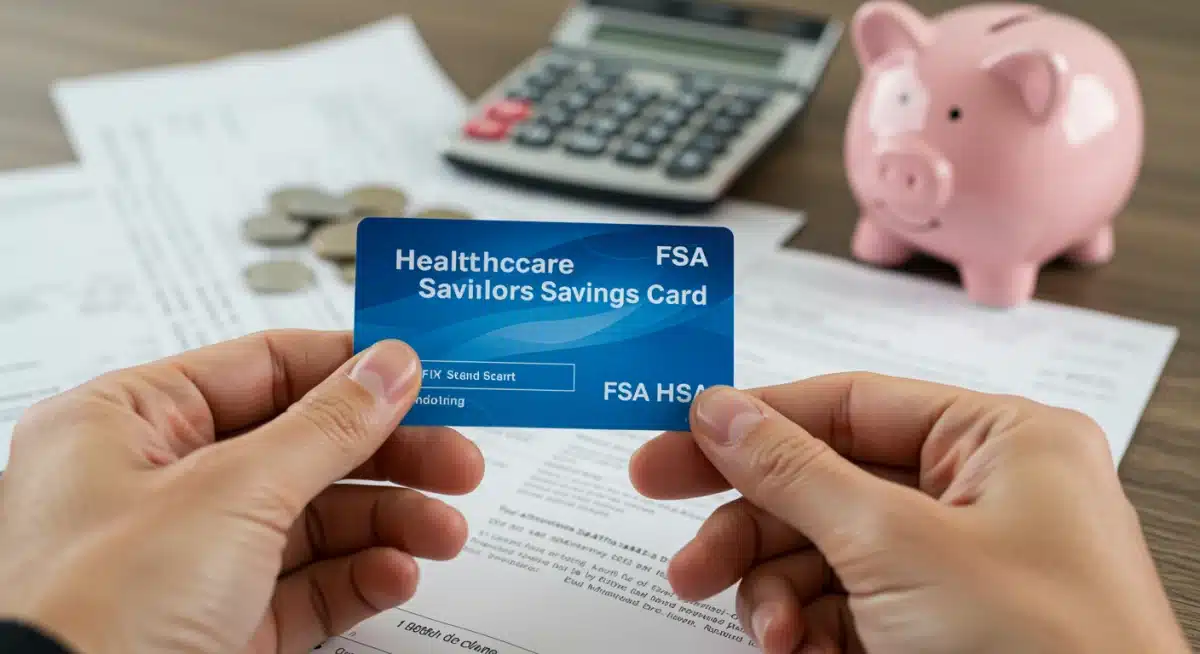
 Utilizing Flexible Spending Accounts (FSA) and Health Savings Accounts (HSA) allows individuals to pay for eligible medical expenses with pre-tax dollars, providing a significant financial advantage and reducing overall healthcare costs.
Navigating the complexities of healthcare costs in America can feel overwhelming, but there are powerful tools at your disposal to ease the financial burden. One of the most effective strategies to get discounts on healthcare: use FSA/HSA accounts to pay for medical expenses tax-free, transforming how you manage health-related expenditures.
Understanding Flexible Spending Accounts (FSAs)
Flexible Spending Accounts, or FSAs, offer a valuable way for employees to set aside money on a pre-tax basis for certain out-of-pocket healthcare costs.
This means the money you contribute to an FSA isn’t subject to federal income tax, Social Security, or Medicare taxes, effectively giving you a discount on your medical expenses right from the start.
FSAs are typically employer-sponsored, meaning you can only get one through your job. They can be used for a wide range of eligible medical, dental, and vision expenses for yourself, your spouse, and your dependents.
Understanding the nuances of FSAs is crucial for maximizing their benefits and avoiding potential pitfalls, such as the “use-it-or-lose-it” rule.
What are eligible FSA expenses?
The list of eligible FSA expenses is quite extensive and covers much more than just doctor’s visits. It’s important to consult the IRS guidelines and your plan administrator for a comprehensive list, as it can sometimes vary slightly. However, some common categories include:
Prescription medications and over-the-counter drugs with a doctor’s prescription.
Medical co-payments, deductibles, and co-insurance.
Dental treatments, including exams, cleanings, fillings, and braces.
Vision care, such as eye exams, contact lenses, and prescription eyeglasses.
Beyond these basics, FSAs can also cover less obvious expenses like acupuncture, chiropractic services, and even certain medical equipment. Keeping detailed records of your expenses and receipts is vital for proper reimbursement and tax documentation.
The “Use-It-or-Lose-It” Rule and Its Exceptions
Historically, one of the biggest drawbacks of an FSA was the strict “use-it-or-lose-it” rule, which meant any funds not used by the end of the plan year were forfeited. However, the IRS has introduced some flexibility to this rule, though it’s not universal across all plans.
Employers now have the option to offer one of two exceptions:
Grace Period: This allows you an extra 2.5 months (until March 15th of the following year) to use the remaining funds from the previous plan year.
Carryover Provision: Some plans permit you to carry over a limited amount (e.g., up to $610 for 2024) of unused funds into the next plan year.
It’s important to check with your employer about which, if any, of these options your specific FSA plan offers. Planning your healthcare expenditures carefully throughout the year can help you avoid forfeiting funds and ensure you reap the full tax benefits of your FSA.
In conclusion, FSAs provide a powerful mechanism to save on healthcare costs by allowing you to pay for eligible expenses with pre-tax dollars. While the “use-it-or-lose-it” rule requires careful planning, the potential tax savings make FSAs an essential tool for many American families looking to manage their medical finances more effectively.
Exploring Health Savings Accounts (HSAs)
Health Savings Accounts (HSAs) stand as another cornerstone of tax-advantaged healthcare savings, offering even greater flexibility and long-term benefits than FSAs for those who qualify.
Unlike FSAs, HSAs are individually owned, meaning they are portable and stay with you even if you change employers or retire. This portability, combined with triple tax advantages, makes HSAs a highly attractive option for savvy healthcare consumers.
To be eligible for an HSA, you must be enrolled in a High-Deductible Health Plan (HDHP). An HDHP typically has lower monthly premiums but higher deductibles compared to traditional health plans. The HSA then serves as a personal savings account to help cover those higher deductibles and other qualified medical expenses.


The Triple Tax Advantage of HSAs
The appeal of HSAs largely stems from their unique “triple tax advantage,” which provides significant financial benefits:
Tax-deductible contributions: Money you contribute to your HSA is tax-deductible, reducing your taxable income.
Tax-free growth: The funds in your HSA can be invested, and any earnings grow tax-free. This allows your savings to compound over time, much like a retirement account.
Tax-free withdrawals: When you withdraw money from your HSA for qualified medical expenses, those withdrawals are completely tax-free.
This combination of tax benefits makes HSAs a powerful vehicle not only for current healthcare costs but also for future medical expenses, including those in retirement. The ability to invest funds and let them grow tax-free is a game-changer for long-term financial planning.
HSA Eligibility and Contribution Limits
As mentioned, HSA eligibility is tied to enrollment in an HDHP. For 2024, an HDHP is defined as a plan with a deductible of at least $1,600 for self-only coverage or $3,200 for family coverage. The annual out-of-pocket maximums are also capped at $8,050 for self-only and $16,100 for family coverage.
There are also annual limits on how much you can contribute to an HSA. For 2024, individuals can contribute up to $4,150, and families can contribute up to $8,300.
If you are age 55 or older, you can make an additional catch-up contribution of $1,000 per year. These limits are set by the IRS and are subject to change annually, so it’s always wise to stay informed about the most current figures.
Unlike FSAs, HSAs do not have a “use-it-or-lose-it” rule. All unused funds roll over from year to year and remain available for your medical expenses or can be saved for future use. This feature provides immense peace of mind and allows for strategic long-term savings.
In essence, HSAs offer a robust and flexible solution for managing healthcare costs, providing significant tax advantages and long-term growth potential.
For those enrolled in an HDHP, an HSA can be an invaluable asset in their financial toolkit, helping them navigate medical expenses while simultaneously building wealth for the future.
Comparing FSA and HSA: Key Differences
While both Flexible Spending Accounts (FSAs) and Health Savings Accounts (HSAs) offer tax-advantaged ways to pay for medical expenses, they have distinct characteristics that make one more suitable than the other depending on your individual circumstances and health plan. Understanding these key differences is crucial for making an informed decision about which account, if any, aligns best with your financial and healthcare needs.
The fundamental distinction lies in eligibility, ownership, and the flexibility of funds. FSAs are generally tied to employment and have a more restrictive timeline for fund usage, whereas HSAs are individually owned, offer greater flexibility, and boast long-term investment potential.
Eligibility Requirements
Eligibility for an FSA is typically straightforward: you must be employed by a company that offers an FSA as part of its benefits package. There are no specific health plan requirements to contribute to an FSA, making them accessible to a wider range of employees.
In contrast, HSA eligibility is strictly linked to enrollment in a High-Deductible Health Plan (HDHP). If your health insurance plan does not meet the IRS criteria for an HDHP, you are not eligible to contribute to an HSA. This crucial difference means that not everyone has the option to open an HSA.
Ownership and Portability
FSA: The account is owned by your employer. If you leave your job, you typically lose access to any remaining funds, subject to any grace period or limited carryover options your plan might offer. This lack of portability can be a significant consideration for those who change jobs frequently.
HSA: The account is owned by you, the individual. This means that if you change jobs, retire, or even switch health insurance providers (as long as you remain in an HDHP), your HSA goes with you. The funds are yours to keep and use, even if you are no longer contributing to the account.
The portability of an HSA is a major advantage, allowing individuals to build up a substantial healthcare nest egg over many years, regardless of their employment status.
“Use-It-or-Lose-It” vs. Rollover Funds
This is perhaps one of the most widely discussed differences. FSAs are generally subject to the “use-it-or-lose-it” rule, meaning unused funds at the end of the plan year (with possible grace period or limited carryover) are forfeited. This necessitates careful planning to estimate annual medical expenses accurately.
HSAs, on the other hand, allow all unused funds to roll over from year to year. There is no deadline for using the money, and it can accumulate indefinitely.
This feature transforms an HSA into a powerful savings and investment tool for both immediate and future healthcare needs, including those in retirement.
In summary, while both FSAs and HSAs offer excellent tax advantages for healthcare expenses, their underlying structures and rules cater to different situations.
FSAs provide immediate tax relief for predictable annual medical costs, while HSAs offer long-term savings, investment potential, and greater flexibility for those with HDHPs.
Maximizing Your Tax-Free Healthcare Savings
Once you understand the benefits of FSAs and HSAs, the next step is to strategically maximize your tax-free healthcare savings. This involves careful planning, understanding eligible expenses, and making informed decisions about contributions and withdrawals.
The goal is to ensure you are fully leveraging these powerful financial tools to reduce your out-of-pocket medical costs and enhance your overall financial well-being.
Effective management of these accounts can lead to substantial savings over time, not just on immediate medical expenses but also through the long-term tax advantages, especially with HSAs. A proactive approach is key to unlocking their full potential.
Strategic Contribution Planning
For FSAs, accurately estimating your annual eligible medical expenses is paramount. Over-contributing can lead to forfeited funds due to the “use-it-or-lose-it” rule (unless your plan offers a grace period or carryover).
Review your past medical spending, anticipate upcoming needs like braces or planned surgeries, and consider routine expenses like prescription refills and vision care.
For HSAs, the strategy is often to contribute as much as possible, up to the annual IRS limits. Since HSA funds roll over and can be invested, every dollar contributed represents a potential for tax-free growth.
Many financial advisors suggest treating an HSA as a long-term investment vehicle, paying for current medical expenses out of pocket if feasible, and letting the HSA funds grow.
Understanding and Tracking Eligible Expenses
Both FSA and HSA funds can only be used for qualified medical expenses as defined by the IRS. While the list is broad, it’s crucial to understand what is covered to avoid using funds on non-eligible items, which can result in taxes and penalties.
Keep a detailed record of all medical receipts and expenses, even if you pay for them out of pocket, especially if you plan to reimburse yourself from an HSA later.
Many plans provide debit cards linked to your FSA or HSA, making payments convenient. However, always retain receipts as documentation may be required by your plan administrator or the IRS to verify the eligibility of expenses.


Leveraging Your HSA for Retirement Savings and Long-Term Discounts
One of the most powerful advantages of a Health Savings Account (HSA) is its ability to function as a retirement savings tool while delivering a meaningful financial discount on healthcare expenses.
After age 65, you can withdraw HSA funds for any purpose without penalties. Although non-medical withdrawals are taxed similarly to a traditional 401(k) or IRA, qualified medical expenses remain completely tax-free—creating a substantial lifetime discount on healthcare.
This flexibility makes an HSA an excellent complement to traditional retirement accounts. By using tax-free funds to cover medical costs later in life, you preserve other savings for housing, travel, and everyday living. If retirement is still years away, investing your HSA in growth-oriented options can expand your future healthcare discount through compounded earnings.
Ultimately, maximizing your FSA and HSA benefits requires thoughtful planning, accurate record-keeping, and a clear understanding of account rules. Strategic contributions, careful expense tracking, and long-term investing can significantly reduce your healthcare burden while strengthening your financial future.
Common Misconceptions and Pitfalls That Can Reduce Your Discount
Despite their strong advantages, FSAs and HSAs are often misunderstood. Misinterpreting the rules can lead to missed opportunities for savings—or worse, unexpected penalties that erase your potential discount. Understanding both benefits and limitations is essential for smarter healthcare financial management.
Many people confuse the regulations governing FSAs and HSAs or overlook critical details that affect their savings potential. Clearing up these misunderstandings empowers you to capture every available discount.
“All medical expenses qualify.”
While eligible expense lists are extensive, they are not unlimited. Cosmetic procedures, general wellness products, or vitamins not prescribed for a specific condition are usually excluded. Always confirm eligibility through IRS guidelines or your plan administrator to avoid taxes and penalties that could negate your discount.
Confusing FSA and HSA carryover rules
FSAs often follow a “use-it-or-lose-it” structure, though some plans offer limited rollover options. HSAs, by contrast, allow funds to carry over indefinitely.
Assuming your FSA balance rolls over like an HSA could result in forfeiting money—and losing a valuable healthcare discount. Plan year-end spending carefully to maximize every dollar.
Not investing HSA funds
Many account holders leave their HSA balance in a basic savings account, missing the opportunity for tax-free growth. Investing early—based on your risk tolerance and timeline—can dramatically increase your long-term discount on healthcare expenses.
Treating an HSA solely as a short-term spending account overlooks its powerful retirement potential.
Avoiding these pitfalls requires awareness and proactive planning. Staying informed helps protect your savings and ensures you fully benefit from the tax advantages these accounts provide.
Employer Contributions and Portability: Built-In Discounts
Employer contributions can significantly enhance the value of FSAs and HSAs by increasing your healthcare funds without raising your personal expenses. This employer support essentially acts as an instant discount on future medical costs.
Employer Contributions to FSAs and HSAs
FSA Contributions: Some employers add funds to employee FSAs, boosting available spending for eligible healthcare expenses.
HSA Contributions: Employer deposits into HSAs are quite common, especially alongside High-Deductible Health Plans. These tax-free contributions directly lower your out-of-pocket costs and accelerate your savings growth.
Always review your benefits package during enrollment to ensure you’re capturing every available discount.
Portability and Long-Term Financial Security
Portability is one of the defining strengths of an HSA—and a major driver of long-term healthcare discounts.
Job Changes: Your HSA belongs to you, not your employer. The funds remain intact if you switch jobs, and you can continue contributing with a qualified health plan.
Retirement Preparedness: Healthcare expenses often rise with age. An HSA that grows tax-free over decades creates a dedicated reserve, offering a powerful financial discount when you need it most.
This long-term strategy builds a safety net that traditional insurance alone cannot provide.
Build a Smarter Healthcare Strategy
Employer contributions give your savings an immediate boost, while HSA portability ensures lifelong flexibility and protection. When combined with proactive planning, these features transform FSAs and HSAs from simple workplace benefits into powerful financial tools.
By staying informed, investing wisely, and planning ahead, you can consistently reduce medical expenses, maximize tax advantages, and secure ongoing healthcare discounts—protecting both your wallet and your long-term well-being.
Anticipating Future Medical Needs for Greater Discounts
One of the most powerful ways to secure a healthcare discount is to plan ahead for expected medical needs.
For FSAs, consider upcoming procedures, recurring prescriptions, or predictable purchases like contact lenses, dental treatments, or therapy visits. Estimating these costs allows you to contribute the right amount and maximize your pre-tax discount.
For HSAs, long-term thinking is even more valuable. Account for potential major health events, rising medical costs in retirement, and the role your HSA can play as a dedicated healthcare fund. Setting a contribution goal beyond your deductible can help you build a reserve that delivers compounding financial discounts over time.
Coordinating with Your Health Insurance Plan
Your healthcare discount becomes even stronger when your FSA or HSA works seamlessly with your insurance coverage.
Understand key costs: Deductibles, co-insurance, and out-of-pocket maximums directly affect how much you’ll pay. Using pre-tax funds effectively creates an immediate discount on these expenses.
Leverage HSA compatibility: If you have a High-Deductible Health Plan, your HSA can cover qualifying costs before insurance fully applies.
Use FSAs strategically: FSAs can offset co-pays, prescriptions, and other eligible expenses across many plan types—ensuring no savings opportunity is overlooked.
Taking an integrated approach prevents wasted funds and maximizes every available discount.
Reviewing and Adjusting Your Strategy Annually
Because healthcare needs and financial priorities evolve, reviewing your accounts each year is essential to maintaining the best possible discount.
Recalculate contributions based on expected medical expenses.
Increase HSA savings when your budget allows to grow long-term tax advantages.
Evaluate changes in your health or family needs.
Examine updates to employer benefits.
Stay current on IRS contribution limits and eligible expenses.
This yearly check-in keeps your strategy aligned with your lifestyle while ensuring you continue capturing valuable tax-free savings.
Build a Smarter Path to Healthcare Savings
Strategic planning transforms FSAs and HSAs from simple workplace benefits into powerful financial tools that deliver ongoing healthcare discounts.
By anticipating needs, coordinating with insurance, and refining your plan annually, you can significantly reduce the burden of medical expenses.
A proactive and informed approach doesn’t just protect your wallet—it helps secure your long-term well-being while ensuring you never miss an opportunity to benefit from meaningful financial discounts.
| Key Aspect | Brief Description |
|---|---|
| Tax Advantages | Both FSA and HSA allow pre-tax contributions, reducing taxable income. HSA offers tax-free growth and withdrawals. |
| Eligibility | FSA is employer-sponsored. HSA requires enrollment in a High-Deductible Health Plan (HDHP). |
| Fund Rollover | FSA typically has a “use-it-or-lose-it” rule (with exceptions). HSA funds roll over indefinitely. |
| Ownership | FSA is employer-owned. HSA is individually owned and portable. |
Frequently Asked Questions About FSA, HSA, and Healthcare Discounts
What is the main difference between an FSA and an HSA when looking for a healthcare discount?
The primary difference relates to eligibility and how funds are managed, but both accounts help you secure a meaningful healthcare discount by using pre-tax dollars.
An FSA is employer-sponsored and often follows a “use-it-or-lose-it” rule, while an HSA requires enrollment in a High-Deductible Health Plan (HDHP). HSAs are individually owned, allow funds to roll over each year, and even offer investment opportunities—making them a powerful long-term discount tool for medical expenses.
Can I have both an FSA and an HSA to increase my healthcare discount?
In most cases, you cannot contribute to both a standard FSA and an HSA at the same time. However, you may qualify for a Limited Purpose FSA (LPFSA), which covers vision and dental costs while you maintain an HSA.
Combining these strategically can expand your overall healthcare discount potential. Always confirm eligibility with your employer or benefits administrator.
What happens to my HSA if I change jobs—do I lose the discount benefits?
No. Your HSA belongs entirely to you, so it travels with you if you change employers. The funds remain available for qualified medical expenses, preserving the tax advantages and healthcare discount you’ve already built.
If your new insurance plan is also HSA-qualified, you can continue contributing and growing your savings.
Are over-the-counter medications eligible for an FSA/HSA discount?
Yes. Current IRS guidelines allow many over-the-counter medications to qualify for reimbursement without a prescription.
Items such as pain relievers, allergy medicine, and cold treatments can all be purchased using pre-tax funds, effectively giving you an automatic discount compared to paying out of pocket. Check with your plan provider to confirm eligible products.
Can HSA funds be used for non-medical expenses in retirement while still offering a financial advantage?
After age 65, you can withdraw HSA funds for any purpose without penalties. While non-medical withdrawals are taxed as ordinary income, the flexibility still provides a financial advantage.
When used for qualified healthcare costs, however, the funds remain completely tax-free—delivering one of the most valuable long-term healthcare discounts available.
Conclusion
Harnessing the power of Flexible Spending Accounts (FSAs) and Health Savings Accounts (HSAs) is undeniably one of the smartest financial moves you can make to manage and reduce your healthcare costs in America.
These tax-advantaged accounts offer a unique opportunity to pay for eligible medical expenses with pre-tax dollars, effectively giving you a discount on essential health services and products.
Whether you opt for the immediate tax relief and structured spending of an FSA or the long-term investment potential and portability of an HSA, both serve as invaluable tools in a comprehensive financial strategy.
By understanding their distinct features, maximizing your contributions, and planning strategically, you can navigate the complexities of healthcare financing with greater confidence and significantly improve your financial well-being.