New Mental Health Resources 2026: A Comprehensive Guide

Integrated Care Models: Bridging Physical and Mental Health
The recognition that physical and mental health are inextricably linked is driving the adoption of integrated care models in 2026.
This approach ensures that mental health support is a standard component of overall healthcare, not an isolated service.
Primary care physicians are now better equipped to identify and address mental health concerns, often working in tandem with mental health specialists. This collaborative effort streamlines patient care and reduces the stigma associated with seeking mental health treatment.
Collaborative Treatment Plans
Integrated care involves a team of healthcare professionals working together to create comprehensive treatment plans. These teams often include doctors, therapists, social workers, and dietitians, all focused on the patient’s holistic well-being.
For example, a patient struggling with chronic pain might also receive mental health support to cope with the emotional toll of their condition. This integrated approach ensures that all aspects of their health are addressed simultaneously.
Shared Electronic Health Records: Secure systems allow different providers to access relevant patient information, ensuring coordinated care.
On-Site Mental Health Professionals: Many primary care clinics now have dedicated mental health specialists available for immediate consultation.
Preventative Health Programs: Programs designed to promote overall wellness, including stress management and emotional resilience, are becoming more common.
The shift towards integrated care models is a crucial step in de-stigmatizing mental health and making it an integral part of routine medical check-ups. Patients no longer need to navigate separate systems to receive comprehensive care, leading to better outcomes and a more positive experience.
Community-Based Support and Peer Networks
Beyond clinical settings, community-based support systems and peer networks are gaining significant traction in 2026. These initiatives provide accessible, relatable, and often free or low-cost mental health support, fostering a sense of belonging and mutual aid.
These programs recognize that recovery and well-being are often enhanced by connections with others who share similar experiences. They offer safe spaces for individuals to discuss their challenges, learn coping strategies, and provide support to their peers.
Expanded Peer Support Programs
Peer support specialists, individuals with lived experience of mental health challenges, are playing an increasingly vital role. They offer empathy, understanding, and practical advice, acting as guides and mentors for others on their mental health journey.
These programs are appearing in various settings, from workplaces to schools and local community centers. The emphasis is on creating accessible points of contact where individuals can find understanding and non-judgmental support.
Certified Peer Counselors: More training programs are certifying individuals to provide structured peer support, ensuring quality and effectiveness.
Online Peer Forums: Digital platforms dedicated to peer support allow individuals to connect globally, sharing experiences and offering encouragement.
Community Wellness Hubs: Local centers offering a range of services, including peer support groups, workshops, and recreational activities focused on mental well-being.
The strength of community-based support lies in its ability to create a network of care that extends beyond traditional therapy. By empowering individuals to support one another, these networks build resilience and combat isolation, which are critical factors in maintaining mental health.

Innovative Therapies and Treatment Approaches
The field of mental health treatment is continuously evolving, with 2026 witnessing the emergence of several innovative therapies and approaches. These new methods offer hope for individuals who may not have found success with traditional treatments.
From technology-assisted therapies to novel pharmacological interventions, the focus is on personalized and highly effective solutions. Researchers are delving deeper into the complexities of the brain, paving the way for targeted treatments.
Advanced Therapeutic Modalities
One significant area of innovation is the development of therapies that leverage virtual reality (VR) and augmented reality (AR). These technologies create immersive environments that can be used for exposure therapy, relaxation, and skills training in a controlled setting.
Another promising area is psychedelic-assisted therapy, which is gaining increasing acceptance for certain conditions under strict medical supervision. These therapies are showing remarkable results in treating conditions like PTSD and severe depression.
Virtual Reality Exposure Therapy (VRET): Used to treat phobias and PTSD by simulating anxiety-inducing situations in a safe, controlled virtual environment.
Neurofeedback Training: Helps individuals learn to self-regulate brain activity, improving focus, reducing anxiety, and managing stress.
Personalized Medicine in Psychiatry: Genetic testing and biomarker analysis are used to predict an individual’s response to different medications, leading to more effective treatment plans.
These innovative therapies represent a paradigm shift in mental health care, moving towards more tailored and effective interventions. The emphasis is on understanding the unique needs of each individual and providing treatments that address those specific challenges.
Legislative Changes and Funding for Mental Health
In 2026, significant legislative reforms and expanded funding initiatives are strengthening mental health services across the United States. These policy advancements are critical for improving access, enhancing care quality, and ensuring the long-term sustainability of mental health systems nationwide.
Federal and state governments increasingly recognize that mental health is directly tied to public health outcomes, workforce productivity, academic success, and economic stability.
This growing awareness is translating into structured reforms and measurable financial commitments aimed at modernizing and expanding mental health infrastructure.
Policy Reforms and Financial Investments

One of the most impactful developments in 2026 is the reinforcement of mental health parity laws. Updated legislation seeks to ensure that insurance coverage for mental health conditions is equivalent to coverage for physical health conditions.
This shift is essential in reducing financial barriers and making treatment more affordable and accessible for millions of Americans.
Beyond insurance reform, substantial investments are being directed toward research, digital infrastructure, workforce expansion, and community-based programs.
These funding initiatives are designed to address longstanding provider shortages and improve service delivery in both urban and rural communities.
Key funding expansions include:
Expanded Medicaid Coverage: Increased federal funding allows states to broaden Medicaid mental health benefits, reaching more low-income individuals and families who previously lacked consistent access to care.
Student Mental Health Initiatives: Dedicated federal and state funding supports the creation of comprehensive mental health systems in K-12 schools and universities, including on-campus counselors, crisis response teams, and preventative education programs.
Workforce Development Grants: Targeted grants and scholarship programs are helping expand the mental health workforce. These initiatives focus particularly on underserved regions, encouraging professionals to practice in high-need areas through tuition assistance and advanced training support.
Building a Sustainable Mental Health Infrastructure
In addition to direct service funding, investments are being made in technology integration, telehealth expansion, and community-based mental health hubs. These upgrades aim to modernize service delivery while increasing efficiency and reducing wait times.
The legislative and funding landscape in 2026 reflects a clear and growing commitment to prioritizing mental well-being as a national issue rather than an isolated healthcare concern.
These systemic reforms are laying the groundwork for a more equitable, accessible, and resilient mental health care system.
By strengthening parity protections, increasing research funding, expanding Medicaid coverage, and investing in workforce development, policymakers are helping to create a mental health framework better equipped to meet the evolving needs of Americans — today and in the years ahead.
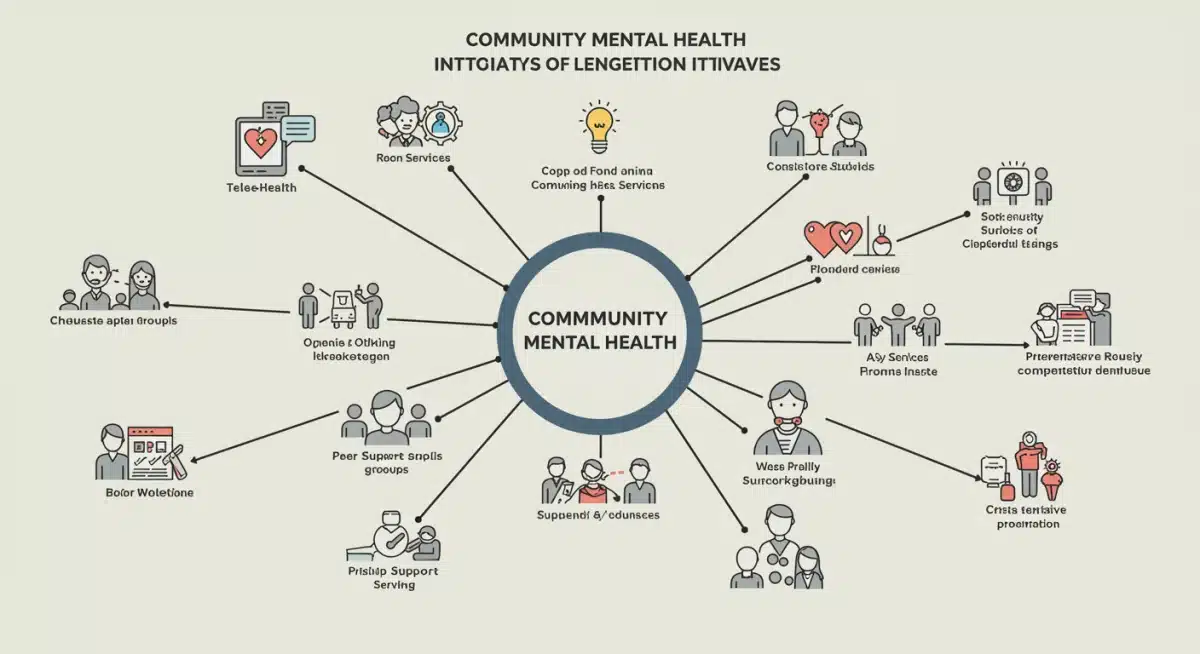
Preventative Mental Health and Early Intervention in 2026
A defining shift in 2026 is the growing emphasis on new preventative mental health strategies and early intervention models.
Rather than waiting for symptoms to escalate into crisis-level conditions, mental health systems are increasingly prioritizing proactive care. These new approaches aim to identify risk factors early, provide accessible support, and strengthen resilience before more severe disorders develop.
Preventative care is proving essential for long-term well-being and for reducing strain on emergency and crisis services.
By implementing new screening tools, early counseling access, and structured resilience-building programs, individuals are better equipped to manage stress and emotional challenges before they intensify.
Proactive Wellness Programs and New Community Initiatives
In 2026, schools, workplaces, and community organizations are implementing new early intervention programs designed to normalize mental health conversations and expand access to foundational support.
These new initiatives focus on mental health literacy, stress management education, and immediate access to entry-level counseling services.
The goal is cultural transformation — reducing stigma while equipping people with practical coping tools. Public health campaigns are also introducing new awareness strategies that encourage early help-seeking behaviors.
Key components of these new preventative efforts include:
Mental Health Literacy Education: Updated school curriculums and public campaigns introduce new educational materials that teach symptom recognition, coping skills, and available support pathways.
Workplace Wellness Programs: Employers are adopting new wellness frameworks, including mindfulness workshops, stress management training, flexible counseling access, and digital mental health platforms.
Youth Mental Health First Aid: Expanded new certification programs train teachers, parents, and community leaders to identify early warning signs and respond appropriately to emerging concerns.
Building a More Resilient Society Through New Strategies
Investing in new preventative mental health models delivers substantial long-term benefits. Early intervention reduces the likelihood of chronic mental health conditions, lowers healthcare costs, and improves academic and workplace performance. More importantly, it fosters emotional resilience at a population level.
By shifting from reactive to proactive care, these new frameworks create a culture where mental well-being is continuously supported rather than addressed only during crisis. The result is a stronger, more adaptable society — better prepared to navigate stress, uncertainty, and life’s inevitable challenges.
In 2026, preventative mental health is no longer an optional add-on. It is becoming a central pillar of sustainable, modern care.
| Key Resource Area | Brief Description |
|---|---|
| Enhanced Telehealth | Advanced digital platforms and AI integration for accessible and personalized virtual mental health support. |
| Integrated Care | Collaboration between physical and mental health professionals for holistic patient care. |
| Community Support | Expanded peer networks and local initiatives offering accessible, relatable mental health aid. |
| Innovative Therapies | New treatment approaches like VR/AR therapy and psychedelic-assisted therapy for specific conditions. |
Frequently Asked Questions About 2026 New Mental Health Resources
What are the biggest changes in mental health care for 2026?
The most significant changes include expanded telehealth services enhanced by new AI integration, more widespread integrated care models that combine physical and mental health services, and stronger community-based peer support networks.
There is also a growing focus on prevention, early intervention, and innovative new therapeutic approaches designed to improve outcomes and accessibility.
How will telehealth services improve with new technologies in 2026?
Telehealth platforms in 2026 are becoming more advanced, offering new AI-driven assessment tools, personalized care pathways, and improved virtual group therapy experiences.
On-demand crisis support and real-time symptom tracking are also part of these new digital systems, making mental health care more immediate, flexible, and accessible.
Are new therapies becoming more accessible in 2026?
Yes, several new therapies are gaining broader acceptance. Virtual reality exposure therapy (VRET), neurofeedback training, and other technology-assisted treatments are becoming more mainstream.
Additionally, medically supervised psychedelic-assisted therapy is emerging as a new option for certain treatment-resistant conditions, expanding the range of evidence-based solutions.
What role do new community programs play in 2026 mental health care?
Community-based programs are expanding with new peer-support certifications, local wellness hubs, and structured group initiatives.
These new programs reduce isolation, increase relatability, and provide affordable support options. By strengthening community connections, they help build resilience and improve long-term mental well-being.
How is funding supporting new mental health initiatives in 2026?
In 2026, increased funding and legislative updates are driving new investments in research, infrastructure, and workforce development. Stronger mental health parity laws are improving insurance coverage, while new grants and p
ublic initiatives focus on student mental health services and underserved populations.
These funding shifts aim to expand access, modernize services, and improve the overall quality of care.
Conclusion
The year 2026 marks a pivotal moment in mental health care, characterized by profound advancements and a collective commitment to well-being.
From the significant expansion and sophistication of telehealth and digital platforms to the crucial integration of mental and physical health services, the landscape is more supportive and accessible than ever.
The rise of community-based peer networks and the introduction of innovative therapies offer new hope and tailored solutions for diverse needs.
Coupled with progressive legislative changes and increased funding, these developments underscore a societal shift towards prioritizing mental health. Understanding the new mental health resources available in 2026 empowers individuals to seek and receive the comprehensive care they deserve, fostering a healthier, more resilient nation.