Blue Light and Sleep in 2026: Your Essential Guide
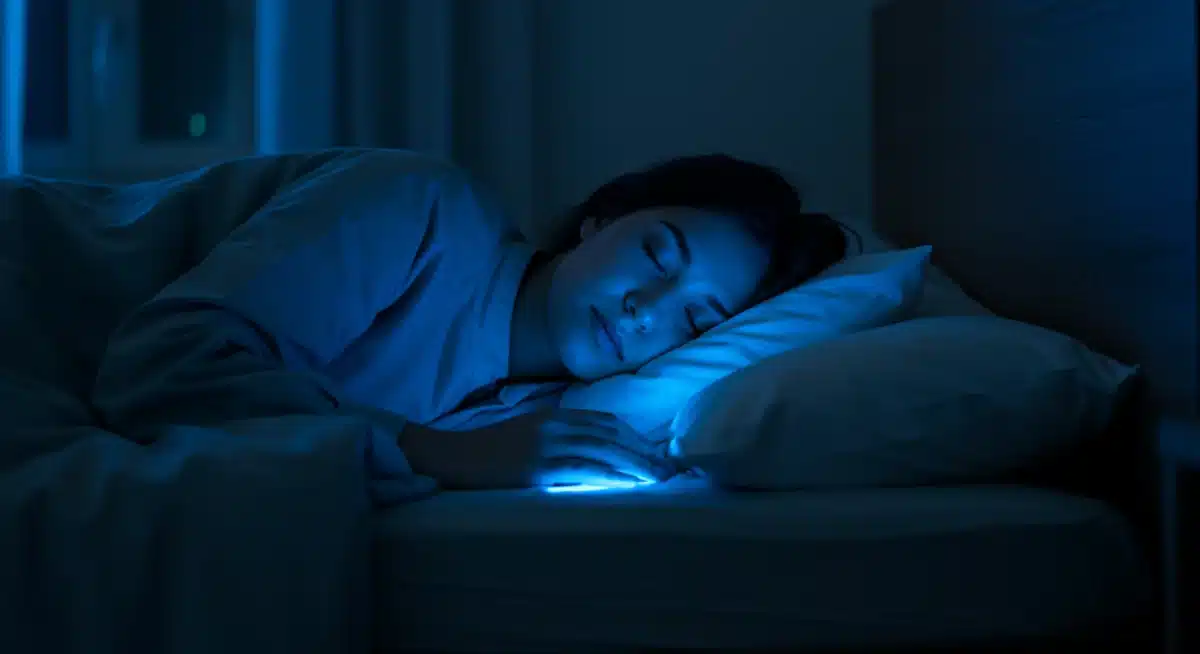
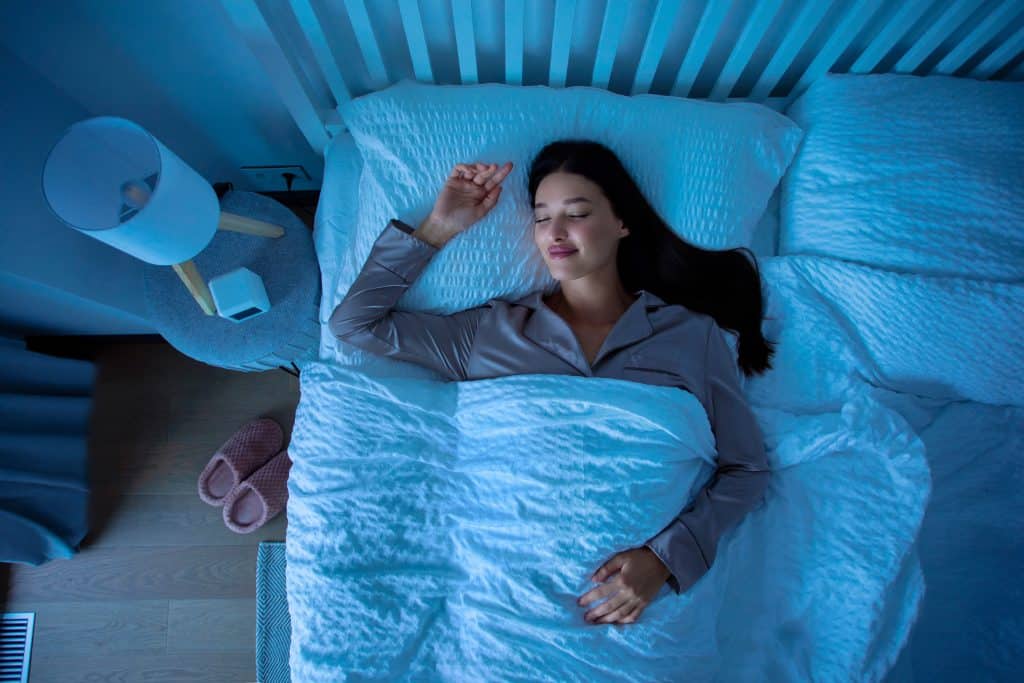 In our increasingly digital world, understanding the impact of blue light on sleep: what you need to know in 2026 has become more critical than ever.
As screens become ubiquitous, from our smartphones to our smart homes, the pervasive glow of blue light silently influences our nightly rest.
This article delves into the science behind blue light’s effects, exploring how it disrupts our natural sleep patterns and what actionable steps we can take to mitigate its influence for a healthier tomorrow.
Understanding Blue Light: The Digital Age’s Unseen Influence
Blue light, a segment of the visible light spectrum, is naturally present in sunlight and plays a vital role in regulating our circadian rhythm, the body’s internal clock. However, in 2026, our primary exposure to blue light often comes from artificial sources such as LED lighting, televisions, and especially the screens of our beloved digital devices. This constant, often late-night, exposure has raised significant concerns about its impact on human health, particularly our sleep quality.
The human eye has specialized cells in the retina, known as intrinsically photosensitive retinal ganglion cells (ipRGCs), which are highly sensitive to blue light. When these cells detect blue light, they signal the brain to suppress the production of melatonin, a hormone crucial for initiating and regulating sleep.
Consequently, prolonged exposure to artificial blue light, especially in the hours leading up to bedtime, can trick our brains into thinking it’s still daytime, making it harder to fall asleep and achieve restful slumber.
The science behind blue light and circadian rhythm
Melatonin suppression: Blue light is particularly effective at inhibiting melatonin secretion, shifting the body’s internal clock.
Circadian disruption: This suppression can delay the onset of sleep, reduce sleep efficiency, and alter sleep architecture.
Alertness enhancement: Blue light can also enhance alertness, which is beneficial during the day but detrimental before sleep.
The implications of this disruption extend beyond just feeling tired. Chronic sleep deprivation linked to blue light exposure can have far-reaching effects on overall health, impacting mood, cognitive function, and even increasing the risk of various health conditions. Therefore, understanding the mechanisms by which blue light affects our internal clock is the first step toward developing effective strategies for better sleep.
How Blue Light Disrupts Your Circadian Rhythm
The human body operates on a finely tuned 24-hour cycle known as the circadian rhythm, which governs various physiological processes, including the sleep-wake cycle. Light is the most powerful external cue that synchronizes this internal clock.
Historically, the rising and setting of the sun provided clear signals, with bright daylight promoting wakefulness and darkness signaling the time for sleep. However, the advent of artificial lighting, particularly devices emitting significant amounts of blue light, has thrown a wrench into this natural synchronization.
When our eyes are exposed to blue light, particularly in the evening, the ipRGCs in our retina send signals to the suprachiasmatic nucleus (SCN) in the brain, which acts as the master clock.
This signal tells the SCN that it’s daytime, even if it’s late at night. The SCN then inhibits the pineal gland from releasing melatonin, the hormone that makes us feel drowsy and prepares our body for sleep. The result is a delayed sleep onset, reduced sleep quality, and a general disruption of the natural sleep cycle.
The cascade of effects on sleep quality
Delayed sleep onset: Many individuals report difficulty falling asleep after using electronic devices late at night.
Reduced REM sleep: Studies suggest blue light exposure can decrease the amount of rapid eye movement (REM) sleep, which is crucial for cognitive processing and emotional regulation.
Fragmented sleep: Even if one manages to fall asleep, the quality of sleep can be compromised, leading to more awakenings during the night.
This disruption isn’t just about feeling tired; it can lead to a host of health issues. Chronic misalignment of the circadian rhythm is linked to increased risks of obesity, diabetes, cardiovascular disease, and certain types of cancer.
Furthermore, it impairs cognitive functions such as memory, attention, and decision-making, significantly impacting daily performance and overall well-being. Recognizing the profound impact of blue light on this fundamental biological process is crucial for safeguarding our health in the modern era.
Digital Devices: The Primary Culprits in 2026
In 2026, digital devices have become an indispensable part of our lives, from work and education to entertainment and social connection.
However, the screens of these devices—smartphones, tablets, laptops, and even smart TVs—are significant emitters of blue light. Their pervasive use, often extending late into the evening, presents a considerable challenge to maintaining healthy sleep patterns.
The problem is exacerbated by the proximity at which we use these devices and the duration of our engagement.
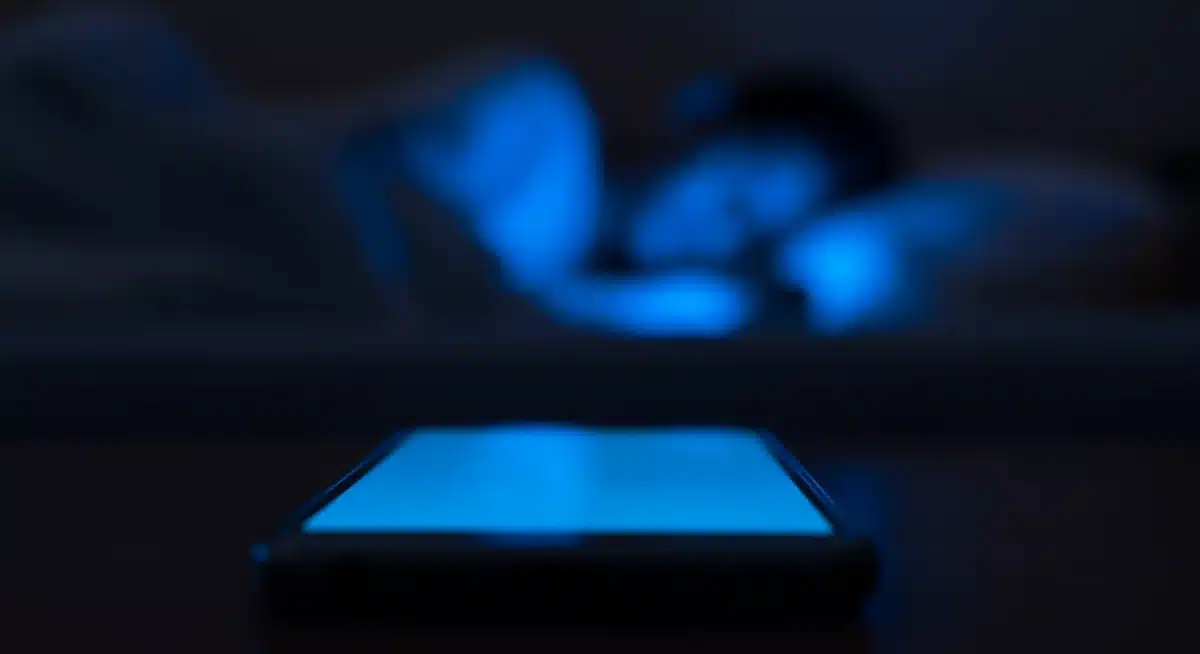
Holding a smartphone inches from our face before bed delivers a concentrated dose of blue light directly to our retinas, signaling to our brains that it’s still broad daylight. This effect is far more pronounced than, say, ambient room lighting, creating a potent inhibitor of natural melatonin production.
Ubiquitous screen time and its consequences
The average American spends several hours a day looking at screens, a number that continues to climb. This constant exposure, particularly after sunset, actively works against our body’s natural inclination to wind down.
Children and teenagers are especially vulnerable, as their eyes are still developing, and they are often heavy users of devices for both academic and recreational purposes. The implications for their sleep and long-term health are a growing concern.
Beyond the direct suppression of melatonin, the content consumed on these devices can also contribute to sleep disruption.
Engaging with stimulating social media, intense video games, or suspenseful shows right before bed can heighten arousal and anxiety, making it even harder for the mind to relax and transition into sleep.
It’s a double-edged sword: the blue light itself is disruptive, and the interactive nature of the content adds another layer of challenge to achieving restful sleep.
The Health Repercussions of Sleep Disruption
The chronic disruption of sleep patterns caused by excessive blue light exposure carries a wide array of health repercussions that extend far beyond simply feeling tired.
Sleep is not merely a period of inactivity; it is a vital biological process essential for physical and mental restoration. When this process is consistently compromised, the body and mind suffer significantly.
One of the most immediate effects is on cognitive function. Sleep deprivation impairs attention, concentration, memory consolidation, and problem-solving abilities.
This can lead to decreased productivity at work or school, an increased risk of errors, and even impaired decision-making.
Furthermore, poor sleep quality has been linked to mood disturbances, including increased irritability, stress, anxiety, and a higher risk of developing depression.
Long-term health risks associated with chronic sleep loss
Metabolic disorders: Chronic sleep deprivation can alter glucose metabolism and hormone regulation, increasing the risk of obesity, insulin resistance, and type 2 diabetes.
Cardiovascular problems: Poor sleep is associated with elevated blood pressure, increased heart rate, and a higher risk of heart disease and stroke.
Weakened immune system: Adequate sleep is crucial for a robust immune response. Chronic sleep loss can make individuals more susceptible to infections and reduce vaccine effectiveness.
Increased accident risk: Drowsiness impairs reaction time and alertness, significantly increasing the risk of accidents, particularly while driving.
Moreover, the body’s ability to repair and regenerate cells, tissues, and systems is heavily reliant on sufficient sleep.
Without it, inflammation can increase, and the body’s natural healing processes are hindered. Understanding these severe health implications underscores the urgent need to address blue light exposure and prioritize healthy sleep habits in our digital-first lives.
Practical Strategies to Mitigate Blue Light Exposure
Given the pervasive presence of digital devices and the unavoidable nature of some blue light exposure, adopting practical strategies to mitigate its impact on sleep is essential.
The good news is that several effective approaches can help reduce your exposure, particularly in the critical hours before bedtime, allowing your body to naturally prepare for sleep.
One of the most straightforward strategies is to implement a digital curfew. This involves setting a specific time in the evening, typically 1 to 2 hours before you plan to sleep, after which you cease all use of electronic devices.
This allows your body sufficient time to begin melatonin production without suppression from blue light. Filling this time with relaxing activities like reading a physical book, listening to calming music, or engaging in light conversation can further enhance the transition to sleep.
Effective tools and habits for reducing blue light’s influence
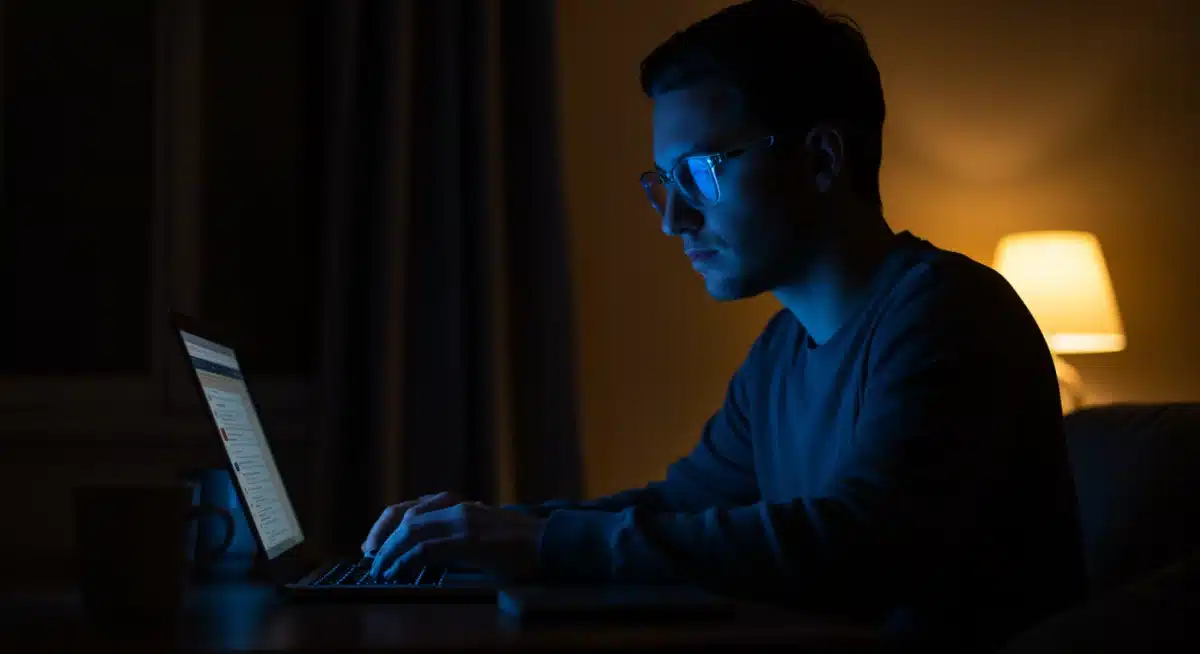
Blue light filtering glasses: Wearing amber-tinted glasses that block blue light in the evening can be highly effective, especially if device use is unavoidable.
Night mode/blue light filters on devices: Most modern smartphones and computers offer built-in features that shift screen colors to warmer tones, reducing blue light emission. Utilize these settings, particularly in the evening.
Dim ambient lighting: Reduce the brightness of room lights in the evening and opt for warmer, lower-intensity bulbs in your bedroom and living spaces.
Outdoor light exposure during the day: Maximize your exposure to natural daylight during the morning and afternoon. This helps reinforce your circadian rhythm and makes it more resilient to evening blue light disruption.
Creating a sleep-friendly environment is also crucial. Ensure your bedroom is dark, quiet, and cool. Investing in blackout curtains can help block external light sources, and avoiding stimulating activities in bed can reinforce the association of your bedroom with rest.
By combining these strategies, you can significantly reduce the negative impact of blue light and cultivate healthier sleep habits.
Innovations and Future Outlook in Blue Light Management for 2026
As our understanding of the impact of blue light on sleep: what you need to know in 2026 continues to evolve, so too do the innovations designed to help us manage its effects.
The tech industry, recognizing the growing consumer demand for healthier digital experiences, is increasingly integrating blue light reduction technologies directly into devices, making it easier for users to protect their sleep without needing external accessories.
Beyond software-based night modes, hardware advancements are promising. New display technologies are being developed that inherently emit less blue light while maintaining color accuracy and visual quality.
This could mean a future where screens are less disruptive to our biology by design, rather than relying solely on software overlays or external filters.
Furthermore, advancements in smart lighting systems allow for dynamic adjustment of light spectrums throughout the day, mimicking natural light cycles and minimizing blue light in the evenings.
Emerging technologies and research directions
Adaptive lighting systems: Smart home lighting that automatically adjusts color temperature and intensity based on the time of day and user preferences.
Advanced display materials: Research into new screen materials that filter blue light at the source without compromising visual performance.
Personalized light exposure apps: Applications that use AI to monitor individual light exposure and sleep patterns, offering tailored recommendations for optimizing circadian rhythm.
Wearable tech integration: Future wearables might not only track sleep but also provide real-time feedback on environmental light exposure and its potential impact.
The scientific community is also deepening its research into individual variability in blue light sensitivity and the long-term effects of chronic low-level blue light exposure.
This ongoing research will undoubtedly lead to more personalized and effective recommendations for blue light management.
As we move further into 2026, the convergence of consumer awareness, technological innovation, and scientific insight promises a future where we can harness the benefits of digital connectivity without sacrificing our precious sleep.
Establishing a Healthy Sleep Environment in a Digital World
Creating an optimal sleep environment is paramount for counteracting the effects of blue light and fostering truly restorative sleep.
While managing device use is crucial, the physical space where you sleep also plays a significant role in signaling to your body that it’s time to rest. In 2026, a healthy sleep environment goes beyond just darkness, incorporating elements that promote relaxation and minimize disruption.
Start by making your bedroom a sanctuary dedicated primarily to sleep and relaxation. This means removing or minimizing distractions like televisions, computers, and even excessive clutter.
The goal is to create a space that is calm, comfortable, and conducive to winding down. Temperature also plays a key role; most experts recommend keeping the bedroom cool, typically between 60-67 degrees Fahrenheit (15-19 degrees Celsius), as a cooler body temperature is associated with sleep onset.
Key elements for a sleep-optimized bedroom
Darkness is paramount: Use blackout curtains or blinds to block out all external light sources, including streetlights and early morning sun. Even small amounts of light can disrupt melatonin production.
Silence is golden: Minimize noise as much as possible. Consider earplugs or a white noise machine if you live in a noisy environment. Consistent, low-level white noise can mask sudden disturbances.
Comfortable bedding: Invest in a comfortable mattress, pillows, and bedding that support your body and regulate temperature, contributing to uninterrupted sleep.
Aromatherapy and relaxation: Incorporate calming scents like lavender through essential oil diffusers or sachets to promote relaxation and help ease you into sleep.
Beyond the physical elements, establishing a consistent bedtime routine is equally important. This routine should begin an hour or two before you plan to sleep and include relaxing activities that signal to your body that it’s time to wind down.
This could involve a warm bath, gentle stretching, reading a physical book, or meditation. By consistently adhering to these practices, you can significantly enhance your sleep quality and mitigate the ongoing challenges posed by blue light in our digital age.
| Key Impact Area | Brief Description |
|---|---|
| Melatonin Suppression | Blue light inhibits the production of melatonin, the sleep hormone, making it harder to fall asleep. |
| Circadian Rhythm Disruption | Evening blue light exposure confuses the body’s internal clock, delaying sleep onset and altering sleep cycles. |
| Health Repercussions | Chronic sleep disruption leads to cognitive impairment, mood issues, and increased risks of metabolic and cardiovascular diseases. |
| Mitigation Strategies | Using blue light filters, digital curfews, and creating a dark, quiet sleep environment can significantly help. |
Frequently Asked Questions About Blue Light and Sleep
Blue light is a segment of the visible light spectrum with short wavelengths and high energy. While natural blue light from the sun regulates our circadian rhythm, artificial blue light from screens, especially at night, suppresses melatonin production, signaling to our brain that it’s daytime and making it difficult to fall asleep.
The suppression of melatonin can begin almost immediately upon exposure to blue light, with significant effects observed within minutes.
The duration and intensity of exposure, along with individual sensitivity, determine the extent of the impact on the body’s sleep-wake cycle.
Yes, amber-tinted blue light blocking glasses can be highly effective. They filter out a significant portion of blue light, preventing it from reaching your eyes and signaling to your brain that it’s evening.
This can help preserve natural melatonin production and improve sleep quality, particularly if screen use before bed is unavoidable.
Most sleep experts recommend ceasing all use of electronic devices emitting blue light at least 1 to 2 hours before your intended bedtime. This duration allows the body sufficient time to naturally begin melatonin production and prepare for sleep without artificial interference.
Beyond blue light, engaging with stimulating content (e.g., intense video games, suspenseful shows, work emails) before bed can increase mental arousal and stress, making it harder to relax. The constant notifications and the psychological dependence on devices also contribute to sleep disruption.
Conclusion
As we navigate 2026, the profound impact of blue light on sleep: what you need to know in 2026 cannot be overstated.
From disrupting our circadian rhythm to suppressing vital melatonin production, the ubiquitous glow of digital screens presents a significant challenge to achieving restorative sleep. However, armed with knowledge and practical strategies, we can mitigate these effects.
By implementing digital curfews, utilizing blue light filters, optimizing our sleep environments, and embracing emerging technologies, we can take proactive steps to protect our sleep health.
Prioritizing healthy sleep in this digital age is not just about feeling rested; it’s about safeguarding our overall physical and mental well-being for a healthier, more productive life.