New Migraine Treatments 2026: Breakthroughs & Options

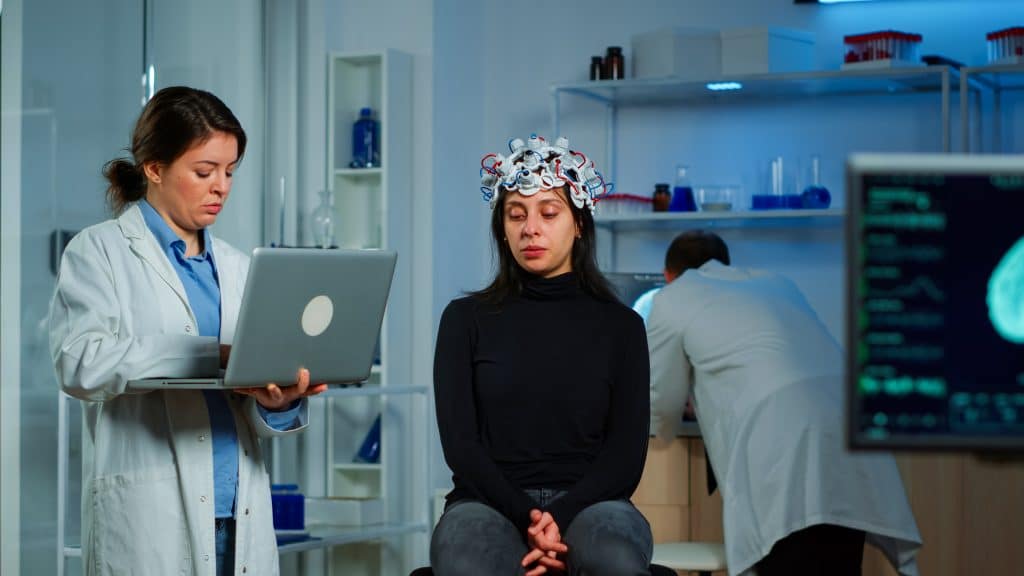 By 2026, the landscape of migraine treatment will be significantly transformed by novel pharmacological agents and advanced non-pharmacological interventions, offering unprecedented relief and improved management strategies for patients worldwide.
Living with migraines can be an incredibly challenging experience, marked by severe pain, sensitivity to light and sound, and often debilitating nausea.
For years, treatment options primarily focused on symptom management, but a new era of understanding and innovation is rapidly changing the game.
By 2026, the field of new migraine treatments is poised for remarkable advancements, offering renewed hope for millions of Americans seeking lasting relief and a better quality of life.
The evolving understanding of migraine pathology
Migraine is far more complex than just a severe headache; it’s a neurological condition with a significant genetic component, affecting millions globally.
Our understanding of its underlying mechanisms has deepened considerably, moving beyond simple vascular theories to encompass intricate neural pathways and neurochemical imbalances.
This evolving knowledge is the bedrock upon which the next generation of treatments is being built, targeting specific pathways rather than broadly addressing symptoms.
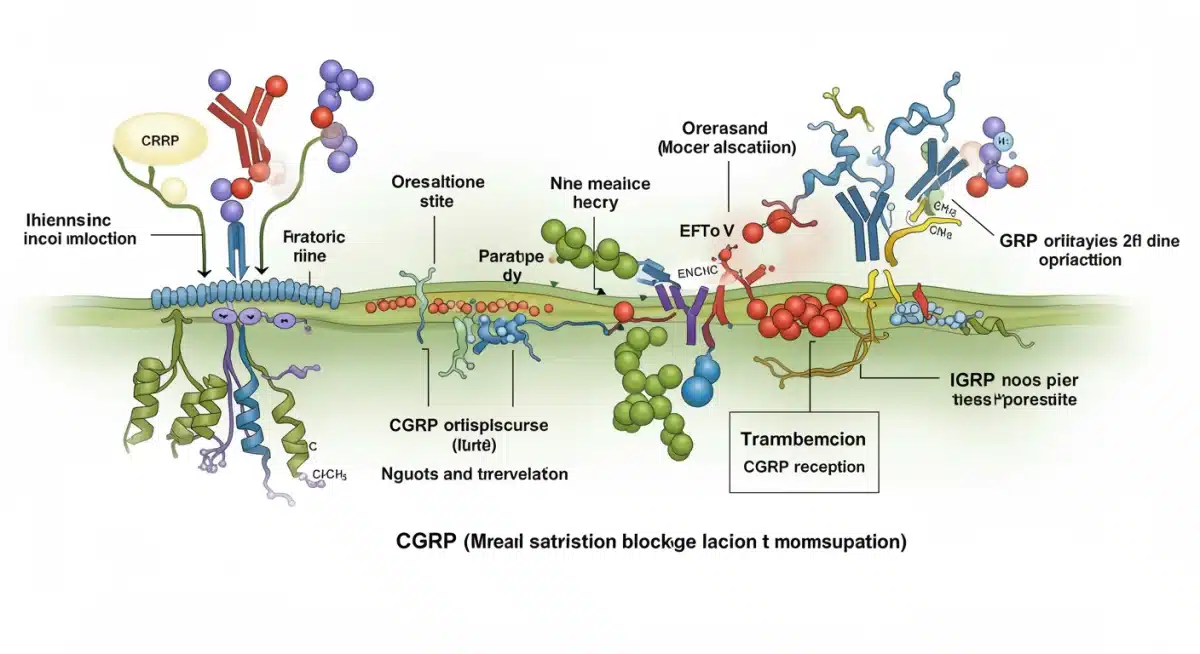
Recent research has highlighted the critical role of calcitonin gene-related peptide (CGRP) in migraine pathophysiology.
CGRP is a neuropeptide that plays a key role in transmitting pain signals during a migraine attack. The discovery of CGRP’s involvement has revolutionized treatment development, leading to a new class of drugs designed to either block the CGRP receptor or target the CGRP ligand itself.
Genetic insights and personalized medicine
The advent of sophisticated genetic sequencing techniques has allowed researchers to identify specific genetic markers associated with an increased risk of migraine.
This paves the way for personalized medicine, where treatments can be tailored to an individual’s unique genetic profile, potentially leading to more effective and targeted interventions.
Understanding these genetic predispositions also helps in identifying individuals at higher risk, allowing for earlier intervention strategies.
Identification of specific genetic variants linked to migraine susceptibility.
Potential for genetic screening to inform treatment choices.
Development of therapies that target gene expression or protein function.
The shift towards a more precise understanding of migraine has been transformative.
Instead of a one-size-fits-all approach, the future promises a more nuanced strategy, recognizing the heterogeneity of migraine presentations and individual responses to therapy.
This detailed understanding is crucial for developing truly effective and long-lasting solutions.
CGRP-targeted therapies: a new frontier
Among the most significant breakthroughs in new migraine treatments are the CGRP-targeted therapies. These medications represent a paradigm shift from traditional acute pain relievers and non-specific preventatives.
They work by directly interfering with the CGRP pathway, which is known to be overactive during a migraine attack. There are two main types: CGRP receptor antagonists (gepants) and monoclonal antibodies that target either the CGRP ligand or its receptor (CGRP mAbs).
CGRP monoclonal antibodies, typically administered via injection, have shown remarkable efficacy in preventing chronic and episodic migraines.
They are designed to be taken once a month or once every three months, offering a convenient and effective prophylactic option for many sufferers. These biologics have generally been well-tolerated, with fewer systemic side effects compared to older preventive medications.
Oral gepants for acute and preventive use
Gepants, on the other hand, are small molecule CGRP receptor antagonists that can be taken orally.
Initially developed for acute migraine treatment, some gepants have also received approval for migraine prevention, offering a non-injectable alternative for those who prefer oral medication. Their dual utility makes them a versatile addition to the migraine treatment arsenal.
Acute treatment: Rapid relief of migraine symptoms.
Preventive treatment: Reduction in frequency and severity of migraine attacks.
Oral administration: Provides convenience and avoids injections.
The development of both injectable monoclonal antibodies and oral gepants provides patients and healthcare providers with a broader range of choices, allowing for more individualized treatment plans.
These therapies are not just about reducing pain; they are about restoring functionality and improving the overall quality of life for migraine patients, making them a cornerstone of new migraine treatments.
Advanced neuromodulation devices
Beyond pharmacology, technological advancements in neuromodulation are offering exciting non-pharmacological options for migraine management.
These devices work by delivering electrical or magnetic stimulation to specific nerves or areas of the brain to disrupt pain signals. They are particularly appealing for patients who cannot tolerate medication side effects or prefer non-drug interventions.
By 2026, we anticipate even more sophisticated and user-friendly neuromodulation devices, integrating artificial intelligence and personalized feedback to optimize treatment parameters.
These devices could become more accessible and integrated into daily life, offering on-demand or scheduled preventive relief without the need for medication.
Types of neuromodulation devices
Several types of neuromodulation devices are currently available or in development for migraine. These include:
Transcranial Magnetic Stimulation (TMS): Uses magnetic fields to stimulate nerve cells in the brain.
Vagus Nerve Stimulation (VNS): Delivers electrical pulses to the vagus nerve in the neck.
Supraorbital Nerve Stimulation (sTNS): Stimulates the supraorbital and supratrochlear nerves in the forehead.
Remote Electrical Neuromodulation (REN): Applied to the upper arm, this device stimulates peripheral nerves to create conditioned pain modulation.
These devices offer a drug-free alternative for both acute and preventive migraine treatment. Their non-invasive nature and generally good safety profiles make them attractive options, especially for those with contraindications to pharmacological treatments.
The ongoing miniaturization and enhanced efficacy of these technologies solidify their role as key components of new migraine treatments.
Emerging drug classes and therapeutic targets

While CGRP-targeted therapies have led the most visible breakthroughs, the search for new migraine treatments is far from over.
Researchers continue to investigate alternative biological pathways involved in migraine development, recognizing that not every patient responds to CGRP inhibitors. This expanding scientific focus ensures that new options will be available for individuals who need different therapeutic mechanisms.
Scientists are currently exploring new neuropeptide targets, ion channels, and inflammatory mediators that contribute to migraine pain signaling.
By identifying additional triggers within the nervous system, researchers aim to develop new drugs that interrupt migraine pathways at different points in the process. This diversified approach strengthens the treatment landscape and reduces reliance on a single mechanism of action.
One of the most promising new areas of research involves the pituitary adenylate cyclase-activating polypeptide (PACAP) pathway.
Although PACAP shares similarities with CGRP, it interacts with distinct receptors and may influence migraine attacks through separate biological mechanisms.
Several new PACAP-targeting drugs are currently in development, and early findings suggest they could provide meaningful relief for patients who do not benefit from existing therapies.
In addition, advancements in understanding cortical spreading depression — the wave of electrical brain activity associated with migraine aura — are opening doors to new intervention strategies.
By targeting the neurological events that precede pain onset, researchers hope to develop new preventive treatments that stop migraines before they fully develop.
This broadened scientific exploration reflects a critical shift in migraine research. Rather than refining a single therapy type, the field is actively building a pipeline of new and diverse treatment options.
As 2026 approaches, these innovations offer renewed hope for more personalized, effective migraine management tailored to each patient’s unique neurological profile.
Non-opioid pain relief and inflammation modulation
The search for effective non-opioid pain relief is a critical objective in chronic pain management, including migraine.
Researchers are focused on developing drugs that can alleviate migraine pain without the risks associated with opioids, such as dependence and tolerance. This involves exploring compounds that can modulate inflammatory processes in the brain and meninges, which are known to contribute to migraine pain.
Furthermore, new anti-inflammatory agents specifically designed to target neuroinflammation in the context of migraine are under investigation.
These could provide a preventive strategy by reducing the underlying inflammatory burden that can trigger migraine attacks. The diverse pipeline of emerging drug classes suggests a future where migraine treatment is even more tailored and effective for a wider range of patients.
Integrative Approaches and Lifestyle Modifications
Although medications and devices remain central to care, many experts agree that combining them with new integrative strategies offers stronger, longer-lasting results.
Migraine is a complex neurological condition influenced by stress, hormones, sleep patterns, and environmental triggers. Because of this, comprehensive care in 2026 increasingly blends new medical therapies with structured lifestyle modifications to enhance outcomes.
Healthcare systems are moving toward more coordinated care models that formally incorporate new integrative approaches alongside pharmacological treatments.
This may include referrals to nutrition specialists, behavioral therapists, sleep experts, and physical therapists trained in migraine management. The goal is to build a sustainable routine that reduces attack frequency rather than simply reacting to symptoms.
Stress management is one of the most powerful non-pharmacological tools. New research continues to highlight the connection between cortisol regulation and migraine frequency. Techniques such as mindfulness meditation, cognitive behavioral therapy (CBT), biofeedback, yoga, and guided breathing exercises are increasingly recognized as valuable complements to new migraine medications.
Sleep optimization is equally critical. Inconsistent sleep patterns can destabilize the nervous system and trigger attacks. By 2026, new digital sleep-tracking technologies and wearable devices are helping patients identify patterns and adjust routines to support neurological stability.
Nutrition also plays a major role. Identifying trigger foods, maintaining stable blood sugar levels, and ensuring adequate hydration are foundational elements of migraine prevention.
Some patients are exploring new dietary frameworks — such as anti-inflammatory or magnesium-rich meal plans — under medical guidance to support brain health.
Regular physical activity further strengthens migraine resilience. Low-impact exercises like walking, swimming, and strength training can improve circulation, regulate stress hormones, and reduce inflammation — all of which support the effectiveness of new migraine treatments.
Ultimately, the integration of lifestyle strategies with new medical innovations reflects a shift toward personalized, whole-person care.
The vision for 2026 is clear: not only to introduce new treatments but to combine them with intentional lifestyle design, empowering patients to reduce attack frequency, improve daily function, and enhance overall well-being.
The role of digital health and telemedicine
Digital health platforms and telemedicine are transforming how migraine care is delivered. These tools allow for remote monitoring of symptoms, personalized feedback on lifestyle choices, and easier access to specialists. By 2026, expect advanced apps that use AI to predict migraine attacks based on individual data, offering proactive intervention strategies.
Personalized migraine tracking and trigger identification.
Telemedicine consultations for convenient access to specialists.
AI-powered predictive analytics for proactive management.
Integrating these technological tools with traditional medical care empowers patients to take a more active role in managing their condition.
This blend of cutting-edge traditional new migraine treatments with personalized lifestyle adjustments and digital support represents a comprehensive path forward for migraine sufferers.
The future of migraine care: accessibility and personalization
Looking ahead to 2026, the future of migraine care is characterized by increased accessibility and highly personalized treatment plans.
The proliferation of new medications and devices means that more patients will have options that truly work for them, moving away from the trial-and-error approach that has long plagued migraine management. This shift is critical for improving patient outcomes and reducing the burden of this chronic condition.
Accessibility will be enhanced not only through telemedicine but also through greater awareness and education among primary care physicians, enabling earlier diagnosis and appropriate referrals.
Furthermore, the development of more affordable generic versions of newer drugs will make these life-changing treatments available to a wider population, addressing current disparities in access to care.
Breaking Down Barriers to Effective Treatment
For years, one of the biggest obstacles in migraine care has been delayed diagnosis and limited access to specialized therapies.
Many patients wait months — sometimes years — before receiving an accurate diagnosis or being offered new migraine treatments that could significantly improve their quality of life. By 2026, healthcare systems are actively working to remove these barriers and accelerate access to effective care.
A major focus is streamlining the diagnostic process. Emerging new digital screening tools, AI-supported assessment platforms, and updated clinical algorithms are helping healthcare providers identify different migraine subtypes faster and more accurately.
Earlier identification means patients can begin new targeted treatments sooner, reducing unnecessary suffering and repeated emergency visits.
Insurance reform is another key area of progress. Advocacy efforts are pushing for broader coverage of new migraine medications, CGRP therapies, and neuromodulation devices.
Historically, step-therapy requirements and prior authorization delays have slowed patient access to innovative options. By 2026, there is growing momentum toward policies that prioritize timely approval of new evidence-based therapies.
Professional education is also expanding. Increased training programs and updated clinical guidelines are equipping healthcare providers with the knowledge needed to prescribe new migraine treatments confidently and appropriately.
This ensures that patients are not only diagnosed faster but also matched with the most suitable and personalized therapeutic options.
The ultimate goal is to build a healthcare ecosystem where every migraine patient has rapid access to safe, effective, and personalized new migraine treatments.
This evolving vision for 2026 represents more than just medical advancement — it signals a cultural shift toward recognizing migraine as a serious neurological condition deserving of proactive, modern care.
With continued innovation and policy reform, the future points toward better management, reduced disability, and improved quality of life for millions affected by migraines worldwide.
| Key Treatment Area | Brief Description of Advancements |
|---|---|
| CGRP-Targeted Therapies | Monoclonal antibodies and oral gepants offering specific, effective acute and preventive migraine relief. |
| Neuromodulation Devices | Non-pharmacological options using electrical or magnetic stimulation for migraine prevention and acute treatment. |
| Emerging Drug Classes | New drugs targeting PACAP and other pathways, offering alternatives beyond CGRP inhibitors. |
| Integrative Approaches | Holistic care combining lifestyle changes, digital health, and personalized strategies for better management. |
Frequently asked questions about new migraine treatments in 2026
CGRP inhibitors are a class of new migraine treatments that target calcitonin gene-related peptide (CGRP), a protein involved in pain transmission during migraines.
They work by either blocking the CGRP receptor or binding to the CGRP ligand itself, preventing it from activating pain pathways and thus reducing migraine frequency and severity.
Yes, neuromodulation devices are drug-free options for migraine treatment. They use electrical or magnetic impulses to modulate nerve activity, offering an alternative for patients who prefer to avoid medication or have contraindications. These devices can be used for both acute pain relief and preventive therapy.
By 2026, personalized medicine is expected to significantly impact migraine treatment by tailoring therapies based on an individual’s genetic profile and specific migraine characteristics.
This approach aims to identify the most effective treatments for each patient, minimizing trial-and-error and improving treatment outcomes considerably.
Lifestyle changes remain a crucial component of comprehensive migraine management, even with new treatments.
Factors like stress management, consistent sleep, regular exercise, and a balanced diet can significantly reduce migraine frequency and severity. These approaches complement pharmacological and device-based therapies for overall improved well-being.
Efforts are underway to improve accessibility to new migraine treatments by 2026, including better insurance coverage, increased awareness among healthcare providers, and the potential for more affordable generic options.
While challenges remain, the goal is to ensure that more patients can access these life-changing therapies.
Conclusion
The landscape of migraine treatment is undergoing a profound transformation, offering unprecedented hope for millions of individuals who suffer from this debilitating condition.
By 2026, the integration of advanced CGRP-targeted therapies, innovative neuromodulation devices, and a deeper understanding of migraine pathology will lead to more effective, personalized, and accessible treatment options.
This new era of migraine care, combined with robust lifestyle modifications and digital health support, promises a future where migraine is effectively managed, not just endured, enabling individuals to reclaim their lives and improve their overall well-being.