Gut Health: Improving Digestion and Boosting Immunity
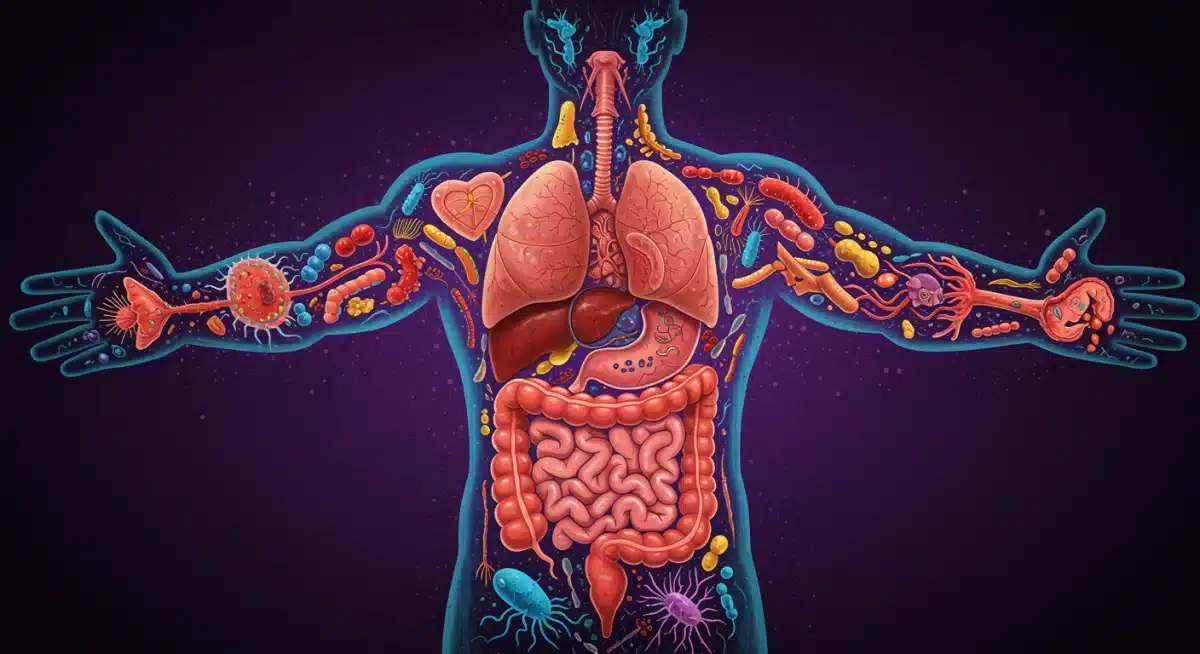
 Have you ever considered that the secret to better digestion and a stronger defense against illness might lie within your gut? The truth is, the intricate world inside your digestive system plays a far more significant role in your overall well-being than many realize.
Understanding the role of gut health: improving digestion and boosting immunity is not just a trend; it’s a fundamental aspect of maintaining a vibrant, healthy life.
Gut Health: Improving Digestion and Boosting Immunity
The Gut Microbiome: A Complex Ecosystem
Your gut is home to trillions of microorganisms collectively known as the gut microbiome. This intricate ecosystem, primarily located in the large intestine, includes bacteria, viruses, fungi, and other microbes that coexist in a delicate balance.
Far from being passive inhabitants, these microorganisms actively support digestion, regulate immunity, influence metabolism, and even affect mood and cognitive function.
Think of your gut microbiome as a living internal rainforest. Just as biodiversity strengthens an ecosystem, microbial diversity strengthens your body.
When beneficial bacteria thrive, your digestive system functions efficiently, inflammation stays controlled, and your immune defenses remain strong. However, when this balance is disrupted — a condition known as dysbiosis — it can trigger a cascade of health concerns ranging from digestive discomfort to weakened immunity and chronic inflammation.
Understanding this complex internal world is the first step toward optimizing gut health and supporting long-term wellness.
Why Microbial Diversity Matters
Diversity is the foundation of a resilient microbiome. Each microbial species performs specialized roles that contribute to overall digestive and immune function.
Some bacteria break down dietary fiber and resistant starches. Others synthesize essential nutrients such as vitamin K and certain B vitamins. Many produce beneficial compounds called short-chain fatty acids (SCFAs), including butyrate, acetate, and propionate.
These SCFAs are critical because they:
Nourish the cells lining your colon
Strengthen the gut barrier
Reduce inflammation
Support immune regulation
Help maintain stable blood sugar levels
A varied, nutrient-dense diet plays a central role in maintaining this diversity. Fiber-rich vegetables, fruits, legumes, whole grains, nuts, and seeds provide fuel for beneficial microbes. Fermented foods such as yogurt, kefir, sauerkraut, kimchi, and miso introduce helpful bacteria that may further enhance microbial balance.
Environmental exposure also influences diversity. Spending time outdoors, interacting with natural environments, and minimizing overuse of harsh antibacterial products may support a more balanced microbiome.
On the other hand, factors such as:
Frequent antibiotic use
Highly processed diets
Chronic stress
Poor sleep
Excessive sugar intake
can significantly reduce microbial diversity and disrupt balance.
Because the microbiome constantly adapts to your lifestyle, nurturing it requires consistent, supportive habits.
Digestion: More Than Just Breaking Down Food
Digestion begins in the mouth and continues through the entire gastrointestinal tract. While stomach acid and digestive enzymes are essential, the gut microbiome plays an indispensable supporting role.
Many complex carbohydrates and fibers cannot be broken down by human digestive enzymes alone. Gut bacteria ferment these fibers, producing SCFAs and other beneficial metabolites that enhance nutrient absorption and maintain intestinal integrity.
Without a healthy microbiome, even a nutrient-rich diet may fail to deliver its full benefits.
Enzyme Production and Nutrient Absorption
Certain gut bacteria contribute directly to nutrient production and absorption. They assist in:
Synthesizing B vitamins
Producing vitamin K
Supporting mineral absorption
Enhancing fat metabolism
This symbiotic relationship ensures your body extracts maximum nutritional value from food.
When microbial balance is compromised, digestion may suffer. Symptoms of dysbiosis can include:
Bloating
Gas
Constipation
Diarrhea
Food sensitivities
Nutrient deficiencies
Restoring balance often leads to improved digestive comfort and better energy levels.
The Gut–Immune System Connection
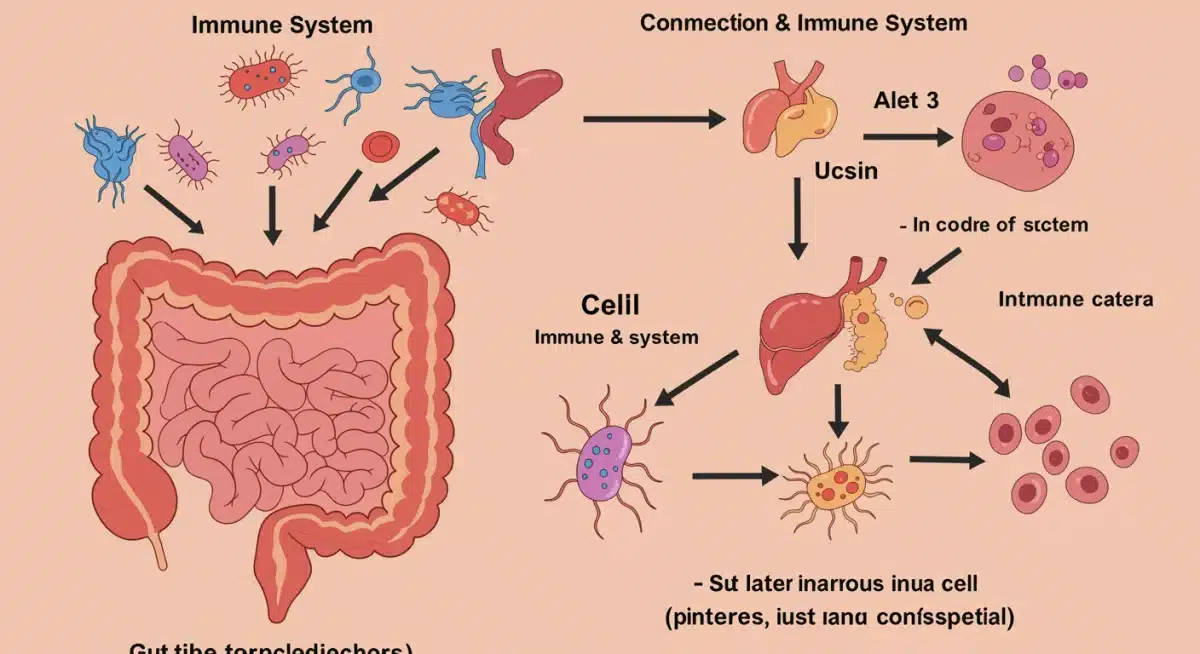
Approximately 70% of your immune system resides in your gut. This makes gut health a cornerstone of immune resilience.
The gut lining acts as a protective barrier. Beneficial bacteria help maintain this barrier by preventing harmful pathogens from entering the bloodstream. They also communicate with immune cells, helping regulate inflammation and immune responses.
When the gut barrier weakens — sometimes referred to as “leaky gut” — toxins and bacteria can pass into circulation, potentially triggering systemic inflammation.
A balanced microbiome supports:
Reduced chronic inflammation
Stronger infection defense
Balanced immune responses
Lower risk of autoimmune activation
This is why gut health is often linked to improved immunity and reduced susceptibility to illness.
The Gut–Brain Axis: Mood and Mental Clarity
Emerging research highlights the powerful connection between gut health and mental well-being. The gut and brain communicate through the gut–brain axis, a bidirectional network involving the nervous system, hormones, and immune signaling.
Gut bacteria influence the production of neurotransmitters such as serotonin, dopamine, and gamma-aminobutyric acid (GABA). In fact, a significant portion of serotonin — often called the “feel-good” neurotransmitter — is produced in the gut.
An imbalanced microbiome has been associated with:
Increased stress sensitivity
Mood fluctuations
Brain fog
Anxiety symptoms
While research is ongoing, maintaining gut balance may support emotional stability and cognitive clarity.
Signs Your Gut May Need Support
Your body often signals when gut health needs attention. Common warning signs include:
Persistent bloating or gas
Irregular bowel movements
Frequent infections
Food intolerances
Chronic fatigue
Skin issues such as acne or eczema
While occasional digestive discomfort is normal, consistent symptoms may indicate microbial imbalance.
Practical Steps to Improve Gut Health

Improving gut health doesn’t require extreme measures. Small, consistent habits can significantly influence microbial balance.
Increase Fiber Intake
Aim for a variety of plant-based foods daily. Different fibers feed different bacterial strains.
Include Fermented Foods
Natural probiotics may support beneficial bacteria.
Prioritize Prebiotics
Prebiotic fibers found in garlic, onions, bananas, asparagus, and oats nourish healthy microbes.
Manage Stress
Chronic stress alters gut bacteria and weakens the gut barrier.
Get Adequate Sleep
Sleep supports microbial regulation and immune balance.
Use Antibiotics Wisely
Only take antibiotics when medically necessary and consider probiotic support afterward under professional guidance.
Stay Hydrated
Proper hydration supports digestion and intestinal movement.
Long-Term Benefits of a Healthy Gut
When you consistently nurture your microbiome, you may experience:
Improved digestion
Stronger immune defenses
Better energy levels
Reduced inflammation
Enhanced mood stability
More efficient nutrient absorption
Gut health is not a short-term fix but a long-term investment in resilience and vitality.
Your gut microbiome is a dynamic, living partner in your overall well-being. From digestion and nutrient absorption to immune protection and mental clarity, its influence reaches nearly every system in your body.
By supporting microbial diversity through balanced nutrition, stress management, and healthy lifestyle choices, you create a foundation for improved digestion and stronger immunity.
The Gut-Immune Connection: Your Inner Defense System
Remarkably, about 70-80% of your immune system resides in your gut. This extensive network, known as gut-associated lymphoid tissue (GALT), is constantly interacting with the gut microbiome.
The gut lining acts as a critical barrier, preventing harmful substances from entering the bloodstream while allowing beneficial nutrients to pass through. A healthy gut barrier is therefore fundamental to a robust immune response.
The gut microbiome educates and modulates the immune system from birth. Beneficial bacteria communicate with immune cells, teaching them to differentiate between harmless substances (like food particles) and dangerous pathogens.
This training is essential for preventing autoimmune responses and maintaining immune tolerance.
Modulating inflammatory responses
An imbalanced gut microbiome can lead to chronic low-grade inflammation, a precursor to many chronic diseases.
Beneficial bacteria produce anti-inflammatory compounds and help maintain the integrity of the gut lining, thus reducing the entry of inflammatory molecules into the bloodstream.
This modulation of inflammatory responses is a cornerstone of a healthy immune system.
Strengthening the gut barrier against pathogens.
Educating immune cells for appropriate responses.
Reducing systemic inflammation.
When the gut barrier is compromised—often referred to as ‘leaky gut’—undigested food particles, toxins, and pathogens can cross into the bloodstream, triggering an immune reaction.
This can manifest as allergies, sensitivities, and increased susceptibility to infections. Maintaining a strong gut barrier is a primary defense mechanism for the entire body.
The intricate relationship between your gut and your immune system underscores why nurturing your gut health is paramount for overall immunity. A healthy gut is synonymous with a well-functioning immune system, capable of defending against illness and maintaining balance.
Probiotics and Prebiotics: Gut’s Best Friends
To support a thriving gut microbiome, understanding the roles of probiotics and prebiotics is essential. These two components work synergistically to foster a healthy environment for your gut bacteria, improving digestion and boosting immunity.
Incorporating them into your diet can be a powerful strategy for enhancing your overall well-being.
Probiotics are live microorganisms, typically bacteria or yeasts, that, when consumed in adequate amounts, confer a health benefit on the host.
They introduce beneficial strains directly into your gut, helping to restore balance and diversity, especially after disruptions like antibiotic use or illness. Common probiotic-rich foods include yogurt, kefir, sauerkraut, kimchi, and kombucha.
Fueling the good bacteria with prebiotics
Prebiotics, on the other hand, are non-digestible fibers that act as food for the beneficial bacteria already residing in your gut.
They stimulate the growth and activity of these good microbes, allowing them to flourish and exert their positive effects. Excellent sources of prebiotics include garlic, onions, leeks, asparagus, bananas, and whole grains.
Probiotics introduce beneficial bacteria.
Prebiotics nourish existing good bacteria.
Together, they create a synergistic effect for gut health.
The combination of probiotics and prebiotics, often referred to as synbiotics, offers a comprehensive approach to gut health.
While probiotics help populate the gut with beneficial strains, prebiotics ensure those strains, and your native beneficial bacteria, have the fuel they need to thrive and perform their functions effectively.
Integrating both probiotics and prebiotics into your daily diet is a proactive step toward cultivating a resilient and diverse gut microbiome. This dietary strategy supports both the introduction of new beneficial microbes and the sustenance of your existing healthy bacterial communities.
Dietary Habits for a Healthier Gut
Your daily dietary choices are perhaps the most influential factor in shaping your gut microbiome. What you eat directly feeds or starves specific populations of bacteria, dictating the balance and diversity of your gut ecosystem. Adopting gut-friendly eating habits can profoundly impact your digestion and immune function.
A diet rich in whole, unprocessed foods is highly recommended. Emphasize fruits, vegetables, legumes, and whole grains, as these are excellent sources of fiber and various plant compounds that nourish beneficial gut bacteria.
Minimize your intake of highly processed foods, sugary drinks, and artificial sweeteners, which can promote the growth of less desirable microbes and contribute to inflammation.
Hydration and mindful eating
Adequate hydration is also crucial for digestive health. Water helps keep food moving through your digestive tract and prevents constipation.
Beyond what you eat, how you eat also matters. Mindful eating—paying attention to your food, chewing thoroughly, and eating slowly—can improve digestion and reduce stress, which can negatively impact gut function.
Prioritize whole, unprocessed foods.
Increase fiber intake from fruits, vegetables, and whole grains.
Stay well-hydrated throughout the day.
Consider incorporating fermented foods regularly, as they naturally contain probiotics. Examples include yogurt, kefir, sauerkraut, kimchi, and tempeh.
These foods not only introduce beneficial bacteria but also often contain pre-digested nutrients, making them easier to absorb. Experiment with different types to find what you enjoy and what works best for your body.
Consciously choosing foods that support your gut microbiome is a powerful strategy for improving digestion and bolstering immunity. Small, consistent dietary changes can lead to significant positive shifts in your gut health and overall vitality.
Lifestyle Factors Beyond Diet
While diet plays a pivotal role, gut health is also significantly influenced by various lifestyle factors.
These elements interact with your gut microbiome, either supporting its balance or contributing to dysbiosis. Addressing these aspects holistically is essential for comprehensive gut care and overall well-being.
Stress, for instance, has a profound impact on the gut-brain axis, a bidirectional communication system between your brain and your gut. Chronic stress can alter gut motility, increase gut permeability, and change the composition of the gut microbiome.
Practices such as meditation, yoga, deep breathing exercises, and spending time in nature can help manage stress and protect your gut.
The importance of sleep and physical activity
Adequate sleep is another critical factor. Poor sleep patterns can disrupt the circadian rhythms of your gut bacteria, leading to dysbiosis. Aim for 7-9 hours of quality sleep per night to support a healthy gut.
Regular physical activity also contributes positively to gut diversity and function, although excessive, high-intensity exercise without adequate recovery can have adverse effects.
Manage stress through relaxation techniques.
Prioritize consistent, quality sleep.
Engage in regular, moderate physical activity.
Environmental toxins, certain medications (especially antibiotics), and even excessive hygiene can also impact the gut microbiome.
While some factors are unavoidable, being mindful of your exposure and discussing medication use with a healthcare professional can help mitigate potential negative effects. Supporting a healthy gut goes beyond just food; it encompasses a holistic approach to your daily life.
Integrating healthy lifestyle practices alongside a gut-friendly diet creates a powerful synergy for maintaining optimal gut health. By managing stress, prioritizing sleep, and staying active, you provide your gut microbiome with the best possible environment to thrive.
Practical Steps for Improving Gut Health
Embarking on a journey to improve your gut health doesn’t require drastic, overnight changes. Instead, it involves adopting a series of sustainable practices that gradually nurture your internal ecosystem.
By implementing practical steps, you can significantly enhance your digestion and fortify your immune system, paving the way for improved overall vitality.
Start by diversifying your diet. Aim to consume a wide variety of plant-based foods, as each different fruit, vegetable, or grain brings unique fibers and nutrients that feed different beneficial bacteria.
Challenge yourself to try new plant foods each week to broaden the spectrum of nutrients your gut receives. This variety is crucial for a robust and resilient microbiome.
Mindful eating and stress reduction techniques
Integrate fermented foods into your daily routine. A small serving of plain yogurt, kefir, sauerkraut, or kimchi can introduce a healthy dose of probiotics.
If you’re new to fermented foods, start slowly to allow your digestive system to adjust. Pay attention to how your body responds and adjust as needed.
Gradually increase fiber intake from diverse plant sources.
Incorporate fermented foods regularly.
Stay consistent with hydration.
Consider the impact of stress on your gut. Dedicate time each day to stress-reducing activities, whether it’s a short walk, meditation, deep breathing exercises, or simply enjoying a hobby.
Remember that the gut-brain axis means your emotional state directly influences your digestive health. Prioritize adequate sleep and regular, moderate exercise, as these are fundamental pillars of both physical and microbial well-being.
By consistently applying these practical steps, you invest in a healthier gut, which in turn supports a healthier you.
Improving your gut health is a continuous process of nurturing your internal environment. By making conscious dietary and lifestyle choices, you empower your digestive system and immune defenses, leading to a more balanced and energetic life.
| Key Aspect | Brief Description |
|---|---|
| Gut Microbiome | Trillions of microbes impacting digestion, immunity, and overall health. Diversity is crucial. |
| Digestion & Absorption | Gut bacteria aid in breaking down food, producing vitamins, and ensuring nutrient uptake. |
| Immune System Link | 70-80% of immunity resides in the gut, modulated by microbes and gut barrier integrity. |
| Probiotics & Prebiotics | Probiotics introduce good bacteria; prebiotics feed them, both vital for gut balance. |
Frequently Asked Questions About Gut Health
Common indicators of poor gut health include persistent digestive issues like bloating, gas, constipation, or diarrhea. Other signs can be fatigue, skin problems, mood swings, and frequent infections, all pointing to an imbalance in the gut microbiome.
Significant improvements in gut health can often be seen within a few weeks to a few months of consistent dietary changes. Introducing diverse fibers, fermented foods, and reducing processed foods can rapidly shift your microbiome towards a healthier state.
While a diet rich in fermented foods can often provide sufficient probiotics, supplements can be beneficial, especially after antibiotic use or for specific health conditions. Consult a healthcare professional to determine if a supplement is right for you.
Absolutely. Stress significantly influences the gut-brain axis, altering gut motility, increasing permeability, and changing microbial composition. Chronic stress can lead to dysbiosis, exacerbating digestive and immune issues, making stress management crucial.
Fiber is essential as it acts as a prebiotic, feeding beneficial gut bacteria. It promotes microbial diversity, aids in regular bowel movements, and supports the production of short-chain fatty acids vital for gut barrier integrity and overall health.
Conclusion
The journey to understanding and optimizing your gut health is a profound step toward achieving holistic well-being.
From improving the efficiency of your digestion to bolstering the resilience of your immune system, the intricate world within your gut exerts a far-reaching influence on nearly every aspect of your health.
By embracing a diet rich in diverse, whole foods, incorporating prebiotics and probiotics, and adopting mindful lifestyle practices, you actively cultivate a thriving internal ecosystem.
This commitment to nurturing your gut is not merely about addressing symptoms; it’s about building a strong foundation for sustained vitality, enhanced immunity, and a higher quality of life. The power to transform your health, quite literally, lies within your gut.