Telehealth Advancements: Healthcare from Your Home

 The latest telehealth advancements home healthcare is transforming medical access by providing virtual consultations, remote monitoring, and innovative digital solutions, enabling convenient and efficient care delivery directly to patients’ residences across the United States.
The landscape of healthcare is undergoing a profound transformation, and at its heart are the incredible telehealth advancements home healthcare has seen.
Imagine a world where quality medical care is just a click away, accessible from the comfort and safety of your own living room.
This isn’t a futuristic fantasy; it’s the present reality for millions of Americans, thanks to rapidly evolving digital health solutions that are reshaping how we interact with medical professionals and manage our well-being.
The rise of virtual consultations: a new era of access
Virtual consultations have emerged as a cornerstone of modern telehealth, fundamentally changing the way patients interact with healthcare providers. This shift, accelerated by recent global events, has proven to be far more than a temporary fix; it represents a permanent evolution in healthcare delivery.
The convenience of connecting with a doctor, specialist, or therapist from home eliminates geographical barriers, reduces travel time and costs, and often leads to more timely appointments, which can be crucial for early diagnosis and intervention.
For many, the ability to avoid crowded waiting rooms and potential exposure to illnesses is a significant benefit.
This is particularly true for individuals with compromised immune systems, chronic conditions, or those living in rural areas with limited access to specialized medical facilities.
Virtual consultations leverage secure video conferencing platforms, ensuring patient privacy and data security while facilitating real-time interaction, diagnosis, and treatment planning.
Enhanced patient engagement and continuity of care
One of the less obvious yet profound benefits of virtual consultations is the potential for enhanced patient engagement. When patients feel more comfortable and have easier access to their care teams, they are often more likely to adhere to treatment plans and proactively manage their health. This continuity of care is vital, especially for chronic disease management, where regular check-ins and adjustments to treatment are essential.
Convenience: Schedule appointments around your life, not the other way around.
Accessibility: Overcome geographical limitations and transportation hurdles.
Reduced exposure: Minimize contact with infectious diseases in clinical settings.
Timely care: Often quicker access to medical advice and prescriptions.
The integration of virtual consultations also allows for a more holistic approach to health. Doctors can gain insights into a patient’s home environment, which can be valuable for understanding lifestyle factors that impact health.
This direct window into a patient’s daily life, while respecting privacy, can foster a deeper connection and lead to more personalized care plans.
The ease of follow-up appointments also means that minor concerns can be addressed before they escalate into more significant health issues, ultimately improving overall health outcomes.
Remote patient monitoring: continuous care beyond the clinic
Remote patient monitoring (RPM) stands as another pillar of telehealth advancements home healthcare, extending the reach of clinical oversight directly into patients’ homes.
This technology involves the use of digital tools and devices to collect health data from individuals in their usual environments, transmitting this information securely to healthcare providers for review and analysis.
RPM is particularly transformative for managing chronic conditions, post-operative recovery, and elder care, where continuous data can be more insightful than sporadic in-person visits.
From wearable sensors that track heart rate and activity levels to smart glucometers for diabetes management and blood pressure cuffs that automatically record readings, RPM devices are becoming increasingly sophisticated and user-friendly.
This constant stream of data allows healthcare teams to detect subtle changes in a patient’s condition, intervene proactively, and adjust treatment plans in real-time, often preventing hospital readmissions or worsening health crises.
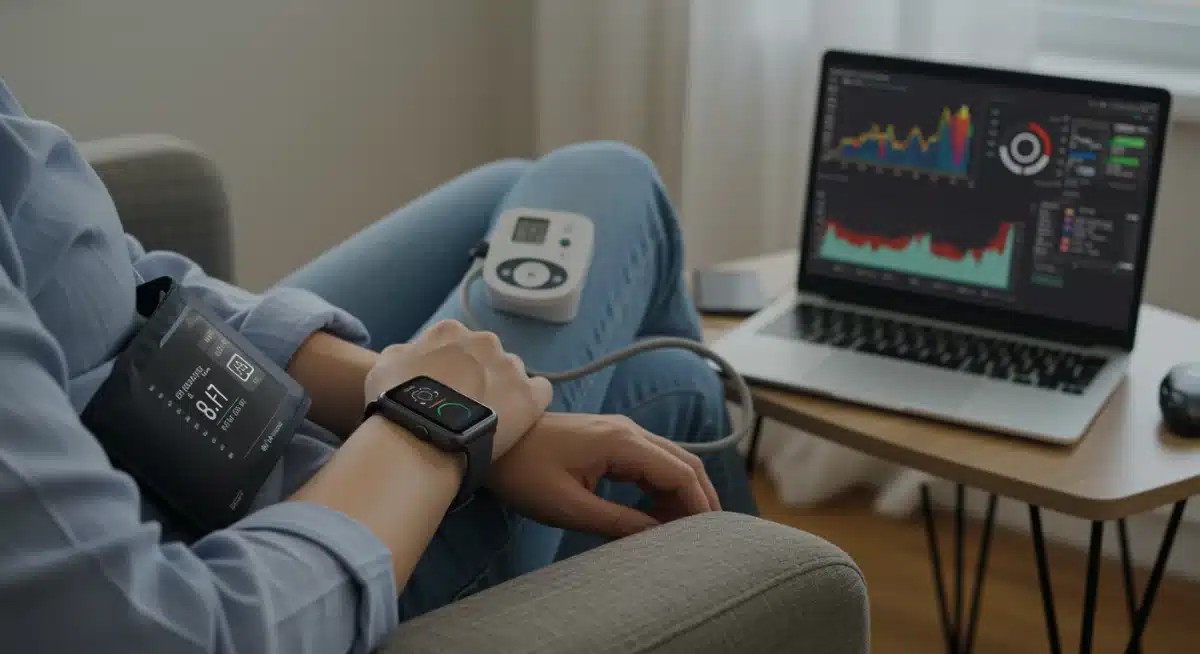
The benefits of RPM extend beyond just monitoring. It empowers patients to take a more active role in managing their own health, fostering a sense of control and self-efficacy.
By providing tangible data and feedback, RPM can motivate adherence to medication schedules, dietary recommendations, and exercise regimens. For providers, it offers a more comprehensive view of a patient’s health trajectory, enabling data-driven decisions and more personalized care strategies.
Integration with electronic health records for seamless data flow
The effectiveness of RPM is significantly amplified by its seamless integration with electronic health records (EHRs).
This integration ensures that data collected from remote devices is automatically updated in a patient’s medical chart, providing a unified and comprehensive view for all members of the care team. This eliminates manual data entry, reduces the risk of errors, and streamlines communication between providers.
Chronic disease management: Better control over diabetes, hypertension, heart failure.
Post-operative recovery: Monitor healing progress and detect complications early.
Medication adherence: Reminders and tracking for consistent drug intake.
Elder care: Enhanced safety and well-being for seniors living independently.
The ability to analyze trends over time, identify patterns, and receive alerts for critical changes empowers healthcare professionals to deliver timely and targeted interventions.
This proactive approach not only improves patient outcomes but also optimizes healthcare resource utilization, reducing the burden on emergency services and inpatient facilities.
RPM is truly redefining what it means to provide continuous and responsive care outside the traditional hospital setting.
The expanding role of AI and machine learning in telehealth
Artificial intelligence (AI) and machine learning (ML) are rapidly becoming integral components of telehealth advancements home healthcare, offering innovative solutions that enhance diagnostic capabilities, personalize treatment, and streamline administrative processes.
These technologies are not replacing human healthcare providers but rather augmenting their abilities, allowing them to focus more on complex cases and patient interaction.
AI algorithms can analyze vast amounts of medical data, including patient history, genomic information, and real-time biometric readings, to identify patterns and predict potential health risks.
This predictive analytics capability is invaluable for early disease detection, allowing for interventions before conditions become severe.
For example, AI can analyze symptoms described by a patient during a virtual consultation and suggest potential diagnoses, which the doctor can then confirm or investigate further.
Beyond diagnostics, AI is also playing a crucial role in personalizing treatment plans.
By considering an individual’s unique biological makeup and response to various therapies, AI can help tailor medication dosages, recommend specific lifestyle changes, and even suggest the most effective therapeutic approaches for mental health conditions.
This level of personalization moves away from a one-size-fits-all model towards highly individualized care.
Automated administrative tasks and virtual assistants
The administrative burden in healthcare is significant, but AI and ML are stepping in to automate many routine tasks.
Virtual assistants powered by AI can handle appointment scheduling, answer frequently asked questions, and guide patients through pre-appointment preparations. This frees up human staff to focus on more critical patient needs and complex administrative issues, improving overall efficiency and patient satisfaction.
Predictive analytics: Early detection of diseases and health risks.
Personalized treatment: Tailoring therapies based on individual patient data.
Diagnostic support: AI-powered tools assisting in identifying conditions.
Operational efficiency: Automating scheduling and patient inquiries.
Furthermore, AI-driven chatbots can provide initial symptom assessment, offering guidance on whether a patient needs immediate medical attention or if their condition can be managed at home.
While these tools are not substitutes for professional medical advice, they serve as valuable first points of contact, helping to triage patients and direct them to the most appropriate level of care. The continuous evolution of AI and ML promises even more sophisticated applications, further enhancing the capabilities and reach of telehealth.
Mental health support: breaking down barriers with virtual therapy
The expansion of mental health support through virtual therapy is one of the most impactful telehealth advancements home healthcare has witnessed. For too long, access to mental health services has been hampered by stigma, geographical distance, and the scarcity of qualified professionals.
Telehealth has significantly lowered these barriers, making psychological and psychiatric care more accessible and discreet for millions of Americans.
Virtual therapy, delivered through secure video calls, phone calls, or even text-based platforms, allows individuals to connect with licensed therapists, counselors, and psychiatrists from the privacy and comfort of their own homes.
This eliminates the need for travel, reduces missed work or school, and provides a sense of security for those who might feel uncomfortable in a traditional clinic setting. The flexibility of scheduling also means that individuals can more easily fit therapy into their busy lives, promoting greater consistency in care.

The effectiveness of virtual therapy has been well-documented, with numerous studies showing comparable outcomes to in-person sessions for a wide range of conditions, including depression, anxiety, PTSD, and stress-related disorders.
For many, the ability to engage in therapy without the added stress of logistics or the fear of being seen entering a mental health clinic can be a game-changer, encouraging them to seek help when they might not otherwise.
Specialized programs and peer support networks
Beyond individual therapy, telehealth is also facilitating access to specialized mental health programs and peer support networks.
Online group therapy sessions, for instance, connect individuals facing similar challenges, fostering a sense of community and shared experience. These platforms often provide a safe space for open discussion and mutual support, which can be incredibly beneficial for recovery and well-being.
Increased accessibility: Reach therapists regardless of location.
Reduced stigma: More discreet access to mental health services.
Greater convenience: Flexible scheduling from home.
Comparable effectiveness: Studies show similar outcomes to in-person therapy.
Furthermore, telehealth platforms are increasingly offering specialized programs for specific populations, such as veterans, new mothers, or adolescents, addressing their unique mental health needs with tailored approaches.
The integration of digital tools, like mood trackers and mindfulness apps, often complements virtual therapy, providing patients with resources to use between sessions, thereby reinforcing therapeutic strategies and promoting continuous self-care. This comprehensive approach is vital in addressing the growing mental health crisis in the United States.
Wearable technology and smart devices: empowering personal health management
The proliferation of wearable technology and smart devices represents a significant facet of telehealth advancements home healthcare, empowering individuals to take a more proactive and informed role in managing their personal health.
These devices, ranging from smartwatches and fitness trackers to smart scales and continuous glucose monitors, collect a wealth of data about our bodies and daily habits, making health management an ongoing, integrated part of life.
Wearables can track a wide array of metrics, including heart rate, sleep patterns, activity levels, oxygen saturation, and even stress indicators.
This constant stream of personal health data provides users with real-time insights into their well-being, allowing them to identify trends, make informed lifestyle choices, and detect potential health issues early.
For instance, a smartwatch that alerts a user to an irregular heartbeat could prompt them to seek medical attention, potentially preventing a serious cardiac event.
Beyond basic tracking, many smart devices are designed to seamlessly integrate with telehealth platforms, allowing users to share their data directly with their healthcare providers.
This data can be invaluable for doctors, offering a more complete picture of a patient’s health between appointments. For individuals managing chronic conditions, this continuous data sharing can lead to more precise adjustments in medication or treatment plans, ultimately optimizing health outcomes.
Preventive care and wellness coaching at your fingertips
The impact of wearable technology extends significantly into preventive care and wellness coaching.
By providing objective data on activity and sleep, these devices can motivate users to adopt healthier habits. Many apps associated with wearables also offer personalized coaching, guided workouts, and mindfulness exercises, fostering a holistic approach to well-being.
Real-time health insights: Monitor vital signs and activity levels constantly.
Early detection: Identify anomalies that may indicate health issues.
Data sharing: Seamlessly transmit health metrics to healthcare providers.
Personalized coaching: Receive guidance for fitness and healthy habits.
Furthermore, the gamification elements often incorporated into these devices, such as step challenges and achievement badges, can make health management more engaging and enjoyable. This encourages sustained engagement and long-term adherence to wellness goals.
As these technologies become more sophisticated and integrated, they will continue to play a pivotal role in shifting healthcare from a reactive model to a proactive, preventive one, empowering individuals to be the primary stewards of their own health.
Addressing challenges and ensuring equitable access in telehealth

While telehealth advancements home healthcare offer immense promise, it is crucial to address the inherent challenges to ensure equitable access and effective implementation across all segments of the population.
The digital divide remains a significant hurdle, as not all Americans have reliable internet access, the necessary devices, or the digital literacy skills to fully utilize telehealth services. This disparity can exacerbate existing health inequities, particularly in rural and low-income communities.
Policymakers, healthcare providers, and technology developers must collaborate to bridge this gap. Initiatives to expand broadband infrastructure, provide subsidized devices, and offer digital literacy training are essential steps toward ensuring that everyone can benefit from telehealth.
Without these foundational elements, the transformative potential of virtual care will remain out of reach for many who need it most, deepening the divide between those with access to advanced healthcare and those without.
Another critical challenge lies in regulatory frameworks and reimbursement policies. The rapid evolution of telehealth has often outpaced legislation, leading to complexities in licensing across state lines, data privacy regulations, and consistent insurance coverage for virtual services.
Clear, standardized guidelines are necessary to provide certainty for both providers and patients, encouraging broader adoption and investment in telehealth infrastructure.
Data security, privacy, and ethical considerations
The handling of sensitive patient data in a digital environment presents significant security and privacy concerns.
Ensuring robust cybersecurity measures, compliance with HIPAA regulations, and transparent data usage policies are paramount to building and maintaining patient trust. Any breach of personal health information can have severe consequences, undermining confidence in the entire telehealth ecosystem.
Digital divide: Lack of internet access and devices in underserved areas.
Regulatory complexities: Inconsistent licensing and reimbursement policies.
Data security: Protecting sensitive patient information from breaches.
Digital literacy: Ensuring all patients can navigate telehealth platforms.
Ethical considerations also play a vital role, particularly concerning algorithmic bias in AI-driven tools, informed consent for data sharing, and ensuring that virtual care does not depersonalize the patient-provider relationship.
A balanced approach that leverages technology’s benefits while safeguarding human dignity and equity is essential for the sustainable and ethical growth of telehealth. Overcoming these challenges will be key to realizing the full potential of home-based healthcare for all Americans.
The future outlook of home healthcare and telehealth integration
The future of home healthcare, deeply intertwined with telehealth advancements home healthcare, is poised for continued growth and innovation, promising an even more integrated and patient-centric model of care.
We are moving towards a future where the home is not just a place of recovery but a primary hub for health management, prevention, and ongoing medical support.
This shift is driven by technological breakthroughs, evolving patient expectations, and a growing recognition of the cost-effectiveness and improved outcomes associated with home-based care.
One of the most exciting prospects is the development of advanced in-home diagnostic tools. Imagine portable devices that can perform a wider range of tests, from basic blood work to more complex screenings, with results instantly accessible to both patients and their doctors.
This would significantly reduce the need for clinic visits for routine diagnostics, making healthcare more convenient and less disruptive to daily life. These tools, coupled with AI-powered analysis, could provide immediate insights, allowing for quicker treatment decisions.
Furthermore, the integration of smart home technologies with telehealth platforms will become more sophisticated.
Picture homes equipped with sensors that monitor a resident’s gait to detect fall risks, smart refrigerators that track dietary intake, or voice-activated assistants that remind patients to take medication and connect them directly to their healthcare team.
These ambient assisted living technologies will offer a layer of passive, continuous monitoring and support, particularly beneficial for the elderly and those with chronic conditions, promoting independence and safety.
Hybrid care models and personalized health journeys
The future will likely see a proliferation of hybrid care models, seamlessly blending virtual and in-person care based on individual patient needs.
For example, a patient might have an initial virtual consultation, followed by an in-person diagnostic test, and then ongoing remote monitoring and virtual follow-ups. This flexible approach ensures that patients receive the most appropriate level of care at each stage of their health journey.
]Advanced in-home diagnostics: More tests performed conveniently at home.
Smart home integration: Passive monitoring for safety and health management.
Hybrid care models: Blending virtual and in-person care for optimal outcomes.
Personalized wellness plans: AI-driven, continuously adapting health strategies.
The emphasis will also be on highly personalized health journeys, guided by AI and supported by a multidisciplinary telehealth team.
These personalized plans will adapt in real-time to a patient’s changing health status, lifestyle, and preferences, offering dynamic recommendations for diet, exercise, stress management, and medical interventions.
The goal is to create a truly proactive, preventive, and patient-empowering healthcare ecosystem, where the comfort and familiarity of home are central to achieving optimal health and well-being for all Americans.
| Key Telehealth Advancement | Brief Description and Impact |
|---|---|
| Virtual Consultations | Connects patients with healthcare providers via video, enhancing access and convenience while reducing travel. |
| Remote Patient Monitoring (RPM) | Uses digital devices to collect health data from home, enabling continuous oversight for chronic conditions. |
| AI and Machine Learning | Enhances diagnostics, personalizes treatment, and automates administrative tasks, improving efficiency. |
| Virtual Mental Health Support | Provides accessible and discreet therapy and counseling, breaking down barriers to mental health care. |
Frequently asked questions about telehealth
Telehealth encompasses a broader range of remote healthcare services, including virtual consultations, remote monitoring, and health education. Telemedicine specifically refers to clinical services delivered remotely. Think of telemedicine as a subset of telehealth, focusing on direct patient care and medical interventions from a distance.
Yes, reputable telehealth platforms are designed with robust security measures to protect patient privacy. They must comply with strict regulations like HIPAA (Health Insurance Portability and Accountability Act) in the United States, ensuring that your personal health information is encrypted and transmitted securely during virtual interactions.
In many cases, yes. Licensed healthcare providers can prescribe medications during a telehealth appointment if it’s deemed medically appropriate. The prescription can then be sent electronically to your preferred pharmacy. However, certain controlled substances or complex conditions may still require an in-person visit.
Telehealth is excellent for routine check-ups, follow-up appointments, managing chronic conditions like diabetes or hypertension, mental health counseling, and minor acute illnesses like colds or allergies. It’s also highly effective for reviewing test results and discussing treatment plans without the need for an office visit.
Telehealth dramatically improves access for rural residents by removing geographical barriers. Instead of traveling long distances to see a specialist, patients can connect virtually from their local clinic or home. This increases the availability of specialized care, reducing delays in treatment and improving health outcomes in underserved areas.
Conclusion
The journey through the latest telehealth advancements home healthcare has revealed a dynamic and transformative landscape, fundamentally reshaping how medical services are accessed and delivered.
From the widespread adoption of virtual consultations and the continuous oversight provided by remote patient monitoring, to the intelligent support offered by AI and the critical expansion of mental health services, telehealth is proving to be an indispensable component of modern healthcare.
While challenges such as the digital divide and regulatory complexities persist, ongoing innovation and dedicated efforts toward equitable access promise a future where high-quality, personalized care is not only within reach but also seamlessly integrated into the comfort and convenience of every American’s home.
The evolution of telehealth isn’t just about technology; it’s about fostering a more accessible, efficient, and patient-centric healthcare system for all.