Water First in 2026: Stay Hydrated and Avoid Dehydration

 As we navigate the demands of modern life, the importance of maintaining optimal hydration often gets overlooked. Yet, learning to stay hydrated in 2026 is not just a trend; it’s a fundamental pillar of health, directly impacting everything from our energy levels to our cognitive function.
This guide aims to equip you with the knowledge and practical strategies to ensure you drink enough water and effectively avoid the dehydration trap.
The Silent Threat: Understanding Dehydration
Dehydration is more than just feeling thirsty; it’s a condition that occurs when you don’t drink enough fluids to replace the water your body loses.
Our bodies are composed of roughly 60% water, and this fluid plays a vital role in countless bodily functions, from regulating body temperature to transporting nutrients and oxygen to cells. When the balance is disrupted, even slightly, the consequences can range from mild discomfort to severe health problems.
Many people underestimate their daily fluid needs, especially those with busy lifestyles or who live in warmer climates. The signs of dehydration can be subtle at first, often dismissed as general fatigue or stress. Recognizing these early indicators is crucial for preventing more serious health complications.
common signs and symptoms
Knowing what to look for can help you take action before dehydration becomes a significant issue. These symptoms can vary in intensity depending on the severity of fluid loss.
Thirst: This is the most obvious sign, but often appears when you’re already mildly dehydrated.
Fatigue and Dizziness: Reduced blood volume can lead to lower blood pressure, causing tiredness and lightheadedness.
Dry Mouth and Skin: A lack of fluid affects mucous membranes and skin elasticity.
Dark Urine: Concentrated urine is a clear indicator that your body is holding onto fluids.
long-term health implications
Chronic or recurrent dehydration can have a cumulative negative effect on your health, contributing to a range of conditions over time. It’s not just about feeling unwell in the short term; it’s about safeguarding your long-term wellness.
These implications underscore why consistent hydration is not merely a suggestion, but a necessary practice for maintaining overall health. From kidney stones to impaired athletic performance, the reach of dehydration is extensive and often underestimated in its severity.
In conclusion, understanding dehydration is the first step toward preventing it. By being aware of the signs, symptoms, and potential long-term health risks, you can empower yourself to make conscious choices that prioritize your fluid intake and safeguard your well-being.
How Much Water Do You Really Need? Debunking the 8×8 Rule
The age-old advice to drink eight 8-ounce glasses of water a day is a good starting point, but it’s an oversimplification. Your individual water needs are far more nuanced and depend on a variety of factors.
There’s no one-size-fits-all answer, and understanding these variables is key to truly optimizing your hydration strategy.
Instead of rigidly adhering to a single number, consider your lifestyle, environment, and physical condition. Listening to your body’s signals, alongside general guidelines, will provide a more accurate picture of your daily fluid requirements. This personalized approach ensures you’re not over- or under-hydrating.
factors influencing water intake
Several elements play a significant role in determining how much water your body needs on a given day. These factors often fluctuate, requiring you to adjust your intake accordingly.
Activity Level: Exercise increases fluid loss through sweat, necessitating higher intake.
Climate: Hot, humid, or dry environments can significantly increase the rate of fluid evaporation from your skin and lungs.
Health Conditions: Fever, vomiting, diarrhea, or certain medical conditions like diabetes can increase fluid needs.
Pregnancy and Breastfeeding: These stages of life require substantially more fluid to support both mother and baby.
Diet: A diet rich in fruits and vegetables contributes to fluid intake, while a high-sodium diet can increase thirst.
personalized hydration calculations
While a doctor or registered dietitian can provide the most precise recommendations, a general rule of thumb for adults is to consume about half an ounce to an ounce of water for each pound of body weight. For example, if you weigh 150 pounds, you’d aim for 75 to 150 ounces of water daily. This range allows for personal adjustment based on the factors listed above.
Remember that this calculation includes water from all sources, not just plain drinking water. Foods, especially fruits and vegetables, contribute significantly to your daily fluid intake. Beverages like coffee and tea, while containing water, can also have diuretic effects, so they shouldn’t be your sole source of hydration.
Ultimately, determining your optimal water intake requires a balanced approach, combining general guidelines with an awareness of your body’s unique needs and external factors. By doing so, you can move beyond generic advice and establish a truly effective hydration routine.
Smart Strategies to Boost Your Daily Water Intake
Drinking enough water throughout the day can feel like a chore, but with a few smart strategies, it can become an effortless habit. The key is to integrate hydration into your daily routine in ways that are convenient and enjoyable. This isn’t about forcing yourself to chug water; it’s about making thoughtful choices that lead to consistent fluid intake.
From leveraging technology to making simple lifestyle adjustments, there are numerous approaches to help you meet your hydration goals. Finding what works best for you might involve a bit of experimentation, but the benefits for your health are well worth the effort.
making water more appealing
If plain water isn’t exciting enough, there are many ways to enhance its flavor naturally without adding sugars or artificial ingredients. This can transform hydration from a necessity into a pleasant experience.
Infuse with Fruits and Herbs: Add slices of lemon, lime, cucumber, mint, or berries to your water for a refreshing twist.
Sparkling Water: Opt for unsweetened sparkling water with a splash of fruit juice or a squeeze of citrus.
Herbal Teas: Enjoy caffeine-free herbal teas, hot or iced, throughout the day.
incorporating hydration into your routine
Building habits around specific times or activities can significantly increase your water consumption without conscious effort. Consistency is key, and routine helps establish that consistency.
Try starting your day with a large glass of water before anything else. Place a water bottle on your desk or in your bag as a visual reminder. Drink a glass of water before each meal and snack. These small, consistent actions add up over time, making it easier to reach your daily targets.
leveraging technology and tools
In 2026, technology offers innovative solutions to help track and encourage hydration. From smart bottles to mobile apps, these tools can provide valuable reminders and insights into your drinking habits.
Hydration tracker apps can send push notifications, allowing you to log your intake and visualize your progress. Smart water bottles can connect to your phone, glowing to remind you to drink and tracking your consumption automatically. These technological aids can be particularly useful for those who struggle with remembering to drink throughout the day.
By implementing a combination of these strategies, you can transform your hydration habits, making it easier and more enjoyable to drink enough water and support your overall health and well-being.
The Role of Electrolytes and Hydrating Foods

While plain water is the foundation of hydration, it’s important to understand that fluids and electrolytes from other sources also play a critical role, especially for those with higher fluid losses. Electrolytes are minerals like sodium, potassium, and magnesium that carry an electrical charge and are essential for various bodily functions, including nerve and muscle function, and maintaining fluid balance.
When you sweat significantly, you lose not just water but also electrolytes. Replenishing these is crucial to prevent imbalances that can lead to muscle cramps, fatigue, and even more serious conditions. This is where hydrating foods and electrolyte-rich beverages become particularly valuable.
electrolytes: more than just sports drinks
Many associate electrolytes primarily with sugary sports drinks, but there are healthier, more natural ways to replenish them. Understanding these alternatives can help you maintain balance without unnecessary additives.
Coconut water is a natural source of potassium and other electrolytes. Certain fruits and vegetables like bananas, avocados, spinach, and sweet potatoes are also rich in these vital minerals. For those engaging in prolonged, intense exercise or experiencing significant fluid loss due to illness, oral rehydration solutions or electrolyte tablets can be beneficial, but always opt for options with minimal added sugars.
power of hydrating foods
Food contributes significantly to your daily fluid intake, often more than you might realize. Incorporating water-rich foods into your diet is a delicious and effective way to boost your hydration levels. These foods also come packed with essential vitamins, minerals, and fiber.
Fruits: Watermelon, strawberries, cantaloupe, peaches, and oranges are excellent sources of water.
Vegetables: Cucumber, lettuce, celery, bell peppers, and tomatoes have very high water content.
Soups and Stews: Broth-based soups contribute substantial fluid, especially during colder months.
balancing fluid and electrolyte intake
The key is to achieve a balance. For most individuals leading a moderately active lifestyle, a diet rich in fruits and vegetables, along with consistent water intake, will suffice.
Electrolyte-rich drinks are typically only necessary during periods of intense physical exertion (over an hour), extreme heat, or illness causing significant fluid loss. Always consider your personal needs and consult with a healthcare professional if you have concerns about electrolyte balance.
By diversifying your fluid sources and consciously incorporating hydrating foods and appropriate electrolyte replenishment, you can ensure a more comprehensive and effective hydration strategy, supporting your body’s complex needs beyond just plain water.
Hydration Challenges in Different Lifestyles
While the basic principles of hydration apply to everyone, specific lifestyles and situations present unique challenges and requirements. What works for a sedentary office worker might not be enough for an athlete or someone working outdoors in the heat. Recognizing these distinct needs is essential for tailoring effective hydration plans.
Adapting your hydration strategy to your personal circumstances ensures that you’re adequately supported, no matter what your day brings. Ignoring these variations can lead to chronic under-hydration, impacting performance and health in specific contexts.
athletes and active individuals
For athletes, hydration is paramount for performance and injury prevention. Intense physical activity leads to significant fluid and electrolyte loss through sweat, demanding a proactive approach to fluid intake before, during, and after exercise.
Pre-hydration (drinking water hours before activity), consistent sips during exercise, and post-exercise rehydration are critical. Monitoring urine color and weighing yourself before and after workouts can help gauge fluid loss. Electrolyte-containing beverages may be necessary for prolonged or high-intensity sessions to replace lost minerals.
office workers and sedentary lifestyles
Desk jobs might not involve intense physical exertion, but the environment can still contribute to dehydration. Air-conditioned offices can be drying, and the distraction of work often leads to forgetting to drink water. The easy access to sugary beverages also presents a challenge.
Keep Water Visible: A water bottle on your desk serves as a constant reminder.
Set Reminders: Use phone alarms or hydration apps to prompt regular sips.
Take Water Breaks: Integrate short walks to the water cooler into your routine.
travelers and outdoor workers
Traveling, especially by air, and working outdoors in varying climates pose significant hydration challenges. Cabin air in airplanes is notoriously dry, and exposure to sun and wind outdoors can accelerate fluid loss.
Travelers should drink extra water before and during flights and avoid excessive alcohol or caffeine. Outdoor workers must be even more diligent, carrying ample water supplies, taking regular hydration breaks, and being particularly mindful of electrolyte replacement in hot conditions.
By understanding and addressing the specific hydration challenges associated with different lifestyles, individuals can implement targeted strategies to maintain optimal fluid balance, supporting their health and performance in any setting.
The Dehydration Trap: Common Mistakes to Avoid
Even with the best intentions, it’s easy to fall into common hydration traps that can lead to insufficient fluid intake. These mistakes often stem from misconceptions, ingrained habits, or simply a lack of awareness. Identifying and correcting these pitfalls is crucial for anyone striving to maintain optimal hydration.
Avoiding these common errors can significantly improve your chances of staying well-hydrated throughout the day and preventing the adverse effects of fluid deficiency. It’s about being mindful and making informed choices about your beverage consumption.
mistaking thirst for hunger
One of the most common mistakes is misinterpreting the body’s signals. Thirst is often mistaken for hunger, leading individuals to reach for snacks when what their body truly needs is water. This can contribute to unnecessary calorie intake and continued dehydration.
Before grabbing a snack, try drinking a glass of water and waiting 10-15 minutes. Often, the ‘hunger pangs’ will subside, indicating that your body was simply craving fluids. This simple practice can make a big difference in both your hydration and dietary habits.
relying solely on sugary drinks and caffeine
While sodas, fruit juices, and caffeinated beverages contain water, they are not ideal hydration sources. Sugary drinks can lead to sugar crashes and offer little nutritional value. Caffeine, a diuretic, can actually increase fluid loss, counteracting its water content.
It’s best to prioritize plain water or unsweetened herbal teas. If you enjoy coffee or other caffeinated beverages, be sure to balance them with additional water intake to compensate for any diuretic effects. Moderation is key when it comes to these types of drinks.
ignoring your body’s signals
Our bodies are remarkably good at communicating their needs, but we often override or ignore these subtle signals. Waiting until you feel parched to drink water means you’re already in a state of mild dehydration. Proactive hydration is far more effective.
Pay Attention to Urine Color: Light yellow or clear urine indicates good hydration; dark yellow suggests you need more fluids.
Monitor Energy Levels: Unexplained fatigue can be a sign of dehydration.
Listen to Your Thirst: While not the only indicator, acknowledging thirst promptly is important.
By actively avoiding these common dehydration traps, you can cultivate more effective hydration habits. It’s about developing a greater awareness of your body and making conscious choices that support your overall fluid balance.
Long-Term Benefits of Consistent Hydration
Embracing a consistent hydration routine yields far-reaching benefits that extend well beyond simply quenching thirst. It’s an investment in your overall health and well-being, influencing everything from physical performance to mental clarity and disease prevention. The cumulative positive effects of adequate water intake are profound and often underestimated.
Making hydration a priority means supporting your body’s intricate systems to function optimally, leading to a noticeable improvement in quality of life. These long-term advantages underscore why the effort to stay hydrated is so critical.
enhanced physical health
Proper hydration is fundamental for maintaining physical health. It supports cardiovascular function, ensures proper joint lubrication, and aids in temperature regulation, especially during exercise or in hot environments. Well-hydrated muscles perform better and are less prone to cramping.
Moreover, consistent water intake helps the kidneys flush out waste products and toxins from the body, reducing the risk of kidney stones and urinary tract infections. It also plays a role in maintaining healthy blood pressure and supporting the digestive system, preventing constipation.
improved cognitive function and mood
Your brain is highly reliant on water to function effectively. Even mild dehydration can impair cognitive performance, affecting concentration, memory, and mood. Staying well-hydrated can lead to sharper thinking and better emotional regulation.
Better Concentration: Hydration supports optimal brain function, allowing for greater focus.
Enhanced Memory: Adequate fluid levels are linked to improved cognitive processing speed.
Stable Mood: Dehydration can exacerbate feelings of irritability and anxiety; proper hydration can help mitigate this.
radiant skin and healthy appearance
While water isn’t a magic anti-aging potion, consistent hydration contributes significantly to healthy skin. It helps maintain skin elasticity and plumpness, reducing the appearance of fine lines and promoting a healthy, radiant glow. Dehydrated skin can look dull and feel dry.
Furthermore, proper hydration aids in nutrient delivery to skin cells and helps flush out toxins that can contribute to skin issues. It’s a foundational element of any effective skincare regimen, working from the inside out to support epidermal health.
In summary, the benefits of consistent hydration are extensive and impactful. By prioritizing your water intake, you’re not just preventing dehydration; you’re actively contributing to a healthier, more vibrant, and more resilient you, both physically and mentally.
Making Hydration a Sustainable Lifestyle in 2026
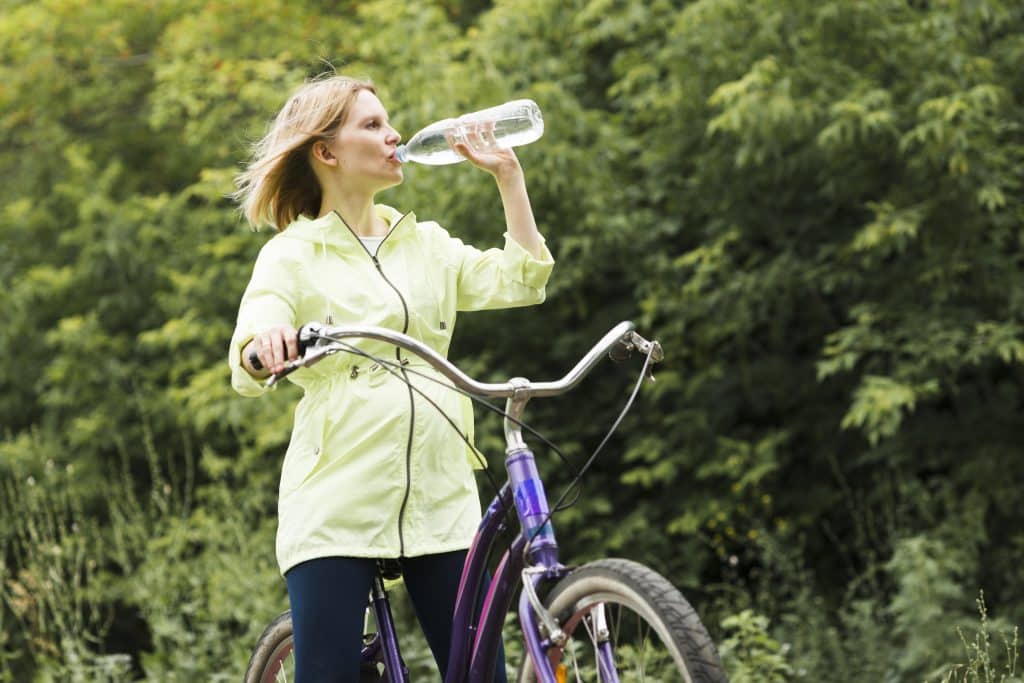
Transitioning from sporadic water consumption to a consistently hydrated lifestyle in 2026 requires more than just knowing the benefits; it demands a shift in mindset and the adoption of sustainable practices. It’s about integrating hydration so seamlessly into your daily life that it becomes second nature, rather than a conscious effort. This long-term approach ensures lasting health benefits.
The goal is to create habits that are easy to maintain and adapt to various situations, making hydration an inherent part of your overall wellness strategy. This sustainability is key to avoiding the dehydration trap year after year.
building lasting habits
Habit formation is at the core of sustainable hydration. Start small, set realistic goals, and gradually increase your water intake. Consistency over intensity is far more effective in the long run. Celebrate small victories to keep motivation high.
Associating drinking water with existing routines, such as brushing your teeth, eating meals, or commuting, can help solidify the habit. Keep a water bottle readily accessible in all your common environments – at your desk, in your car, and by your bedside – to remove barriers to hydration.
adapting to changing needs
Your hydration needs aren’t static; they fluctuate based on the season, your activity level, health status, and even your mood. A sustainable hydration plan is flexible enough to adapt to these changes without derailing your efforts.
Seasonal Adjustments: Increase water intake in warmer months or when heating systems dry out the air.
Illness and Recovery: Be extra diligent with fluids during colds, flu, or recovery from illness.
Travel: Plan for increased fluid needs when flying or visiting different climates.
the ripple effect of good hydration
Cultivating a mindful approach to hydration often has a positive ripple effect on other healthy habits. When you’re well-hydrated, you tend to have more energy, make healthier food choices, and are more likely to engage in physical activity. It’s a foundational habit that supports a holistic approach to wellness.
By prioritizing hydration, you’re not just preventing dehydration; you’re actively contributing to a stronger, more resilient body and mind, setting a powerful precedent for overall self-care in 2026 and beyond. This integrated approach ensures that staying hydrated becomes a natural and effortless part of your healthy lifestyle.
| Key Aspect | Brief Description |
|---|---|
| Dehydration Signs | Thirst, fatigue, dark urine, dry mouth indicate fluid deficiency. |
| Personalized Intake | Water needs vary by activity, climate, health, and body weight. |
| Hydration Strategies | Infuse water, use apps, incorporate water-rich foods. |
| Long-Term Benefits | Improved physical health, cognitive function, and skin appearance. |
Frequently Asked Questions About Hydration
While the traditional ‘eight glasses’ rule is a starting point, your daily water intake depends on factors like activity level, climate, and body weight. A general guideline is 0.5 to 1 ounce per pound of body weight, adjusted for your specific circumstances. Listen to your body and monitor urine color for best results.
No, while these beverages contain water, they are not ideal for hydration. Sugary drinks often contain high levels of sugar and artificial ingredients. Caffeinated drinks can act as diuretics, leading to increased fluid loss. Prioritize plain water, herbal teas, and water-rich foods for optimal hydration.
Early signs of dehydration include increased thirst, mild fatigue, dry mouth, and slightly darker urine. It’s crucial to address these symptoms promptly to prevent them from escalating. Don’t wait until you feel extremely parched; proactive sips throughout the day are more effective.
For most people leading a moderately active lifestyle, plain water and a balanced diet rich in fruits and vegetables provide sufficient electrolytes. Electrolyte drinks are generally only necessary during prolonged, intense exercise (over an hour), in extreme heat, or during illness involving significant fluid loss like vomiting or diarrhea.
To make hydration enjoyable, try infusing water with fruits (lemon, berries, cucumber) or herbs (mint). You can also opt for unsweetened sparkling water or herbal teas. Using a stylish reusable water bottle, setting reminders on your phone, or tracking your intake with an app can also help reinforce the habit and make it more engaging.
Conclusion: A Hydrated Future for a Healthier You
As we’ve explored, the journey to stay hydrated in 2026 is a multifaceted one, requiring both awareness and intentional action. Beyond merely quenching thirst, consistent and adequate water intake serves as a cornerstone for optimal physical health, cognitive function, and indeed, overall well-being.
By understanding your unique hydration needs, adopting smart strategies to boost your fluid intake, being mindful of common dehydration traps, and appreciating the profound long-term benefits, you empower yourself to live a more vibrant and resilient life.