2026 Guide to Plant-Based Protein: Top 10 Power Foods
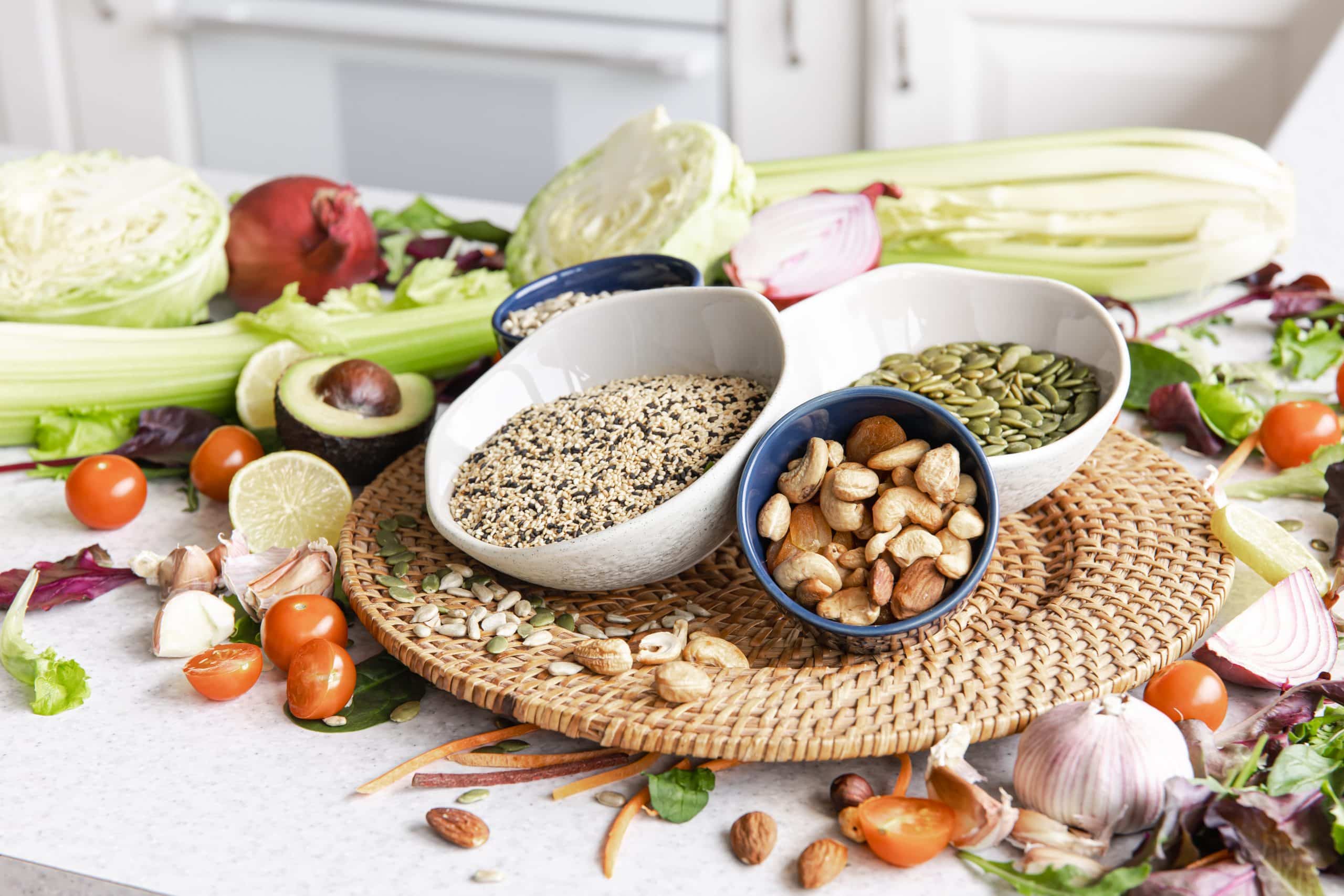
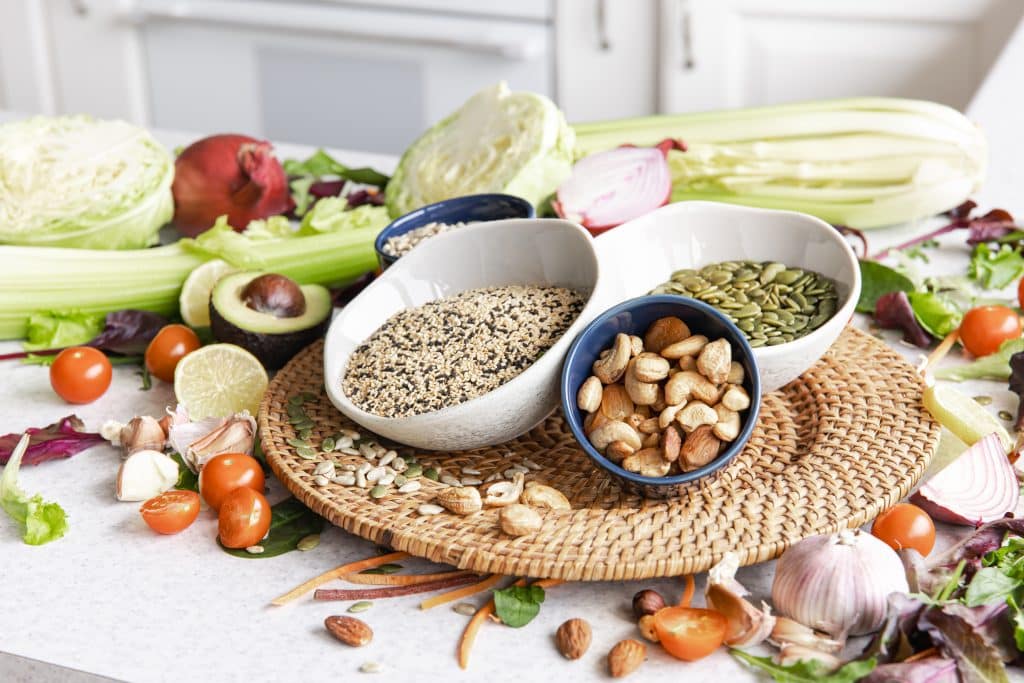 Are you ready to redefine your understanding of protein? In an evolving world where health and sustainability are paramount, The 2026 Guide to Plant-Based Protein: 10 Foods That Pack More Punch Than You Think is here to illuminate powerful, often underestimated, plant-based sources.
This guide isn’t just about what to eat; it’s about optimizing your nutrition with delicious, accessible, and environmentally friendly options that will fuel your body and mind.
The rising tide of plant-based nutrition: Why 2026 is different
The landscape of nutrition is constantly shifting, and by 2026, plant-based diets have moved far beyond a niche trend. They are now a mainstream choice for millions seeking improved health, ethical eating, and a reduced environmental footprint.
This isn’t just about avoiding meat; it’s about actively embracing a diverse array of plant foods that offer comparable, and often superior, nutritional profiles.
The scientific community continues to uncover the myriad benefits associated with plant-centric eating patterns, from reduced risk of chronic diseases to enhanced longevity.
Technological advancements in food science have also made plant-based options more palatable and accessible than ever before, integrating seamlessly into everyday American diets. This evolution means that finding potent plant-based protein sources is no longer a challenge but an exciting culinary adventure.
Beyond the basics: Understanding complete proteins
Many people still harbor misconceptions about plant proteins, particularly the idea that they are inherently “incomplete.” This outdated notion suggests that plant proteins lack one or more of the nine essential amino acids our bodies cannot produce. However, modern nutritional science confirms that by consuming a varied plant-based diet throughout the day, you easily obtain all necessary amino acids.
Amino acid diversity: Different plant foods offer varying amino acid profiles. Combining them ensures a complete spectrum.
Daily intake, not single meals: The body maintains an amino acid pool, so you don’t need to combine proteins in every single meal.
Essential for body functions: Adequate intake of all essential amino acids is crucial for muscle repair, enzyme production, and overall health.
The shift towards plant-based protein is also driven by a deeper understanding of sustainable food systems. As global populations grow, the demand for protein increases, and plant sources offer a far more efficient and less resource-intensive way to meet these needs. This guide will help you navigate these choices wisely, ensuring you’re well-equipped for the future of food.
Lentils: The unassuming powerhouse of legumes
Often overshadowed by trendier superfoods, lentils remain an unsung hero in the plant-based protein world. These small, disc-shaped legumes are a nutritional marvel, providing an incredible amount of protein, fiber, and essential micronutrients in a compact package. They are also incredibly versatile, forming the base of countless dishes across global cuisines.
Lentils are not only protein-rich but also boast a high fiber content, which is vital for digestive health, blood sugar regulation, and satiety. This combination makes them excellent for weight management and preventing energy crashes.
Furthermore, lentils are an affordable and sustainable protein source, requiring less water and land to grow compared to animal proteins, making them a smart choice for both your wallet and the planet.
Nutritional profile and culinary versatility
A single cup of cooked lentils can provide approximately 18 grams of protein, alongside significant amounts of iron, folate, and manganese.
This makes them particularly beneficial for individuals, such as vegans and vegetarians, who need to pay close attention to iron intake. Their mild, earthy flavor allows them to absorb the tastes of spices and sauces, making them a chameleon in the kitchen.
Brown lentils: Ideal for stews, soups, and hearty main dishes due to their ability to hold their shape.
Red lentils: Cook quickly and break down easily, perfect for creamy dhals, purées, and thickening soups.
Green lentils: Maintain a firm texture, excellent for salads and side dishes where you want distinct grains.
Incorporating lentils into your diet is simple. They can be added to salads, used as a meat substitute in tacos or burgers, or cooked into comforting soups and curries. Their accessibility and robust nutritional profile firmly establish them as a top contender in our 2026 plant-based protein guide.
Quinoa: The ancient grain with a modern protein punch
Quinoa, pronounced “keen-wah,” is often referred to as a grain, but it’s technically a seed from a plant related to spinach. What sets quinoa apart is its status as a complete protein, meaning it contains all nine essential amino acids. This makes it an invaluable food for anyone following a plant-based diet, eliminating the need to combine it with other protein sources to achieve a full amino acid profile in a single serving.
Beyond its impressive protein content (about 8 grams per cooked cup), quinoa is also rich in fiber, magnesium, B vitamins, iron, potassium, calcium, phosphorus, vitamin E, and various beneficial antioxidants.
Its gluten-free nature also makes it an excellent choice for individuals with celiac disease or gluten sensitivity. Its subtle nutty flavor and fluffy texture make it a versatile base for many dishes.
How to integrate quinoa into your daily meals
Quinoa’s adaptability allows it to be used in a wide range of culinary applications. It can serve as a healthier alternative to rice, pasta, or couscous in virtually any meal. Its quick cooking time also makes it a convenient option for busy individuals.
Breakfast: Cooked with milk or water, topped with fruits and nuts, similar to oatmeal.
Lunch: As the base for vibrant salads with vegetables, beans, and a light dressing.
Dinner: A side dish for stir-fries, a filling for stuffed bell peppers, or mixed into veggie burgers.
The sustained energy release from quinoa’s complex carbohydrates and protein makes it an ideal food for athletes and active individuals.
It helps maintain stable blood sugar levels, preventing the energy dips often associated with simpler carbohydrate sources. Quinoa’s continued popularity and recognized nutritional value ensure its place as a cornerstone of effective plant-based protein strategies for 2026.
Edamame: The vibrant green protein pods
Edamame, immature soybeans harvested before they harden, are a fantastic source of plant-based protein, particularly popular in East Asian cuisine. These bright green pods are not just a delicious snack; they are packed with nutrition, offering a significant amount of protein, fiber, and essential vitamins and minerals.
Often served steamed and lightly salted, edamame provides a satisfying crunch and a mild, slightly sweet flavor that appeals to a wide range of palates.
One cup of shelled edamame provides an impressive 18 grams of protein, making it one of the highest protein plant foods available. It’s also a complete protein, supplying all nine essential amino acids.
Beyond protein, edamame is rich in folate, vitamin K, manganese, and iron, contributing to bone health, blood clotting, and energy production. Its high fiber content supports digestive health and helps maintain feelings of fullness, aiding in weight management.
Snacks and meal additions for optimal nutrition
Edamame’s versatility extends beyond being a simple appetizer. It can be easily incorporated into various dishes to boost their protein and nutrient content. Whether you buy them in the pod or shelled, fresh or frozen, they are a convenient and healthy addition to your diet.
Quick snack: Steam and salt for a satisfying, protein-rich treat.
Salad booster: Add shelled edamame to green salads or grain bowls for extra texture and protein.
Stir-fries and soups: Incorporate into vegetable stir-fries or miso soup for a nutritional upgrade.
Dips and spreads: Blend into a vibrant edamame hummus or dip for sandwiches and crudités.
The growing recognition of soy’s health benefits, particularly when consumed in its whole, unprocessed forms like edamame, reinforces its position as a key plant-based protein source. Its ease of preparation and high nutritional density make it an excellent choice for anyone looking to increase their plant protein intake in 2026.
Tofu and tempeh: Soy’s fermented and unfermented marvels
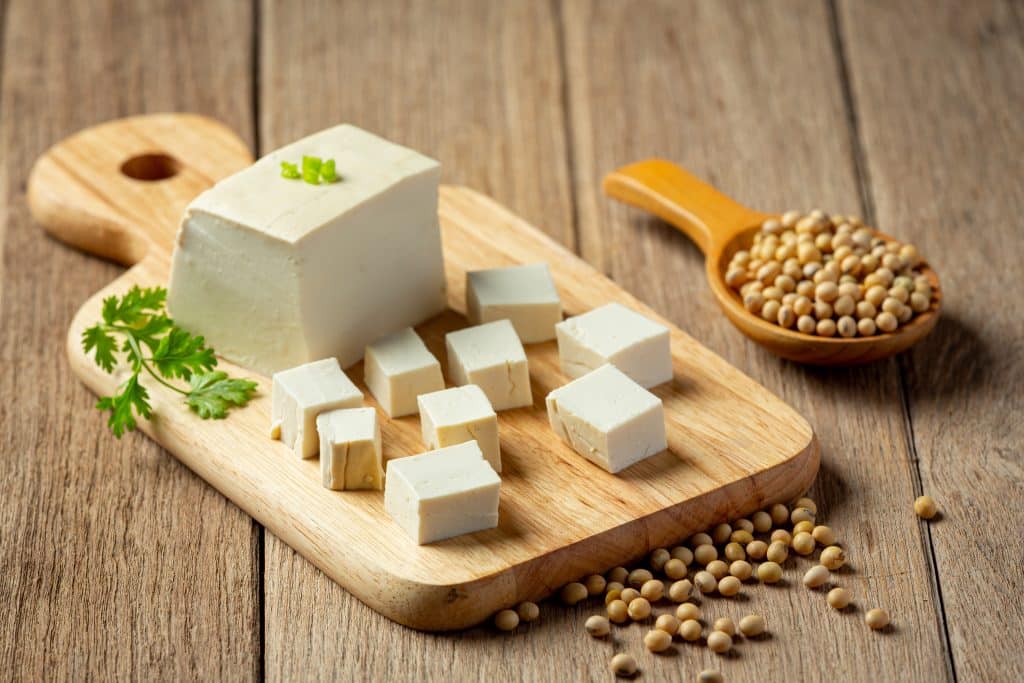
Tofu and tempeh, both derived from soybeans, are staples in plant-based diets due to their high protein content and versatility. While they share a common origin, their production methods and nutritional profiles offer distinct advantages.
Tofu, often called bean curd, is made by coagulating soy milk and pressing the curds into solid blocks. Tempeh, on the other hand, is made from fermented whole soybeans, resulting in a firmer texture and a more pronounced, nutty flavor.
Both are complete proteins, providing all essential amino acids. Tofu’s protein content varies by firmness, but generally, a 3.5-ounce serving contains around 8-10 grams.
Tempeh often boasts even more, with about 19 grams per 3.5 ounces, along with a higher fiber content due to the whole soybeans. The fermentation process in tempeh also increases its digestibility and enhances its nutrient absorption, including vitamin B12, though this can vary and shouldn’t be relied upon as a primary source.
Cooking with tofu and tempeh: Tips for delicious meals
The mild flavor of tofu makes it a canvas for various culinary creations, absorbing marinades and spices beautifully. Tempeh’s firmer texture and earthy taste make it an excellent meat substitute.
Tofu preparation: Press firm or extra-firm tofu to remove excess water, then marinate, bake, fry, or scramble.
Tempeh preparation: Steam tempeh before marinating and cooking to reduce bitterness and enhance flavor absorption.
Versatile uses: Use tofu in stir-fries, curries, smoothies, or even desserts. Tempeh shines in sandwiches, salads, and as a ground meat alternative.
The health benefits of soy, including potential reductions in heart disease risk and certain cancers, continue to be studied and generally supported when consumed as part of a balanced diet. As plant-based eating becomes more sophisticated, tofu and tempeh remain foundational ingredients, offering robust protein and nutritional value that will continue to be recognized in 2026 and beyond.
Nuts and seeds: Small but mighty protein boosters
Nuts and seeds are often celebrated for their healthy fats, but their significant protein content often goes overlooked. These compact powerhouses are not only convenient snacks but also versatile ingredients that can elevate the nutritional value of countless dishes.
From almonds and walnuts to chia seeds and hemp seeds, each variety brings a unique blend of protein, fiber, vitamins, and minerals to the table, making them essential components of a well-rounded plant-based diet.
For instance, an ounce of almonds provides about 6 grams of protein, while an ounce of pumpkin seeds offers around 8 grams. Hemp seeds are particularly impressive, with 10 grams of complete protein in just three tablespoons.
Beyond protein, nuts and seeds are rich in omega-3 fatty acids, antioxidants, and minerals like magnesium, zinc, and selenium, which are crucial for heart health, brain function, and immune support. Their fiber content also aids in digestion and promotes satiety.
Incorporating nuts and seeds for enhanced nutrition
Adding nuts and seeds to your diet is incredibly easy and can significantly boost your daily protein and nutrient intake. Their versatility means they can be enjoyed in various forms and integrated into both sweet and savory dishes.
Snacking: A handful of almonds, walnuts, or cashews makes for a quick and satisfying protein-rich snack.
Toppings: Sprinkle chia, flax, or hemp seeds over oatmeal, yogurt, salads, or smoothies.
Butters and spreads: Enjoy nut butters (peanut, almond, cashew) on toast, with fruit, or in sauces.
Baking: Incorporate ground nuts or seeds into baked goods for added texture and nutrition.
The benefits of regularly consuming nuts and seeds extend to improved cardiovascular health, better blood sugar control, and reduced inflammation.
Their small size belies their immense nutritional contribution, making them indispensable in any guide to plant-based protein. As we look to 2026, these natural treasures will continue to be recognized for their potent role in supporting overall health and well-being.
Seitan: The chewy wheat protein marvel
Seitan, often referred to as “wheat meat,” is a highly versatile and protein-rich food made from wheat gluten. For those without gluten sensitivities, seitan is an excellent plant-based protein source that offers a remarkably chewy, meat-like texture, making it a popular choice for replicating traditional meat dishes. Its ability to absorb flavors makes it a culinary chameleon, adaptable to a wide array of cuisines and cooking methods.
One of seitan’s most impressive attributes is its high protein content. A 3.5-ounce serving can contain anywhere from 20 to 25 grams of protein, often more than many animal proteins.
While it is not considered a complete protein on its own, as it is lower in the amino acid lysine, it can easily be paired with lysine-rich foods like legumes or quinoa throughout the day to ensure a balanced amino acid intake. Seitan is also low in fat and carbohydrates, making it a lean protein option.
Culinary applications and nutritional considerations
Seitan’s firm texture and neutral base flavor make it an incredibly adaptable ingredient in the kitchen. It can be sliced, diced, shredded, or ground to mimic various meat preparations, from steaks and roasts to cutlets and crumbles.
Grilling and searing: Marinated seitan slices can be grilled or seared for delicious sandwiches or main courses.
Stir-fries and curries: Its firm texture holds up well in stir-fries and absorbs rich curry flavors.
Meat alternatives: Used to make plant-based “chicken” nuggets, “beef” strips, or “pork” chops.
It’s important to remember that seitan is made from wheat gluten, so it is not suitable for individuals with celiac disease or gluten intolerance. However, for those who can consume gluten, seitan offers a powerful and satisfying protein option that provides a substantial and enjoyable alternative to animal products. Its continued innovation in texture and flavor profiles solidifies its role in the 2026 plant-based protein landscape.
| Key Plant Protein | Brief Nutritional Highlight |
|---|---|
| Lentils | High in protein (18g/cup), fiber, iron, and folate. Versatile and affordable. |
| Quinoa | Complete protein (8g/cup), rich in fiber, magnesium, and B vitamins. Gluten-free. |
| Edamame | Complete protein (18g/cup), high in fiber, vitamin K, and folate. Excellent snack. |
| Tofu & Tempeh | Complete proteins (8-19g/serving), versatile, and nutrient-dense soy products. |
Frequently asked questions about plant-based protein
No, you do not need to combine plant proteins in every meal. Your body maintains an amino acid pool throughout the day. As long as you consume a variety of plant-based protein sources over the course of a day, you will easily obtain all the essential amino acids your body needs for optimal health.
Yes, plant proteins can be just as effective as animal proteins for muscle building, provided you consume adequate amounts and a variety of sources. Studies show that athletes on plant-based diets can achieve similar muscle gains. Focus on diverse sources like soy, quinoa, and legumes to ensure complete amino acid profiles.
For beginners, excellent plant-based protein sources include lentils, chickpeas, black beans, quinoa, tofu, and edamame. These are widely available, versatile, and relatively easy to prepare. They offer a good balance of protein, fiber, and other essential nutrients, making them a great starting point for a plant-centric diet.
A well-planned plant-based diet can provide sufficient iron from sources like lentils, spinach, and fortified cereals, especially when paired with vitamin C. However, vitamin B12 is not naturally found in most plants, so supplementation or fortified foods (like nutritional yeast or plant milks) are crucial for those on a plant-based diet.
Yes, several plant-based proteins are considered complete proteins, meaning they contain all nine essential amino acids. Key examples include quinoa, soy products (like tofu, tempeh, and edamame), and hemp seeds. These can be excellent foundational foods in a plant-based eating plan, simplifying meal planning for adequate amino acid intake.
Conclusion
As we navigate the evolving landscape of nutrition in 2026, the power of plant-based protein is undeniable. This guide has highlighted just 10 of the many foods that offer exceptional nutritional value, proving that a diet rich in plant proteins can be both delicious and incredibly beneficial for health.
Embracing these foods means supporting not only your well-being but also contributing to a more sustainable future. The journey to optimal health through plant-based nutrition is diverse and rewarding, offering endless culinary possibilities and profound benefits for your body and the planet.