The 2026 Guide to Proper Handwashing: Prevent Germs, Stay Healthy
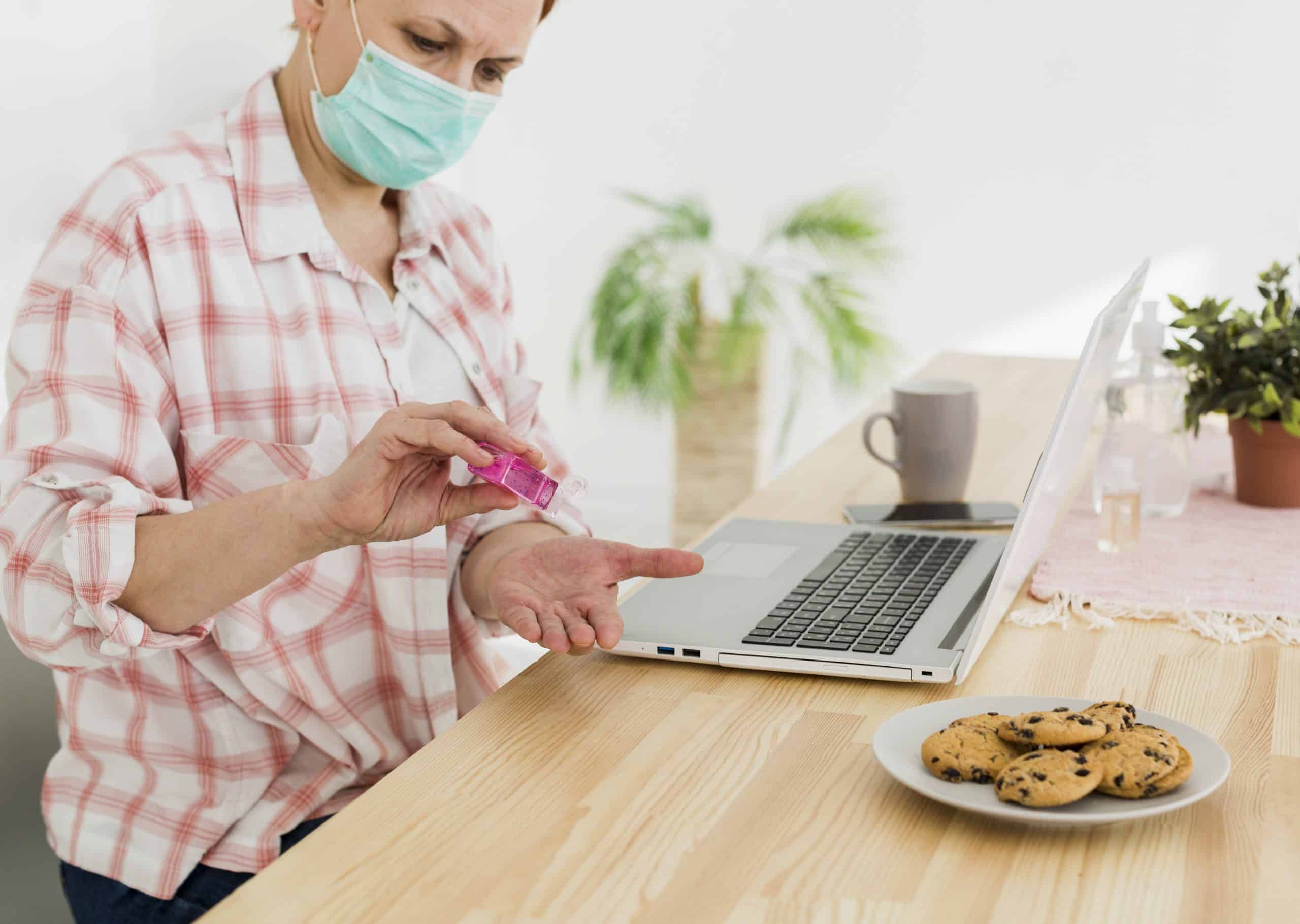
 In an ever-evolving world, where new challenges to public health emerge regularly, the timeless practice of handwashing continues to be our first line of defense.
This comprehensive proper handwashing 2026 guide delves into the updated best practices, scientific insights, and practical applications that empower individuals to significantly reduce the spread of germs and maintain optimal health.
The Enduring Importance of Hand Hygiene in 2026
Even with advancements in medicine and technology, the fundamental act of washing our hands remains critically important. It’s a simple, cost-effective intervention that has a profound impact on preventing the transmission of various pathogens, from common colds to more serious viral infections.
Understanding why hand hygiene is so vital helps reinforce its practice. Our hands are primary vectors for germ transfer. We touch countless surfaces throughout the day, inadvertently picking up microorganisms that can then be transferred to our faces, food, or other people. Effective handwashing breaks this chain of transmission.
Why Handwashing Matters More Than Ever
The global landscape of infectious diseases is dynamic. New strains of bacteria and viruses can emerge, and existing ones can evolve. In 2026, with increased global travel and interconnectedness, the speed at which pathogens can spread is greater than ever. Proper handwashing acts as a universal shield against these threats.
Disease Prevention: Reduces the incidence of respiratory infections like influenza and common colds.
Gastrointestinal Health: Significantly lowers the risk of diarrheal diseases, which are a major public health concern.
Antimicrobial Resistance: By preventing infections, it reduces the need for antibiotics, thereby helping to combat the rise of antibiotic-resistant bacteria.
Community Protection: Protects not only the individual but also vulnerable populations, such as children, the elderly, and those with compromised immune systems.
The commitment to regular and thorough handwashing is a shared responsibility. It reflects an awareness of community health and a proactive step towards a healthier future for everyone. Neglecting this simple act can have far-reaching consequences, extending beyond personal health to impact schools, workplaces, and healthcare systems.
In conclusion, the significance of hand hygiene in 2026 cannot be overstated. It is a foundational pillar of public health, offering robust protection against a myriad of illnesses and fostering healthier communities. Embracing and consistently practicing proper handwashing is an investment in our collective well-being.
The Science Behind Effective Handwashing Techniques
While the act of handwashing seems straightforward, there’s a science behind making it truly effective. It’s not just about getting your hands wet; it’s about the right combination of soap, water, friction, and duration to physically remove or inactivate harmful microorganisms.
Soap plays a crucial role by breaking down the fatty membranes of viruses and bacteria, allowing them to be easily rinsed away. The friction generated during scrubbing helps dislodge germs from the skin’s surface, ensuring a thorough clean. Understanding these mechanisms helps us appreciate the importance of each step.
Optimal Steps for Germ Removal
The Centers for Disease Control and Prevention (CDC) continues to advocate for a five-step process that has proven highly effective. Adhering to these steps ensures that hands are cleaned comprehensively, addressing all surfaces where germs might reside.
Wet Hands: Start by wetting your hands with clean, running water (warm or cold) and apply soap.
Lather Thoroughly: Rub your hands together to create a good lather. Make sure to cover the backs of your hands, between your fingers, and under your nails.
Scrub Vigorously: Scrub your hands for at least 20 seconds. This is roughly the time it takes to hum the “Happy Birthday” song twice.
Rinse Well: Rinse your hands thoroughly under clean, running water, ensuring all soap residue is removed.
Dry Completely: Dry your hands using a clean towel or an air dryer. Damp hands can reacquire germs more easily.
Each step is integral to the overall efficacy of handwashing. Skipping a step, particularly the scrubbing duration, can significantly reduce its germ-fighting power. The goal is not just to make hands look clean, but to ensure they are hygienically clean.
The science confirms that this methodical approach is superior to quick rinses or insufficient scrubbing. It’s a small investment of time that yields substantial health benefits. By consistently following these guidelines, individuals can dramatically decrease their exposure to pathogens and protect their health.
Choosing the Right Handwashing Products in 2026
With an abundance of handwashing products on the market, selecting the most appropriate ones can sometimes be confusing. In 2026, the focus remains on products that are effective, safe, and environmentally conscious, aligning with broader health and sustainability goals.
While fancy scents and moisturizing additives are appealing, the core function of hand soap is to effectively remove germs. Understanding the differences between various products helps in making informed choices for both personal and public health settings.
Soap vs. Hand Sanitizer: When to Use Which
The debate between traditional soap and water and alcohol-based hand sanitizers is ongoing, but their roles are distinct. Soap and water are always the preferred method when available, as they physically remove dirt, grime, and most types of germs.
Soap and Water: Ideal for visibly dirty hands, after using the restroom, before eating, and after coughing or sneezing. It’s the most effective way to remove a wide range of pathogens, including norovirus and C. difficile, which hand sanitizers may not fully eliminate.
Alcohol-Based Hand Sanitizer: A convenient alternative when soap and water are not readily available. It should contain at least 60% alcohol to be effective against many common bacteria and viruses. Hand sanitizers do not remove dirt or grime and may not be effective against all types of germs.
It’s crucial to remember that hand sanitizers are not a substitute for handwashing when hands are visibly dirty or after certain activities. They serve as a temporary measure to reduce germ count until proper washing can occur.
When selecting soap, look for plain soap rather than antibacterial varieties, as studies have shown no additional health benefit from antibacterial soaps containing triclosan, and their long-term use has raised concerns regarding antibiotic resistance. For hand sanitizers, ensure they meet the recommended alcohol concentration for optimal efficacy.
Ultimately, the best handwashing product is the one used correctly and consistently. Prioritize soap and water whenever possible, and keep an effective hand sanitizer handy for situations where washing facilities are inaccessible. This dual approach provides comprehensive protection.
Common Handwashing Mistakes to Avoid in 2026
Even with the best intentions, many people unknowingly make mistakes that compromise the effectiveness of their handwashing. Identifying and correcting these common errors is key to maximizing the protective benefits of hand hygiene.
These mistakes often stem from a lack of awareness regarding the critical steps or simply rushing through the process. By paying closer attention to technique and duration, we can significantly improve our handwashing efficacy and reduce germ transmission.
Pitfalls That Undermine Hygiene
Several common habits can render handwashing less effective than it should be. Being mindful of these can help refine your technique and ensure a more thorough clean.
Insufficient Scrubbing Time: Many people wash their hands for only a few seconds, which isn’t enough time for the soap and friction to effectively dislodge and remove germs.
Missing Key Areas: Often overlooked spots include the backs of hands, between fingers, and under fingernails. These areas can harbor a significant number of pathogens.
Not Using Soap: Rinsing hands with water alone is largely ineffective, as water cannot break down fats and oils to lift germs as soap does.
Incomplete Drying: Leaving hands damp allows germs to spread more easily. Thorough drying is an essential part of the process.
Recontaminating Hands: Touching faucet handles, doorknobs, or other unclean surfaces immediately after washing can reintroduce germs. Use a paper towel to turn off the faucet if possible.
Another prevalent mistake is relying solely on hand sanitizer when soap and water are truly needed. While convenient, sanitizers have limitations, especially when hands are visibly dirty or contaminated with certain types of germs.
Correcting these habits requires a conscious effort and consistent practice. By being more deliberate about each step of the handwashing process, individuals can ensure they are truly protecting themselves and others from infectious diseases. It’s about quality over speed when it comes to hand hygiene.
Promoting Handwashing in Public Spaces and Workplaces (2026)
The responsibility of promoting proper handwashing extends beyond individual habits; it’s a collective effort that requires robust support in public spaces, workplaces, and educational institutions. In 2026, fostering a culture of hygiene is more important than ever to mitigate public health risks.
Accessible facilities, clear signage, and educational campaigns play a pivotal role in encouraging consistent hand hygiene practices. When environments facilitate cleanliness, compliance naturally increases, leading to healthier communities.
Strategies for Encouraging Better Hand Hygiene
Several strategies can be implemented to effectively promote handwashing in shared environments. These approaches combine practical provisions with informative messaging.
Accessible Facilities: Ensuring that handwashing stations are readily available, well-maintained, and stocked with soap and clean water is fundamental. This includes public restrooms, kitchens, and common areas.
Clear Signage: Posting visual reminders and step-by-step instructions for proper handwashing in restrooms, break rooms, and food preparation areas can significantly improve technique and duration.
Hand Sanitizer Availability: Providing alcohol-based hand sanitizers in high-traffic areas where soap and water may not be immediately accessible offers a convenient alternative for germ reduction.
Educational Campaigns: Regular awareness campaigns through posters, digital displays, and internal communications can reinforce the importance of hand hygiene and address common misconceptions.
Leading by Example: Leaders and managers demonstrating good handwashing practices can set a positive example for employees and the public.
Workplaces, in particular, have a significant role to play in safeguarding employee health. Implementing comprehensive hand hygiene policies, providing necessary resources, and integrating handwashing into health and safety training are crucial steps. This helps reduce absenteeism and improves overall productivity.
In public spaces, design considerations for restrooms and food service areas should prioritize ease of access to handwashing facilities and minimize touchpoints where germs can spread. Investing in touchless fixtures, for example, can further enhance hygiene.
By creating environments that support and encourage proper handwashing, we collectively contribute to a stronger public health infrastructure. These efforts protect individuals, prevent outbreaks, and build more resilient communities in 2026 and beyond.
Innovations and Future Trends in Hand Hygiene for 2026
The field of hand hygiene is not static; it continues to evolve with technological advancements and deeper scientific understanding. In 2026, we are seeing exciting innovations aimed at making handwashing more effective, efficient, and accessible, driven by the ongoing commitment to public health.
These developments range from smart devices that guide proper technique to sustainable solutions that minimize environmental impact. The future of hand hygiene promises smarter, greener, and more integrated approaches to germ prevention.
Emerging Technologies and Sustainable Practices
Several trends are shaping the future of hand hygiene, addressing both efficacy and environmental concerns. These innovations aim to overcome existing barriers to consistent and effective handwashing.
Smart Handwashing Devices: Wearable technologies or smart faucet systems that provide real-time feedback on scrubbing duration and coverage are becoming more sophisticated. These devices can gamify the handwashing process, especially for children, making it more engaging.
Advanced Formulations: Research into new soap and sanitizer formulations that offer broader spectrum germ-killing capabilities, longer residual effects, or are more skin-friendly is ongoing. Biodegradable and eco-friendly options are also gaining prominence.
Touchless Technology: The widespread adoption of touchless soap dispensers, faucets, and hand dryers reduces contact points, thereby minimizing the risk of cross-contamination in public and private settings.
Water-Saving Solutions: Innovations in water-efficient handwashing stations and low-flow fixtures are helping to conserve resources, making proper hygiene more sustainable, particularly in regions facing water scarcity.
Integrated Health Systems: Hand hygiene compliance data is increasingly being integrated into broader health management systems, especially in healthcare settings, to monitor and improve infection control protocols.
The emphasis on sustainability is a key driver for many of these innovations. Manufacturers are developing products with reduced packaging, refillable options, and ingredients that are less harmful to aquatic ecosystems. This holistic approach ensures that promoting health doesn’t come at the expense of the environment.
As we move further into 2026, these innovations will likely become more mainstream, making proper handwashing an even more integral and seamless part of daily life. The goal is to make effective hand hygiene not just a practice, but an intuitive behavior supported by smart, sustainable solutions.
Handwashing for Specific Populations and Situations in 2026
While the basic principles of handwashing remain universal, certain populations and situations demand particular attention and tailored approaches. In 2026, recognizing these specific needs is crucial for comprehensive public health protection.
From healthcare workers to young children, and from food handlers to individuals in emergency settings, adapting hand hygiene practices ensures maximum efficacy where it’s most needed. Understanding these nuances strengthens our collective defense against pathogens.
Tailoring Hygiene Practices for Diverse Needs
Different contexts present unique challenges and requirements for hand hygiene. Effective strategies involve addressing these specific circumstances with appropriate guidance and resources.
Healthcare Settings: For healthcare professionals, rigorous hand hygiene is paramount. This includes adherence to the “5 Moments for Hand Hygiene” (before patient contact, before aseptic task, after body fluid exposure risk, after patient contact, after contact with patient surroundings) and specialized training to prevent healthcare-associated infections.
Children and Schools: Educating children from a young age on proper handwashing techniques is vital. Schools should provide accessible facilities and integrate hand hygiene lessons into the curriculum, making it fun and engaging.
Food Industry: Food handlers must practice impeccable hand hygiene to prevent foodborne illnesses. Strict protocols for handwashing before and after handling food, especially raw ingredients, are non-negotiable.
Emergency and Humanitarian Settings: In situations where clean water and soap may be scarce, innovative solutions like portable handwashing stations, water purification tablets, and alternative sanitizers become critical for preventing disease outbreaks.
Immunocompromised Individuals: People with weakened immune systems need to be particularly diligent about hand hygiene, and their caregivers must also maintain stringent practices to protect them from infections.
The guidance for specific populations often includes not only when and how to wash hands but also considerations for skin health, given the increased frequency of washing. Using gentle soaps and moisturizers can help prevent skin irritation, which might otherwise discourage consistent practice.
By acknowledging and addressing the distinct hand hygiene needs of various groups and situations, we can build a more resilient and adaptable public health framework. This targeted approach ensures that the protective power of handwashing reaches every corner of society in 2026.
| Key Handwashing Point | Brief Description |
|---|---|
| 20-Second Scrub | Scrub hands with soap for at least 20 seconds to effectively remove germs. |
| Soap & Water Priority | Always choose soap and running water over sanitizer when available for best results. |
| Thorough Drying | Completely dry hands with a clean towel or air dryer to prevent germ reacquisition. |
| Sanitizer Use | Use 60%+ alcohol hand sanitizer when soap and water are not accessible. |
Frequently Asked Questions About Handwashing in 2026
Handwashing remains crucial in 2026 because it is a fundamental defense against new and evolving pathogens. Our hands are primary vectors for germ transfer, making consistent, proper hand hygiene essential for preventing the spread of infectious diseases and protecting public health in an interconnected world.
The essential steps include wetting hands with clean water, applying soap and lathering thoroughly, scrubbing for at least 20 seconds, rinsing well under running water, and drying completely with a clean towel or air dryer. Each step is vital for effective germ removal.
Hand sanitizer (at least 60% alcohol) is a good alternative when soap and water are not readily available, such as when you’re on the go. However, it’s not as effective as washing with soap and water for visibly dirty hands or against all types of germs like norovirus.
No, the CDC states that antibacterial soaps offer no additional health benefit over plain soap and water. In fact, some ingredients in antibacterial soaps have raised concerns about antibiotic resistance and potential health effects. Regular soap is perfectly effective for germ removal.
Common mistakes include not scrubbing long enough (less than 20 seconds), failing to clean all hand surfaces (like between fingers and under nails), not using soap, incomplete drying, and recontaminating hands by touching dirty surfaces immediately after washing. Correcting these improves efficacy.
Conclusion
As we navigate the complexities of 2026, the guidance on proper handwashing 2026 reinforces its status as an indispensable public health tool. This simple, yet powerful act, when performed correctly and consistently, stands as a formidable barrier against the spread of germs and infectious diseases.
By understanding the science, avoiding common mistakes, embracing innovations, and tailoring practices to specific needs, individuals and communities can collectively foster a healthier environment. The commitment to meticulous hand hygiene is not just a personal choice; it is a shared responsibility that underpins our well-being and resilience against future health challenges.