Hydration Habits for Peak Performance: 2026 Water Challenge
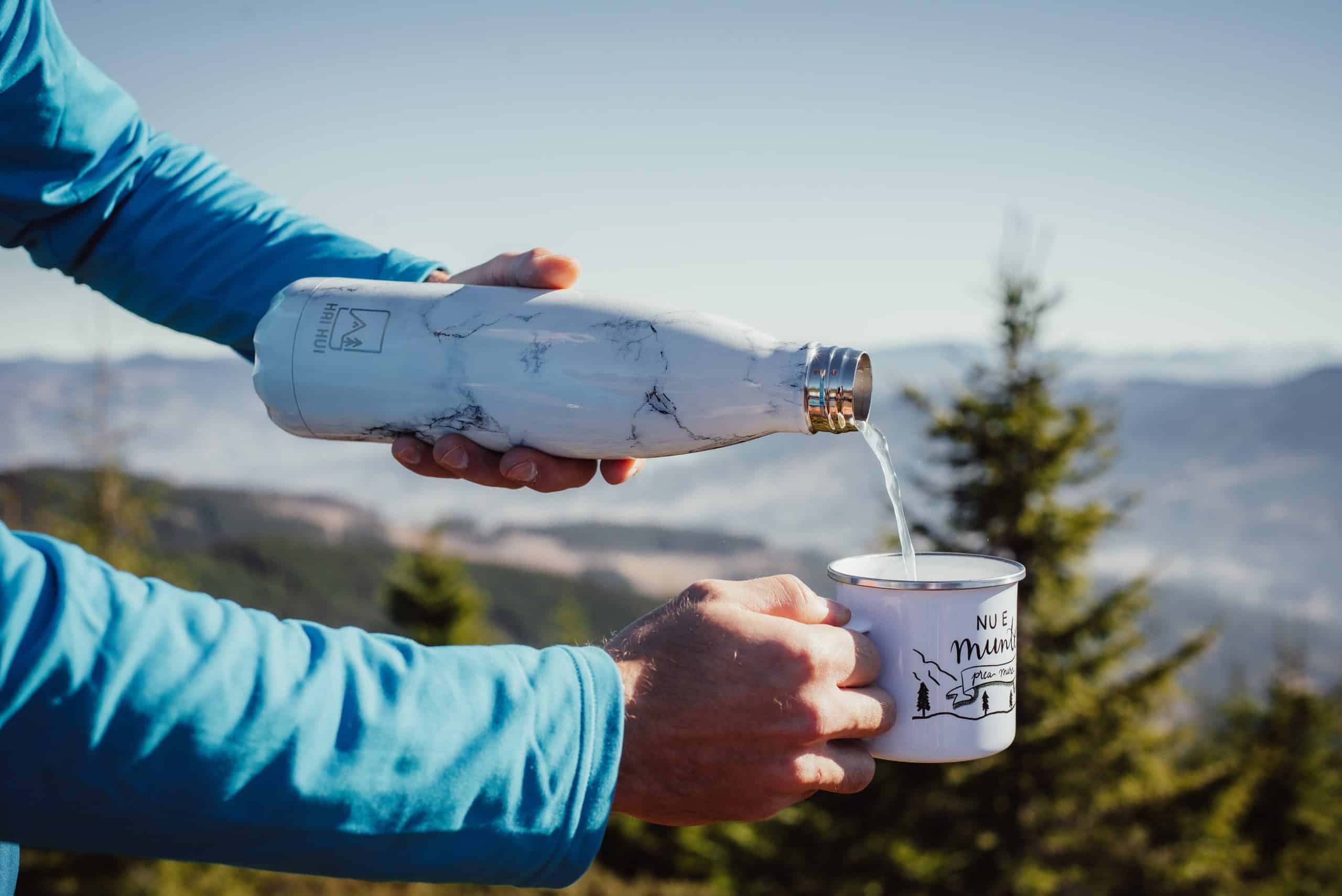
 Are you ready to elevate your well-being and unlock your full potential in the coming year? Focusing on your hydration habits for peak performance in 2026: a daily 2-liter water challenge is a simple yet profoundly impactful step toward achieving just that.
This isn’t merely about quenching thirst; it’s about fueling every cell in your body for optimal function, from enhanced cognitive clarity to improved physical endurance.
The foundational role of water in your body
Water is often overlooked despite being the most abundant component of the human body. It plays an indispensable role in virtually every physiological process, acting as a solvent, a transport medium, and a reactant in countless biochemical reactions. Understanding its fundamental importance is the first step toward appreciating why consistent and adequate hydration is non-negotiable for anyone aiming for peak performance.
From regulating body temperature to lubricating joints, water’s functions are diverse and critical. It helps deliver nutrients to cells, removes waste products, and maintains the structure of proteins and genetic material. Without sufficient water, these processes become inefficient, leading to a cascade of negative effects that impact both physical and mental well-being.
Cellular function and nutrient transport
At a cellular level, water is essential for maintaining cell volume and facilitating the transport of nutrients into cells and waste products out of them. This constant exchange is vital for energy production and overall cellular health. When cells are properly hydrated, they can perform their functions more efficiently, contributing to better tissue and organ performance.
Nutrient delivery: Water acts as the primary medium for transporting vitamins, minerals, and glucose to cells.
Waste removal: It helps flush toxins and metabolic byproducts from the body through kidneys and urine.
Electrolyte balance: Proper hydration is crucial for maintaining the delicate balance of electrolytes, which are vital for nerve and muscle function.
Temperature regulation and joint lubrication
Our bodies generate heat through metabolic processes, and water is key to dissipating this heat. Through perspiration, water evaporates from the skin, cooling the body down. Similarly, water is a major component of synovial fluid, which lubricates joints, reducing friction and allowing for smooth movement. This is particularly important for athletes and individuals with active lifestyles.
In essence, water isn’t just a drink; it’s a vital nutrient that underpins every aspect of our health and performance. Recognizing its pervasive influence motivates us to prioritize our daily water intake, setting the stage for the 2-liter challenge.
Understanding the daily 2-liter water challenge
The concept of a daily 2-liter water challenge is straightforward: commit to consuming at least two liters of water every day. While individual hydration needs can vary based on factors like activity level, climate, and health conditions, 2 liters (approximately 67 ounces or eight 8-ounce glasses) serves as an excellent baseline target for most adults.
This challenge isn’t about rigid adherence to a number but rather fostering a consistent habit of mindful hydration.
Embarking on this challenge means consciously integrating water consumption into your daily routine. It requires planning, consistency, and a willingness to listen to your body’s signals. The benefits extend far beyond simply avoiding dehydration, touching on various aspects of health and daily function.
Setting realistic goals and tracking progress
To successfully complete the 2-liter challenge, it’s helpful to set realistic mini-goals throughout the day. Instead of viewing it as one large task, break it down into smaller, manageable portions.
For example, aim for one glass upon waking, another before each meal, and interspersed throughout your workday. Tracking your intake, whether with a marked water bottle, an app, or a simple tally, can provide motivation and a clear picture of your progress.
Use a reusable bottle: A clearly marked 1-liter or 2-liter bottle can be a visual reminder and help track intake.
Set reminders: Alarms on your phone or smart device can prompt you to drink water at regular intervals.
Hydration apps: Many mobile applications offer tracking features and personalized hydration reminders.
Adapting to individual needs and lifestyle
While 2 liters is a good starting point, remember that your optimal intake might fluctuate. Factors such as intense exercise, hot weather, or certain medical conditions may necessitate increased fluid intake.
Conversely, individuals with specific health concerns, such as kidney disease, should consult a healthcare professional to determine appropriate fluid limits. The challenge is a guide, not a rigid rule, and personal adjustment is key.
The daily 2-liter water challenge is more than just a numerical goal; it’s a practice in self-awareness and self-care. By consciously prioritizing water intake, you’re investing in your overall health and setting a strong foundation for sustained peak performance throughout 2026.
Benefits of optimal hydration for physical performance

For athletes, fitness enthusiasts, and anyone leading an active lifestyle, the link between hydration and physical performance is profound.
Even mild dehydration can significantly impair endurance, strength, and coordination, turning an otherwise effective workout into a struggle. Optimal hydration, however, empowers the body to perform at its best, facilitating efficient energy production and rapid recovery.
Adequate water intake ensures that muscles receive the oxygen and nutrients they need, while also helping to remove metabolic byproducts that can cause fatigue. This directly translates to improved stamina, reduced risk of injury, and faster recovery times, allowing you to push your limits and achieve your fitness goals more effectively.
Enhanced endurance and reduced fatigue
During physical activity, your body loses water through sweat, which is crucial for temperature regulation. If this fluid isn’t replenished, blood volume decreases, making the heart work harder to pump blood to working muscles.
This can lead to increased fatigue and a significant drop in endurance. Staying well-hydrated ensures efficient blood flow and oxygen delivery, helping to delay the onset of fatigue.
Maintains blood volume: Prevents the heart from overworking during exercise.
Supports oxygen transport: Ensures muscles receive adequate oxygen for sustained activity.
Prevents muscle cramps: Helps maintain electrolyte balance crucial for muscle function.
Improved strength and flexibility
Water plays a vital role in the composition of muscle tissue, making up approximately 75% of muscle mass. Proper hydration ensures that muscles remain pliable and strong, which is essential for both power output and flexibility. Dehydrated muscles are more prone to cramping and injury, hindering performance and increasing recovery time.
Furthermore, well-hydrated connective tissues and joints allow for a greater range of motion, contributing to improved flexibility and reducing the risk of strains and sprains. By prioritizing water intake, you’re not just supporting your immediate performance but also safeguarding your long-term physical health and mobility.
Cognitive benefits of consistent hydration
Beyond physical prowess, hydration has a significant impact on cognitive function. Our brains, composed of about 75% water, are incredibly sensitive to changes in fluid balance. Even mild dehydration can lead to noticeable declines in concentration, memory, and mood, affecting productivity and overall mental clarity. Maintaining consistent hydration is a simple yet powerful strategy to optimize brain health and cognitive performance.
When the brain is adequately hydrated, nerve impulses fire more efficiently, and nutrient delivery to brain cells is optimized. This allows for sharper focus, quicker decision-making, and improved problem-solving abilities, making it an invaluable tool for students, professionals, and anyone seeking to enhance their mental acuity in 2026.
Enhanced focus and concentration
Research consistently shows that dehydration can impair attentional processes. When you’re not drinking enough water, you might find yourself struggling to concentrate, easily distracted, and less able to sustain focus on demanding tasks. Regular sips of water throughout the day can help maintain optimal brain function, keeping your mind sharp and your attention unwavering.
Supports neurotransmitter function: Essential for chemical messengers in the brain.
Improves blood flow to the brain: Ensures adequate oxygen and glucose supply.
Reduces mental fatigue: Helps ward off the sluggishness associated with dehydration.
Improved mood and reduced stress
Dehydration can also contribute to irritability, anxiety, and a general dip in mood. The brain’s delicate balance of chemicals can be disrupted by fluid imbalances, leading to feelings of malaise. By staying well-hydrated, you help regulate these brain chemicals, promoting a more stable and positive emotional state. This can significantly impact your ability to handle stress and maintain a calm demeanor throughout your day.
A well-hydrated brain is a happier, more resilient brain. Integrating consistent water intake into your daily routine is an accessible way to support not only your cognitive abilities but also your emotional well-being, fostering a more productive and balanced life.
Practical strategies for the 2-liter water challenge
Committing to a daily 2-liter water challenge is one thing; consistently achieving it is another. Integrating this habit seamlessly into your busy schedule requires practical strategies and a bit of planning. The goal is to make hydration an effortless part of your day, rather than a chore. By adopting a few simple techniques, you can ensure you meet your daily water intake goals without feeling overwhelmed.
The key lies in mindful integration and making water readily available. Remember, the easier it is to drink water, the more likely you are to do it. These strategies focus on convenience, habit formation, and making water a more appealing choice throughout your day.
Integrating water into daily routines
Start by associating water intake with existing daily habits. For instance, drink a glass of water immediately upon waking, before your morning coffee or tea. Have another glass before each meal and snack. Keep a water bottle visible on your desk, in your car, or wherever you spend significant time. These small, consistent actions build up over time to meet your 2-liter target.
Morning ritual: Start your day with a large glass of water.
Mealtime hydration: Drink water before and during meals.
Travel companion: Always carry a reusable water bottle.
Making water more appealing
If plain water isn’t exciting enough, there are many ways to enhance its appeal without adding unhealthy sugars. Infuse your water with fruits like lemon, lime, cucumber, berries, or herbs such as mint. This adds a refreshing flavor that can make drinking water a more enjoyable experience. Sparkling water (unsweetened) can also be a good alternative if you crave carbonation.
Consider the temperature of your water as well. Some prefer ice-cold water, while others find room-temperature water easier to drink throughout the day. Experiment to find what works best for you, and remember that even small changes can make a big difference in maintaining your hydration habits.
Common pitfalls and how to overcome them

Embarking on a new habit, especially one as consistent as the daily 2-liter water challenge, often comes with its own set of obstacles. It’s easy to forget, feel bloated, or simply get tired of plain water. Recognizing these common pitfalls is the first step toward developing effective strategies to overcome them, ensuring your long-term success in maintaining optimal hydration.
The key is not to get discouraged by setbacks but to view them as opportunities for adjustment and learning. With a proactive approach, you can navigate these challenges and make consistent hydration a sustainable part of your lifestyle.
Dealing with forgetfulness and inconvenience
In our busy lives, it’s remarkably easy to simply forget to drink water. This is where strategic placement and reminders become invaluable. Keep a water bottle within arm’s reach at all times – on your desk, by your bed, in your car. Utilize technology, such as smartphone apps or smart watch notifications, to send gentle reminders throughout the day. Making water readily available and visible acts as a constant, subtle prompt.
Visual cues: Place water bottles in prominent locations.
Digital reminders: Use apps or alarms to prompt hydration.
Pre-fill bottles: Prepare several bottles in the morning to grab and go.
Addressing discomfort and taste fatigue
Some individuals report feeling bloated after drinking large amounts of water, especially if they try to consume too much too quickly. The solution is to sip water consistently throughout the day rather than chugging large volumes at once.
If the taste of plain water becomes monotonous, experiment with natural flavorings like fruit slices (lemon, cucumber, berries), herbs (mint, basil), or a splash of unsweetened fruit juice. You can also try unsweetened sparkling water for variety. Remember, the goal is sustainable hydration, so find what works for you without adding unnecessary sugars or artificial ingredients.
Beyond water: hydrating foods and beverages
While the 2-liter water challenge focuses primarily on plain water, it’s important to remember that our overall fluid intake comes from a variety of sources. Many foods and beverages contribute significantly to our daily hydration, offering additional nutrients and a pleasant change from plain water. Incorporating these hydrating options can make meeting your fluid goals easier and more enjoyable, enhancing your overall dietary quality.
Understanding which foods and drinks are good sources of hydration allows for a more holistic approach to fluid balance. This doesn’t replace the need for plain water but complements it, providing a richer, more diverse way to stay well-hydrated.
Hydrating fruits and vegetables
Many fruits and vegetables have a high water content, often exceeding 80-90%. Incorporating these into your diet not only contributes to your fluid intake but also provides essential vitamins, minerals, and fiber.
Cucumbers, celery, lettuce, tomatoes, watermelon, strawberries, and oranges are excellent examples of hydrating produce. Making them a regular part of your meals and snacks can significantly boost your overall hydration status.
Watermelon: Over 90% water, also rich in electrolytes.
Cucumber: Nearly 95% water, refreshing and versatile.
Oranges: High water content with a good dose of Vitamin C.
Other hydrating beverages
While plain water should be your primary source of hydration, other beverages can contribute without detracting from your health goals. Unsweetened herbal teas, coconut water, and diluted fruit juices (in moderation) can all add to your fluid intake.
However, be mindful of sugary drinks, caffeinated beverages, and alcohol, as these can have diuretic effects or add unnecessary calories, counteracting your hydration efforts. The focus should always be on nutrient-dense, low-sugar options.
By taking a comprehensive approach to hydration, incorporating both plain water and a variety of hydrating foods and beverages, you can ensure your body receives all the fluids it needs to thrive and perform at its best in 2026.
| Key Aspect | Brief Description |
|---|---|
| Daily Target | Aim for a minimum of 2 liters (67 oz) of water daily. |
| Performance Boost | Enhances physical endurance, strength, and cognitive function. |
| Practical Tips | Use marked bottles, set reminders, and infuse water for flavor. |
| Holistic Approach | Combine water with hydrating foods like fruits and vegetables. |
Frequently asked questions about daily hydration
While 2 liters is a good general guideline, individual needs vary. Factors like activity level, climate, and overall health can influence optimal intake. Athletes or those in hot environments may need more, while individuals with certain medical conditions should consult a doctor for personalized advice.
Yes, beverages like unsweetened herbal teas, coconut water, and even some diluted fruit juices contribute to hydration. However, plain water remains the best choice for consistent hydration without added sugars or calories. Hydrating fruits and vegetables also play a significant role.
Common signs of mild dehydration include thirst, dry mouth, fatigue, headache, and reduced urine output with a darker color. Recognizing these early symptoms can prompt you to increase your fluid intake before dehydration becomes more severe and impacts performance.
Practical strategies include keeping a reusable water bottle visible, setting reminders on your phone or smartwatch, and integrating water intake into existing routines like drinking a glass before each meal. Infusing water with fruits can also make it more appealing and enjoyable.
While rare, excessive water intake, known as hyponatremia, can be dangerous by diluting sodium levels in the blood. This is more common in endurance athletes or individuals with certain medical conditions. For most healthy adults, aiming for 2-3 liters daily is safe and beneficial.
Conclusion
As we look towards 2026, embracing optimal hydration habits through a daily 2-liter water challenge stands out as one of the most accessible and impactful steps you can take for your overall health and performance.
From bolstering physical endurance and strength to sharpening cognitive function and stabilizing mood, the benefits of consistent hydration are far-reaching. By integrating practical strategies, overcoming common pitfalls, and recognizing water’s foundational role, you are not just drinking water; you are investing in a more vibrant, energetic, and productive future.