Optimizing Gut Health: 5 Probiotic-Rich Foods for 2026 Digestion
 Are you ready to take control of your digestive wellness in the coming year?
Optimizing gut health is more than just a trend; it’s a fundamental aspect of overall well-being, influencing everything from immunity to mood.
As we look towards 2026, understanding which probiotic-rich foods can make the biggest impact on your digestion is key to feeling your best.
Understanding the Gut Microbiome and Its Importance
Our gut is home to trillions of microorganisms, collectively known as the gut microbiome. This complex ecosystem plays a pivotal role
in digestion, nutrient absorption, immune function, and even mental health. A balanced microbiome, rich in beneficial bacteria, is
essential for preventing digestive issues and supporting a robust immune system.
When the balance of good and bad bacteria is disrupted, a state known as dysbiosis, it can lead to various health problems.
Symptoms like bloating, gas, irregular bowel movements, and even more systemic issues such as fatigue and skin conditions
can often be traced back to an unhealthy gut. Therefore, nurturing this internal garden is paramount for sustained health.
The Role of Probiotics in Gut Health
Restoring Balance: Probiotics introduce beneficial bacteria to the gut, helping to restore a healthy microbial balance.
Aiding Digestion: They assist in breaking down food and absorbing nutrients more efficiently.
Boosting Immunity: A significant portion of the immune system resides in the gut, and probiotics can enhance its function.
Reducing Inflammation: Certain probiotic strains have anti-inflammatory properties, which can benefit the entire body.
Understanding the intricate dance within our gut highlights why a proactive approach to its health is not just beneficial, but necessary.
By providing our bodies with the right tools, primarily through diet, we can significantly influence this internal environment for the better.
The impact of a healthy gut extends far beyond digestion, touching every aspect of our physical and mental vitality, making it a cornerstone of preventive health.
Yogurt: A Classic Probiotic Powerhouse
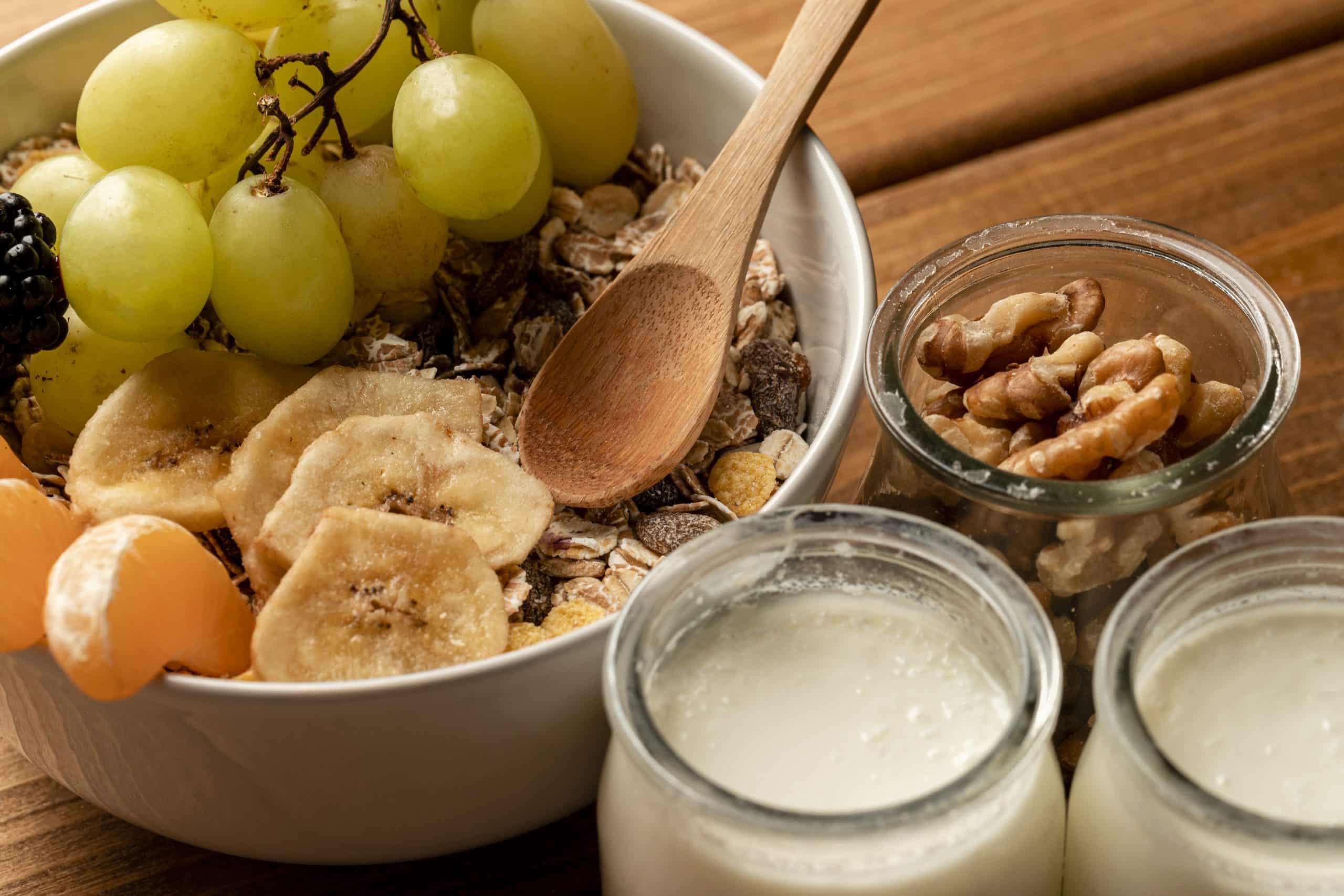
Yogurt has long been celebrated as a staple for digestive health, and for good reason. Made by fermenting milk with live bacterial cultures,
it’s an accessible and delicious way to introduce beneficial probiotics into your diet. However, not all yogurts are created equal when it comes to probiotic content.
For optimal gut health benefits, it is important to choose yogurt carefully rather than assuming that every product provides the same probiotic value. When shopping, look for varieties that indicate the presence of “live and active cultures” on the label. These cultures may include bacteria such as Lactobacillus and Bifidobacterium, which are commonly associated with fermented foods and digestive health.
Some yogurt products may be heat-treated after fermentation, a process that can reduce or eliminate live microorganisms. For this reason, checking both the ingredient list and package claims can help you determine whether a yogurt actually contains live cultures at the time it is sold. Different products can also contain different bacterial strains, so probiotic content can vary considerably from one brand or variety to another.
Plain, unsweetened yogurt is often a practical option for people looking to improve their overall diet while supporting gut health. Flavored varieties can contain significant amounts of added sugar, so checking the Nutrition Facts label—particularly the “Added Sugars” line—can make comparisons easier. Choosing a lower-added-sugar option does not mean yogurt has to be bland; fresh berries, bananas, cinnamon, nuts, or seeds can provide natural flavor, texture, and additional nutrients.
It is also helpful to consider yogurt as part of a broader approach to digestive wellness. Probiotic foods work alongside prebiotic foods, which provide nutrients that beneficial gut microorganisms can use. Fiber-rich foods such as oats, beans, onions, garlic, bananas, and many fruits and vegetables can therefore complement fermented foods in a balanced diet.
Regularity can matter more than relying on a single “superfood.” Incorporating yogurt and other fermented foods into a varied eating pattern, while consuming plenty of fiber-rich plant foods, can help support a diverse intestinal environment.
Ultimately, choosing yogurt for gut health comes down to reading the label. Look for live and active cultures, compare added sugar levels, and favor products that fit comfortably into a balanced diet. These simple habits can make yogurt a nutritious and convenient addition to a digestion-friendly routine in 2026.
Choosing the Best Yogurt for Digestion
Read Labels Carefully: Look for specific probiotic strains listed, such as Lactobacillus acidophilus or Bifidobacterium lactis.
Avoid Added Sugars: Plain yogurt is always the best choice; you can sweeten it naturally with fruit or a touch of honey.
Consider Organic Options: Organic yogurts may offer additional benefits by avoiding artificial additives and pesticides.
Greek Yogurt: Often contains higher protein content and can be a thicker, more satisfying option.
Incorporating yogurt into your daily routine can be simple and versatile. Enjoy it as a breakfast component, a healthy snack,
or even as a base for savory dips and sauces. Its creamy texture and mild flavor make it an easy addition to many meals,
providing a consistent source of probiotics to support your digestive system.
Regular consumption helps maintain a diverse gut flora, which is key to warding off digestive discomfort and promoting regularity.
Kefir: The Fermented Milk Drink with Enhanced Benefits
Often described as a more potent cousin to yogurt, kefir is a fermented milk drink with a unique blend of bacteria and yeast.
Originating from the Caucasus Mountains, kefir grains, which are a symbiotic colony of bacteria and yeast (SCOBY), are added to milk,
resulting in a tangy, slightly effervescent beverage. Its distinct fermentation process gives it a broader spectrum of beneficial microorganisms than yogurt.
The complexity of kefir’s microbial profile means it can offer a wider range of health benefits, including improved digestion,
enhanced immune function, and even anti-inflammatory effects. It’s also often better tolerated by individuals with lactose intolerance
because the fermentation process breaks down much of the lactose in the milk. This makes it an excellent alternative for those who struggle with traditional dairy products.
Why Kefir Stands Out for Gut Health
Diverse Microbes: Contains a wider variety of probiotic strains and beneficial yeasts compared to yogurt.
Easier Digestion: Lactose content is significantly reduced, making it suitable for many with lactose sensitivity.
Rich in Nutrients: A good source of calcium, protein, B vitamins, and vitamin K2.
Versatile Use: Can be consumed on its own, in smoothies, or as a dressing.
Integrating kefir into your diet is a powerful step towards optimizing gut health. Its liquid form makes it easy to drink daily,
and its unique flavor can add an interesting twist to your meals. Whether you prefer it plain or blended with fruits,
kefir provides a concentrated dose of probiotics that can help regulate your digestive system and boost your overall vitality.
Its consistent use can lead to noticeable improvements in digestive comfort and regularity, laying a strong foundation for a healthy gut biome.
Kimchi: The Spicy Korean Fermented Cabbage

Kimchi, a traditional Korean side dish made from fermented vegetables, most commonly napa cabbage and Korean radish,
is not just a culinary delight but also a powerful probiotic food. Its fermentation process, involving lactic acid bacteria,
creates a rich source of beneficial microbes that contribute significantly to gut health. The spices and seasonings used
in kimchi, such as gochugaru (Korean chili powder), garlic, ginger, and scallions, also add to its unique flavor profile and potential health benefits.
Beyond its probiotic content, kimchi is packed with vitamins A, B, and C, as well as minerals like calcium and iron.
The fiber from the vegetables also aids in digestion and promotes satiety. Regular consumption of kimchi has been linked
to improved digestion, enhanced immune function, and even anti-cancer properties in some studies. Its vibrant flavors
and crunchy texture make it an exciting addition to almost any meal, offering both taste and significant health advantages.
Benefits of Adding Kimchi to Your Diet
Including kimchi in your daily meals can be a game-changer for your gut. Its complex flavor profile makes it an excellent accompaniment to rice dishes,
soups, stews, or even as a topping for sandwiches and salads. The fermentation process not only enriches it with probiotics
but also enhances the bioavailability of its nutrients, making them easier for your body to absorb.
This makes kimchi a superfood in every sense, contributing to a balanced gut microbiome and overall well-being.
Rich in Probiotics: Supports a diverse and healthy gut flora.
High in Nutrients: Provides essential vitamins and minerals.
Immune Booster: Enhances the body’s natural defenses.
Anti-inflammatory: Contains compounds that can reduce inflammation.
When selecting kimchi, look for traditionally made varieties, ideally from refrigerated sections of grocery stores,
to ensure the live cultures are preserved. Avoid pasteurized versions, as the heat treatment kills beneficial bacteria.
Making your own kimchi at home is also a rewarding process that allows you to control the ingredients and fermentation time,
ensuring a fresh and potent probiotic source.
Sauerkraut: The European Fermented Cabbage
Sauerkraut, a German staple made from finely shredded cabbage fermented by various lactic acid bacteria, is another powerful
probiotic food that has been enjoyed for centuries. Similar to kimchi, its fermentation process transforms simple cabbage
into a nutrient-dense food rich in beneficial bacteria, enzymes, and vitamins. The simplicity of its ingredients
— typically just cabbage and salt — makes it an accessible and affordable option for boosting gut health.
The health benefits of sauerkraut extend beyond its probiotic content. It’s an excellent source of vitamin C, which is crucial
for immune function, and vitamin K2, important for bone health. The fermentation process also increases the bioavailability
of nutrients, making them easier for the body to absorb. Furthermore, the fiber in cabbage aids in digestion and helps
maintain regularity, contributing to a healthy digestive system.
Incorporating Sauerkraut for Digestive Health
To reap the full probiotic benefits of sauerkraut, it’s essential to choose raw, unpasteurized versions.
Pasteurization, while extending shelf life, destroys the live bacterial cultures. You can find raw sauerkraut
in the refrigerated section of most health food stores or even make it at home with a few simple ingredients.
Its tangy, slightly sour flavor pairs well with a variety of dishes, from sandwiches and salads to grilled meats and sausages.
Boosts Gut Flora: Provides a significant dose of live and active probiotic cultures.
Rich in Vitamins: High in vitamins C and K2, supporting immunity and bone health.
Aids Digestion: Fiber content and enzymes promote healthy digestion.
Versatile Ingredient: Easily added to numerous meals for flavor and health benefits.
Regular consumption of sauerkraut can help maintain a balanced gut microbiome, reduce inflammation,
and improve overall digestive function. Its affordability and ease of integration into daily meals
make it an excellent choice for anyone looking to naturally enhance their gut health.
Embrace this traditional fermented food to support your digestive wellness and enjoy its unique taste.
Tempeh: The Fermented Soybean Cake
Tempeh, a traditional Indonesian food made from fermented soybeans, is a powerful plant-based protein source
and an excellent probiotic food. Unlike tofu, which is made from coagulated soy milk, tempeh is made from whole soybeans
that are fermented and pressed into a compact cake. This fermentation process not only makes the nutrients more digestible
but also introduces beneficial bacteria to the gut.
The fermentation of soybeans in tempeh breaks down phytic acid, an anti-nutrient found in soybeans that can inhibit
the absorption of minerals. This makes tempeh a more nutrient-dense and bioavailable food compared to unfermented soybeans.
It’s rich in protein, fiber, iron, calcium, and B vitamins, making it a highly nutritious addition to any diet,
especially for those following a vegetarian or vegan lifestyle.
The Unique Gut Benefits of Tempeh
Probiotic Rich: Supports the growth of beneficial gut bacteria.
Highly Digestible Protein: Fermentation makes soy protein easier to digest and absorb.
Fiber Powerhouse: Promotes digestive regularity and gut health.
Nutrient Dense: Provides essential minerals and vitamins.
Tempeh has a firm, chewy texture and a nutty, earthy flavor that readily absorbs marinades, making it incredibly versatile
in the kitchen. It can be steamed, fried, baked, or grilled and used in stir-fries, sandwiches, salads, or as a meat substitute
in various dishes. Its ability to provide both probiotics and high-quality plant protein makes it a standout food for
optimizing gut health and overall well-being. Regular inclusion in your diet can contribute to a balanced microbiome
and improved digestive function, all while offering a satisfying culinary experience.
Integrating Probiotic Foods into Your 2026 Diet
Successfully integrating probiotic-rich foods into your daily diet in 2026 doesn’t have to be complicated.
The key is to start small, be consistent, and explore different options to find what works best for your taste and lifestyle.
Remember, variety is important for a diverse gut microbiome, so don’t limit yourself to just one type of probiotic food.
Begin by adding one new probiotic food to your routine each week. For example, swap your morning snack for a serving of plain yogurt
or kefir, or add a spoonful of sauerkraut to your lunch sandwich. Experiment with different recipes using kimchi or tempeh to discover
new flavors and culinary possibilities. The more diverse your intake of fermented foods, the broader the range of beneficial bacteria
you’ll be introducing to your gut.
Tips for Consistent Probiotic Intake
Start Gradually: Introduce new foods slowly to allow your digestive system to adjust.
Mix and Match: Combine different probiotic foods throughout the week for a wider range of benefits.
Be Mindful of Temperature: Avoid cooking probiotic foods at high temperatures, as this can kill beneficial bacteria. Add them after cooking.
Stay Hydrated: Water is essential for healthy digestion and helps probiotics thrive.
Listen to Your Body: Pay attention to how your body responds to different foods and adjust accordingly.
Beyond just eating probiotic foods, supporting your gut health also involves consuming prebiotics – fibers that feed your beneficial gut bacteria.
Foods like garlic, onions, asparagus, and bananas are excellent sources of prebiotics. Combining prebiotics with probiotics
(a symbiotic approach) can further enhance the effectiveness of your gut-healing efforts.
By making these conscious dietary choices, you’re not just eating for today; you’re investing in a healthier, happier you for 2026 and beyond.
| Key Probiotic Food | Key Benefit for Gut Health |
|---|---|
| Yogurt | Restores microbial balance, aids digestion with live cultures. |
| Kefir | Diverse strains of bacteria and yeast, easier for lactose-sensitive individuals. |
| Kimchi | Rich in probiotics, vitamins, and fiber; boosts immunity. |
| Sauerkraut | Fermented cabbage with vitamins C & K2, aids digestion and regularity. |
Frequently Asked Questions About Gut Health
Probiotics are live microorganisms, mainly bacteria and yeasts, that provide health benefits when consumed, particularly for the digestive system. They help maintain a balanced gut microbiome, aiding digestion, nutrient absorption, and supporting immune function, which is crucial for overall well-being.
The timeline for experiencing benefits from probiotic foods varies per individual. Some may notice improvements in digestion and energy levels within a few days to weeks, while for others, it might take longer. Consistency is key, and combining probiotics with a healthy lifestyle amplifies results.
While generally safe, introducing large amounts of probiotic foods too quickly can sometimes cause mild digestive discomfort like gas or bloating as your gut adjusts. It’s best to start with small portions and gradually increase intake. Consult a healthcare professional if concerns arise.
Many people can achieve adequate probiotic intake through a diverse diet rich in fermented foods. However, supplements can be beneficial for specific health conditions, during antibiotic use, or if dietary intake is insufficient. It’s always wise to discuss supplement use with a doctor or dietitian.
Beyond diet, several lifestyle factors significantly impact gut health. These include regular physical activity, managing stress effectively, getting sufficient quality sleep, and staying well-hydrated. Avoiding excessive alcohol and processed foods also plays a crucial role in maintaining a balanced gut microbiome.
Conclusion
As we’ve explored, optimizing gut health in 2026 is an achievable and vital goal for anyone looking to enhance their overall well-being.
By consciously incorporating probiotic-rich foods like yogurt, kefir, kimchi, sauerkraut, and tempeh into your diet, you’re not just improving digestion;
you’re building a stronger foundation for your immune system, boosting your mood, and fostering a healthier body from the inside out.
Remember to prioritize variety, choose unpasteurized options, and listen to your body’s signals as you embark on this journey.
Embrace these delicious and beneficial foods to nourish your gut microbiome and unlock a healthier, more vibrant you in the year ahead.