COVID-19 Variants & Boosters: What You Need to Know
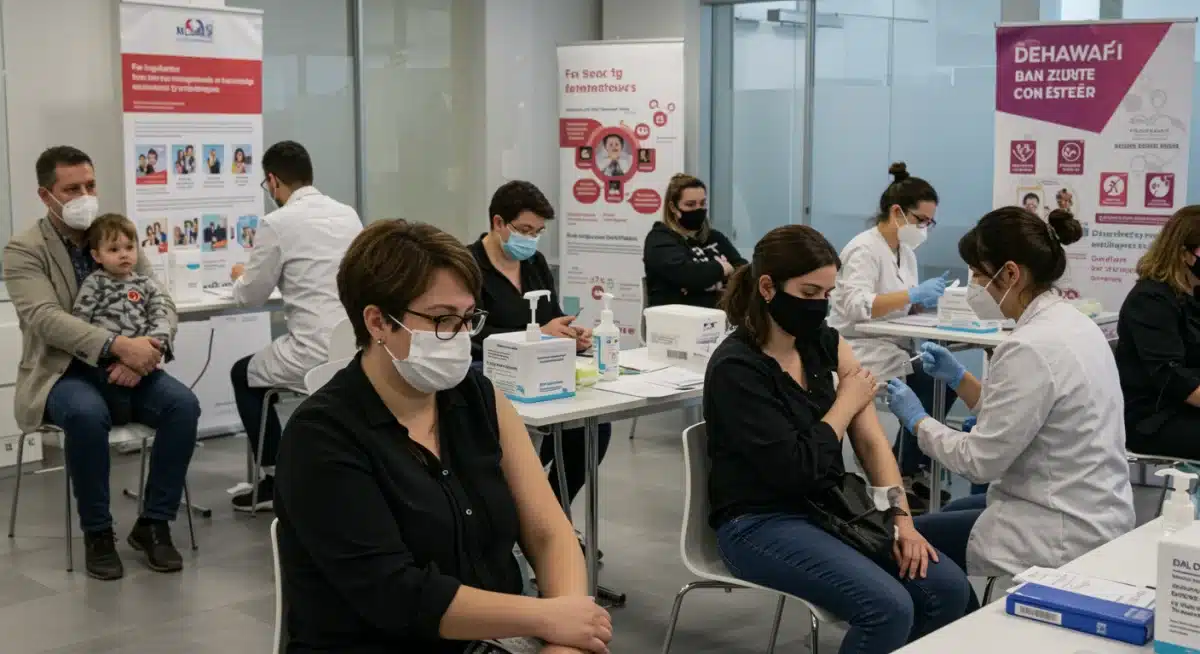
Staying informed about the latest on COVID-19: understanding the new variants and updated booster recommendations is more important now than ever. As the virus continues to evolve, so too does our understanding of how to best protect ourselves and our communities. This article will guide you through the current landscape of COVID-19, from emerging variants to the most recent advice on booster shots, helping you make informed decisions about your health.
The evolving landscape of COVID-19 variants
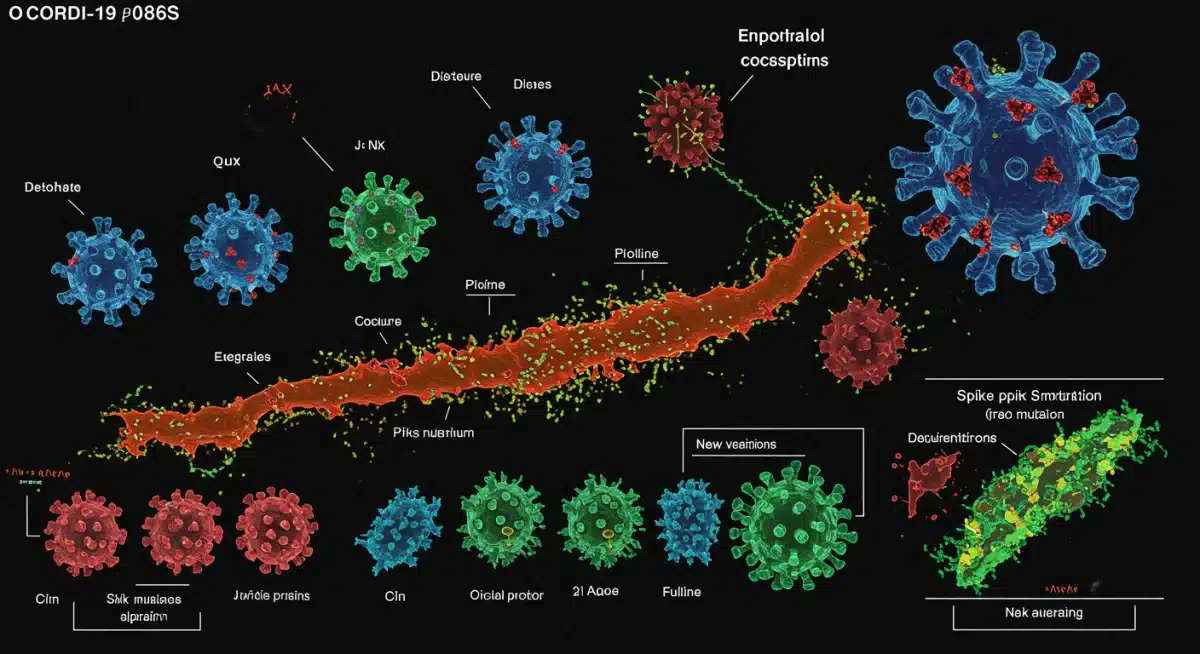
The SARS-CoV-2 virus, responsible for COVID-19, is constantly changing through mutation. These genetic alterations can sometimes lead to new variants with different characteristics, impacting transmissibility, disease severity, and vaccine effectiveness. Understanding these changes is critical for public health responses and individual protection strategies.
Scientists worldwide continuously monitor these variants, tracking their spread and studying their potential implications. This surveillance helps inform public health policies, vaccine development, and treatment protocols. The emergence of new variants underscores the dynamic nature of viral infections and the ongoing need for vigilance.
Key characteristics of current variants of concern
Each significant variant brings its own set of challenges, often exhibiting changes in how easily it spreads or how it affects individuals. These characteristics directly influence the public health measures needed to control its impact.
- Transmissibility: How easily the virus spreads from person to person.
- Disease Severity: The likelihood of causing severe illness, hospitalization, or death.
- Immune Escape: The ability of the variant to evade immunity from previous infection or vaccination.
- Diagnostic Impact: Whether current tests can accurately detect the variant.
The continuous study of these characteristics allows health authorities to assess risks and provide timely guidance to the public. Being aware of these evolving aspects helps individuals understand the importance of adaptive protective measures.
How new variants are identified and monitored
The process of identifying and monitoring new COVID-19 variants involves a sophisticated global network of laboratories and public health agencies. This systematic approach is vital for detecting potential threats early and coordinating effective responses.
Genomic sequencing plays a central role in this process, allowing scientists to read the genetic code of the virus and identify mutations. When a variant shows concerning changes, it is designated as a ‘variant of concern’ or ‘variant of interest,’ triggering intensified research and public health action.
In conclusion, the ongoing evolution of COVID-19 variants necessitates continuous scientific scrutiny and public awareness. Staying informed about these developments empowers individuals to adapt their protective behaviors and contribute to broader public health efforts.
Understanding updated COVID-19 booster recommendations
As COVID-19 variants emerge and immunity wanes over time, health authorities regularly update booster recommendations to ensure optimal protection. These updates are based on the latest scientific data regarding variant prevalence, vaccine effectiveness, and population immunity levels. Staying current with these recommendations is essential for maintaining effective defense against the virus.
The goal of booster shots is to reinforce the immune system’s response, especially against newer strains that might be able to partially evade initial vaccine protection. This proactive approach helps reduce the risk of severe illness, hospitalization, and death, even if infection occurs.
Who is eligible for the latest booster?
Eligibility criteria for COVID-19 booster recommendations often evolve, taking into account age, underlying health conditions, and the time since the last vaccination or infection. It’s important to consult official health guidelines to determine if you are currently eligible.
Typically, these recommendations prioritize individuals at higher risk of severe disease or those who have had their last vaccine dose several months prior. Health agencies aim to provide the broadest possible protection while targeting those who stand to benefit most from an additional dose.
Why booster shots remain crucial
Booster shots are not just about topping up immunity; they are about adapting our defenses to a constantly changing threat. The immune response from initial vaccination or infection can decrease over time, and new variants can introduce new challenges.
- Enhanced Immunity: Boosters strengthen and broaden the immune response.
- Protection Against Variants: They help the body recognize and fight off new strains.
- Reduced Severity: Even if infected, boosters significantly lower the risk of severe outcomes.
- Community Protection: Higher vaccination rates contribute to herd immunity, protecting vulnerable populations.
The continued importance of boosters highlights the ongoing effort to minimize the impact of COVID-19 on individual health and public health systems. They are a vital tool in our long-term strategy against the virus.
Where to find reliable information on boosters
Accessing accurate and up-to-date information is paramount. Official health organizations are the most reliable sources for understanding current booster recommendations and eligibility.
In the United States, the Centers for Disease Control and Prevention (CDC) provides comprehensive guidance. Your healthcare provider is also an excellent resource for personalized advice based on your individual health profile.
In summary, staying informed about and adhering to updated COVID-19 booster recommendations is a critical component of personal and public health protection. These recommendations are designed to offer the best possible defense against the virus’s evolving nature.
The science behind vaccine effectiveness against new strains
The development of COVID-19 vaccines represented a monumental scientific achievement, and their ongoing effectiveness against new variants is a testament to continuous research. Scientists rigorously study how well existing vaccines perform against emerging strains, often adapting them to maintain high levels of protection.
This scientific inquiry involves laboratory studies, real-world data analysis, and clinical trials. Understanding the mechanisms by which vaccines continue to offer protection, or where they might need updating, is fundamental to our fight against the pandemic.
How vaccines adapt to new variants
Vaccine platforms, particularly mRNA technology, have shown remarkable adaptability. This flexibility allows manufacturers to modify vaccines relatively quickly to target new variants, if necessary. The process involves identifying the key mutations in the virus’s spike protein, which is the primary target for vaccine-induced immunity.
Once a new variant-specific vaccine is developed, it undergoes rigorous testing for safety and efficacy before being authorized for public use. This iterative process ensures that our vaccination strategies remain relevant and effective as the virus evolves.
Measuring vaccine efficacy and effectiveness
Efficacy, measured in controlled clinical trials, indicates how well a vaccine prevents disease under ideal conditions. Effectiveness, on the other hand, reflects how well a vaccine performs in the real world, considering factors like population behavior and variant prevalence.
- Clinical Trials: Provide initial data on a vaccine’s ability to prevent infection or severe disease.
- Real-World Data: Analyze vaccine performance in diverse populations and against circulating variants.
- Antibody Levels: Assess the quantity and quality of antibodies produced in response to vaccination.
- T-cell Response: Evaluate the cellular immune response, which is crucial for long-term protection.
Both efficacy and effectiveness studies are vital for understanding the true protective power of vaccines against new variants and for guiding public health recommendations.
Challenges and future directions in vaccine development
While current vaccines have proven highly effective, challenges remain. The rapid emergence of new variants necessitates ongoing research into pan-coronavirus vaccines that could offer broader protection against multiple strains. Additionally, improving vaccine accessibility and combating vaccine hesitancy are critical for global immunity.
Future directions include developing mucosal vaccines that could prevent infection at the point of entry (nose and mouth) and exploring universal vaccines that target conserved viral components less prone to mutation. These advancements aim to provide more durable and comprehensive protection against COVID-19.
In conclusion, the science behind vaccine effectiveness against new strains is a dynamic field, continually adapting to the virus’s evolution. Ongoing research and development are crucial for ensuring that our vaccination strategies remain robust and capable of protecting communities worldwide.
Protecting yourself and others: practical advice
While vaccination and boosters form the cornerstone of protection against COVID-19, combining them with other practical measures offers a comprehensive defense. Personal responsibility and community awareness play significant roles in minimizing the spread of the virus and safeguarding vulnerable populations.
Adopting a multi-layered approach to protection helps to reduce the risk of infection, even as new variants emerge. This includes simple, everyday habits that can collectively make a big difference in public health.
Beyond vaccination: everyday precautions
Vaccines are incredibly effective, but they are not the only tool in our arsenal. Simple, consistent practices can further reduce your risk of exposure and transmission.
- Masking: Wearing a high-quality mask in crowded indoor settings, especially during periods of high transmission.
- Hand Hygiene: Regularly washing hands with soap and water or using an alcohol-based hand sanitizer.
- Ventilation: Improving air circulation in indoor spaces by opening windows or using air purifiers.
- Testing: Getting tested if you develop symptoms or have been exposed to someone with COVID-19.
These measures, when combined, create a more robust barrier against the virus, complementing the protection offered by vaccination.
Navigating public spaces safely
Understanding how to reduce risk in various public settings is key to safely engaging with daily life. This involves making informed choices based on current local transmission rates and personal risk tolerance.
Consider the density of people, the duration of exposure, and the ventilation of the space. Opt for outdoor activities when possible, and maintain physical distancing where feasible. Being mindful of these factors helps to mitigate potential risks.
What to do if you test positive for COVID-19
Despite best efforts, infection can still occur. Knowing the appropriate steps to take if you test positive is crucial for preventing further spread and ensuring proper care for yourself.
Isolate yourself immediately to prevent transmitting the virus to others. Inform close contacts so they can monitor for symptoms and get tested. Consult a healthcare provider for advice on managing symptoms and when to seek medical attention, especially if you are at high risk for severe disease.
In conclusion, a combination of vaccination, boosters, and consistent adherence to public health guidelines provides the most effective strategy for protecting yourself and others from COVID-19. These practical steps are vital in our ongoing efforts to manage the pandemic.
Addressing common concerns about COVID-19 immunity
Many people have questions about the nuances of COVID-19 immunity, particularly concerning how long it lasts, how it’s affected by new variants, and the differences between natural immunity and vaccine-induced immunity. These are valid concerns, and understanding them helps in making informed health decisions.
The science of immunology is complex and continually evolving, especially in the context of a novel virus like SARS-CoV-2. Researchers are actively studying these questions to provide clearer guidance to the public.
Natural immunity vs. vaccine-induced immunity
Both natural infection and vaccination can provide immunity to COVID-19, but there are important distinctions. Natural immunity develops after recovering from an infection, while vaccine-induced immunity is generated by vaccination.
Studies suggest that vaccine-induced immunity often provides a more consistent and robust level of protection, especially against severe disease, and can be more predictable than natural immunity, which varies greatly depending on the severity of the initial infection. Furthermore, vaccination after infection can provide enhanced protection.
Duration of protection: what we know
The duration of protection from both natural infection and vaccination varies. While initial immunity can be strong, it tends to wane over time, necessitating booster shots. The exact timeline for waning immunity can be influenced by individual factors and the specific variant encountered.
- Initial Immunity: Strong protection usually lasts for several months post-vaccination or infection.
- Waning Immunity: Over time, antibody levels may decrease, increasing susceptibility.
- Variant Impact: New variants can partially evade existing immunity, further reducing protection.
- Booster Role: Boosters are designed to restore and enhance protection against waning immunity and new variants.
Ongoing research is continuously refining our understanding of immunity duration, providing updated insights for public health recommendations.
The role of hybrid immunity
Hybrid immunity, which arises from a combination of natural infection and vaccination, is increasingly recognized as providing a strong and broad immune response. This type of immunity often offers superior protection compared to either natural infection or vaccination alone.
For individuals who have recovered from COVID-19, getting vaccinated or boosted can significantly enhance their immune defenses, offering a more robust shield against future infections and severe outcomes. This highlights the benefit of vaccination even for those with prior exposure.
In summary, while immunity to COVID-19 is complex, understanding the differences between natural and vaccine-induced protection, the duration of immunity, and the benefits of hybrid immunity helps individuals make informed health choices. Staying updated with scientific findings is key to navigating these aspects effectively.
Global efforts and the future outlook
The fight against COVID-19 is a global endeavor, requiring international cooperation in surveillance, research, and vaccine distribution. The emergence of new variants underscores the interconnectedness of global health and the importance of a coordinated response to control pandemics.
Efforts to achieve equitable access to vaccines and treatments worldwide are crucial, as uncontrolled outbreaks anywhere can lead to the emergence of new variants that threaten everyone. The future outlook depends heavily on our collective ability to adapt and collaborate.

International collaboration in variant tracking
Organizations like the World Health Organization (WHO) facilitate global collaboration in tracking and analyzing new COVID-19 variants. This involves sharing genomic data, epidemiological information, and research findings across borders.
This collaborative framework allows scientists to quickly identify and assess the risks posed by new variants, enabling a more rapid and coordinated global response. It’s a testament to the power of shared scientific effort.
Long-term strategies for managing COVID-19
As COVID-19 transitions from a pandemic to an endemic state, long-term strategies are being developed to manage the virus. These strategies focus on integrating COVID-19 prevention and treatment into routine healthcare, similar to how we manage other respiratory illnesses.
- Integrated Surveillance: Monitoring COVID-19 alongside other respiratory viruses.
- Adaptive Vaccination: Regularly updating vaccines to target prevalent strains.
- Accessible Treatments: Ensuring availability of effective antiviral medications.
- Public Health Education: Promoting good hygiene and healthy behaviors year-round.
The goal is to minimize the disruption caused by COVID-19 while protecting public health through sustainable and adaptable approaches.
The role of public health in an endemic future
In an endemic future, public health agencies will continue to play a vital role in monitoring disease trends, issuing guidance, and responding to surges. Their focus will shift to maintaining a baseline level of protection and quickly addressing localized outbreaks.
This involves ongoing communication with the public, ensuring access to vaccines and testing, and supporting healthcare systems. The lessons learned from the pandemic will inform these long-term strategies, emphasizing preparedness and resilience.
In conclusion, global efforts and a forward-looking perspective are essential for managing COVID-19 in the long term. International collaboration and adaptive public health strategies will be key to navigating an endemic future and mitigating the virus’s impact on communities worldwide.
The psychological impact of ongoing pandemic concerns
Beyond the physical health implications, the ongoing presence of COVID-19, including the constant news about new variants and updated booster recommendations, has had a significant psychological impact on individuals and communities. The sustained uncertainty, fear of illness, and changes to daily life have contributed to widespread stress and anxiety.
Acknowledging and addressing these mental health challenges is an integral part of a holistic public health response. It’s important to recognize that the emotional toll of a prolonged pandemic is real and deserves attention.
Coping with health anxiety and uncertainty
The continuous flow of information, sometimes conflicting, about new variants and health guidelines can be overwhelming. This can lead to increased health anxiety, characterized by excessive worry about one’s health or the health of loved ones.
Coping strategies include limiting news consumption, focusing on reliable sources, practicing mindfulness, and maintaining a healthy lifestyle. Seeking support from mental health professionals can also be beneficial for those struggling with persistent anxiety.
Maintaining mental well-being in challenging times
Prioritizing mental well-being is crucial during periods of prolonged stress. Engaging in activities that bring joy and relaxation can help counteract feelings of unease and burnout.
- Stay Connected: Maintain social connections with friends and family, even if virtually.
- Physical Activity: Regular exercise is a proven mood booster.
- Healthy Habits: Ensure adequate sleep and a balanced diet.
- Seek Professional Help: Don’t hesitate to reach out to a therapist or counselor if needed.
These practices contribute to resilience and help individuals navigate the emotional challenges posed by the pandemic.
Community support and resilience
Communities play a vital role in fostering mental well-being during public health crises. Mutual support, empathy, and collective action can strengthen social bonds and enhance overall resilience.
Supporting local initiatives, volunteering, and checking in on neighbors can create a sense of solidarity and shared purpose. These collective efforts contribute to a healthier and more resilient society.
In conclusion, the psychological impact of ongoing pandemic concerns is a critical aspect of public health. By acknowledging these challenges and implementing coping strategies, individuals and communities can work towards maintaining mental well-being alongside physical health.
The economic and societal ripple effects of COVID-19
The COVID-19 pandemic, driven by evolving variants and the need for adaptive public health measures, has created profound economic and societal ripple effects that continue to be felt globally. Beyond the immediate health crisis, the pandemic has reshaped industries, altered work environments, and impacted social structures in lasting ways.
Understanding these broader consequences is essential for developing comprehensive recovery strategies and building more resilient societies for the future. The interconnectedness of health, economy, and society has been starkly revealed.
Impact on employment and industries
The pandemic led to significant shifts in employment patterns, with some sectors experiencing unprecedented growth (e.g., e-commerce, digital services) while others faced severe contractions (e.g., hospitality, travel). The rise of remote work has fundamentally altered traditional office environments, presenting both opportunities and challenges.
Supply chain disruptions, labor shortages, and changing consumer behaviors continue to influence various industries. Governments and businesses are adapting to these new realities, often through technological adoption and flexible work models.
Changes in education and social interactions
Educational systems worldwide underwent rapid transformations, with a massive shift to online learning. While digital learning offered continuity, it also highlighted disparities in access and resources, impacting student outcomes and well-being.
Social interactions were also profoundly affected, with restrictions on gatherings leading to increased social isolation for many. The pandemic accelerated the adoption of digital communication tools, which have become integral to maintaining connections, but also raised concerns about digital divide and screen time.
Building resilience for future crises
The experiences of the COVID-19 pandemic have provided valuable lessons for building societal resilience against future health crises. This involves strengthening public health infrastructure, investing in scientific research, and developing robust social safety nets.
- Healthcare System Reinforcement: Enhancing hospital capacity, staffing, and emergency preparedness.
- Economic Diversification: Reducing reliance on single industries to mitigate economic shocks.
- Digital Infrastructure: Investing in reliable internet access and digital literacy for all.
- Social Cohesion: Fostering community support networks and addressing inequalities.
These efforts aim to create a more adaptable and equitable society, better equipped to face future global challenges. The long-term recovery will require sustained commitment and collaborative action across all sectors.
In conclusion, the economic and societal ripple effects of COVID-19 are far-reaching and complex. Recognizing these impacts is crucial for guiding recovery efforts and building a more resilient future, emphasizing the interconnectedness of health, economic stability, and social well-being.
| Key Aspect | Brief Description |
|---|---|
| New Variants | COVID-19 continually mutates, leading to new strains with varying transmissibility and severity, requiring ongoing monitoring. |
| Booster Recommendations | Health authorities update booster guidelines based on new variants and waning immunity to ensure optimal protection. |
| Vaccine Effectiveness | Vaccines remain effective against severe disease, but new variants may necessitate updated formulations or boosters. |
| Personal Protection | Beyond vaccines, masking, hand hygiene, and ventilation are crucial for reducing transmission risk. |
Frequently asked questions about COVID-19 variants and boosters
Health agencies continuously monitor new COVID-19 variants. Currently, variants like Omicron sublineages are the primary concern due to their transmissibility. Official sources like the CDC or WHO provide the most up-to-date information on specific variants and their characteristics.
Eligibility for updated COVID-19 booster recommendations typically includes individuals aged six months and older, with specific guidance varying by age, previous vaccination status, and health conditions. It is best to consult your healthcare provider or local public health guidelines for personalized advice.
Current vaccines, especially with updated boosters, remain highly effective at preventing severe illness, hospitalization, and death from new variants. While they may not always prevent infection, they significantly reduce the risk of serious outcomes and long-term complications.
Vaccine-induced immunity is achieved through vaccination, offering a controlled and often robust immune response. Natural immunity develops after recovering from a COVID-19 infection. Studies suggest vaccine-induced immunity is generally more consistent and predictable in its protection.
For the most reliable and current information on COVID-19 variants, booster recommendations, and public health guidance, refer to official sources such as the Centers for Disease Control and Prevention (CDC) in the U.S. or the World Health Organization (WHO).
Conclusion
Navigating the ongoing landscape of COVID-19 requires continuous adaptation and informed decision-making. As new variants emerge and our scientific understanding evolves, staying updated on the latest on COVID-19: understanding the new variants and updated booster recommendations remains paramount. By integrating current booster advice with proven protective measures and fostering a resilient community approach, we can collectively work towards mitigating the virus’s impact and safeguarding public health. The journey through this pandemic highlights the critical role of science, public health initiatives, and individual responsibility in shaping a healthier future.