Avoid Late Fees: Setup Automated Payments & Save $50/Year
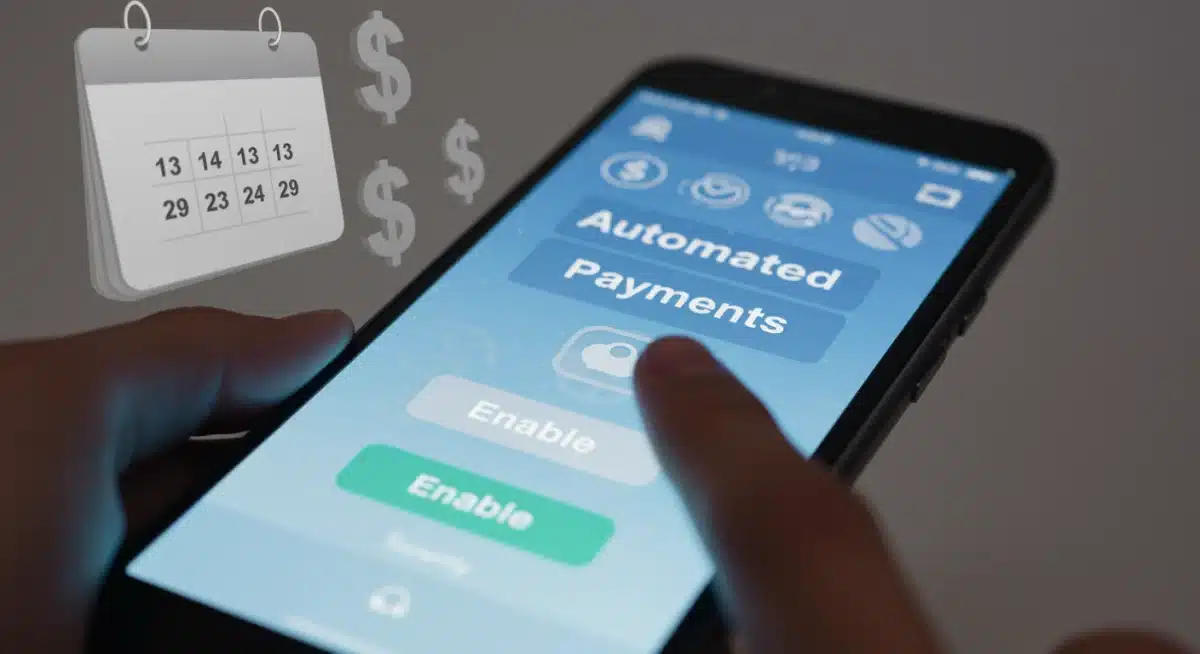
 Are you tired of those pesky late fees eating into your budget? It’s a common scenario for many Americans, but there’s a straightforward solution that can help you avoid late fees:
set up automated payments and save $50 a year, or even more. This simple financial habit can transform your money management and bring peace of mind.
Understanding the True Cost of Late Fees
Late fees might seem like minor annoyances, but their cumulative effect can significantly impact your financial health.
Many people underestimate how quickly these small charges add up, turning a momentary oversight into a recurring drain on their resources.
Beyond the immediate monetary loss, late fees can also have a ripple effect on your credit score, making future financial endeavors more challenging.
The hidden impact on your budget
Every time a late fee hits your account, it’s not just the fee itself you’re losing.
It’s also the opportunity cost – that money could have been saved, invested, or used for something more meaningful.
For example, a typical credit card late fee can range from $25 to $40, and if you incur just two or three of these a year across different bills, you’re easily looking at $50 to $120 gone.
Credit Card Late Fees: Often between $25 and $40 per instance.
Utility Bill Late Fees: Can be a flat rate or a percentage of the overdue amount, typically $5to $15.
Loan Payment Late Fees: Varies widely, but can be substantial, especially for mortgages or auto loans.
Long-term consequences for your credit score
Beyond the immediate financial hit, late payments can ding your credit score. Payment history is one of the most critical factors in determining your FICO score, accounting for 35% of the total.
A single late payment reported to credit bureaus can stay on your report for up to seven years and significantly lower your score.
This can then impact your ability to secure favorable interest rates on future loans, rent an apartment, or even get certain jobs.
Ensuring timely payments, therefore, isn’t just about avoiding a small fee; it’s about safeguarding your financial reputation and future opportunities.
Automated payments provide a robust defense against these negative financial outcomes, offering consistency and reliability that manual payments often lack.
The Simplicity and Benefits of Automated Payments
Automated payments, also known as auto-pay or recurring payments, are a powerful tool for modern financial management.
They offer a hands-off approach to bill payment, ensuring that your bills are paid on time, every time, without you having to lift a finger.
This convenience is not just about saving time; it’s about creating a more stable and predictable financial life.
How automated payments work
Setting up automated payments typically involves authorizing a service provider or lender to automatically withdraw funds from your bank account or charge your credit card on a scheduled basis.
This can be done directly through your bank’s bill pay service, through the biller’s website, or sometimes even through third-party financial apps. The process is usually straightforward and takes only a few minutes to configure.
Direct from Bank: Your bank sends payments to various billers on your behalf.
Biller’s Website: You authorize the biller to pull funds directly from your account.
Third-Party Apps: Some financial management tools can automate payments for multiple accounts.
Key advantages beyond avoiding late fees
While avoiding late fees is a primary motivation for setting up automated payments, the benefits extend much further.
The peace of mind that comes from knowing your bills are always paid on time is invaluable. It frees up mental energy that would otherwise be spent remembering due dates and manually initiating payments.
This can lead to reduced stress and a greater ability to focus on other financial goals or personal pursuits.
Moreover, some companies offer incentives for setting up auto-pay, such as small discounts on your monthly bill.
These savings, combined with the avoidance of late fees, can accumulate significantly over a year, easily surpassing the $50 mark.
Automated payments also help in building a strong credit history by consistently demonstrating responsible payment behavior, which is a cornerstone of a healthy credit score.
Step-by-Step Guide: Setting Up Your Automated Payment System
Embarking on the journey to financial automation is simpler than you might think.
With a clear, systematic approach, you can transition from manual bill payments to a streamlined, worry-free system.
This guide will walk you through the essential steps, ensuring you cover all your bases and maximize the benefits of automated payments.
Inventory your bills and due dates
The first crucial step is to gain a comprehensive understanding of all your recurring bills and their respective due dates.
Gather all your statements – credit cards, utilities, loans, insurance premiums, subscriptions, and any other regular payments.
Create a master list, either on a spreadsheet or a dedicated financial app, noting the biller, amount, and due date for each. This inventory will serve as your roadmap for automation.

Choosing your automation method
Once you have your bill inventory, you’ll need to decide how you want to automate each payment. There are generally two main approaches:
Directly with the biller: Many companies offer an auto-pay option directly on their website or through their customer service. This is often the most straightforward method, as it links your payment directly to the service provider.
Through your bank’s bill pay service: Most banks provide a free online bill pay service where you can schedule payments to various recipients. This gives you a centralized hub for managing all your automated transactions.
Consider which method offers you the most control and convenience.
For variable bills like utilities, direct automation with the biller might be preferable to ensure the correct, fluctuating amount is paid. For fixed payments, either method works well.
Setting up and confirming each payment
With your method chosen, proceed to set up each automated payment. This typically involves inputting your bank account or credit card details, specifying the payment amount (if fixed), and selecting the payment date.
It’s crucial to set the payment date a few days before the actual due date to account for any processing delays, especially during weekends or holidays.
After setting up, always confirm that the automation is active and correctly configured. Most systems will send an email confirmation. Keep a record of these confirmations for your peace of mind.
Best Practices for Managing Automated Payments
While automated payments offer unparalleled convenience, they also require a degree of ongoing management to ensure everything runs smoothly. Establishing sound practices will help you avoid potential pitfalls and maximize the benefits of your automated system, turning it into a truly reliable financial asset.
Regularly review your scheduled payments
It’s easy to set it and forget it, but that can lead to problems down the line.
Make it a habit to review your automated payments regularly, perhaps once a month or quarterly. Check for any changes in bill amounts, especially for variable utilities or subscriptions that might have increased.
Ensure that the payment dates are still appropriate and that your payment method is current. An expired credit card or a closed bank account could lead to failed payments and, ironically, late fees.
Maintain sufficient funds
One of the most critical aspects of successful automated payments is ensuring that your linked bank account always has sufficient funds. An overdraft can be more costly than a late fee, incurring charges from both your bank and the biller.
Consider setting up low-balance alerts with your bank or maintaining a buffer in your checking account specifically for automated withdrawals.
This proactive approach prevents accidental overdrafts and keeps your financial system running without hitches.
Regularly reconciling your bank statements against your automated payment schedule can also help you anticipate upcoming withdrawals and manage your balance effectively. This habit builds a strong foundation for financial discipline.
Stay vigilant for changes and fraud
Even with automation, vigilance is key. Companies can change their billing cycles, payment processing partners, or even their late fee policies.
Stay informed by reading any communications from your billers. Additionally, keep an eye on your bank and credit card statements for any unauthorized transactions.
While automated payments reduce the risk of human error, they don’t eliminate the need for basic security awareness and fraud prevention. Promptly address any discrepancies or unfamiliar charges.
Leveraging Technology for Enhanced Financial Control
In today’s digital age, financial technology offers powerful tools that help you take control of your money with ease—and most importantly, help you avoid common financial mistakes.
Modern apps and platforms go far beyond basic auto-pay, providing smart features that support better organization, deeper insights, and stronger security.
These tools make it easier to track spending, monitor due dates, and avoid missed payments, all while giving you real-time visibility into your financial health.
From budgeting apps to automated alerts and secure digital wallets, technology empowers you to streamline your finances and avoid the chaos that comes from disorganization or oversight.
By integrating these digital solutions into your routine, you transform your approach to money management—making it more intuitive, efficient, and resilient.
Utilizing budgeting and financial tracking apps
Modern budgeting apps like Mint, YNAB (You Need A Budget), or Personal Capital integrate with your bank accounts and credit cards to give you a holistic view of your finances.
Many of these apps allow you to categorize transactions, set budget goals, and even track upcoming bills. They can send you reminders before automated payments are due, serving as an extra layer of protection against insufficient funds or unexpected withdrawals.
Categorize Spending: Understand where your money goes.
Set Budget Goals: Stay on track with your financial objectives.
Bill Reminders: Get alerts for upcoming payments.
These apps often provide visual dashboards that make it easy to see your financial health at a glance, helping you identify trends and make informed decisions about your spending and saving habits. Integrating automated payments with such apps creates a powerful synergy for financial control.
Exploring bank features and alerts
Your bank itself is a valuable resource for managing automated payments. Most banks offer robust online banking platforms with customizable alert systems. You can set up notifications for:
Large withdrawals: To catch any unusually high automated payments.
Low balance: To ensure you have enough funds before payments process.
Payment confirmations: To verify that automated payments have successfully gone through.
These alerts, delivered via email or text, provide real-time updates on your account activity, allowing you to react quickly to any potential issues.
Leveraging these built-in bank features adds another layer of security and oversight to your automated payment system, making it even more reliable.
Beyond the $50: Maximizing Your Savings and Financial Health
Saving $50 a year by taking steps to avoid late fees is a great beginning—but it’s only the surface of what automated payments can truly offer.
The real power of automation lies in its ability to help you avoid financial setbacks while simultaneously opening the door to long-term growth and stability.
When automation becomes a core part of your financial strategy, you not only prevent unnecessary costs but also strengthen your credit, streamline your budgeting, and reinforce habits that support lifelong financial success.
This isn’t just about trying to avoid penalties; it’s about building a system that helps you thrive.
Automation empowers you to shift from reactive money management to proactive wealth building—allowing you to avoid common financial pitfalls and cultivate lasting prosperity.
Reinvesting your late fee savings
The money you save from avoiding late fees isn’t just extra cash; it’s an opportunity. Instead of letting that $50 (or more) simply disappear into your general spending, consider intentionally redirecting it. You could:
Boost your emergency fund: Build a stronger safety net for unexpected expenses.
Pay down debt faster: Accelerate your journey to becoming debt-free.
Increase retirement contributions: Grow your long-term wealth.
Invest in a savings goal: Fund a dream vacation, a down payment, or an education.
By consciously allocating these savings, you transform a preventive measure into a proactive growth strategy. This mindset shift is key to maximizing the financial impact of automated payments.
Improving Your Credit Score and Financial Reputation
Consistently paying your bills on time is one of the most powerful ways to build an excellent credit score—and automation makes this process effortless. By creating systems that help you avoid missed or late payments, you strengthen the most influential factor in your credit profile: payment history.
A higher credit score unlocks better interest rates on loans, credit cards, and mortgages, which can translate into thousands of dollars saved over your lifetime. Imagine securing a lower mortgage rate simply because you were able to avoid payment mistakes and maintain a flawless financial track record.
This long-term financial advantage far exceeds the immediate benefit of avoiding a $50 late fee. Automation doesn’t just help you avoid penalties—it helps you build a strong financial reputation, improve borrowing power, and position yourself for major lifetime savings.
Reducing Stress and Gaining Peace of Mind
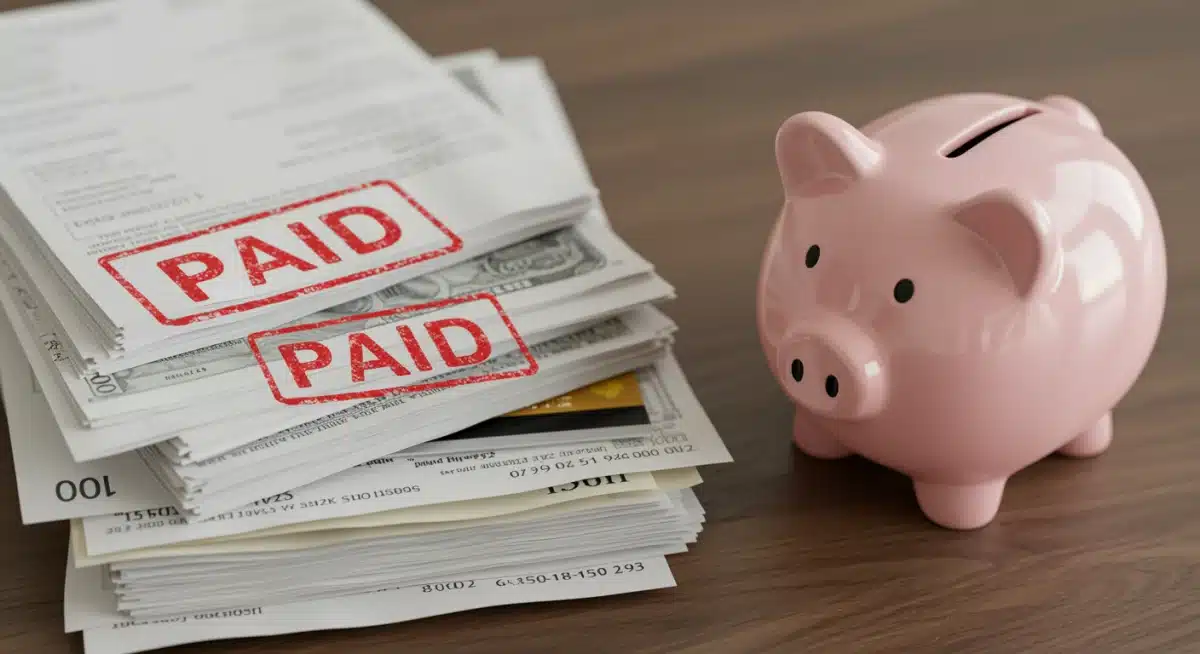
One of the most valuable benefits of automating your finances—though not easily measured—is the significant reduction in stress and the enhanced peace of mind it brings.
When you build systems that help you consistently avoid missed payments and last-minute scrambling, you free yourself from the emotional burden of constant financial monitoring.
No more watching the calendar anxiously, no more rushing to meet deadlines. Instead, automation gives you the mental space to focus on work, family, and personal goals.
This reduction in cognitive load is one of the most powerful advantages of an automated setup, helping you avoid unnecessary anxiety and supporting better overall well-being.
Common Pitfalls and How to Avoid Them with Automation
Even with a strong system in place, managing your finances can present challenges. Automation helps minimize errors, but it doesn’t eliminate every potential obstacle. By understanding common pitfalls and learning how to avoid them, you can build a smoother, more reliable financial process.
Over-Reliance Without Oversight
A frequent mistake is assuming automation requires no further attention. While the goal is convenience, automated payments are not a permanent “set-it-and-forget-it” solution.
Changes in your financial life—like opening a new bank account, updating a debit card, or switching service providers—may disrupt your automated systems. Likewise, billers may adjust due dates or raise fees without clear notification.
Failing to monitor these updates can lead to missed payments or charges for services you no longer use.
To avoid these issues:
Schedule monthly check-ins to review your automated transactions.
Match each automated payment to your current statements.
Verify that all linked accounts and card details are up to date.
A quick monthly review ensures your automated system stays accurate and aligned with your financial plan.
Insufficient Funds and Overdrafts
One of the most frustrating scenarios is when an automated payment tries to process from an account with insufficient funds.
This can result in overdraft fees, returned payment penalties, and unnecessary financial stress—exactly what automation is meant to help you avoid.
To safeguard your finances:
Set up low-balance alerts. Most banks notify you when your balance drops below a chosen limit.
Maintain a cash buffer. Keep extra funds in your checking account as a safety net.
Link to a savings account.
Automatic overdraft protection can prevent costly errors, if your bank provides it.
These simple habits ensure your automation system works for you, not against you.
Security Concerns and Data Breaches
Digital convenience comes with digital risks. While banks and billers use strong security protocols, no system is immune to vulnerabilities.
Sharing financial information for automated payments may feel risky, but the key is learning how to use these systems safely and avoid unnecessary exposure.
Protect yourself with smart practices:
Use strong, unique passwords for financial accounts.
Enable two-factor authentication whenever offered.
Monitor your banking activity regularly for suspicious transactions.
Report anything unusual to your bank immediately.
By combining automation with vigilant security habits, you can enjoy the benefits of convenience while minimizing the risks.
| Key Benefit | Description |
|---|---|
| Avoid Late Fees | Prevents charges typically ranging from $25-$40, saving $50+ annually. |
| Improve Credit Score | Consistent on-time payments build a strong credit history (35% of FICO score). |
| Reduce Stress | Eliminates the worry of remembering due dates and manual payment processes. |
| Financial Control | Provides a clear overview of expenses and aids in better budgeting. |
Frequently Asked Questions About Automated Payments
What exactly are automated payments?▼
Automated payments, also known as auto-pay, are pre-authorized transactions that automatically withdraw funds from your bank account or charge your credit card on a recurring schedule to cover your bills.
This hands-free system ensures payments are made on time every month, helping you avoid late fees while simplifying your financial routine.
Can automated payments negatively affect my credit score?▼
No—automated payments usually improve your credit score. By guaranteeing consistent on-time payments, auto-pay supports the most important factor in credit scoring: payment history.
The only risk arises if a payment fails due to insufficient funds.
This can be prevented with simple monitoring tools like balance alerts, ensuring you avoid accidental missed payments.
What should I do if a bill amount changes with auto-pay?▼
For bills that fluctuate—such as utilities—the automated system typically adjusts the withdrawal automatically.
For fixed or subscription-based bills, it’s important to review your statements regularly.
If a charge increases unexpectedly, contact the biller right away to verify or dispute the change.
Keeping an eye on your statements helps you avoid surprises and ensures your automation remains accurate.
Is it safe to link my bank account for automated payments?▼
Yes—linking your bank account for automated payments is considered safe when using reputable companies, banks, and service providers that follow strong encryption and security standards.
To protect yourself further:
Use secure websites (https://)
Enable two-factor authentication
Monitor your accounts frequently
Create strong, unique passwords
These precautions help you avoid security risks while enjoying the convenience of auto-pay.
How much can I realistically save by using automated payments?▼
Using automated payments helps you avoid late fees that typically range from $25 to $40 per incident. Even one or two missed payments per year can cost over $50—savings you instantly recapture with auto-pay.
Some service providers even offer small monthly discounts for enrolling in auto-pay, boosting your total annual savings.
And beyond the dollars saved, the peace of mind from eliminating payment stress is an invaluable benefit.
Conclusion
The journey toward a more financially secure and stress-free life often starts with small but intentional steps.
Automating your payments is one of those simple yet powerful habits that deliver long-term benefits. By taking proactive measures to avoid late fees, you’re not only preventing unnecessary costs—you’re also strengthening your financial discipline, protecting your credit score, and reducing daily money-related stress.
This approach ensures your hard-earned money works for you, not against you.
When you avoid missed payments and the consequences that come with them, you create more space to focus on your bigger financial goals.
Embrace automation as a smart, modern tool that keeps you organized, empowered, and consistently moving toward a healthier financial future.