Alzheimer’s Prevention: Latest Research & 2026 Strategies
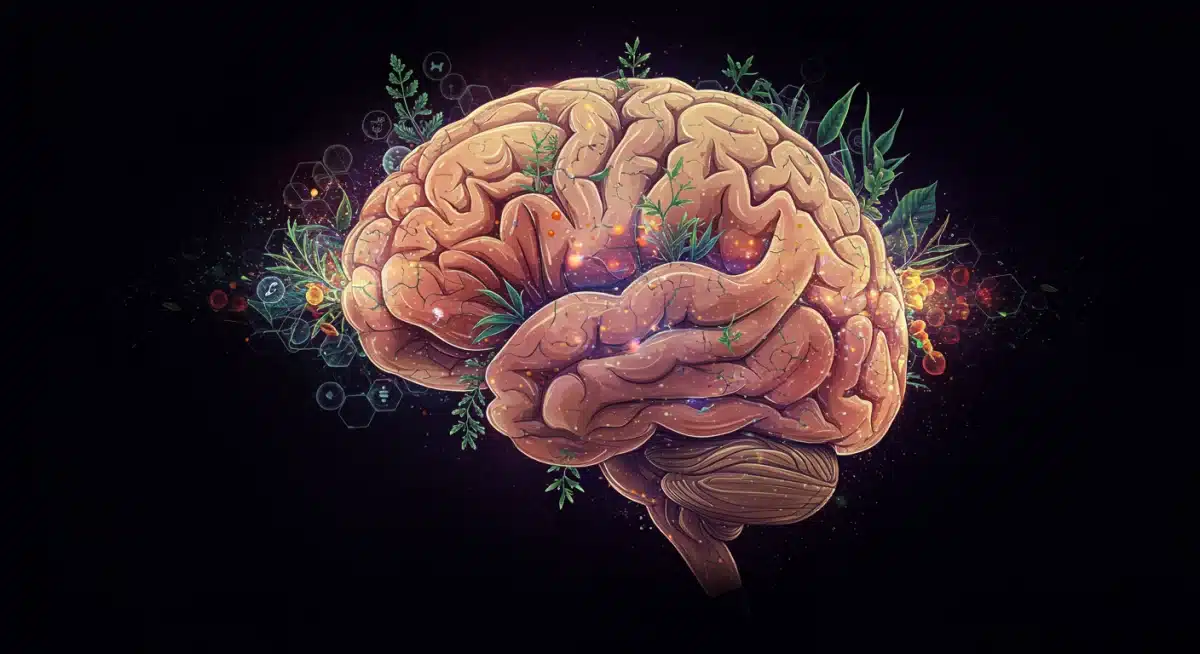
 As we look towards 2026, understanding the latest research on Alzheimer’s prevention: what you can do in 2026 is more critical than ever. Alzheimer’s disease continues to pose a significant health challenge, but ongoing scientific advancements offer new hope and actionable insights.
This article will delve into the forefront of research, providing practical steps that individuals can integrate into their lives to safeguard cognitive health.
Understanding Alzheimer’s: The Evolving Landscape
Alzheimer’s disease is a complex neurodegenerative condition characterized by progressive memory loss and cognitive decline.
For decades, research primarily focused on amyloid plaques and tau tangles as the hallmarks of the disease. However, the scientific community is now exploring a much broader spectrum of contributing factors, shifting towards a more holistic understanding of its origins.
This expanded perspective acknowledges that Alzheimer’s is not a single-cause disease but rather a culmination of genetic predispositions, environmental influences, and lifestyle choices.
New research avenues are investigating inflammation, metabolic dysfunction, vascular health, and gut microbiome imbalances as potential drivers, opening up diverse targets for prevention and intervention.
Beyond Amyloid: New Research Frontiers
While amyloid remains a key focus, its role is being re-evaluated within a larger context. Scientists are exploring how amyloid beta accumulation might be a response to other underlying issues, rather than the sole instigator.
This has led to investigations into novel therapeutic strategies that target pathways beyond just clearing plaques.
Neuroinflammation: Chronic inflammation in the brain is increasingly recognized as a significant contributor to neurodegeneration. Researchers are developing anti-inflammatory agents specifically designed to cross the blood-brain barrier.
Metabolic Dysfunction: Links between insulin resistance, type 2 diabetes, and Alzheimer’s are strengthening. Studies are examining how metabolic health impacts brain function and the potential of drugs targeting these pathways.
Vascular Health: Impaired blood flow to the brain can starve neurons of oxygen and nutrients. New research emphasizes cardiovascular health as a crucial element in preventing cognitive decline.
The evolving landscape of Alzheimer’s research underscores the importance of a multi-pronged approach to prevention. By understanding the intricate interplay of these factors, we can better equip ourselves with strategies to maintain brain health.
Lifestyle Interventions: Your First Line of Defense
When considering the latest research on Alzheimer’s prevention: what you can do in 2026, lifestyle interventions consistently emerge as powerful tools. These are not merely suggestions but evidence-based strategies that can significantly impact your cognitive future.
Adopting a brain-healthy lifestyle is often the most accessible and effective starting point.
These interventions are rooted in the understanding that the brain, like any other organ, thrives on proper nourishment, regular activity, and protection from harm.
The cumulative effect of these choices can create a resilient cognitive reserve, making the brain more resistant to age-related changes and disease processes.
The Power of Physical Activity
Regular physical activity is perhaps one of the most potent preventive measures. It improves blood flow to the brain, reduces inflammation, and promotes the growth of new brain cells. The benefits extend beyond cardiovascular health, directly impacting cognitive function and memory.
Aerobic Exercise: Activities like brisk walking, jogging, swimming, or cycling for at least 150 minutes per week can enhance brain plasticity and reduce the risk of cognitive decline.
Strength Training: Incorporating strength exercises twice a week helps maintain muscle mass, which is linked to better cognitive outcomes in older adults.
Balance and Flexibility: Practices like yoga or Tai Chi can improve balance and coordination, indirectly supporting brain health by reducing fall risks and promoting overall well-being.
Making physical activity a consistent part of your daily routine doesn’t require extreme measures. Even small, incremental changes can yield significant benefits for your brain health over time.
Prioritizing Sleep for Brain Health
Sleep is not merely a period of rest; it’s a critical time for brain detoxification and memory consolidation. During deep sleep, the brain’s glymphatic system actively clears out metabolic waste products, including amyloid beta. Chronic sleep deprivation can disrupt this process, potentially increasing Alzheimer’s risk.
Ensuring 7-9 hours of quality sleep per night is paramount. Establishing a consistent sleep schedule, creating a relaxing bedtime routine, and optimizing your sleep environment can dramatically improve sleep quality.
Avoiding screens before bed and limiting caffeine and alcohol intake, especially in the evenings, can also contribute to better sleep hygiene. Prioritizing sleep is a non-negotiable aspect of any comprehensive Alzheimer’s prevention strategy.

Dietary Strategies: Fueling a Healthy Brain
Diet plays a pivotal role in brain health, a fact increasingly emphasized in the latest research on Alzheimer’s prevention: what you can do in 2026.
The food choices we make directly impact inflammation, oxidative stress, and metabolic function, all of which are implicated in Alzheimer’s disease progression. Adopting a brain-healthy diet can be a powerful protective measure.
While no single food is a magic bullet, certain dietary patterns have consistently shown promising results in supporting cognitive function and reducing Alzheimer’s risk. The focus is on nutrient-dense foods that provide essential vitamins, minerals, and antioxidants, while minimizing harmful elements.
The MIND Diet and Its Evolution
The Mediterranean-DASH Intervention for Neurodegenerative Delay (MIND) diet has gained considerable attention for its cognitive benefits. It combines elements of the Mediterranean diet and the DASH (Dietary Approaches to Stop Hypertension) diet, specifically emphasizing foods that protect the brain.
Green Leafy Vegetables: Aim for at least six servings per week (e.g., spinach, kale, collard greens).
Berries: Two or more servings per week (e.g., blueberries, strawberries) are rich in antioxidants.
Nuts: Five servings per week provide healthy fats and vitamin E.
Olive Oil: Use as the primary cooking oil.
Whole Grains: Three or more servings daily (e.g., oats, quinoa, brown rice).
Fish: At least one serving per week, especially fatty fish rich in omega-3s.
Poultry: Two servings per week.
Beans: Four servings per week.
The MIND diet also encourages limiting red meat, butter, cheese, pastries, and fried foods. Recent research in 2026 continues to validate and refine these guidelines, often incorporating personalized nutritional approaches based on genetic profiles and gut microbiome analysis.
The Role of Gut Microbiome
The gut-brain axis is a rapidly expanding area of research, revealing a profound connection between gut health and cognitive function.
The trillions of microorganisms in our gut produce compounds that can influence brain inflammation, neurotransmitter production, and even the integrity of the blood-brain barrier. An imbalanced gut microbiome (dysbiosis) is increasingly linked to neurodegenerative conditions, including Alzheimer’s.
Feeding a diverse and healthy gut microbiome involves consuming a wide variety of plant-based foods, rich in fiber and prebiotics. Fermented foods like yogurt, kefir, sauerkraut, and kimchi can also introduce beneficial bacteria. Avoiding highly processed foods, excessive sugar, and artificial sweeteners can help maintain
a balanced gut ecosystem. This emerging understanding highlights that what’s good for your gut is often good for your brain.
Cognitive Engagement and Social Connection
Maintaining an active and engaged mind is a cornerstone of Alzheimer’s prevention, a fact reinforced by the latest research on Alzheimer’s prevention: what you can do in 2026.
Just as physical exercise strengthens muscles, mental exercise keeps brain networks robust and adaptable. Furthermore, strong social connections offer profound protective benefits against cognitive decline.
These two pillars, cognitive engagement and social connection, contribute to building cognitive reserve – the brain’s ability to cope with disease or damage. A higher cognitive reserve means the brain can better withstand the effects of pathologies like amyloid plaques and tau tangles, delaying the onset of symptoms.
Keeping Your Brain Active
Engaging in mentally stimulating activities throughout life helps create new neural pathways and strengthens existing ones. This doesn’t necessarily mean complex academic pursuits; rather, it involves activities that challenge your brain in novel ways.
Learning New Skills: Whether it’s a new language, a musical instrument, or a craft, the process of learning forces your brain to adapt and grow.
Reading and Writing: Regular engagement with literature and creative writing stimulates various cognitive functions, including memory, language, and critical thinking.
Puzzles and Games: Crosswords, Sudoku, chess, and strategy games can improve problem-solving skills and working memory.
Traveling and Exploring: Exposure to new environments and experiences can be highly stimulating and beneficial for brain health.
The key is to consistently challenge your brain and step outside your comfort zone, preventing mental stagnation. The novelty of new tasks is particularly beneficial for cognitive vitality.
The Importance of Social Bonds
Social isolation and loneliness are recognized risk factors for cognitive decline and dementia. Human interaction stimulates various brain regions, including those involved in memory, language, and executive function. Furthermore, social support can reduce stress, which is itself detrimental to brain health.
Maintaining strong social networks, whether through family, friends, or community groups, is vital. Participating in group activities, volunteering, or simply engaging in regular conversations can provide crucial cognitive and emotional benefits.
The quality of these interactions often matters more than the quantity, fostering a sense of belonging and purpose. Social connections act as a buffer against cognitive decline, fostering resilience and well-being.
Managing Risk Factors and Emerging Therapies
Beyond lifestyle, the latest research on Alzheimer’s prevention: what you can do in 2026 also emphasizes the proactive management of existing health conditions and the exploration of emerging therapeutic avenues. Addressing modifiable risk factors can significantly lower the probability of developing Alzheimer’s, while new treatments aim to intervene earlier in the disease process.
A comprehensive prevention strategy integrates these elements, recognizing that optimal brain health requires attention to both proactive lifestyle choices and diligent health management. The focus is increasingly on personalized medicine, tailoring interventions based on an individual’s specific risk profile.
Controlling Cardiovascular Health
What’s good for your heart is good for your brain. Conditions like high blood pressure, high cholesterol, and diabetes are not only risk factors for heart disease but also significantly increase the risk of Alzheimer’s. Managing these conditions through medication, diet, and exercise is a critical preventive step.
Blood Pressure Management: Keeping blood pressure within a healthy range protects the delicate blood vessels in the brain.
Cholesterol Control: High levels of LDL (bad) cholesterol can contribute to plaque buildup in arteries, affecting cerebral blood flow.
Diabetes Management: Insulin resistance and high blood sugar can directly damage brain cells and accelerate cognitive decline.
Regular check-ups and adherence to medical advice for these conditions are essential. Early detection and aggressive management of cardiovascular risk factors can have a profound impact on long-term brain health.
The Promise of Precision Medicine in Alzheimer’s Prevention
As scientific knowledge expands, precision medicine is becoming a powerful tool in Alzheimer’s prevention. Rather than applying a one-size-fits-all approach, precision medicine focuses on identifying individual risk factors and creating customized prevention strategies based on genetics, biomarkers, and overall health data.
With advancements in genetic research and biomarker testing, prevention efforts are becoming more proactive and personalized. Genetic screening in 2026 is expected to move beyond the well-known APOE4 gene and examine broader genetic risk patterns.
This deeper insight strengthens prevention planning by identifying individuals who may benefit from earlier lifestyle adjustments, closer monitoring, or preventive interventions long before symptoms develop.
Precision medicine also integrates advanced imaging and blood-based biomarkers to refine prevention strategies. By combining genetic profiles with biological indicators of early brain changes, healthcare providers can design highly targeted prevention plans.
These may include personalized nutrition programs, specific cognitive training routines, tailored supplement recommendations, stress-reduction strategies, and — when appropriate — early access to emerging preventive therapies.
Although still evolving, precision medicine represents a major shift in how we think about prevention. Instead of reacting to cognitive decline after it begins, this approach emphasizes identifying risk early and intervening strategically.
As research continues to progress in 2026, precision medicine could redefine Alzheimer’s prevention by making it more individualized, data-driven, and ultimately more effective.
The Role of Biomarkers and Early Detection in Alzheimer’s Prevention
One of the most promising breakthroughs in Alzheimer’s prevention research for 2026 is the rapid advancement of biomarker technology. Biomarkers are transforming prevention strategies by making it possible to detect biological changes linked to Alzheimer’s disease long before noticeable memory loss or cognitive decline begins. This shift from reactive treatment to proactive prevention represents a major turning point in brain health.
For decades, Alzheimer’s disease could only be definitively confirmed after death. Today, innovative imaging tools and fluid-based biomarkers are reshaping the future of prevention. Scientists can now identify early signs such as amyloid plaque buildup, tau protein accumulation, neuroinflammation, and neuronal injury in living individuals. These developments support earlier risk assessment, more personalized prevention plans, and better long-term monitoring.
Blood-based biomarkers are especially exciting for prevention efforts in 2026. Compared to traditional PET scans or spinal fluid tests, blood tests are less invasive, more accessible, and increasingly accurate.
This accessibility makes large-scale screening and early intervention more realistic, allowing individuals to adopt targeted prevention strategies years before symptoms appear.
Ultimately, biomarker innovation strengthens the entire prevention framework. By identifying risk earlier, healthcare providers can recommend lifestyle modifications, clinical monitoring, and emerging therapies designed specifically for Alzheimer’s prevention rather than late-stage disease management.
Early detection is no longer just about diagnosis — it is becoming the foundation of effective, science-driven prevention strategies for the future.
Advanced Imaging Techniques
Positron Emission Tomography (PET) scans can detect amyloid plaques and tau tangles in the brain. Amyloid PET scans are already used in some clinical settings, and tau PET scans are becoming increasingly refined.
These imaging techniques provide a visual confirmation of the pathological hallmarks of Alzheimer’s, offering valuable information for diagnosis and monitoring disease progression.
Magnetic Resonance Imaging (MRI) is also vital for assessing brain structure, detecting atrophy, and identifying vascular changes that can contribute to cognitive decline. Functional MRI (fMRI) can measure brain activity and connectivity, providing insights into how different brain regions communicate.
Blood and CSF Biomarkers
The development of blood tests for Alzheimer’s biomarkers represents a significant leap forward. These tests are less invasive and more cost-effective than PET scans or cerebrospinal fluid (CSF) analysis. In 2026, we anticipate wider availability and greater accuracy of blood tests that can detect:
Plasma Amyloid Beta: Certain ratios of amyloid beta in the blood can indicate the presence of amyloid plaques in the brain.
Plasma Tau: Elevated levels of phosphorylated tau in the blood are strongly correlated with tau pathology in the brain.
Neurofilament Light Chain (NfL): A marker of neuronal damage, elevated NfL can indicate neurodegeneration, though it’s not specific to Alzheimer’s.
CSF analysis, while more invasive, provides highly accurate measurements of amyloid beta and tau. These biomarkers, especially when combined, offer a powerful suite of tools for early detection, enabling individuals and clinicians to implement preventive strategies at the most opportune time.
Environmental Factors and Brain Health

The discussion around the latest research on Alzheimer’s prevention: what you can do in 2026 would be incomplete without addressing the significant role of environmental factors. Our surroundings, exposures, and societal structures profoundly impact brain health.
Research is increasingly focusing on how environmental toxins, air quality, and even access to green spaces can influence Alzheimer’s risk.
Understanding these external influences empowers us to make conscious choices about our environment and advocate for healthier communities, thereby contributing to a broader public health strategy for cognitive longevity.
This perspective moves beyond individual actions to community-level interventions.
Pollution and Toxin Exposure
Chronic exposure to air pollution, particularly fine particulate matter (PM2.5), is emerging as a significant risk factor for cognitive decline and Alzheimer’s.
These tiny particles can enter the bloodstream and brain, causing inflammation and oxidative stress. Research in 2026 continues to quantify this risk and explore mitigation strategies.
Similarly, exposure to certain heavy metals (e.g., lead, mercury) and pesticides has been linked to neurotoxicity. While avoiding all exposure is challenging, minimizing contact where possible, ensuring good ventilation, and being mindful of food sources can help. Advocating for cleaner air and water policies within communities is also a crucial long-term strategy.
The Impact of Green Spaces and Nature
Conversely, exposure to natural environments and green spaces appears to have protective effects on brain health.
Spending time in nature can reduce stress, improve mood, and encourage physical activity, all of which are beneficial for cognitive function. Research suggests that access to parks, gardens, and natural landscapes correlates with lower rates of cognitive decline.
Incorporating nature into daily life, whether through walks in a local park, gardening, or simply spending time outdoors, can be a simple yet effective preventive measure.
Urban planning that prioritizes green infrastructure and accessible natural areas can contribute significantly to public brain health. The calming effect of nature helps to reduce chronic stress, a known contributor to neuroinflammation and cognitive impairment.
Future Directions and Personalized Prevention
Looking ahead to 2026 and beyond, the field of Alzheimer’s prevention is rapidly moving towards more personalized and integrated approaches. The latest research on Alzheimer’s prevention: what you can do in 2026 emphasizes a future where individual risk profiles guide bespoke preventive strategies.
This shift from a one-size-fits-all model to precision prevention is driven by advances in genetics, biomarkers, and digital health technologies.
The goal is not just to delay the onset of Alzheimer’s but to truly prevent its emergence by intervening at the earliest possible stages, often decades before symptoms manifest. This proactive stance requires a deep understanding of each individual’s unique biological and environmental context.
Integrative Approaches and Digital Health
The future of Alzheimer’s prevention will likely involve highly integrative approaches that combine lifestyle, dietary, medical, and even digital interventions.
Digital health tools, such as wearable sensors and smartphone apps, are becoming increasingly sophisticated in monitoring sleep, physical activity, and even cognitive performance, providing real-time data for personalized feedback.
AI-Driven Risk Assessment: Artificial intelligence will play a larger role in analyzing complex datasets, including genetic information, lifestyle habits, and biomarker data, to predict individual Alzheimer’s risk more accurately.
Virtual Reality for Cognitive Training: VR platforms are being explored for immersive cognitive training programs that can be tailored to individual needs, offering engaging and effective ways to challenge the brain.
Telemedicine for Prevention: Remote consultations and digital platforms will facilitate access to specialized advice and support for implementing preventive strategies, especially in underserved areas.
These technological advancements will empower individuals to take a more active and informed role in their brain health journey, providing them with the tools and insights needed to implement effective preventive measures.
The Horizon of Pharmaceutical Interventions
While lifestyle remains foundational, pharmaceutical research continues to explore drugs that could complement these efforts. New classes of drugs are being investigated that target not just amyloid and tau, but also neuroinflammation, synaptic dysfunction, and metabolic pathways.
The focus is shifting towards very early intervention, potentially even in asymptomatic individuals identified through biomarkers.
In 2026, we may see clinical trials for drugs designed to protect neurons, enhance synaptic plasticity, or modulate the immune response in the brain.
The hope is that these interventions, when combined with robust lifestyle changes, could offer a powerful defense against Alzheimer’s disease, ushering in an era where prevention is not just a hope, but a tangible reality.
| Key Prevention Area | Actionable Insight for 2026 |
|---|---|
| Lifestyle Habits | Prioritize regular physical activity (150 mins/week), 7-9 hours of quality sleep, and continuous cognitive stimulation. |
| Dietary Choices | Adopt a MIND-like diet rich in leafy greens, berries, whole grains, and healthy fats while nurturing gut health. |
| Health Management | Proactively manage cardiovascular risk factors like blood pressure, cholesterol, and diabetes with medical guidance. |
| Emerging Research | Stay informed on biomarker advancements for early detection and potential personalized pharmaceutical interventions. |
Frequently Asked Questions About Alzheimer’s Prevention
While lifestyle changes significantly reduce Alzheimer’s risk, they don’t guarantee complete prevention due to genetic and other complex factors. However, they are the most powerful modifiable tools we have to delay onset and slow progression, offering substantial protective benefits for brain health.
Early detection, enabled by new biomarkers, is crucial. Identifying Alzheimer’s pathology before symptoms appear allows for earlier implementation of preventive strategies and participation in clinical trials, potentially altering the disease course more effectively than later interventions.
Currently, no single supplement has been definitively proven to prevent Alzheimer’s. While some nutrients are beneficial for brain health, obtaining them through a balanced diet is generally more effective. Always consult a healthcare provider before taking new supplements.
Genetics play a role, with some genes like APOE4 increasing risk. However, genetics are not destiny. Lifestyle factors can significantly modify genetic risk. Understanding your genetic profile can help personalize prevention strategies, but it doesn’t negate the power of proactive health choices.
Chronic stress can negatively impact brain health by increasing inflammation and affecting brain structures involved in memory. Effective stress management techniques, such as mindfulness, meditation, and social engagement, are therefore important components of a comprehensive Alzheimer’s prevention strategy.
Conclusion
The journey towards preventing Alzheimer’s disease is marked by continuous scientific discovery and a growing understanding of its multifaceted nature. As we navigate 2026, the emphasis remains firmly on proactive measures that empower individuals to take charge of their cognitive health.
From embracing brain-healthy lifestyle choices and dietary strategies to managing cardiovascular risk factors and staying informed about emerging biomarkers and therapies, the landscape of prevention is more hopeful than ever.
While there’s no single cure, the cumulative impact of these evidence-based strategies offers a robust defense against cognitive decline. By integrating the latest research on Alzheimer’s prevention: what you can do in 2026 into daily life, we can collectively work towards a future where cognitive vitality is preserved for longer, enhancing quality of life for individuals and communities alike.