Boost Digestion and Energy: 5 Gut-Healthy Foods
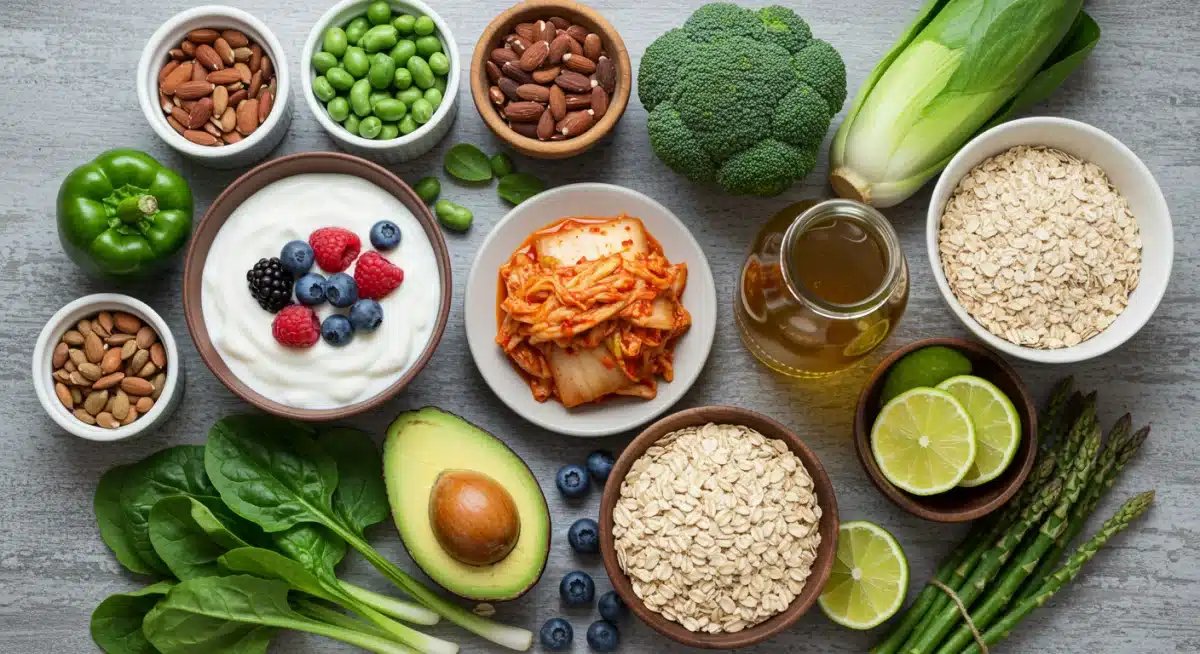
 Are you looking to revolutionize your well-being in 2026? Focusing on the 5 best foods for gut health can be your game-changer. A thriving gut microbiome is crucial not just for digestion, but also for boosting your energy, mood, and overall vitality.
Understanding the Gut Microbiome and Its Importance
The human gut is a complex ecosystem teeming with trillions of microorganisms, collectively known as the gut microbiome.
This intricate community of bacteria, viruses, fungi, and other microbes plays a pivotal role in numerous bodily functions extending far beyond digestion. Maintaining a balanced and diverse microbiome is fundamental for optimal health.
A healthy gut contributes significantly to extracting nutrients from food, synthesizing vitamins, and protecting against pathogens.
When this delicate balance is disrupted, it can lead to various health issues, from digestive discomfort to more systemic problems like chronic inflammation, weakened immunity, and even mood disorders. Understanding how to nourish this internal ecosystem is the first step toward better health.
The Gut-Brain Axis Connection
One of the most fascinating aspects of gut health is its profound connection to the brain, often referred to as the gut-brain axis. This bidirectional communication system links the central nervous system with the enteric nervous system, which controls gastrointestinal function.
The gut microbiome influences brain function, mood, and behavior through various pathways, including the production of neurotransmitters like serotonin, often called the ‘happiness hormone,’ a significant portion of which is produced in the gut.
Neurotransmitter Production: Gut bacteria produce neurotransmitters that affect mood and cognitive function.
Immune System Modulation: A healthy gut trains the immune system to differentiate between harmful and beneficial substances.
Inflammation Control: A balanced microbiome helps reduce systemic inflammation, which is linked to many chronic diseases.
Nutrient Absorption: Efficient nutrient uptake is vital for energy production and overall cellular health.
Ignoring your gut health can have far-reaching consequences, impacting not just your physical state but also your mental clarity and emotional resilience. By prioritizing gut-friendly foods, you’re investing in a holistic approach to wellness that can yield remarkable benefits for years to come.
Fermented Foods: Probiotic Powerhouses
Fermented foods are a cornerstone of gut health, teeming with beneficial bacteria known as probiotics.
These living microorganisms, when consumed in adequate amounts, can colonize the gut, improving its microbial balance and function. Incorporating a variety of fermented foods into your diet is an excellent strategy to enhance your gut microbiome.
The fermentation process involves microorganisms converting carbohydrates into other compounds, creating unique flavors and preserving food.
More importantly, this process also produces lactic acid, which helps to create an acidic environment in the gut that is favorable for beneficial bacteria and inhibits the growth of harmful ones.
Yogurt and Kefir: Dairy Delights
Yogurt and kefir, especially those labeled with live and active cultures, are among the most popular and accessible fermented foods.
They are excellent sources of probiotics, calcium, and protein, making them highly beneficial for both gut and bone health.
Yogurt: Choose plain, unsweetened varieties to avoid added sugars, which can counteract probiotic benefits. Look for labels indicating diverse strains like Lactobacillus and Bifidobacterium.
Kefir: This fermented milk drink is even more potent than yogurt, often containing a wider array of bacterial strains and yeasts. Its thinner consistency makes it versatile for smoothies or as a standalone drink.
Regular consumption of these dairy-based fermented products can help alleviate digestive issues such as bloating and constipation, while also strengthening the immune system. For those with lactose intolerance, some fermented dairy products may be better tolerated due to the breakdown of lactose during fermentation.
Kimchi and Sauerkraut: Vegetable Ferments
Beyond dairy, fermented vegetables like kimchi and sauerkraut offer another fantastic way to introduce probiotics into your diet. These savory options are rich in fiber, vitamins, and antioxidants, alongside their probiotic content.
Kimchi, a traditional Korean side dish made from fermented cabbage and other vegetables, is bursting with flavor and beneficial bacteria. Sauerkraut, a German staple made from fermented cabbage, is equally potent. Both can be easily added to meals, offering a tangy crunch and a significant gut-health boost.
The diversity of probiotics found in these vegetable ferments can contribute to a more resilient and varied gut microbiome.
When selecting these products, opt for brands that are raw and unpasteurized, as pasteurization can destroy the beneficial live cultures. Making them at home is also a rewarding and cost-effective option.
Fiber-Rich Foods: Fueling Your Microbiome
While probiotics introduce beneficial bacteria, prebiotics are the non-digestible fibers that feed these bacteria, allowing them to thrive and multiply.
A diet rich in prebiotic fiber is essential for maintaining a robust and diverse gut microbiome.
These fibers pass through the upper digestive tract undigested, reaching the colon where they are fermented by gut bacteria.
This fermentation process produces short-chain fatty acids (SCFAs), such as butyrate, acetate, and propionate, which are vital for gut health.
SCFAs provide energy for colon cells, help maintain the integrity of the gut lining, and have anti-inflammatory properties that benefit the entire body. Prioritizing fiber-rich foods is a simple yet powerful strategy for long-term gut wellness.
Oats and Whole Grains: Sustained Support
Whole grains like oats, barley, and whole wheat are excellent sources of dietary fiber, particularly beta-glucan in oats, which is a powerful prebiotic. These foods provide a steady supply of fuel for your gut bacteria, promoting their growth and activity.
Oats: A versatile breakfast staple, oats also contain resistant starch, another type of fiber that acts as a prebiotic.
Barley: This grain is rich in beta-glucans and can be added to soups, stews, or salads.
Whole Wheat: Opt for whole wheat bread, pasta, and other products over refined grains to maximize fiber intake.
Including these whole grains in your daily diet can significantly improve bowel regularity and prevent constipation, while also contributing to a feeling of fullness, which can aid in weight management. The sustained energy release from whole grains also helps stabilize blood sugar levels, contributing to overall well-being.
Legumes and Beans: Plant-Based Prebiotics
Legumes and beans are nutritional powerhouses, packed with fiber, protein, and various micronutrients. They are also exceptional sources of prebiotics, particularly galactooligosaccharides (GOS) and resistant starch, which are fermented by gut bacteria.
Lentils, chickpeas, black beans, and kidney beans are just a few examples of legumes that can significantly boost your prebiotic intake.
While some people experience gas and bloating when first introducing legumes, this typically subsides as the gut microbiome adapts and becomes more efficient at processing these fibers. Soaking and thoroughly cooking beans can also help reduce these effects.
Fruits and Vegetables: Diverse Nutrient Sources
A wide variety of fruits and vegetables is crucial for a healthy gut due to their diverse fiber content, antioxidants, and anti-inflammatory compounds. Each type of produce offers a unique set of nutrients that support different aspects of gut health, from feeding beneficial bacteria to protecting the gut lining.
The vibrant colors of fruits and vegetables are often indicative of their rich phytonutrient content, many of which act as prebiotics or possess properties that reduce inflammation and oxidative stress in the gut. Aim for a rainbow of colors on your plate to ensure a broad spectrum of benefits for your microbiome.
Leafy Greens and Cruciferous Vegetables: Essential Fiber
Leafy greens like spinach, kale, and collard greens, along with cruciferous vegetables such as broccoli, cauliflower, and Brussels sprouts, are particularly beneficial. They are high in insoluble fiber, which adds bulk to stool and promotes regular bowel movements, and soluble fiber, which feeds gut bacteria.
Spinach and Kale: Rich in vitamins K, A, and C, and essential for gut lining integrity.
Broccoli and Cauliflower: Contain sulforaphane, a compound with anti-inflammatory and antioxidant properties.
Artichokes: Known for their high inulin content, a potent prebiotic fiber that stimulates the growth of beneficial bacteria.
These vegetables also contain unique compounds that support detoxification pathways in the liver, indirectly benefiting gut health by reducing the burden on the digestive system.
Incorporating them into daily meals can significantly improve digestive function and overall gut resilience.
Berries and Apples: Antioxidant-Rich Prebiotics
Fruits like berries and apples are not only delicious but also incredibly beneficial for gut health. They are excellent sources of fiber and rich in polyphenols, plant compounds that act as prebiotics and have powerful antioxidant and anti-inflammatory effects.
Berries, including blueberries, raspberries, and strawberries, are particularly high in antioxidants. Apples, especially with their skin on, provide pectin, a soluble fiber that ferments in the colon, supporting the growth of beneficial bacteria and producing SCFAs.
These fruits help reduce gut inflammation and protect against oxidative damage, fostering a healthier gut environment.
Healthy Fats: Supporting Gut Lining and Reducing Inflammation
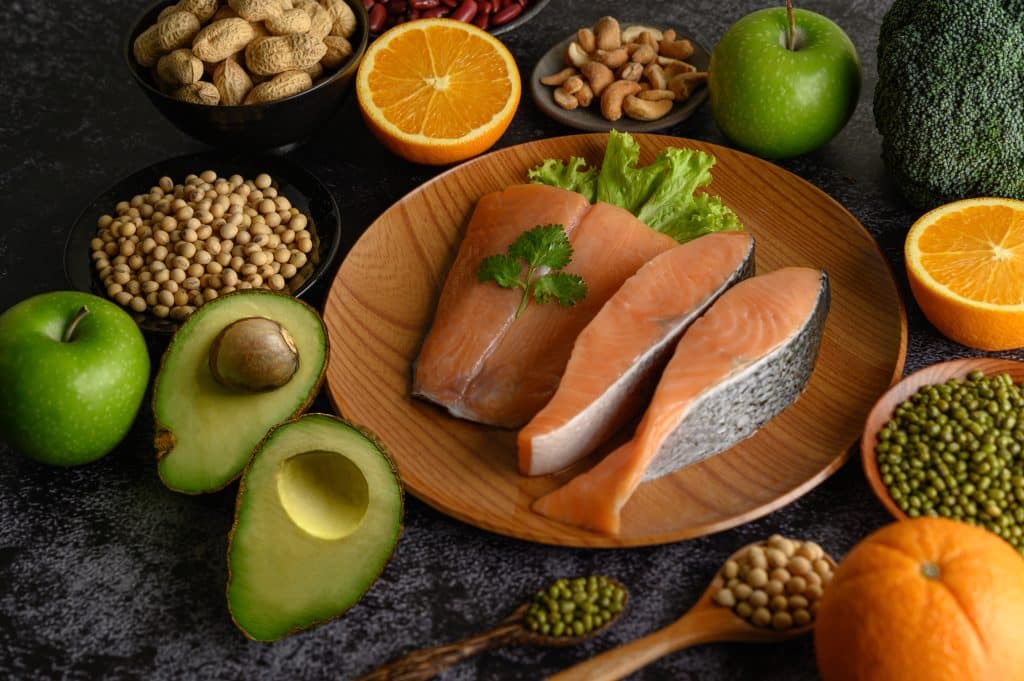
While often overlooked in gut health discussions, healthy fats play a crucial role in maintaining the integrity of the gut lining, reducing inflammation, and supporting overall digestive function.
The right types of fats are essential for the absorption of fat-soluble vitamins (A, D, E, K), which are vital for immune function and cellular health throughout the body, including the gut.
An intact gut lining acts as a barrier, preventing harmful substances from entering the bloodstream. Healthy fats, particularly omega-3 fatty acids, help strengthen this barrier and reduce inflammatory responses that can compromise gut integrity. Incorporating these fats into your diet is a proactive step towards a more resilient digestive system.
Avocados and Olive Oil: Monounsaturated Power
Avocados and extra virgin olive oil are prime examples of sources of monounsaturated fats (MUFAs) that benefit gut health. MUFAs are known for their anti-inflammatory properties and their ability to support cardiovascular health, which is intricately linked to gut health.
Avocados: Besides MUFAs, avocados are rich in fiber and potassium, both contributing to healthy digestion and electrolyte balance.
Extra Virgin Olive Oil: Contains polyphenols that have antioxidant and anti-inflammatory effects, directly benefiting the gut lining.
Using extra virgin olive oil as a primary cooking oil or in salad dressings can provide a daily dose of gut-friendly fats.
Avocados can be incorporated into various meals, from salads to smoothies, offering a creamy texture and a wealth of nutrients. These fats also contribute to satiety, helping to regulate appetite and support overall dietary balance.
Fatty Fish: Omega-3 Richness
Fatty fish such as salmon, mackerel, and sardines are exceptional sources of omega-3 fatty acids, specifically EPA and DHA.
These essential fats are powerful anti-inflammatory agents that can significantly benefit gut health by reducing chronic inflammation in the digestive tract.
Chronic inflammation in the gut can lead to conditions like irritable bowel syndrome (IBS) and inflammatory bowel disease (IBD).
Omega-3s help to modulate the immune response, promoting a more balanced and less inflammatory gut environment. They also support the health of the gut lining, making it less permeable to toxins.

Aim to consume fatty fish at least two to three times a week to reap these benefits. For those who do not eat fish, high-quality omega-3 supplements derived from algae can be an excellent alternative.
Prioritizing these healthy fats is a crucial component of a comprehensive gut-healthy diet.
Herbs and Spices: Natural Gut Modulators for Better Energy
Beyond whole foods, many herbs and spices offer powerful digestive benefits that can also enhance natural energy levels.
For centuries, traditional medicine systems have relied on these natural gut modulators to support digestion, reduce inflammation, and strengthen overall vitality.
When digestion improves, the body becomes more efficient at extracting nutrients that fuel daily energy.
Herbs and spices such as ginger, turmeric, cinnamon, fennel, and peppermint contain bioactive compounds that positively influence the gut microbiome.
By encouraging the growth of beneficial bacteria and limiting harmful strains, they help create a healthier internal environment that supports steady energy production.
In addition, many of these natural ingredients stimulate digestive enzyme release, reduce bloating and gas, and soothe irritation in the gut lining. Better digestion means better nutrient absorption — and better nutrient absorption directly supports sustained physical and mental energy.
Incorporating a variety of herbs and spices into your meals is a simple yet effective strategy. Their diverse chemical profiles provide a multi-layered approach to gut wellness while naturally promoting balanced, long-lasting energy throughout the day.
Ginger and Turmeric: Anti-Inflammatory Powerhouses
Ginger and turmeric are two of the most well-researched spices for their profound anti-inflammatory and digestive benefits. They contain powerful compounds that can significantly reduce gut inflammation and support overall digestive function.
Ginger: Known for its ability to relieve nausea, ginger also aids in gastric emptying and reduces intestinal spasms, making it effective against bloating and indigestion.
Turmeric: Its active compound, curcumin, is a potent anti-inflammatory agent that has been shown to improve symptoms in individuals with inflammatory bowel conditions.
Adding fresh ginger to teas, stir-fries, or smoothies, and incorporating turmeric into curries, soups, or golden milk, can provide consistent anti-inflammatory support for your gut. Combining turmeric with black pepper enhances the absorption of curcumin, maximizing its therapeutic effects.
Peppermint and Fennel: Soothing Digestion
Peppermint and fennel are renowned for their carminative properties, meaning they help to relieve gas and bloating. They work by relaxing the muscles of the gastrointestinal tract, allowing gas to pass more easily and reducing discomfort.
Peppermint oil has been shown to be effective in alleviating symptoms of irritable bowel syndrome (IBS) by reducing abdominal pain and distension.
Fennel seeds can be chewed after meals or brewed into a tea to aid digestion and prevent gas. These natural remedies offer a gentle yet effective way to soothe common digestive complaints.
Regular use of these herbs and spices not only enhances the flavor of your meals but also provides continuous support for a healthy, comfortable, and efficient digestive system. They are a testament to the power of natural compounds in promoting gut wellness.
Hydration and Lifestyle: Beyond Food
While focusing on the right foods is paramount, achieving optimal gut health also heavily relies on adequate hydration and a supportive lifestyle. Water is fundamental for every bodily function, including digestion and nutrient absorption.
Without sufficient water, the digestive system cannot operate efficiently, leading to issues like constipation and impaired nutrient transport. Moreover, lifestyle factors such as stress management, regular physical activity, and adequate sleep significantly impact the gut microbiome and overall digestive well-being.
A holistic approach that integrates dietary changes with these lifestyle adjustments creates the most conducive environment for a thriving gut. Neglecting these aspects can undermine even the most diligent dietary efforts, highlighting the interconnectedness of our health systems.
The Role of Water in Digestion
Water is essential for breaking down food, absorbing nutrients, and ensuring smooth passage of waste through the digestive tract.
It keeps the stool soft, preventing constipation, and facilitates the movement of food through the intestines. Dehydration can slow down digestion, leading to discomfort and an imbalance in the gut microbiome.
Aids Nutrient Absorption: Water helps dissolve nutrients, making them accessible for absorption.
Prevents Constipation: Keeps stool soft and promotes regular bowel movements.
Supports Mucus Production: Essential for the protective mucus lining of the gut.
Aim for at least eight glasses of water per day, and more if you are physically active or live in a hot climate. Herbal teas and water-rich fruits and vegetables also contribute to your daily fluid intake, providing additional benefits to your gut.
Stress Management, Sleep Quality, and Energy
The connection between the gut and brain plays a powerful role in regulating energy levels. Through the gut-brain axis, chronic stress can directly disrupt digestion, alter gut motility, increase intestinal permeability, and disturb the balance of beneficial bacteria.
When this balance is compromised, inflammation and digestive discomfort can develop — both of which drain physical and mental energy.
Poor sleep quality further compounds the issue. Inadequate or fragmented sleep interferes with the body’s ability to regulate hormones, repair tissues, and maintain a healthy microbiome. Over time, this creates a cycle where stress harms gut health, disrupted digestion lowers energy, and fatigue increases stress even more.
Incorporating stress-reducing practices such as meditation, yoga, journaling, or deep breathing exercises can significantly improve gut function and stabilize energy levels. These habits calm the nervous system, reduce cortisol, and promote healthier digestion.
Equally important is prioritizing 7–9 hours of restorative sleep each night. Quality sleep allows your digestive system to reset, supports metabolic balance, and enhances natural energy production for the next day.
When combined with a gut-supportive diet, effective stress management and consistent sleep become foundational pillars for long-lasting digestive health and sustained energy.
| Key Food Category | Primary Benefit for Gut Health |
|---|---|
| Fermented Foods | Introduce beneficial probiotics, improving microbial balance. |
| Fiber-Rich Foods | Provide prebiotics to feed beneficial gut bacteria and support regularity. |
| Fruits and Vegetables | Deliver diverse fibers, antioxidants, and anti-inflammatory compounds. |
| Healthy Fats | Support gut lining integrity and reduce inflammation. |
Frequently Asked Questions About Gut Health and Energy
What are probiotics and how do they help improve energy?
Probiotics are live beneficial bacteria and yeasts that promote a balanced digestive system. When your gut microbiome is in harmony, your body becomes more efficient at breaking down food and absorbing essential nutrients.
This improved nutrient absorption directly supports natural energy production, helping you feel more alert, resilient, and energized throughout the day.
What is the difference between prebiotics and probiotics for sustained energy?
Probiotics introduce beneficial bacteria into your gut, while prebiotics act as fuel for those bacteria. Think of probiotics as the helpful microbes and prebiotics as the nourishment that allows them to thrive.
Together, they strengthen digestive health, enhance metabolic efficiency, and promote steady energy levels. Without prebiotics, probiotic effectiveness — and the resulting energy benefits — may be limited.
How long does it take to notice better energy from improved gut health?
Many people begin to experience improvements in digestion and energy within a few weeks of consistently eating gut-supportive foods.
However, deeper microbiome restoration and long-term energy stability often require sustained dietary habits over several months. Consistency, hydration, and overall lifestyle choices all influence results.
Can poor gut health cause low energy and fatigue?
Yes. An imbalanced gut can impair nutrient absorption, increase inflammation, and disrupt metabolic processes — all of which can negatively impact energy levels.
When gut health improves, the body can more efficiently convert food into usable fuel, often leading to better focus, improved stamina, and more consistent daily energy.
Are all fermented foods effective for boosting energy?
Not all fermented foods provide the same digestive or energy benefits. To support gut balance and sustained energy, choose products that contain live and active cultures with minimal added sugars. Foods preserved solely with vinegar may not offer probiotic advantages.
Reading labels carefully ensures you’re selecting options that truly nourish your microbiome and promote lasting energy.
Conclusion
Embracing the 5 best foods for gut health in 2026 is more than just a dietary trend; it’s a fundamental shift towards a more vibrant and energetic life.
By consciously integrating probiotic-rich fermented foods, fiber-packed prebiotics, diverse fruits and vegetables, healthy fats, and beneficial herbs and spices into your daily meals, you actively nourish your internal ecosystem.
Remember, a healthy gut is intimately connected to improved digestion, boosted energy, enhanced mood, and a fortified immune system. Complementing these dietary changes with adequate hydration, stress management, and quality sleep will create a holistic foundation for optimal well-being, allowing you to thrive in the years to come.