Combatting Stress in 2026: 10 Techniques for a Calmer You
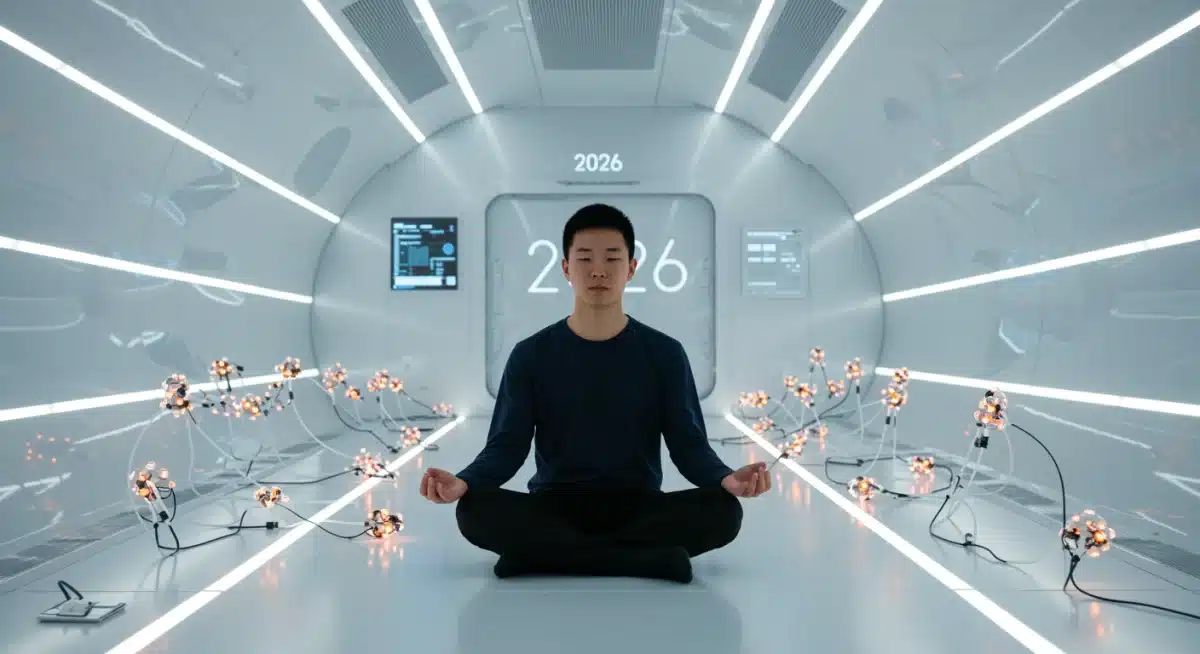

Are you feeling overwhelmed by the relentless pace of modern life? In 2026, the pressures seem to intensify daily, making the need for effective stress management more critical than ever. This guide will help you in combatting stress in 2026, offering ten practical, actionable techniques to foster a calmer, healthier you.
Understanding the Modern Stress Landscape in 2026
The year 2026 presents a unique set of stressors, from the rapid advancements in technology that blur work-life boundaries to global uncertainties that can feel constantly looming.
Understanding these contemporary pressures is the first step toward building resilience and preventing burnout. Our lives are increasingly interconnected, yet paradoxically, many feel more isolated than ever, contributing to a pervasive sense of anxiety.
Navigating this complex environment requires more than just coping mechanisms; it demands a proactive approach to mental well-being.
We must acknowledge that stress isn’t just a personal failing but often a systemic issue exacerbated by societal demands and digital saturation.
Recognizing these external factors empowers us to seek solutions that address both individual habits and broader lifestyle choices.
The Digital Overload Effect
One of the most significant contributors to stress in 2026 is the sheer volume of digital information and constant connectivity.
Smartphones, smart devices, and AI-driven platforms, while offering convenience, also create an ‘always-on’ culture that makes disconnecting challenging.
Constant Notifications: The incessant pings and vibrations demand attention, fragmenting focus and increasing cognitive load.
Social Media Pressure: Curated online personas can lead to feelings of inadequacy and comparison, fueling anxiety.
Work-Life Blurring: Remote work and instant communication tools make it difficult to establish clear boundaries between professional and personal time.
The digital realm, while a powerful tool, can quickly become a source of chronic stress if not managed intentionally. Learning to create boundaries and strategically disengage is crucial for mental peace.
Moreover, economic shifts and evolving social dynamics add layers of complexity to our daily experiences.
The future is uncertain, and this inherent unpredictability can trigger stress responses in even the most resilient individuals. By acknowledging these multifaceted stressors, we can better equip ourselves with targeted strategies for relief and long-term well-being.
Technique 1: Harnessing the Power of Mindfulness and Meditation
Mindfulness and meditation are not new concepts, but their relevance in 2026 for combatting stress is more pronounced than ever.
These practices train your attention to be present, helping you observe thoughts and feelings without judgment. This detachment can significantly reduce the emotional reactivity often associated with stress.
Regular practice of mindfulness helps to rewire the brain, enhancing areas associated with emotional regulation and self-awareness.
It’s about creating a mental space where you can pause before reacting, allowing for more considered responses rather than impulsive ones driven by stress. Even a few minutes a day can make a profound difference in your ability to manage daily pressures.
Simple Daily Mindfulness Practices
Integrating mindfulness doesn’t require hours of silent meditation. Small, consistent efforts can yield significant benefits.
Mindful Breathing: Take five deep breaths, focusing on the sensation of air entering and leaving your body, whenever you feel overwhelmed.
Mindful Eating: Pay full attention to the taste, texture, and smell of your food, savoring each bite rather than rushing through meals.
Body Scan: Lie down and systematically bring your attention to different parts of your body, noticing any tension and consciously relaxing them.
These simple exercises help anchor you in the present moment, pulling your focus away from anxious thoughts about the past or future. The cumulative effect of these practices over time is a greater sense of calm and control.
Meditation, whether guided or unguided, provides a more structured approach to mindfulness. There are numerous apps and online resources available in 2026 that can guide you through various meditation techniques, from loving-kindness meditation to transcendental meditation.
Finding a practice that resonates with you is key to sustained engagement and long-term stress reduction. Consistency, above all, is the most important element for success in this domain.
Technique 2: Implementing a Digital Detox Strategy
As mentioned, digital overload is a primary stressor in 2026. A digital detox isn’t about abandoning technology entirely but rather about consciously and strategically reducing your screen time to reclaim mental space and improve focus.
This technique is vital for combatting stress in 2026, as it directly addresses one of its root causes.
The constant stream of information and notifications keeps our brains in a perpetual state of alert, making it difficult to truly relax and recharge.
By setting clear boundaries with technology, you can reduce cognitive fatigue, improve sleep quality, and foster deeper real-world connections. It’s about taking back control of your attention from the digital world.
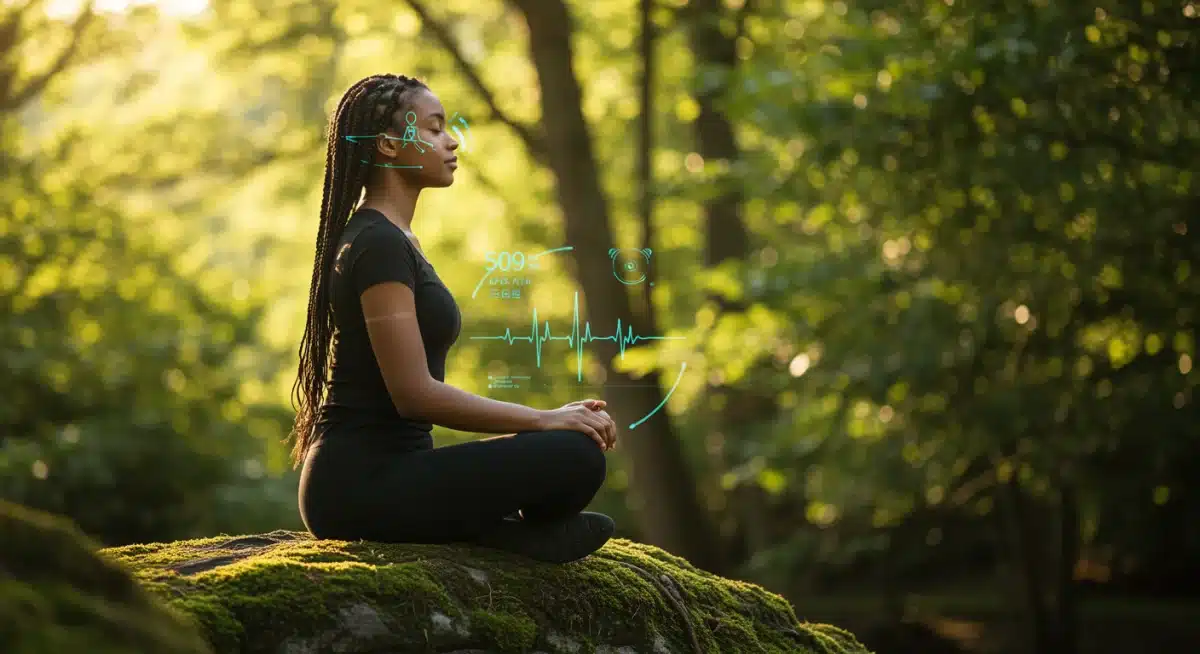
The benefits extend beyond just feeling less stressed; many people report increased creativity, better problem-solving skills, and a renewed appreciation for their surroundings after a successful digital detox. It’s a powerful way to reset your nervous system.
Practical Steps for a Digital Detox
Starting a digital detox can seem daunting, but it can be implemented gradually through small, manageable steps.
Set Screen Time Limits: Utilize your device’s built-in features to monitor and limit usage for certain apps or overall screen time.
Designate Tech-Free Zones: Make your bedroom and dining table no-phone zones to encourage present-moment engagement.
Schedule Digital Blackouts: Dedicate specific periods each day or week (e.g., evenings, weekends) where you completely disconnect from non-essential devices.
Consider replacing screen time with engaging offline activities like reading, hobbies, or spending time in nature.
Inform friends and family about your detox plans to manage expectations and avoid feeling obligated to respond immediately.
This intentional disconnection is a powerful antidote to the constant stimulation of modern life, offering a pathway to greater peace and mental clarity. It is a necessary step for regaining control over your time and attention.
Technique 3: Prioritizing Physical Activity and Movement
Physical activity is a cornerstone of effective stress management. In 2026, with increasingly sedentary lifestyles, integrating regular movement into your day is more crucial than ever for combatting stress.
Exercise releases endorphins, natural mood elevators, and helps to reduce the levels of stress hormones like cortisol and adrenaline.
Beyond the chemical benefits, physical activity provides a healthy outlet for pent-up energy and frustration.
It can serve as a form of moving meditation, allowing you to clear your mind and focus on your body. Whether it’s a brisk walk, a rigorous gym session, or a gentle yoga flow, finding an activity you enjoy is key to making it a sustainable part of your routine.
Varying Your Exercise Routine
To maximize the benefits and keep things interesting, consider diversifying your physical activities:
Cardiovascular Exercise: Running, swimming, cycling, or dancing can significantly improve mood and reduce anxiety.
Strength Training: Lifting weights or using bodyweight exercises builds physical resilience, which can translate to mental toughness.
Mind-Body Practices: Yoga, Tai Chi, and Pilates combine physical movement with mindfulness, offering a dual benefit for stress reduction.
Even short bursts of activity throughout the day, such as taking the stairs or stretching during work breaks, can contribute to overall well-being. The goal isn’t necessarily to become an elite athlete, but to incorporate consistent movement that feels good and helps you unwind. Make it a non-negotiable part of your schedule.
Remember that consistency is more important than intensity when it comes to leveraging exercise for stress reduction.
Find an activity that you genuinely enjoy and that fits into your lifestyle. This approach ensures that physical activity becomes a source of joy and relief, rather than another chore.
The mental clarity and improved sleep that often accompany regular exercise are invaluable for managing the demands of 2026.
Technique 4: Cultivating Strong Social Connections
Humans are inherently social creatures, and strong social connections are a powerful buffer against stress. In an increasingly digital world, it’s easy to substitute genuine interaction with online engagement, but this often leaves us feeling more isolated. Prioritizing real-world relationships is essential for combatting stress in 2026 and fostering a sense of belonging.
Spending time with loved ones, whether family or friends, provides emotional support, a sense of community, and opportunities for laughter and shared experiences.
These interactions can distract us from stressors, offer new perspectives, and remind us that we are not alone in our struggles.
Loneliness, conversely, is a significant risk factor for mental health issues, including chronic stress.

It’s important to differentiate between superficial connections and deep, meaningful relationships. While social media can maintain broad connections, it’s the quality of your close relationships that truly impacts your mental well-being. Invest time and energy into those who uplift you and provide genuine support.
Strategies for Nurturing Social Bonds
Actively working on your social life can significantly enhance your resilience to stress. Here are a few ways to strengthen your connections:
Schedule Regular Meet-ups: Make plans to see friends and family in person, even if it’s just for a coffee or a walk.
Join a Community Group: Engage in activities that align with your interests, whether it’s a book club, a sports team, or a volunteer organization.
Practice Active Listening: When conversing, give your full attention to the other person, showing genuine interest and empathy.
These efforts create a robust support system that can help you navigate life’s challenges with greater ease. Remember that vulnerability and authenticity are key to forming deeper bonds.
Don’t be afraid to share your struggles with trusted individuals; often, simply articulating your feelings can alleviate some of the burden. Social connection is a fundamental human need and a powerful tool in your stress-management arsenal.
Technique 5: Prioritizing Quality Sleep for Mental Restoration
Sleep is not a luxury; it’s a fundamental biological necessity, especially when combatting stress in 2026.
Chronic sleep deprivation can significantly impair your ability to cope with daily stressors, leading to increased irritability, reduced cognitive function, and heightened anxiety.
Quality sleep allows your brain to process information, consolidate memories, and repair itself, preparing you for the challenges of a new day.
In our fast-paced society, sleep is often the first thing to be sacrificed, yet it’s one of the most effective tools for maintaining mental and physical health.
Poor sleep directly impacts your mood, resilience, and decision-making abilities, making you more vulnerable to the negative effects of stress. Prioritizing sleep means recognizing its critical role in your overall well-being.
Developing a Healthy Sleep Routine
Improving your sleep hygiene can dramatically enhance your ability to manage stress. Consider these practices:
Consistent Sleep Schedule: Go to bed and wake up at roughly the same time each day, even on weekends, to regulate your body’s natural sleep-wake cycle.
Create a Relaxing Bedtime Ritual: Engage in calming activities before bed, such as reading, taking a warm bath, or listening to soothing music.
Optimize Your Sleep Environment: Ensure your bedroom is dark, quiet, cool, and comfortable. Avoid screens for at least an hour before sleep.
Avoid caffeine and heavy meals close to bedtime, and limit alcohol consumption, as it can disrupt sleep architecture.
If you consistently struggle with sleep, consider consulting a healthcare professional, as underlying issues might be at play. Investing in good sleep is an investment in your mental health and your capacity to effectively handle the pressures of 2026.
Technique 6: Mastering Time Management and Boundary Setting
Feeling overwhelmed by an ever-growing to-do list is a common source of stress. In 2026, where demands on our time seem endless, mastering time management and setting clear boundaries are indispensable skills for combatting stress.
Effective time management isn’t about doing more; it’s about doing what matters most and protecting your energy.
Boundary setting, both with your time and with others, is equally crucial. Learning to say no, delegating tasks, and clearly defining your work-life separation can prevent burnout and preserve your mental resources.
Without clear boundaries, you risk constantly feeling pulled in multiple directions, leading to chronic stress and resentment. This proactive approach allows you to regain control over your schedule and your personal space.
Effective Strategies for Time Management and Boundaries
Implementing these strategies can help you feel more in control of your day and reduce feelings of being overwhelmed:
Prioritization Techniques: Use methods like the Eisenhower Matrix (urgent/important) or the Pareto Principle (80/20 rule) to focus on high-impact tasks.
Time Blocking: Schedule specific blocks of time for focused work, meetings, and even breaks, treating them as non-negotiable appointments.
Learn to Say No: Politely decline requests that don’t align with your priorities or capacity, explaining that you need to protect your existing commitments.
Communicate your boundaries clearly to colleagues, friends, and family. For instance, establish ‘no email after 6 PM’ rules or designate specific days for personal appointments.
This clarity reduces misunderstandings and reinforces your commitment to your well-being. By actively managing your time and setting firm boundaries, you create space for rest, rejuvenation, and activities that truly matter to you, significantly reducing your overall stress load.
Technique 7: Practicing Gratitude and Positive Reframing

Our perception of events plays a huge role in how we experience stress. Practicing gratitude and positive reframing can shift your mindset from one of scarcity and negativity to one of appreciation and opportunity, making it a powerful tool for combatting stress in 2026.
Gratitude involves actively acknowledging the good things in your life, no matter how small.
Positive reframing, on the other hand, is about consciously altering the way you look at challenging situations.
Instead of viewing a setback as a disaster, you might reframe it as a learning opportunity or a chance to develop resilience.
This doesn’t mean ignoring problems, but rather choosing a perspective that empowers you rather than diminishes you. This mental shift can profoundly impact your emotional state.
Integrating Gratitude and Reframing into Daily Life
Cultivating a more positive outlook requires consistent effort, but the rewards for your mental health are substantial:
Gratitude Journaling: Dedicate a few minutes each day to writing down things you are grateful for.
Daily Affirmations: Start your day with positive statements about yourself and your capabilities.
Seek the Lesson: When faced with a challenge, consciously ask yourself, “What can I learn from this?” or “How can this make me stronger?”
Engage in conversations where you focus on solutions rather than dwelling on problems. Surround yourself with positive influences and limit exposure to negativity, whether from news, social media, or individuals.
Over time, these practices will train your brain to naturally gravitate towards more optimistic interpretations, significantly reducing the impact of stressors on your well-being. This proactive mental training is essential for maintaining inner peace amidst external chaos.
Technique 8: Engaging in Creative Expression and Hobbies
Engaging in creative expression or pursuing hobbies offers a wonderful escape from daily pressures and is an excellent strategy for combatting stress in 2026.
When you immerse yourself in an activity you enjoy, your mind shifts away from anxious thoughts, promoting a state of flow and relaxation. This mental break is crucial for rejuvenation and allows you to return to your responsibilities with renewed energy.
Hobbies provide a sense of accomplishment, purpose, and personal growth, all of which contribute to a stronger sense of self and reduced stress levels.
It doesn’t matter if you’re a skilled artist or a novice gardener; the act of creating or engaging in a passionate pursuit is what truly matters. It’s about the process, not necessarily the outcome.
Exploring Different Creative Outlets
There’s a vast array of hobbies and creative activities to explore. Find what resonates with you:
Artistic Pursuits: Painting, drawing, sculpting, photography, or even adult coloring books.
Musical Engagement: Learning an instrument, singing, or simply listening to and appreciating music.
Crafts and DIY: Knitting, woodworking, pottery, cooking, baking, or gardening.
These activities don’t just distract you; they engage different parts of your brain, fostering new neural pathways and enhancing cognitive flexibility.
They provide a sense of autonomy and control, which can be incredibly soothing in a world that often feels unpredictable.
Make time for these enjoyable activities, not as a luxury, but as an essential component of your stress management plan. They are vital for maintaining mental balance and fostering joy.
Technique 9: Practicing Self-Compassion and Self-Care
In the pursuit of success and perfection, it’s easy to be overly critical of ourselves, which only adds to stress. Practicing self-compassion and deliberate self-care are fundamental for combatting stress in 2026.
Self-compassion means treating yourself with the same kindness, understanding, and acceptance you would offer a good friend, especially during difficult times.
Self-care, on the other hand, involves intentionally engaging in activities that nourish your physical, mental, and emotional well-being.
It’s not selfish; it’s essential for maintaining your capacity to function and thrive. Ignoring your own needs leads to depletion and increased vulnerability to stress and burnout. This technique emphasizes nurturing your inner self.
Implementing Self-Compassion and Self-Care Routines
Integrate these practices into your daily life to build a stronger, more resilient self:
Mindful Self-Talk: Challenge negative self-talk and replace it with supportive, encouraging internal dialogue.
Scheduled ‘Me Time’: Block out time in your schedule specifically for activities that recharge you, whether it’s a quiet cup of tea or a long bath.
Forgive Yourself: Acknowledge your imperfections and mistakes without harsh judgment, understanding that everyone makes them.
Remember that self-care looks different for everyone. It could be a vigorous workout, a quiet afternoon with a book, or a therapeutic conversation with a trusted friend.
The key is to listen to your own needs and respond with kindness and intentionality. By prioritizing self-compassion and self-care, you build an inner reservoir of strength that helps you navigate the inevitable challenges of life with greater grace and less stress.
Technique 10: Seeking Professional Support When Needed
While many stress management techniques can be implemented independently, it’s crucial to recognize when professional support is necessary.
For combatting stress in 2026, especially chronic or debilitating stress, seeking help from a mental health professional is a sign of strength, not weakness. Therapists, counselors, and coaches can provide personalized strategies, coping mechanisms, and a safe space to process your feelings.
Sometimes, stress can stem from deeper psychological issues or manifest in ways that are difficult to manage on your own.
A professional can help identify underlying causes, develop tailored treatment plans, and equip you with tools to build long-term resilience. Advances in teletherapy and online mental health platforms have made access to support easier than ever in 2026.
When to Consider Professional Help
It’s important to be aware of the signs that suggest you might benefit from professional guidance:
Persistent Overwhelm: If stress feels constant and unmanageable, even after trying self-help techniques.
Impact on Daily Functioning: When stress significantly interferes with your work, relationships, or daily responsibilities.
Physical Symptoms: Chronic stress can manifest physically (e.g., headaches, digestive issues, fatigue) that don’t respond to other treatments.
Changes in Mood: Persistent feelings of sadness, hopelessness, irritability, or panic attacks.
Don’t hesitate to reach out if you’re struggling. Mental health professionals offer confidential support and evidence-based interventions that can make a profound difference in your ability to manage stress and improve your overall quality of life.
They can provide an objective perspective and guide you through complex emotional landscapes, ensuring you have the best possible support system in place.
| Technique | Brief Description |
|---|---|
| Mindfulness & Meditation | Cultivate present-moment awareness to reduce emotional reactivity and foster calm. |
| Digital Detox | Strategically reduce screen time to reclaim mental space and improve focus. |
| Physical Activity | Engage in regular movement to release endorphins and reduce stress hormones. |
| Quality Sleep | Prioritize consistent, restorative sleep for mental restoration and resilience. |
Frequently asked questions about stress management
For immediate stress relief, practicing deep breathing exercises or a quick 5-minute mindfulness meditation can be highly effective.
These techniques rapidly activate the parasympathetic nervous system, promoting a sense of calm and reducing physiological stress responses almost instantly. They are accessible anytime, anywhere.
The frequency of a digital detox depends on your personal needs and lifestyle. Many find daily digital blackouts (e.g., no screens an hour before bed) beneficial.
Longer detox periods, like a full weekend every month, can also be highly restorative, helping to reset your relationship with technology.
Absolutely. A balanced diet rich in whole foods, fruits, vegetables, and lean proteins can significantly support your mental health. Avoiding excessive sugar, processed foods, and caffeine helps stabilize blood sugar and mood, reducing irritability and enhancing your body’s ability to cope with stressors.
Humor is a powerful stress reliever. Laughter releases endorphins, reduces stress hormones, and can even temporarily relieve pain. Incorporating humor through funny movies, jokes, or lighthearted social interactions can provide a much-needed mental break and shift your perspective on challenging situations.
You should consider professional help if stress is persistent, overwhelming, or significantly impacting your daily life, relationships, or work. If you experience symptoms like chronic fatigue, panic attacks, or feelings of hopelessness, a therapist can provide tailored strategies and support to navigate these challenges effectively.
Conclusion
Combatting stress in 2026 is an ongoing journey that requires intentionality, self-awareness, and a willingness to adapt.
By integrating these ten practical techniques into your daily life, you can build a robust toolkit for navigating modern pressures.
Remember that well-being is not a destination but a continuous process of learning, adjusting, and prioritizing your mental and physical health.
Embrace these strategies to cultivate a calmer, healthier, and more resilient you, ready to thrive amidst the complexities of contemporary life.