Decluttering Challenge: Remove 50 Items in 30 Days


Are you ready to reclaim your living space and find joy in a tidier home? The decluttering challenge: remove 50 unwanted items in 30 days with this KonMari-inspired guide is your perfect starting point.
This isn’t just about throwing things away; it’s about a mindful approach to your possessions, creating a more harmonious and functional environment. Let’s dive in and transform your home, one item at a time.
Understanding the KonMari Philosophy for Decluttering
Marie Kondo’s KonMari method has revolutionized how many people approach home organization. At its core, this philosophy encourages you to surround yourself only with items that “spark joy.
” It’s a deeply personal and introspective process that goes beyond simple tidying, aiming to transform your relationship with your belongings and, by extension, your life.
The method emphasizes categories over locations, meaning you tackle all items of a particular type (e.g., clothes, books) at once, rather than decluttering room by room.
This holistic approach helps you fully grasp the volume of your possessions and make more informed decisions about what to keep.
The KonMari method isn’t just about discarding; it’s about honoring your belongings. When you decide to let go of an item, you thank it for its service before respectfully releasing it.
This seemingly small act can shift your mindset, making the decluttering process less daunting and more meaningful. It transforms decluttering from a chore into a ritual of gratitude and intentionality, paving the way for a home that truly reflects your ideal lifestyle.
Embracing this mindset is crucial for the success of our decluttering challenge.
The Five KonMari Categories
Clothes: Begin with all your clothing, pulling every item from your closets and drawers into one pile. This visual impact often surprises people and helps them realize the sheer quantity they own.
Books: Gather all your books in one place. Kondo suggests keeping only those that genuinely move you or hold significant personal value, encouraging you to let go of books you’ve read or never will.
Papers: This category is often the most overwhelming. Kondo advocates for a “discard all” mentality, keeping only essential documents. Digitize what you can and shred what you don’t need.
Komono (Miscellaneous Items): This broad category includes everything from kitchen gadgets and electronics to toiletries and decorative items. Tackle these subcategories systematically to avoid feeling overwhelmed.
Sentimental Items: Save the most emotionally charged items for last. By this point, you will have honed your “spark joy” intuition, making decisions about sentimental items easier and less emotionally draining.
By systematically working through these categories, you build momentum and develop a clearer understanding of what you truly value.
This structured approach, inspired by KonMari, forms the backbone of our decluttering challenge: remove 50 unwanted items in 30 days, ensuring a thorough and lasting transformation of your home.
Setting Up Your 30-Day Decluttering Challenge
Embarking on a 30-day decluttering challenge: remove 50 unwanted items requires a clear plan and commitment. The goal is to make decluttering a manageable daily habit, rather than an overwhelming, one-time ordeal.
By breaking down the task into smaller, actionable steps, you’ll find yourself steadily progressing towards a more organized and serene living space.
This structured approach helps maintain motivation and ensures you don’t burn out halfway through the challenge.
Before you begin, it’s essential to define your goals beyond just the number 50. What does a decluttered home mean to you?
How do you envision your space after this challenge? Visualizing the end result can be a powerful motivator. Consider designating specific donation boxes or bags and a temporary “re-home” box for items that belong elsewhere in your house but aren’t currently in their proper place.
Having these ready will streamline the process once you start making decisions about your items.
Daily Strategy and Item Tracking
Set a daily target: While the overall goal is 50 items in 30 days, consider aiming for 1-2 items per day, or dedicating specific blocks of time each week to larger purges. Flexibility is key to success.
Keep a running tally: Use a simple notebook, a whiteboard, or a digital app to track the items you’ve decided to remove. Seeing your progress visually can be incredibly motivating and keeps you accountable.
Start small: Don’t try to tackle your entire closet on day one. Begin with less emotionally charged areas or categories, like expired pantry items or old magazines, to build confidence and momentum.
Creating a designated “staging area” for items to be donated, recycled, or trashed can also be beneficial. This prevents discarded items from lingering in your living space and ensures they leave your home promptly.
Remember, the challenge is not just about identifying items to remove, but actually removing them from your home.
This final step is crucial for truly transforming your environment and experiencing the benefits of a decluttered space. With a solid strategy, this decluttering challenge: remove 50 unwanted items in 30 days will be a rewarding journey.
Week 1: Kicking Off with Clothes and Books
The first week of your decluttering challenge: remove 50 unwanted items in 30 days focuses on two major KonMari categories: clothes and books.
These are often excellent starting points because they tend to accumulate quickly and can have a significant visual impact once decluttered.
By tackling these categories early, you’ll experience immediate gratification and build critical momentum for the rest of the challenge. Prepare yourself for a potentially surprising revelation about the sheer volume of items you possess in these areas.
When approaching clothes, remember the KonMari golden rule: gather every single piece of clothing you own in one place. This includes items from your closet, drawers, laundry basket, and even seasonal storage.
Seeing everything laid out can be a powerful experience, often highlighting redundancies and forgotten pieces.
Hold each item and ask yourself, “Does this spark joy?” Be honest. If it doesn’t, thank it for its service and place it in your donation or discard pile. Don’t fall into the trap of keeping something “just in case” or out of guilt.

Practical Steps for Clothing Decluttering
Sort by type: After gathering all clothes, sort them into subcategories like tops, bottoms, dresses, outerwear, socks, and underwear. This helps you compare similar items.
Focus on fit and condition: Beyond joy, consider if the item fits well, is in good repair, and suits your current lifestyle. Be ruthless with anything ill-fitting or damaged.
Fold vertically: Once you’ve decided what to keep, learn the KonMari vertical folding technique. This maximizes space in drawers and makes every item visible, reducing clutter and making outfits easier to choose.
Moving onto books, the approach is similar. Collect all books from every room in your home and place them together.
This includes novels, textbooks, cookbooks, and magazines. For many, books hold a special place, making this category emotionally challenging.
However, Kondo encourages us to keep only those books that truly resonate with us now or that we genuinely intend to read in the near future. Books that have served their purpose or no longer align with your interests can be passed on to new readers.
Tips for Book Decluttering
Prioritize current interests: Keep books that you are genuinely excited to read or reference. Let go of those you feel obligated to keep or that no longer align with your passions.
Utilize libraries and digital formats: Consider if you need to own every book. Libraries offer vast collections, and e-readers can significantly reduce physical clutter.
One-touch rule: Once you’ve decided on a book’s fate, immediately place it in the “keep” pile or the “discard/donate” pile. Avoid putting it back on the shelf only to reconsider later.
By the end of Week 1, you should feel a significant shift in your home’s energy.
The visual lightness achieved by decluttering clothes and books is often a powerful catalyst, reinforcing your commitment to the decluttering challenge: remove 50 unwanted items in 30 days. Don’t forget to track your progress and celebrate each item you successfully remove from your home.
Week 2: Conquering Papers and Komono (Part 1)
As you enter Week 2 of your decluttering challenge: remove 50 unwanted items in 30 days, the focus shifts to papers and the first part of Komono, Marie Kondo’s term for miscellaneous items.
These categories can often be the most insidious sources of clutter, accumulating unnoticed over time and creating hidden pockets of disorganization.
While not as visually dramatic as a pile of clothes, tackling papers and small miscellaneous items brings a profound sense of relief and mental clarity.
Papers are notorious for their ability to multiply. From old bills and statements to manuals, warranties, and children’s artwork, they can quickly overwhelm drawers, desks, and even entire rooms.
The KonMari approach to papers is quite radical: discard everything. While this might sound extreme, the underlying principle is to keep only what is absolutely essential.
Think of it as a fresh start, allowing you to create a streamlined system for managing incoming documents. The goal is to handle each piece of paper once and assign it a clear purpose or destination.
Strategizing Your Paper Purge
The “action required” vs. “archival” method: Separate papers into two main categories: those requiring immediate action (to pay, sign, respond) and those needing to be kept for a long time (legal documents, tax records).
Go digital where possible: Scan important documents and save them to a cloud service or external hard drive. Shred the physical copies once you’re sure you have a reliable digital backup.
Create a “one-touch” system: For incoming mail and documents, decide immediately if it’s trash, needs action, or needs to be filed. Avoid letting papers pile up on surfaces.
Following papers, we delve into the first segment of Komono. This vast category encompasses a wide array of items, from kitchen utensils and pantry staples to CDs, DVDs, and personal care products.
The key to tackling Komono is to break it down into smaller, more manageable subcategories. Avoid the temptation to declutter your entire kitchen at once if you’re feeling overwhelmed.
Instead, focus on one drawer, one shelf, or one specific type of item at a time. This keeps the process from becoming daunting and helps maintain your momentum in the decluttering challenge: remove 50 unwanted items in 30 days.
Initial Komono Targets
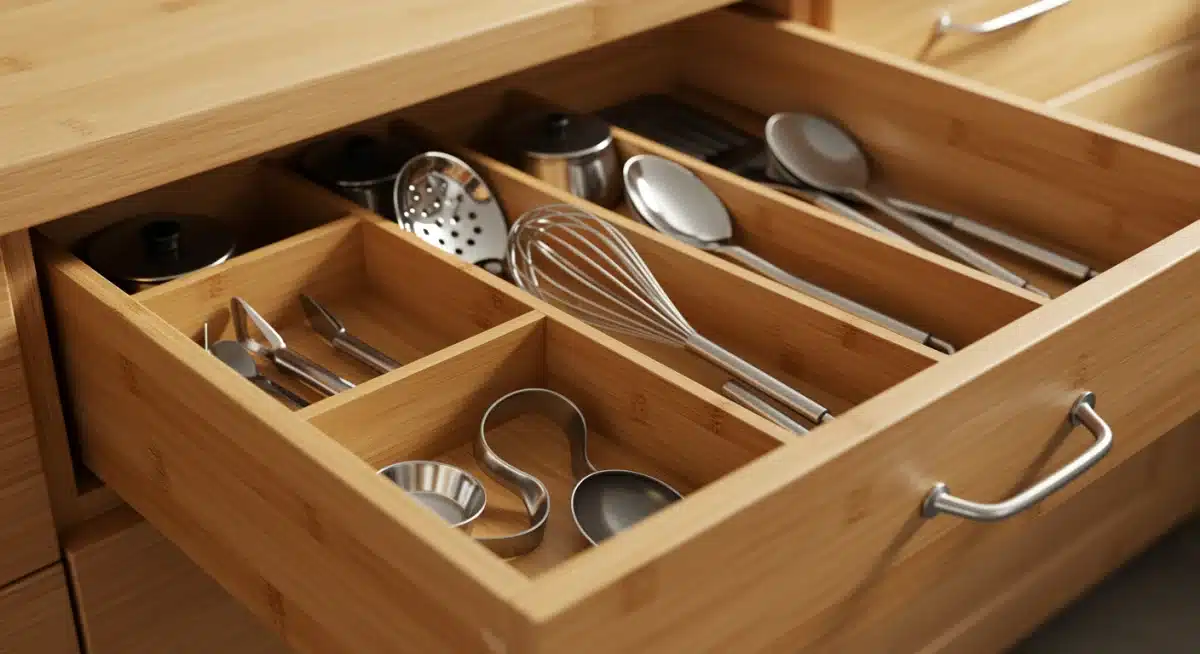
Kitchen drawers and cabinets: Start with cutlery, cooking utensils, and small appliances you rarely use. Get rid of duplicates or broken items.
Pantry and refrigerator: Check expiration dates on food items. Discard anything old or unidentifiable. Donate unopened, non-expired items you won’t use.
Toiletries and medicine cabinet: Remove expired medications, nearly empty bottles, and products you tried and disliked. Keep only what you actively use and love.
By the end of Week 2, you should have made significant progress in reducing the hidden clutter that often goes unnoticed.
The clarity gained from organizing papers and the initial Komono items will provide a noticeable sense of calm and efficiency in your daily routines, further reinforcing the positive impact of this decluttering challenge: remove 50 unwanted items in 30 days.
Week 3: Deep Dive into Komono (Part 2)
Entering Week 3 of your decluttering challenge: remove 50 unwanted items in 30 days, you’re now well-versed in the KonMari approach, and it’s time to tackle the second, often more intricate, part of Komono.
This week will involve addressing a broader range of miscellaneous items that can contribute significantly to clutter if left unchecked.
Think about electronics, craft supplies, tools, decorative items, and even your digital life. The goal remains the same: to keep only what sparks joy and serves a clear purpose in your home and life.
The sheer variety within Komono can be a challenge in itself. It’s crucial to maintain the systematic approach you’ve developed.
Instead of looking at your entire garage or craft room, break it down. Perhaps one day you focus on old electronics and cables, the next on your overflowing collection of pens and stationery, and another on unused decorative items.
This methodical progression prevents burnout and ensures that no corner of your home is overlooked. Remember, every item you thoughtfully remove contributes to your overall goal of 50 items and a more serene living environment.
Komono Subcategories to Address
Electronics and cables: Gather all old phones, chargers, tangled cables, and defunct gadgets. Keep only what you actively use or truly need as a backup. Safely dispose of or recycle electronics.
Craft supplies and hobbies: Evaluate your craft items, art supplies, or hobby equipment. Keep only what you are currently using or have definite plans to use soon. Let go of unfinished projects or supplies for hobbies you no longer pursue.
Tools and hardware: Go through your toolbox or utility drawer. Discard broken tools, rusty nails, and odd screws that have no matching counterpart. Keep only functional items that you frequently use.
Beyond physical items, consider extending your decluttering efforts to your digital Komono. While not part of the physical 50 items, digital clutter can also create mental strain.
This could involve deleting old photos, unsubscribing from unwanted emails, or organizing your computer files.
This complementary digital decluttering enhances the overall sense of order and peace you’re cultivating. The principles of asking “Does this spark joy?” or “Is this essential?” apply equally to your digital landscape.
Digital Decluttering (Optional, but Recommended)
Email inbox: Unsubscribe from newsletters you don’t read. Delete old emails, especially promotional ones. Archive important emails into categorized folders.
Computer files and desktop: Organize documents into clear folders. Delete duplicate files or old downloads. Aim for a clean, minimal desktop.
Photo library: Delete blurry photos, duplicates, and screenshots you no longer need. Organize remaining photos into albums.
By the close of Week 3, you’ll have tackled a significant portion of your home’s miscellaneous items. The cumulative effect of these decluttering efforts will be palpable, creating more breathing room and making it easier to find what you need.
This consistent progress is what makes the decluttering challenge: remove 50 unwanted items in 30 days truly effective and sustainable.
Week 4: Sentimental Items and Final Touches
As you embark on Week 4 of your decluttering challenge: remove 50 unwanted items in 30 days, it’s time for the most emotionally resonant category:
sentimental items. Marie Kondo wisely places this category last because by now, you’ve honed your “spark joy” intuition through practice with less emotionally charged items.
Approaching sentimental belongings requires a different kind of sensitivity and a deep understanding of what truly holds meaning for you, rather than just memories.
Sentimental items often carry a heavy emotional weight, making decisions about them particularly challenging.
These could include old letters, photographs, childhood toys, gifts, or memorabilia. The goal isn’t to get rid of everything that has a memory attached, but rather to curate these precious items thoughtfully.
You want to create a collection that genuinely celebrates your past without becoming a burden or contributing to clutter. This is where the “spark joy” criterion is most profoundly tested.
Navigating Sentimental Treasures
Limit the quantity: Instead of keeping every card or photo, select a few of the most representative or joy-sparking items. Consider creating a dedicated memory box for these chosen pieces.
Take photos: For items you can’t keep but want to remember, take a clear photograph. This allows you to preserve the memory without holding onto the physical object.
Focus on feelings, not guilt: Let go of items given to you out of obligation or guilt. True joy comes from things you genuinely love, not from perceived duties to others.
With sentimental items addressed, the remainder of Week 4 is dedicated to final touches and establishing lasting habits.
This involves reviewing your progress, ensuring all discarded items have left your home, and integrating new organizational routines.
The decluttering challenge: remove 50 unwanted items in 30 days isn’t just about the initial purge; it’s about creating a sustainable system that keeps clutter at bay long-term. This final phase is crucial for cementing the positive changes you’ve made.
Establishing Lasting Habits
The “one in, one out” rule: For every new item you bring into your home, commit to removing an old one. This prevents clutter from accumulating again.
Daily tidy-up: Dedicate 5-10 minutes each day to putting things back in their designated homes. This small habit prevents mess from snowballing.
Regular reviews: Periodically revisit categories to ensure they still spark joy and serve their purpose. Seasonal checks for clothes or annual reviews of papers can be very effective.
Congratulations! By completing Week 4, you’ve not only successfully navigated the decluttering challenge: remove 50 unwanted items in 30 days but also laid the groundwork for a permanently tidier and more joyful home.
The transformation extends beyond physical space, often leading to greater clarity, reduced stress, and a deeper appreciation for your belongings.
Maintaining Your Decluttered Home: A Lifestyle Shift
Completing the decluttering challenge: remove 50 unwanted items in 30 days is a significant achievement, but it’s just the beginning.
The true measure of success lies in your ability to maintain a decluttered home and integrate these new habits into your daily life.
Decluttering is not a one-time event; it’s a continuous process, a lifestyle shift that requires ongoing mindfulness and commitment.
Think of it as cultivating a garden: you can’t just plant seeds and walk away; you need to nurture it regularly to keep it thriving.
The KonMari method, at its heart, aims to instill a deeper appreciation for your possessions and a conscious decision-making process for every item that enters your home.
This means actively resisting the urge to accumulate unnecessarily and being intentional about purchases.
Before buying something new, ask yourself: “Do I truly need this? Does it spark joy? Where will it live in my home?” This simple pause can prevent future clutter before it even starts. It shifts your mindset from passive consumption to active curation of your living space.
Strategies for Sustainable Organization
Designate a home for everything: Every item in your home should have a specific place where it belongs. When an item is used, return it to its home immediately. This simple rule prevents surfaces from becoming dumping grounds.
Regular mini-declutters: Instead of waiting for clutter to build up again, schedule short, regular decluttering sessions. This could be 15 minutes once a week, or a quick sweep of each room every few days.
Re-evaluate your needs: As your life changes, so do your needs and priorities. What sparked joy a year ago might not today. Be open to re-evaluating your possessions periodically and letting go of items that no longer serve you.
Beyond the physical aspect, maintaining a decluttered home also impacts your mental well-being. A tidy environment can reduce stress, improve focus, and create a more peaceful atmosphere.
It allows you to spend less time searching for items and more time enjoying your space and pursuing activities that truly bring you joy.
This positive feedback loop reinforces the benefits of your decluttering efforts and encourages continued adherence to your new habits.
Embracing a Minimalist Mindset
Prioritize experiences over possessions: Shift your focus from acquiring more things to investing in experiences, relationships, and personal growth.
Be mindful of gifts: Politely communicate your preference for experiences or consumables over physical gifts, or suggest items that align with your curated home.
Educate your household: Involve family members in the decluttering and organizing process. When everyone understands and contributes, maintenance becomes a shared responsibility rather than a solo burden.
Maintaining your decluttered home is an ongoing journey of self-discovery and intentional living.
By consistently applying the principles learned during the decluttering challenge: remove 50 unwanted items in 30 days, you’ll ensure your living space remains a sanctuary that supports your ideal lifestyle, rather than hindering it.
| Key Aspect | Brief Description |
|---|---|
| KonMari Philosophy | Focuses on keeping items that ‘spark joy’ and decluttering by category, not location, fostering gratitude. |
| 30-Day Challenge Goal | Remove 50 unwanted items systematically over 30 days, breaking down the task into manageable steps. |
| Category Approach | Tackle clothes, books, papers, Komono (miscellaneous), and sentimental items in a specific order. |
| Sustainable Habits | Implement ‘one in, one out’ rule, daily tidy-ups, and regular reviews to maintain decluttered status. |
Frequently Asked Questions About Decluttering Challenges
The ‘spark joy’ concept, central to the KonMari method, involves holding each item and asking yourself if it brings you happiness or serves a meaningful purpose.
If it doesn’t, you thank it and let it go. This subjective criterion guides your decisions, ensuring your home is filled only with items you genuinely love.
To stay motivated, track your progress daily, celebrate small victories, and visualize your decluttered space.
Start with easier categories to build momentum, involve a friend for accountability, and remind yourself of the long-term benefits of an organized home. Consistency, not perfection, is key.
Once you’ve decided to part with an item, immediately move it to a designated donation, recycle, or trash pile. Don’t let it linger.
Research local charities, recycling centers, or consider selling valuable items. The goal is to remove them from your home as quickly as possible to prevent re-cluttering.
While the KonMari method advocates for decluttering by category to fully grasp item volume, a room-by-room approach can also be effective, especially for beginners or those feeling overwhelmed.
The most important thing is to choose a method that works for you and stick to it consistently.
Prevent clutter regression by adopting new habits: implement a ‘one in, one out’ rule for new purchases, establish a designated home for every item, and perform short daily tidy-ups.
Regularly re-evaluate your belongings to ensure they continue to serve a purpose or bring you joy, making decluttering an ongoing lifestyle.
Conclusion
Successfully completing the decluttering challenge: remove 50 unwanted items in 30 days with this KonMari-inspired guide is more than just clearing out physical space;
it’s about cultivating a mindful approach to your possessions and, ultimately, to your life. The journey through categories like clothes, books, papers, Komono, and sentimental items, guided by the “spark joy” philosophy, transforms your home into a sanctuary that truly reflects your ideal lifestyle.
This challenge empowers you to make intentional choices, fostering an environment of calm, efficiency, and gratitude. Embrace these newfound habits, and enjoy the lasting benefits of a beautifully organized and joy-filled home.