Diet and Brain Health: New Research Unveils Key Connections
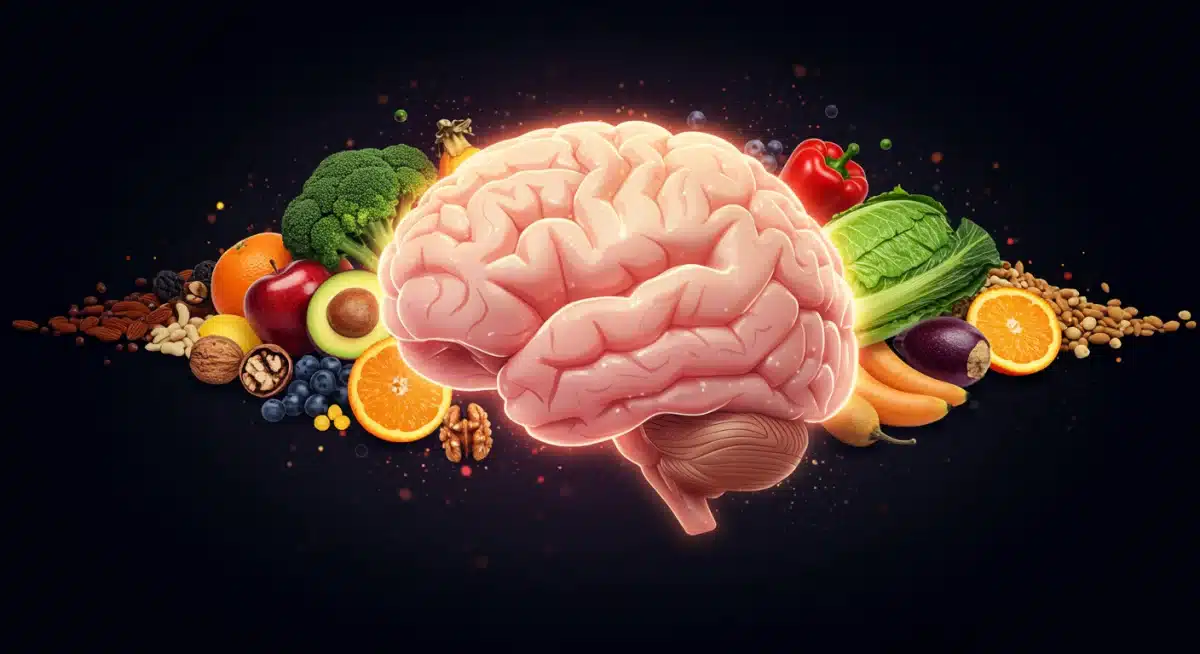
 In an era where personal well-being is increasingly prioritized, understanding the intricate relationship between what we eat and how our brains function has become a paramount area of scientific inquiry.
Recent discoveries are shedding light on the profound ways our dietary choices impact mental acuity, emotional stability, and long-term cognitive health. This fascinating field, driven by cutting-edge new research: the connection between diet and brain health, offers compelling insights into how we can nourish our minds.
the gut-brain axis: a two-way street
The concept of the gut-brain axis, once a niche area of study, has now taken center stage in understanding comprehensive brain health.
It describes the complex communication network that connects your central nervous system with your enteric nervous system, which governs the function of your gastrointestinal tract.
This intricate system involves direct neural connections, hormones, and immune pathways, creating a constant dialogue between your gut and your brain.
The health of your gut microbiome, the trillions of microorganisms residing in your intestines, plays a pivotal role in this communication.
microbiome and neurotransmitter production
The microorganisms in your gut are not mere passengers; they are active participants in your overall health, including neurological function.
They produce a wide array of neuroactive compounds, including neurotransmitters that directly influence brain chemistry.
Serotonin: A significant portion of the body’s serotonin, a key neurotransmitter for mood regulation and feelings of well-being, is produced in the gut.
GABA: Gamma-aminobutyric acid, an inhibitory neurotransmitter, helps calm the nervous system and reduce anxiety; certain gut bacteria can produce it.
Short-Chain Fatty Acids (SCFAs): Produced by the fermentation of dietary fiber, SCFAs like butyrate can cross the blood-brain barrier and exert anti-inflammatory effects, supporting neuronal health.
Disruptions in the gut microbiome, often caused by poor diet, stress, or antibiotic use, can lead to imbalances that affect neurotransmitter production and overall brain function.
This connection underscores why dietary interventions targeting gut health are increasingly viewed as crucial for mental wellness. Maintaining a diverse and healthy gut flora through a diet rich in fiber and fermented foods is a cornerstone of this approach.
Understanding the gut-brain axis reveals that what we consume fundamentally affects not just our digestion, but also our mood, cognitive processes, and susceptibility to various neurological conditions.
The emerging research in this area continues to highlight the gut as a critical control center for brain health, paving the way for novel therapeutic strategies focusing on dietary and microbial interventions.
key nutrients for cognitive function
Beyond the gut-brain axis, specific nutrients are directly implicated in supporting optimal cognitive function and protecting the brain from damage.
These essential dietary components act as building blocks, provide energy, and facilitate critical biochemical processes necessary for brain health.
A deficiency in even one of these vital nutrients can have cascading effects on memory, focus, and overall mental performance.
Therefore, a balanced diet that consciously includes these elements is crucial for maintaining a sharp and resilient mind.
omega-3 fatty acids: brain’s best friend
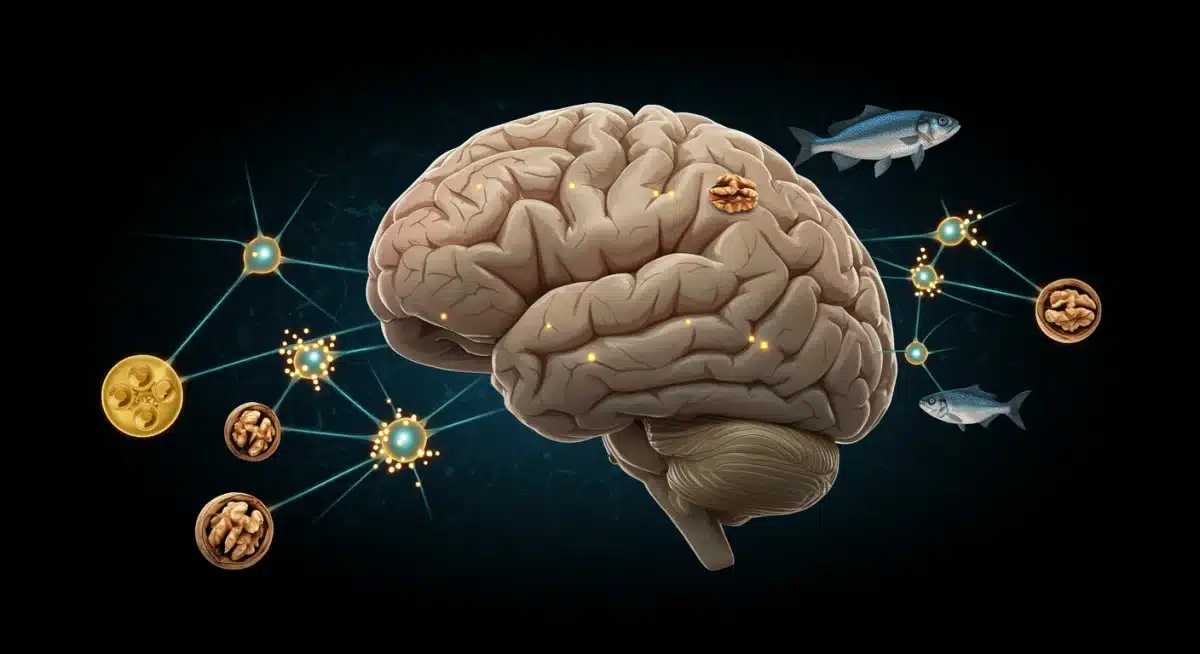
Omega-3 fatty acids, particularly DHA (docosahexaenoic acid), are indispensable for brain structure and function. DHA is a major structural component of brain cell membranes, playing a critical role in neuronal communication.
Cell Membrane Integrity: DHA helps maintain the fluidity and integrity of brain cell membranes, essential for efficient signal transmission.
Anti-inflammatory Effects: Omega-3s possess potent anti-inflammatory properties, which are vital for reducing chronic inflammation in the brain, a factor linked to neurodegenerative diseases.
Neurotransmitter Support: They are involved in the synthesis and function of neurotransmitters, impacting mood and cognitive processes.
Sources of omega-3s include fatty fish like salmon, mackerel, and sardines, as well as flaxseeds, chia seeds, and walnuts. Regular intake is strongly associated with improved memory, learning capabilities, and a reduced risk of cognitive decline.
antioxidants and vitamins: cellular protectors
The brain is particularly susceptible to oxidative stress due to its high metabolic rate and rich lipid content. Antioxidants from diet help neutralize free radicals, preventing cellular damage.
Vitamins, especially B vitamins, vitamin E, and vitamin K, also play crucial roles. B vitamins are essential for energy production and neurotransmitter synthesis.
Vitamin E is a powerful antioxidant, while vitamin K is increasingly recognized for its role in brain health, including its involvement in myelin sheath formation.
Fruits, vegetables, nuts, and seeds are rich sources of these protective compounds. A colorful plate ensures a wide spectrum of antioxidants and vitamins, creating a robust defense system for your brain cells against daily wear and tear and age-related decline. The synergy of these nutrients provides a comprehensive shield for cognitive vitality.
dietary patterns for a healthier brain
While individual nutrients are important, recent research emphasizes the power of overall dietary patterns rather than focusing on isolated components. Certain eating styles have consistently been linked to superior brain health outcomes, offering a holistic approach to cognitive well-being.
These patterns are characterized by their emphasis on whole, unprocessed foods and their ability to provide a wide array of beneficial compounds that work synergistically to support brain function and protect against neurological decline.
the mediterranean diet: an established champion
The Mediterranean diet is perhaps the most well-researched dietary pattern for overall health, including brain health. It is characterized by a high intake of:
Fruits and Vegetables: Abundant in antioxidants, vitamins, and fiber.
Whole Grains: Provide sustained energy and essential B vitamins.
Legumes and Nuts: Sources of plant-based protein, fiber, and healthy fats.
Olive Oil: The primary source of fat, rich in monounsaturated fatty acids and antioxidants.
Fish: Regular consumption provides crucial omega-3 fatty acids.
Moderate intake of dairy and poultry, and limited red meat and sweets, complete the picture. Studies consistently show that adherence to the Mediterranean diet is associated with improved cognitive function, reduced risk of Alzheimer’s disease, and slower rates of cognitive decline as we age. Its anti-inflammatory and antioxidant properties are key to its brain-protective effects.
the MIND diet: tailored for brain health
The Mediterranean-DASH Intervention for Neurodegenerative Delay (MIND) diet is a hybrid of the Mediterranean and DASH (Dietary Approaches to Stop Hypertension) diets, specifically designed to prevent dementia and reduce cognitive decline.
It emphasizes foods known to be neuroprotective and limits those detrimental to brain health. Key components include:
Green Leafy Vegetables: At least six servings per week.
Berries: At least two servings per week, rich in flavonoids.
Nuts: Five servings per week.
Whole Grains: Three or more servings per day.
Fish: At least once a week.
Poultry: At least twice a week.
Olive Oil: Primary cooking oil.
The MIND diet specifically advises limiting red meats, butter and margarine, cheese, pastries and sweets, and fried or fast food.
Research indicates that even moderate adherence to the MIND diet can significantly lower the risk of Alzheimer’s disease. Its focus on specific brain-boosting foods makes it a powerful tool for cognitive longevity.

the impact of sugar and processed foods
Just as certain foods can enhance brain health, others can detrimentally affect it. Emerging research increasingly highlights the negative impact of excessive sugar intake and highly processed foods on cognitive function, mood, and the risk of neurodegenerative diseases.
Understanding these detrimental effects is crucial for making informed dietary choices that protect our most vital organ. The pervasive presence of these foods in modern diets makes this an especially relevant area of study for public health.
sugar’s detrimental effects on the brain
High sugar consumption, particularly from added sugars in processed foods and sugary drinks, has been linked to several adverse brain outcomes. The brain relies on glucose for energy, but excessive amounts can be harmful.
Inflammation: High sugar intake can promote chronic inflammation throughout the body, including the brain. Neuroinflammation is a recognized contributor to cognitive decline and neurodegenerative disorders.
Insulin Resistance: Prolonged high sugar intake can lead to insulin resistance, even in the brain. Brain insulin resistance impairs neural function and has been implicated in Alzheimer’s disease, sometimes referred to as “Type 3 Diabetes.”
Impaired Memory and Learning: Studies suggest that diets high in sugar can impair synaptic plasticity, the brain’s ability to form new connections, leading to difficulties in memory and learning.
Mood Disorders: Fluctuations in blood sugar levels caused by high sugar intake can contribute to mood swings, irritability, and an increased risk of depression and anxiety.
Reducing added sugars is one of the most impactful dietary changes one can make for brain health. Opting for natural sweetness from fruits in moderation and avoiding processed sweets can significantly mitigate these risks.
processed foods and cognitive decline
Processed foods, characterized by their high content of unhealthy fats, refined carbohydrates, added sugars, and artificial ingredients, offer little nutritional value and can actively harm brain health.
These foods often lack the fiber, vitamins, and antioxidants found in whole foods, which are essential for protecting brain cells. Their consumption is associated with:
Increased Oxidative Stress: Many processed foods contain ingredients that promote oxidative stress, damaging brain cells and contributing to aging.
Gut Microbiome Disruption: The lack of fiber and presence of artificial additives in processed foods can negatively alter the gut microbiome, disrupting the gut-brain axis and impacting neurotransmitter production.
Vascular Damage: Diets high in processed foods contribute to conditions like high blood pressure and cholesterol, which can damage blood vessels supplying the brain, leading to reduced blood flow and cognitive impairment.
Minimizing processed foods and prioritizing whole, unprocessed ingredients like fresh produce, lean proteins, and healthy fats is a cornerstone of a brain-healthy diet. This shift can help protect cognitive function and foster a more resilient brain throughout life.
the role of hydration and brain function
Often overlooked in discussions about diet and brain health, adequate hydration is a fundamental, yet critical, component of optimal cognitive function. Water is not just a thirst quencher; it is an essential nutrient that plays a myriad of roles in maintaining brain structure and activity.
Even mild dehydration can have measurable negative impacts on mental performance, affecting everything from concentration to mood. Therefore, understanding and prioritizing proper hydration is as important as mindful eating for a healthy brain.
water: the brain’s primary solvent
The human brain is approximately 75-80% water. This high water content is crucial for its structure and function. Water acts as a solvent for nutrients, hormones, and chemical messengers, enabling their transport throughout the brain and body.
Nutrient Delivery: Water facilitates the transport of essential nutrients, oxygen, and glucose to brain cells, ensuring they have the fuel and building blocks they need to operate efficiently.
Waste Removal: It helps flush out metabolic waste products and toxins from the brain, preventing their accumulation which could impair cognitive function.
Electrolyte Balance: Water is key to maintaining the delicate balance of electrolytes (like sodium, potassium, and magnesium) that are vital for nerve signal transmission.
When hydration levels drop, these processes become less efficient. This can lead to a sluggish brain, making it harder to think clearly or react quickly.
dehydration’s cognitive consequences
Even a small degree of dehydration, as little as 1-3% of body weight, can have noticeable effects on cognitive performance. These effects can range from subtle to significant, impacting various aspects of mental acuity.
Reduced Concentration and Alertness: Dehydration can lead to feelings of fatigue, making it difficult to focus and maintain attention on tasks.
Impaired Memory: Both short-term and working memory can be negatively affected, making it harder to recall information or process new data.
Mood Disturbances: Studies show that dehydration can lead to increased irritability, anxiety, and even symptoms of depression.
Headaches: Dehydration is a common trigger for headaches, which can further impair cognitive function and overall well-being.
Ensuring consistent water intake throughout the day is a simple yet powerful strategy for supporting brain health. Rather than waiting until you feel thirsty, which is already a sign of mild dehydration, aim to sip water regularly.
Keeping a water bottle handy and incorporating water-rich foods like fruits and vegetables into your diet can help maintain optimal hydration levels and, in turn, optimal brain function. This simple habit forms a foundational element of any brain-healthy lifestyle.
emerging research: personalized nutrition for the brain
The field of nutritional neuroscience is rapidly advancing, moving beyond generalized dietary recommendations towards a more personalized approach.
Emerging research is exploring how individual genetic variations, unique gut microbiomes, and specific lifestyle factors interact with dietary intake to influence brain health outcomes.
This paradigm shift promises to unlock even more tailored strategies for optimizing cognitive function and preventing neurological diseases, offering a future where diet plans are as unique as our fingerprints.
genetics and dietary response
It’s becoming increasingly clear that not everyone responds to the same diet in the exact same way. Genetic predispositions can influence how individuals metabolize nutrients, absorb vitamins, and even how their brains react to certain food components.
APOE4 Gene: Carriers of the APOE4 allele, a significant risk factor for Alzheimer’s disease, may benefit from specific dietary modifications, such as lower intake of saturated fats, to mitigate their genetic risk.
MTHFR Polymorphisms: Variations in the MTHFR gene can affect folate metabolism, impacting levels of homocysteine, a marker linked to cognitive decline. Individuals with these variations might require higher intake of specific B vitamins.
Nutrigenomics, the study of how genes affect a person’s response to nutrients, is at the forefront of this research. While still in its early stages for widespread clinical application, it holds immense promise for providing highly individualized dietary advice for brain health.
microbiome diversity and cognitive resilience
The composition and diversity of an individual’s gut microbiome are as unique as their genetic makeup. Research is now investigating how these microbial communities interact with diet to influence cognitive resilience and susceptibility to neurological disorders.
Specific Microbial Strains: Certain strains of gut bacteria are being identified for their ability to produce neuroprotective compounds or influence brain plasticity.
Dietary Modulation: Personalized dietary interventions, including specific prebiotics and probiotics, are being explored to optimize an individual’s microbiome profile for enhanced brain function.
Understanding the unique interplay between an individual’s genetics, gut microbiome, and dietary intake will enable the development of highly targeted nutritional strategies.
This personalized approach to brain health, moving beyond one-size-fits-all recommendations, represents a significant leap forward in optimizing cognitive function and preventing disease. The future of diet and brain health is likely to be deeply personal and scientifically precise.
lifestyle factors complementing dietary choices
While diet holds a powerful influence over brain health, it is rarely a standalone factor. A holistic approach recognizes that lifestyle choices significantly interact with dietary patterns to either enhance or diminish their effects. Integrating these complementary practices amplifies the benefits of a brain-healthy diet.
These lifestyle elements create a synergistic environment that supports cognitive vitality, mood stability, and neuroprotection, making the brain more resilient against stressors and aging.
physical activity: boosting brain circulation and growth
Regular physical activity is one of the most effective ways to support brain health, working in tandem with good nutrition. Exercise improves cardiovascular health, which directly translates to better blood flow to the brain, ensuring a steady supply of oxygen and nutrients.
Increased Neurogenesis: Physical activity stimulates the production of brain-derived neurotrophic factor (BDNF), a protein that promotes the growth of new brain cells and strengthens existing ones.
Reduced Inflammation: Exercise has anti-inflammatory effects that can help protect the brain from chronic inflammation, a known contributor to cognitive decline.
Improved Mood and Stress Reduction: Physical activity releases endorphins, natural mood elevators, and helps reduce stress, both of which positively impact cognitive function.
Even moderate exercise, such as brisk walking, cycling, or swimming, for at least 150 minutes per week, can yield significant brain benefits. It acts as a powerful complement to a nutrient-dense diet.
sleep and stress management: vital for cognitive repair
Adequate sleep and effective stress management are critical for allowing the brain to repair, consolidate memories, and prepare for optimal function. Chronic sleep deprivation and high stress levels can undermine even the best dietary efforts.
Sleep for Brain Restoration: During sleep, the brain clears out metabolic waste products and toxins that accumulate during waking hours. It also consolidates memories and strengthens neural connections.
Stress and Cortisol: Chronic stress leads to elevated cortisol levels, which can damage brain cells, particularly in the hippocampus, a region crucial for memory and learning.
Prioritizing 7-9 hours of quality sleep per night and incorporating stress-reducing practices like mindfulness, meditation, or spending time in nature are essential.
These lifestyle factors create the optimal conditions for the brain to thrive, allowing it to fully leverage the benefits of a brain-healthy diet. Together, diet, exercise, sleep, and stress management form the pillars of comprehensive brain wellness.
practical steps for a brain-healthy diet
Translating new research findings into actionable daily habits can seem daunting, but adopting a brain-healthy diet doesn’t require drastic overhauls.
Small, consistent changes can lead to significant long-term benefits for cognitive function and overall well-being. The key is to focus on nutrient density and whole foods, gradually shifting away from processed options.
By implementing a few straightforward strategies, individuals can proactively nourish their brains and support lifelong cognitive vitality, making it an integral part of their everyday routine.
making informed food choices
The first step towards a brain-healthy diet is becoming more conscious about what you put on your plate. This involves prioritizing fresh, unprocessed ingredients and understanding their nutritional value. Instead of restrictive diets, focus on abundance and variety.
Embrace Whole Foods: Fill your plate with a colorful array of fruits and vegetables, lean proteins, whole grains, and healthy fats. These foods provide the vitamins, minerals, and antioxidants your brain craves.
Read Labels Carefully: Pay attention to ingredient lists and nutritional information. Minimize foods high in added sugars, unhealthy trans fats, and artificial additives.
Plan Your Meals: Meal prepping or simply planning your meals in advance can help ensure you have brain-healthy options readily available, reducing the temptation for less nutritious choices.
Remember, consistency is more important than perfection. Even small improvements in your daily food choices can contribute to better brain health over time.
incorporating specific brain-boosting foods
While a balanced diet is crucial, certain foods offer exceptional benefits for brain health. Consciously including these powerhouse ingredients can provide an extra layer of nutritional support.
Fatty Fish: Aim for at least two servings per week of salmon, mackerel, sardines, or trout for their rich omega-3 content.
Berries: Blueberries, strawberries, and raspberries are packed with antioxidants that protect brain cells. Enjoy them daily.
Leafy Greens: Spinach, kale, and collard greens are excellent sources of vitamins K and B, and folate, all vital for cognitive function.
Nuts and Seeds: Walnuts, almonds, chia seeds, and flaxseeds provide healthy fats, protein, and fiber. A small handful daily can make a difference.
Olive Oil: Use extra virgin olive oil as your primary cooking fat and in salad dressings for its monounsaturated fats and antioxidants.
By focusing on these practical steps, individuals can effectively integrate the principles of new research on diet and brain health into their daily lives.
Making informed food choices and consistently incorporating brain-boosting foods will not only support cognitive function but also contribute to overall physical and mental well-being, paving the way for a sharper, healthier mind for years to come.
| Key Aspect | Brief Description |
|---|---|
| Gut-Brain Axis | The bidirectional link where gut health, especially the microbiome, profoundly influences brain function and mood. |
| Key Nutrients | Omega-3s, antioxidants, and B vitamins are crucial for brain structure, protection, and neurotransmitter synthesis. |
| Dietary Patterns | Mediterranean and MIND diets emphasize whole foods, proven to reduce cognitive decline and support brain health. |
| Harmful Foods | Excessive sugar and processed foods contribute to inflammation and oxidative stress, negatively impacting cognitive function. |
frequently asked questions about diet and brain health
The gut-brain axis is a communication system linking your gut and brain. Your diet influences your gut microbiome, which produces neurotransmitters and compounds directly affecting mood, cognition, and overall brain health. A healthy diet supports a balanced microbiome for optimal brain function.
Omega-3 fatty acids (especially DHA), B vitamins, antioxidants (from fruits and vegetables), and vitamin E are crucial. These nutrients support brain structure, reduce inflammation, facilitate nerve transmission, and protect against oxidative stress, essential for cognitive vitality.
Yes, research strongly suggests that dietary patterns like the Mediterranean and MIND diets can significantly reduce the risk of neurodegenerative diseases. They emphasize whole, unprocessed foods that provide anti-inflammatory and antioxidant benefits, protecting brain cells from damage.
High sugar intake and processed foods can lead to chronic inflammation, insulin resistance in the brain, impaired memory, and mood disturbances. They disrupt the gut microbiome and contribute to oxidative stress, accelerating cognitive decline and increasing disease risk.
Focus on whole, unprocessed foods: plenty of fruits, vegetables, lean proteins, and healthy fats. Incorporate specific brain-boosters like fatty fish, berries, and leafy greens. Limit added sugars and processed items. Stay hydrated and combine with regular exercise and good sleep.
conclusion
The burgeoning field of nutritional neuroscience unequivocally demonstrates that our dietary choices are not merely about physical health, but profoundly shape the destiny of our brains.
New research on the connection between diet and brain health has moved beyond simple correlations, unveiling intricate mechanisms through which food impacts cognitive function, mood, and protection against disease.
From the critical dialogue of the gut-brain axis to the direct influence of key nutrients and the holistic benefits of established dietary patterns, the evidence is compelling.
By embracing whole, nutrient-dense foods and actively minimizing detrimental processed options, coupled with essential lifestyle factors like hydration, sleep, and exercise, we possess a powerful toolkit to cultivate a resilient, sharp, and healthy brain for a lifetime. The future of cognitive wellness is truly on our plates.