Transform Your Backyard: 3 DIY Landscaping Projects Under $250
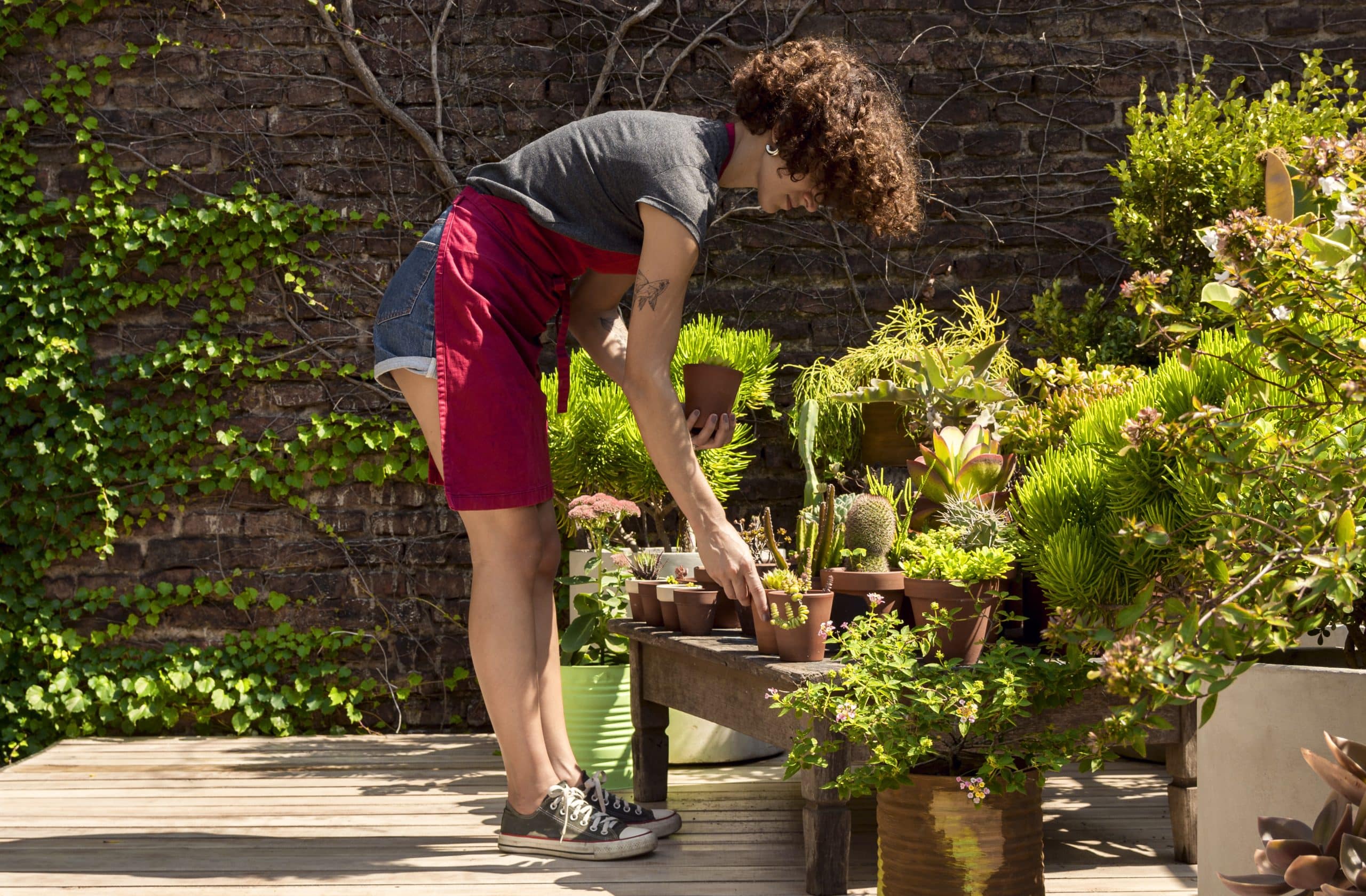
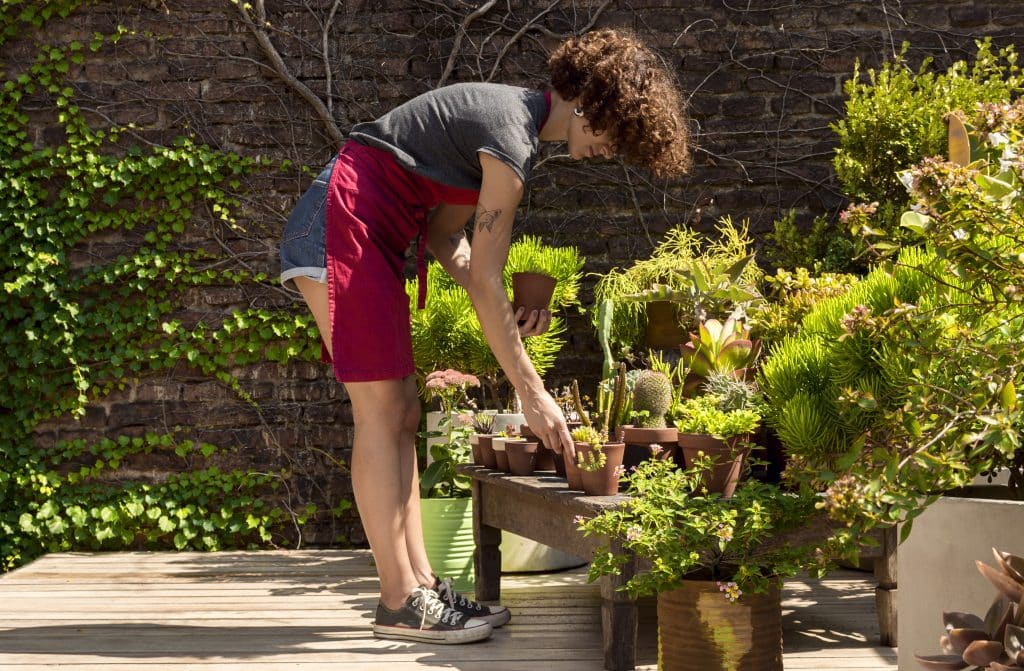 Are you dreaming of an outdoor oasis but worried about the cost? It’s entirely possible to transform your backyard: 3 DIY landscaping projects for under $250 in spring 2026. With a little planning, creativity, and elbow grease, you can significantly enhance your home’s curb appeal and create a more enjoyable outdoor living space without breaking the bank.
This guide will walk you through three impactful projects that are both affordable and achievable for any DIY enthusiast.
Planning your budget-friendly backyard transformation
Embarking on a backyard transformation project can be exciting, especially when you know you can achieve stunning results on a tight budget. The key to success lies in meticulous planning and smart material sourcing.
Before you even think about digging, take some time to assess your current backyard space, identify areas that need improvement, and visualize your desired outcome. This initial phase is crucial for ensuring that your efforts and limited budget are directed effectively.
Consider what aspects of your backyard bother you the most or what additions would bring the most joy and utility. Is it a drab patio, an uninspired garden bed, or perhaps a lack of functional seating?
Pinpointing these elements will help you narrow down your project choices and ensure that your DIY backyard landscaping efforts yield the greatest impact. Remember, the goal is not just to spend money, but to invest it wisely in improvements that genuinely enhance your outdoor experience.
Assessing your current space and needs
Before diving into any project, a thorough assessment of your current backyard is essential. Walk around your yard with a notebook and camera, noting down what works, what doesn’t, and what you envision. Think about sun exposure, drainage, existing plants, and how you currently use the space. This will inform your choices for plants, materials, and project types.
Identify areas needing improvement: overgrown beds, bare spots, poor pathways.
Consider sun exposure: determines plant choices and seating area placement.
Evaluate drainage: address any standing water issues before planting.
Note existing features: integrate or remove current structures and plants.
Understanding these fundamental aspects of your yard will not only save you time and money but also prevent common landscaping pitfalls. For instance, planting shade-loving plants in full sun is a recipe for disappointment. Similarly, ignoring drainage problems can lead to more significant issues down the line, regardless of how beautiful your new landscaping looks.
Project 1: creating a vibrant raised garden bed
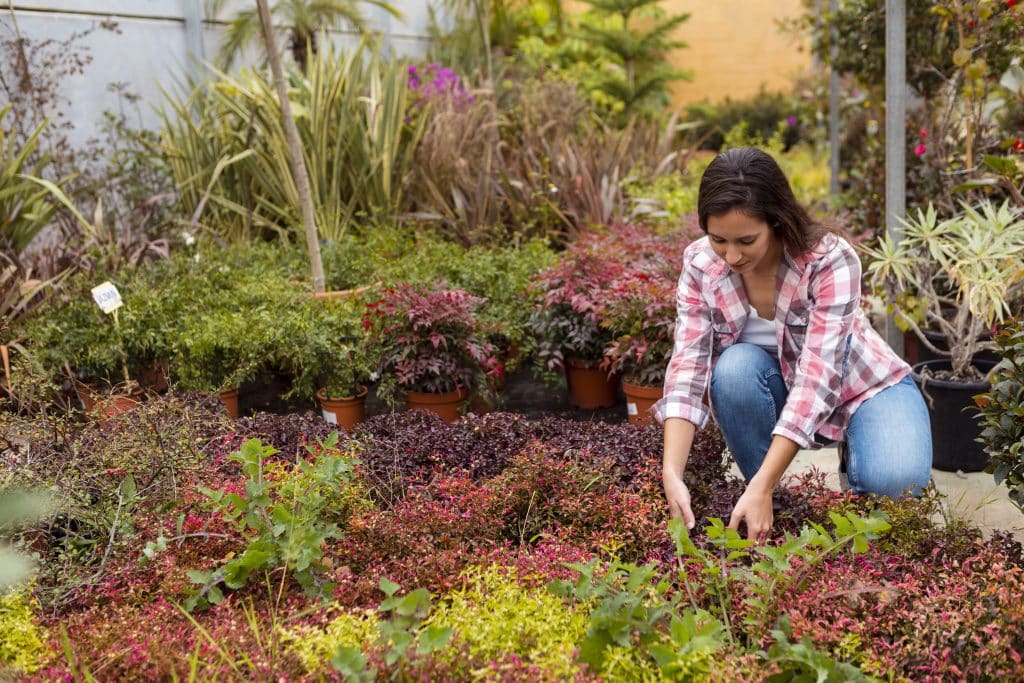
One of the most rewarding and budget-friendly ways to inject life into your backyard is by building a raised garden bed. Not only do they offer excellent drainage and better soil control, but they also add a distinct architectural element to your landscape.
For under $250, you can create a substantial raised bed that becomes a focal point, perfect for growing vegetables, herbs, or a colorful array of flowers. This project is surprisingly straightforward and can be completed in a weekend.
The beauty of a raised garden bed lies in its versatility. You can customize its size and shape to fit your space, and even choose materials that complement your home’s aesthetic. Reclaimed wood, concrete blocks, or even galvanized steel are popular choices, each offering a unique look and varying price points. For our $250 budget, we’ll focus on cost-effective yet durable options that provide long-lasting beauty and functionality.
Selecting materials and design
For a budget-friendly raised garden bed, consider using untreated lumber such as pine or cedar, which can often be found at reasonable prices. Cedar, while slightly more expensive, offers natural rot resistance.
You can also explore options like concrete blocks or even repurpose old tires, though lumber tends to be the most aesthetically pleasing for a traditional garden look. Decide on the dimensions based on your available space and what you plan to grow. A common size is 4×8 feet, which is manageable for most gardeners to reach across.
Untreated lumber (pine or cedar) for cost-effectiveness.
Concrete blocks for durability and a modern look.
Determine dimensions (e.g., 4×8 feet) for accessibility.
Consider height: 10-12 inches is good for most plants.
Once you have your materials, assemble the frame using screws or brackets. Line the inside with landscaping fabric to prevent weeds and retain soil, then fill with a good quality soil mix. This soil mix is crucial for plant health, so don’t skimp here; look for bulk options at local nurseries to save money. Adding a layer of compost will further enrich the soil and provide essential nutrients for your plants, ensuring a thriving garden from the start.
Project 2: enhancing pathways with decorative gravel or stepping stones
A well-defined pathway can dramatically improve the functionality and aesthetic appeal of your backyard. It guides visitors through your space, protects your lawn, and adds a touch of charm. For less than $250, you can create beautiful and durable pathways using decorative gravel or strategically placed stepping stones. This project is not only affordable but also relatively easy to execute, making a significant visual impact with minimal effort.
Choosing between gravel and stepping stones depends on the look you’re aiming for and the amount of foot traffic the path will receive. Gravel offers a softer, more natural appearance and is excellent for winding paths, while stepping stones provide a more structured, formal feel. Both options are far more budget-friendly than poured concrete or extensive paving, and they allow for greater flexibility in design and layout.
Choosing your path material
Decorative gravel, such as pea gravel or crushed granite, is an excellent choice for a rustic or natural look. It’s affordable, easy to spread, and provides good drainage. For a more structured path, consider large natural stepping stones or pre-cast concrete pavers. These can be laid directly onto a prepared base of sand, creating a stable and attractive walkway. Look for sales at local hardware stores or garden centers to maximize your budget.
- Pea gravel for a natural, soft aesthetic.
- Crushed granite for a more contemporary look.
- Natural stepping stones for an organic, structured path.
- Pre-cast concrete pavers for uniformity and ease of installation.
Project 3: creating a cozy outdoor seating nook
Every backyard needs a spot to relax and enjoy the fruits of your landscaping labor. Creating a cozy outdoor seating nook doesn’t require expensive furniture or elaborate construction.
With a budget of under $250, you can design an inviting space perfect for morning coffee or evening conversations. This project focuses on utilizing readily available materials and clever DIY solutions to craft a comfortable and stylish retreat in your own backyard.
The key to an effective seating nook is making it feel intentional and comfortable. This can be achieved through a combination of seating elements, soft furnishings, and strategic placement within your yard.
Think about areas that offer natural shade or can be easily shaded, and consider proximity to other attractive features like your new raised garden bed or a blooming flower patch. The goal is to create an intimate space that encourages relaxation and enjoyment.
DIY seating options and decor
For seating, consider repurposing old pallets into a simple bench or small sofa. With a few cuts, some sanding, and a coat of weather-resistant paint, pallets can be transformed into surprisingly chic outdoor furniture. Alternatively, look for affordable Adirondack chairs or small bistro sets at garage sales or discount stores. Add comfort and color with outdoor cushions and throw pillows, which can often be found on sale. String lights or solar-powered lanterns can create a magical ambiance for evening use.
Repurpose pallets for budget-friendly benches or sofas.
Search for second-hand Adirondack chairs or bistro sets.
Enhance comfort with affordable outdoor cushions and pillows.
Add ambiance with string lights or solar lanterns.
Complete your seating nook with a small DIY side table made from a reclaimed tree stump or a painted wooden crate. Incorporate potted plants for greenery and a touch of natural beauty.
These small details, while seemingly minor, contribute significantly to the overall feel of the space, making it more welcoming and personalized. Remember, the goal is to create a functional and aesthetically pleasing area that you’ll love spending time in, all within your budget.
Smart plant selection for maximum impact
Choosing the right plants is paramount to the success of your DIY backyard landscaping projects, especially when working with a limited budget. Smart plant selection involves more than just picking what looks pretty; it’s about understanding your local climate, soil conditions, and the mature size of the plants.
Opting for native species or drought-tolerant varieties can save you money on water and maintenance in the long run, contributing to the overall cost-effectiveness of your backyard transformation.
When selecting plants, consider their growth habits, color, texture, and bloom time to create visual interest throughout the seasons. Don’t be afraid to mix and match different types of plants to achieve a dynamic and layered look.
Remember, even a few well-placed plants can make a significant difference in how your backyard feels. Focus on quality over quantity, especially when your budget is a primary concern.
Choosing native and drought-tolerant species
Native plants are often the best choice for budget-conscious gardeners because they are naturally adapted to your local climate and soil, requiring less water and fewer fertilizers. This translates to lower ongoing costs. Drought-tolerant plants, such as succulents, lavender, or certain ornamental grasses, also reduce water consumption, which is a major advantage in many parts of the United States. Consult your local nursery or extension office for recommendations specific to your region.
Native plants thrive with minimal care and water.
Drought-tolerant options reduce water bills.
Consider plants that offer year-round interest.
Look for perennials that return each year, saving replacement costs.
When purchasing plants, look for smaller, younger specimens as they are typically less expensive than mature plants. While they may take longer to fill out, the savings can be substantial. Also, consider propagating plants from cuttings or seeds, or swapping with friends and neighbors to acquire new varieties for free. These strategies are excellent for expanding your plant collection without expanding your budget, allowing you to achieve a lush look for less.
Maintaining your new landscape on a budget
Successfully transforming your backyard with DIY projects under $250 is just the first step; maintaining its beauty without incurring high costs is equally important.
Budget-friendly landscaping also means smart maintenance practices that preserve your investment and keep your outdoor space looking its best. This involves adopting sustainable habits, utilizing natural resources, and performing regular, preventative care to avoid more significant, costly issues down the line.
Effective maintenance doesn’t have to be time-consuming or expensive. Often, it’s about consistency and being proactive. Simple tasks like regular weeding, proper watering, and timely pruning can make a world of difference in the longevity and vibrancy of your garden and pathways. By embracing these practices, you ensure that your spring 2026 backyard transformation continues to bring joy and value for years to come, all while adhering to your initial budget-conscious approach.
Sustainable and cost-effective maintenance tips
One of the best ways to maintain your landscape on a budget is by composting. Creating your own compost from kitchen scraps and yard waste provides free, nutrient-rich soil amendments for your garden beds.
This reduces the need for expensive fertilizers. Additionally, installing a rain barrel can collect free rainwater for irrigation, significantly cutting down on your water bill, especially during dry spells. Mulching your garden beds helps retain soil moisture, suppresses weeds, and regulates soil temperature, further reducing maintenance efforts.
Start a compost pile for free soil enrichment.
Install rain barrels to collect water for irrigation.
Apply mulch to garden beds to reduce weeding and watering.
Regularly prune plants to encourage healthy growth.
Routine weeding is crucial; tackling weeds when they are small is much easier than letting them establish. Consider using organic weed control methods, such as vinegar solutions or hand-pulling, to avoid chemical costs.
For pathways, a simple sweep or occasional top-up of gravel will keep them looking neat. By adopting these sustainable and cost-effective maintenance practices, you can ensure your beautifully transformed backyard remains a source of pride without continuous financial strain.
Maximizing your budget: tips and tricks
Achieving a noticeable backyard transformation for under $250 requires more than simply choosing affordable projects. It also requires careful planning and smart decisions about where every dollar will have the greatest impact. By shopping strategically, reusing materials, and completing projects yourself when practical, you can stretch your budget and create a backyard that looks refreshed without spending a fortune.
Start by evaluating what your backyard already has before purchasing new materials. Existing stones, bricks, planters, lumber, or outdoor furniture may be cleaned, painted, repaired, or repurposed for a completely different use. Reusing materials not only reduces project costs but can also give your backyard more personality and character.
Creativity is particularly valuable when landscaping on a limited budget. Instead of purchasing expensive decorative features, consider affordable DIY alternatives. Reclaimed wood might become a planter, leftover pavers could create garden edging, and inexpensive gravel can help define pathways or seating areas. Small improvements can produce a surprisingly significant visual change when they are thoughtfully incorporated into the overall backyard design.
Careful research before shopping can also help you stay within your $250 budget. Compare prices at garden centers, home improvement stores, landscape suppliers, and other appropriate local sources. Look for seasonal discounts, clearance items, bulk pricing, and affordable alternatives that provide a similar appearance or function.
Where to find affordable materials and tools
Start your search for materials at local salvage yards, online marketplaces like Craigslist or Facebook Marketplace, and even community forums. You might find free or heavily discounted pavers, lumber, or even plants.
Discount stores and end-of-season sales at garden centers are also excellent places to score deals on tools, pots, and outdoor decor. Don’t be afraid to ask friends or neighbors if they have leftover materials from their own projects that they’re willing to part with.
Check salvage yards and online marketplaces for reclaimed materials.
Visit discount stores and end-of-season garden sales.
Borrow or rent tools instead of buying them new.
Network with friends and neighbors for material swaps or freebies.
When it comes to tools, consider borrowing from a friend or renting for specific tasks rather than buying expensive equipment you’ll only use once. Many community centers or hardware stores offer tool rental services at a fraction of the cost of purchase.
Furthermore, prioritize multi-purpose tools that can be used for various tasks across different projects. By being resourceful and exploring all available options, you can significantly reduce your overall expenditure and successfully complete your DIY backyard landscaping projects within your $250 budget.
| Key Project | Brief Description |
|---|---|
| Raised Garden Bed | Build a vibrant garden bed for plants, herbs, or flowers using affordable lumber or blocks. |
| Decorative Pathway | Install charming gravel or stepping stone pathways to enhance backyard flow and aesthetics. |
| Cozy Seating Nook | Create an inviting relaxation spot using repurposed materials and budget-friendly decor. |
| Smart Plant Choices | Select native, drought-tolerant plants to save on water and maintenance costs. |
Frequently asked questions about DIY backyard landscaping
For a budget-friendly raised garden bed, consider planting herbs like basil, rosemary, and mint, which are easy to grow and provide culinary benefits. Vegetables such as lettuce, spinach, and radishes are also quick-growing and inexpensive. For flowers, opt for annuals like marigolds or petunias, or perennials like coneflowers and hostas, purchased as small starters or seeds to save money.
To keep your DIY gravel pathway weed-free, proper preparation is essential. Start by laying down a high-quality landscaping fabric beneath the gravel. This barrier prevents weeds from growing through. Additionally, apply a generous layer of gravel, at least 3-4 inches deep, as deeper layers suppress weed growth more effectively. Regular raking and spot weeding will also help maintain a pristine path.
Creative ways to find inexpensive materials for outdoor seating include repurposing wooden pallets into benches or tables, which are often available for free. Look at garage sales, thrift stores, or online marketplaces for used outdoor furniture that can be refurbished with a fresh coat of paint or new cushions. Tree stumps can also serve as unique side tables or stools, often found for free from local arborists.
Improving backyard drainage on a budget can involve several DIY solutions. Start by identifying low spots where water collects and fill them with a mix of topsoil and compost to create a gentle slope away from your house. Installing a simple French drain with perforated pipe and gravel can redirect water. Also, ensure your gutters are clean and direct rainwater away from your foundation using downspout extensions.
Absolutely! Many free resources offer DIY landscaping inspiration and guidance. Public libraries often have books on gardening and landscaping. Online, websites like Pinterest, YouTube, and gardening blogs provide countless ideas and step-by-step tutorials. Your local university extension office can also offer free advice on plant selection and soil testing specific to your region, helping you make informed decisions without cost.
Conclusion
Transforming your backyard doesn’t have to be an overwhelming or expensive project. With careful planning, creativity, and smart use of affordable materials, you can make noticeable improvements to your outdoor space while keeping your budget under control. These three DIY landscaping projects for spring 2026 demonstrate how relatively simple changes can give your backyard a fresh and inviting appearance.
From building a colorful raised garden bed and creating an attractive pathway to designing a comfortable outdoor seating nook, each project can add both beauty and functionality to your backyard. The key is to focus on improvements that complement your available space, lifestyle, and existing landscape rather than attempting an expensive complete renovation.