DIY Gutter Care: Annual Cleaning to Avoid Water Damage
Maintaining your home involves many tasks, and few are as critical yet often overlooked as proper gutter care.
Engaging in DIY Gutter Cleaning: Prevent Water Damage by Cleaning Your Gutters Twice a Year is not just a chore; it’s a fundamental aspect of safeguarding your property from expensive repairs and structural issues.
This guide will walk you through the essential steps and benefits of this crucial home maintenance activity.
Understanding the Importance of Gutter Care
Gutters play a critical role in protecting your home from water damage, making regular gutter care essential.
Their primary function is to collect rainwater from the roof and direct it safely away from your home’s foundation, siding, and landscaping.
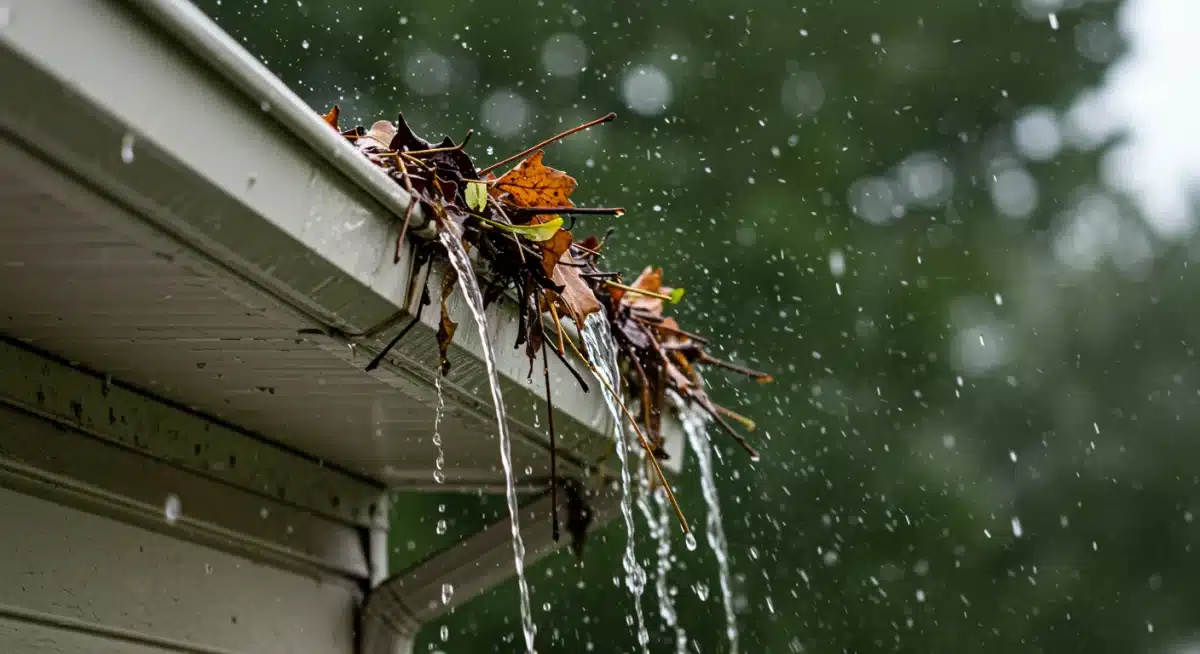
When gutters become clogged with leaves, twigs, and debris, this system breaks down and water is no longer managed effectively.
Neglecting proper gutter care can trigger a chain reaction of problems that are far more expensive and time-consuming to repair than routine maintenance.
Understanding these risks helps homeowners recognize why gutter upkeep should be a priority rather than an afterthought.
The Role of Gutters in Home Protection and Care
Rain gutters act as your home’s first line of defense against water infiltration. Without consistent gutter care, rainwater can overflow and collect near the foundation, gradually causing structural damage that compromises your home’s stability and value.
Common problems caused by poor gutter care include:
Foundation damage: Clogged gutters allow water to pool around the foundation, leading to cracks, shifting, and long-term instability.
Basement flooding: Water can seep through foundation cracks, resulting in flooded basements, damaged belongings, and increased mold risk.
Siding and fascia deterioration: Overflowing gutters can rot wooden siding and fascia boards, often requiring expensive repairs or replacement.
Landscape erosion: Uncontrolled runoff washes away soil, damages plants, and creates unsightly erosion channels around your yard.
By understanding these risks, homeowners can see why consistent gutter care, especially routine DIY gutter cleaning, is a proactive strategy.
Regular maintenance protects your home, preserves property value, and saves money by preventing major repairs—making gutter care a smart investment in your home’s long-term health and durability.
Beyond these basic tools, consider investing in gutter guards if clogs are a recurring problem. While they don’t eliminate the need for cleaning entirely, they can significantly reduce the frequency of full cleanings by keeping larger debris out.
Always inspect your tools before use, especially your ladder, to ensure they are in good working condition. Safety should always be your primary concern when working off the ground.
Step-by-Step Guide to Effective Gutter Cleaning
Once you have your tools and safety gear ready, you can proceed with the actual DIY Gutter Cleaning process. Breaking the task down into manageable steps makes it less daunting and ensures thoroughness. Following a systematic approach helps prevent missed spots and maximizes efficiency.
This section outlines a clear, actionable plan to clean your gutters effectively, from initial setup to final inspection. Consistency in these steps will yield the best results.
The Cleaning Process
A methodical approach to gutter cleaning ensures that all debris is removed and the system is functioning correctly. Start by clearing the bulkiest obstructions and then move to finer debris.
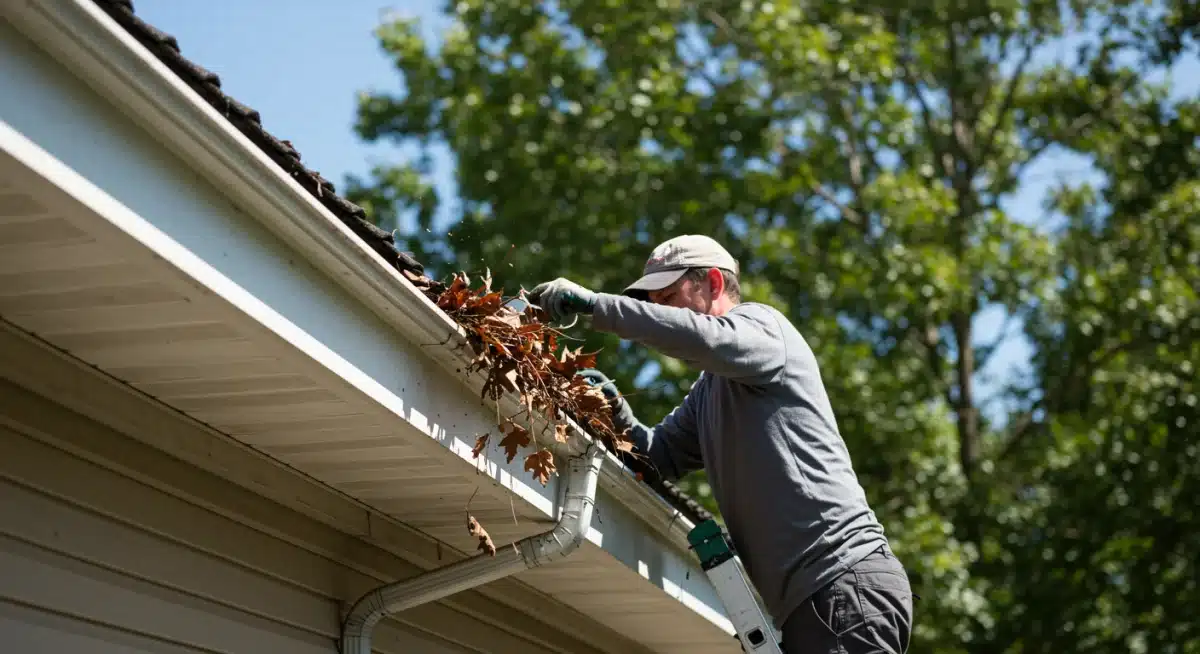
Set Up Your Ladder Safely: Ensure the ladder is on a stable, level surface. Have someone spot you if possible. Never overreach; move the ladder frequently.
Remove Large Debris: Using your gloved hands or a gutter scoop, remove leaves, twigs, and other large debris. Place them directly into your bucket.
Clear Downspouts: Once the main gutter runs are clear, focus on the downspouts. If they are clogged, try flushing them with a hose from the top. If water doesn’t flow, a plumber’s snake or a specialized downspout auger may be needed.
Rinse the Gutters: After removing all solid debris, use a garden hose with a strong nozzle to rinse the gutters. Start from the highest point and work your way towards the downspouts. Observe the water flow to ensure it drains freely.
Inspect for Leaks and Damage: As you rinse, look for any leaks, cracks, or loose fasteners. Address minor issues immediately or plan for repairs.
Clean Up: Properly dispose of the collected debris. Clean your tools and store them safely for future use.
This systematic approach ensures that every part of your gutter system is clear and functional. Regular adherence to these steps will significantly reduce the risk of water damage, making your DIY Gutter Cleaning efforts truly effective.
Addressing Common Gutter Problems and Maintenance Tips
While routine DIY gutter cleaning plays a major role in protecting your home, it’s only part of a complete maintenance strategy.
Gutters are constantly exposed to weather, debris, and temperature changes, which means additional issues can develop over time.
Understanding common gutter problems—and knowing how to fix them early—can prevent small concerns from turning into costly repairs. Proactive care not only extends the lifespan of your gutter system but also strengthens its ability to protect your home from water damage.
From minor leaks to structural misalignment, recognizing warning signs early allows for quick, affordable solutions.
Incorporating these checks into your regular home maintenance routine helps ensure your gutters continue to function as designed.
Troubleshooting and Prevention
Beyond clearing out leaves and debris, homeowners should regularly inspect the overall condition of their gutters. Several common issues can quietly reduce performance if left unaddressed.
Sagging gutters
When gutters begin to pull away from the fascia, it’s often due to loose or damaged hangers or the added weight of trapped debris and standing water.
Left untreated, sagging can lead to poor drainage and eventual detachment. Re-secure loose hangers, replace damaged ones, and make sure gutters are properly supported along their entire length.
Leaky seams and joints
Over time, the sealant at gutter seams can dry out, crack, or fail. Leaks at these joints allow water to escape in unwanted areas, potentially damaging siding or foundations. To fix this, clean and dry the seam thoroughly, then apply a high-quality, weather-resistant gutter sealant to restore a watertight connection.
Improper gutter pitch
Gutters rely on a slight slope toward the downspouts to move water efficiently. If you notice standing water after rainfall, the pitch may be incorrect.
Adjusting the slope usually involves re-hanging sections of the gutter so water naturally flows toward the downspout instead of pooling in place.
Missing or ineffective downspout extensions
Even properly functioning gutters can cause problems if water is discharged too close to the foundation. Downspouts should direct water at least 5–10 feet away from your home.
Installing or extending downspout extensions helps prevent soil erosion, basement leaks, and foundation damage.
Smart Maintenance Tips for Long-Term Protection
In addition to troubleshooting specific problems, regular inspections—especially after heavy storms—can reveal early signs of damage.
Check for rust, cracks, loose fasteners, or separated joints, and address them promptly. Keeping trees trimmed away from the roof also reduces debris buildup and minimizes strain on your gutters.
By combining routine cleaning with proactive inspections and timely repairs, you ensure your gutter system remains reliable year after year.
This comprehensive approach to gutter maintenance protects your home, saves money on major repairs, and provides peace of mind through every season.
Consider installing gutter guards or screens to reduce the amount of debris entering your gutters. While they don’t eliminate cleaning entirely, they can significantly extend the time between cleanings and prevent severe clogs.
Regular inspection of your roof for loose shingles or debris that could fall into gutters is also a good practice. By combining regular cleaning with proactive problem-solving, you ensure your gutter system remains in top condition, fulfilling its critical role in preventing water damage.
The Long-Term Benefits of Consistent Gutter Care
The effort invested in regular DIY Gutter Cleaning yields substantial long-term benefits for your home and your wallet. It’s an investment in the structural integrity, aesthetic appeal, and overall value of your property.
Neglecting this task can lead to a domino effect of costly repairs that far outweigh the time and minimal expense of routine maintenance.
Understanding these benefits can reinforce the importance of adopting a consistent gutter care routine. It shifts the perspective from a burdensome chore to a valuable protective measure.
Protecting Your Home and Investment
Consistent gutter care prevents immediate problems and contributes to the longevity and health of your entire home. The ripple effects of well-maintained gutters are far-reaching.
Preserves Foundation Integrity: By channeling water away, you prevent erosion and cracks, safeguarding the very base of your home.
Prevents Basement and Crawl Space Flooding: A dry basement means no mold, mildew, or damage to stored items, protecting indoor air quality and property.
Protects Landscaping and Exterior: Healthy gutters prevent soil erosion, plant damage, and unsightly stains on siding, maintaining curb appeal.
Extends Roof Lifespan: Properly draining gutters prevent water from backing up onto the roof, which can lead to shingle damage and premature aging.
Avoids Pest Infestations: Standing water in clogged gutters can become a breeding ground for mosquitoes and attract other pests seeking moisture.
Saves Money on Costly Repairs: Proactive cleaning is significantly cheaper than repairing a damaged foundation, roof, or flooded basement.
Ultimately, consistent DIY Gutter Cleaning is a smart homeownership practice. It contributes to a healthier, safer home environment and protects one of your most significant investments. By dedicating a few hours twice a year, you ensure your home is well-protected against the elements, maintaining its value and structural soundness for years to come.
| Key Point | Brief Description |
|---|---|
| Frequency | Clean gutters at least twice a year, typically in late fall and late spring, to prevent debris buildup. |
| Safety First | Always use a sturdy ladder, wear gloves and safety glasses, and ensure stable footing to prevent accidents. |
| Prevent Water Damage | Clear gutters channel water away from the foundation, preventing costly issues like basement flooding and siding rot. |
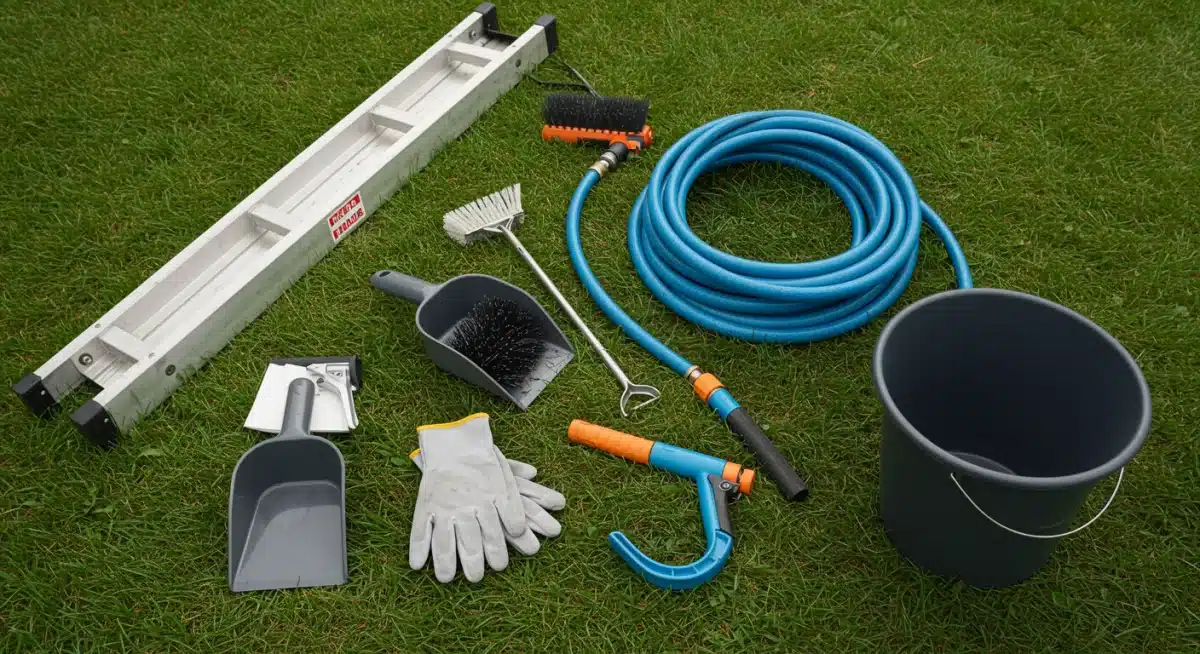
| Essential Tools | Gather a ladder, gloves, gutter scoop, bucket, and hose before starting the cleaning process. |
Frequently Asked Questions About Gutter Cleaning (Expanded Guide)
Why is it important to clean gutters twice a year?
Cleaning gutters twice a year—usually in late spring and late fall—helps manage debris from seasonal changes like falling leaves, blossoms, and storm residue.
This routine ensures water flows freely through the gutter system and away from your home.
When gutters function properly, they protect critical areas such as the roofline, siding, foundation, and surrounding landscaping. Regular cleanings also allow you to spot early signs of wear or damage, helping you address small issues before they turn into costly repairs.
What are the risks of neglecting gutter cleaning?
Ignoring gutter maintenance can lead to serious and expensive problems. Clogged gutters cause water to overflow, which can seep into the foundation, flood basements, rot fascia boards, and damage siding.
Standing water also accelerates mold growth and attracts pests like mosquitoes, rodents, and insects. Over time, the added weight of debris and trapped water can pull gutters away from the house, compromising structural integrity and increasing repair costs.
What basic tools do I need for DIY gutter cleaning?
DIY gutter cleaning doesn’t require specialized equipment, but having the right tools improves safety and efficiency.
A sturdy extension ladder provides stable access, while durable work gloves protect your hands from sharp debris.
A gutter scoop or small trowel makes debris removal easier, and a bucket helps keep things tidy. A garden hose with a spray nozzle is essential for flushing remaining residue, and safety glasses protect your eyes from dirt and splashes.
How do I clear a clogged downspout effectively?
Start by removing visible debris from the gutter opening at the top of the downspout. Next, flush the downspout with a garden hose, spraying water downward to push clogs through.
If water still backs up, use a plumber’s snake or downspout auger to break apart stubborn blockages. Clearing downspouts fully is crucial, as even clean gutters can overflow if drainage paths are blocked.
Can gutter guards eliminate the need for cleaning?
Gutter guards can greatly reduce debris buildup by blocking leaves and larger particles, making maintenance easier.
However, they don’t completely eliminate cleaning. Fine debris like shingle grit, pollen, and small seeds can still accumulate over time.
Occasional inspections and light cleanings are still necessary, but gutter guards can significantly extend the time between full cleanings and reduce overall maintenance effort.
Regular gutter cleaning is a simple preventive task that protects your home from water damage, structural issues, and unnecessary expenses.
With the right tools and routine care, it’s an easy DIY project that delivers long-term peace of mind.
Conclusion
Embracing DIY gutter care is far more than a routine seasonal task—it’s a vital part of responsible homeownership.
By committing to cleaning your gutters twice a year, you actively protect your property from the serious consequences of clogged systems, including foundation damage, basement flooding, landscape erosion, and pest infestations.
The time and effort required for proper gutter care are minimal when compared to the high cost of repairs caused by neglected maintenance.
With a consistent schedule, the right safety precautions, and a clear understanding of the process, homeowners can significantly reduce water-related risks.
This proactive approach to gutter care helps preserve your home’s structural integrity, maintain its value, and create a safer, more resilient living environment for years to come.