DIY Home Repairs: Fix Issues & Save Money
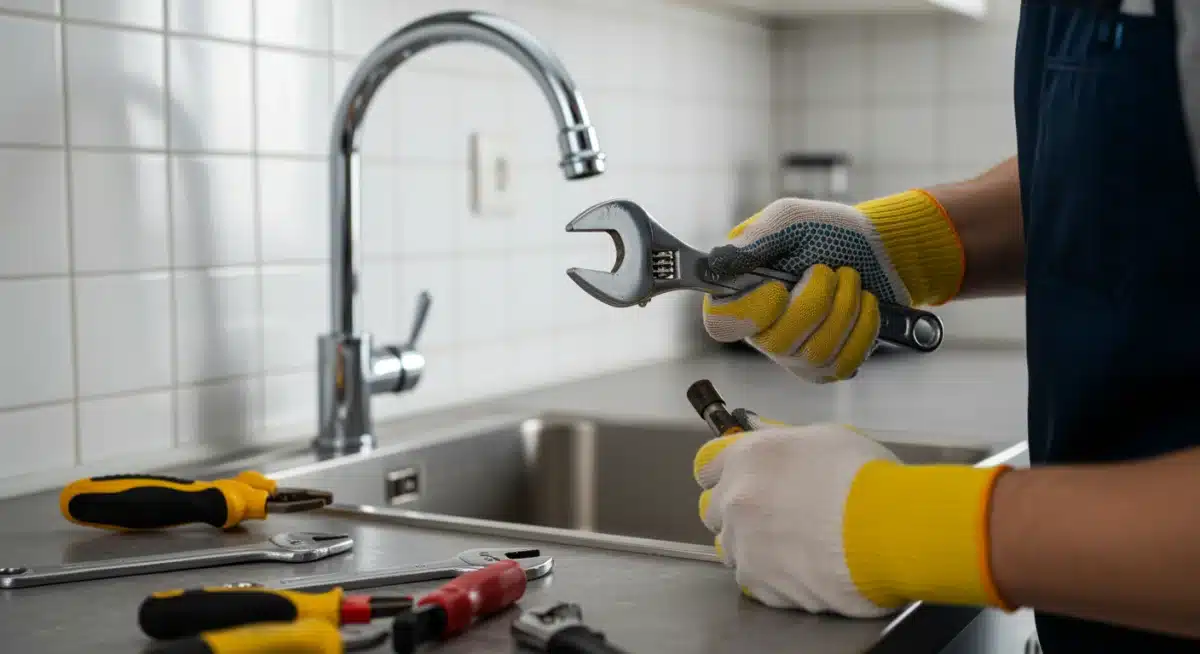
 DIY home repairs enable homeowners to effectively address prevalent household problems, thereby cutting costs on professional services and boosting confidence in home maintenance.
Taking on DIY home repairs might seem daunting at first, but it’s a skill set that pays dividends, not just in saved cash but also in personal satisfaction.
Imagine the pride of fixing a leaky faucet or patching a hole in the wall yourself, rather than waiting and paying for a professional. This guide is designed to empower you with the knowledge and confidence to tackle common household issues, transforming you from a hesitant homeowner into a capable DIY enthusiast.
We’ll explore practical solutions that not only save you money but also keep your home in top shape, ensuring everyday problems don’t escalate into costly emergencies. Dive in and discover how easy and rewarding it can be to take control of your home’s maintenance.
Understanding the basics of home maintenance
Before diving into specific fixes, a solid understanding of basic home maintenance principles is crucial.
This foundation ensures that when a problem arises, you’re not just reacting, but proactively addressing potential issues and preventing future ones.
Regular inspections and minor upkeep can significantly extend the lifespan of your home’s components and systems, saving you from major headaches and expenses down the line.
Effective home maintenance isn’t about being an expert in every trade; it’s about developing a keen eye for detail and a willingness to learn.
It involves understanding how your home functions as a whole, from its plumbing to its electrical system, and recognizing the early signs of trouble.
This proactive approach is the cornerstone of successful DIY home repairs, allowing you to catch small issues before they become overwhelming.
Essential tools for every homeowner
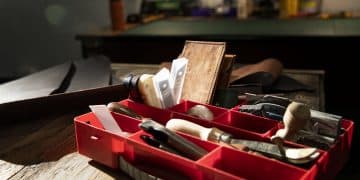
Having the right tools is half the battle when it comes to DIY repairs. You don’t need a professional workshop, but a well-stocked basic toolkit is indispensable.
These tools will enable you to handle a wide range of common household issues with confidence and efficiency.
Screwdriver Set: Both Phillips and flathead, in various sizes.
Hammer: A standard claw hammer for driving and pulling nails.
Pliers: Needle-nose and slip-joint pliers for gripping and bending.
Adjustable Wrench: Essential for plumbing tasks and tightening bolts.
Tape Measure: For accurate measurements in any project.
Utility Knife: For cutting various materials with precision.
Level: To ensure everything is straight and even.
Beyond these basics, consider adding items like a stud finder, a basic drill, and safety gear such as gloves and safety glasses.
These additions will broaden your repair capabilities and ensure your safety during projects. Investing in quality tools means they will last longer and perform better, making your DIY efforts more effective and less frustrating.
Building your toolkit over time, acquiring tools as specific needs arise, is a smart strategy. Don’t feel pressured to buy everything at once.
Instead, prioritize tools that address your most frequent repair needs, gradually expanding your collection as your skills and projects evolve. This practical approach ensures your toolkit remains relevant and useful for your specific home maintenance journey.
Tackling common plumbing issues
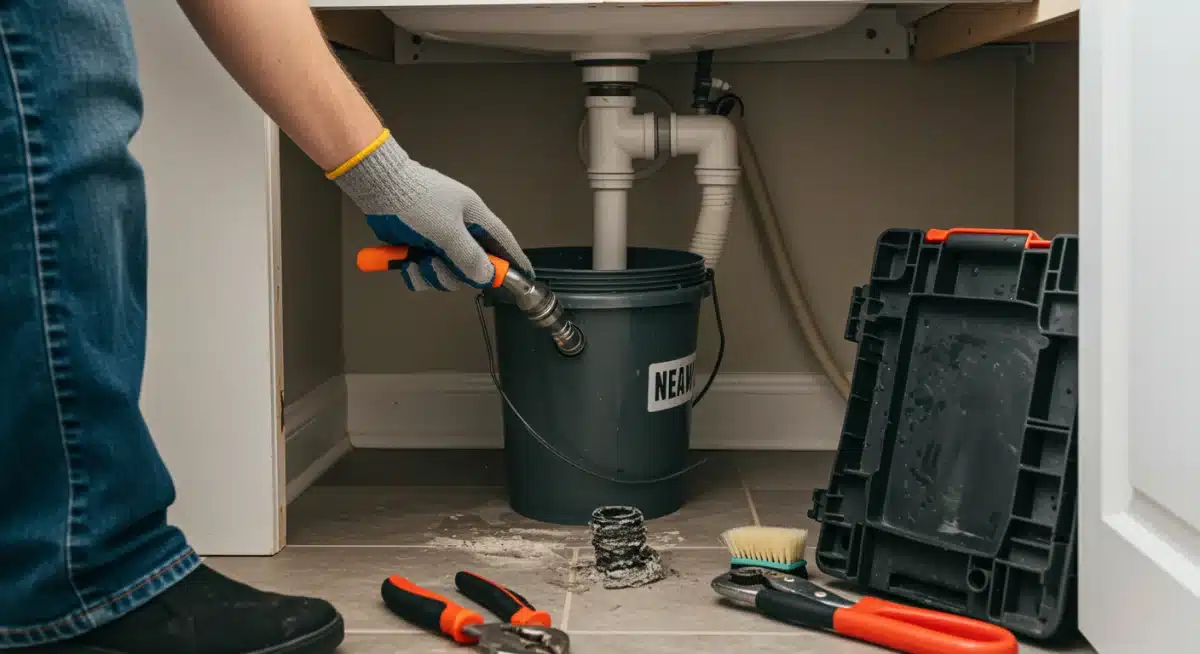
Plumbing problems are among the most frequent and frustrating household issues. From a persistent drip to a completely clogged drain, these issues can waste water, cause damage, and disrupt daily life.
Fortunately, many common plumbing woes are surprisingly simple to fix with a few basic tools and a bit of know-how, saving you the often-high cost of a plumber.
Understanding the basics of your home’s plumbing system can help demystify these problems.
Knowing where your main water shut-off valve is, for instance, is crucial for any plumbing repair.
This knowledge can prevent minor leaks from becoming major floods, giving you peace of mind and control over your home’s water supply during a repair.
Fixing leaky faucets and running toilets
A leaky faucet can waste hundreds of gallons of water annually, leading to higher utility bills. Often, the culprit is a worn-out washer or O-ring, which can be replaced with minimal effort.
Running toilets are another common issue, usually caused by a faulty flapper or fill valve. These repairs are typically straightforward and require only a few inexpensive parts from your local hardware store.
For a leaky faucet, the process generally involves turning off the water supply, disassembling the faucet handle, and replacing the faulty rubber seal.
It’s a task that requires patience and attention to detail, but the satisfaction of stopping that annoying drip is immense.
Running toilets often just need a new flapper, which can be swapped out in minutes, or an adjustment to the fill valve, ensuring the tank fills to the correct level and stops properly.
Leaky Faucet Steps: Turn off water, remove handle, replace washer/O-ring, reassemble.
Running Toilet Steps: Check flapper seal, adjust float, replace fill valve if necessary.
Addressing these issues promptly prevents further water waste and potential water damage to your fixtures or flooring.
Learning these basic plumbing repairs not only saves money on professional services but also makes your home more efficient and environmentally friendly. It’s a small change that yields significant benefits over time.
Electrical repairs: safety first
Electrical issues can be intimidating, and rightly so, as they pose significant safety risks if not handled correctly.
However, many minor electrical problems, like a tripped breaker or a loose outlet, can be safely addressed by a homeowner with basic electrical knowledge and strict adherence to safety protocols. The key is always to prioritize safety above all else.
Before attempting any electrical repair, no matter how small, always ensure the power to that circuit is turned off at the main breaker panel.
This critical step eliminates the risk of electric shock. If you’re ever unsure or uncomfortable with an electrical repair, it’s always best to call a qualified electrician.
Your safety is paramount, and some tasks are simply beyond the scope of typical DIY.
Troubleshooting outlets and light switches
Non-functioning outlets or light switches are common electrical nuisances. Often, the issue is a tripped GFCI (Ground Fault Circuit Interrupter) outlet or a loose wire connection.
Learning to reset a GFCI or safely inspect connections can save you a service call. Remember, always test for power with a voltage tester before touching any wires.
A simple tripped breaker can be reset at the main panel, restoring power to a circuit. However, if a breaker trips repeatedly, it indicates a deeper issue that needs professional attention.
For a non-working outlet or switch, after ensuring the power is off, you can often check for loose wires or replace the entire unit if it’s faulty. These components are relatively inexpensive and widely available.
Tripped Breaker: Locate main panel, identify tripped breaker, flip to ‘off’ then ‘on’.
Non-functioning Outlet: Turn off power, remove cover, check for loose wires, test for power.
Understanding these basic electrical troubleshooting steps can prevent unnecessary service calls and help you maintain a functional home.
However, never attempt repairs involving main service panels, complex wiring, or anything that makes you uncomfortable.
Electrical work demands respect and a clear understanding of your limitations. When in doubt, always consult with a licensed professional.
Walls, floors, and general carpentry
The aesthetic appeal and structural integrity of your home largely depend on the condition of its walls, floors, and general carpentry.
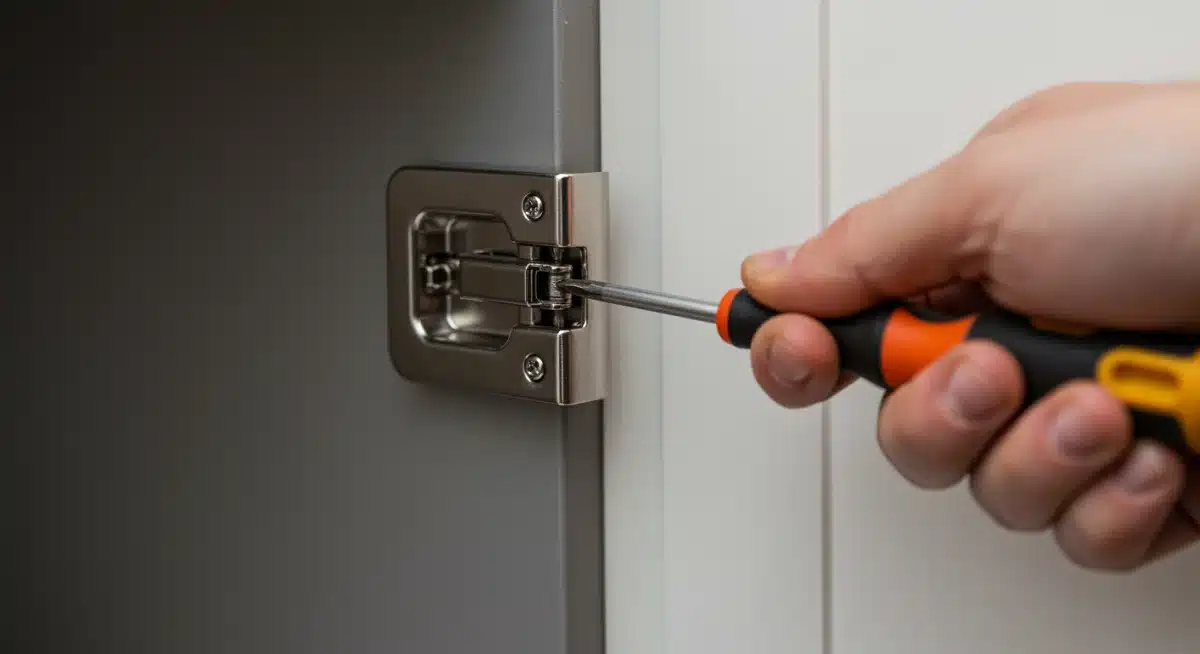
Over time, wear and tear, accidental damage, or even settling can lead to issues like holes in drywall, creaky floorboards, or loose cabinet hinges. These repairs, while seemingly cosmetic, contribute significantly to your home’s overall value an
d comfort.
Many of these repairs are within the grasp of a DIY enthusiast, requiring only common tools and materials.
Addressing them promptly prevents minor damage from worsening and saves you from more extensive and costly renovations later.
Plus, the satisfaction of restoring a smooth wall or silencing a noisy floor is incredibly rewarding, making your living space more enjoyable.
Patching drywall and silencing squeaky floors
Holes in drywall are almost inevitable in a busy household, but patching them is a straightforward process.
With spackle, a putty knife, and sandpaper, you can make those imperfections disappear. Squeaky floorboards, often caused by loose subflooring or joists, can typically be remedied by securing them with screws, restoring peace and quiet to your home.
For drywall repairs, start by cleaning the area around the hole. Apply spackle in thin layers, allowing each to dry before adding the next, then sand smooth and paint.
For squeaky floors, identifying the exact source of the squeak is key. Often, driving a screw through the subfloor into a joist can effectively eliminate the noise, though sometimes it might require accessing the floor from below.
Drywall Patching: Clean area, apply spackle in layers, sand smooth, paint.
Squeaky Floor Fix: Locate squeak, secure loose subfloor/joists with screws.
These types of repairs enhance not just the appearance but also the functionality of your home.
A well-maintained interior reflects pride of ownership and contributes to a more comfortable living environment.
Mastering these carpentry basics equips you to keep your home looking its best without constant reliance on professional help.
HVAC and appliance troubleshooting
Heating, ventilation, and air conditioning (HVAC) systems and major appliances are central to a comfortable and functional home.
When they malfunction, it can significantly impact your daily life.
While complex repairs often require professional expertise, many common issues can be diagnosed and even fixed by homeowners, extending the life of their units and improving efficiency.
Regular maintenance is the first line of defense against HVAC and appliance breakdowns.
Simple tasks like cleaning filters, checking connections, and understanding error codes can prevent larger problems. Being proactive not only saves money on repair calls but also reduces energy consumption, leading to lower utility bills.
Maintaining your HVAC system and major appliances
A well-maintained HVAC system works more efficiently, saving you money on energy costs.
Regularly changing air filters is paramount; a dirty filter can restrict airflow, making your system work harder.
Similarly, keeping appliance vents clear and performing basic troubleshooting can prevent costly service calls and extend their lifespan.
For your HVAC, besides changing filters, ensure outdoor units are free from debris and vegetation. For appliances like refrigerators, vacuum the condenser coils to improve efficiency.
For washing machines, clean the detergent dispenser and check hoses for cracks. These small, consistent efforts make a big difference in preventing breakdowns and ensuring optimal performance.
HVAC Maintenance: Change air filters monthly/quarterly, clear outdoor unit debris.
Appliance Care: Clean refrigerator coils, check washing machine hoses, clear dryer vents.
By taking an active role in maintaining your HVAC system and appliances, you not only save money on repairs and energy but also gain a deeper understanding of how these critical systems operate.
This knowledge empowers you to make informed decisions about when to call a professional and when a DIY fix is appropriate, enhancing your overall home management skills.
Exterior and structural upkeep
While interior repairs often get the most attention, the exterior and structural components of your home are equally, if not more, important for its longevity and value.
Roofing, gutters, siding, and foundations protect your home from the elements and maintain its structural integrity. Neglecting these areas can lead to significant and costly damage over time.
Regular inspections of your home’s exterior are crucial. Look for signs of wear, damage, or potential vulnerabilities that could allow water intrusion or pest infestation.
Addressing these issues early can prevent them from escalating into major problems, preserving your home’s value and protecting your investment.
Sealing cracks and basic roof/gutter care
Small cracks in your home’s foundation or exterior walls can allow water to seep in, leading to structural damage or mold growth.
Sealing these cracks with appropriate caulk or sealant is a simple yet effective preventative measure. Similarly, keeping gutters clear of debris ensures proper water drainage, protecting your roof and foundation from water damage.
For foundation cracks, clean the area thoroughly before applying a flexible, waterproof sealant. For gutters, regularly remove leaves and other debris, especially before rainy seasons.
Inspect downspouts to ensure they are clear and direct water away from the foundation. While major roof repairs should be left to professionals, you can often replace a few missing shingles or seal minor leaks yourself, extending your roof’s life.
Crack Sealing: Clean crack, apply appropriate sealant, smooth evenly.
Gutter Maintenance: Clear debris regularly, ensure downspouts are clear.
Proactive exterior maintenance is an investment in your home’s future. By taking the time to inspect and address minor issues on the outside, you significantly reduce the risk of major interior problems and maintain your home’s curb appeal.
These efforts contribute to a healthier, safer, and more valuable property in the long run.
Smart saving strategies for home repairs
Beyond the immediate savings of DIY, adopting smart financial strategies for home repairs can further amplify your benefits.
Unexpected home repairs can be a significant financial burden, but with thoughtful planning and a few clever approaches, you can mitigate these costs and maintain financial stability.
It’s not just about fixing things yourself; it’s about being financially prepared for when professional help is unavoidable.
Building an emergency fund specifically for home repairs is a cornerstone of this strategy. This dedicated fund ensures that when major issues arise, you’re not forced to dip into savings meant for other goals or incur debt.
Thinking ahead about potential future costs can transform daunting repairs into manageable expenses.
Creating a home repair budget and emergency fund
One of the most effective ways to manage home repair costs is to budget for them. Even if you’re a diligent DIYer, some repairs will inevitably require professional intervention.
Setting aside a small amount each month into a dedicated home repair emergency fund can provide a crucial safety net, ensuring you’re prepared for unexpected expenses without financial stress.
Consider allocating a percentage of your income specifically for home maintenance and repairs. This proactive financial planning helps you avoid scrambling for funds when a furnace breaks down or a pipe bursts.
Research suggests that homeowners should ideally save 1-4% of their home’s value annually for maintenance, though this can vary based on the age and condition of your house.
Having this fund means you can address issues quickly, often preventing them from worsening and becoming more expensive.
Dedicated Savings: Set aside money monthly for home repairs.
Emergency Fund: Build a separate fund for unexpected, large-scale issues.
Additionally, keeping a detailed record of all repairs and maintenance, whether DIY or professional, can help you track expenses and anticipate future needs.
This historical data provides valuable insights into your home’s patterns of wear and tear, allowing for more accurate budgeting and timely preventative maintenance, ultimately leading to greater savings over the long term.
| Key Repair Area | Brief Description |
|---|---|
| Plumbing Fixes | Stop leaky faucets, repair running toilets, and clear minor clogs to save water and money. |
| Electrical Safety | Safely troubleshoot tripped breakers and non-functioning outlets after cutting power. |
| Structural Upkeep | Patch drywall, silence squeaky floors, and maintain exterior elements like gutters. |
| Financial Preparedness | Create a home repair budget and emergency fund to manage unexpected expenses. |
Frequently asked questions about DIY home repairs
Beginners often start with fixing leaky faucets, patching small holes in drywall, unclogging drains, and resetting tripped circuit breakers.
These tasks require minimal tools and offer immediate satisfaction, building confidence for more complex projects. Always prioritize safety and consult guides for proper procedures.
Saving money involves learning basic DIY skills, performing regular preventative maintenance, and sourcing materials wisely.
Prioritize quality tools for longevity, and know when to call a professional. Creating a dedicated home repair fund also prevents financial strain during unexpected issues.
Always call a professional for complex electrical work, major plumbing leaks, structural damage, or HVAC issues beyond simple filter changes.
If you lack the necessary skills, tools, or feel unsafe, it’s best to hire an expert to prevent further damage or injury.
A basic toolkit should include a screwdriver set, hammer, pliers, adjustable wrench, tape measure, utility knife, and a level. Safety gear like gloves and glasses is also crucial. These tools cover a wide range of common household fixes and are a great starting point.
Regular maintenance significantly reduces long-term costs by preventing minor issues from escalating into major, expensive repairs.
Cleaning gutters, changing filters, and sealing cracks prolong the life of systems and components, improving efficiency and avoiding premature replacements, saving you substantial money over time.
Conclusion: empowering your home maintenance journey
Embracing DIY home repairs is more than just a way to save money; it’s an empowering journey that transforms your relationship with your home.
By learning to fix common household issues, you gain a deeper understanding of your living space, develop valuable practical skills, and build confidence in your ability to handle unexpected challenges.
From stopping a leaky faucet to patching drywall, each successful repair not only keeps your home in optimal condition but also reinforces a sense of accomplishment.
Remember, the goal isn’t to become a professional contractor overnight, but to equip yourself with the knowledge and tools to tackle manageable tasks, knowing when to confidently take action and when to wisely call in an expert.
This balanced approach ensures your home remains a comfortable, safe, and cost-efficient haven for years to come.