Ignore This and You May Miss Early Signs of Type 2 Diabetes
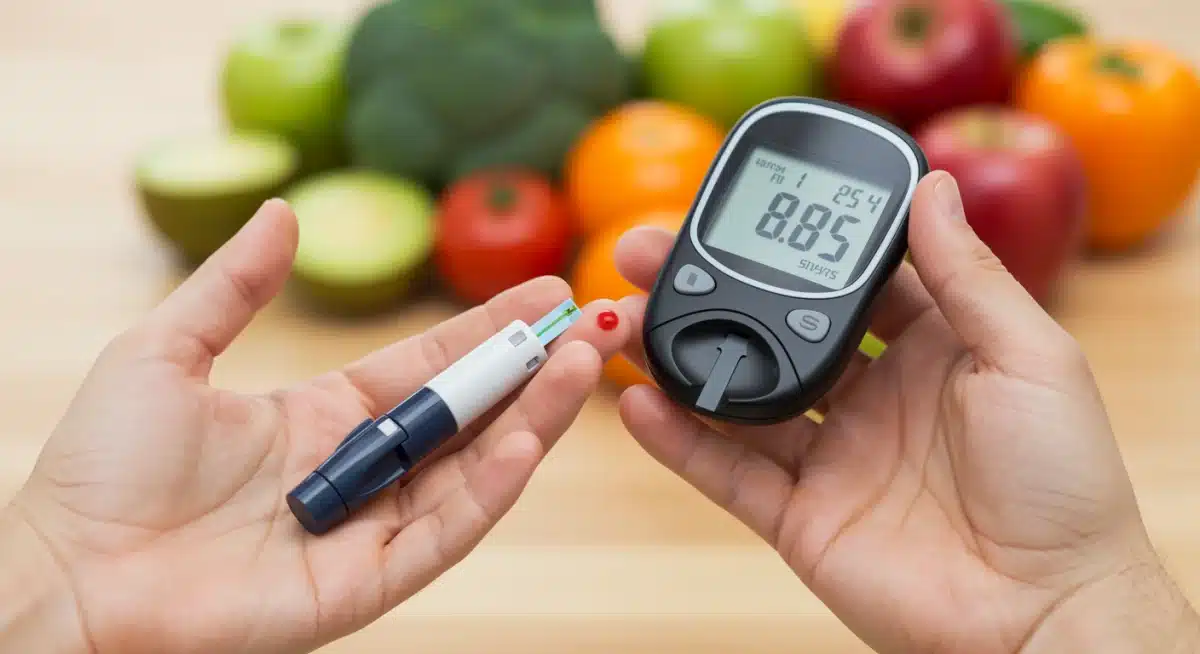

In the United States, millions of people live with type 2 diabetes, many of whom are unaware they have it. Understanding and recognizing the early type 2 diabetes warning signs is not just beneficial; it’s critical for managing the condition effectively and preventing severe, long-term health complications.
Ignoring these subtle cues can have profound consequences, making early detection a cornerstone of proactive health management.
The Silent Threat: Understanding Type 2 Diabetes
Type 2 diabetes is a chronic condition that affects how your body processes blood sugar (glucose). For many, it develops gradually over years, often without noticeable symptoms in its initial stages. This insidious nature is precisely why it’s often referred to as a “silent” threat; by the time symptoms become obvious, the condition may have already progressed.
At its core, type 2 diabetes occurs when your body either doesn’t produce enough insulin or resists the effects of insulin. Insulin, a hormone made by the pancreas, is crucial for allowing glucose from the food you eat to enter your cells for energy. When this process is disrupted, glucose builds up in your bloodstream, leading to high blood sugar levels. Over time, consistently high blood sugar can lead to a cascade of health problems affecting various organs.
How Insulin Resistance Develops
Insulin resistance is a hallmark of type 2 diabetes. This means your muscle, fat, and liver cells don’t respond well to insulin and can’t easily take up glucose from your blood. To compensate, your pancreas initially produces more insulin, trying to keep blood sugar levels normal. However, it can’t keep up indefinitely.
Genetic Predisposition: Family history plays a significant role in determining an individual’s risk for type 2 diabetes. If parents or siblings have the condition, your chances increase.
Lifestyle Factors: Sedentary lifestyles, poor dietary choices, and obesity are major contributors. Excess weight, especially around the abdomen, is strongly linked to insulin resistance.
Age: The risk of developing type 2 diabetes increases with age, particularly after 45. However, it’s increasingly being diagnosed in younger adults and even children.
Understanding these underlying mechanisms helps underscore the importance of early symptom recognition. By catching the signs early, individuals can work with healthcare providers to implement lifestyle changes or medical interventions that can significantly alter the disease’s trajectory.
Warning Sign 1: Increased Thirst and Frequent Urination
One of the most common and often overlooked early indicators of type 2 diabetes is a noticeable increase in thirst, medically known as polydipsia, coupled with an increased need to urinate frequently, or polyuria. These two symptoms are intimately linked and often appear together as the body tries to cope with elevated blood sugar levels.
When blood sugar is high, your kidneys work overtime to filter and absorb the excess glucose. However, when they can’t keep up, the surplus sugar is excreted into your urine, taking fluids from your tissues with it. This process dehydrates your body, leading to an increased sensation of thirst. The more you drink to quench this thirst, the more you’ll need to urinate, creating a continuous cycle.
Why these symptoms are a red flag
While occasional thirst and frequent trips to the restroom are normal, especially after consuming certain beverages or during hot weather, a persistent and unexplained increase in both should prompt concern. It’s not just about drinking more water; it’s about a constant, unquenchable thirst that regular hydration doesn’t seem to satisfy, leading to disruptive nighttime urination.
- Dehydration Risk: Constant fluid loss can lead to dehydration, which can further exacerbate other symptoms and health issues.
- Kidney Strain: Prolonged overworking of the kidneys can lead to long-term damage, a serious complication of uncontrolled diabetes.
- Disrupted Sleep: Waking up multiple times during the night to urinate can severely impact sleep quality, leading to fatigue.
It’s crucial to differentiate this from merely drinking more water because you’re exercising or it’s hot outside. The key is the persistence and the feeling that no amount of water is enough to satisfy your thirst, often accompanied by an unusual frequency of urination throughout the day and night. This combination suggests your body is struggling to manage its glucose levels effectively.

Warning Sign 2: Unexplained Weight Changes
Unexplained weight changes, particularly weight loss, can be a perplexing and alarming early sign of type 2 diabetes. While many people associate diabetes with weight gain, especially in the context of obesity being a risk factor, significant and unintentional weight loss can also occur as the condition progresses.
This seemingly counterintuitive symptom arises because, in the absence of sufficient insulin or effective insulin utilization, your body can’t properly get glucose into your cells for energy. Consequently, it starts burning fat and muscle for energy, leading to a reduction in overall body mass. Despite eating normally, or even more, your body is essentially starving at a cellular level due to its inability to use glucose.
The paradox of weight loss in diabetes
It’s important to distinguish this from intentional weight loss achieved through diet and exercise. Unexplained weight loss is typically rapid and occurs without any conscious effort to change eating habits or increase physical activity. It can be accompanied by an increase in appetite, as the body signals a need for more fuel despite adequate food intake.
- Muscle Mass Loss: As the body breaks down muscle for energy, you might notice a decrease in strength and overall physical capacity.
- Nutrient Malabsorption: In some cases, diabetes can affect nutrient absorption, further contributing to weight loss and nutritional deficiencies.
- Increased Calorie Intake Does Not Help: Attempting to counteract this weight loss by simply eating more often proves ineffective, as the underlying metabolic issue remains unaddressed.
The unexpected shedding of pounds, especially when coupled with other symptoms like increased thirst or fatigue, should never be ignored. It’s a clear signal that your body’s metabolic processes are out of balance and requires prompt medical attention to determine the underlying cause. This is a critical indicator that your body is not effectively utilizing the energy from the food you consume.
Warning Sign 3: Persistent Fatigue and Low Energy
Feeling constantly tired, even after a full night’s sleep, is another significant early warning sign of type 2 diabetes that many people tend to dismiss as a normal part of aging or stress. This pervasive and persistent fatigue, often described as a lack of energy or general malaise, is directly linked to how your body is handling glucose.
As discussed, in type 2 diabetes, your cells aren’t getting the glucose they need for energy, despite there being plenty of sugar in your bloodstream. This cellular “starvation” leaves your body feeling drained and lethargic. Furthermore, the constant cycle of high blood sugar leading to frequent urination can disrupt sleep patterns, compounding the feeling of exhaustion.
Impact on daily life and productivity
This isn’t just about feeling a little sleepy; it’s a profound tiredness that affects daily activities, concentration, and overall quality of life. Simple tasks can feel overwhelming, and motivation dwindles. It can be easily mistaken for burnout or other conditions, which is why it’s crucial to consider it in conjunction with other potential symptoms.
- Reduced Physical Activity: Fatigue often leads to a decrease in physical activity, creating a vicious cycle that can worsen blood sugar control.
- Cognitive Impairment: High blood sugar can affect brain function, leading to difficulty concentrating, memory problems, and general mental fogginess.
- Mood Disturbances: Chronic fatigue can also contribute to irritability, mood swings, and even symptoms of depression, further impacting well-being.
If you find yourself constantly battling an overwhelming sense of tiredness that doesn’t improve with rest, it’s a strong signal that something might be amiss with your metabolism. This form of fatigue is different from occasional tiredness; it’s a deep-seated exhaustion that impacts every aspect of your life, making it difficult to maintain normal routines or enjoy hobbies.

Warning Sign 4: Blurred Vision and Slow-Healing Sores — Symptoms You Shouldn’t Ignore
Some early symptoms of type 2 diabetes are subtle, but others appear externally and should be impossible to ignore. Blurred vision and slow-healing sores—or frequent infections—are two major indicators that elevated blood sugar is already affecting essential bodily functions.
Blurred vision occurs when high glucose levels cause fluid shifts in and out of the lenses in your eyes, altering their shape and affecting focus. Even though the vision changes may improve once blood sugar is controlled, this is not a sign you can ignore. It signals that glucose levels have been consistently too high.
The Body’s Compromised Healing Process
Slow-healing cuts, sores, and recurring infections are another critical red flag. High blood sugar weakens your immune system and damages blood vessels, reducing circulation and limiting oxygen delivery to tissues. When this happens, even minor injuries take much longer to heal—a warning sign you cannot afford to ignore.
You may also face more frequent infections, such as:
-
yeast infections
-
urinary tract infections
-
skin infections
Related Risks You Shouldn’t Ignore
Retinopathy Risk:
Persistent blurred vision can develop into diabetic retinopathy, a leading cause of blindness. This progression is something you must not ignore.
Neuropathy Development:
High blood sugar damages nerves and circulation, causing numbness or tingling—especially in the extremities—and making wound healing even more difficult. Early nerve symptoms are easy to dismiss, but you should never ignore them.
Increased Infection Susceptibility:
Because diabetes weakens immune defenses, your body becomes less capable of fighting off pathogens. This heightened vulnerability is another warning sign you should not ignore.
These symptoms are especially serious because they reveal that elevated blood sugar is already damaging small blood vessels and nerves. Addressing these signs promptly isn’t just about avoiding discomfort—it’s about protecting your vision, preventing dangerous infections, and stopping complications before they become irreversible. The most important action you can take is simple: don’t ignore these symptoms.
Risk Factors and Who Should Be Concerned — Signals You Shouldn’t Ignore
Recognizing early warning signs is essential, but understanding your personal risk factors for type 2 diabetes is equally important. These factors serve as early indicators you should never ignore, because they can help you take action before symptoms even appear. Certain demographics, medical histories, and lifestyle patterns significantly increase your likelihood of developing this condition, making awareness a powerful tool for prevention.
According to the Centers for Disease Control and Prevention (CDC), several key risk factors deserve close attention. These aren’t just broad statistics—they are personal health cues you should not ignore, as they may signal the need for earlier screening or lifestyle adjustments. Discussing your risks with a healthcare provider can lead to proactive steps that delay or even prevent the onset of type 2 diabetes.
Early identification of risk is one of the most effective ways to protect your long-term health. By choosing not to ignore these warning signs, you give yourself the best chance to intervene early, make meaningful lifestyle changes, and reduce future complications.
.
Key Risk Factors You Shouldn’t Ignore
When it comes to type 2 diabetes, it’s rarely just one issue—multiple factors often work together to increase your risk. Understanding these influences helps you and your doctor create a personalized plan for prevention and long-term health. The most important thing is not to ignore the signals your body and lifestyle may already be giving you.
Obesity and Overweight:
Excess weight—especially around the waist—is one of the strongest risk factors. Visceral fat surrounding your organs is closely linked to insulin resistance. This is a warning sign you should never ignore.
Physical Inactivity:
A sedentary lifestyle reduces your body’s sensitivity to insulin and contributes to weight gain. Regular movement improves insulin response, which is why ignoring exercise habits can increase your risk.
Family History:
If a parent or sibling has type 2 diabetes, your genetic predisposition rises significantly. This is a risk factor you shouldn’t ignore, even if you feel healthy.
Age:
Risk increases after age 45, although type 2 diabetes is now appearing more frequently in younger individuals. Age-related risk is subtle—don’t ignore it.
Ethnicity:
African Americans, Hispanic/Latino Americans, American Indians, and Asian Americans face higher risk levels. This heightened vulnerability is important to acknowledge and not ignore during health assessments.
Gestational Diabetes History:
Women who developed gestational diabetes have a higher chance of developing type 2 diabetes later in life. Their children also carry increased risk—another factor often overlooked but crucial not to ignore.
Polycystic Ovary Syndrome (PCOS):
PCOS is strongly associated with insulin resistance, raising diabetes risk. Women with PCOS should not ignore the importance of regular screenings and lifestyle management.
If you identify with any of these risk factors, it does not mean you will develop type 2 diabetes—but it does mean you shouldn’t ignore the possibility.
Open discussion with your doctor, routine checkups, blood sugar screenings, and proactive lifestyle choices can dramatically reduce your long-term risk. Taking action now is one of the most powerful steps you can take toward prevention and better health.
When to Seek Medical Advice and Next Steps
Recognizing the early warning signs of type 2 diabetes is the first crucial step, but knowing when and how to seek medical advice is equally important. Many individuals delay seeking help, often attributing symptoms to other, less serious causes or simply ignoring them. However, early diagnosis and intervention can dramatically improve health outcomes and prevent the progression of severe complications.
If you experience any combination of the symptoms discussed – increased thirst, frequent urination, unexplained weight changes, persistent fatigue, blurred vision, or slow-healing sores – it is imperative to schedule an appointment with your healthcare provider promptly. Do not wait for symptoms to worsen or for more severe complications to arise. Your doctor can perform simple diagnostic tests to confirm or rule out diabetes.
Diagnostic tests and what to expect
A doctor’s visit will typically involve a review of your symptoms, medical history, and a physical examination. Several blood tests can accurately diagnose type 2 diabetes. These tests measure your blood sugar levels and provide insight into how your body is managing glucose.
Fasting Plasma Glucose (FPG) Test: This test measures your blood sugar after an overnight fast (at least 8 hours). A fasting blood sugar level of 126 mg/dL (7.0 mmol/L) or higher on two separate tests indicates diabetes.
Oral Glucose Tolerance Test (OGTT): For this test, your blood sugar is measured after an overnight fast and then again two hours after you drink a sugary liquid. A blood sugar level of 200 mg/dL (11.1 mmol/L) or higher after two hours indicates diabetes.
A1C Test (Glycated Hemoglobin Test): This blood test provides your average blood sugar level for the past two to three months. An A1C level of 6.5% or higher on two separate tests indicates diabetes. This test does not require fasting.
Random Plasma Glucose (RPG) Test: This test can be done at any time, without fasting. A blood sugar level of 200 mg/dL (11.1 mmol/L) or higher, especially when accompanied by symptoms of diabetes, indicates diabetes.
Upon diagnosis, your doctor will discuss a personalized management plan. This often includes lifestyle modifications such as dietary changes, increased physical activity, and weight management. Medications, including oral agents or insulin, may also be prescribed to help control blood sugar levels. Regular monitoring and follow-up appointments are essential to ensure the plan is effective and to adjust treatment as needed. Taking charge of your health early can lead to a longer, healthier life.
| Key Warning Sign | Brief Description |
|---|---|
| Increased Thirst & Urination | Body attempts to flush excess glucose, causing dehydration and frequent bathroom trips. |
| Unexplained Weight Changes | Cells can’t access glucose for energy, leading to fat and muscle breakdown for fuel. |
| Persistent Fatigue | Lack of cellular energy and disrupted sleep due to high blood sugar cause constant tiredness. |
| Blurred Vision & Slow Healing | High blood sugar affects eye lenses and impairs the body’s ability to repair tissues and fight infection. |
Frequently Asked Questions About Type 2 Diabetes — What You Shouldn’t Ignore
Can type 2 diabetes be reversed?▼
For some individuals, type 2 diabetes can go into remission—especially when significant lifestyle changes are made. Weight loss, improved nutrition, and increased physical activity can help restore normal blood sugar levels. Still, you should never ignore follow-up monitoring, as relapse is possible without ongoing care.
What is the difference between type 1 and type 2 diabetes?▼
Type 1 diabetes is an autoimmune condition that destroys insulin-producing cells, requiring lifelong insulin therapy. Type 2 diabetes is characterized by insulin resistance or reduced insulin production. It may be managed initially with lifestyle changes, but medication can become necessary. Even if symptoms seem mild, never ignore them—they often progress silently.
Are there foods that can help prevent type 2 diabetes?▼
Yes. Whole grains, vegetables, fruits, lean proteins, and healthy fats can reduce your risk. High-fiber foods help stabilize blood sugar, while sugary drinks and processed foods increase risk. Small daily choices matter—don’t ignore the long-term impact of your diet.
How often should I get screened for type 2 diabetes?▼
Anyone over 45 should get screened annually. If you have risk factors such as obesity, family history, or inactivity, ask your doctor about earlier or more frequent testing. Consistent screenings ensure early detection—something you should never ignore.
What are the long-term complications of untreated type 2 diabetes?▼
Ignoring early signs can lead to severe complications, including heart disease, stroke, kidney failure, nerve damage, vision loss, and limb problems. Proper management dramatically reduces these risks, so don’t ignore symptoms or delays in treatment.
Conclusion
When it comes to your health, the worst thing you can do is ignore early warning signs. Symptoms like increased thirst, frequent urination, unexplained weight changes, persistent fatigue, blurred vision, or slow-healing sores are not random inconveniences—they are urgent signals from your body. By choosing not to ignore these symptoms, you give yourself the best possible chance for early diagnosis and effective management of type 2 diabetes.
Understanding these signs and taking prompt action empowers you to protect your long-term well-being. Your health is your most valuable asset, and recognizing potential diabetes symptoms early can prevent serious complications later on.
If any of these signs concern you, don’t ignore them—speak with your doctor. That one conversation could change the course of your life.