Eye Health 2026: Vision Care Tips & Prevention Strategies
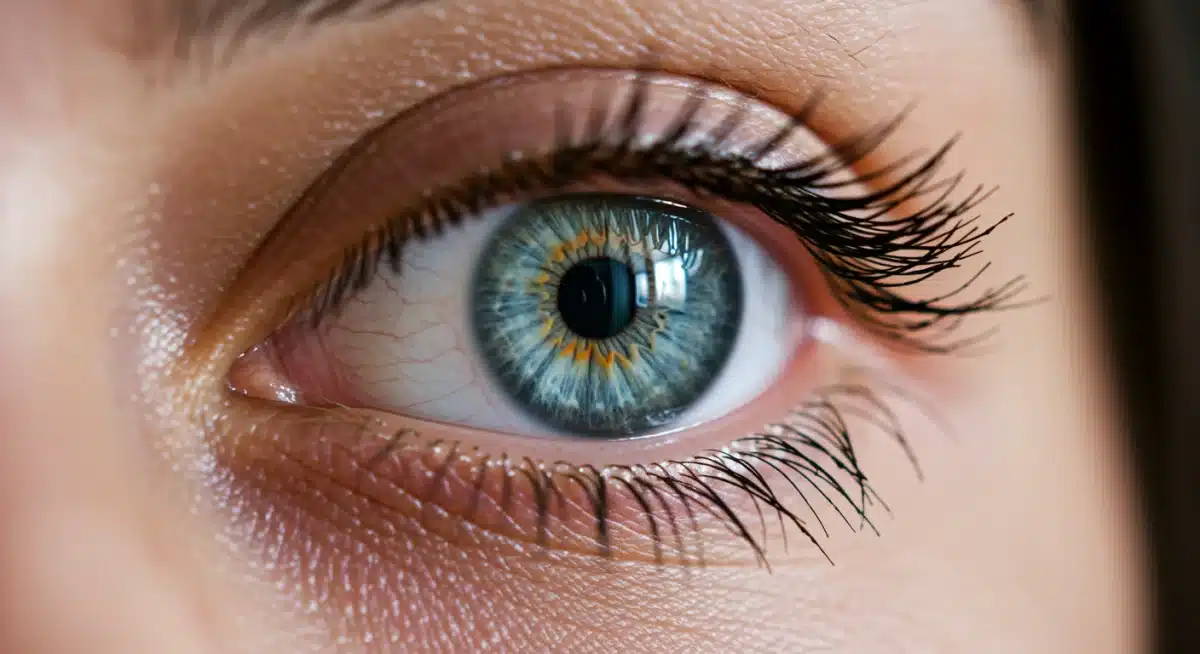

As we navigate further into the digital age, the significance of prioritizing eye health 2026 cannot be overstated, extending beyond routine check-ups to encompass comprehensive vision care tips and proactive prevention strategies essential for safeguarding our sight in the years ahead.
Understanding the evolving landscape of eye health in 2026
The landscape of eye health is continuously evolving, influenced by technological advancements, lifestyle changes, and environmental factors.
In 2026, we are seeing a heightened awareness of how our daily habits directly impact our vision, moving beyond traditional concerns to address new challenges like prolonged digital device use and increased exposure to environmental pollutants. This shift demands a more holistic approach to eye care, integrating preventive measures into our everyday routines.
Understanding these contemporary influences is the first step towards effective vision preservation. The sedentary nature of many modern jobs, combined with ubiquitous screen time, places unprecedented demands on our eyes, leading to conditions that were less prevalent in previous generations.
Recognizing these new stressors allows us to tailor our prevention strategies more effectively.
The impact of digital screens on vision
Digital eye strain, also known as computer vision syndrome, is a growing concern. Symptoms can range from dry eyes and blurred vision to headaches and neck pain.
The blue light emitted from screens is often cited as a major contributor to these issues, potentially affecting sleep patterns and long-term retinal health.
20-20-20 Rule: Every 20 minutes, look at something 20 feet away for 20 seconds.
Blue light filters: Use software or glasses to reduce blue light exposure.
Optimal screen distance: Position your screen about 20-24 inches from your eyes.
Adjust brightness: Match your screen brightness to your surrounding environment.
Beyond digital strain, environmental factors such as air pollution and allergens also play a significant role.
Increased particulate matter in the air can irritate eyes, leading to dryness and discomfort, while seasonal allergies can cause redness, itching, and swelling.
Protecting our eyes from these external aggressors is becoming as critical as addressing internal health factors.
In conclusion, the current state of eye health requires a multi-faceted approach that acknowledges both digital challenges and environmental impacts.
By staying informed and adopting proactive habits, we can better protect our vision against the unique pressures of 2026 and beyond.
Essential vision care tips for daily life
Integrating simple yet effective vision care tips into your daily routine can make a significant difference in maintaining optimal eye health.
These practices are not complex, but their consistent application can help prevent common eye problems and preserve your sight over time.
From conscious screen habits to protecting your eyes from external elements, small adjustments can yield substantial benefits.
Daily eye care is about creating a protective shield for your eyes against the various demands and potential harms they encounter.
It’s about being mindful of how you use your eyes and providing them with the necessary support to function optimally. This proactive stance is crucial for everyone, regardless of age or occupation.
Protecting your eyes from digital strain
With an increasing reliance on digital devices for work, education, and entertainment, managing digital eye strain has become a cornerstone of daily vision care. Implementing practical strategies can significantly alleviate the discomfort and potential long-term effects associated with prolonged screen time.
Regular breaks: Adhere strictly to the 20-20-20 rule to give your eyes frequent rests.
Ergonomic setup: Ensure your workspace is ergonomically designed to reduce eye and neck strain.
Proper lighting: Avoid glare by positioning your screen away from windows or bright lights.
Moisturize your eyes: Blink frequently or use lubricating eye drops to combat dryness.
Beyond digital interactions, physical protection is equally vital. Exposure to harmful UV rays from the sun can lead to serious eye conditions, including cataracts and macular degeneration.
Wearing sunglasses that block 99-100% of both UVA and UVB rays is not just a fashion statement; it’s a critical preventive measure.
Similarly, protective eyewear should be worn during sports or when engaging in activities that pose a risk of eye injury, such as gardening or DIY projects.
Furthermore, maintaining good hygiene around your eyes is fundamental to preventing infections. Always wash your hands before touching your eyes, especially if you wear contact lenses.
Regularly clean makeup brushes and replace old eye makeup to avoid bacterial contamination. These seemingly minor habits collectively contribute to a robust defense against eye ailments.

In summary, daily vision care involves a blend of mindful digital habits, physical protection from environmental harm, and strict hygiene practices.
By consistently applying these tips, you can significantly enhance your eye health and ensure your eyes remain comfortable and functional throughout your day.
The role of nutrition and lifestyle in eye health
Our overall health, including the health of our eyes, is profoundly influenced by our diet and lifestyle choices.
What we consume and how we live can either bolster our ocular defenses or leave them vulnerable to disease. In 2026, the emphasis on preventive health through nutrition and active living is stronger than ever, extending its reach to comprehensive eye care.
A balanced diet rich in specific vitamins and minerals acts as a powerful ally in the fight against common eye conditions.
Just as certain nutrients are vital for heart health or bone density, others are indispensable for maintaining sharp vision and protecting against age-related degeneration. Understanding which foods to prioritize can be a game-changer for your long-term eye health.
Key nutrients for optimal vision
Several vitamins, minerals, and antioxidants are particularly beneficial for eye health. Incorporating these into your diet can help reduce the risk of cataracts, macular degeneration, and dry eye syndrome.
Vitamin A: Crucial for good vision, especially in low light. Found in carrots, sweet potatoes, and leafy greens.
Vitamin C: An antioxidant that may reduce the risk of cataracts and slow the progression of age-related macular degeneration (AMD). Abundant in citrus fruits, bell peppers, and broccoli.
Vitamin E: Another powerful antioxidant that protects eye cells from damage. Found in nuts, seeds, and leafy green vegetables.
Omega-3 fatty acids: Essential for retinal function and may help prevent dry eyes. Rich sources include fatty fish like salmon, tuna, and flaxseeds.
Lutein and Zeaxanthin: Carotenoids that act as natural sunglasses, protecting the retina from harmful blue light and UV rays. Present in spinach, kale, and corn.
Beyond specific nutrients, a healthy lifestyle encompassing regular physical activity and avoiding harmful habits like smoking is equally important. Smoking, for instance, significantly increases the risk of developing cataracts, AMD, and optic nerve damage.
Quitting smoking is one of the most impactful steps you can take for your eye health.
Regular exercise benefits blood circulation, which in turn ensures that your eyes receive adequate oxygen and nutrients. It also helps manage conditions like diabetes and high blood pressure, both of which can lead to serious eye complications if left uncontrolled. A holistic approach to health naturally translates into better eye health.
In essence, nourishing your body with nutrient-dense foods and embracing an active, smoke-free lifestyle are fundamental pillars of modern eye care.
These choices not only contribute to your overall well-being but also play a critical role in preserving your precious eyesight for years to come.
Preventive strategies against common eye conditions
Preventing eye conditions before they manifest is a cornerstone of modern ophthalmology, especially as we look towards 2026. While some conditions are hereditary, many can be mitigated or delayed through proactive measures and early intervention.
This involves more than just a healthy diet; it encompasses regular professional check-ups, understanding risk factors, and adopting specific protective habits tailored to individual needs.
The goal of preventive eye care is to minimize the chances of developing debilitating conditions like glaucoma, cataracts, and age-related macular degeneration (AMD).
These conditions, if left unchecked, can lead to significant vision loss. By being informed and proactive, individuals can take substantial steps to protect their vision.
Regular comprehensive eye exams
One of the most critical preventive strategies is scheduling regular, comprehensive eye exams. These are not merely vision tests; they are thorough evaluations of your overall eye health by an optometrist or ophthalmologist.
Such exams can detect early signs of diseases that may not present noticeable symptoms until they are advanced.
Early detection: Many serious eye diseases, like glaucoma, show no early symptoms. Regular exams allow for early diagnosis and treatment.
Prescription updates: Ensure your vision correction is always optimal, reducing strain.
Overall health indicators: Eye exams can reveal signs of systemic diseases such as diabetes and high blood pressure.
Frequency: Adults should typically have an eye exam every one to two years, depending on age and risk factors.
Understanding your family history is another vital preventive measure. Many eye conditions have a genetic component, so knowing if relatives have suffered from glaucoma, AMD, or other hereditary eye diseases can prompt earlier and more frequent screenings.
This personalized approach to prevention allows for targeted monitoring and timely interventions.
Furthermore, managing underlying health conditions is paramount. Diseases like diabetes and hypertension can have severe implications for eye health, potentially leading to diabetic retinopathy or hypertensive retinopathy.
Diligent management of these systemic conditions through medication, diet, and lifestyle changes is a direct form of preventive eye care.

In summary, a robust preventive strategy for eye health in 2026 combines routine professional examinations, awareness of family history, and diligent management of systemic health issues.
These combined efforts form a powerful defense against the progression of common eye conditions.
Technological advancements in eye care for 2026
The field of ophthalmology is continually revolutionized by technological advancements, offering unprecedented tools for diagnosis, treatment, and vision correction.
As we advance into 2026, these innovations are becoming more accessible and sophisticated, promising enhanced outcomes for patients and new frontiers in eye health prevention and management.
From AI-powered diagnostics to advanced surgical techniques, technology is reshaping how we approach vision care.
These technological leaps are not just about treating existing conditions; they are increasingly focused on early detection and personalized preventive strategies.
The integration of artificial intelligence and machine learning, for instance, allows for more accurate risk assessments and predictive analytics, enabling eye care professionals to intervene even before symptoms become apparent.
Innovations in diagnostic tools
Modern diagnostic equipment offers a level of detail and precision previously unimaginable, allowing for the detection of subtle changes in the eye that could indicate early stages of disease.
Optical coherence tomography (OCT): Provides high-resolution cross-sectional images of the retina, optic nerve, and anterior segment, crucial for detecting glaucoma and macular diseases.
AI-powered screening: Algorithms can analyze retinal scans to identify early signs of diabetic retinopathy, glaucoma, and AMD with remarkable accuracy, often in remote settings.
Telemedicine for eye care: Remote consultations and monitoring are becoming more prevalent, improving access to specialists, especially in underserved areas.
Beyond diagnostics, advancements in therapeutic and corrective technologies are transforming treatment options. New laser surgeries are less invasive and offer faster recovery times, while innovative intraocular lenses provide better visual outcomes for cataract patients.
Gene therapies are also emerging as a promising avenue for treating previously untreatable genetic eye diseases, offering hope for restoring vision in certain conditions.
Furthermore, wearable technologies are beginning to play a role in daily eye care, from smart glasses that can monitor eye health parameters to devices that provide visual assistance for individuals with low vision.
These technologies empower individuals to take a more active role in managing their eye health and adapting to visual impairments.
In conclusion, technological advancements are propelling eye care forward, offering more precise diagnostics, effective treatments, and innovative preventive measures.
Embracing these tools in 2026 means a future where vision loss is increasingly preventable and treatable, enhancing the quality of life for millions.
Addressing specific eye health challenges in 2026
While general eye care principles remain constant, 2026 brings specific challenges that demand targeted attention.
These challenges often stem from a combination of lifestyle factors, environmental shifts, and an aging population. Addressing them effectively requires a nuanced understanding of their origins and the most current strategies for prevention and management.
One of the most prominent challenges is the increasing prevalence of myopia, or nearsightedness, particularly among younger populations.
This global trend is linked to increased screen time and less outdoor activity. Another significant concern is the rising incidence of dry eye disease, exacerbated by digital device use and environmental factors, which can severely impact comfort and vision quality.
Managing myopia progression
Myopia, once considered a simple refractive error, is now recognized as a public health concern due to its potential to lead to more serious eye conditions later in life, such as retinal detachment and glaucoma. Effective management strategies are crucial, especially for children and adolescents.
Increased outdoor time: Spending at least two hours outdoors daily has been shown to reduce myopia risk and progression.
Myopia control lenses: Special eyeglasses and contact lenses designed to slow down the progression of nearsightedness.
Atropine eye drops: Low-dose atropine drops can be prescribed to help manage myopia progression in children.
Dry eye disease presents another significant challenge, affecting millions of Americans. Symptoms include burning, stinging, redness, and blurred vision, significantly impacting daily life. Management strategies often involve a combination of approaches, from environmental adjustments to medical interventions.
Environmental modifications, such as using humidifiers, avoiding direct fan or air conditioner airflow, and taking regular breaks from screen work, can alleviate symptoms.
Over-the-counter lubricating eye drops are often the first line of treatment, but prescription medications and in-office procedures are available for more severe cases.
Addressing the root cause, whether it’s insufficient tear production or excessive tear evaporation, is key to effective management.
Furthermore, the aging population brings an increased incidence of age-related eye diseases. While conditions like AMD and cataracts are well-known, new treatments and preventive insights are continually emerging.
Regular monitoring and adherence to prescribed treatments are essential for managing these conditions and preserving vision as we age.
In conclusion, confronting specific eye health challenges in 2026 requires a proactive and informed approach.
By implementing strategies to manage myopia, alleviate dry eye symptoms, and address age-related conditions, we can significantly improve the quality of life and preserve the vision of affected individuals.
The future of eye health: long-term prevention and research
Looking ahead, the future of eye health in 2026 and beyond is deeply intertwined with advancements in long-term prevention strategies and groundbreaking research.
The focus is shifting from reactive treatment to proactive intervention, aiming to prevent vision loss before it even begins.
This forward-thinking approach promises a future where severe eye conditions are not just managed but potentially eradicated or significantly delayed.
Research plays a pivotal role in this vision, continually uncovering new insights into the causes of eye diseases and developing innovative therapies.
From genetic studies to clinical trials for new drugs, the scientific community is relentlessly pursuing breakthroughs that will redefine what’s possible in eye care.
Emerging research and treatments
The landscape of eye health research is dynamic, with exciting developments constantly on the horizon.
These include novel approaches to gene therapy, stem cell research, and advanced pharmacological interventions.
Gene therapy: Offers the potential to correct genetic defects responsible for inherited retinal diseases, providing hope for conditions like Leber congenital amaurosis and retinitis pigmentosa.
Stem cell research: Explores the possibility of regenerating damaged retinal cells or other ocular tissues, potentially reversing vision loss in conditions like AMD.
Neuroprotection: Focuses on protecting optic nerve cells from damage, particularly relevant for glaucoma, where current treatments primarily aim to reduce intraocular pressure.
Personalized medicine: Tailoring treatments based on an individual’s genetic makeup and disease profile, leading to more effective and safer therapies.
Long-term prevention also involves a greater understanding of environmental and lifestyle factors that contribute to eye disease.
This includes ongoing studies on the long-term effects of blue light exposure, the impact of climate change on ocular health, and the optimization of nutritional guidelines for vision preservation.
Public health campaigns will increasingly emphasize these preventive aspects, encouraging widespread adoption of healthy eye habits.
Moreover, the integration of big data and artificial intelligence will enable researchers to analyze vast amounts of patient data, identifying patterns and risk factors with unprecedented precision.
This data-driven approach will inform more effective preventive strategies and accelerate the development of targeted treatments.
In essence, the future of eye health in 2026 is bright, driven by a commitment to long-term prevention and cutting-edge research.
These efforts are paving the way for a world where vision loss is increasingly preventable and treatable, enhancing the quality of life for millions.
| Key Eye Health Area | Brief Description |
|---|---|
| Digital Eye Strain | Manage symptoms with 20-20-20 rule, blue light filters, and proper screen ergonomics. |
| Nutritional Support | Incorporate Vitamins A, C, E, Omega-3s, Lutein, and Zeaxanthin into your diet. |
| Preventive Eye Exams | Schedule regular comprehensive exams for early detection of eye diseases and systemic health issues. |
| Technological Advancements | Utilize OCT, AI-powered screening, and telemedicine for improved diagnostics and care. |
Frequently Asked Questions About Eye Health in 2026
What are the most significant threats to eye health in 2026?
The biggest risks to eye health today include long hours of screen exposure, which leads to digital eye strain, as well as environmental factors like air pollution and UV radiation.
The growing rate of nearsightedness (myopia) and the aging population also increase the prevalence of conditions such as macular degeneration, glaucoma, and cataracts, making proactive eye health care more important than ever.
How often should I get a comprehensive eye exam for good eye health?
For optimal eye health, most adults should have a comprehensive eye exam every one to two years. People with diabetes, high blood pressure, existing vision problems, or a family history of eye disease may need more frequent checkups.
Regular exams help detect vision changes and eye diseases early, when they are easier to treat.
Can diet really impact eye health?
Yes, nutrition plays a major role in eye health. Diets rich in vitamins A, C, and E, along with lutein, zeaxanthin, and omega-3 fatty acids, help protect the eyes from oxidative damage.
These nutrients support the retina and may reduce the risk of cataracts and age-related macular degeneration.
What is the 20-20-20 rule and how does it support eye health?
The 20-20-20 rule is a simple way to protect eye health during screen use. Every 20 minutes, look at something 20 feet away for at least 20 seconds.
This relaxes the eye muscles, reduces dryness, and prevents fatigue caused by prolonged digital focus.
Are blue light blocking glasses good for eye health?
Blue light filtering glasses can be helpful for eye health, especially for people who spend long hours in front of screens. While research is still ongoing, many users report less eye strain and better sleep quality when using them. They work best when combined with screen breaks, proper lighting, and good viewing habits.
Conclusion
In conclusion, the importance of eye health in 2026 cannot be overstated, demanding a proactive and informed approach to vision care.
By integrating essential daily tips, embracing a nutrient-rich diet, adhering to regular comprehensive eye exams, and staying abreast of technological advancements, individuals can significantly mitigate risks and preserve their precious eyesight.
The future of eye health relies on both individual responsibility and collective scientific endeavors, promising a clearer vision for generations to come.