Healthy Home Environment 2026: Essential Tips & Tricks
 Creating a healthy home environment in 2026 involves a holistic approach, integrating advanced air purification, mindful design, and sustainable practices to foster physical and mental well-being for all occupants.
Are you ready to transform your living space into a sanctuary of wellness? Learning how to create a healthy home environment in 2026: tips and tricks is more crucial than ever, as our homes have become central to our lives, serving as offices, gyms, and havens.
This guide will walk you through practical, actionable steps to ensure your home not only looks good but actively contributes to your physical and mental health, making it a true fortress of well-being for you and your loved ones.
Understanding the Pillars of a Healthy Home
A healthy home is much more than just a clean house; it’s a dynamic ecosystem designed to support the well-being of its inhabitants. In 2026, this concept has evolved to encompass various dimensions, from the air we breathe to the products we use and the emotional atmosphere we cultivate. It’s about creating a living space that actively promotes health, rather than subtly undermining it.
The foundational pillars of a healthy home include superior indoor air quality, effective moisture control, minimized exposure to harmful chemicals, natural light optimization, and fostering a sense of calm and organization.
Each of these elements plays a critical role in preventing illness, boosting mood, and enhancing overall quality of life. Ignoring any one of these pillars can lead to a domino effect, compromising the health benefits of the others. Our focus will be on integrating these aspects seamlessly into your daily life.
The invisible threat: Indoor air quality
Indoor air can often be more polluted than outdoor air, yet it’s something many homeowners overlook.
Volatile Organic Compounds (VOCs) from paints, furnishings, and cleaning products, along with allergens like dust mites and pet dander, can significantly impact respiratory health and cognitive function. Addressing these hidden threats is paramount for a truly healthy home.
Ventilation: Ensure proper airflow by opening windows regularly, even for short periods, to dilute indoor pollutants.
Air Purifiers: Invest in high-efficiency particulate air (HEPA) filters or advanced air purification systems that can capture microscopic particles and neutralize odors.
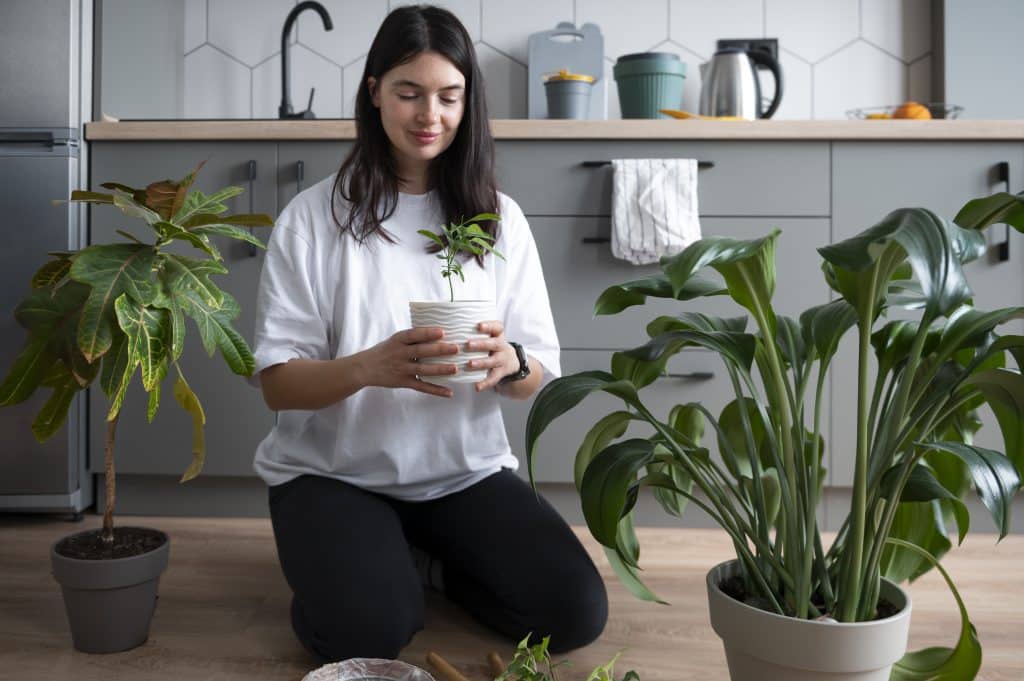
Natural Plants: Incorporate air-purifying plants like snake plants, peace lilies, and spider plants, which naturally filter toxins from the air.
By prioritizing indoor air quality, you’re taking a significant step towards creating a healthier environment.
This involves a conscious effort to select materials, maintain systems, and embrace habits that support clean air. It’s an investment in your family’s respiratory health and overall vitality, paving the way for a truly restorative living space.
Mastering Moisture Control and Preventing Mold
Moisture is a silent adversary in many homes, often leading to issues that compromise health and structural integrity.
Excess humidity creates a breeding ground for mold, mildew, and dust mites, all of which can trigger allergies, asthma, and other respiratory problems. In 2026, proactive moisture control is a non-negotiable aspect of maintaining a healthy home environment.
Understanding where moisture originates is the first step. Common sources include leaky pipes, inadequate ventilation in bathrooms and kitchens, poorly sealed foundations, and even everyday activities like cooking and showering.
Addressing these at the source is far more effective than trying to mitigate their effects after the fact. Regular inspections and timely repairs are crucial for preventing major issues.
Strategic ventilation for wet areas
Bathrooms and kitchens are prime locations for moisture buildup. Ensuring these areas are well-ventilated is key to preventing mold and mildew growth.
Exhaust fans should be powerful enough to remove steam and odors quickly, and they should be used consistently during and after activities that generate moisture.
Bathroom Fans: Operate fans for at least 15-20 minutes after showering or bathing.
Kitchen Hoods: Use range hoods while cooking to extract steam and cooking fumes.
Dehumidifiers: In humid climates or basements, a dehumidifier can maintain optimal indoor humidity levels, ideally between 30% and 50%.
Beyond ventilation, promptly addressing any leaks or water intrusions is critical. Even small leaks can foster significant mold growth over time, often in hidden areas.
Regular checks of plumbing, roofs, and foundations can save you from costly repairs and health hazards down the line. By keeping moisture in check, you create a home that is inhospitable to harmful organisms and supportive of good health.
Reducing Chemical Exposure for a Safer Dwelling
Our homes are often filled with an array of products that, while seemingly innocuous, can release harmful chemicals into the air and onto surfaces.
From cleaning supplies to personal care products and even furniture, many items contain Volatile Organic Compounds (VOCs), phthalates, and other toxins that can negatively impact health over time. Reducing chemical exposure is a cornerstone of creating a truly healthy home environment in 2026.
The cumulative effect of these chemicals, often referred to as the ‘cocktail effect,’ can contribute to a range of health issues, including respiratory problems, endocrine disruption, and even certain cancers.
Making conscious choices about the products we bring into our homes is a powerful way to mitigate these risks and foster a safer living space for everyone, especially children and pets who are more vulnerable.
Embracing non-toxic alternatives
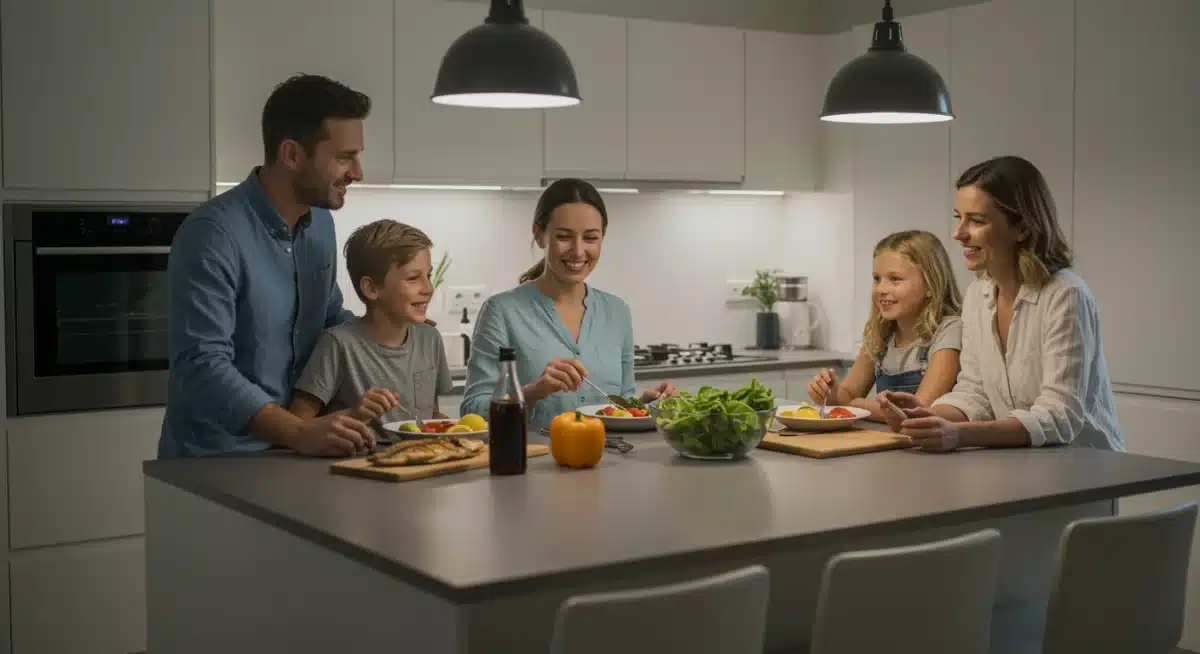
One of the most impactful changes you can make is to switch to non-toxic and natural cleaning and personal care products. Many effective alternatives exist that are free from harsh chemicals, synthetic fragrances, and dyes. Look for certifications that indicate products are environmentally friendly and safe for indoor use.
DIY Cleaning Solutions: Utilize common household ingredients like vinegar, baking soda, and lemon juice for effective and safe cleaning.
Green Cleaning Products: Choose products with clear ingredient lists and third-party certifications for low VOCs and non-toxicity.
Personal Care: Opt for personal care items free from parabens, phthalates, and synthetic fragrances.
Furthermore, consider the materials used in your furniture and home decor. Look for items made from natural, untreated wood, organic fabrics, and low-VOC paints and finishes.
Off-gassing from new furniture can release chemicals for months, so choosing wisely upfront can significantly reduce indoor air pollution. By consciously selecting safer products, you create a home that supports health rather than detracting from it.
Optimizing Natural Light and Biophilic Design
Natural light is a powerful, often underestimated, tool for enhancing both physical and mental well-being within the home. Exposure to natural light regulates our circadian rhythms, boosting mood, improving sleep quality, and even increasing productivity.
In 2026, intelligently integrating natural light and biophilic design principles is essential for a truly healthy home environment.
Biophilic design, which incorporates natural elements and processes into modern built environments, goes beyond just light.
It seeks to connect inhabitants with nature, reducing stress, improving cognitive function, and fostering a sense of peace. Simple changes can yield significant benefits, transforming your home into a more vibrant and life-affirming space.
Maximizing daylight indoors
Strategically arranging your home to maximize natural light can have profound effects. Keep windows clean and unobstructed, and consider lighter paint colors that reflect light rather than absorb it.
Mirrors can also be used effectively to bounce light deeper into rooms, making spaces feel larger and brighter.
Window Treatments: Use sheer curtains or blinds that allow natural light to penetrate while maintaining privacy.
Declutter Windowsills: Keep windowsills clear to allow maximum light entry.
Strategic Mirror Placement: Position mirrors opposite windows to amplify natural light.
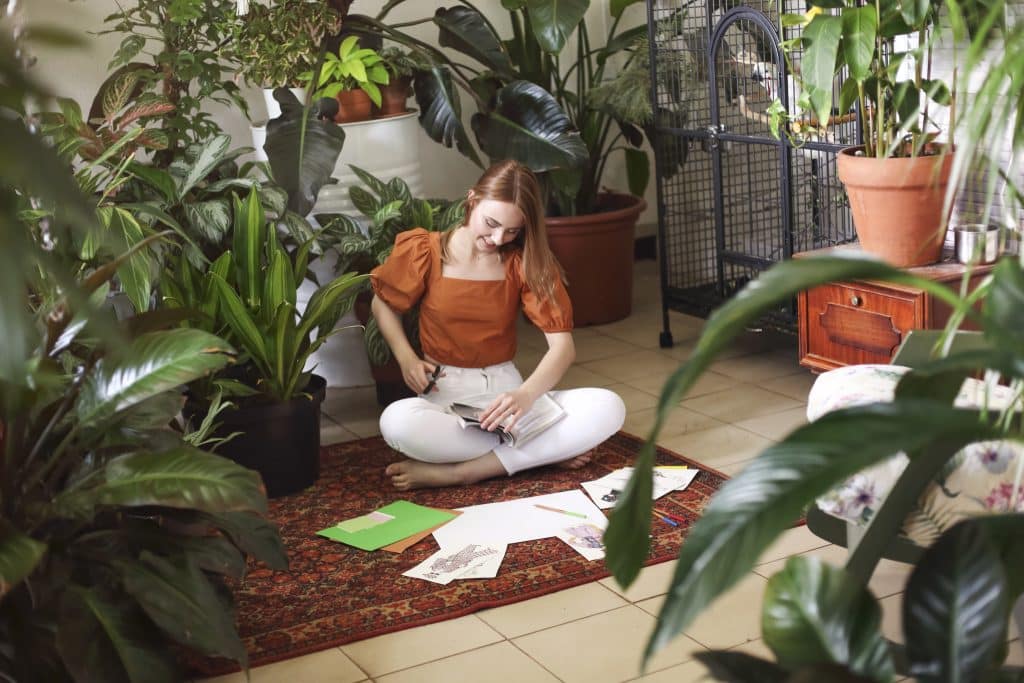
Incorporating plants, natural textures like wood and stone, and water features can further enhance the biophilic connection. Even artwork depicting natural landscapes can contribute to this effect.
Creating views of nature, whether through a well-maintained garden or simply by framing an outdoor tree, can significantly improve mood and reduce stress. By embracing natural light and biophilic principles, your home becomes a more restorative and energizing sanctuary.
Cultivating Mental Well-Being Through Home Design
A healthy home environment extends beyond physical health; it profoundly impacts our mental and emotional well-being. In 2026, designing spaces that foster calm, productivity, and connection is paramount.
Our homes should be places where we can de-stress, recharge, and feel a sense of belonging, shielding us from the external pressures of modern life.
Thoughtful design choices, from color palettes to clutter management and dedicated relaxation zones, can significantly influence our psychological state.
It’s about creating an atmosphere that supports individual needs, whether that’s a quiet space for contemplation, an inspiring area for work, or a comfortable hub for family interaction. The goal is to make your home a source of peace and positive energy.
The power of organization and decluttering
Clutter can be a major source of stress and anxiety, creating visual noise that overstimulates the mind. Regularly decluttering and establishing effective organizational systems can significantly reduce mental load and create a more serene environment. A tidy home often leads to a tidier mind.
Mindful Decluttering: Regularly assess items and remove those that no longer serve a purpose or bring joy.
Storage Solutions: Invest in smart storage to keep items out of sight and maintain an uncluttered appearance.
Designated Zones: Create specific areas for different activities to help compartmentalize your daily life and reduce mental overwhelm.
Beyond decluttering, consider the sensory experience of your home. Use soothing color schemes, incorporate soft textures, and introduce pleasant, natural scents through essential oil diffusers rather than artificial air fresheners.
Noise reduction, whether through soundproofing or simply soft furnishings, can also contribute to a peaceful atmosphere. By consciously designing for mental well-being, you transform your house into a true sanctuary.
Embracing Sustainable Practices for a Future-Proof Home
As we look to 2026 and beyond, creating a healthy home environment is intrinsically linked with sustainability.
Adopting eco-friendly practices not only reduces your environmental footprint but also often translates into a healthier indoor space and long-term cost savings. Sustainable living at home is about making conscious choices that benefit both your family and the planet.
This involves everything from energy consumption to waste management and the materials used in home construction and maintenance.
By integrating sustainable practices, you create a home that is resilient, resource-efficient, and free from many of the toxins associated with conventional products. It’s a forward-thinking approach to wellness that considers the broader ecological context.
Energy efficiency and smart home integration
Reducing energy consumption is a cornerstone of sustainable living. This not only lowers utility bills but also reduces reliance on fossil fuels, leading to cleaner air both indoors and out. Smart home technologies can play a significant role in optimizing energy use and enhancing comfort.
LED Lighting: Replace traditional incandescent bulbs with energy-efficient LED lighting.
Smart Thermostats: Install programmable thermostats that learn your habits and optimize heating and cooling.
Energy-Efficient Appliances: Choose appliances with high ENERGY STAR ratings to minimize power consumption.
Furthermore, consider practices like composting food waste, reducing single-use plastics, and opting for recycled or upcycled home goods. Water conservation is another critical aspect, achievable through low-flow fixtures and mindful water use.
By embracing these sustainable choices, you not only create a healthier home for your family but also contribute to a healthier planet, securing a better future for all.
| Key Aspect | Brief Description |
|---|---|
| Indoor Air Quality | Focus on ventilation, air purifiers, and plants to reduce pollutants and allergens for better respiratory health. |
| Moisture Control | Prevent mold and mildew through proper ventilation in wet areas and prompt leak repairs. |
| Chemical Reduction | Opt for non-toxic cleaning products, natural materials, and low-VOC finishes to minimize exposure. |
| Mental Well-being | Design spaces that are clutter-free, organized, and incorporate natural light to reduce stress and boost mood. |
Frequently Asked Questions About Healthy Homes
What are the most crucial steps to improve indoor air quality immediately in a healthy home?
Improving indoor air quality is one of the fastest ways to create a healthy home environment. Start by increasing ventilation: open windows daily for at least 15–30 minutes to allow fresh air to circulate and flush out indoor pollutants. This is especially important in bedrooms and living areas where you spend the most time.
Next, introduce indoor plants known for supporting a healthier indoor atmosphere, such as snake plants, peace lilies, or pothos. While plants are not a replacement for proper ventilation, they can contribute to a more balanced and calming indoor environment.
For immediate and noticeable results, consider using a HEPA air purifier in high-traffic areas. These devices capture fine particles like dust, pollen, pet dander, and airborne pollutants, making a significant difference for allergies and respiratory health—key pillars of a truly healthy home.
How can I effectively control moisture to prevent mold in a healthy home?
Moisture control is essential for maintaining a healthy home, as excess humidity creates ideal conditions for mold, mildew, and dust mites. Begin by using exhaust fans consistently in bathrooms, kitchens, and laundry rooms during and after activities that generate steam.
Inspect your home regularly for leaks around windows, roofs, pipes, and basements. Proper insulation and sealing help prevent condensation and water intrusion, which are common hidden causes of mold growth.
In humid climates or problem areas, a dehumidifier is a highly effective solution. Aim to keep indoor humidity levels between 30% and 50%, which discourages mold growth while also improving comfort and indoor air quality—both essential for a long-term healthy living space.
What are some easy ways to reduce chemical exposure from household products in a healthy home?
Reducing chemical exposure is a foundational step toward a healthier home. Start by switching to non-toxic or eco-friendly cleaning products, or make simple DIY cleaners using ingredients like vinegar, baking soda, and lemon. These alternatives are effective, affordable, and far safer for daily use.
Pay attention to personal care products as well. Choose items free from parabens, phthalates, synthetic fragrances, and harsh preservatives, as these chemicals can accumulate in indoor environments.
When purchasing furniture, flooring, or paint, look for low-VOC (Volatile Organic Compound) or VOC-free options. These materials release fewer harmful gases into the air, reducing headaches, respiratory irritation, and long-term health risks—supporting a cleaner, more healthy home atmosphere.
How does natural light contribute to a healthy home environment?
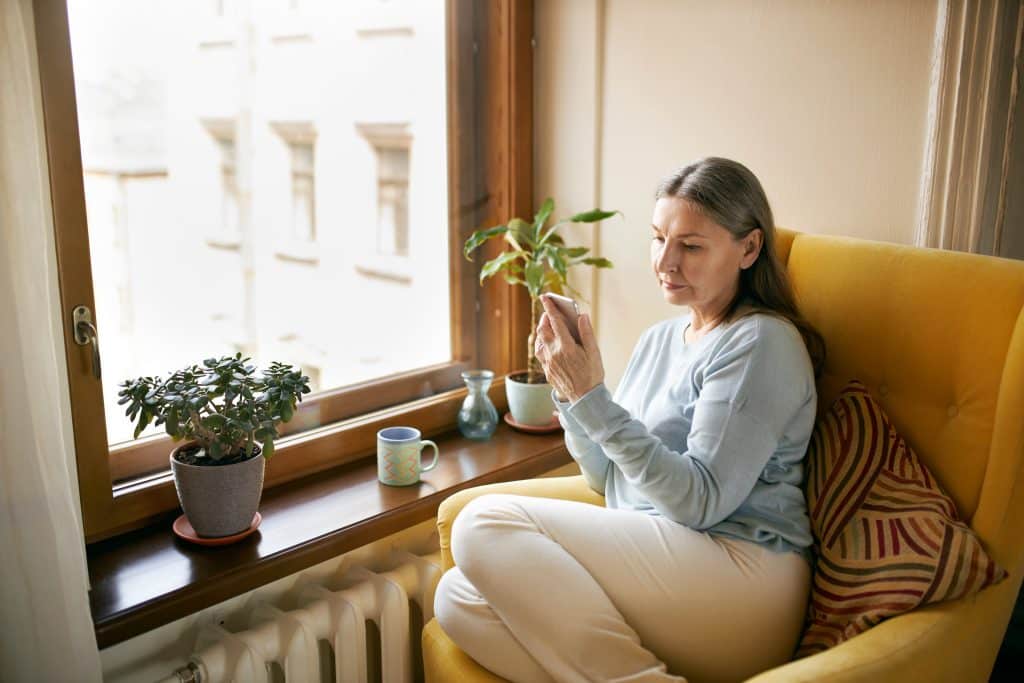
Natural light plays a powerful role in creating a healthy home by supporting both physical and mental well-being. Exposure to daylight helps regulate circadian rhythms, which improves sleep quality, energy levels, and overall mood.
Homes filled with natural light often feel more open and inviting, reducing stress and enhancing emotional comfort. Sunlight can also boost productivity and focus, making it especially valuable in home offices and study areas.
From a practical perspective, maximizing natural light reduces dependence on artificial lighting, lowering energy consumption and supporting a more sustainable and healthy living environment overall.
What role does decluttering play in mental well-being within a healthy home?
Decluttering is closely linked to mental clarity and emotional balance, making it a key component of a healthy home. Excess clutter creates visual overload, which can increase stress, anxiety, and difficulty concentrating.
An organized space promotes a sense of control, calm, and purpose. When everything has a designated place, daily routines become easier, saving time and mental energy.
Decluttering also improves cleanliness by reducing dust buildup and making surfaces easier to maintain. The result is a home that feels lighter, more functional, and more restorative—transforming your space into a truly healthy sanctuary for both body and mind.
Conclusion
Creating a truly healthy home environment in 2026: tips and tricks for sustainable living and well-being is not a one-time project but an ongoing commitment.
By focusing on critical aspects like superior indoor air quality, diligent moisture control, minimizing chemical exposure, optimizing natural light, and designing for mental well-being, you build a foundation for a healthier, happier life.
These integrated strategies not only enhance your physical health but also cultivate a peaceful and restorative sanctuary, ensuring your home actively supports your family’s overall wellness for years to come. Embrace these changes, and transform your house into the healthy haven you deserve.