Improve Your Home Network Security: Prevent Unauthorized Access in 2026

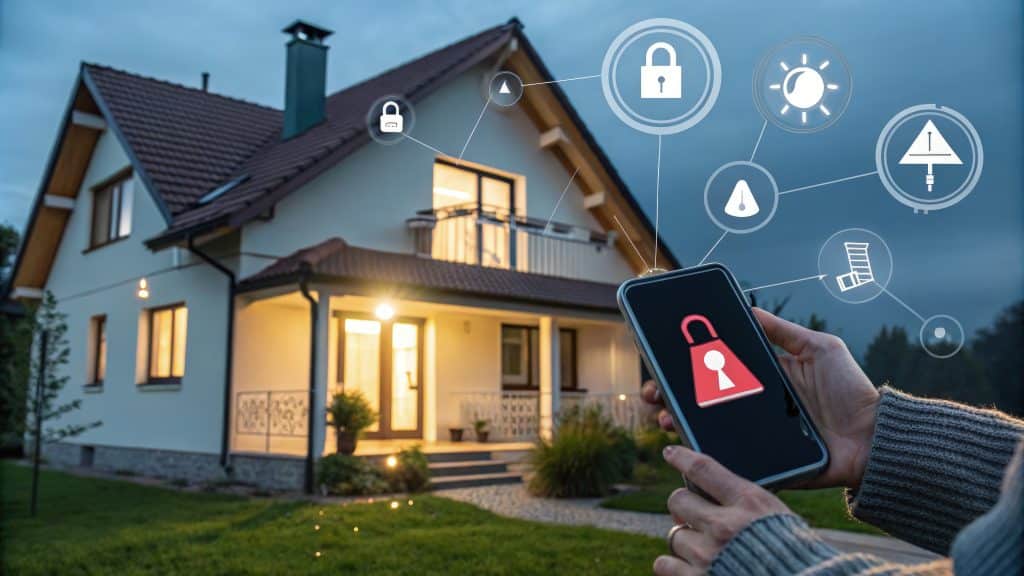 To effectively improve your home network security in 2026 and prevent unauthorized access, it is crucial to implement strong encryption, regularly update all device firmware, use unique and complex passwords, enable multi-factor authentication, and segment your network for optimal protection.
In an increasingly connected world, protecting your digital fortress has never been more critical. As technology evolves at a rapid pace, so do the methods employed by those seeking unauthorized access.
This article aims to equip you with the knowledge and strategies necessary to significantly improve your home network security in 2026, ensuring your personal data and privacy remain intact.
Understanding the Evolving Threat Landscape
The digital world of 2026 presents a complex array of threats that extend far beyond simple password guessing. Cybercriminals are more sophisticated, employing advanced techniques to breach home networks. Understanding these evolving challenges is the first step toward building a robust defense.
The proliferation of IoT (Internet of Things) devices, from smart thermostats to connected security cameras, has dramatically expanded the attack surface within the average home.
Each new device, if not properly secured, can become a potential backdoor for malicious actors. Furthermore, the rise of AI-powered hacking tools makes brute-force attacks more efficient and targeted, requiring a more proactive and adaptive security posture from homeowners.
Common attack vectors to watch for
Phishing and Social Engineering: Tricking users into revealing credentials or installing malware remains a primary method.
Vulnerable IoT Devices: Many smart devices come with weak default security settings or unpatched vulnerabilities.
Outdated Software: Unpatched operating systems, browsers, and applications are easy targets for exploits.
Weak Wi-Fi Passwords: Simple or reused passwords are an open invitation for unauthorized network access.
Recognizing these threats allows us to prioritize our security efforts. It’s not just about protecting your computer anymore; it’s about securing every digital touchpoint in your home.
The interconnectedness that brings convenience also brings increased responsibility for maintaining a vigilant security stance against those who would exploit vulnerabilities.
Fortifying Your Wi-Fi: The First Line of Defense
Your Wi-Fi network is the gateway to your digital home, making its security paramount. A compromised Wi-Fi network can grant unauthorized users access to all connected devices, from personal computers to smart home systems. Ensuring its robustness is a critical step to improve your home network security in 2026.
Start by changing the default administrator credentials of your router immediately. These defaults are often publicly known or easily guessed, providing a direct entry point for attackers. Opt for a strong, unique password and username combination that is difficult to predict.
Essential Wi-Fi security practices
WPA3 Encryption: Ensure your router uses WPA3, the latest and most secure encryption protocol for Wi-Fi networks. If your router supports it, enable it. If not, consider upgrading your hardware.
Strong, Unique Passwords: Create a complex password for your Wi-Fi network that includes a mix of uppercase and lowercase letters, numbers, and symbols. Avoid using personal information.
Disable WPS: Wi-Fi Protected Setup (WPS) can be a security vulnerability. It’s often recommended to disable this feature if your router allows it.
Guest Network: Set up a separate guest network for visitors. This isolates their devices from your main network, preventing them from accessing your private data or potentially introducing malware.
Regularly check for firmware updates for your router. Manufacturers frequently release updates to patch security vulnerabilities.
Enabling automatic updates, if available, can help ensure your router is always running the most secure software. By taking these steps, you build a formidable barrier against external threats trying to penetrate your home network.
Securing All Connected Devices: Beyond the Router
While a secure Wi-Fi network is fundamental, its effectiveness is diminished if the devices connected to it are vulnerable.
Every smart device, computer, tablet, and smartphone on your network represents a potential entry point for attackers. To truly improve your home network security in 2026, a comprehensive approach to device security is essential.
Begin by auditing all devices connected to your network. Identify what they are, who uses them, and what data they handle.
This inventory helps you understand your attack surface and prioritize security efforts. Many smart devices, especially older models, might have less robust security features, requiring extra attention.
Implementing device-level security measures
Regular Software Updates: Keep operating systems, applications, and firmware on all devices updated. These updates often include critical security patches.
Strong, Unique Passwords: Use unique and complex passwords for every device and online account. A password manager can help you manage these effectively.
Multi-Factor Authentication (MFA): Enable MFA wherever possible. This adds an extra layer of security, typically requiring a second form of verification beyond just a password.
Antivirus and Anti-Malware Software: Install reputable security software on all computers and regularly scan for threats.
Privacy Settings: Review and adjust privacy settings on smart devices and applications to limit data collection and sharing.
Consider the principle of least privilege for all devices and accounts. Only grant necessary permissions and access levels.
For instance, a smart light bulb does not need access to your contacts. By meticulously securing each device, you create a layered defense that significantly reduces the chances of a successful breach, even if one layer is somehow circumvented.
Network Segmentation and Advanced Protection Measures
As our homes become smarter, the complexity of our networks increases. A flat network, where all devices reside on the same segment, can be a single point of failure.
Network segmentation, along with other advanced protection measures, offers a more resilient defense against unauthorized access, pushing your efforts to improve your home network security in 2026 to the next level.
Network segmentation involves dividing your home network into smaller, isolated segments. This can be achieved using VLANs (Virtual Local Area Networks) or by physically separating devices into different networks, such as a dedicated IoT network.
If one segment is compromised, the attacker’s access is limited to that segment, preventing them from easily moving to other, more sensitive parts of your network.
Advanced strategies for enhanced security
Implementing advanced protection measures can significantly bolster your defenses. Consider using a robust firewall that goes beyond your router’s basic capabilities. These firewalls can offer deeper packet inspection, intrusion detection, and prevention systems (IDS/IPS) that actively monitor for and block suspicious activity.
Dedicated IoT Network: Isolate your smart home devices on a separate network to prevent them from interacting with your personal computers and sensitive data.
VPN for Remote Access: If you need to access your home network remotely, always use a Virtual Private Network (VPN) to encrypt your connection and protect against eavesdropping.
DNS Filtering: Implement DNS filtering to block access to known malicious websites and phishing domains at the network level.
Regular Network Audits: Periodically scan your network for new devices, open ports, and potential vulnerabilities. Tools exist that can help identify weaknesses.
These measures, while requiring a bit more technical know-how, provide a significant uplift in security. They move your defense from a reactive stance to a proactive one, actively monitoring and mitigating threats before they can cause substantial harm. This layered approach ensures that even if one security measure fails, others are in place to pick up the slack.
The Human Element: Cultivating a Security-Conscious Lifestyle
Even the most advanced technological defenses can be undermined by human error. In 2026, cultivating a security-conscious lifestyle for everyone in your household is as crucial as any technical safeguard.
Educating yourself and your family about common cyber threats and safe online practices is an indispensable step to improve your home network security.
Phishing attacks, for instance, often exploit human psychology rather than technical vulnerabilities. Learning to recognize suspicious emails, texts, or calls can prevent you from inadvertently granting access to malicious actors.
Similarly, understanding the risks associated with public Wi-Fi or sharing too much personal information online can significantly reduce your exposure to threats.

Best practices for digital citizenship
Be Wary of Suspicious Links and Attachments: Always verify the sender and legitimacy of emails before clicking on links or downloading attachments.
Think Before You Click: Exercise caution when encountering pop-ups, advertisements, or unfamiliar websites.
Educate Family Members: Share essential security practices with everyone who uses your home network, especially children and elderly family members.
Regularly Back Up Data: In the event of a breach or ransomware attack, having recent backups can be a lifesaver.
Practice Good Password Hygiene: Never reuse passwords, and change them regularly, especially for critical accounts.
Encourage open communication about cybersecurity issues within your home. If someone suspects they’ve encountered a phishing attempt or clicked on something suspicious, they should feel comfortable reporting it immediately.
A strong security posture isn’t just about technology; it’s about fostering a culture of awareness and responsibility among all users of your home network.
Preparing for the Unexpected: Incident Response and Recovery
Despite all precautions, no security system is foolproof. Acknowledging this reality allows you to prepare for the unexpected.
Having an incident response and recovery plan in place is a vital component of a holistic strategy to improve your home network security in 2026. This plan ensures that if a breach occurs, you can minimize damage and restore normal operations swiftly.
An effective incident response plan doesn’t have to be overly complex for a home setting. It should outline clear steps to take immediately following a suspected security incident, such as a ransomware attack, unauthorized access, or data theft. Knowing these steps beforehand can prevent panic and ensure a more organized and effective response.
Key elements of a home incident response plan
It’s important to document your network configuration, including device IP addresses, router settings, and important account credentials (stored securely, of course). This information will be invaluable during a recovery process.
Isolate the Compromised Device: Immediately disconnect any device suspected of being compromised from the network to prevent further spread.
Change All Passwords: Especially for critical accounts and anything connected to the compromised device. Prioritize banking, email, and social media.
Restore from Backups: If data was lost or corrupted, restore from your most recent clean backups.
Notify Relevant Parties: Depending on the nature of the breach, you might need to notify banks, credit card companies, or even law enforcement.
Learn and Adapt: Analyze how the breach occurred and implement new security measures to prevent a recurrence.
Regularly test your recovery process, especially your data backups, to ensure they are viable. Understanding how to react to a breach is just as important as preventing one. This proactive approach to potential incidents ensures that your digital life can quickly return to normal, minimizing both stress and potential financial loss.
Future-Proofing Your Home Network Security
The pace of technological change shows no signs of slowing, meaning today’s state-of-the-art security measures might be tomorrow’s vulnerabilities.
To truly improve your home network security in 2026 and beyond, you must adopt a mindset of continuous adaptation and learning. Future-proofing your network involves staying informed, embracing new technologies, and proactively addressing emerging threats.
One key aspect of future-proofing is to keep an eye on developments in quantum computing and its potential impact on current encryption standards.
While widespread quantum attacks may still be years away, understanding the trajectory of such threats allows for early adoption of quantum-resistant cryptographic solutions as they become available. Similarly, advancements in AI and machine learning for cybersecurity will offer new tools for defense, which homeowners should be prepared to integrate.
Strategies for long-term network resilience
Thinking ahead also means considering the longevity and update cycles of your smart devices. Prioritize purchasing devices from manufacturers with a strong commitment to long-term security support and regular firmware updates. Cheap, unsupported devices can quickly become security liabilities.
Stay Informed: Follow reputable cybersecurity news sources and blogs to keep abreast of the latest threats and protective measures.
Invest in Smart Security Hardware: Consider next-generation routers or dedicated network security appliances that offer advanced features like AI-powered threat detection.
Embrace Zero Trust Principles: Treat every device and user, even within your own network, as potentially untrustworthy until verified.
Regularly Review Security Policies: Annually review your home network’s security settings and practices to ensure they align with current best practices and your evolving needs.
By actively engaging with the future of cybersecurity, rather than passively reacting to it, you can ensure your home network remains a secure and private space for years to come.
This forward-looking approach is the ultimate way to maintain and improve your home network security, safeguarding your digital life against the evolving landscape of 2026 and beyond.
| Key Security Area | Brief Description |
|---|---|
| Wi-Fi Encryption | Upgrade to WPA3 and use strong, unique passwords for robust wireless protection. |
| Device Hardening | Regularly update all software, enable MFA, and secure IoT devices with unique credentials. |
| Network Segmentation | Isolate IoT and guest devices on separate networks to contain potential breaches. |
| User Awareness | Educate household members on phishing, strong passwords, and safe online habits. |
Frequently Asked Questions About Home Network Security
Why is my home network a target for unauthorized access?
Home networks are frequent targets because they store valuable personal information, financial data, and credentials for multiple online accounts. Cybercriminals often view residential networks as easier entry points than corporate systems.
Failing to improve basic security settings can allow attackers to exploit weak passwords, outdated firmware, or unsecured devices. By taking steps to improve your network defenses, you reduce the risk of identity theft, data breaches, and unauthorized use of your internet connection for malicious activity.
What is WPA3 and why is it important for my Wi-Fi?
WPA3 (Wi-Fi Protected Access 3) is the most advanced Wi-Fi encryption standard available in 2026. It is designed to improve protection against brute-force attacks and password guessing, even when weak passwords are used.
WPA3 also encrypts network traffic more effectively, helping improve privacy for all connected devices. Upgrading to WPA3 whenever possible is one of the simplest ways to improve your home network’s overall security posture.
Should I create a separate guest Wi-Fi network?
Yes, setting up a guest Wi-Fi network is a highly effective way to improve network safety. A guest network isolates visitors’ devices from your primary network, preventing access to personal files, smart home systems, and sensitive data.
This separation helps improve protection against malware or compromised devices brought in by guests, while still offering convenient internet access.
How often should I update my devices and router firmware?
To improve security, updates should be installed as soon as they are released. Router manufacturers and device vendors regularly publish firmware and software updates to patch newly discovered vulnerabilities.
Delaying these updates leaves your network exposed. Enabling automatic updates is one of the easiest ways to improve long-term protection and reduce the risk of exploitation.
What is multi-factor authentication (MFA) and why use it?
Multi-factor authentication (MFA) requires users to verify their identity using two or more methods, such as a password combined with a one-time code or biometric verification.
MFA dramatically improves account security by making it much harder for attackers to gain access—even if a password is compromised. Implementing MFA wherever possible is a proven way to improve the overall security of your home network and connected accounts.
Conclusion
To improve your home network security in 2026, it’s important to view protection as an ongoing process rather than a one-time setup. As digital threats continue to evolve, your defenses must also adapt.
By taking deliberate steps to improve Wi-Fi encryption, improve the security of all connected devices, improve network segmentation, and improve awareness of cybersecurity best practices, you create a stronger and more resilient digital environment.
Preparing in advance for potential incidents further helps improve your response and recovery. Embracing these habits allows you to continuously improve privacy protection, safeguard sensitive data, and ensure your home network remains a secure haven in an increasingly interconnected world.