Intermittent Fasting 16/8: Latest Research & Benefits Guide

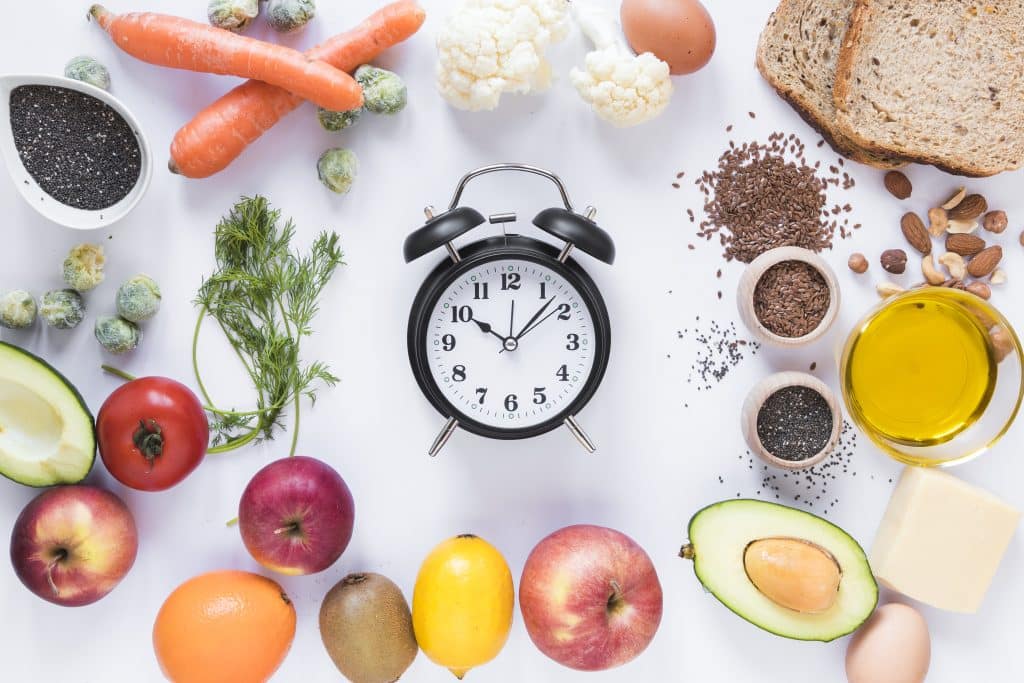 Embarking on a journey towards better health often involves exploring various dietary approaches. Among the most talked-about is intermittent fasting, a pattern of eating that cycles between periods of eating and voluntary fasting.
The Latest Research on the Benefits of Intermittent Fasting: A 16/8 Guide delves into one of its most popular forms, the 16/8 method, offering insights into its scientific backing, practical application, and profound health advantages.
Understanding intermittent fasting: the 16/8 method explained
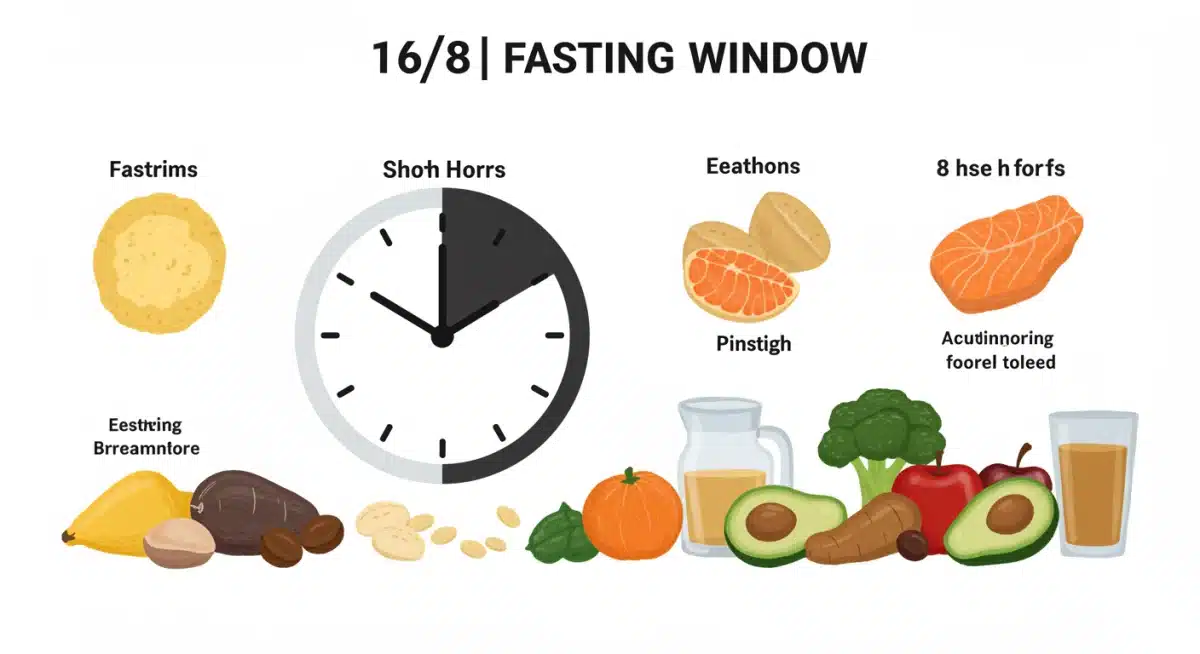
Intermittent fasting isn’t just another diet; it’s an eating pattern. It focuses on when you eat, rather than solely on what you eat. The 16/8 method, in particular, involves fasting for 16 hours each day and restricting your eating to an 8-hour window.
This approach has gained considerable traction due to its simplicity and the promising research emerging around its health benefits.
This method typically means skipping breakfast and having your first meal around noon, finishing your last meal by 8 PM. However, the 8-hour eating window can be adjusted to fit individual lifestyles.
The key is consistency in maintaining the 16-hour fasting period. During the fasting window, non-caloric beverages like water, black coffee, and plain tea are permitted, helping to manage hunger and maintain hydration.
The science behind the 16/8 schedule
The effectiveness of the 16/8 method stems from several physiological changes that occur during fasting. When you fast, your body depletes its glycogen stores and starts burning fat for energy, a process known as metabolic switching.
This shift can lead to weight loss and improved body composition. Furthermore, fasting periods trigger cellular repair processes, including autophagy, where cells clear out damaged components.
Metabolic Switching: Your body transitions from burning glucose to burning stored fat.
Autophagy Activation: Cells clean out old, damaged proteins and regenerate new ones.
Insulin Sensitivity: Fasting can improve how your body responds to insulin, potentially reducing the risk of type 2 diabetes.
Hormonal Balance: It can optimize hormone levels, such as growth hormone, which aids in fat loss and muscle gain.
Understanding these underlying mechanisms is crucial for appreciating why the 16/8 method has garnered so much attention in the health community.
It’s not merely about calorie restriction, but about optimizing bodily functions through strategic eating windows. This foundational understanding sets the stage for exploring the broader health benefits.
Weight management and fat loss: a primary benefit
One of the most compelling reasons individuals adopt intermittent fasting, especially the 16/8 method, is for weight management and significant fat loss.
The restricted eating window naturally leads to a reduction in overall calorie intake for many people, without the need for strict calorie counting. This caloric deficit is a cornerstone of weight loss, but intermittent fasting offers more than just reduced calories.
Recent studies have shown that intermittent fasting can be as effective as, or even more effective than, traditional calorie-restricted diets for weight loss. The metabolic switch to fat burning during fasting periods plays a pivotal role.
When your body exhausts its glucose reserves, it taps into fat stores for energy, leading to a reduction in body fat. This is particularly beneficial for individuals looking to shed stubborn pounds.
How 16/8 impacts fat burning
Beyond calorie reduction, the 16/8 method influences several hormones that regulate weight. Insulin levels drop significantly during fasting, which is favorable for fat burning.
High insulin levels signal the body to store fat, while lower levels encourage its release. Additionally, intermittent fasting can boost levels of norepinephrine, a hormone that enhances metabolism and promotes fat breakdown.
Reduced Insulin Levels: Promotes fat release from cells.
Increased Norepinephrine: Boosts metabolic rate and fat burning.
Preservation of Muscle Mass: Some research suggests it helps maintain muscle during weight loss, unlike continuous calorie restriction.
Improved Body Composition: Leads to a healthier ratio of muscle to fat.
The combination of reduced calorie intake, enhanced fat burning, and hormonal optimization makes the 16/8 method a powerful tool for sustainable weight management.
It helps individuals not only lose weight but also improve their body composition, contributing to a healthier and more active lifestyle. This benefit alone makes it a popular choice for many seeking a healthier path.
Metabolic health improvements: blood sugar and insulin sensitivity
Beyond weight loss, a significant area of research into intermittent fasting focuses on its profound impact on metabolic health, particularly concerning blood sugar regulation and insulin sensitivity.
Conditions like insulin resistance and type 2 diabetes are major public health concerns, and the 16/8 method shows considerable promise in mitigating these risks.
When you fast, your body’s cells become more responsive to insulin. Insulin is the hormone responsible for transporting glucose from your bloodstream into cells for energy.
Improved insulin sensitivity means your body needs less insulin to process the same amount of glucose, which can lead to lower blood sugar levels and reduced strain on your pancreas. This is a critical factor in preventing and managing metabolic disorders.
Mechanisms behind metabolic benefits
The fasting period allows the body to rest from constant glucose processing, giving the pancreas a break and enabling cells to reset their insulin sensitivity. This physiological rest period can significantly improve metabolic flexibility, allowing the body to efficiently switch between burning glucose and burning fat for fuel. This adaptability is a hallmark of good metabolic health.
Lower Fasting Insulin: Reduces chronic high insulin levels, a driver of many metabolic issues.
Reduced Blood Glucose: Helps stabilize blood sugar, preventing spikes and crashes.
Decreased Insulin Resistance: Cells become more receptive to insulin’s signals.
Improved Lipid Profiles: Can positively impact cholesterol and triglyceride levels.
The evidence suggests that regular practice of the 16/8 method can lead to substantial improvements in various metabolic markers.
For individuals at risk of, or already managing, conditions like type 2 diabetes, incorporating intermittent fasting could be a beneficial strategy to enhance their metabolic well-being. It’s about empowering the body’s natural systems to function more optimally.
Cellular repair and longevity: the role of autophagy
One of the most fascinating and deeply researched aspects of intermittent fasting is its ability to trigger cellular repair processes, most notably autophagy.
Autophagy, meaning “self-eating,” is a fundamental cellular mechanism where the body cleans out damaged cells and regenerates newer, healthier ones. This process is crucial for maintaining cellular health and is increasingly linked to longevity and disease prevention.
During prolonged periods of fasting, when nutrient intake is low, cells initiate autophagy to recycle old and damaged components for energy.
This cellular housekeeping not only removes dysfunctional parts but also helps in regenerating new, functional cells. This process is vital for overall cellular rejuvenation and can have far-reaching implications for health and anti-aging.
Autophagy and its health implications
The activation of autophagy through intermittent fasting has been linked to numerous health benefits. It can protect against various diseases by removing toxic proteins and cellular debris that contribute to aging and chronic illness. Research suggests that enhanced autophagy may play a role in neuroprotection, cardiovascular health, and even cancer prevention.
Neuroprotection: May help clear out aggregated proteins associated with neurodegenerative diseases like Alzheimer’s and Parkinson’s.
Anti-Aging Effects: Contributes to cellular rejuvenation and potentially extends lifespan.
Immune System Support: Helps in the removal of pathogens and infected cells, strengthening immunity.
Reduced Inflammation: Autophagy can help lower chronic inflammation, a factor in many chronic diseases.
The profound impact of autophagy on cellular health underscores why intermittent fasting is more than just a diet; it’s a lifestyle intervention that can promote deep cellular repair and potentially enhance longevity.
This aspect of the 16/8 method offers a compelling reason for its adoption, moving beyond superficial benefits to foundational health improvements.
Brain health and cognitive function enhancement
Emerging research also points to the potential benefits of intermittent fasting, including the 16/8 method, for brain health and cognitive function.
The brain, a highly energy-demanding organ, can benefit significantly from metabolic shifts and cellular repair processes initiated by fasting. These benefits extend to improved memory, focus, and protection against neurodegenerative diseases.
During fasting, the body produces ketones, an alternative fuel source for the brain. While glucose is the brain’s primary fuel, ketones can provide a more efficient and stable energy supply, especially during periods of low glucose availability.
This shift not only supports brain function but may also have neuroprotective effects, safeguarding brain cells from damage and promoting their resilience.

How fasting impacts the brain
Intermittent fasting also stimulates the production of Brain-Derived Neurotrophic Factor (BDNF), a protein that plays a crucial role in brain health.
BDNF promotes the growth of new neurons, enhances synaptic plasticity (the ability of synapses to strengthen or weaken over time), and protects existing brain cells. Higher levels of BDNF are associated with improved cognitive function and a reduced risk of depression and anxiety.
Ketone Production: Provides an alternative, efficient fuel for the brain.
BDNF Increase: Supports neuron growth and synaptic plasticity.
Reduced Neuroinflammation: Helps protect brain cells from inflammatory damage.
Improved Memory and Learning: May enhance cognitive abilities.
The cumulative effect of these changes is a brain that operates more efficiently and is better protected against the challenges of aging and environmental stressors.
For those seeking to enhance their cognitive performance and maintain brain vitality, integrating the 16/8 intermittent fasting method could be a valuable strategy. It’s a testament to the holistic benefits of this eating pattern.
Practical tips for successful 16/8 intermittent fasting
Adopting the 16/8 intermittent fasting method can be a straightforward process, but success often hinges on practical strategies and a mindful approach.
While the concept is simple – fast for 16 hours, eat within an 8-hour window – implementing it effectively requires some planning and understanding of your body’s signals. The key is to make it sustainable and enjoyable, rather than a restrictive chore.
Starting gradually can make the transition smoother. If a 16-hour fast feels daunting initially, begin with shorter fasting periods, such as 12 or 14 hours, and gradually extend them as your body adapts. Consistency is more important than immediate perfection.
Listening to your body, staying hydrated, and choosing nutrient-dense foods during your eating window are all crucial components of a successful intermittent fasting journey.
Making the 16/8 method work for you
During your eating window, prioritize whole, unprocessed foods. Focus on lean proteins, healthy fats, fiber-rich vegetables, and complex carbohydrates.
These foods will provide sustained energy, promote satiety, and ensure you’re getting essential nutrients. Avoiding sugary drinks and highly processed snacks is equally important, as they can undermine the metabolic benefits of fasting.
Stay Hydrated: Drink plenty of water, black coffee, or plain tea during fasting.
Prioritize Nutrient-Dense Foods: Focus on whole foods during your eating window.
Listen to Your Body: Adjust your schedule if needed, and don’t push through extreme hunger or discomfort.
Plan Your Meals: Knowing what and when you’ll eat can help prevent impulsive, unhealthy choices.
Integrating intermittent fasting into your lifestyle should feel manageable and beneficial. Experiment with different eating windows to find what best suits your daily routine and energy levels.
With a thoughtful approach and consistent effort, the 16/8 method can become a powerful tool for achieving your health and wellness goals. It’s about creating a sustainable pattern that supports your body’s natural rhythms.
| Key Benefit | Brief Description |
|---|---|
| Weight Loss | Promotes fat burning and reduces overall calorie intake effectively. |
| Metabolic Health | Improves insulin sensitivity and stabilizes blood sugar levels. |
| Cellular Repair | Activates autophagy, clearing damaged cells and promoting regeneration. |
| Brain Function | Enhances cognitive function and supports neuroprotection. |
Frequently Asked Questions About Intermittent Fasting
What is the 16/8 intermittent fasting method?
The 16/8 method is one of the most popular forms of intermittent fasting. It involves fasting for 16 consecutive hours and eating within an 8-hour window each day. For example, many people choose to eat between 12:00 PM and 8:00 PM, then fast from 8:00 PM until noon the next day.
Unlike restrictive diets that focus on what you eat, this approach focuses primarily on when you eat. That simplicity is one reason the 16/8 method has gained widespread popularity. It can be adapted to different lifestyles — early eaters might choose 9 AM to 5 PM, while others prefer later schedules.
During the fasting window, your body shifts from using glucose as its primary energy source to tapping into stored fat.
This metabolic transition is often referred to as “metabolic switching” and is a key reason many people try intermittent fasting.
Can I drink anything during the fasting period?
Yes — hydration is not only allowed but encouraged.
During the fasting window, you can consume:
Water (still or sparkling)
Black coffee (no sugar, milk, or cream)
Unsweetened tea (green, black, herbal)
Plain mineral water
These beverages contain little to no calories and generally do not break your fast. In fact, caffeine from black coffee or tea may help suppress appetite and improve mental clarity for some individuals.
However, drinks with added sugar, creamers, protein powder, or artificial sweeteners may trigger an insulin response in certain people. If your goal is strict metabolic fasting or autophagy support, sticking to plain, non-caloric beverages is safest.
Is intermittent fasting suitable for everyone?
Intermittent fasting is not appropriate for all individuals.
You should consult a healthcare professional before starting if you:
Are pregnant or breastfeeding
Have a history of eating disorders
Have type 1 or type 2 diabetes
Take medications that affect blood sugar
Have a chronic medical condition
Are under 18 years old
Fastng can alter blood glucose levels, hormone regulation, and energy balance. While many adults tolerate 16/8 fasting well, personalized medical guidance is essential if you have underlying health concerns.
Additionally, people who are underweight or have high caloric needs (such as certain athletes) may need alternative nutritional strategies.
What are the main benefits of the 16/8 method?
Research suggests several potential benefits when intermittent fasting is practiced consistently and combined with balanced nutrition:
Weight Loss and Fat Reduction
Limiting the eating window often reduces overall calorie intake naturally. Additionally, fasting encourages the body to utilize stored fat for energy.
Improved Insulin Sensitivity
Studies indicate that intermittent fasting may improve blood sugar control and reduce insulin resistance, which is beneficial for metabolic health.
Cellular Repair and Autophagy
Fasting triggers cellular cleanup processes known as autophagy. This process helps remove damaged cells and may support long-term health and aging.
Hormonal Balance
Human growth hormone (HGH) levels may increase during fasting, supporting fat metabolism and muscle preservation.
Brain Health and Mental Clarity
Some research suggests fasting may increase brain-derived neurotrophic factor (BDNF), a protein associated with cognitive function and neurological health.
Reduced Inflammation
Emerging evidence links intermittent fasting to lower markers of inflammation, which plays a role in many chronic diseases.
While promising, results vary by individual, and long-term studies are still ongoing.
How long does it take to see results from 16/8 fasting?
Results depend on several factors, including:
Starting weight
Diet quality during eating windows
Physical activity levels
Sleep quality
Hormonal health
Consistency
Some individuals report increased energy and reduced bloating within the first 1–2 weeks. Noticeable weight loss may occur within a few weeks if a calorie deficit is achieved.
However, deeper metabolic improvements — such as enhanced insulin sensitivity or reductions in inflammation markers — may take several months of consistent practice.
It’s important to remember that intermittent fasting is not a quick fix. Sustainable results typically come from combining fasting with:
Whole, nutrient-dense foods
Adequate protein intake
Fiber-rich vegetables
Healthy fats
Proper hydration
Regular physical activity
Consistency matters more than perfection.
Does 16/8 fasting slow down metabolism?
Contrary to common belief, short-term fasting (such as 16 hours) does not generally slow metabolism. In fact, some research suggests short fasting periods may temporarily increase norepinephrine levels, slightly boosting metabolic rate.
Metabolic slowdown tends to occur with prolonged severe calorie restriction, not moderate time-restricted eating.
Can I exercise while doing 16/8 fasting?
Yes. Many people exercise successfully while practicing intermittent fasting.
Some prefer working out in a fasted state, especially for low to moderate-intensity cardio. Others feel better training during their eating window to support muscle recovery.
Listen to your body. If you feel dizzy, weak, or overly fatigued, adjust your timing or consult a professional.
What should I eat during the 8-hour window?
Intermittent fasting works best when paired with balanced nutrition. Focus on:
Lean proteins (chicken, fish, tofu, eggs)
Healthy fats (avocado, olive oil, nuts)
Complex carbohydrates (quinoa, brown rice, sweet potatoes)
Fiber-rich vegetables and fruits
Adequate hydration
Avoid overeating highly processed foods during your eating window. The quality of your diet significantly influences your results.
Is intermittent fasting a long-term lifestyle?
For many people, 16/8 becomes a sustainable routine because it simplifies meal planning and reduces late-night snacking. Others may cycle it seasonally or use it strategically for metabolic reset periods.
The key is sustainability. If the method increases stress, disrupts sleep, or leads to unhealthy eating behaviors, it may not be the right fit.
Conclusion
The exploration of The Latest Research on the Benefits of Intermittent Fasting: A 16/8 Guide reveals a compelling picture of an eating pattern that offers far more than just a means to shed pounds.
From its proven efficacy in weight management and significant improvements in metabolic health, including blood sugar control and insulin sensitivity, to its profound impact on cellular repair through autophagy and potential benefits for brain function, the 16/8 method stands out as a powerful tool for holistic wellness.
As with any significant dietary change, it is always advisable to consult with a healthcare professional to ensure it aligns with your individual health needs and goals. However, for many, adopting this structured eating approach could be a transformative step towards a healthier, more vibrant life, grounded in the latest scientific understanding.