Boost Curb Appeal: Native Flowers & Home Value
 Are you looking for a smart, eco-friendly way to enhance your home’s exterior and potentially increase its market value? This spring, consider a powerful yet simple strategy:
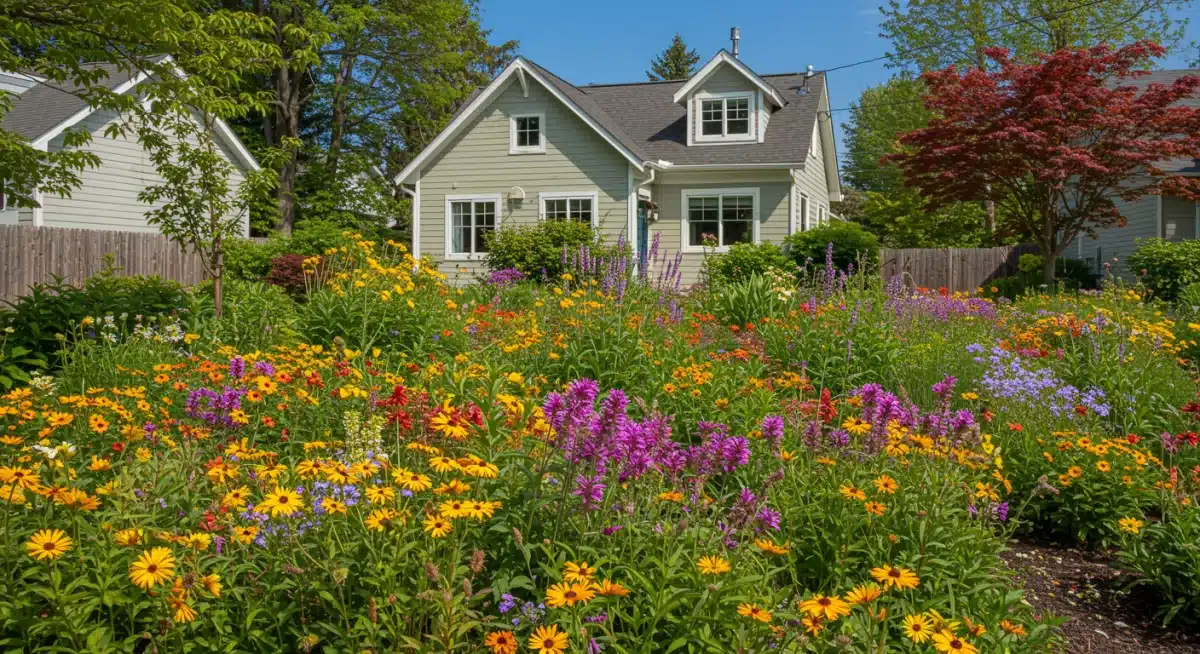
boost curb appeal: plant native flowers this spring and increase your home’s market value by up to 3%. Beyond the aesthetic benefits, integrating local flora into your landscape offers a myriad of advantages, from reduced maintenance to supporting vital ecosystems. Let’s explore how this green investment can pay off, both for your wallet and the environment.
Understanding the Value of Curb Appeal
Curb appeal is often the first impression a potential buyer gets of your home. It’s not just about aesthetics; it’s a powerful psychological factor that can influence a buyer’s perception of the property’s overall condition and value.
A well-maintained, attractive exterior signals that the interior is likely just as cared for, instilling confidence and a sense of quality even before stepping inside.
Real estate experts consistently emphasize the importance of curb appeal, often citing that it can add significant value to a home.
Studies and market analyses frequently show that homes with superior curb appeal sell faster and for higher prices. This isn’t merely a trend; it’s a fundamental aspect of real estate that taps into human psychology and the desire for a beautiful, welcoming living space. Investing in your home’s exterior is not just spending; it’s a strategic investment.
The financial impact of a welcoming exterior
Numerous reports confirm that a strong first impression can translate directly into a higher selling price. When buyers are presented with an attractive landscape, they are often more willing to pay the asking price, or even slightly above it.
This phenomenon is particularly evident in competitive markets where every advantage counts. A beautiful yard acts as a silent salesperson, drawing in prospective buyers and making them feel at home.
Increased perceived value: A stunning exterior suggests the home is well-maintained.
Faster sales: Attractive homes tend to spend less time on the market.
Higher offers: Buyers are often willing to pay more for a home that stands out.
Ultimately, enhancing your curb appeal is a cost-effective way to maximize your home’s market potential. It’s about creating an inviting atmosphere that resonates with buyers, making them envision themselves living there.
This emotional connection can be the decisive factor in a successful sale, leading to a quicker transaction and a better return on your investment.
A well-executed landscape design, particularly one that incorporates thoughtful and sustainable elements, contributes substantially to this financial uplift. It’s an investment that offers both immediate visual gratification and long-term monetary rewards, making it a wise choice for any homeowner looking to sell.
Why Native Flowers are a Smart Choice for Homeowners
Choosing native flowers for your landscape goes far beyond simple aesthetics; it’s a choice rooted in ecological intelligence and practical benefits for homeowners.
Native plants are those that occur naturally in a specific region or ecosystem, having evolved over millennia to thrive in local soil, climate, and pest conditions. This inherent adaptability makes them incredibly resilient and a superior option for sustainable landscaping.
Unlike exotic or non-native species that often require extensive care, specialized fertilizers, and copious amounts of water, native flowers are inherently low-maintenance.
They are accustomed to the local rainfall patterns, rarely need supplemental irrigation once established, and are naturally resistant to common local pests and diseases. This significantly reduces the time, effort, and resources required to keep your garden looking vibrant and healthy.
Ecological benefits beyond beauty
The ecological advantages of native plants are profound and far-reaching. By choosing native species, you are actively participating in the preservation of local biodiversity.
These plants provide essential food and shelter for native wildlife, including pollinators like bees and butterflies, as well as birds and other small animals. They form the foundation of a healthy ecosystem, supporting the entire food web.
Support for pollinators: Native flowers are crucial for local bees, butterflies, and hummingbirds.
Habitat creation: They provide food and shelter for various wildlife species.
Biodiversity preservation: Helps maintain the balance of local ecosystems.
Reduced water usage: Adapted to local rainfall, they require less irrigation.
Furthermore, native plants often have deep root systems that help prevent soil erosion and improve soil structure, contributing to healthier soil over time.
They also reduce the need for chemical pesticides and fertilizers, which can harm the environment and contaminate local water sources. This makes your garden not only beautiful but also a responsible and sustainable part of your property.
Embracing native flora is a powerful statement about environmental stewardship. It demonstrates a commitment to sustainable living, a quality increasingly valued by potential homebuyers who are conscious of their ecological footprint.
This mindful approach to landscaping adds an intangible yet significant value to your home, appealing to a growing segment of environmentally aware buyers.
Planning Your Native Flower Garden This Spring
Spring is the ideal time to plan and plant your native flower garden, setting the stage for a season of vibrant blooms and ecological benefits.
Successful garden planning begins with understanding your specific microclimate and soil conditions, as well as researching which native species are best suited for your particular region of the United States. This careful preparation ensures your plants will thrive and provide maximum impact.
Start by observing your yard’s sunlight patterns throughout the day. Some native flowers prefer full sun, while others flourish in partial shade or even deep shade. Next, consider your soil type; is it sandy, clay, or loamy?
Knowing your soil composition will help you select plants that naturally adapt to those conditions, minimizing the need for extensive soil amendments. Local nurseries specializing in native plants can be an invaluable resource for this research, offering expert advice and regional-specific varieties.
Choosing the right native species for your region
Selecting the appropriate native species is crucial for a thriving garden. Different regions across the United States have distinct native plant communities, each adapted to unique environmental factors.
For instance, drought-tolerant plants are excellent choices for arid regions, while moisture-loving species are better suited for areas with abundant rainfall. A little research can go a long way in ensuring your garden’s success.
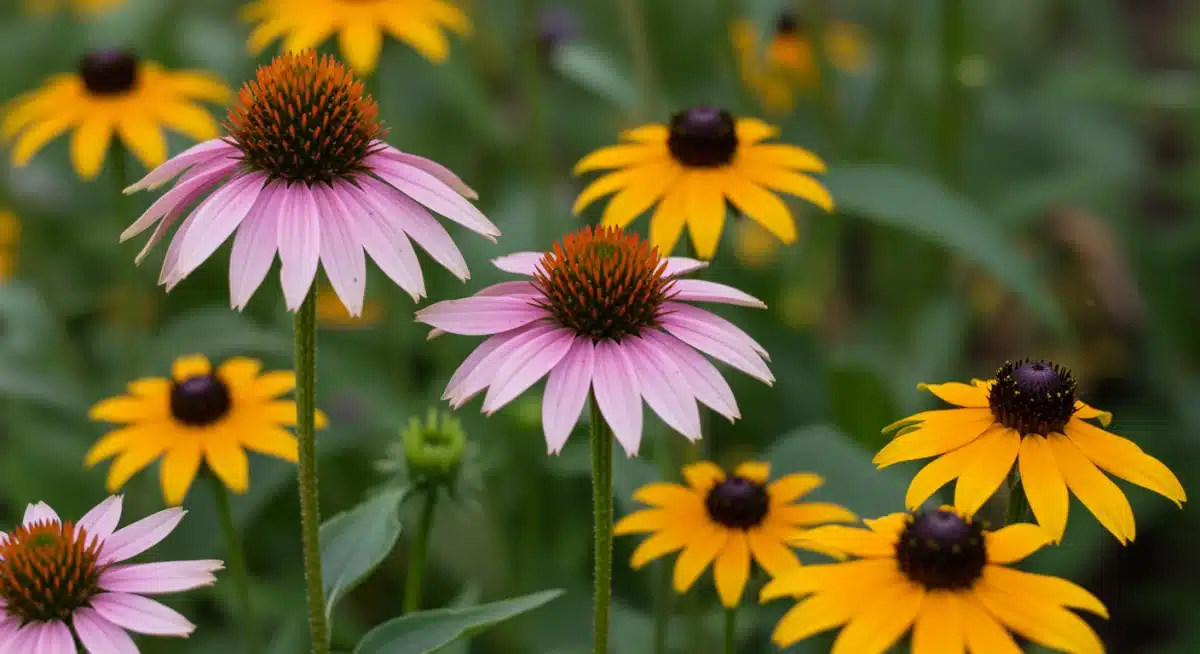
Northeast: Asters, coneflowers, wild geraniums.
Southeast: Coreopsis, phlox, cardinal flower.
Midwest: Milkweed, black-eyed Susans, prairie dropseed.
Southwest: Desert marigold, penstemon, agave.
Pacific Northwest: Bleeding heart, lupine, camas.
Beyond regional suitability, consider the mature size and spread of the plants you choose to ensure they don’t overcrowd one another or overwhelm your space.
Think about bloom times to create a continuous display of color and interest throughout the growing season. A diverse selection of native flowers will also attract a wider variety of pollinators and wildlife, further enhancing your garden’s ecological value.
Proper planning also involves sketching out your garden beds, considering pathways, and integrating existing landscape features.
A well-thought-out design will not only look more professional but also maximize the visual impact and functionality of your native flower garden. This initial investment of time in planning will save you effort and disappointment later on, leading to a truly spectacular and sustainable outdoor space.
Installation and Initial Care for Native Plants
Once you have carefully planned your native flower garden and selected the appropriate species, the next step is the installation and initial care.
While native plants are known for their resilience, proper planting techniques and attentive care during their establishment phase are vital for ensuring their long-term health and vigor. This foundational care will allow them to thrive and become the low-maintenance beauties they are meant to be.
Before planting, prepare your soil by removing any weeds and loosening the soil to a depth of about 6-8 inches.
While native plants don’t typically require extensive soil amendments, you can incorporate a small amount of compost to improve drainage and nutrient content, especially if your soil is particularly poor. Dig holes that are twice as wide as the plant’s root ball and just as deep, ensuring the crown of the plant is level with the soil surface.
Best practices for planting and watering
When planting, gently remove the plant from its container, teasing apart any circling roots. Place the plant in the hole, backfill with soil, and gently tamp down to remove air pockets.
Water thoroughly immediately after planting to help settle the soil around the roots. This initial watering is crucial for reducing transplant shock and encouraging root establishment.
Planting depth: Ensure the plant’s crown is level with the surrounding soil.
Watering frequency: Water regularly during the first growing season, then reduce.
Mulching: Apply a layer of organic mulch to retain moisture and suppress weeds.
Avoid over-fertilizing: Native plants rarely need supplemental fertilizer.
During their first growing season, native plants will require more consistent watering than established ones. Aim for deep, infrequent watering to encourage roots to grow deeper into the soil, making them more drought-tolerant in the future. Once established, most native flowers will only need water during prolonged dry spells.
A layer of organic mulch, such as shredded bark or leaves, can also help retain soil moisture, regulate soil temperature, and suppress weed growth, further reducing your maintenance efforts.
Resist the urge to over-fertilize, as native plants are adapted to local soil conditions and excessive nutrients can actually harm them.
Focus instead on providing a healthy soil environment through organic matter and proper watering. With this careful initial attention, your native flower garden will quickly become a self-sufficient, beautiful, and valuable asset to your home.
Long-Term Maintenance and Sustainable Practices
While native plants are celebrated for their low-maintenance qualities, a strategic hands-off approach to long-term care will ensure their continued success and vibrancy.
The beauty of a native garden truly shines when it is allowed to integrate with its local environment, requiring minimal intervention once established. This sustainable approach not only saves you time and resources but also fosters a healthier ecosystem right in your backyard.
One of the primary benefits of native landscaping is the reduced need for artificial inputs. Forget about constant fertilizing; native plants are adapted to the nutrient levels of your local soil.
Similarly, once their root systems are well-developed, most native flowers can withstand periods of drought without supplemental watering, thanks to their natural resilience. This significantly cuts down on water bills and chemical usage, aligning with eco-conscious living.
Embracing natural cycles and minimal intervention
Instead of rigorous pruning and manicuring, a native garden thrives on a more natural cycle. Allow spent flower heads to remain through the fall and winter, as they provide seeds for birds and offer important overwintering habitat for beneficial insects.
Cutting back dead stalks can be done in late winter or early spring, just before new growth emerges, to tidy up the garden while still supporting wildlife through the colder months.
Leave spent stalks: Provides winter interest and wildlife habitat.
Minimal watering: Only during prolonged dry periods after establishment.
No chemical fertilizers: Rely on natural soil nutrients.
Weed management: Focus on manual removal, especially in the first few years.
Integrated pest management is another cornerstone of sustainable native plant care. Instead of reaching for pesticides, encourage natural predators like ladybugs, lacewings, and birds by providing a diverse habitat.
A healthy native ecosystem often achieves its own balance, with natural checks and balances controlling pest populations without human intervention. This creates a safer environment for your family, pets, and local wildlife.
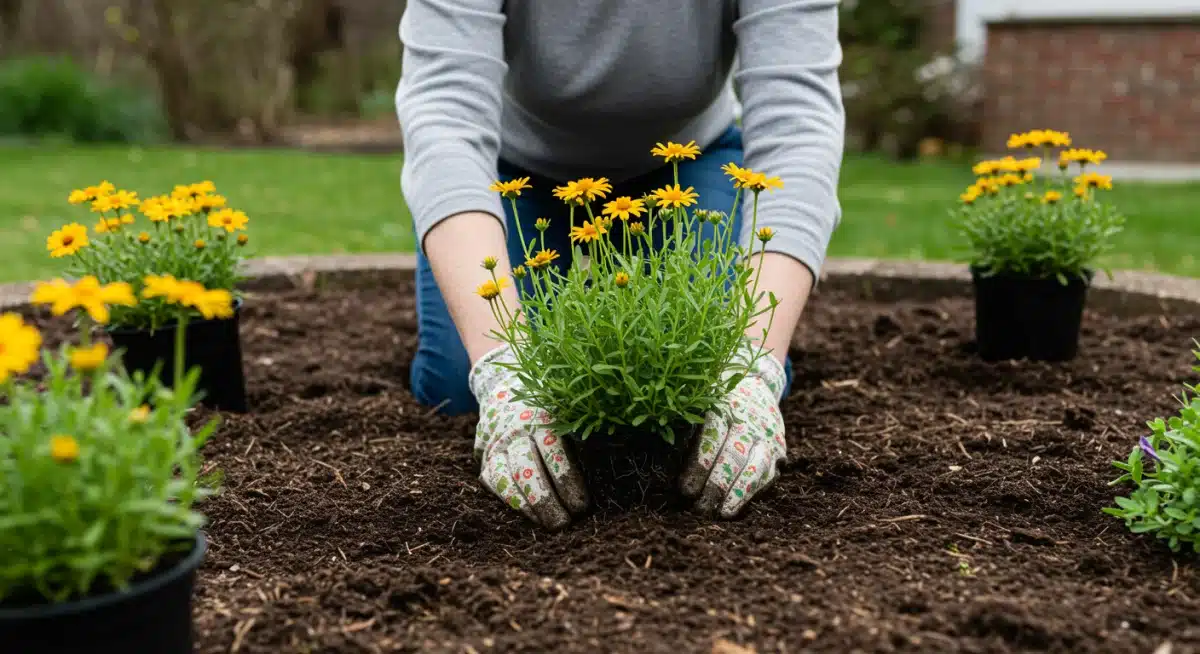
Over time, your native flower garden will become a self-sustaining, vibrant ecosystem that requires very little from you, apart from occasional observation and appreciation.
This long-term, low-impact maintenance approach is not only environmentally responsible but also incredibly rewarding, transforming your yard into a dynamic, living landscape that constantly evolves and delights.
Showcasing Your Native Garden for Maximum Home Value
Once your native flower garden is established and flourishing, it’s time to ensure its beauty translates into tangible value for your home. Effectively showcasing your garden is crucial, especially when preparing your property for sale.
A stunning native landscape can be a powerful selling point, distinguishing your home from others on the market and reinforcing the message of quality, sustainability, and thoughtful living.
Consider the overall presentation of your front yard. Beyond the vibrant flowers, ensure pathways are clear, edges are neat, and any non-native elements are well-maintained or removed if they detract from the natural aesthetic.
The goal is to create a cohesive and inviting visual narrative that highlights the health and beauty of your native plantings. This holistic approach ensures that your garden is seen as an integral, valuable part of the property, not just an afterthought.
Highlighting Ecological Benefits to Boost Buyer Appeal
When selling your home, clearly communicating the ecological advantages of your native garden can significantly increase buyer appeal. Today’s buyers are increasingly drawn to eco-friendly features and sustainable living solutions, making this the perfect opportunity to showcase how your landscape adds real value.
Explain how native plants support local biodiversity, require less water, and demand minimal ongoing maintenance compared to traditional landscaping. These benefits translate directly into long-term savings and a healthier living environment — factors that strongly enhance buyer appeal.
To make this information easy to digest, consider providing a simple, visually appealing guide or fact sheet. Highlight the native species in your garden, their environmental benefits, and any cost-saving advantages.
This thoughtful presentation helps buyers immediately recognize the appeal of a home that offers both natural beauty and responsible, low-effort living.
Create a plant list: Detail native species and their unique traits.
Explain low maintenance: Emphasize reduced watering and chemical needs.
Highlight wildlife benefits: Mention support for pollinators and birds.
Professional photography: Use high-quality images to capture the garden’s beauty.
Professional photography is essential for maximizing your listing’s appeal. High-quality images of a flourishing native garden — especially when captured at peak bloom — can instantly elevate buyer interest.
These photos should highlight the garden’s lush textures, vibrant colors, and the peaceful atmosphere it creates. Including seasonal images is also a smart strategy, showcasing year-round beauty and strengthening the property’s visual appeal.
A well-photographed landscape can spark a buyer’s imagination and motivate them to schedule a viewing.
Equally important is working with a real estate agent who understands how to present the unique benefits of your native garden. When they clearly communicate its sustainable features, low-maintenance advantages, and long-term value, it reinforces your home’s overall appeal.
This coordinated approach ensures your native garden is positioned as a standout asset — one that enhances desirability and contributes meaningfully to your property’s market value.
Beyond Aesthetics: The Environmental and Personal Rewards
While the financial uplift and enhanced curb appeal are compelling reasons to plant native flowers, the benefits extend far beyond monetary gain. Embracing native landscaping offers profound environmental and personal rewards that enrich your life and contribute positively to the planet.
These often-overlooked advantages add another layer of value, transforming your home into a sanctuary for both people and nature.
Environmentally, a native garden acts as a vital ecological outpost. In an increasingly urbanized world, every patch of native habitat, no matter how small, plays a crucial role in supporting local biodiversity.
Your garden becomes a haven for pollinators, a stopover for migratory birds, and a home for beneficial insects. This contribution to local ecosystems helps maintain ecological balance, which is essential for the health of our planet.
Cultivating a connection with nature
On a personal level, tending to a native garden fosters a deeper connection with nature. Watching butterflies flit among coneflowers, listening to the buzz of bees, or observing birds feast on native seeds can be incredibly calming and fulfilling.
This direct interaction with the natural world reduces stress, improves mental well-being, and provides a sense of purpose and accomplishment. It’s a living, breathing space that constantly offers new discoveries.
Stress reduction: Gardening and nature observation are calming.
Educational opportunities: Learn about local ecosystems and wildlife.
Community engagement: Share knowledge and plants with neighbors.
Sense of accomplishment: Create a beautiful, thriving ecosystem.
A native garden also strengthens your home’s overall appeal by becoming a meaningful educational space for both your family and the surrounding community. Children can observe the life cycles of plants and insects, understand the vital role of pollination, and recognize how deeply interconnected nature truly is.
This hands-on learning environment — right outside your door — helps nurture environmental awareness from an early age. Sharing your experience with neighbors may even inspire them to adopt native planting, expanding the ecological and visual appeal throughout the neighborhood.
Another powerful advantage is the evolving beauty that enhances property appeal across every season. From vibrant spring blooms to rich autumn foliage and subtle winter textures, a native landscape delivers year-round interest and charm.
This constant transformation creates ongoing enjoyment while reinforcing your home’s natural attractiveness.
Ultimately, planting native flowers is more than a landscaping choice — it is a long-term investment in sustainability, visual appeal, and a more connected lifestyle.
The rewards extend far beyond a potential increase in home value, enriching both your living environment and your daily experience.
| Key Aspect | Brief Description |
|---|---|
| Curb Appeal Boost | Native flowers enhance aesthetics, making homes more attractive to buyers. |
| Increased Home Value | Well-landscaped yards with native plants can raise market value by up to 3%. |
| Low Maintenance | Native plants require less water, fertilizer, and pest control due to adaptation. |
| Ecological Benefits | Supports local pollinators and wildlife, fostering biodiversity. |
Conclusion
Incorporating native flowers into your spring landscaping is a strategic investment that delivers both visual and long-term rewards.
Designed to naturally enhance curb appeal, these plants can elevate your home’s appearance while potentially increasing its market value by up to 3%. Beyond aesthetics, native gardens support local biodiversity and help strengthen your connection to the natural environment.
This approach goes far beyond planting beautiful blooms — it’s about making a sustainable decision that improves curb appeal, lowers maintenance needs, and promotes a healthier ecosystem.
As more homeowners prioritize environmentally responsible upgrades, a vibrant native landscape becomes an increasingly attractive feature. If your goal is lasting beauty and stronger property appeal, choosing native flowers is a smart move that pays dividends season after season.