Nature’s Embrace: Reducing Stress & Boosting Mental Well-being
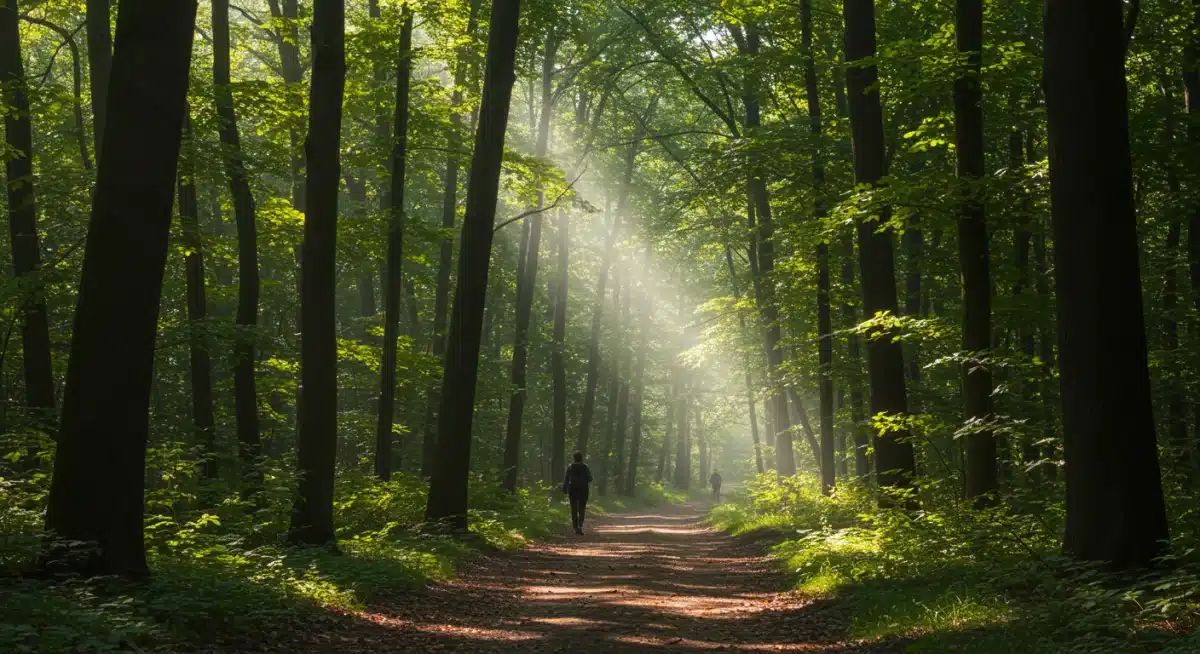
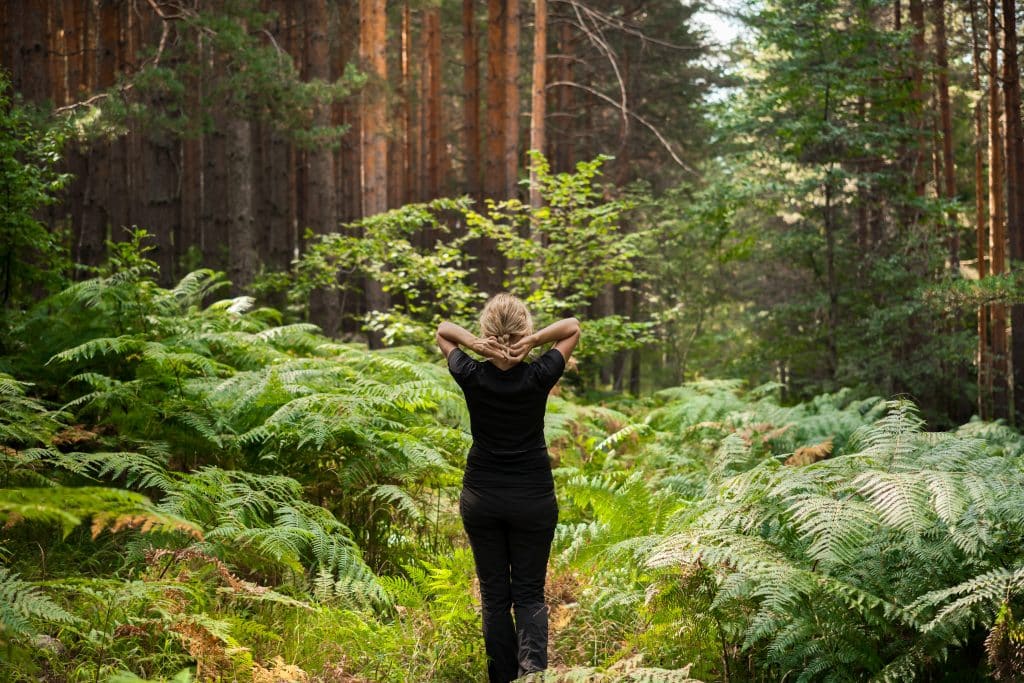 Spending time in nature significantly reduces stress and enhances mental well-being by providing restorative environments that lower cortisol levels, improve mood, and foster a deeper connection with the natural world.
In our fast-paced American lives, finding moments of peace and calm can feel like a luxury. Yet, the answer might be simpler and closer than we think: nature.
The profound impact of the benefits of spending time in nature: reducing stress and improving mental well-being is increasingly recognized, offering a powerful antidote to the demands of modern living. Have you ever noticed how a walk in a park or a hike in the mountains can instantly lift your spirits? This isn’t just anecdotal feeling; science is catching up to what many cultures have known for centuries.
The science behind nature’s calming effect
The calming effect of nature is not merely a subjective experience; it is rooted in measurable physiological and psychological responses.
Researchers have extensively studied how exposure to natural environments influences our bodies and minds, revealing a complex interplay of factors that contribute to reduced stress and enhanced mental well-being. Understanding these mechanisms helps us appreciate why green spaces are so vital for our health.
One of the primary ways nature calms us is by reducing physiological markers of stress. Studies show that spending time in forests, parks, or even gardens can lead to a decrease in cortisol, the body’s main stress hormone.
This reduction in cortisol is often accompanied by lower heart rates and blood pressure, indicating a state of relaxation. The presence of natural elements, such as trees and water, seems to trigger a parasympathetic nervous system response, which is responsible for rest and digest functions, effectively counteracting the fight-or-flight response often activated by urban stressors.
Physiological benefits of green spaces
Lower cortisol levels: Direct exposure to nature is linked to measurable drops in stress hormones.
Reduced blood pressure: The serene environment helps in stabilizing cardiovascular functions.
Decreased heart rate: A slower heart rate signifies a more relaxed state of being.
Enhanced immune function: Exposure to phytoncides (airborne chemicals emitted by plants) can boost natural killer cell activity.
Beyond these immediate physiological changes, nature also offers a cognitive escape. Urban environments constantly bombard us with stimuli that demand our directed attention, leading to mental fatigue.
Natural settings, on the other hand, engage our involuntary attention, allowing our minds to wander and recover. This concept, known as Attention Restoration Theory (ART), suggests that natural environments provide a restorative experience that helps replenish our cognitive resources, leading to improved focus and problem-solving abilities.
The gentle sounds of birds, the rustling of leaves, or the sight of flowing water provide a soft fascination that captivates without overwhelming.
In conclusion, the scientific evidence strongly supports the idea that nature has a profound calming effect. By reducing stress hormones, lowering physiological markers of stress, and offering a restorative cognitive experience, green spaces are essential for maintaining our mental and physical health.
Embracing time outdoors is not just a pleasant pastime; it is a powerful, evidence-based strategy for enhancing overall well-being.
Connecting with nature: practical ways to incorporate green into your life
Incorporating nature into our daily lives doesn’t always require a grand expedition to a national park. Even small, consistent interactions with green spaces can yield significant benefits for reducing stress and improving mental well-being.
The key is to be intentional about seeking out and appreciating natural elements, no matter how subtle they may seem in an urban landscape. For many Americans, this might involve re-evaluating daily routines to find opportunities for natural engagement.
One of the simplest ways to connect with nature is to spend time in local parks or green spaces. These accessible areas provide an immediate escape from concrete jungles, offering fresh air, natural scenery, and a sense of calm.
Even a short walk during a lunch break can make a difference. Consider exploring different parks in your area, or finding a quiet bench where you can simply observe the trees, birds, and sky. The regularity of these visits can accumulate significant positive effects on your mood and stress levels, making it a sustainable practice.
Simple steps for daily nature immersion
Daily walks: Dedicate 15-30 minutes each day to walk in a park or a tree-lined street.
Urban gardening: Start a small container garden on your balcony or join a community garden.
Mindful observation: Take moments to simply observe natural elements around you, like clouds, trees, or birds.
Bring nature indoors: Incorporate houseplants into your home or office space.
For those with more time, engaging in outdoor activities like hiking, biking, or even picnicking can deepen your connection with nature.
These activities not only provide physical exercise but also immerse you more fully in natural environments, offering a greater sense of adventure and discovery.
Planning weekend trips to natural reserves or state parks can provide a much-needed break from routine and allow for extended periods of nature immersion, which can be incredibly restorative.
Another powerful strategy is to cultivate a personal green space, however small. This could mean tending to a garden, planting herbs on a windowsill, or simply surrounding yourself with houseplants. The act of nurturing living things and being surrounded by greenery can bring a sense of purpose and tranquility.
Even looking at images of nature or listening to nature sounds can offer a subtle, yet beneficial, connection when direct access is limited. The goal is to make nature an integral part of your lifestyle, rather than an occasional event.
In summary, integrating nature into your life can be achieved through various practical approaches, from short daily walks in local parks to engaging in more immersive outdoor activities.
By consciously seeking out and appreciating green spaces, we can consistently reduce stress and improve our mental well-being, fostering a healthier and more balanced lifestyle.
Mindfulness in nature: enhancing your outdoor experience
Mindfulness is the practice of being fully present in the moment, and when combined with time spent in nature, its benefits are amplified.
Engaging mindfully with natural environments transforms a simple walk into a profound experience, deepening the positive impact on stress reduction and mental well-being. It encourages us to tune into our senses, fostering a richer connection with the world around us, and allowing for a more complete escape from daily worries.
To practice mindfulness in nature, start by intentionally slowing down. Instead of rushing through a walk, take deliberate steps and pay attention to your surroundings.
Engage all your senses: notice the colors of the leaves, the texture of tree bark, the sounds of birdsong, the scent of fresh earth, and the feeling of the breeze on your skin.
This conscious engagement helps to ground you in the present moment, shifting your focus away from internal chatter and external distractions. It’s about experiencing nature, not just observing it.
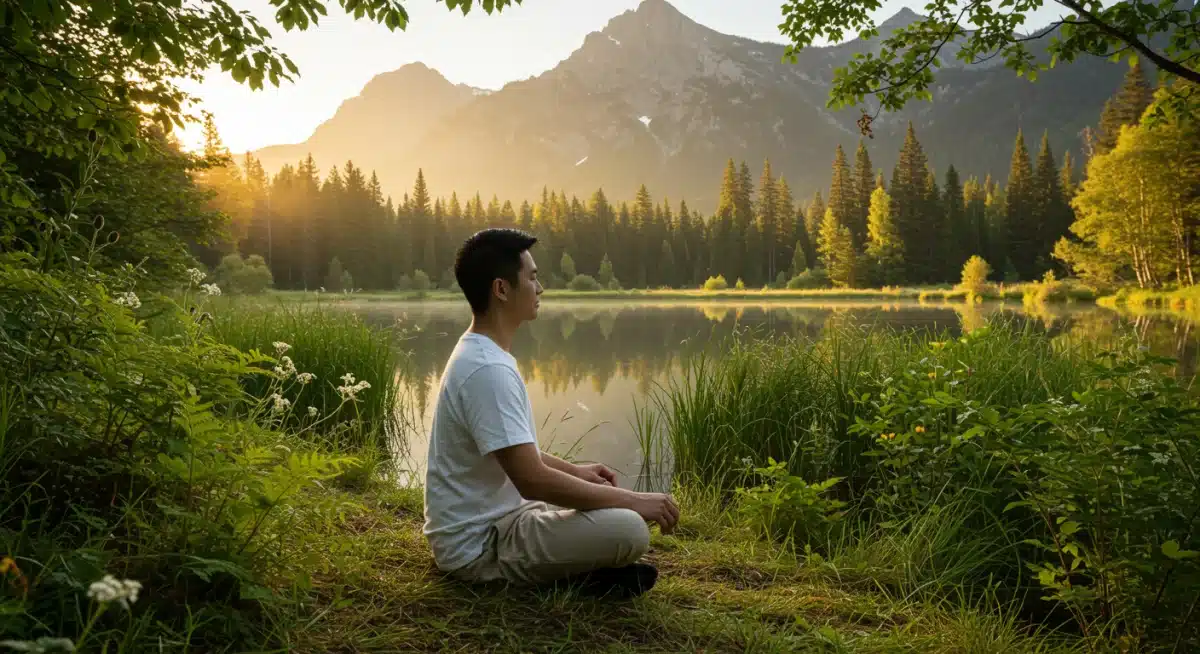
Techniques for mindful nature engagement
Sensory walk: Focus on one sense at a time – what do you see, hear, smell, feel?
Breath awareness: Pay attention to your breath, noticing how it connects you to the natural air.
Gazing: Choose a natural object, like a flower or a tree, and observe it without judgment for several minutes.
Body scan: Notice how your body feels in the natural environment, from your feet on the ground to the top of your head.
Mindful practices in nature can also involve structured activities like forest bathing, or shinrin-yoku, a Japanese practice that encourages immersing oneself in the forest atmosphere. This isn’t about hiking or exercise, but rather about consciously taking in the forest through all your senses.
Forest bathing has been shown to reduce psychological stress, depressive symptoms, and hostility, while increasing vigor and positive mood states. It’s a powerful way to tap into nature’s restorative qualities.
Another aspect of mindful nature engagement is cultivating a sense of awe. When we encounter moments of breathtaking natural beauty – a vast mountain range, a stunning sunset, or the intricate pattern of a spiderweb – we often experience awe.
This emotion has been linked to increased feelings of well-being, humility, and a greater sense of connection to something larger than ourselves.
Actively seeking out and appreciating these moments in nature can provide a profound spiritual and emotional uplift, reducing feelings of isolation and promoting a more positive outlook on life.
In essence, mindfulness in nature transforms a passive experience into an active, deeply engaging one.
By intentionally tuning into our senses and embracing the present moment, we can unlock a deeper level of stress reduction and mental well-being, making our time outdoors even more impactful and restorative.
Nature as a buffer against anxiety and depression
The therapeutic potential of nature extends beyond general stress reduction; it actively serves as a powerful buffer against more severe mental health conditions like anxiety and depression.
For individuals grappling with these challenges, consistent exposure to natural environments can offer a gentle yet effective form of support, complementing traditional treatments and fostering resilience. This is particularly relevant in the United States, where mental health concerns are prevalent.
Research indicates that spending time in green spaces can significantly decrease symptoms of anxiety. The calming influence of natural settings helps to regulate the nervous system, reducing the heightened physiological arousal often associated with anxiety disorders.
The absence of urban stressors, combined with the presence of soothing natural stimuli, creates an environment conducive to relaxation and mental clarity. Even short exposures, such as a 20-minute walk in a park, have been shown to reduce perceived stress and anxiety levels.
Furthermore, nature has a profound impact on mood, making it a valuable tool in combating depression. Exposure to sunlight, often more abundant in outdoor settings, helps regulate serotonin levels, a neurotransmitter crucial for mood regulation.
Physical activity in nature also releases endorphins, natural mood lifters. The sense of peace and beauty found in natural landscapes can also provide a sense of hope and perspective, shifting focus away from negative thought patterns often associated with depressive states.
Nature’s role in mental health recovery
Reduces rumination: Spending time in nature can interrupt negative thought loops.
Boosts self-esteem: Engaging with nature-based activities can foster a sense of accomplishment and competence.
Provides social connection: Group outdoor activities can combat isolation, a common factor in depression.
Encourages physical activity: Exercise in nature is associated with greater mental health benefits than indoor exercise.
Beyond the immediate psychological effects, nature encourages a sense of connection and belonging. For many, modern life can feel isolating, but natural environments often foster a sense of community, whether through shared outdoor recreational activities or simply by being part of a larger ecosystem.
This connection to something beyond oneself can be incredibly grounding and therapeutic, helping to alleviate feelings of loneliness and detachment often experienced by those with anxiety or depression.
In conclusion, nature acts as a vital buffer against anxiety and depression by regulating physiological stress responses, improving mood through biological and psychological mechanisms, and fostering a sense of connection.
Integrating regular nature exposure into one’s routine can be a powerful, accessible, and enjoyable strategy for promoting mental resilience and supporting recovery from these challenging conditions.
The restorative power of green spaces in urban environments
Even within the bustling confines of American cities, green spaces offer crucial havens for mental restoration and stress reduction.
Urban parks, community gardens, and tree-lined streets are not just aesthetic features; they are vital components of a healthy urban ecosystem, providing accessible opportunities for city dwellers to reconnect with nature.
Recognizing and utilizing these urban green assets is essential for improving public health and well-being in densely populated areas.
The presence of urban green spaces has been consistently linked to improved psychological well-being among city residents.
Access to parks and natural areas can mitigate the negative impacts of urban living, such as noise pollution, overcrowding, and the constant sensory overload.
These green oases provide a much-needed visual and auditory break, allowing minds to rest and recover from the demands of city life. They offer a sense of tranquility that is often hard to find elsewhere in an urban setting.
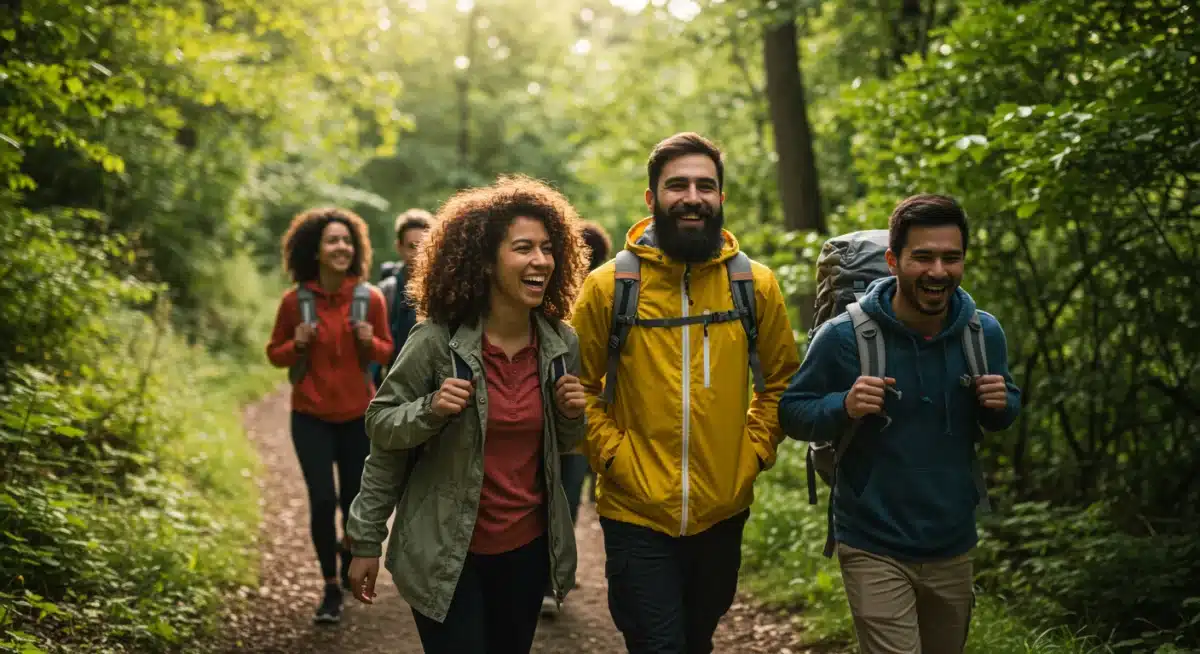
Benefits of urban green infrastructure
Stress reduction: Parks offer a quiet escape from urban noise and activity.
Improved mood: Exposure to greenery can elevate spirits and reduce negative emotions.
Enhanced cognitive function: Even brief interactions can improve focus and attention.
Community building: Green spaces often serve as gathering places, fostering social interaction.
Beyond individual well-being, urban green spaces play a significant role in fostering community health. Community gardens, for instance, not only provide fresh produce but also create opportunities for social interaction and shared purpose.
These spaces can reduce feelings of isolation and build stronger neighborhood bonds, leading to improved collective mental health. Children growing up with access to green spaces also exhibit better cognitive development and reduced behavioral problems, highlighting the long-term benefits of urban nature.
Moreover, the design and accessibility of urban green spaces are critical. Planners and policymakers are increasingly recognizing the importance of integrating nature into urban design, creating walkable green corridors, pocket parks, and encouraging rooftop gardens.
These initiatives aim to make nature an integral, rather than incidental, part of urban living, ensuring that all residents, regardless of socioeconomic status, have opportunities to experience its restorative benefits. The goal is to create cities that are not just functional, but also nurturing to the human spirit.
In summary, urban green spaces are indispensable for the mental well-being of city residents. By providing accessible havens for stress reduction, mood improvement, and community building, these natural elements mitigate the challenges of urban living, transforming cities into healthier and more restorative environments for everyone.
Cultivating a nature-rich lifestyle: long-term health advantages
Embracing a nature-rich lifestyle is not merely a temporary fix for stress but a sustainable approach to achieving long-term health advantages, both mental and physical. Consistent engagement with natural environments builds resilience, promotes holistic well-being, and can significantly improve quality of life over time.
For individuals and families across America, making nature a regular part of life can lead to profound and lasting positive changes.
One of the most significant long-term benefits is the sustained reduction in chronic stress. While acute stress is a normal part of life, prolonged stress can lead to a host of health problems, including cardiovascular disease, weakened immune function, and chronic mental health issues.
Regular exposure to nature helps to keep stress levels in check, preventing the cumulative negative effects on the body and mind. This consistent calming influence allows the body to maintain a more balanced physiological state, promoting overall resilience against illness.
Enduring benefits of consistent nature exposure
Improved sleep quality: Regular outdoor activity and natural light exposure regulate circadian rhythms.
Enhanced creativity: Nature immersion can boost problem-solving skills and innovative thinking.
Stronger social bonds: Shared outdoor experiences foster deeper connections with others.
Greater life satisfaction: A sense of connection to nature is often linked to higher reported happiness.
Beyond physical health, a nature-rich lifestyle fosters a deeper appreciation for the environment and encourages sustainable practices.
Individuals who spend more time in nature often develop a stronger sense of environmental stewardship, leading to actions that benefit both personal well-being and the planet.
This interconnectedness creates a positive feedback loop: caring for nature in turn provides more opportunities for restorative experiences, further enhancing individual health.
Moreover, consistent engagement with nature promotes a sense of purpose and meaning. Whether it’s through gardening, bird watching, or simply observing the changing seasons, connecting with the natural world can provide a sense of belonging to something larger than oneself.
This spiritual and existential connection can be incredibly powerful in navigating life’s challenges, offering perspective and fostering a sense of peace. It encourages a slower pace of life, allowing for reflection and a greater appreciation for simple joys.
In conclusion, cultivating a nature-rich lifestyle offers far-reaching, long-term health advantages that extend beyond immediate stress relief.
By consistently engaging with natural environments, individuals can achieve sustained reductions in chronic stress, improve physical health, foster environmental stewardship, and cultivate a deeper sense of purpose and satisfaction, leading to a more fulfilling and resilient life.
Overcoming barriers to outdoor engagement
Despite the overwhelming evidence of the benefits of spending time in nature for reducing stress and improving mental well-being, many individuals face significant barriers to outdoor engagement.
These obstacles can range from lack of access and time constraints to safety concerns and a general disconnection from natural environments. Addressing these barriers is crucial to ensure that everyone, regardless of their circumstances, can reap nature’s therapeutic rewards.
One common barrier is the lack of accessible green spaces, particularly for those living in urban areas or underserved communities.
Not everyone has a park or a forest preserve within easy reach, and transportation can be a significant hurdle. Advocating for more equitable distribution of green infrastructure and improving public transit options to natural areas are vital steps.
Community initiatives that provide guided nature walks or organize group outings can also help bridge this gap, making outdoor experiences more attainable for diverse populations.
Time constraints also pose a major challenge in our busy society. Many people feel they simply don’t have enough hours in the day to dedicate to outdoor activities. However, even short bursts of nature exposure can be beneficial.
Encouraging micro-breaks in nature, such as a 10-minute walk around the block or spending a few moments by a window overlooking greenery, can help integrate nature into tight schedules.
The perception that outdoor engagement requires significant time commitment can be reframed by highlighting the power of brief, intentional interactions.
Strategies to overcome common barriers
Utilize local resources: Seek out nearby parks, community gardens, or even tree-lined streets.
Schedule nature time: Treat outdoor time as an important appointment in your calendar.
Address safety concerns: Choose well-lit, populated areas or go with a friend or group.
Embrace all weather: Invest in appropriate gear to enjoy nature in various conditions.
Safety concerns, whether real or perceived, can also deter individuals from venturing outdoors. This is particularly true for women, minorities, and those in unfamiliar areas.
Promoting well-maintained, well-lit parks, and encouraging group activities can help alleviate these fears. Additionally, educational programs that teach basic outdoor skills and foster a sense of confidence in natural settings can empower individuals to explore more freely. It’s about creating welcoming and secure environments for everyone.
Finally, a cultural shift towards valuing nature is essential. In an increasingly digital world, many have grown disconnected from the natural environment.
Promoting environmental education from an early age, highlighting the scientific benefits of nature exposure, and encouraging media that celebrates the outdoors can help foster a renewed appreciation for green spaces.
Overcoming these barriers requires a multifaceted approach, combining urban planning, community initiatives, and individual effort to ensure nature’s healing power is accessible to all.
In conclusion, while barriers to outdoor engagement exist, they are not insurmountable.
By focusing on accessibility, reframing time commitments, addressing safety concerns, and fostering a cultural appreciation for nature, we can collectively work towards a society where everyone can regularly access and benefit from the profound stress-reducing and mental well-being enhancing qualities of the natural world.
| Key Benefit | Brief Description |
|---|---|
| Stress Reduction | Lowers cortisol, heart rate, and blood pressure, promoting relaxation. |
| Mental Well-being | Improves mood, reduces anxiety/depression symptoms, and boosts cognitive function. |
| Physical Health | Enhances immune system, encourages physical activity, and improves sleep quality. |
| Cognitive Restoration | Restores directed attention, improves focus, and fosters creativity through soft fascination. |
Frequently asked questions about nature and well-being
Research suggests that even short periods, like 10-20 minutes, can positively impact mood and stress levels. Consistent engagement, such as 120 minutes per week, is linked to significant improvements in health and well-being. Regularity over duration often yields better results for long-term health benefits.
Yes, urban parks offer substantial benefits for stress reduction and mental well-being, especially for city dwellers. While wilderness areas might provide a deeper immersion, accessible green spaces in cities effectively mitigate urban stressors, improve mood, and offer vital restorative experiences, making them incredibly valuable.
Forest bathing, or shinrin-yoku, is the practice of mindfully immersing oneself in the forest atmosphere through all five senses. It helps reduce stress, lower blood pressure, and boost immune function by encouraging a deep, sensory connection with nature, promoting relaxation and mental clarity without strenuous activity.
While generally safe, risks include environmental hazards like extreme weather, wildlife encounters, or uneven terrain. It’s important to be prepared, check forecasts, dress appropriately, and be aware of your surroundings. In urban areas, personal safety can be a concern; choosing well-trafficked, well-maintained parks is advisable.
Even in cities, you can: take short walks in local parks, tend to houseplants, create a balcony garden, seek out tree-lined streets, or visit community gardens. Mindful observation of natural elements like clouds or birds can also provide a quick connection. Every small interaction contributes to well-being.
Conclusion
The journey through the myriad benefits of spending time in nature reveals a profound truth: our connection to the natural world is not just a pleasant diversion but a fundamental pillar of our physical and mental health.
From reducing stress hormones and alleviating symptoms of anxiety and depression to enhancing cognitive function and fostering a deeper sense of purpose, nature offers a holistic prescription for modern ailments.
As we navigate the complexities of contemporary life, actively seeking out and embracing green spaces, whether vast wilderness or a small urban park, becomes an essential practice for cultivating resilience, improving mental well-being, and ultimately, leading a more fulfilling and balanced life. The simple act of stepping outside can be a powerful step towards a healthier, happier you.