New Tech Trends 2026: Dominant Gadgets & Apps Revealed
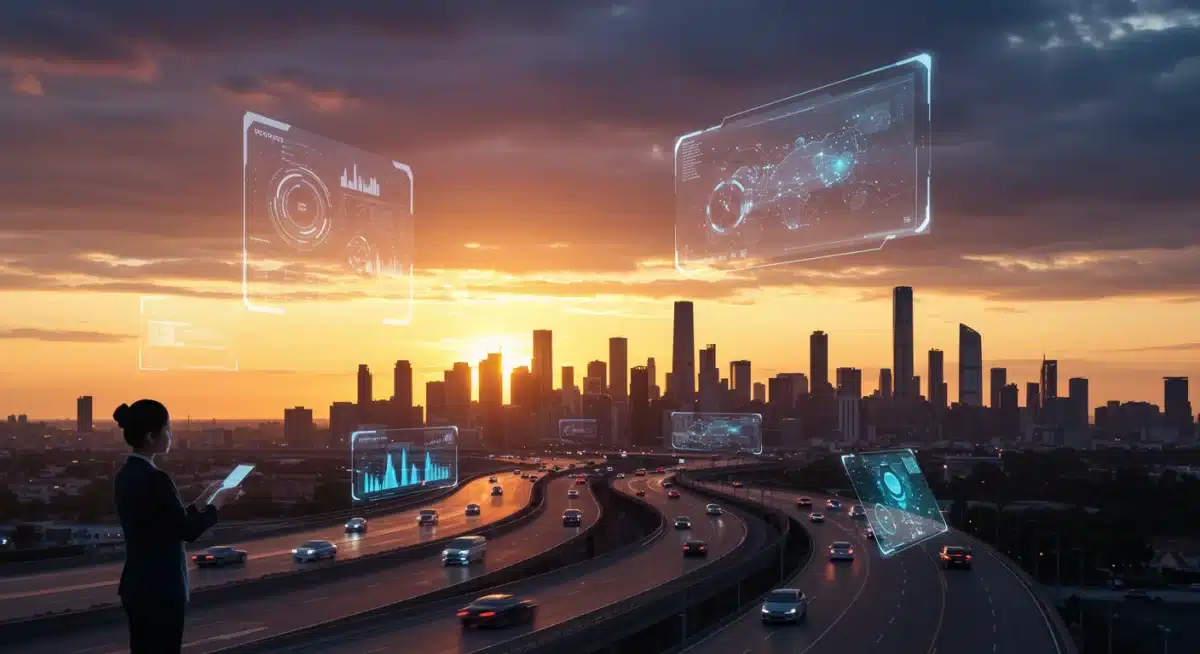
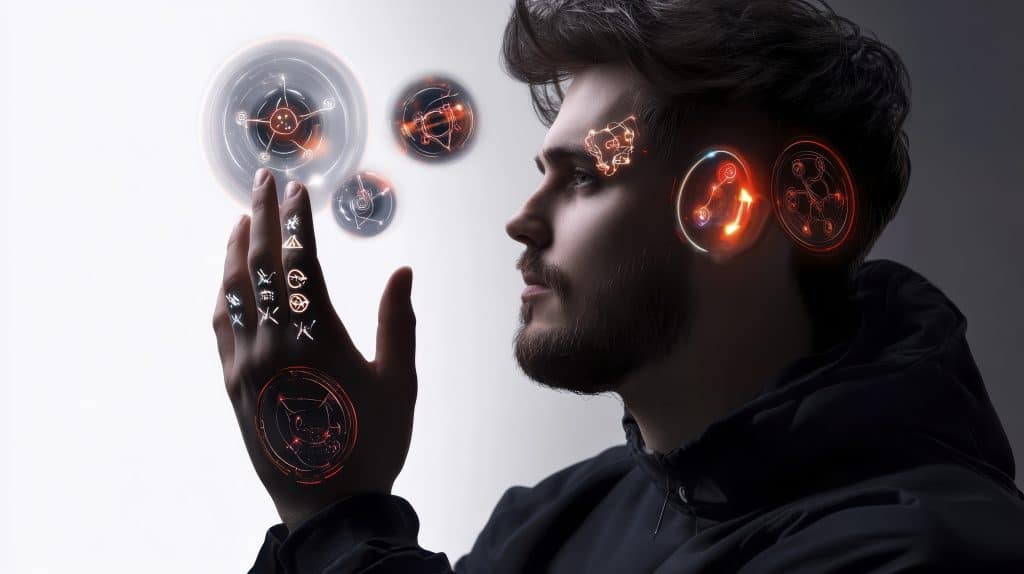 The year 2026 is poised to witness a transformative shift in technology, with artificial intelligence, augmented reality, and hyper-personalized digital ecosystems emerging as the pivotal forces shaping our daily lives and market landscapes.
As we rapidly approach the mid-point of the decade, the question on everyone’s mind is: what will next-generation technology look like? The landscape of innovation is constantly evolving, and by 2026, we expect to see groundbreaking advancements that redefine our interactions with the digital world. This article delves into the most significant new tech trends in 2026, exploring the gadgets and applications poised to dominate the market and fundamentally change our everyday lives.
The rise of ambient AI and personalized experiences
Ambient AI is set to become a cornerstone of our technological existence by 2026, moving beyond simple voice commands to truly anticipate our needs.
This evolution means AI will integrate seamlessly into our environments, learning our routines, preferences, and even emotional states to provide hyper-personalized experiences.
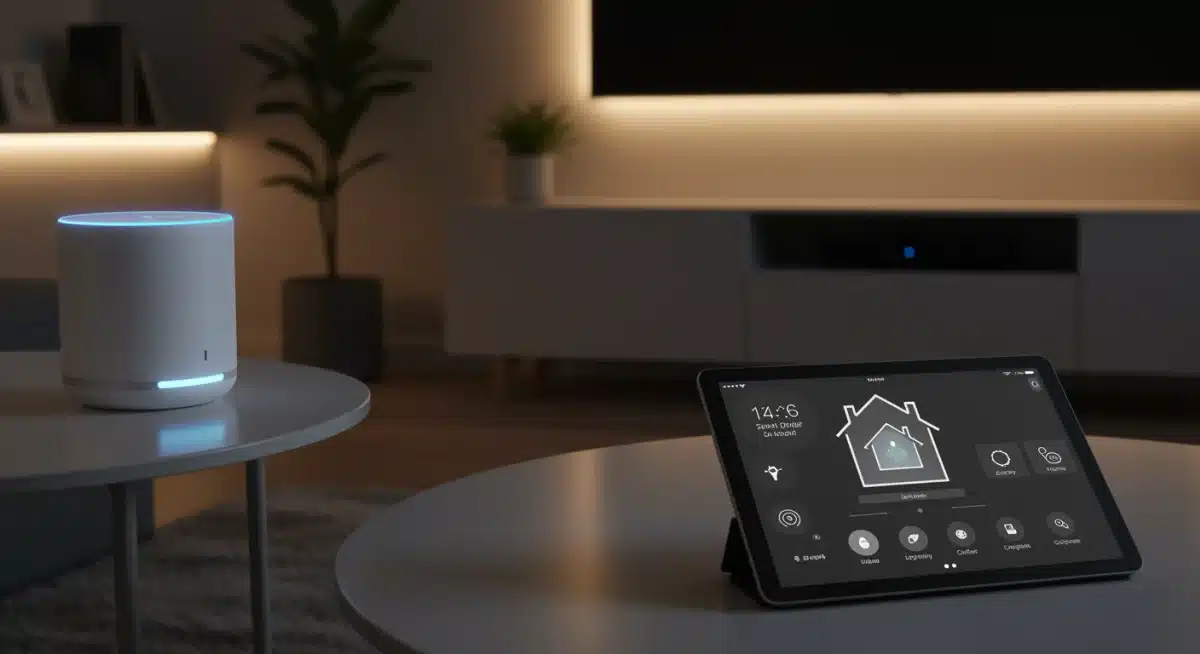
Imagine a home that adjusts lighting, temperature, and even music based on your mood, or a car that optimizes your route and suggests breaks before you even realize you need them. This isn’t science fiction; it’s the near future, driven by sophisticated algorithms and interconnected devices that work in harmony.
AI-powered smart home ecosystems
Smart homes will transcend basic automation. By 2026, AI will act as a central nervous system, managing everything from energy consumption to security with unprecedented intelligence.
Predictive Maintenance: AI systems will predict potential appliance failures, ordering parts or scheduling repairs autonomously.
Adaptive Environments: Homes will dynamically adjust to individual occupants, recognizing faces and preferences to create bespoke living spaces.
Enhanced Security: AI-driven surveillance will offer advanced threat detection, differentiating between family members, pets, and intruders with high accuracy.
Hyper-personalized digital assistants
Digital assistants in 2026 will be far more intuitive and proactive. They will possess a deeper understanding of context and nuance, offering truly personalized support.
These assistants will learn from your digital footprint across all devices and platforms, enabling them to offer highly relevant recommendations, manage complex schedules, and even engage in more natural, human-like conversations. The goal is to make technology feel less like a tool and more like an extension of ourselves.
In essence, ambient AI will make technology invisible, yet omnipresent, creating a world where devices anticipate our desires and adapt to our lives with minimal conscious effort on our part. This paradigm shift will redefine convenience and efficiency, making our digital interactions more natural and intuitive than ever before.
Augmented reality (AR) beyond entertainment
While AR has made significant strides in gaming and social media, 2026 will see its true potential unleashed across various industries. We’re moving towards a future where AR glasses and contact lenses become as common as smartphones, overlaying digital information onto our physical world in real-time.
This isn’t just about fun filters; it’s about practical applications that enhance productivity, education, and even healthcare. Imagine doctors performing complex surgeries with AR overlays providing critical patient data, or engineers visualizing intricate designs directly on a construction site.
Transforming education and training
AR will revolutionize learning by providing immersive, interactive experiences. Students will be able to dissect virtual organs, explore ancient ruins, or conduct complex scientific experiments without leaving the classroom.
Interactive Textbooks: AR will bring textbook content to life, offering 3D models and simulations directly from the pages.
Hands-on Training: Vocational training will benefit immensely, allowing apprentices to practice complex tasks in a safe, virtual environment with real-time guidance.
Global Classrooms: Students from different parts of the world can collaborate on projects in shared AR spaces, fostering a more connected learning experience.
AR in retail and navigation
Shopping and travel will also be profoundly impacted. AR will allow consumers to virtually try on clothes, visualize furniture in their homes, or receive dynamic navigation instructions overlaid directly onto their view of the street.
This seamless integration of digital information into our physical reality promises to make daily tasks more efficient, informative, and engaging. The widespread adoption of AR will usher in a new era of interaction, blurring the lines between the digital and physical worlds in ways we are just beginning to comprehend.
The ubiquity of AR devices will mean that contextual information is always available, enhancing our perception and understanding of our surroundings without requiring us to constantly look down at a screen. This shift will make our interactions with technology more natural and less distracting, improving our overall quality of life.
The proliferation of smart wearables and bio-integrated devices
Wearable technology has moved beyond smartwatches, and by 2026, we’ll see a significant expansion into bio-integrated devices. These aren’t just gadgets you wear; they’re extensions of your body, continuously monitoring health, enhancing capabilities, and providing seamless interaction with the digital world.
Think about smart rings that track sleep patterns and stress levels with medical-grade accuracy, or clothing embedded with sensors that monitor vital signs during exercise. These devices will gather vast amounts of personal health data, offering unprecedented insights into our well-being and enabling proactive health management.
Advanced health monitoring and preventative care
The focus will shift from reactive treatment to preventative care, empowered by continuous data streams from wearables.
Real-time Diagnostics: Wearables will alert users and healthcare providers to potential health issues before symptoms even appear.
Personalized Wellness Plans: AI will leverage wearable data to create highly customized diet, exercise, and sleep recommendations.
Remote Patient Monitoring: Chronic disease management will be revolutionized, allowing doctors to monitor patients from afar and intervene promptly when necessary.
Enhanced human-computer interaction
Bio-integrated devices will also change how we interact with our digital tools. Gesture control, thought interfaces, and even subtle physiological changes could become new input methods.
Imagine controlling your smart home with a flick of your wrist or composing messages simply by thinking them. This level of integration promises a future where technology responds to our intentions and movements with incredible precision, making our digital interactions more intuitive and less reliant on traditional interfaces.
The continuous data flow from these devices will provide a rich tapestry of personal information, which, when handled responsibly, can lead to healthier, more efficient, and more connected lives. The ethical implications of such pervasive data collection will undoubtedly be a key discussion point, but the potential benefits for health and convenience are immense.
Decentralized web (web3) and blockchain applications
Blockchain technology will mature beyond cryptocurrencies, becoming a foundational layer for a more decentralized and secure internet by 2026. Web3, the next iteration of the internet, promises greater user control over data, enhanced privacy, and new models of digital ownership.
This shift will empower individuals by returning ownership of their digital assets and data, moving away from centralized platforms that currently control much of the internet. Expect to see widespread adoption of blockchain in various sectors, from finance and supply chain to digital identity and content creation.
NFTs and digital ownership evolution
Non-Fungible Tokens (NFTs) will evolve beyond speculative art, becoming critical for proving ownership of digital and even physical assets. This will have profound implications for intellectual property, gaming, and real estate.
For example, property deeds could be recorded as NFTs, simplifying transfers and reducing fraud. In gaming, players could truly own in-game assets, trading them across different platforms. This fosters a new economy of digital ownership, giving creators and consumers unprecedented control.
Decentralized finance (DeFi) and secure transactions
DeFi will offer alternatives to traditional banking, providing more accessible and transparent financial services powered by blockchain.
Peer-to-peer lending: Direct transactions between individuals without intermediaries, reducing fees and increasing efficiency.
Transparent Record-keeping: All transactions are immutable and publicly verifiable, enhancing trust and reducing fraud.
Digital Identity: Secure, self-sovereign digital identities will reduce the risk of identity theft and simplify online verification processes.
The promise of Web3 is an internet that is more equitable, secure, and user-centric. While challenges remain in scalability and user adoption, the fundamental shift towards decentralization is a powerful trend that will reshape our digital interactions and economic models. This evolution signifies a move towards a more democratic digital space, where individuals have greater agency over their online lives.
The advent of haptic feedback and multi-sensory interfaces
Our interaction with technology has historically been limited to sight and sound, with touch being a rudimentary addition. By 2026, multi-sensory interfaces, particularly advanced haptic feedback, will become mainstream, adding a new dimension to our digital experiences.
Imagine not just seeing and hearing a virtual environment, but feeling the texture of objects, the impact of a collision, or the subtle vibrations of a distant engine. This technology will bridge the gap between the digital and physical, making virtual reality more immersive and remote interactions more tangible.

Enhanced virtual and augmented reality immersion
Haptic technologies will transform VR and AR from visual experiences into truly immersive, tactile encounters. This will be crucial for professional training, gaming, and remote collaboration.
Realistic Simulations: Surgeons can practice delicate procedures with realistic tactile feedback, improving skill acquisition.
Gaming Realism: Gamers will feel every explosion, every impact, and every texture, deepening their engagement with virtual worlds.
Remote Work Collaboration: Engineers can virtually manipulate 3D models with colleagues across the globe, feeling the resistance and texture of virtual components.
Tactile communication and feedback
Beyond entertainment and professional applications, haptic feedback will enhance everyday communication and device interaction. Notifications could convey nuanced information through varying vibrations, and touchscreens could simulate physical buttons or textures.
This allows for a richer, more intuitive form of communication, where information is conveyed not just visually or audibly, but also through touch. The integration of haptics will make technology feel more natural and responsive, creating a more engaging and less abstract digital experience.
The development of sophisticated actuators and materials capable of producing a wide range of tactile sensations will be key to this revolution. As these technologies become smaller, more energy-efficient, and more affordable, they will integrate into a vast array of devices, fundamentally changing how we perceive and interact with our digital world.
Sustainable tech and ethical AI development
As technology continues its rapid advancement, the focus will increasingly shift towards sustainability and ethical development by 2026. The environmental impact of manufacturing, energy consumption, and electronic waste is becoming a critical concern, pushing innovators towards greener solutions.
Furthermore, the ethical implications of powerful AI and pervasive data collection demand careful consideration. Companies and governments will face growing pressure to develop AI responsibly, ensuring fairness, transparency, and accountability.
Eco-friendly manufacturing and circular economy principles
The tech industry will adopt more sustainable practices, from sourcing raw materials to product end-of-life management.
Recycled Materials: Increased use of recycled and sustainably sourced materials in gadget production.
Energy Efficiency: Development of more energy-efficient devices and data centers to reduce carbon footprints.
Modular Design: Products designed for easier repair, upgrades, and recycling, extending their lifespan and reducing waste.
Ethical AI frameworks and data privacy
The development of AI will be guided by stronger ethical frameworks, addressing concerns around bias, privacy, and autonomous decision-making.
Regulations will likely evolve to ensure AI systems are transparent, explainable, and free from harmful biases. Data privacy will also remain a paramount concern, with new technologies and legal frameworks designed to give users greater control over their personal information.
This commitment to ethical AI and sustainable tech reflects a growing global awareness of technology’s broader societal and environmental impact.
The push for sustainable tech isn’t just about environmental responsibility; it’s also about economic viability and consumer demand. As consumers become more conscious of their ecological footprint, products that align with sustainable values will gain a significant market advantage.
Similarly, ethical AI development is crucial for building public trust and ensuring that these powerful technologies serve humanity’s best interests.
Quantum computing’s emerging impact and specialized applications
While still in its nascent stages, quantum computing is projected to begin demonstrating tangible impacts on specialized applications by 2026.
This revolutionary computing paradigm, which leverages the principles of quantum mechanics, has the potential to solve problems that are currently intractable for even the most powerful classical supercomputers.
Its initial applications will likely be in highly specialized fields such as drug discovery, materials science, complex financial modeling, and cryptographic security. While widespread consumer devices based on quantum computing are still far off, its foundational influence will begin to ripple through industries that rely on intense computational power.
Accelerating scientific discovery
Quantum computers will significantly accelerate research and development in areas critical to human advancement.
Drug Development: Simulating molecular interactions with unprecedented accuracy, leading to the discovery of new drugs and therapies.
Material Science: Designing new materials with tailored properties for various applications, from energy storage to aerospace.
Climate Modeling: Creating more precise climate models to better understand and predict environmental changes.
Revolutionizing data security and cryptography
The immense computational power of quantum computers also poses challenges and opportunities for cybersecurity. While they could potentially break current encryption methods, they also enable the development of new, quantum-resistant cryptographic systems.
This duality means quantum computing will both challenge and enhance data security, pushing the boundaries of what’s possible in protecting sensitive information. The race is on to develop quantum-safe algorithms before quantum computers become powerful enough to compromise existing security protocols. This will be a significant area of focus for cybersecurity experts and governments worldwide.
Although quantum computing will not be a consumer technology in 2026, its foundational advancements will lay the groundwork for future breakthroughs that will eventually impact every aspect of technology.
The ability to tackle previously unsolvable problems will unlock new frontiers in science, engineering, and artificial intelligence, driving innovation for decades to come.
| Key Trend | Brief Description |
|---|---|
| Ambient AI | AI seamlessly integrates into daily life, anticipating needs and personalizing experiences. |
| Augmented Reality (AR) | AR goes beyond entertainment, enhancing productivity, education, and healthcare. |
| Bio-integrated Wearables | Devices monitor health, enhance capabilities, and provide seamless digital interaction. |
| Decentralized Web (Web3) | Blockchain powers a more secure, user-controlled internet with new digital ownership. |
Frequently asked questions about 2026 tech trends
Ambient AI refers to artificial intelligence seamlessly integrated into our environments, anticipating needs without explicit commands. By 2026, it will personalize smart home settings, optimize daily routines, and offer proactive assistance, making technology feel more intuitive and less intrusive in your everyday activities.
While AR will expand significantly beyond entertainment, becoming integrated into glasses and contact lenses, it’s unlikely to fully replace smartphones by 2026. Instead, AR will complement smartphones, offering new ways to interact with digital information overlaid onto the real world, enhancing rather than supplanting current devices.
Bio-integrated devices are advanced wearables that go beyond simple tracking, continuously monitoring physiological data like vital signs and stress levels with high accuracy. By 2026, they will enable proactive health management, real-time diagnostics, and personalized wellness plans, shifting focus towards preventative care and early intervention.
Web3, powered by blockchain, will decentralize the internet, giving users greater control over their data and digital assets. By 2026, it will enable verifiable digital ownership through NFTs, offer more secure transactions via DeFi, and enhance privacy, moving away from centralized control towards a more user-centric online experience.
Haptic feedback will add a new dimension to digital interactions by providing tactile sensations. By 2026, it will enhance immersion in VR/AR experiences, allowing users to ‘feel’ virtual objects. It will also improve communication and device interaction, making technology more intuitive and engaging through realistic touch-based feedback.
Conclusion
The year 2026 promises to be a pivotal moment in technological evolution, driven by the convergence of several powerful trends. From the subtle intelligence of ambient AI that anticipates our every need, to the immersive realities offered by advanced AR and multi-sensory interfaces, our interactions with technology are set to become more seamless, intuitive, and deeply integrated into our lives.
Bio-integrated wearables will empower us with unprecedented insights into our health, while the decentralized web will redefine digital ownership and privacy. Furthermore, the growing emphasis on sustainable tech and ethical AI development reflects a maturing industry recognizing its broader societal responsibilities.
While quantum computing’s immediate impact will be specialized, its foundational advancements will ripple through future innovations. These new tech trends in 2026 are not just about faster processors or sleeker gadgets; they represent a fundamental shift in how we live, work, and connect, promising a future where technology truly serves humanity in more profound and personalized ways.