Outdoor activities: nature’s health benefits in 2026
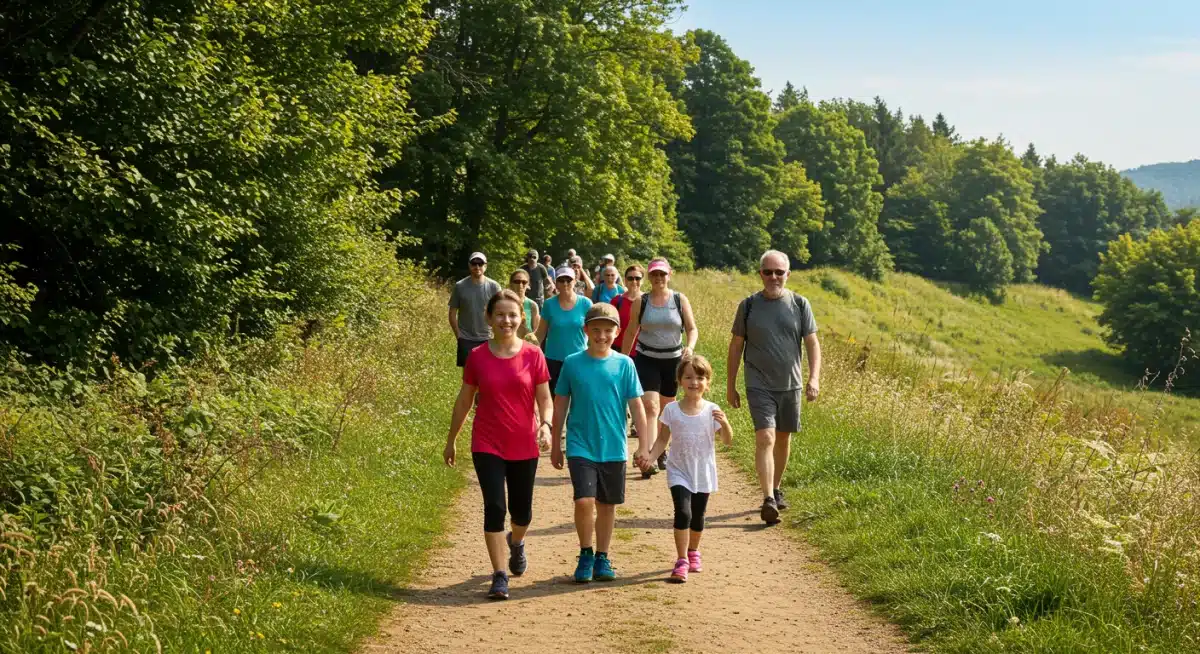
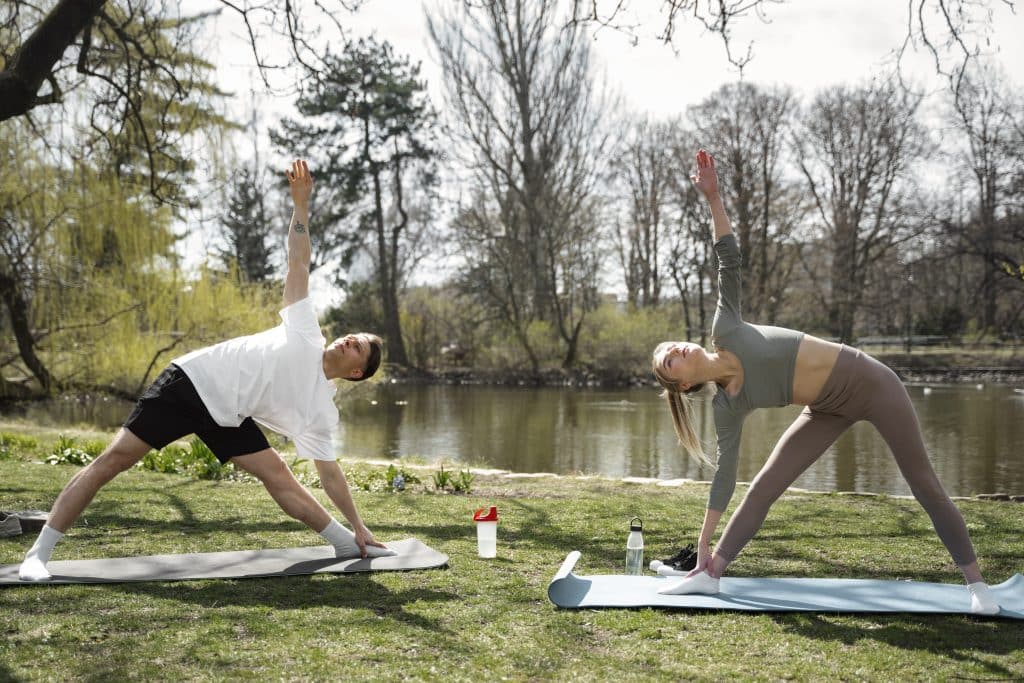 Outdoor activities provide a holistic approach to well-being, enhancing physical and mental health by fostering a vital connection with nature, which is increasingly recognized as essential for thriving in 2026.
As we navigate the complexities of modern life, the importance of reconnecting with our natural surroundings has never been more evident.
Embracing outdoor activities offers a powerful antidote to sedentary lifestyles and digital overload, providing profound benefits for our physical, mental, and emotional health in 2026 and beyond. This exploration delves into how engaging with nature can transform your well-being.
The profound impact of nature on mental well-being
Stepping outside, even for a short period, can dramatically shift our mental state. The natural world possesses an inherent ability to soothe the mind, reduce stress, and promote a sense of calm that is often elusive in our fast-paced urban environments. This connection to nature, often termed ‘shinrin-yoku’ or forest bathing, is more than just a pleasant experience; it’s a scientifically supported pathway to improved mental health.
The sensory richness of the outdoors—the rustling leaves, the scent of pine, the warmth of the sun—works in concert to lower cortisol levels, the body’s primary stress hormone. Spending time in green spaces has been consistently linked to decreased feelings of anxiety and depression, fostering a more positive outlook on life and enhancing overall emotional resilience. It’s a simple yet powerful prescription for a healthier mind.
Reducing stress and anxiety through natural immersion
The gentle rhythm of nature provides a stark contrast to the often chaotic demands of daily life. This difference allows our minds to decompress and reset, offering a much-needed break from cognitive fatigue.
Studies show that even a brief walk in a park can significantly reduce rumination, a common symptom of anxiety and depression.
Lowered cortisol levels: Direct exposure to natural environments helps to decrease the production of stress hormones.
Improved mood: Sunlight exposure boosts serotonin, a neurotransmitter associated with feelings of well-being and happiness.
Enhanced cognitive function: Nature walks can improve memory and attention span, akin to meditation for the brain.
Greater emotional regulation: Regular outdoor engagement helps individuals manage their emotions more effectively.
Furthermore, the quiet contemplation promoted by natural settings encourages mindfulness, allowing individuals to be more present and less caught up in worries about the past or future.
This mindful state is crucial for mental clarity and emotional balance, helping us to navigate personal and professional challenges with greater ease.
Boosting cognitive function and creativity
Beyond stress reduction, nature plays a vital role in sharpening our cognitive abilities and sparking creativity.
The concept of ‘attention restoration theory’ suggests that natural environments allow for involuntary attention, which helps to restore our directed attention capacity, often depleted by urban stimuli and digital tasks.
This restoration leads to improved problem-solving skills, enhanced focus, and a greater capacity for original thought.
Whether it’s a walk through a botanical garden or a hike up a mountain trail, the brain benefits from the change of scenery and the absence of constant digital distractions.
It’s a natural way to reboot our mental systems and unlock new perspectives.
In conclusion, the mental health benefits of engaging in outdoor activities are extensive and well-documented.
From reducing stress and anxiety to boosting cognitive function and creativity, nature provides an invaluable resource for maintaining and improving our psychological well-being. Prioritizing time outdoors is an investment in a healthier, happier mind.
Physical vitality: how outdoor activities sculpt a healthier body
Physical activity is a cornerstone of good health, and when performed outdoors, its benefits are amplified. Engaging in activities like hiking, cycling, or even gardening leverages natural elements to provide a more engaging and effective workout than indoor alternatives.
The variability of terrain, exposure to fresh air, and natural light all contribute to a superior physical experience.
From strengthening muscles and improving cardiovascular health to enhancing flexibility and boosting immunity, the physical advantages of outdoor pursuits are undeniable. These activities are not just about burning calories;
they are about building a resilient body that is better equipped to handle the demands of everyday life and resist chronic diseases. The fresh air itself provides a significant boost, improving lung capacity and oxygen intake.
Cardiovascular health and endurance
Activities such as brisk walking, running, and cycling in natural settings are excellent for the heart. The varied inclines and surfaces encountered on trails or paths provide a more dynamic workout, challenging the cardiovascular system in ways a treadmill often cannot.
This leads to improved heart health, lower blood pressure, and increased endurance over time.
Strengthens heart muscle: Regular aerobic activity makes the heart more efficient at pumping blood.
Lowers blood pressure: Consistent outdoor exercise can help reduce hypertension.
Increases lung capacity: Breathing fresh air during exertion improves respiratory efficiency.
Boosts stamina: Over time, the body adapts, allowing for longer and more intense physical efforts.
Furthermore, the enjoyment derived from being outdoors can make exercise feel less like a chore and more like an adventure, encouraging greater consistency and adherence to a fitness routine. This sustained engagement is key to achieving long-term cardiovascular benefits.
Muscle strength, flexibility, and balance
Outdoor environments naturally incorporate elements that challenge our balance and engage a wider range of muscle groups.
Uneven terrain, obstacles, and varied movements required by activities like rock climbing or trail running contribute to enhanced strength, flexibility, and proprioception.
This holistic approach to physical development is difficult to replicate in a gym setting.
Even simpler activities like walking on grass or sand require more effort and engage stabilizing muscles, leading to better overall physical conditioning.
Improved balance and flexibility are particularly crucial as we age, reducing the risk of falls and maintaining independence.
In summary, the physical benefits of outdoor activities are comprehensive, encompassing cardiovascular health, muscle strength, flexibility, and balance.
By choosing to exercise in nature, individuals can achieve a more robust and resilient body, enhancing their overall physical vitality and setting the foundation for a healthier future.
Immunity and resilience: nature’s protective shield
Our immune system is our body’s defense against illness, and spending time outdoors can significantly bolster its capabilities.
Exposure to natural environments introduces us to a diverse range of microorganisms and stimuli that can prime our immune responses, making us more resilient to pathogens.
This connection is especially vital in an era where indoor living often limits our exposure to beneficial environmental factors.
Beyond microbial exposure, the combined effects of fresh air, sunlight, and reduced stress from outdoor activities create an optimal environment for immune system functioning.
This natural shield helps to reduce the incidence of common illnesses and may even play a role in preventing more serious health conditions.
Harnessing the power of ‘phytoncides’ and sunlight
Forests, in particular, are rich in airborne chemicals called phytoncides, emitted by trees to protect themselves from insects and fungi.
When humans inhale these compounds, they can experience an increase in the activity of natural killer (NK) cells, a type of white blood cell that plays a crucial role in fighting off infections and even cancer cells.
Additionally, sunlight exposure is a primary source of Vitamin D, a vital nutrient for immune health. Vitamin D deficiency is common and has been linked to increased susceptibility to infections and autoimmune diseases.
Regular, safe sun exposure during outdoor activities helps ensure adequate Vitamin D levels, strengthening our body’s defenses.
Reducing inflammation and boosting disease resistance
Chronic inflammation is a silent culprit behind many modern diseases, including heart disease, diabetes, and certain cancers. Studies suggest that spending time in nature can help reduce systemic inflammation markers in the body, contributing to a healthier internal environment.
Enhanced NK cell activity: Phytoncides from trees boost the immune system’s natural killer cells.
Optimal Vitamin D levels: Sunlight exposure is essential for Vitamin D synthesis, critical for immunity.
Reduced inflammatory markers: Nature exposure can help lower chronic inflammation.
Improved gut microbiome: Exposure to diverse outdoor microbes can enrich gut health, which is linked to immunity.
Moreover, the stress-reducing effects of outdoor activities indirectly support immune function, as chronic stress is known to suppress the immune system.
By mitigating stress, nature helps maintain a robust and responsive immune defense, making us less vulnerable to illness.
In conclusion, outdoor activities offer a powerful and natural way to build immunity and resilience.
Through exposure to beneficial compounds, sunlight, and stress reduction, nature provides a protective shield that enhances our body’s ability to fight off disease and maintain optimal health.
Social connection and community building in the great outdoors
While often perceived as solitary pursuits, many outdoor activities are inherently social, providing invaluable opportunities for connection and community building.
Sharing experiences in nature fosters bonds, strengthens relationships, and creates lasting memories. This social dimension adds another layer to the health benefits, as strong social ties are crucial for mental and emotional well-being.
Whether it’s a group hike, a family picnic in the park, or volunteering for a community garden project, these shared outdoor moments help combat feelings of isolation and loneliness, which are increasingly prevalent in modern society.
They offer a common ground for interaction, collaboration, and mutual support, enriching lives beyond individual health gains.
Strengthening family bonds and friendships
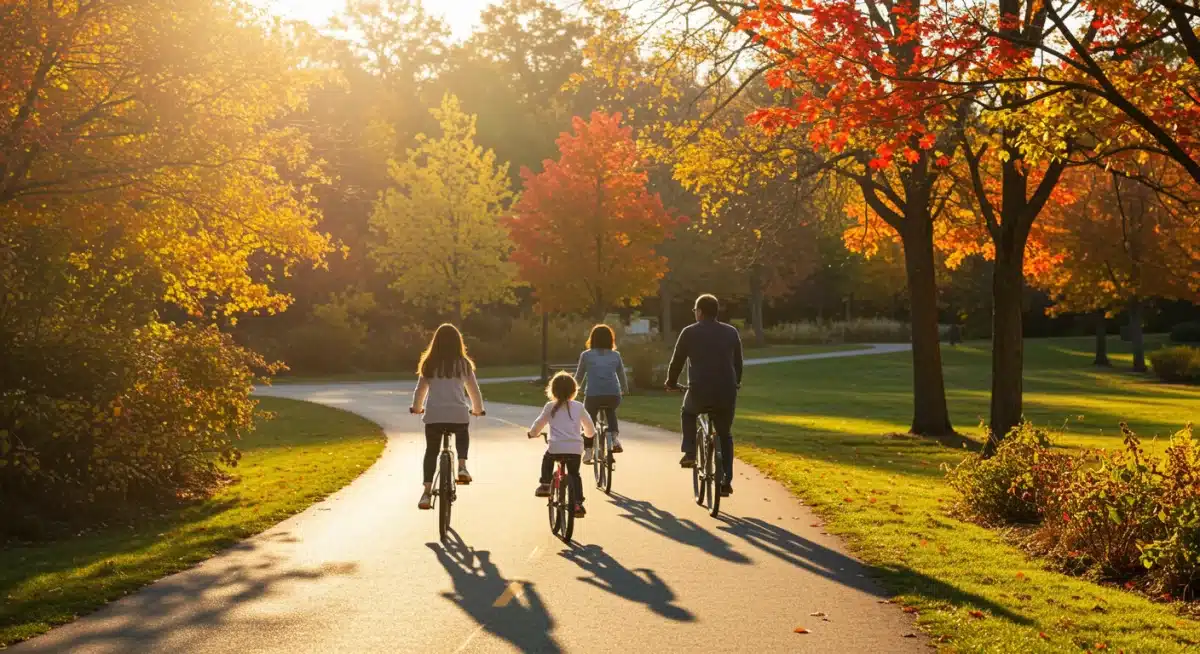
Outdoor adventures provide a perfect backdrop for families and friends to connect away from the distractions of technology and daily routines.
Shared challenges, like navigating a new trail, or simple joys, like spotting wildlife, create unique bonding experiences that strengthen relationships.
For children, playing outdoors with peers or family members develops social skills, cooperation, and conflict resolution in a natural, unstructured environment.
These formative experiences contribute to healthy social development and a stronger sense of belonging.
Fostering community engagement and belonging
Beyond immediate social circles, outdoor activities can also be a catalyst for broader community engagement. Local parks, nature preserves, and community gardens often host events and volunteer opportunities that bring people together with a shared purpose.
Shared experiences: Group activities like hiking or camping foster camaraderie and connection.
Reduced loneliness: Social interaction in nature combats isolation.
Family bonding: Outdoor play and exploration strengthen familial relationships.
Community projects: Volunteering in parks or gardens builds a sense of collective purpose.
Participating in these initiatives not only benefits the environment but also cultivates a sense of belonging and civic responsibility.
It allows individuals to contribute to their local environment while simultaneously building a supportive network of like-minded individuals.
In conclusion, the social aspect of outdoor activities is a significant contributor to overall well-being. By facilitating stronger family bonds, deeper friendships, and broader community engagement, nature provides a powerful platform for building healthy, connected societies.
Environmental awareness and sustainable living
Connecting with nature through outdoor activities naturally cultivates a deeper appreciation for the environment and an increased awareness of ecological issues.
When we spend time in natural spaces, we become more attuned to their beauty, their fragility, and the importance of their preservation. This heightened awareness often translates into a greater commitment to sustainable living practices.
Understanding the delicate balance of ecosystems and witnessing the impact of human activity firsthand can inspire individuals to adopt more environmentally friendly habits, from reducing waste to conserving resources.
This personal connection to nature is a powerful motivator for becoming an advocate for environmental protection and fostering a more sustainable future for all.
Inspiring conservation efforts
Direct experience in nature fosters a sense of stewardship. Hikers, birdwatchers, and campers often develop a profound respect for the landscapes they explore, leading them to support conservation organizations and participate in clean-up efforts.
This direct engagement is far more impactful than abstract learning about environmental issues.
Many individuals who initially engage in outdoor activities for personal enjoyment eventually become passionate advocates for protecting these spaces, recognizing their intrinsic value and their importance for future generations.
This transition from personal enjoyment to environmental activism is a common and powerful outcome.
Promoting eco-friendly practices in daily life
The lessons learned in nature often extend to daily habits. An appreciation for natural resources can lead to conscious choices in consumption, energy use, and waste management.
Simple acts, like choosing reusable products or reducing water usage, become more meaningful when viewed through the lens of environmental preservation.
Increased appreciation: Direct contact with nature fosters a deeper respect for ecosystems.
Motivation for conservation: Personal experiences inspire support for environmental protection.
Sustainable choices: Awareness of nature’s fragility promotes eco-friendly daily habits.
Advocacy: Individuals become champions for environmental causes.
Furthermore, understanding the interconnectedness of all living things can lead to a more holistic worldview, encouraging individuals to consider the broader impact of their actions on the planet.
This shift in perspective is fundamental to building a truly sustainable society.
In conclusion, outdoor activities serve as a powerful catalyst for environmental awareness and sustainable living.
By connecting us intimately with nature, they inspire a sense of responsibility and motivate us to adopt practices that protect our planet, ensuring its health for generations to come.
Practical tips for integrating outdoor activities into your routine
Integrating outdoor activities into a busy schedule can seem challenging, but with a few practical strategies, it’s entirely achievable.
The key is to start small, be consistent, and find activities that genuinely resonate with your interests and fitness level. Even brief moments spent outdoors can yield significant benefits, making it easier to build momentum over time.
Remember, it’s not about embarking on extreme adventures every weekend, but rather about making nature a regular, accessible part of your life.
Whether you live in a bustling city or a serene rural area, opportunities for outdoor engagement are often closer than you think, waiting to be discovered and enjoyed.
Start small and build gradually
Don’t feel pressured to become an avid hiker overnight. Begin with simple activities that fit easily into your day.
A 15-minute walk during your lunch break, an evening stroll around your neighborhood park, or even enjoying your morning coffee on a balcony or in your backyard can be effective starting points. Consistency is more important than intensity in the beginning.
As you become more comfortable and experience the benefits, you can gradually increase the duration and intensity of your outdoor excursions.
This progressive approach helps prevent burnout and allows your body to adapt naturally.
Explore local parks and green spaces
Many communities, even urban ones, have hidden gems in the form of local parks, community gardens, or nature trails.
Utilize online resources, local government websites, or community boards to discover green spaces near you.
These accessible locations provide convenient opportunities for regular outdoor engagement without requiring extensive travel.
Schedule it: Treat outdoor time like any other important appointment in your calendar.
Find a buddy: Exercising with a friend or family member can increase motivation and accountability.
Mix it up: Try different activities like walking, cycling, gardening, or outdoor yoga to keep things interesting.
Embrace all seasons: Dress appropriately and enjoy the unique beauty each season offers outdoors.
Embracing the variety of natural settings available can keep your outdoor routine fresh and exciting, encouraging continued participation.
Each environment offers a unique experience and different opportunities for physical and mental stimulation.
In conclusion, integrating outdoor activities into your routine doesn’t require a complete lifestyle overhaul.
By starting small, exploring local options, and making a conscious effort to prioritize time in nature, you can effortlessly unlock a wealth of health and well-being benefits, transforming your daily life for the better.
| Key Benefit | Brief Description |
|---|---|
| Mental Well-being | Reduces stress, anxiety, and improves mood and cognitive function. |
| Physical Health | Boosts cardiovascular health, muscle strength, flexibility, and balance. |
| Immune System | Strengthens immunity through phytoncides, Vitamin D, and reduced inflammation. |
| Social Connection | Fosters stronger bonds, community engagement, and reduces loneliness. |
Frequently asked questions about outdoor activities and health
For optimal health benefits, aim for at least 150 minutes of moderate-intensity outdoor activity per week, or 75 minutes of vigorous activity.
This can be broken down into shorter sessions throughout the week, such as 30 minutes five times a week. Consistency is key for long-term health improvements.
Not necessarily! Many outdoor activities, like walking, jogging, or gardening, require minimal to no special equipment.
Comfortable shoes and appropriate clothing for the weather are often all you need. As you progress, you might consider investing in gear for more specialized activities like hiking or cycling.
Absolutely. Outdoor activities burn calories, build muscle, and boost metabolism, all of which contribute to effective weight management.
The varied terrain and fresh air can make workouts feel less monotonous than indoor alternatives, encouraging greater adherence to an exercise routine and sustained calorie expenditure.
While generally safe, risks include weather exposure (sunburn, hypothermia), injuries from falls or uneven terrain, and encounters with wildlife or poisonous plants.
It’s important to dress appropriately, stay hydrated, inform someone of your plans, and be aware of your surroundings to minimize these risks.
Find an activity you genuinely enjoy, set realistic goals, and make it a social event by inviting friends or family. Exploring new parks or trails can also keep things exciting.
Focusing on the mental and physical benefits you feel after spending time outdoors can be a powerful motivator for consistent engagement.
Conclusion
In a world increasingly dominated by indoor pursuits and digital screens, the profound and multifaceted benefits of engaging in outdoor activities for better health in 2026 cannot be overstated.
From enhancing mental well-being by reducing stress and boosting cognitive function, to sculpting a healthier body through improved cardiovascular health and strength, and even bolstering our immune systems, nature offers a holistic pathway to vitality.
Furthermore, the great outdoors provides invaluable opportunities for social connection, strengthening bonds and fostering community, while simultaneously cultivating a deeper environmental awareness that inspires sustainable living.
By consciously integrating more time in nature into our daily routines, even through small, consistent steps, we unlock a powerful resource for not just surviving, but truly thriving in the years to come.
Embracing the natural world is an investment in a healthier, happier, and more connected future for ourselves and our communities.