Save on Utilities This Winter With Simple Energy Fixes
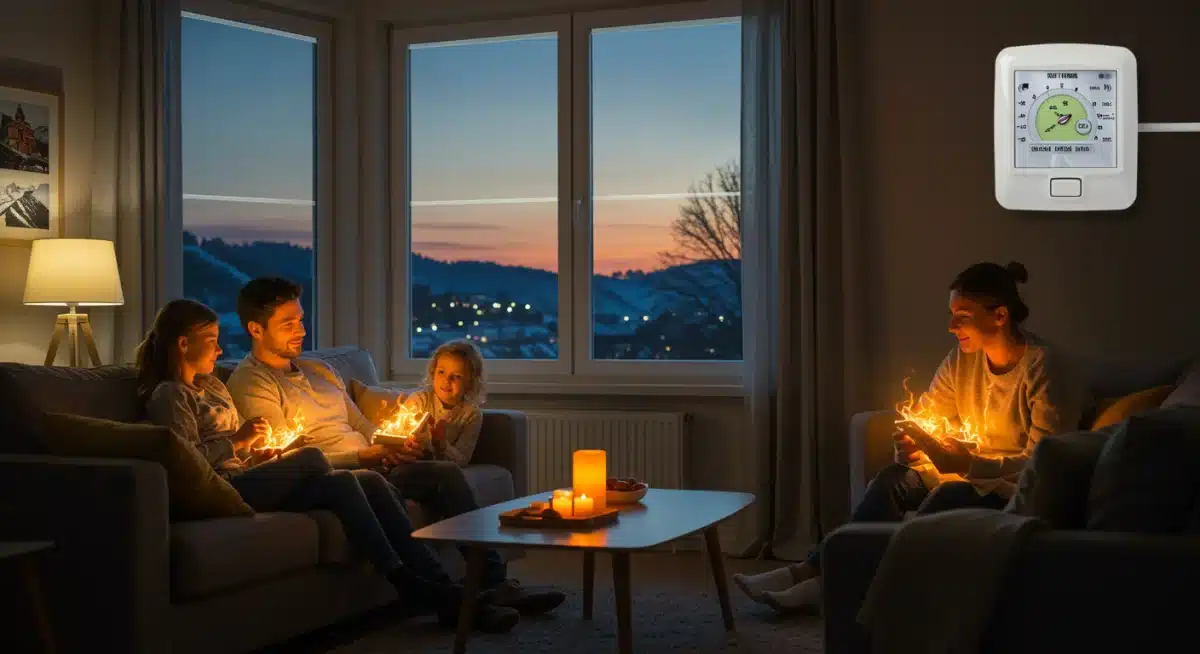
 Implementing strategic energy-saving measures can significantly reduce energy costs, enabling households across the United States to lower their winter utility bills by a noticeable margin, often up to 20%.
As winter approaches, many American households brace themselves for the inevitable spike in utility bills. However, taking proactive steps can significantly help you reduce energy costs, potentially lowering your winter utility bills by 20% or more. This guide offers practical, actionable advice to keep your home warm and your wallet fatter, ensuring you don’t have to choose between comfort and cost.
Understanding Your Energy Usage Patterns
Before you can effectively reduce energy costs, it’s crucial to understand where your energy is going. Many homeowners are surprised to learn that heating often accounts for the largest portion of their winter utility bills.
Identifying your home’s energy hogs is the first step toward significant savings. This section will help you pinpoint those areas and set the stage for targeted improvements.
Understanding your energy consumption isn’t just about reading your bill; it’s about analyzing habits and identifying inefficiencies.
By gaining insight into how and when you use energy, you can make informed decisions that lead to substantial savings. This foundational knowledge empowers you to implement changes that truly make a difference.
Analyzing Your Utility Bills
Your monthly utility bill is more than just a charge; it’s a detailed report of your energy consumption. Take the time to review it beyond the total amount due.
Look for sections that break down usage by category, such as electricity, natural gas, or heating oil.
Many utility companies also provide historical data, allowing you to compare your current usage with previous months or even the same period last year. This historical perspective can reveal trends and highlight peak consumption times.
Track usage over time: Compare current bills to past ones to spot patterns.
Identify peak demand charges: Some utilities charge more during certain hours.
Understand consumption units: Learn what kWh, therms, or gallons mean for your home.
Look for energy audits: Many utility providers offer free or subsidized home energy audits.
Identifying Energy Hogs in Your Home
Certain appliances and systems are notorious for consuming large amounts of energy. Heating and cooling systems are typically at the top of this list, especially during extreme weather.
Water heaters, refrigerators, and older electronics can also be significant contributors to high bills. Knowing which items consume the most power allows you to prioritize your energy-saving efforts, focusing on changes that will yield the biggest impact.
For example, an old, inefficient furnace can be a massive drain on your budget. Similarly, leaky windows and poor insulation allow heat to escape, forcing your heating system to work harder.
Understanding these common culprits helps you develop a strategic plan to reduce energy costs effectively.
By diligently analyzing your utility bills and pinpointing the primary energy consumers within your home, you establish a solid baseline.
This understanding is critical for setting realistic reduction goals and for measuring the success of your energy-saving initiatives, ensuring you’re on track to lower those winter bills.
Optimizing Your Home’s Heating System
Your heating system is the heart of your home’s winter comfort, but it can also be the biggest drain on your energy budget.
Optimizing its performance is paramount to achieving significant savings. Simple adjustments and regular maintenance can make a dramatic difference, ensuring your system runs efficiently without wasting precious energy.
Many homeowners overlook the importance of heating system efficiency until their bills skyrocket. However, a well-maintained and properly utilized heating system doesn’t just save money; it also provides more consistent comfort and extends the lifespan of your equipment.
This section covers key strategies for maximizing your heating system’s efficiency.
Smart Thermostat Installation and Usage
A smart thermostat is one of the most impactful upgrades you can make to reduce energy costs. These devices learn your preferences, adjust temperatures automatically, and can be controlled remotely via your smartphone.
By programming your thermostat to lower temperatures when you’re away or asleep, you can save a substantial amount of energy without sacrificing comfort when you need it most.
Modern smart thermostats offer features like zoning, energy reports, and integration with other smart home devices, providing unprecedented control over your home’s climate.
The initial investment is often recouped quickly through energy savings, making it a wise long-term decision for any homeowner.
Program schedules: Set lower temperatures when you’re out or sleeping.
Utilize remote access: Adjust settings from anywhere to avoid heating an empty home.
Leverage learning capabilities: Allow the thermostat to learn your daily routine.
Monitor energy reports: Gain insights into your heating usage patterns.
Regular Maintenance and Tune-ups
Just like your car, your heating system requires regular maintenance to perform at its best. An annual tune-up by a qualified technician can identify potential issues before they become costly breakdowns and ensure your system is running as efficiently as possible.
This includes checking filters, inspecting ducts, and calibrating controls.
Neglecting maintenance can lead to decreased efficiency, higher energy consumption, and a shorter lifespan for your furnace or boiler.
A well-maintained system not only helps you reduce energy costs but also provides safer and more reliable heating throughout the winter months. Don’t skip this crucial step; it’s an investment that pays off.
By investing in a smart thermostat and committing to regular maintenance, you’re taking significant strides toward optimizing your heating system.
These actions not only contribute to a warmer, more comfortable home but are also fundamental in your quest to reduce energy costs and achieve substantial savings on your winter utility bills.
Sealing Leaks and Improving Insulation
Even the most efficient heating system can’t overcome a leaky, poorly insulated home. Gaps, cracks, and insufficient insulation are like open windows to the outside, allowing warm air to escape and cold air to seep in.
Addressing these issues is one of the most cost-effective ways to reduce energy costs and maintain a comfortable indoor temperature.
Many homes, especially older ones, suffer from inadequate insulation and air sealing. These deficiencies can account for a significant portion of heat loss, forcing your heating system to work overtime.
By tackling these structural issues, you not only save money but also enhance your home’s overall comfort and value.
Weatherstripping and Caulking
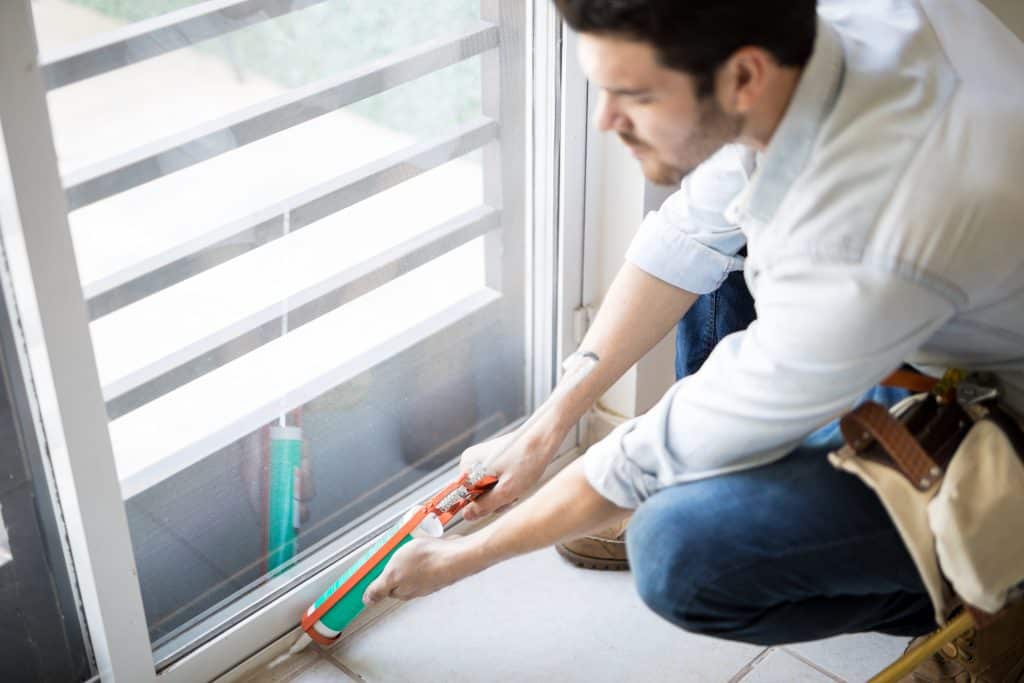
One of the simplest yet most effective steps to improve your home’s energy efficiency is to seal air leaks around windows and doors.
Weatherstripping and caulking are inexpensive materials that can block drafts and prevent heat loss. Take a walk around your home, paying close attention to areas where different materials meet, such as around window frames, door jambs, and electrical outlets.
Use caulk for stationary joints and cracks, and weatherstripping for moving parts like the operable sections of windows and doors.
This small investment in time and materials can yield immediate and noticeable improvements in indoor comfort and energy savings. It’s a foundational step in your effort to reduce energy costs.
Inspect all windows and doors: Look for visible gaps and drafts.
Apply caulk: Seal cracks around stationary frames and openings.
Install weatherstripping: Use on moving parts of windows and doors.
Check electrical outlets: Use foam gaskets behind outlet covers on exterior walls.
Upgrading Your Home’s Insulation
Insulation acts as a barrier to heat flow, keeping warm air inside during winter and outside during summer. Many homes, particularly those built before modern energy codes, lack sufficient insulation in attics, walls, and floors.
Upgrading your insulation can be a more significant investment, but it offers one of the highest returns in terms of long-term energy savings.
Consider adding insulation to your attic, which is often the easiest and most impactful area to upgrade. Professional energy auditors can assess your current insulation levels and recommend the best type and R-value for your climate zone.
Proper insulation is key to maintaining a consistent indoor temperature and significantly helping to reduce energy costs.
By diligently sealing air leaks and enhancing your home’s insulation, you create a more airtight and energy-efficient envelope.
These improvements are critical for preventing heat loss, reducing the workload on your heating system, and ultimately helping you to significantly reduce energy costs throughout the colder months.
Energy-Efficient Window Solutions
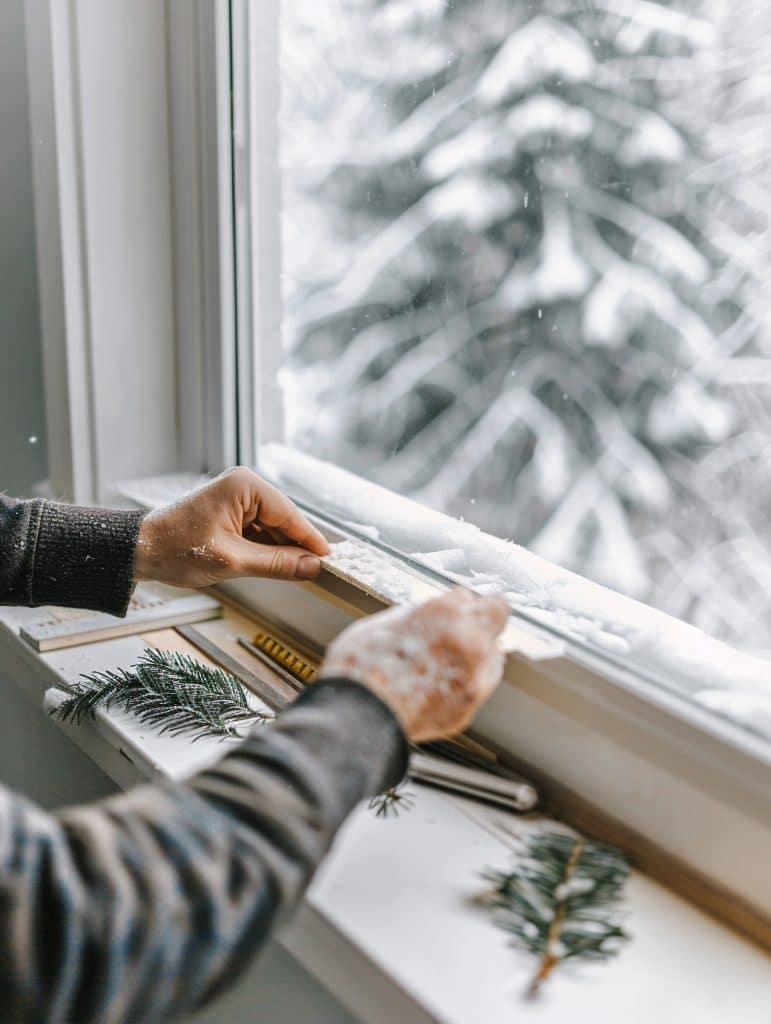
Windows are often a weak point in a home’s thermal envelope, allowing a considerable amount of heat to escape.
While replacing old windows with new, energy-efficient models can be a significant investment, there are also more affordable solutions that can greatly reduce heat loss and contribute to lowering your energy bills. Understanding your options is key to making the best choice for your budget and needs.
Even small improvements to your windows can have a noticeable impact on your home’s ability to retain heat.
From simple DIY fixes to professional installations, a range of solutions exists to help you seal in warmth and reduce energy costs, making your home more comfortable and efficient.
Temporary Window Sealing Kits
For those not ready for a full window replacement, temporary window sealing kits offer an inexpensive and effective way to reduce drafts and heat loss.
These kits typically include plastic film that shrinks to create an airtight seal over your windows, along with double-sided tape for application. They are easy to install and remove, making them a perfect seasonal solution.
While not as effective as new, double-pane windows, these kits can significantly improve the insulation of older, drafty windows, helping to keep warm air inside.
They are an excellent short-term strategy to reduce energy costs and increase comfort during the harshest winter months.
Easy to install: Simple instructions and minimal tools required.
Cost-effective: A budget-friendly solution for drafty windows.
Reduces drafts: Creates an insulating barrier against cold air.
Seasonal use: Easily applied in fall and removed in spring.
Considering Energy-Efficient Window Replacements
If your budget allows, investing in energy-efficient window replacements is one of the most impactful long-term solutions for reducing energy costs. Look for windows with multiple panes of glass, low-emissivity (Low-E) coatings, and inert gas fills
(like argon or krypton) between the panes. These features significantly reduce heat transfer, keeping your home warmer in winter and cooler in summer.
While the upfront cost can be substantial, the long-term savings on utility bills, coupled with improved home comfort and increased property value, make energy-efficient windows a worthwhile investment.
Many states and federal programs also offer rebates or tax credits for such improvements, further sweetening the deal.
Whether opting for temporary sealing or full replacements, addressing your windows’ energy efficiency is a vital step.
Each improvement contributes to a more thermally sealed home, directly translating into lower heating demands and a substantial reduction in your overall energy costs this winter.
Smart Appliance Usage and Lighting Strategies for Winter
Beyond heating and insulation, the way you use household appliances and lighting plays a major role in determining your energy costs during winter.
As temperatures drop and homes rely more heavily on electricity and heating systems, even small inefficiencies can quickly translate into higher utility bills.
Making smart adjustments to daily routines and upgrading where it makes sense can lead to meaningful savings throughout the winter season—without requiring major renovations or expensive equipment.
Many homeowners underestimate the cumulative impact of appliance and lighting habits in winter.
Simple actions, such as running appliances during off-peak hours, fully loading dishwashers and washing machines, or unplugging devices when not in use, can significantly reduce energy waste.
Over time, these consistent habits help lower overall consumption and ease the strain on your household budget during colder months.
Lighting choices are another key area where winter efficiency matters. With shorter days and longer nights, lighting usage naturally increases.
Switching to LED bulbs, maximizing natural daylight whenever possible, and turning off lights in unused rooms can dramatically reduce electricity use.
Smart lighting systems, timers, and motion sensors can further optimize energy consumption during winter, ensuring lights are only used when truly needed.
The goal during winter is to maximize efficiency while minimizing waste across every part of your home.
By being more intentional with how appliances are used and how spaces are lit, you create a more energy-efficient living environment that supports comfort, sustainability, and noticeable cost savings all season long.
Unplugging “Phantom Loads”
Many electronic devices continue to draw power even when turned off or in standby mode.
This phenomenon, known as “phantom load” or “vampire power,” can account for a surprising percentage of your electricity bill.
Devices like TVs, computers, phone chargers, and even coffee makers can silently consume energy 24/7.
The simplest solution is to unplug devices when not in use. For convenience, consider using power strips with on/off switches for clusters of electronics.
Flipping a single switch can cut power to multiple devices, eliminating phantom loads and helping you to reduce energy costs effortlessly.
Identify common culprits: TVs, game consoles, chargers, modems.
Use smart power strips: Automatically cut power to idle devices.
Unplug regularly: Make it a habit for devices not in constant use.
Audit your home: Look for glowing lights or warm power adapters.
Switching to LED Lighting
Lighting accounts for a noticeable portion of household electricity use. If you’re still using incandescent bulbs, switching to LED (Light Emitting Diode) lighting is one of the quickest and most effective ways to reduce energy costs.
LEDs consume significantly less energy, last much longer, and produce less heat, which is a bonus in warmer months but still efficient in winter.
While LEDs have a higher upfront cost than traditional bulbs, their longevity and energy efficiency mean they pay for themselves many times over.
Plus, they come in a variety of colors and brightness levels, allowing you to customize your home’s ambiance while saving money.
By being mindful of phantom loads and making the switch to LED lighting, you can achieve tangible reductions in your electricity consumption.
These smart usage and lighting strategies are easy to implement and contribute significantly to your overall goal of lowering winter energy costs.
Water Heating Efficiency and Savings
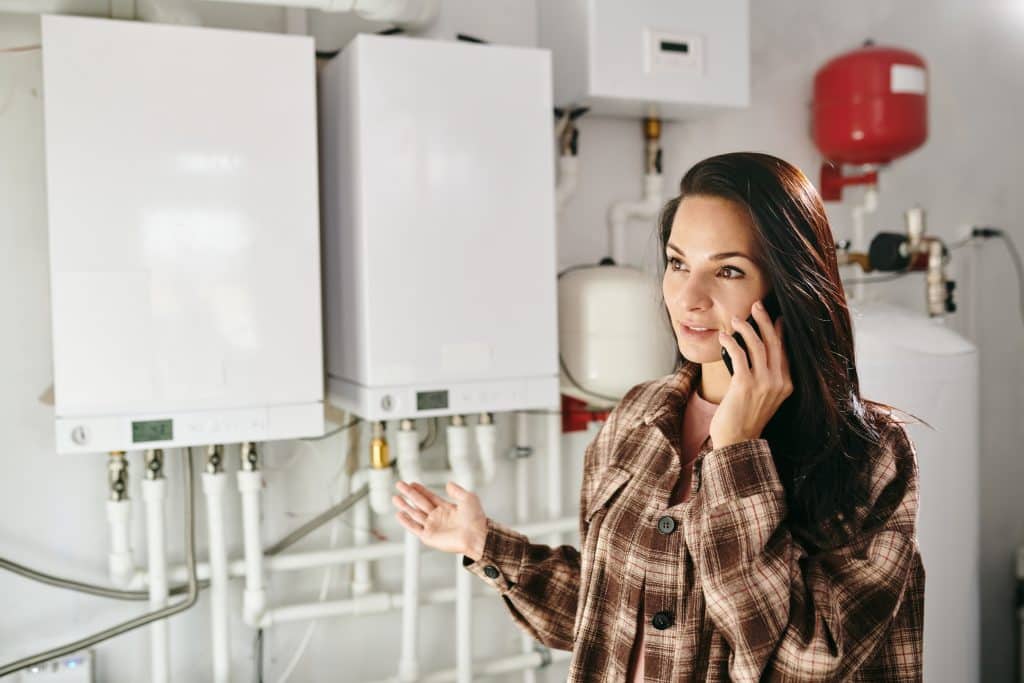
After space heating, water heating is typically the second-largest energy consumer in American homes. Reducing the energy used to heat water can lead to substantial savings on your utility bills.
There are several effective strategies, from simple adjustments to more significant upgrades, that can help you achieve this goal and further reduce energy costs.
Many households underestimate the amount of energy their water heater consumes daily. By focusing on both how you use hot water and the efficiency of your water heating system, you can unlock considerable savings. It’s about being smart with a resource we often take for granted.
Lowering Water Heater Temperature
Most residential water heaters are set to a default temperature of 140°F (60°C). While this provides very hot water, it’s often unnecessarily high and can lead to scalding risks, especially for children and the elderly.
Lowering the temperature to 120°F (49°C) is generally sufficient for most household needs and can significantly reduce energy consumption without a noticeable drop in comfort.
For every 10°F reduction in water temperature, you can save 3-5% on your water heating costs.
This simple adjustment is free, takes only a few minutes to do, and is one of the easiest ways to immediately reduce energy costs related to hot water.
Check current setting: Locate the thermostat on your water heater.
Adjust to 120°F (49°C): This is the recommended safe and efficient temperature.
Test water temperature: Ensure it’s comfortable for household use.
Consider safety: Prevents scalding, especially for sensitive individuals.
Insulating Your Water Heater and Pipes for Winter
During winter, water heating becomes one of the largest contributors to household energy costs, especially if your water heater is older or located in an unheated area such as a garage, basement, or utility room.
Insulating the water heater helps reduce standby heat loss, allowing the system to maintain hot water temperatures for longer periods and operate more efficiently throughout winter.
Water heater insulation blankets are an affordable and easy-to-install solution that can significantly improve performance during winter.
By keeping heat contained, these blankets reduce how often the heater needs to cycle on, lowering energy consumption and extending the unit’s lifespan.
In addition, insulating the first several feet of both hot and cold water pipes connected to the heater further enhances efficiency during winter.
Pipe insulation minimizes heat loss, ensures hot water reaches faucets faster, and reduces the amount of water wasted while waiting for it to warm up.
These simple insulation upgrades are low-cost yet high-impact solutions that directly improve water heating efficiency.
Every layer of insulation added and every degree of heat retained contributes to a more energy-efficient home, helping you reduce utility bills and enjoy meaningful savings throughout the winter season.
Behavioral Changes for Maximum Savings
While technological upgrades and structural improvements are crucial, changing your daily habits can be just as powerful in your quest to reduce energy costs.
Our routines often involve unconscious energy waste, and by becoming more mindful, you can achieve substantial savings without spending a dime. This section focuses on simple, everyday adjustments that contribute to a leaner energy bill.
The cumulative effect of small behavioral changes can be astonishing. It’s about cultivating an energy-saving mindset that permeates every aspect of your daily life.
These habits cost nothing to adopt but yield consistent benefits for both your wallet and the environment.
Leveraging Natural Light and Heat
During daylight hours, especially on sunny winter days, open your curtains and blinds to let natural light and solar heat warm your home.
This passive solar gain can significantly reduce the need for artificial lighting and supplement your heating system, helping to reduce energy costs naturally.
As the sun sets, close your curtains and blinds to add an extra layer of insulation against the cold.
Maximizing natural light also reduces the use of electric lights, which consume energy and generate heat, potentially making your home warmer in summer but less efficient in winter if used excessively. Embrace the sun’s free warmth and light whenever possible.
Mindful Appliance Use and Cooking Habits for Winter
Beyond unplugging phantom energy loads, it’s essential to be more intentional about how appliances are used during winter, when energy demand is typically higher.
Running dishwashers and washing machines only when fully loaded helps maximize efficiency, while choosing cold-water cycles whenever possible reduces the energy required for heating. Air-drying clothes—especially smaller loads—can lead to noticeable energy savings throughout the winter months.
In the kitchen, mindful cooking habits make a meaningful difference during winter. Using lids on pots helps retain heat, shortens cooking time, and lowers energy use.
For smaller meals, opting for energy-efficient appliances like microwaves, slow cookers, or toaster ovens instead of a full-sized oven can significantly cut electricity consumption during winter.
These small but consistent adjustments in both the kitchen and laundry room can collectively reduce household energy use.
By adopting mindful appliance and cooking habits during winter, you take an active role in managing energy costs and improving efficiency.
When combined with insulation improvements and smart home upgrades, these daily habits form a comprehensive approach to lowering utility bills.
Practicing energy mindfulness throughout the winter season not only saves money but also supports a more comfortable, efficient, and sustainable home.
| Key Strategy | Impact on Bills |
|---|---|
| Smart Thermostat | Automates temperature control, saving 10-15% on heating. |
| Seal Drafts & Insulate | Prevents heat loss, reducing heating demand significantly. |
| Lower Water Heater Temp | Saves 3-5% for every 10°F reduction in temperature. |
| Unplug Phantom Loads | Eliminates standby power consumption, saving minor but consistent amounts. |
Frequently Asked Questions About Energy Savings
Many simple changes, like adjusting your thermostat or sealing drafts, can show immediate results on your next utility bill.
Larger investments, such as insulation upgrades, might take a few months to demonstrate their full impact, but the savings are continuous once implemented.
Absolutely. Professional energy audits pinpoint specific areas of inefficiency in your home, providing a tailored roadmap for improvements.
Many utility companies offer free or subsidized audits, making them an invaluable tool for understanding where to focus your efforts to reduce energy costs effectively.
While a combination of strategies works best, optimizing your home’s heating system and improving insulation are typically the most impactful.
A smart thermostat combined with sealing significant air leaks often yields the quickest and most substantial savings in winter.
It is recommended to have your heating system professionally serviced once a year, ideally in the fall before the heating season begins.
Regular maintenance ensures optimal efficiency, prevents unexpected breakdowns, and extends the lifespan of your unit, directly contributing to lower bills.
Yes, closing doors to unused rooms, especially if they are unheated or poorly insulated, can help contain warm air in the living areas you use most.
This prevents heat from escaping into colder zones, allowing your heating system to work more efficiently and reduce energy costs.
Conclusion
Successfully navigating the winter months without exorbitant utility bills is entirely within your reach. By adopting a multi-faceted approach that combines smart technology, home improvements, and conscious behavioral changes, you can significantly reduce energy costs. This comprehensive guide provides a roadmap to not only lower your utility bills by 20% or more but also to create a more comfortable, sustainable, and energy-efficient home. Embrace these strategies, and experience the satisfaction of a warmer home and a healthier wallet this winter.