Regular Dental Checkups: Essential for Oral Health & Disease Prevention

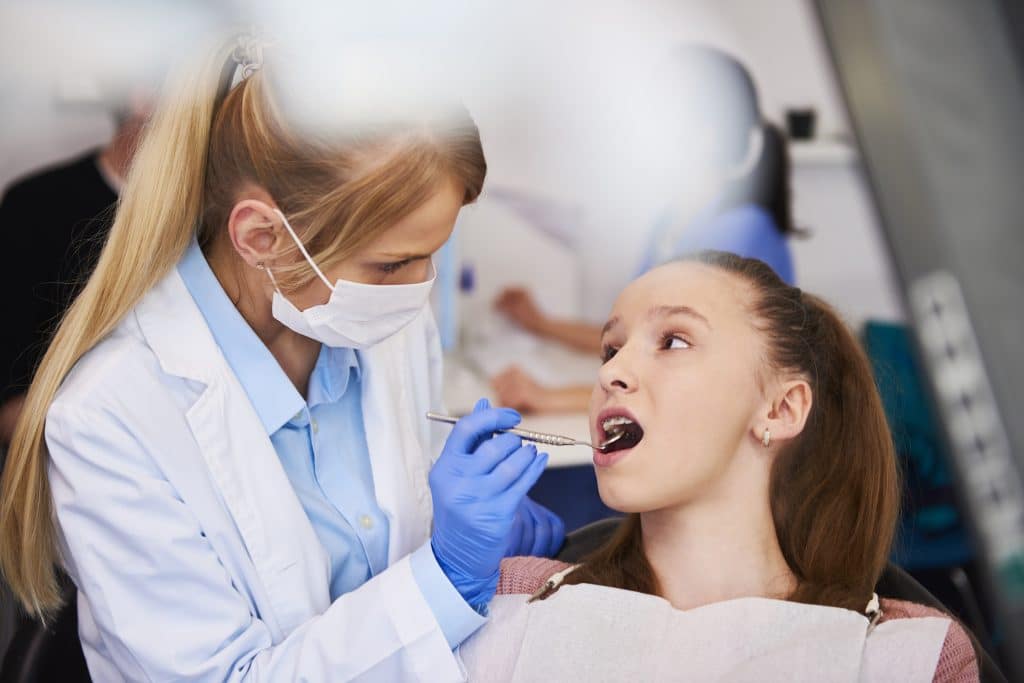 In the bustling rhythm of American life, it’s easy to overlook routine health appointments. However, few are as critical yet often postponed as dental visits.
Understanding the importance of regular dental checkups: maintaining oral health and preventing disease is not just about a bright smile; it’s about safeguarding your entire body’s health.
The Foundation of Oral Health: Beyond Brushing and Flossing
While daily brushing and flossing are non-negotiable pillars of good oral hygiene, they are merely the first line of defense. The reality is, even the most diligent home care routine can miss subtle signs of trouble or hard-to-reach areas where plaque and tartar accumulate.
This is precisely where professional dental checkups become indispensable, offering a comprehensive approach to oral well-being that home care simply cannot replicate.
A professional cleaning, often a core component of a regular checkup, goes far beyond what a toothbrush can achieve. Dental hygienists use specialized tools to remove stubborn plaque and tartar deposits that cling to teeth, especially below the gum line.
These deposits are breeding grounds for bacteria, which can lead to a host of problems if left unchecked.
Professional Cleaning: A Deep Dive for Health
Professional cleanings are more than just cosmetic. They are a critical preventive measure that helps maintain the integrity of your teeth and gums.
The process typically involves several key steps designed to leave your mouth feeling fresh and significantly reduce the risk of oral diseases.
Scaling: This involves meticulously removing plaque and tartar from the tooth surfaces and beneath the gum line using ultrasonic instruments and hand scalers.
Polishing: After scaling, teeth are polished to remove any remaining surface stains andsmooth the tooth surface, making it harder for plaque to adhere.
Fluoride Treatment: Often, a fluoride treatment is applied to strengthen tooth enamel and protect against cavities, providing an extra layer of defense.
These detailed procedures ensure that your mouth is as clean as possible, significantly reducing the bacterial load that contributes to cavities, gum disease, and bad breath. It’s a proactive step that pays dividends in the long run, preventing minor issues from escalating into more complex and costly problems.
Ultimately, professional care complements your daily routine, creating a robust shield against oral health adversaries. It’s about building a strong foundation that supports not just your teeth and gums, but your overall physical health, reinforcing the profound connection between oral hygiene and systemic well-being.
Early Detection: Catching Problems Before They Escalate
One of the most compelling reasons for prioritizing regular dental checkups is the power of early detection. Many oral health issues, such as cavities, gum disease, and even oral cancer, often begin subtly, presenting few or no noticeable symptoms in their initial stages. By the time pain or discomfort arises, the problem may have progressed significantly, requiring more extensive and invasive treatments.
During a comprehensive dental exam, your dentist is trained to spot these nascent issues. They use their expertise, along with diagnostic tools like X-rays, to identify potential problems long before they become serious.
This proactive approach is a cornerstone of preventive medicine, saving you from discomfort, expense, and potentially more severe health complications down the line.

The Dentist’s Keen Eye: What They Look For
A thorough dental examination covers much more than just looking for cavities. Dentists and hygienists perform a systematic check of your entire oral cavity, meticulously searching for any deviations from healthy norms.
This includes visual inspections and tactile examinations, often aided by specialized lighting and instruments.
Cavities: Dentists meticulously check every tooth surface for signs of decay, which can appear as small spots, pits, or changes in tooth color.
Gum Disease (Periodontal Disease): They assess the health of your gums, looking for inflammation, bleeding, receding gum lines, and measuring pocket depths around your teeth, all indicators of gingivitis or periodontitis.
Oral Cancer: A crucial part of the exam involves screening for oral cancer. This includes checking your tongue, cheeks, lips, throat, and neck for any unusual lumps, sores, or discolored patches that could indicate precancerous or cancerous lesions.
Bite and Jaw Issues: Your dentist also evaluates your bite (occlusion) and jaw joints (TMJ) for any signs of misalignment or dysfunction that could lead to pain or wear on your teeth.
The ability to detect these problems early is invaluable. A small cavity can be easily treated with a filling, preventing it from growing larger and potentially requiring a root canal or extraction.
Early signs of gum disease can be reversed with improved hygiene and professional cleaning, stopping its progression to more destructive forms. And detecting oral cancer in its earliest stages dramatically increases the chances of successful treatment.
Regular checkups thus act as an essential surveillance system for your oral health. They provide peace of mind and the opportunity to address concerns proactively, rather than reactively, ensuring that your mouth remains a healthy and functional part of your body.
Preventing Common Oral Diseases: A Shield Against Cavities and Gum Disease
The primary goal of regular dental checkups is prevention. By consistently visiting your dentist, you significantly reduce your risk of developing common and often painful oral diseases.
Two of the most prevalent issues dentists tackle are dental caries (cavities) and periodontal disease (gum disease), both of which can have far-reaching consequences if left untreated.
Cavities, caused by bacteria producing acids that erode tooth enamel, are a leading cause of tooth pain and loss.
Gum disease, an infection of the tissues supporting your teeth, can lead to chronic inflammation, bone loss, and eventually tooth mobility and extraction. Regular checkups are your best defense against both.
Strategies for Disease Prevention
During your dental visits, your dental team employs a multi-faceted approach to prevent these diseases. This isn’t just about cleaning; it’s about education, intervention, and ongoing monitoring to keep your oral environment hostile to harmful bacteria.
Plaque and Tartar Removal: As mentioned, professional cleanings are paramount for removing the hardened plaque (tartar) that your toothbrush cannot. This significantly reduces the bacterial load that causes cavities and gum inflammation.
Fluoride Application: Fluoride treatments, particularly beneficial for children and those prone to cavities, strengthen tooth enamel, making it more resistant to acid attacks from bacteria.
Dental Sealants: For children and adults with deep grooves in their molars, sealants can be applied to create a protective barrier, preventing food particles and bacteria from settling in and causing decay.
Oral Hygiene Instruction: Dentists and hygienists provide personalized advice on brushing techniques, flossing methods, and product recommendations to improve your daily oral care routine, empowering you to better protect your teeth and gums at home.
By consistently engaging in these preventive measures, you establish a strong defense against the progression of oral diseases.
It’s an investment in your health that minimizes discomfort and avoids more complex procedures. Thinking of regular checkups as a shield helps frame their critical role in maintaining long-term oral integrity.
The Oral-Systemic Link: How Oral Health Impacts Overall Well-being
The mouth is often referred to as the gateway to the body, and for good reason. The state of your oral health is intrinsically linked to your overall systemic health.
What happens in your mouth doesn’t stay in your mouth; it can directly influence or be influenced by conditions affecting other parts of your body. Recognizing this oral-systemic link underscores the profound importance of regular dental checkups: maintaining oral health and preventing disease for holistic well-being.
Chronic inflammation and bacterial infections originating in the mouth, particularly from severe gum disease, can enter the bloodstream and travel to other organs, potentially exacerbating or contributing to a range of systemic health problems. This connection highlights why neglecting dental care can have consequences far beyond just a toothache.
Systemic Conditions Influenced by Oral Health
Research has increasingly illuminated the complex interplay between oral health and various chronic diseases. Maintaining good oral hygiene through regular dental visits can play a vital role in managing or preventing these conditions.
Cardiovascular Disease: Studies suggest a link between gum disease and heart conditions, including atherosclerosis (hardening of the arteries), stroke, and endocarditis. Oral bacteria can enter the bloodstream, causing inflammation and contributing to plaque buildup in arteries.
Diabetes: There’s a bidirectional relationship between diabetes and gum disease. Uncontrolled diabetes can worsen gum disease, while severe gum disease can make it harder to control blood sugar levels. Regular dental care is crucial for diabetics.
Respiratory Infections: Bacteria from oral infections can be inhaled into the lungs, potentially leading to respiratory conditions like pneumonia, especially in individuals with weakened immune systems.
Pregnancy Complications: Gum disease in pregnant women has been linked to adverse outcomes such as premature birth and low birth weight. Maintaining excellent oral hygiene is particularly important during pregnancy.
- Osteoporosis: This bone-weakening disease can affect the jawbone, leading to tooth loss. Dentists can sometimes be the first to notice signs of osteoporosis during a routine exam.
Understanding these connections transforms dental care from an isolated concern into a fundamental component of comprehensive health management.
Regular dental checkups are not just about preventing cavities; they are about protecting your heart, managing your diabetes, and ensuring a healthier pregnancy. It’s a holistic approach to health that starts with a healthy mouth.
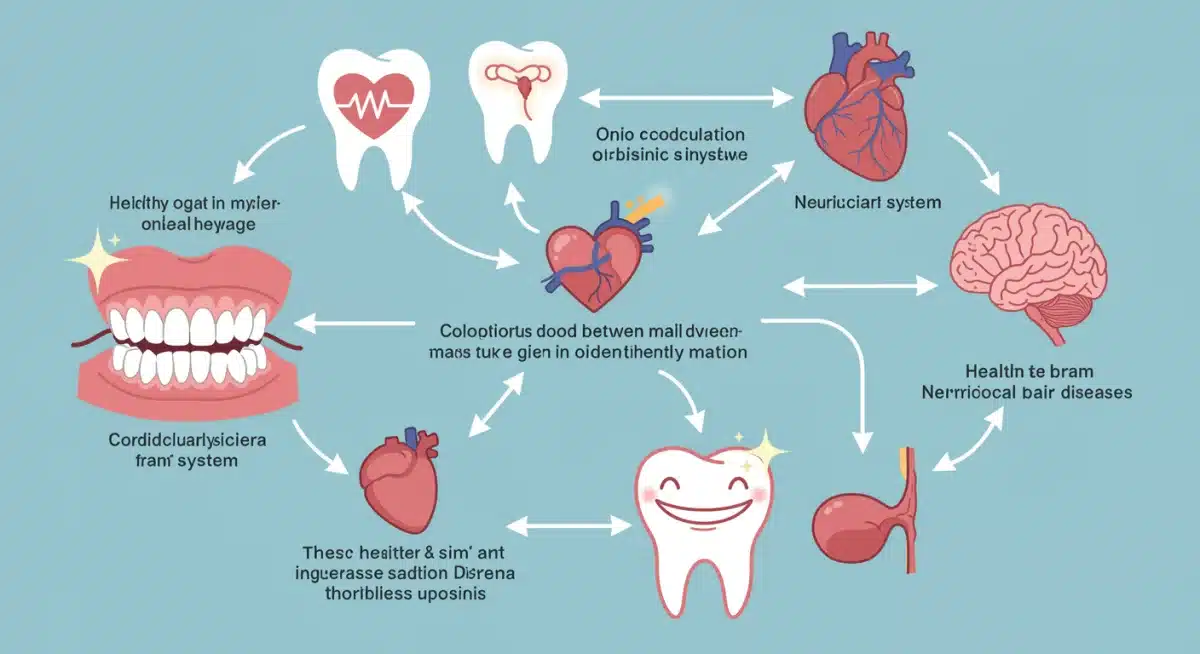
By being proactive with your oral health, you are investing in your overall vitality and reducing the risk of developing or worsening serious medical conditions.
This integrated view of health underscores the critical role dentists play not just as oral care providers, but as essential partners in your broader healthcare journey.
Maintaining a Confident Smile and Quality of Life
Beyond the critical health aspects, regular dental checkups contribute significantly to maintaining a confident smile and an optimal quality of life.
A healthy, attractive smile enhances self-esteem, impacts social interactions, and even influences professional opportunities. Conversely, dental problems can lead to discomfort, self-consciousness, and a reduced ability to enjoy everyday activities like eating and speaking.
When your teeth and gums are healthy, you can eat a wider variety of foods, speak clearly, and laugh freely without worry. This freedom and comfort are invaluable, directly contributing to your overall happiness and well-being. Dental care is not just about avoiding pain; it’s about embracing a full and vibrant life.
The Psychological and Social Benefits of Good Oral Health
The impact of oral health extends beyond the physical, deeply influencing psychological and social dimensions of life. A healthy smile is a powerful asset that facilitates positive interactions and personal confidence.
Enhanced Self-Esteem: A clean, healthy smile makes you feel better about your appearance, boosting confidence in social and professional settings.
Better Social Interactions: People with healthy teeth are often perceived as more approachable and confident, leading to more positive social engagements.
Improved Speech and Nutrition: Healthy teeth and gums allow for proper articulation of words and efficient chewing, which is essential for good digestion and nutrient absorption.
Reduced Bad Breath (Halitosis): Regular cleanings and good oral hygiene significantly reduce the bacteria that cause bad breath, eliminating a common source of social anxiety.
Imagine the joy of biting into a crisp apple without discomfort or speaking publicly without concern for your breath or appearance. These seemingly small aspects of daily life are profoundly affected by the state of your oral health.
Regular dental checkups ensure that these fundamental pleasures remain accessible to you, contributing to a better overall quality of life.
By investing in preventive dental care, you’re not just preventing disease; you’re actively cultivating a lifestyle of confidence, comfort, and well-being. It’s an investment in your personal brand and your ability to engage fully with the world around you, reinforcing the holistic benefits of a healthy mouth.
Understanding the Frequency: How Often Should You Visit?
A common question many Americans have is regarding the optimal frequency of dental checkups. While the general recommendation is to visit the dentist at least once a year, and ideally every six months, the precise frequency can vary depending on individual risk factors and oral health status. Your dentist is the best person to determine a personalized schedule that meets your specific needs.
For individuals with excellent oral hygiene, no history of gum disease, and a low risk for cavities, an annual checkup might suffice. However, for those with a higher risk of oral health problems, more frequent visits are often recommended to ensure proactive management and prevention.
Factors Influencing Checkup Frequency
Several factors can influence how often your dentist recommends you come in for a checkup and cleaning. These are discussed during your visit and help tailor a preventive plan specifically for you.
History of Gum Disease: If you have a history of gingivitis or periodontitis, your dentist might recommend cleanings every three to four months to manage the condition and prevent recurrence.
High Cavity Risk: Individuals prone to cavities, perhaps due to diet, genetics, or certain medical conditions, may benefit from more frequent fluoride treatments and checkups.
Chronic Medical Conditions: Conditions like diabetes, heart disease, and autoimmune disorders can impact oral health, often necessitating more vigilant dental care.
Smoking or Tobacco Use: Tobacco users are at a significantly higher risk for gum disease and oral cancer, requiring more frequent screenings and cleanings.
Compromised Immune System: Patients with weakened immune systems are more susceptible to oral infections, making regular dental visits even more critical.
It’s important to have an open conversation with your dental care provider about your medical history, lifestyle, and any concerns you may have.
This allows them to accurately assess your risk profile and recommend a checkup schedule that optimally supports your oral and overall health. Adhering to this personalized schedule is key to maximizing the benefits of preventive dental care.
Ultimately, the goal is to prevent problems before they start or catch them when they are most treatable. By understanding and following your dentist’s recommendations for checkup frequency, you empower yourself to maintain a healthy mouth and body for years to come.
Addressing Common Barriers to Regular Dental Care
Despite the undeniable benefits, many Americans face barriers that prevent them from attending regular dental checkups.
Understanding and addressing these obstacles is crucial for improving public oral health. Common reasons for avoiding the dentist include fear or anxiety, financial concerns, and lack of awareness regarding the importance of preventive care.
It’s important to recognize that these barriers are often surmountable with the right information, resources, and support. Dentists and healthcare providers are increasingly working to make dental care more accessible and less intimidating for everyone.
Overcoming Obstacles to Dental Visits
Addressing the reasons why people postpone or avoid dental appointments requires a multi-faceted approach. Solutions often involve a combination of patient education, flexible payment options, and advancements in dental practices.
Dental Phobia and Anxiety: For those with dental anxiety, many practices offer sedation dentistry options, from nitrous oxide to oral sedatives, to help patients relax. Open communication with your dentist about your fears can also lead to a more comfortable experience.
Financial Concerns: Dental insurance can significantly reduce out-of-pocket costs. For those without insurance, many dental offices offer payment plans, and community dental clinics often provide services at reduced rates. Prevention, in the long run, is also far less expensive than treating advanced dental problems.
Lack of Time: Scheduling appointments during lunch breaks, early mornings, or evenings can help fit dental care into busy schedules. Many clinics also offer online scheduling for convenience.
Lack of Awareness: Educational campaigns and resources, like this article, aim to highlight the critical link between oral health and overall well-being, encouraging a proactive approach to dental care.
By proactively seeking solutions to these common barriers, individuals can overcome their reluctance and prioritize their oral health. It’s a step towards not only a healthier mouth but a healthier, more confident self. Dentists and their teams are dedicated to making dental care a positive and manageable experience for every patient.
| Key Aspect | Description |
|---|---|
| Early Detection | Catching cavities, gum disease, and oral cancer in their initial stages, preventing escalation. |
| Disease Prevention | Professional cleanings, fluoride, and sealants reduce risk of cavities and periodontal disease. |
| Oral-Systemic Link | Oral health impacts conditions like heart disease, diabetes, and respiratory infections. |
| Quality of Life | Contributes to confidence, improved speech, better nutrition, and overall well-being. |
Frequently Asked Questions About Dental Checkups
Most adults should aim for a dental checkup and cleaning every six months. However, your dentist might recommend more frequent visits if you have specific risk factors like gum disease, a history of many cavities, or certain chronic health conditions that affect oral health.
A typical checkup includes a professional cleaning to remove plaque and tartar, a thorough examination by the dentist to check for cavities, gum disease, and other oral issues, and often an oral cancer screening. X-rays may also be taken periodically to detect problems not visible to the naked eye.
Regular dental checkups are crucial because oral health is significantly linked to systemic health. Untreated oral infections can contribute to or worsen conditions like heart disease, diabetes, and respiratory issues. Early detection of oral problems can prevent these broader health complications.
While daily brushing and flossing are essential, they alone are not enough. Professional cleanings remove hardened plaque and tartar that home care cannot.
Dentists also detect issues like small cavities, gum inflammation, and oral cancer early, often before you notice any symptoms, preventing more serious problems.
Dental anxiety is common. Many dental offices offer solutions like sedation dentistry (nitrous oxide, oral sedatives) to help patients relax. Communicating your fears to your dentist can also help them tailor the experience to be more comfortable and less stressful for you.
Conclusion
Embracing the importance of regular dental checkups: maintaining oral health and preventing disease is a cornerstone of a healthy lifestyle. These routine visits are far more than just cleanings; they are comprehensive health assessments that protect not only your teeth and gums but your entire body.
From the early detection of cavities and gum disease to the critical screening for oral cancer, and the profound connection to systemic health conditions like heart disease and diabetes, consistent dental care offers a powerful shield against a myriad of health challenges.
By prioritizing these essential appointments, you invest in a future of confident smiles, optimal physical well-being, and a significantly enhanced quality of life. Don’t underestimate the power of prevention; your oral health is a gateway to your overall health.