Save on Clothing: Shop at Outlet Stores for Brand-Name Deals

 Are you looking to save on clothing: shop at outlet stores and save up to 50% on brand-name apparel? In today’s economy, finding ways to stretch your dollar without compromising on quality or style is more important than ever.
Outlet stores present a compelling solution, offering significant discounts on the brands you love. But how do you navigate these shopping havens to truly maximize your savings?
Understanding the Outlet Store Phenomenon
Outlet stores have evolved significantly from their early days as factory clearance centers. Today, they are sophisticated retail environments, often clustered together in large outlet malls, designed to attract savvy shoppers seeking value.
These stores offer a unique proposition: access to popular brands at prices often considerably lower than traditional retail outlets.
Many consumers wonder about the nature of the goods sold in these stores. Are they last season’s styles, factory seconds, or specifically made for outlets?
The answer is often a mix of all three. Understanding these distinctions is crucial for making informed purchasing decisions and ensuring you’re getting the best possible deal on quality apparel.
The Evolution of Outlet Shopping
Initially, outlet stores were primarily places where manufacturers sold their excess inventory, damaged goods, or past-season items directly to the public.
This model allowed them to clear stock without devaluing their main retail channels. Over time, the popularity of these stores grew, leading to a more structured and intentional approach to outlet retail.
Factory Seconds: Items with minor flaws that don’t meet strict retail standards but are still perfectly wearable.
Past-Season Merchandise: Clothing from previous collections that didn’t sell out in full-price stores.
Outlet-Specific Lines: Many brands now produce lines exclusively for their outlet stores, often with slight variations in material or design to meet a specific price point.
This blend of offerings ensures a constantly rotating inventory, making each visit a new treasure hunt. The allure of finding a high-quality item at a fraction of its original price keeps shoppers coming back, transforming outlet shopping into a popular pastime for many American families.
In conclusion, the outlet store concept has matured into a vital segment of the retail landscape. It provides an avenue for brands to manage inventory efficiently while offering consumers unparalleled access to designer and brand-name fashion at accessible prices.
Knowing what to expect and how to approach your shopping trip can significantly enhance your experience and your savings.
Maximizing Your Savings at Outlet Malls
While the promise of up to 50% off or more is enticing, truly maximizing your savings at outlet stores requires a strategic approach.
It’s not just about showing up; it’s about planning, research, and smart decision-making to ensure you walk away with genuine bargains on quality items. Spontaneity can sometimes lead to impulse buys that aren’t the best value.
Effective outlet shopping involves more than just browsing. It means understanding pricing, looking for additional discounts, and knowing when to visit. With a little preparation, your outlet trips can become incredibly rewarding, both for your wardrobe and your wallet.
Strategic Shopping Tips for Bargain Hunters
Before you even leave your home, a bit of groundwork can make a significant difference. Start by identifying the brands you are most interested in and then research which outlet centers carry those brands. Many outlet malls have websites listing their stores and sometimes even current promotions.
Join Email Lists: Sign up for email newsletters from your favorite outlet stores. They often send out exclusive coupons, early access notifications for sales, or information about upcoming promotions.
Check the Mall’s Website: Outlet mall websites frequently feature a “deals” or “sales” section. This can give you a heads-up on store-specific promotions before you arrive.
Visit During Off-Peak Hours: Weekdays, especially mornings, are generally less crowded than weekends. This allows for a more relaxed shopping experience and better access to sales associates who can help you find specific items or promotions.
Beyond initial research, be prepared to compare prices. Even at an outlet, an item might be cheaper elsewhere, especially if there’s a competing sale online or at another retailer.
Use your smartphone to do quick price checks on the spot. Don’t be afraid to ask sales associates about upcoming promotions or if they have any additional discounts available for loyalty program members.
The key to maximizing savings lies in being a proactive and informed shopper. By combining online research with smart in-store tactics, you can consistently find excellent deals and truly make the most of the savings potential offered by outlet stores.
Identifying Quality: Outlet vs. Retail Merchandise
A common concern among outlet shoppers is the quality of the merchandise. Are you truly getting the same product as in a full-price retail store, just at a discount? The answer is nuanced, and understanding the differences is crucial to ensuring you’re making a worthwhile purchase.
Not all outlet merchandise is created equal, and distinguishing between genuine deals and less-than-ideal quality is an important skill.
While many items at outlets are indeed overstock or past-season items identical to those sold in regular stores, a significant portion can be specifically manufactured for the outlet market. These “made-for-outlet” items might use different materials or simpler construction methods to achieve a lower price point.
Spotting the Differences in Apparel
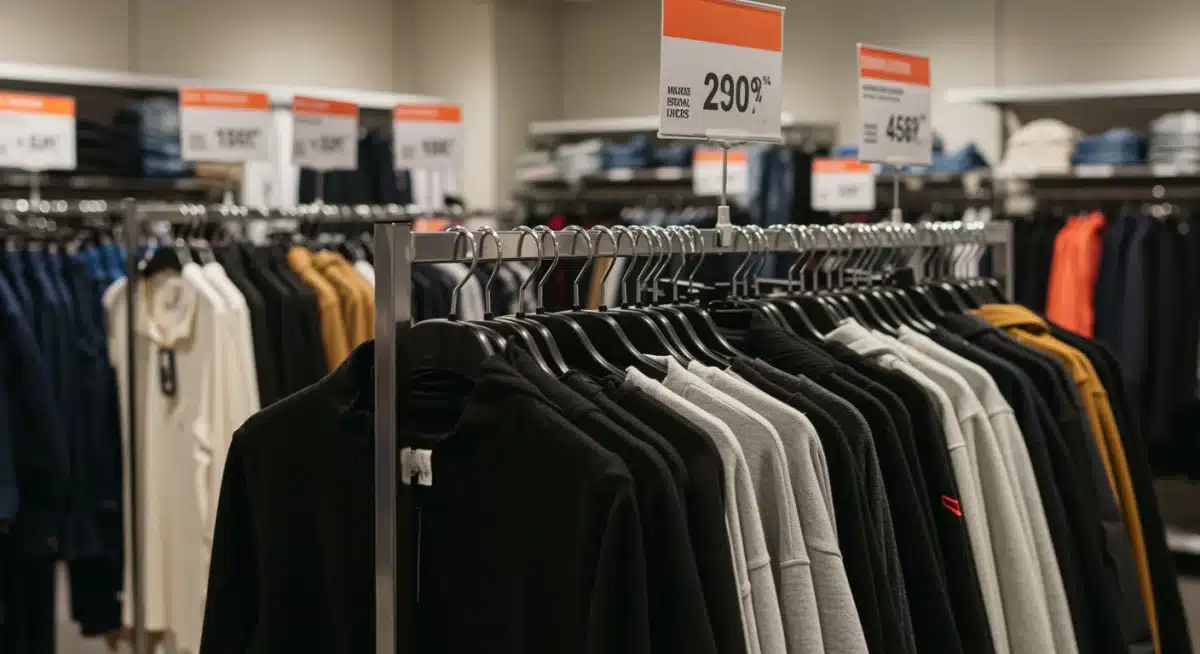
To ensure you’re investing in quality, pay close attention to the details. The feel of the fabric is often a good indicator. Does it feel substantial and well-made, or thin and flimsy? Examine the stitching – is it even and secure, or are there loose threads and inconsistent patterns?
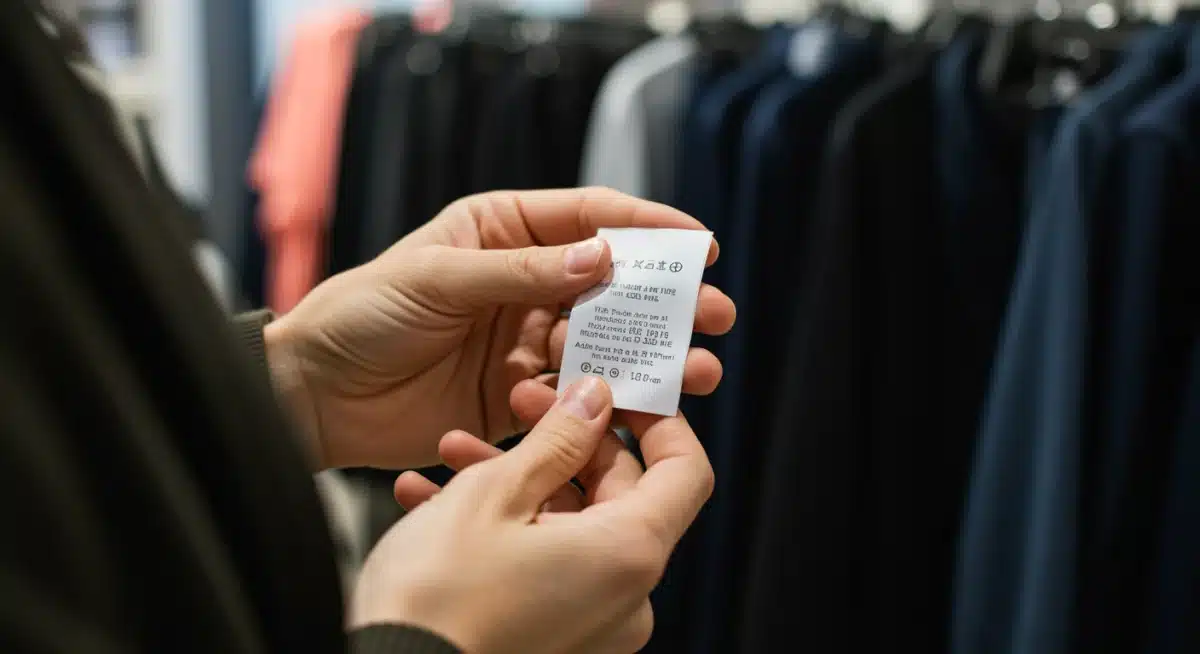
Check Fabric Composition: Compare the material tags to items you’ve seen in regular retail stores. Sometimes, an outlet version might use a blend instead of pure cotton or wool.
Inspect Stitching and Seams: High-quality garments have tight, even stitching. Look for reinforced seams in stress areas and consistent patterns.
Examine Hardware: Zippers, buttons, and buckles should feel sturdy and operate smoothly. Cheap hardware can be a tell-tale sign of lower quality.
Another subtle clue can be the item’s label. Some brands use different internal labels or tags for their outlet-specific lines, or they might have a small dot or mark on the tag indicating it’s an outlet item. While this isn’t always a sign of inferior quality, it’s good to be aware of the distinction.
Ultimately, the best approach is to be an informed and discerning shopper. By taking the time to inspect garments carefully and understanding the potential differences, you can confidently identify high-quality pieces that offer true value, regardless of whether they were originally destined for a full-price boutique or an outlet rack.
The Best Times to Shop for Unbeatable Deals
Timing is everything when it comes to securing the best deals at outlet stores. Just like traditional retail, outlet malls have specific periods when discounts are deeper, inventory is refreshed, and promotions are more aggressive.
Planning your visits around these key times can significantly amplify your savings and provide access to a wider selection of desirable items.
Understanding the retail calendar and how it influences outlet store operations can turn a good shopping trip into an exceptional one. By aligning your visits with strategic sales events, you can often find items at their lowest possible prices.
Seasonal Sales and Holiday Events
The retail industry operates on a cyclical basis, with major sales events tied to holidays and seasonal changes. Outlet stores participate actively in these cycles, often offering even steeper discounts than their full-price counterparts.
Post-Holiday Sales: The days immediately following major holidays like Christmas, New Year’s, Presidents’ Day, Memorial Day, and July 4th are prime times for sales. Retailers clear out holiday inventory and make way for new seasons.
Black Friday/Cyber Monday: These are arguably the biggest shopping events of the year, with outlets participating enthusiastically. Expect massive crowds but also some of the deepest discounts.
End-of-Season Clearances: As spring transitions to summer or fall to winter, stores will heavily discount previous season’s clothing to make room for new arrivals. This is an excellent time to stock up on staples for the following year.
Beyond these well-known events, keep an eye out for mid-week promotions or special “flash sales” that some outlet centers might advertise.
Signing up for text alerts from your favorite stores can keep you informed of these limited-time offers. Additionally, the end of each month can sometimes bring unexpected clearances as stores try to meet sales quotas.
In summary, strategic timing is a powerful tool for maximizing your savings at outlet stores. By focusing your shopping trips around major holidays, seasonal changes, and advertised special events, you position yourself to take advantage of the most significant discounts available, ensuring you get the most apparel for your money.
Navigating the Outlet Store Experience
A successful outlet shopping trip is about more than just finding deals; it’s about making the entire experience enjoyable and efficient.
Outlet malls can be vast, and without a plan, you might find yourself overwhelmed or missing out on the best opportunities. A well-thought-out approach ensures you hit your target stores, find what you need, and don’t succumb to impulse purchases.
From planning your route to managing your budget, every aspect contributes to a rewarding day. Thinking ahead about what you want to achieve can save you time, effort, and ultimately, more money.
Tips for a Seamless Shopping Day
Before you even step foot in an outlet mall, consider the logistics. Large outlet centers can be sprawling, so comfortable shoes are a must. Also, check the weather forecast if it’s an outdoor mall, and plan accordingly. Hydration and snacks can also make a long day of shopping more pleasant.
Make a List: Go with a clear idea of what you need. This helps you stay focused and avoids unnecessary purchases. Prioritize your list to ensure you visit the most important stores first.
Set a Budget: Determine how much you’re willing to spend beforehand. It’s easy to get carried away with discounts, but a budget keeps you grounded and prevents overspending.
Map Your Route: Most outlet malls provide maps online or at customer service. Plan an efficient route to minimize walking and maximize your time in stores. Group stores by location.
Don’t be afraid to take breaks. Outlet shopping can be tiring, and stepping away for a coffee or a meal can help you re-evaluate your purchases with a fresh perspective. Also, remember to factor in potential return policies; outlet stores sometimes have different rules than regular retail stores.
By approaching your outlet trip with a plan, you transform a potentially chaotic day into a successful mission. Strategic planning, combined with a focus on your needs and budget, will ensure that your outlet store experience is not only productive in terms of savings but also genuinely enjoyable and stress-free.
Beyond Apparel: Other Outlet Store Finds
While the primary draw of outlet stores for many is the chance to save on clothing: shop at outlet stores and save up to 50% on brand-name apparel, these shopping destinations offer much more than just discounted fashion.
Outlet malls have diversified their offerings significantly, providing opportunities to save on a wide array of products, making them a comprehensive shopping solution for various needs. Expanding your perspective beyond clothing can unlock even greater savings across different categories.
From home goods to accessories and even gourmet foods, the variety at outlet centers can be surprising. Exploring these other departments can lead to unexpected treasures and significant savings on items you might otherwise pay full price for.
Exploring Diverse Product Categories
Many popular brands that specialize in apparel also have product lines in other categories, and these are often available at their outlet locations. Think beyond just tops and bottoms; consider the broader lifestyle offerings of your favorite brands.
Home Goods and Decor: Brands like Williams-Sonoma, Pottery Barn, and even smaller specialty home stores often have outlet locations selling discounted kitchenware, furniture, bedding, and decorative items.
Accessories: Handbags, shoes, jewelry, and sunglasses from high-end and popular brands are frequently available at significant markdowns. These can be perfect for completing an outfit without breaking the bank.
Sporting Goods and Outdoor Gear: Companies specializing in athletic wear and outdoor equipment like Nike, Adidas, Columbia, and North Face often have outlet stores where you can find discounted activewear, shoes, and gear for various activities.
Don’t overlook the potential for gifts. With a wide range of products available, you can often find unique and high-quality gifts at discounted prices, saving you money during holidays or special occasions. Some outlet centers even feature specialty food stores or beauty product outlets.
In conclusion, while clothing remains a major attraction, outlet stores offer a treasure trove of savings across numerous product categories.
By exploring beyond just apparel, you can maximize the value of your visit, furnishing your home, updating your accessories, and finding gifts, all while adhering to your budget and enjoying brand-name quality.
The Future of Clothing Outlet Shopping and Sustainability
As consumer habits shift and environmental awareness continues to grow, the landscape of outlet shopping for clothing is evolving.
Once viewed primarily as a strategy for clearing excess inventory, outlet stores are now increasingly associated with responsible consumption.
By giving unsold clothing a second chance instead of allowing it to go to waste, outlets contribute to reducing textile pollution and supporting a more circular fashion economy.
The discussion around fast fashion and its environmental consequences has never been more prominent.
Within this context, purchasing clothing from outlet stores can serve as a smarter and more sustainable alternative to constantly buying new, full-price items—especially when durability and long-term value are considered.
Outlets as a Sustainable Model for Clothing Retail
The foundation of outlet stores naturally aligns with waste-reduction principles. Selling past-season clothing, overstock merchandise, or slightly imperfect garments helps ensure these items are worn rather than discarded.
Lower Textile Waste: By redistributing unsold clothing, outlets help prevent massive amounts of fabric from ending up in landfills each year.
Longer Product Lifespan: Brand-name clothing often delivers better craftsmanship and durability than many fast-fashion options, meaning fewer replacements and less overall consumption.
Affordable Quality: Outlet pricing makes high-quality clothing accessible to more shoppers, encouraging thoughtful purchases instead of disposable fashion habits.
Additionally, many fashion brands are investing in eco-friendly materials, ethical production methods, and more efficient supply chains.
While these initiatives extend beyond outlet locations, they often influence the clothing available there—allowing shoppers to make choices that better reflect their sustainability values.
A Smarter Future for Clothing Purchases
The future of outlet shopping is closely tied to sustainability. Choosing outlet clothing not only supports your budget but also promotes a more mindful approach to fashion consumption.
By prioritizing quality, extending the lifecycle of garments, and reducing unnecessary waste, shoppers play an active role in creating a healthier retail ecosystem.
Ultimately, outlet stores offer a practical path to enjoying stylish, brand-name clothing while balancing financial responsibility with environmental awareness—a win for both consumers and the planet.
| Key Aspect | Description |
|---|---|
| Savings Potential | Achieve up to 50% or more off brand-name apparel compared to full retail prices. |
| Merchandise Types | Includes past-season items, factory seconds, and outlet-specific lines. |
| Strategic Shopping | Plan visits during sales events, join email lists, and compare prices for best deals. |
| Quality Check | Inspect fabric, stitching, and hardware to differentiate quality, especially for made-for-outlet items. |
Frequently Asked Questions About Clothing at Outlet Stores
What is an outlet store and how does it differ from a traditional clothing retail store?
An outlet store specializes in selling clothing from specific brands at reduced prices. Unlike traditional retail locations that focus on current-season collections at full price, outlet stores often carry past-season clothing, overstock items, or pieces made exclusively for outlet shoppers.
These garments may feature slight differences in fabric, detailing, or construction to maintain affordability while still reflecting the brand’s style.
Is the quality of clothing at outlet stores comparable to full-price stores?
Quality can vary depending on the item. Some outlet clothing is identical to what you would find in standard retail stores, typically overstock or discontinued styles.
However, many brands design separate clothing lines specifically for outlets, sometimes using alternative materials or simpler designs. To ensure value, always check stitching, fabric labels, and overall craftsmanship before purchasing.
When is the best time to shop for clothing at outlet stores to maximize savings?
For the biggest discounts on clothing, plan your visit around major holiday sales such as Black Friday, Memorial Day, Labor Day, or Fourth of July events. End-of-season clearances are also excellent opportunities to find steep markdowns. Shopping during weekday mornings can provide a calmer experience, better inventory selection, and more attentive customer service.
Can clothing purchased at an outlet store be returned to a regular retail location?
In most cases, clothing bought at an outlet must be returned to the same outlet location, as policies often differ from full-price stores.
Many retailers treat outlet purchases separately, so reviewing the return policy before buying clothing is essential to avoid complications later.
How much can I realistically save on clothing at outlet stores?
Shoppers commonly save between 20% and 70% on clothing, with even deeper discounts available during promotional events.
While savings of around 50% are frequent, the exact amount depends on the brand, item category, and timing of the sale. Comparing prices and evaluating quality will help ensure you’re getting the best possible deal on brand-name clothing.
Conclusion
Save on clothing: shop at outlet stores and save up to 50% on brand-name apparel is not just a catchy phrase; it’s a practical and accessible strategy for smart consumers.
By understanding the dynamics of outlet retail, employing strategic shopping techniques, discerning quality, and timing your visits effectively, you can unlock significant savings across a broad spectrum of products.
Outlet shopping offers a compelling blend of affordability, quality, and a touch of treasure hunting, making it an invaluable resource for managing your budget while elevating your wardrobe and lifestyle.
As the retail landscape continues to evolve, outlets stand as a testament to savvy shopping, proving that high-quality, brand-name items don’t always have to come with a hefty price tag.