Slash Utility Costs: 7 Energy-Saving Tips to Save $200 This Year
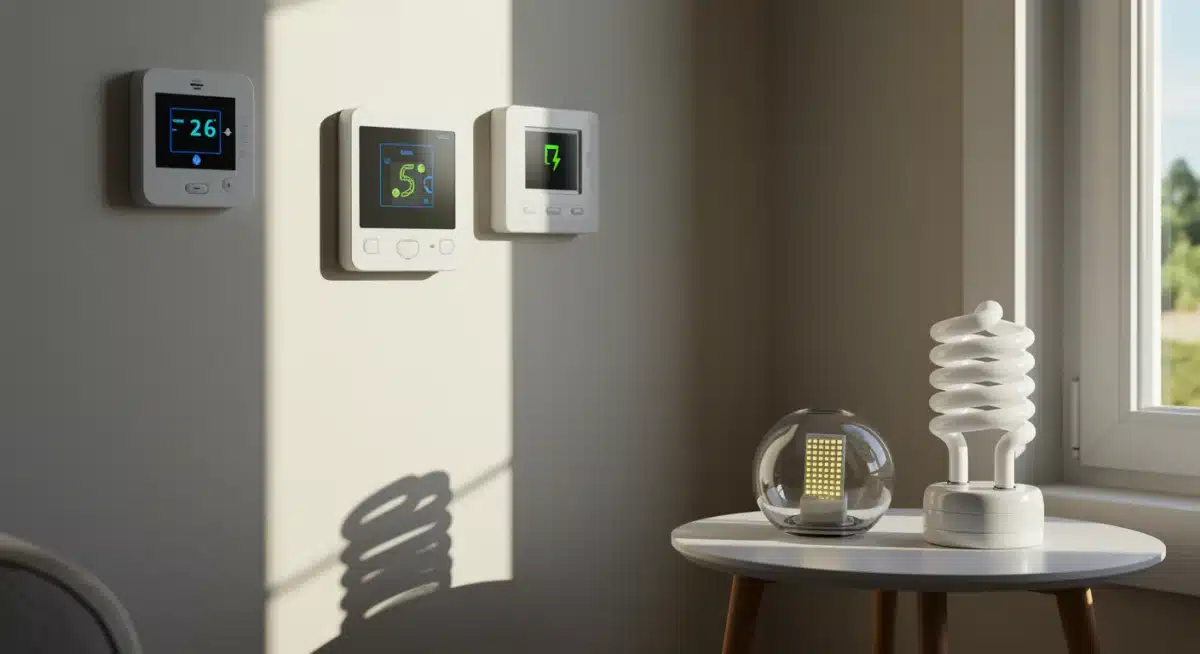
 By adopting 7 straightforward energy-saving practices, homeowners can effectively slash utility costs, expecting to save upwards of $200 annually through improved energy efficiency and reduced consumption.
Are your utility bills creeping higher each month, leaving a dent in your budget? It’s a common concern for many American households, but the good news is that significant savings are within reach.
This guide will show you how to slash utility costs with 7 practical energy-saving tips, potentially saving you over $200 this year alone.
Understanding Your Energy Consumption
Before you can effectively reduce your utility bills, you need a clear picture of how your household uses energy.
Many homeowners are surprised to discover that heating and cooling typically make up the largest portion of their utility expenses, followed by water heating, appliances, and electronics. Understanding these patterns is the foundation for creating targeted strategies that deliver real results.
Analyzing your energy usage goes beyond simply checking the total on your monthly statement—it requires breaking it down.
Most utility providers offer detailed consumption reports, sometimes even comparing your usage to similar homes in your area. This type of comparative data can reveal inefficiencies you may have overlooked, highlighting exactly where improvements can be made.
By gaining insight into how your household consumes energy, you empower yourself to make smarter decisions that lower your utility costs and increase your overall efficiency.
Identifying Energy Hogs in Your Home
Some appliances and systems are inherently more energy-intensive than others. Understanding which ones consume the most power will help you prioritize your energy-saving efforts. It’s not always the obvious culprits that are costing you the most.
HVAC Systems: Heating, ventilation, and air conditioning are typically the biggest energy users, especially in extreme climates.
Water Heaters: Heating water for showers, laundry, and dishes demands a significant amount of electricity or gas.
Refrigerators: Running 24/7, older models can be surprisingly inefficient.
Electronics: Devices like televisions, computers, and gaming consoles contribute to “phantom load” even when turned off.
By pinpointing these major energy consumers, you can develop a more strategic approach to reducing your overall usage. This focused effort ensures that your time and money are invested in changes that will yield the most substantial savings.
Tip 1: Optimize Your Thermostat Settings

Adjusting your thermostat is perhaps the simplest yet most impactful way to slash utility costs. Your heating and cooling system is the primary driver of your energy bill, and even small adjustments can lead to significant savings over time. The key is to find a balance between comfort and efficiency.
Many people set their thermostats and forget them, leading to wasted energy when no one is home or when temperatures are milder. A proactive approach to thermostat management can make a substantial difference in your monthly expenses. This doesn’t mean sacrificing comfort entirely, but rather being smarter about when and how you heat and cool your living space.
The Power of Programmable and Smart Thermostats
Gone are the days of manual adjustments. Modern technology offers powerful tools to help you manage your home’s temperature with precision. Programmable and smart thermostats allow you to set schedules that align with your family’s routine, ensuring you’re not heating or cooling an empty house.
Programmable Thermostats: Allow you to set different temperatures for different times of day and days of the week. For instance, you can program it to lower the temperature while you’re at work and raise it just before you return.
Smart Thermostats: Offer advanced features like remote control via smartphone, learning capabilities to adapt to your preferences, and integration with other smart home devices. Some can even detect when you’re away and adjust settings automatically.
Recommended Settings: During winter, aim for around 68°F (20°C) when you’re home and awake, and lower it by 7-10°F (4-6°C) when you’re asleep or away. In summer, set it to 78°F (26°C) when home and higher when away.
Even a 1-degree change can impact your energy consumption. By consistently optimizing your thermostat settings, you’re taking a powerful step toward reducing your energy footprint and seeing real savings on your utility bills. It’s a simple habit that pays dividends.
Tip 2: Seal Air Leaks and Improve Insulation
One of the most overlooked causes of high utility bills is air leakage.
Cracks, gaps, and insufficient insulation allow conditioned air to escape and unconditioned air to enter, forcing your HVAC system to work harder. Sealing these leaks and bolstering your home’s insulation can dramatically improve energy efficiency and help you to slash utility costs.
Think of your home as a giant thermos. If there are holes in the thermos, the contents won’t stay hot or cold for long. The same principle applies to your house. Addressing these structural inefficiencies is an investment that yields consistent returns in the form of lower energy bills and a more comfortable living environment.
Finding and Sealing the Gaps
Air leaks can be sneaky, often hiding in plain sight. A thorough inspection of your home can reveal common culprits. Once identified, sealing these gaps is a relatively easy and inexpensive DIY project.
Windows and Doors: Check for drafts around frames. Use caulk to seal stationary gaps and weatherstripping for movable parts.
Attic Hatch/Pull-Down Stairs: These are often poorly sealed and can be significant sources of air leakage. Add weatherstripping and insulation to the hatch.
Electrical Outlets and Switch Plates: Install foam gaskets behind these plates on exterior walls to prevent air infiltration.
Utility Penetrations: Seal around pipes, wires, and vents where they enter and exit your home with caulk or spray foam.
Beyond sealing, consider a professional energy audit. An auditor can use specialized tools, like a blower door test or thermal imaging, to pinpoint hidden leaks and areas of insufficient insulation that you might miss.
Boosting Your Home’s Insulation
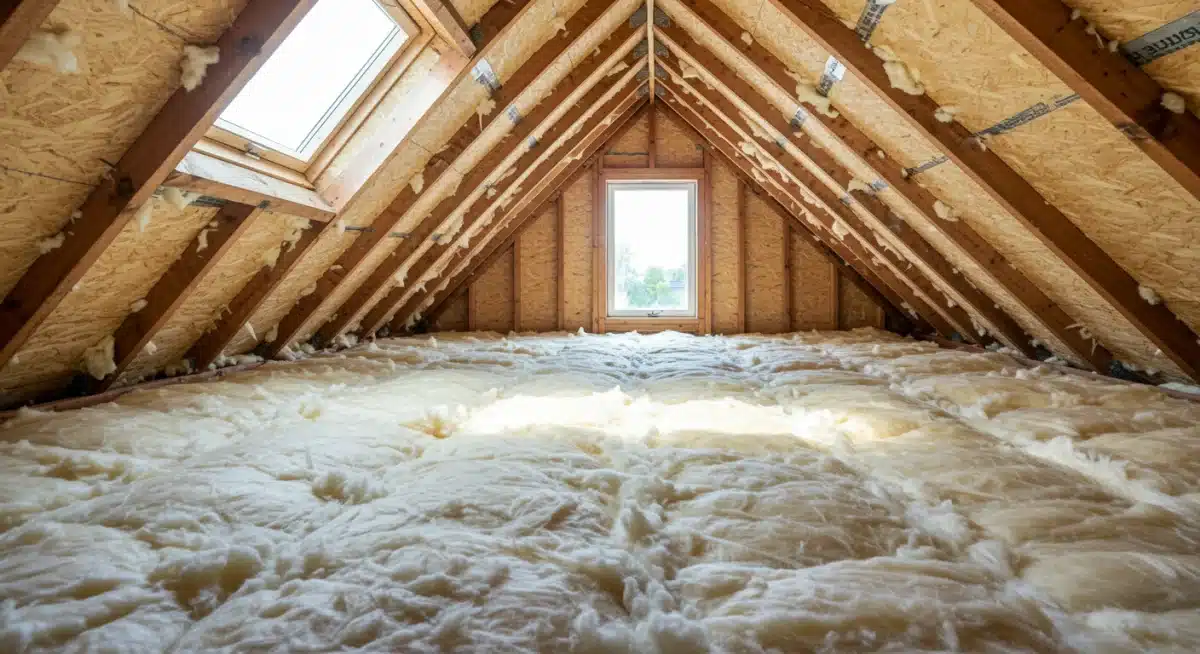
Insulation acts as a barrier to heat flow, keeping your home warmer in winter and cooler in summer. Many older homes have inadequate insulation, particularly in the attic and walls. Upgrading your insulation can be a significant undertaking but offers substantial long-term savings.
Attic insulation is often the easiest and most cost-effective to improve. The recommended R-value (a measure of thermal resistance) varies by climate zone, so consult local guidelines.
Wall insulation is more complex but can be added to existing walls through blow-in techniques. Don’t forget about insulating your basement or crawl space, which can also be major sources of heat loss or gain.
By addressing air leaks and improving insulation, you’re not just saving money; you’re also enhancing your home’s overall comfort and reducing its environmental impact.
This foundational step is critical for anyone serious about long-term energy savings.
Tip 3: Upgrade to Energy-Efficient Lighting
Lighting might not be the biggest energy consumer in your home, but it’s one of the easiest areas to upgrade for immediate savings.
Traditional incandescent bulbs are notoriously inefficient, converting most of their energy into heat rather than light. Switching to more energy-efficient alternatives is a simple way to slash utility costs without sacrificing brightness or convenience.
The evolution of lighting technology has made energy-efficient options more affordable and ubiquitous than ever before. There’s no longer an excuse to cling to outdated bulbs that are costing you money every time you flip a switch.
Making the Switch to LEDs
Light Emitting Diodes (LEDs) are the gold standard for energy-efficient lighting. They consume significantly less energy than incandescent bulbs and last much longer, reducing both your electricity bill and the frequency of bulb replacements.
Energy Consumption: LEDs use up to 90% less energy than incandescents. A 10-watt LED can produce the same amount of light as a 60-watt incandescent.
Lifespan: LEDs can last 25,000 hours or more, compared to 1,000-2,000 hours for incandescents, meaning fewer trips to the store and less waste.
Cost-Effectiveness: While the upfront cost of LEDs is higher, their energy savings and longevity quickly offset the initial investment.
Variety: LEDs are available in various shapes, sizes, and color temperatures, making them suitable for any fixture or aesthetic preference.
Beyond just replacing bulbs, consider installing dimmers for LED lights. Dimmers not only allow you to adjust the ambiance but also further reduce energy consumption when full brightness isn’t needed. This simple upgrade can enhance your home’s functionality while contributing to your energy-saving goals.
Maximizing Natural Light
While artificial lighting is essential, maximizing natural light during the day can significantly reduce your reliance on electricity.
Open blinds and curtains, especially on south-facing windows in winter, to let sunlight stream in. This not only brightens your home but also provides passive solar heating.
Strategically placed mirrors can also help reflect natural light deeper into rooms, reducing the need for artificial illumination. Consider lighter paint colors on walls, which reflect light better than darker hues. These simple, no-cost adjustments can make a noticeable difference in your energy usage throughout the day.
Tip 4: Unplug “Phantom Loads”
One of the hidden drainers of household energy is what’s known as “phantom load” or “vampire energy.” These are devices that continue to draw power even when they are turned off but still plugged in.
Think about your TV, computer, phone chargers, coffee makers, and game consoles. While individually small, collectively these phantom loads can add up, silently increasing your utility bills.
Many people are unaware of how much electricity these standby modes consume. Addressing phantom loads is a simple, no-cost way to immediately begin to slash utility costs. It requires a bit of mindfulness but can yield surprising results over the course of a year.
Identifying and Eliminating Energy Vampires
Almost any electronic device with a remote control, a clock display, or an external power adapter is a potential energy vampire. They’re constantly waiting for your command, and that waiting consumes power.
Electronics: TVs, stereos, DVD/Blu-ray players, gaming consoles, and cable boxes.
Office Equipment: Computers, monitors, printers, and external hard drives.
Kitchen Appliances: Coffee makers, toasters, microwaves (their clock displays).
Chargers: Phone, tablet, and laptop chargers continue to draw power even when the device isn’t connected or is fully charged.
The easiest way to combat phantom loads is to unplug devices when not in use.
For items you use frequently, consider grouping them on a power strip. A power strip with an on/off switch allows you to cut power to multiple devices with a single flick, effectively eliminating their standby draw.
Smart power strips take this a step further, automatically detecting when devices are off and cutting power.
Making a habit of unplugging devices or using power strips can save you a noticeable amount on your electricity bill each month. It’s a small change in behavior that contributes to a more energy-efficient home and helps you to slash utility costs over time, adding up to those significant annual savings.
Tip 5: Be Smart with Water Heating
Water heating is often the second-largest energy expense in American homes, right after heating and cooling.
The energy required to heat water for showers, laundry, and dishes can significantly contribute to your utility bills. Fortunately, several strategies can help you reduce this cost without sacrificing comfort or convenience.
Many households overlook the potential for savings in their hot water consumption. By making conscious adjustments to habits and considering simple upgrades, you can make a substantial dent in this part of your energy expenditure.
Lowering Your Water Heater’s Temperature
Most water heaters are factory-set to 140°F (60°C), but for many households, this is unnecessarily high. Lowering the temperature setting on your water heater is a simple, effective way to save energy.
Recommended Temperature: Set your water heater to 120°F (49°C). This temperature is usually sufficient for household needs, reduces the risk of scalding, and can save you between 4% and 22% on your water heating costs.
Insulate Your Water Heater: If your water heater is older or located in an unheated space, insulating it with an R-11 or higher insulation blanket can reduce standby heat loss by 25-45%.
Insulate Hot Water Pipes: Insulating the first six feet of hot and cold water pipes connected to the water heater can reduce heat loss and raise water temperature by 2-4°F, allowing you to lower the water heater’s thermostat setting further.
Beyond these adjustments, consider your usage habits. Taking shorter showers, washing clothes in cold water when possible, and running your dishwasher only when full can all contribute to lower hot water demand and, consequently, lower energy bills. These small changes collectively help to slash utility costs.
Tip 6: Maintain Your HVAC System Regularly
Your heating, ventilation, and air conditioning (HVAC) system is the workhorse of your home’s comfort, but it’s also one of the biggest energy consumers.A well-maintained HVAC system runs more efficiently, uses less energy, and lasts longer. Neglecting its upkeep, however, can lead to increased energy consumption, costly repairs, and a shorter lifespan for the unit. Regular maintenance is a critical step to slash utility costs.
Many homeowners only think about their HVAC system when it breaks down. A proactive approach to maintenance can prevent these costly emergencies and ensure your system is always running at peak efficiency, saving you money every month.
Essential HVAC Maintenance Tasks
Some maintenance tasks are simple enough for homeowners to perform, while others require the expertise of a professional. Combining both approaches ensures your system remains in top condition.
Change Air Filters Regularly: This is arguably the most important homeowner task. A dirty filter restricts airflow, forcing your system to work harder and consume more energy. Change filters every 1-3 months, or more frequently if you have pets or allergies.
Keep Vents Clear: Ensure that return and supply registers are not blocked by furniture, drapes, or rugs. Obstructed airflow reduces efficiency.
Clean Outdoor Unit: Keep the area around your outdoor air conditioning unit free of debris, leaves, and overgrown vegetation. A clear unit can dissipate heat more effectively.
Schedule Professional Tune-Ups: Have a qualified technician inspect and service your HVAC system annually (ideally in spring for AC and fall for heating). They can clean coils, check refrigerant levels, lubricate moving parts, and identify potential issues before they become major problems.
A properly maintained HVAC system can operate up to 15% more efficiently than one that’s neglected. This translates directly into lower energy bills and fewer breakdowns, helping you to reliably slash utility costs year after year. It’s an investment in your home’s comfort and your financial well-being.
Tip 7: Adopt Energy-Efficient Appliance Habits
While upgrading to new energy-efficient appliances can provide significant long-term savings, not everyone is in a position to make such a substantial investment. The good news is that you can still make a considerable impact on your utility bills by simply changing how you use your existing appliances. Smart habits can help you to slash utility costs without spending a dime on new equipment.
It’s about being mindful of when and how you use these energy-consuming devices. Even small adjustments to your daily routine can add up to meaningful savings over time, contributing to your goal of reducing annual utility expenses.
Practical Appliance Usage Tips
Many common household appliances offer opportunities for energy savings through smarter usage. Focus on these areas for immediate impact:
Laundry:
Wash clothes in cold water whenever possible. Modern detergents are effective in cold water, and heating water for laundry is a major energy drain.
Always wash full loads. Partial loads waste water and energy.
Clean the dryer’s lint filter before every load to improve airflow and efficiency.
Consider air-drying clothes on a line or rack when weather permits.
Dishwasher:
Run your dishwasher only when it’s full.
Use the air-dry setting instead of heated dry, or simply open the door after the wash cycle to air dry.
Refrigerator/Freezer:
Keep your refrigerator and freezer full, but not overstuffed. Full units retain cold better.
Ensure the door seals are tight. Test them by closing the door on a dollar bill; if it pulls out easily, the seal needs attention.
Keep coils clean for optimal efficiency.
Cooking:
Use the right-sized burner for your pots.
Use Lids on pots to retain heat and cook faster.
Consider smaller appliances like microwaves or toaster ovens for smaller meals, as they use less energy than a full-sized oven.
By integrating these energy-saving habits into your daily routine, you’ll not only see a reduction in your utility bills but also contribute to a more sustainable lifestyle.
These mindful choices are a powerful way to slash utility costs and keep more money in your pocket.
| Key Energy-Saving Tip | Brief Description |
|---|---|
| Optimize Thermostat | Adjust settings with programmable or smart thermostats to match your schedule, saving on heating/cooling. |
| Seal Air Leaks | Caulk and weatherstrip around windows, doors, and utility penetrations to prevent air loss. |
| Upgrade Lighting | Replace incandescent bulbs with energy-efficient LEDs and maximize natural light. |
| Unplug Phantom Loads | Disconnect electronics or use power strips to stop devices from drawing standby power. |
Frequently Asked Questions About Saving on Utilities
By consistently applying these 7 energy-saving tips, most households can realistically expect to save at least $200 per year on their utility bills.
The exact amount depends on your current energy consumption, local utility rates, and the extent of your efforts to improve efficiency.
Yes, smart thermostats are generally worth the investment. They offer advanced features like remote control, usage tracking, and learning capabilities that optimize heating and cooling schedules, leading to significant and consistent energy savings over time, often paying for themselves within a few years.
Common culprits for air leaks include gaps around windows and doors, attic hatches, electrical outlets and switch plates on exterior walls, and utility penetrations (where pipes or wires enter the home). Sealing these areas with caulk or weatherstripping can make a big difference.
For traditional incandescent bulbs, it’s always best to turn them off.
For LED and CFL bulbs, which are more efficient, the energy saved by turning them off for short periods (5 minutes or less) is minimal, but it’s still a good habit for overall energy conservation.
It is recommended to have your HVAC system professionally serviced at least once a year.
Ideally, schedule a check-up in the spring for your air conditioning unit and in the fall for your heating system to ensure optimal performance and efficiency throughout the year.