Stop Wasting Food: Smart Storage Tips to Save Money
 Stop wasting food by adopting intelligent storage techniques that not only extend the shelf life of groceries but also significantly contribute to saving money and reducing household waste.
Are you tired of throwing away perfectly good food? Do you wish you could make your groceries last longer and stretch your budget further?
Learning to stop wasting food is not just about being frugal; it’s a powerful step towards sustainable living and significant savings. This guide will equip you with simple, actionable food storage tips that will revolutionize your kitchen and your wallet.
Understanding the Impact of Food Waste
Food waste is a pervasive issue with far-reaching consequences, affecting both our personal finances and the environment.
In the United States, a staggering amount of edible food goes to waste every year, contributing to landfill overload and greenhouse gas emissions.
Recognizing the scale of this problem is the first step toward making meaningful changes in our own homes.
When food is wasted, it’s not just the food itself that’s lost. Consider all the resources that went into producing that item: the water for irrigation, the energy for cultivation and transportation, the labor of farmers, and the packaging materials.
All of these become null and void when food is discarded, representing a significant inefficient use of resources on a global scale. For the average American household, this translates into hundreds, if not thousands, of dollars literally thrown into the trash annually.
The Financial Drain of Discarded Groceries
Lost Purchase Value: Every item you buy and don’t consume is money directly out of your pocket.
Increased Shopping Frequency: Wasting food often leads to more frequent grocery trips, increasing the likelihood of impulse buys.
Higher Overall Food Budget: Without efficient use of purchases, your weekly or monthly food budget will inevitably be higher than necessary.
Beyond the immediate financial impact, there’s the ethical dimension. In a world where food insecurity remains a critical challenge for many, the sheer volume of food being wasted is a stark reminder of our collective responsibility to consume more thoughtfully.
By understanding these impacts, we can approach food storage not as a chore, but as a crucial component of mindful living and financial prudence. Embracing strategies to stop wasting food becomes a commitment to both our wallets and the planet.
Ultimately, addressing food waste at the household level is a practical way to contribute to larger environmental goals and strengthen personal financial stability.
It empowers individuals to take control of their consumption habits, making informed decisions that benefit everyone.
Mastering the Art of Refrigerator Organization and Storage
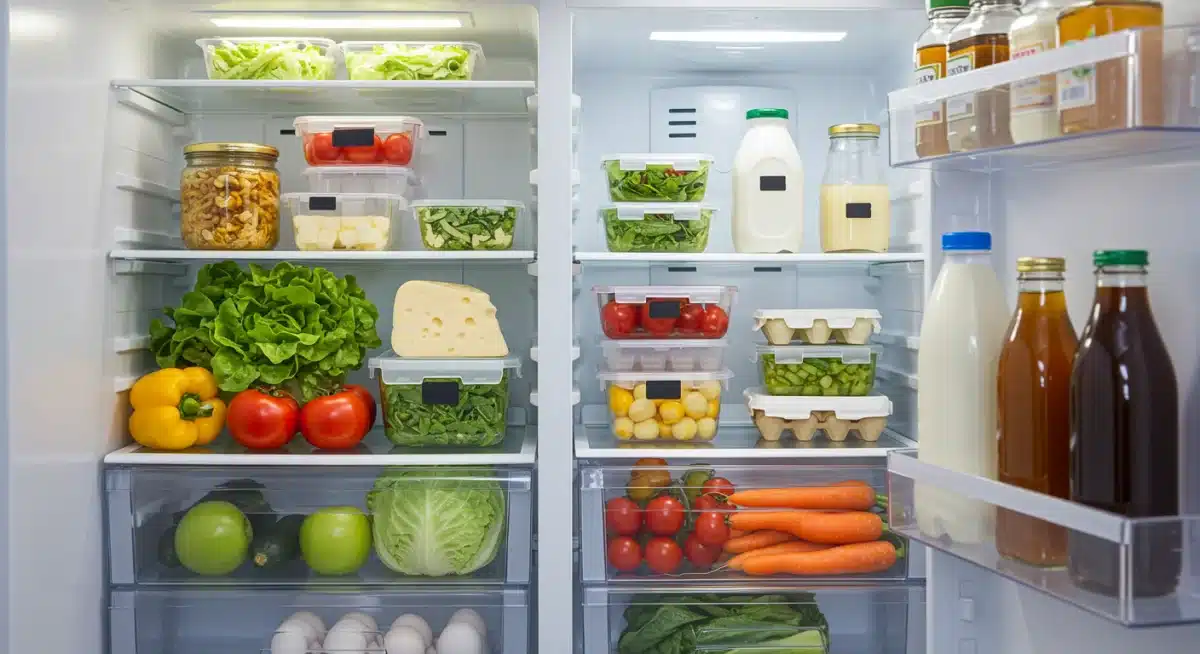
Your refrigerator is a powerful tool in the fight against food waste, but only if it’s used correctly. Proper organization and understanding temperature zones can significantly extend the life of your produce, dairy, and leftovers. It’s more than just putting things away; it’s about strategic placement.
Different areas of your fridge maintain different temperatures, which is critical for various food types. The warmest parts are typically the door shelves, while the coldest parts are often the bottom shelves and the back of the fridge.
Knowing this allows you to place items where they will thrive best, preventing premature spoilage and ensuring you can stop wasting food.
Strategic Placement for Optimal Freshness
Top Shelf: Best for ready-to-eat foods like leftovers, deli meats, and prepared salads. These items don’t need further cooking, so keeping them separate from raw foods prevents cross-contamination.
Middle Shelf: Ideal for dairy products such as milk, yogurt, and cheeses. The consistent temperature here helps these items maintain their quality.
Bottom Shelf: This is the coldest part, perfect for raw meat, poultry, and fish. Storing them here prevents any drips from contaminating other foods below. Always place them in sealed containers to avoid leaks.
Crisper Drawers: These are designed to control humidity. One drawer is often for high-humidity items (leafy greens, most vegetables) and the other for low-humidity items (fruits like apples, pears, and some vegetables).
Beyond placement, airtight containers are your best friends. They protect food from drying out, absorbing odors, and bacterial growth.
Regularly clean your refrigerator to remove spills and expired items, creating a healthy environment for your food.
Labeling leftovers with dates is also a simple yet effective practice to ensure you consume them within their safe window.
By implementing these practices, you’ll find that your groceries last longer, and you’ll be well on your way to reducing your household’s food waste significantly.
Freezing Foods for Long-Term Preservation
Freezing is an incredibly effective method for long-term food preservation, allowing you to save excess produce, cooked meals, and even baked goods for months. It’s a fantastic way to extend the life of ingredients bought in bulk or produce from a bountiful garden.
The key to successful freezing is proper preparation and packaging to maintain quality and prevent freezer burn, helping you to truly stop wasting food.
Before freezing, most foods benefit from a little preparation. Vegetables often need to be blanched (briefly boiled and then quickly cooled in ice water) to preserve their color, texture, and nutritional value.
Fruits, on the other hand, can often be frozen whole or sliced, sometimes with a light sugar syrup or lemon juice to prevent browning. Cooked meals should be cooled completely before freezing to avoid raising the freezer’s temperature and potentially thawing other items.
Essential Freezing Techniques
Flash Freezing: For individual pieces of fruit or vegetables, spread them in a single layer on a baking sheet and freeze until solid. Then transfer to an airtight container or freezer bag. This prevents them from clumping together.
Portion Control: Freeze items in individual serving sizes. This makes thawing and meal preparation much easier, as you only take out what you need.
Labeling and Dating: Always label containers and bags with the contents and the date frozen. This prevents guesswork and ensures you consume items within their recommended freezer life.
Choosing the right packaging is crucial. Use freezer-safe bags, airtight containers, or heavy-duty aluminum foil. Remove as much air as possible from bags to prevent freezer burn, which can dry out food and affect its flavor and texture.
Freezer burn, while not harmful, can make food less appealing. By adopting these strategies, you can significantly reduce the amount of food that goes bad, maximizing your grocery investments and contributing to a more sustainable kitchen. Freezing is a powerful ally in the mission to minimize food waste.
Smart Pantry Practices: Keeping Dry Goods Fresh
While refrigerators and freezers handle perishables, your pantry is equally vital for keeping dry goods fresh and preventing spoilage.
Proper pantry organization and storage techniques for items like grains, pasta, canned goods, and spices are essential to ensure longevity and avoid unnecessary waste. A well-maintained pantry means less money spent on replacements and more confidence in your ingredients.
The primary enemies of pantry items are moisture, pests, light, and fluctuating temperatures. Storing dry goods in their original packaging, especially if it’s not airtight, often leaves them vulnerable.
Transferring these items to appropriate containers immediately after purchase is a simple yet highly effective first step in preserving their quality and extending their shelf life. This proactive approach helps you to consistently stop wasting food due to pantry spoilage.
Key Strategies for Pantry Organization
Airtight Containers: Invest in good quality, clear, airtight containers for flours, sugars, rice, pasta, cereals, and nuts. This keeps pests out, prevents moisture absorption, and allows for easy identification of contents.
Cool, Dark, and Dry: Store your pantry items in a cool, dark, and dry place, away from direct sunlight, heat sources (like ovens or dishwashers), and areas prone to humidity. Consistency in temperature is key.
First-In, First-Out (FIFO): Practice the FIFO method. When you buy new items, place them behind older ones so that you use the older stock first. This rotation prevents items from expiring unnoticed at the back of your shelves.
Beyond these basics, consider storing specific items differently. For example, potatoes and onions should be stored in a cool, dark, well-ventilated area, but separate from each other, as onions can make potatoes sprout faster.
Spices should be kept in airtight containers away from heat and light to retain their potency. Regularly check expiration dates and use older items first.
By implementing these smart pantry practices, you’ll not only keep your dry goods fresh for longer but also create a more efficient and organized cooking environment, significantly reducing the likelihood of food waste in this often-overlooked area of the kitchen.
Creative Ways to Utilize Leftovers and Scraps
One of the most enjoyable and practical ways to stop wasting food is by embracing creativity in the kitchen, specifically when it comes to leftovers and food scraps. Instead of seeing these as waste, view them as opportunities for new, delicious meals and valuable ingredients.
This approach not only saves money but also enhances your culinary skills and reduces your environmental footprint.
Often, the reason leftovers go uneaten is simply a lack of inspiration. A roasted chicken from Sunday dinner can become the star of tacos, a hearty soup, or a fresh salad on Monday. Vegetables nearing their end can be transformed into frittatas, stir-fries, or blended into sauces.
The key is to think beyond the original dish and reimagine the ingredients in a new context, making meal planning much more dynamic and sustainable. This mindset shift is fundamental to reducing household food waste.
Innovative Uses for Common Scraps and Leftovers
Vegetable Scraps for Broth: Keep a bag in your freezer for vegetable trimmings like onion skins, carrot peels, celery ends, and herb stems. When the bag is full, simmer them to make a flavorful homemade vegetable broth.
Stale Bread Revitalization: Turn stale bread into croutons for salads, breadcrumbs for coating, or a base for panzanella salad. Never throw out dry bread again!
Fruit Peels and Cores: Apple peels and cores can be used to make apple cider vinegar or simmered with cinnamon sticks for fragrant potpourri. Citrus peels can be candied, zested, or infused into olive oil.
Beyond these specific examples, maintaining a ‘use-it-up’ mentality is crucial. Before heading to the grocery store, take stock of what you already have. Plan meals around ingredients that need to be consumed soonest.
Consider a ‘leftover night’ once a week where everyone finishes up various dishes. Remember, even small amounts of ingredients can contribute to a larger meal.
This mindful approach to cooking and eating ensures that very little goes to waste, transforming potential discards into delicious, budget-friendly meals and proving that reducing food waste can be both easy and rewarding.
Meal Planning and Smart Shopping Strategies
Effective meal planning and smart shopping are foundational pillars in the effort to stop wasting food. Without a clear strategy for what you’ll cook and what you need to buy, it’s easy to overpurchase, leading to unused ingredients and eventual waste.
A well-thought-out plan ensures that every item brought into your home has a purpose and a place
in your weekly menu.
Before you even step foot in the grocery store, take inventory of your pantry, refrigerator, and freezer. What do you already have? What needs to be used soon? This prevents duplicate purchases and ensures you prioritize items nearing their expiration
. Based on your inventory, plan your meals for the week, considering how ingredients can be cross-utilized in different dishes to maximize their use and minimize waste. This proactive approach significantly cuts down on spontaneous, often wasteful, shopping decisions.
Developing an Efficient Shopping List
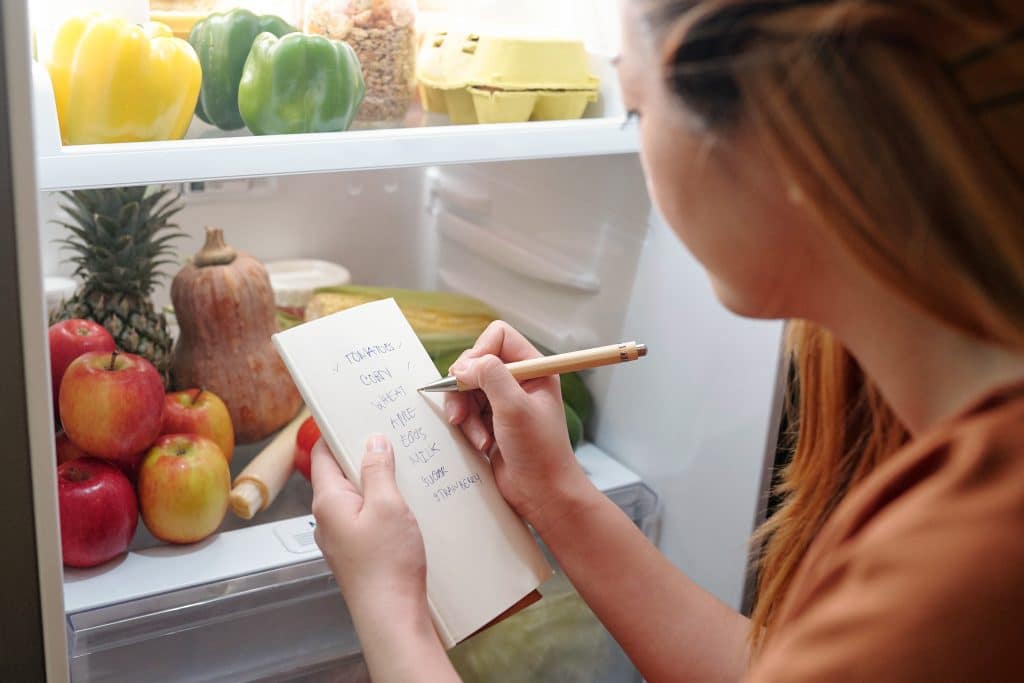
Categorize Your List: Organize your shopping list by grocery store sections (produce, dairy, meat, dry goods). This saves time and prevents forgotten items.
Exact Quantities: Be specific about the quantities you need. Don’t just write ‘apples’; write ‘3 apples for snacks’ or ‘1 lb apples for pie.’
Check Unit Prices: While bulk buying can save money, only buy in large quantities if you know you’ll use it all before it spoils. Compare unit prices to ensure you’re getting the best deal.
When you’re at the store, stick to your list. Avoid impulse buys, especially for perishable items you haven’t planned for.
Pay attention to ‘best by’ or ‘use by’ dates, choosing items with the longest shelf life if you don’t plan to use them immediately.
Consider shopping at farmers’ markets for fresh, seasonal produce, often encouraging you to cook with what’s available and in abundance.
By integrating meal planning and smart shopping into your routine, you’ll not only reduce food waste but also streamline your grocery trips, save money, and enjoy a more organized and efficient kitchen.
These habits are crucial for anyone looking to make a real impact on their budget and the environment.
Dealing with Food Expiration Dates: What They Really Mean

Understanding food expiration dates is key to effectively managing your groceries and making informed decisions about what to keep and what to discard.
Many people mistakenly believe that ‘best by’ or ‘sell by’ dates are strict indicators of food safety, leading to perfectly edible food being thrown away. Learning what these labels truly mean is a critical step to stop wasting food unnecessarily.
It’s important to distinguish between different types of date labels. ‘Sell by’ dates are primarily for retailers, indicating when a product should be removed from shelves to allow for reasonable home storage and consumption time.
‘Best by’ or ‘best if used by’ dates refer to food quality, suggesting when an item will be at its peak flavor or texture. These are not safety dates; food can often be safely consumed past these dates if stored properly
. ‘Use by’ dates, typically found on highly perishable items like raw meat and dairy, are the only ones that genuinely relate to food safety. Even then, proper storage and visual inspection are paramount.
Interpreting Date Labels Correctly to Avoid Wasting Food
“Sell By” Dates
These dates are mainly guidelines for retailers. In many cases, you still have several days—or even up to a week—to consume the product if it has been stored properly. Understanding this helps prevent wasting food unnecessarily.
“Best By” Dates
These dates indicate peak quality rather than safety. Instead of automatically discarding food, rely on your senses. If it looks, smells, and tastes fine, it is likely still safe to eat. This mindset plays a key role in reducing wasting food at home.
These are the most important dates for safety, especially for highly perishable foods. While you should pay close attention to them, proper storage can sometimes extend usability slightly without compromising safety, helping you avoid wasting food when it’s still suitable for consumption.
Beyond date labels, your senses are your most reliable tools for avoiding wasting food. Before throwing anything away, check for clear signs of spoilage such as unpleasant odors, mold, unusual discoloration, or a slimy texture.
If something smells or looks bad, it’s best to discard it—but many foods are still perfectly usable even after their printed dates.
For example, hard cheeses often allow mold to be trimmed off safely, and yogurt past its “best by” date may still be good to consume. Learning these distinctions empowers you to make smarter decisions, reducing wasting food while maintaining safety in your kitchen.
This informed approach is a cornerstone of smart kitchen habits and an essential part of the mission to minimize wasting food. By understanding date labels and trusting your senses, you can make more confident choices that benefit both your budget and your lifestyle.
| Key Strategy | Brief Description |
|---|---|
| Refrigerator Organization | Store foods in appropriate temperature zones to maximize freshness and prevent premature spoilage. |
| Freezing Techniques | Properly freeze excess food, leftovers, and bulk purchases to extend shelf life for months. |
| Pantry Management | Use airtight containers and FIFO method for dry goods to protect from pests and moisture. |
| Meal Planning & Shopping | Plan meals and create targeted shopping lists to avoid overbuying and impulse purchases. |
Frequently Asked Questions About Wasting Food
What are the easiest first steps to stop wasting food at home?
The easiest way to start is by planning your meals in advance and creating a detailed grocery list before shopping.
Organizing your refrigerator and pantry using the First-In, First-Out (FIFO) method—placing older items at the front—also helps prevent wasting food. These simple habits reduce impulse purchases and forgotten ingredients.
How can I make fresh produce last longer and avoid wasting food?
To prevent wasting food, store fruits and vegetables in the correct compartments of your refrigerator and separate ethylene-producing fruits from sensitive vegetables.
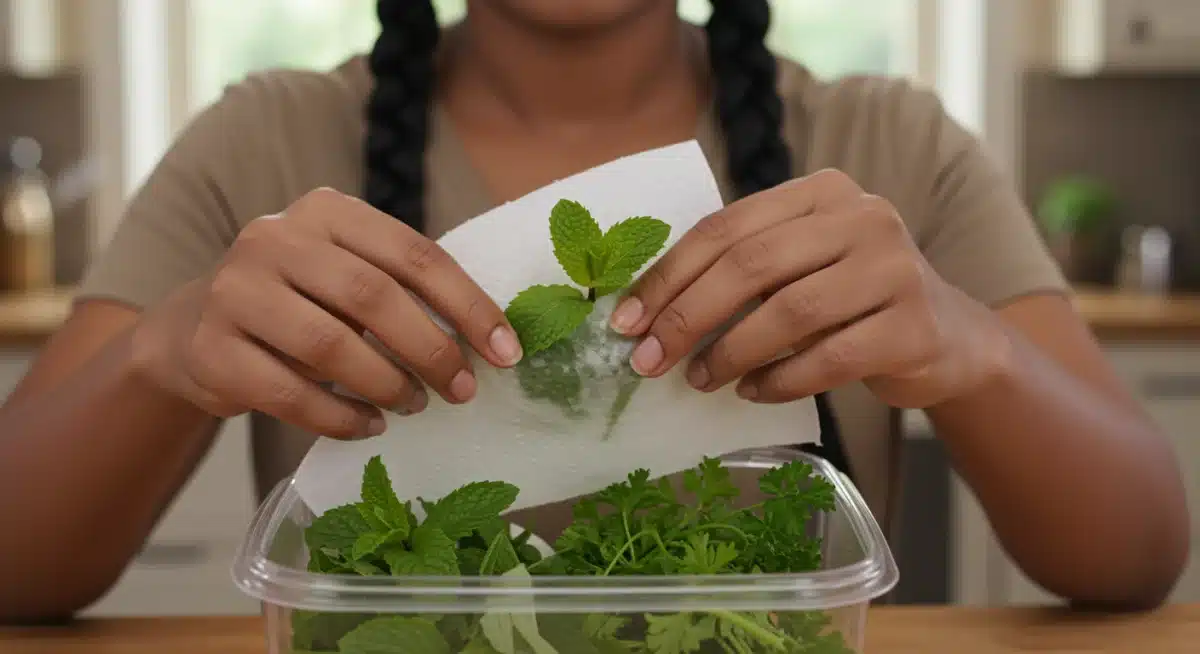
Washing and drying leafy greens thoroughly before storing them in airtight containers with paper towels also helps extend freshness and reduce wasting food.
Are “best by” dates reliable indicators for avoiding wasting food?
Not always. “Best by” dates usually refer to quality, not safety. Many foods remain safe and edible beyond this date if stored properly and show no signs of spoilage. Using your senses—smell, appearance, and taste—can help you avoid unnecessarily wasting food.
What are creative ways to use leftovers and scraps instead of wasting food?
Instead of wasting food, transform scraps into new recipes. Vegetable trimmings can be frozen for homemade broth, stale bread can become croutons or breadcrumbs, and citrus peels can be used for zest or infusions. These ideas reduce wasting food while adding flavor and value to your meals.
How does reducing wasting food impact my finances?
When you reduce wasting food, you maximize what you buy and minimize unnecessary grocery trips. This leads to real financial savings and better control of your food budget, allowing you to redirect money toward other priorities and goals.
Conclusion
Stopping wasting food is an ongoing journey, but the benefits are truly transformative. By adopting smarter storage methods, using leftovers creatively, and developing more conscious shopping habits, you can significantly reduce wasting food in your home.
This shift not only leads to meaningful financial savings—often freeing up hundreds of dollars each year—but also supports a more sustainable lifestyle.
Every small change you make to avoid wasting food contributes to a larger impact, encouraging a more mindful way of consuming resources that benefits both your budget and the planet.