Vaping Risks: New Findings on E-Cigarette Health Effects

 New research reveals that vaping risks health by contributing to significant respiratory and cardiovascular issues, alongside severe nicotine addiction, challenging previous perceptions of e-cigarettes as a safer alternative.
Have you ever wondered about the true impact of e-cigarettes on your well-being? In recent years, the conversation around vaping risks health has intensified, moving beyond initial assumptions to uncover a complex array of potential dangers.
With new findings emerging regularly, it’s crucial for everyone, especially those in the United States, to understand the evolving landscape of e-cigarette health effects.
The Rise of Vaping and Initial Perceptions
The introduction of e-cigarettes promised a revolutionary alternative to traditional tobacco products, initially marketed as a safer option for smokers looking to quit.
This perception quickly led to a surge in popularity, particularly among younger demographics who were drawn to the variety of flavors and the sleek, discreet designs of vaping devices.
Early studies, often limited in scope and duration, contributed to a public understanding that vaping was inherently less harmful than smoking.
This narrative fueled rapid adoption, but as the user base grew, so did the questions about long-term health consequences. The scientific community began to scrutinize the chemical composition of e-liquids and the effects of inhaling aerosols, leading to a more nuanced and often concerning picture.
Marketing and Public Health Challenges
Aggressive Marketing: E-cigarette companies often employed marketing tactics that appealed to youth, utilizing social media influencers and vibrant flavor profiles.
Regulatory Lag: Public health regulations struggled to keep pace with the rapid innovation and widespread adoption of vaping products.
Misinformation Spread: Initial public perception was often shaped by incomplete information, downplaying potential health risks.
The initial enthusiasm surrounding e-cigarettes has gradually given way to a more cautious and critical outlook.
What was once seen as a simple harm reduction tool is now recognized as a complex public health challenge, requiring continuous research and updated information to inform users and policymakers alike.
Nicotine Addiction: A Persistent Threat
One of the most significant concerns associated with vaping is the pervasive issue of nicotine addiction.
Many e-liquids contain high concentrations of nicotine, a highly addictive substance that can have profound effects on the developing brain, particularly in adolescents.
This addiction can lead to a cycle of dependence, making it difficult for users to quit and potentially acting as a gateway to other forms of tobacco use.
New research underscores that the form of nicotine delivered by e-cigarettes, often in nicotine salt formulations, can be absorbed more rapidly and efficiently by the body.
This efficiency can lead to quicker and stronger addiction, even in individuals who may not have previously considered themselves susceptible to nicotine dependence.
The stealthy nature of some e-cigarette devices also allows for discreet use, further complicating efforts to monitor and address addiction among young people.
Impact on Adolescent Brain Development
Adolescence is a critical period for brain development, and exposure to nicotine during this time can have lasting consequences. Nicotine can impair cognitive function, attention, and impulse control, potentially affecting academic performance and overall mental health.
Altered Brain Chemistry: Nicotine exposure can permanently alter brain pathways, increasing susceptibility to other addictions.
Cognitive Deficits: Studies suggest a link between adolescent nicotine use and difficulties with memory and concentration.
Mental Health Concerns: Vaping has been correlated with increased rates of anxiety, depression, and stress among young users.
Understanding the addictive potential of e-cigarettes is paramount for public health initiatives. The focus must extend beyond simply discouraging initiation to providing robust support systems for those already struggling with nicotine dependence, acknowledging the unique challenges posed by vaping products.
Respiratory System Damage: Beyond “Popcorn Lung”
While early discussions about vaping’s impact on the respiratory system often centered on isolated cases like “popcorn lung,” more comprehensive studies now reveal a broader spectrum of damage.
The inhalation of e-cigarette aerosols introduces a cocktail of chemicals, heavy metals, and particulate matter into the lungs, leading to inflammation and cellular damage that can have long-term consequences.
These new findings suggest that frequent vaping can compromise lung function, increase susceptibility to infections, and exacerbate existing respiratory conditions like asthma.
The delicate tissues of the lungs are not designed to process the complex chemical compounds found in e-liquid aerosols, leading to a chronic inflammatory response that can degrade lung health over time.
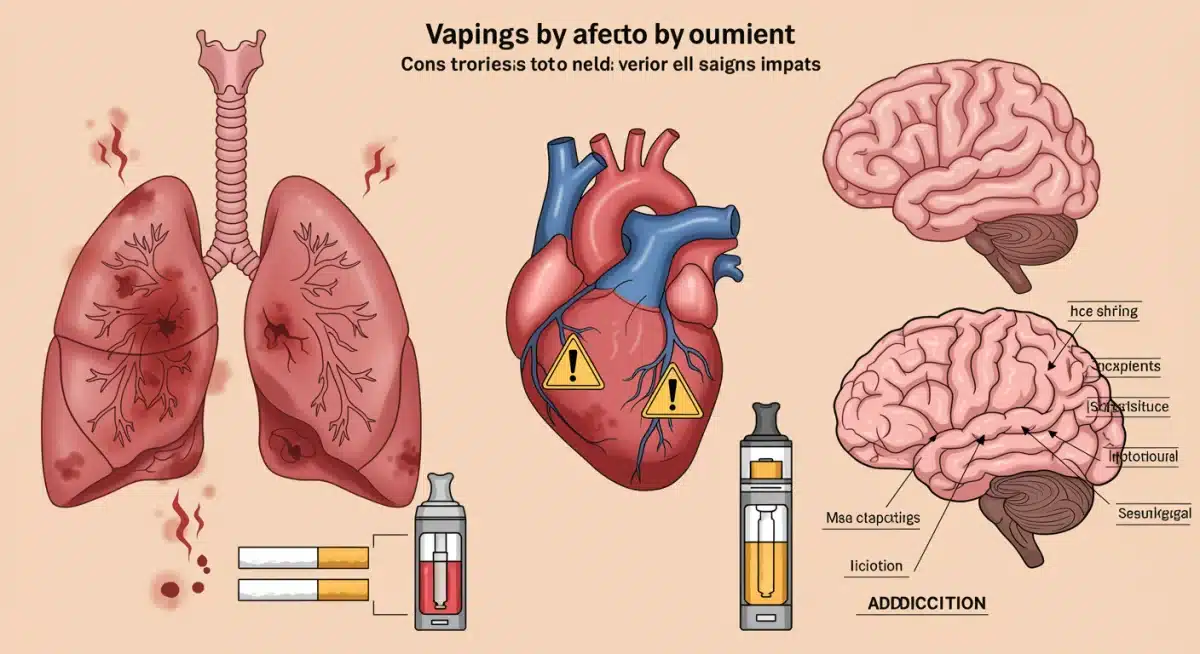
Specific Lung Injuries and Conditions
Research has identified several types of lung injuries linked to vaping, extending beyond the bronchiolitis obliterans (popcorn lung) that garnered early attention.
EVALI (E-cigarette or Vaping Product Use-Associated Lung Injury): A severe, acute respiratory illness that can be life-threatening, often linked to vitamin E acetate in some THC-containing vape products.
Chronic Bronchitis Symptoms: Regular vapers report higher rates of chronic cough and phlegm production, indicative of airway irritation.
Increased Infection Risk: Vaping can impair the immune response in the lungs, making individuals more vulnerable to viral and bacterial infections, including influenza and COVID-19.
The evidence is mounting that vaping is far from benign for lung health. Continuous exposure to e-cigarette aerosols can lead to significant and potentially irreversible damage, highlighting the urgent need for individuals to be aware of these risks and consider cessation for the sake of their respiratory well-being.
Cardiovascular Health Implications
Beyond the lungs, emerging research is shedding light on the detrimental effects of vaping on cardiovascular health.
Nicotine, a primary component in most e-liquids, is a vasoconstrictor and can elevate heart rate and blood pressure. However, the impact extends beyond nicotine alone, with other chemicals in e-cigarette aerosols contributing to oxidative stress and endothelial dysfunction, critical precursors to heart disease.
Studies indicate that regular vaping can stiffen arteries, impair blood vessel function, and increase the risk of heart attack and stroke.
These findings challenge the notion that e-cigarettes are a harmless alternative for individuals concerned about cardiovascular health. The chronic exposure to various toxins, even at lower levels than traditional cigarettes, appears to be sufficient to induce significant cardiovascular strain.
Mechanisms of Cardiovascular Damage
Increased Heart Rate and Blood Pressure: Nicotine directly stimulates the sympathetic nervous system, leading to acute cardiovascular stress.
Endothelial Dysfunction: Chemicals in vape aerosols can damage the inner lining of blood vessels, impairing their ability to dilate and constrict properly.
Oxidative Stress: The inhalation of fine particulate matter and reactive chemicals can lead to oxidative stress, contributing to plaque buildup and atherosclerosis.
The cardiovascular risks associated with vaping are a growing area of concern for public health experts. As long-term data becomes available, the full extent of these effects will become clearer, but current evidence strongly suggests that vaping poses a significant threat to heart health, urging caution and greater awareness among users.
The Impact on Oral Health and Beyond
While respiratory and cardiovascular concerns often dominate discussions about vaping, new findings also point to considerable risks to oral health and other bodily systems.
The chemicals in e-cigarette aerosols can disrupt the oral microbiome, increase inflammation in gums, and contribute to tooth decay. This often-overlooked aspect of vaping adds another layer to its overall health impact.
Furthermore, the sweet and often acidic flavors in e-liquids can erode tooth enamel and create an environment conducive to bacterial growth.
Beyond oral health, preliminary research suggests potential negative effects on cellular function, immune responses, and even reproductive health, although more extensive studies are needed to fully understand these broader implications.

Diverse Health Concerns
The systemic reach of vaping chemicals means that various parts of the body can be affected, sometimes in subtle but significant ways.
Gum Disease: Vaping can lead to gingivitis and periodontitis, increasing the risk of tooth loss.
Immune System Suppression: Some studies indicate that e-cigarette use may weaken the body’s overall immune response, making individuals more susceptible to various illnesses.
Cellular Damage: Exposure to certain vape chemicals has been linked to DNA damage and altered gene expression, raising concerns about long-term cancer risk, though this area requires further investigation.
The comprehensive view of vaping’s health effects extends far beyond the lungs and heart, encompassing a range of bodily systems. This holistic understanding reinforces the importance of approaching e-cigarette use with extreme caution and prioritizing health over perceived harmlessness.
Regulatory Responses and Public Health Initiatives
In response to the growing body of evidence concerning the health risks of vaping, regulatory bodies and public health organizations across the United States have intensified their efforts to mitigate these dangers.
These initiatives range from stricter age restrictions and flavor bans to comprehensive public awareness campaigns aimed at educating the public, especially youth, about the realities of e-cigarette use.
The evolving regulatory landscape reflects a greater understanding of the complexities of vaping and its impact on public health.
While some measures have faced challenges, the overall trend is towards more stringent oversight and greater accountability for manufacturers and distributors. The goal is to protect vulnerable populations, particularly adolescents, from nicotine addiction and the associated health consequences.
Key Regulatory and Public Health Actions
Flavor Bans: Many states and localities have implemented bans on flavored e-liquids, recognizing their appeal to young people.
Increased Taxation: Taxes on vaping products have been introduced or increased in various jurisdictions to deter use and generate revenue for public health programs.
Public Awareness Campaigns: Campaigns like the CDC’s “Tips From Former Smokers” now include messages about the dangers of vaping, aiming to counter misinformation.
Age Restrictions: The federal minimum age for purchasing tobacco and vaping products was raised to 21, a significant step in limiting youth access.
The ongoing efforts to regulate vaping and educate the public are crucial in addressing this complex public health challenge. A multi-faceted approach, combining policy changes with strong educational initiatives, is essential to curb the rise of vaping and protect the health of communities across the nation.
| Key Health Concern | Brief Description of Risk |
|---|---|
| Nicotine Addiction | High concentrations, especially in salt formulations, lead to rapid and strong dependence, impacting adolescent brain development. |
| Respiratory Damage | Inhalation of chemicals and particulate matter causes inflammation, cellular damage, and conditions like EVALI, impairing lung function. |
| Cardiovascular Issues | Nicotine elevates heart rate and blood pressure, while other chemicals contribute to oxidative stress and endothelial dysfunction, increasing heart disease risk. |
| Oral Health Risks | Vaping aerosols disrupt the oral microbiome, increase gum inflammation, and can contribute to tooth decay and enamel erosion. |
Frequently Asked Questions About Vaping Health Effects
What are the primary health risks associated with vaping?
Vaping exposes users to multiple health risks, even though it is often marketed as a “cleaner” alternative to smoking. The primary concerns include:
Nicotine addiction: Most e-cigarettes contain nicotine, a highly addictive substance that alters brain chemistry and reinforces dependency.
Respiratory damage: Aerosols from vaping devices contain ultrafine particles, flavoring chemicals, and toxic compounds that can irritate and inflame lung tissue.
Cardiovascular strain: Nicotine increases heart rate and blood pressure, which may raise the risk of heart disease over time.
Oral health issues: Vaping can contribute to gum inflammation, dry mouth, and increased risk of tooth decay.
Unlike harmless water vapor, e-cigarette aerosol often contains chemicals such as formaldehyde, acrolein, and heavy metals that may negatively affect multiple organ systems.
Is vaping safer than traditional cigarettes?
This is one of the most debated questions in public health.
While combustible cigarettes expose users to thousands of harmful chemicals produced by burning tobacco, vaping devices typically heat liquid rather than burn material. This may reduce exposure to certain toxins. However, “less harmful” does not mean safe.
E-cigarettes still contain:
Nicotine (often in high concentrations)
Flavoring chemicals linked to lung irritation
Heavy metals such as nickel and lead
Volatile organic compounds
For adults who completely switch from smoking to regulated vaping products, some health risks may decrease. However, for non-smokers — especially teenagers — starting vaping introduces new and unnecessary health risks.
Public health agencies emphasize that no nicotine product is safe for youth, pregnant individuals, or non-smokers.
How does vaping affect the lungs?
The lungs are particularly vulnerable to inhaled aerosols.
Vaping can:
Trigger airway inflammation
Reduce lung capacity
Impair oxygen exchange
Increase mucus productionHeighten susceptibility to infections
One serious condition linked to vaping is EVALI (E-cigarette or Vaping Product Use-Associated Lung Injury), first identified during an outbreak in 2019. EVALI can cause symptoms such as shortness of breath, chest pain, coughing, fever, and in severe cases, respiratory failure.
Certain flavoring chemicals, such as diacetyl (used to create buttery flavors), have been associated with bronchiolitis obliterans, sometimes called “popcorn lung,” a condition that causes permanent airway damage.
Even short-term use may lead to measurable declines in lung function among adolescents and young adults.
Can vaping cause nicotine addiction?
Yes — and often quickly.
Many modern e-cigarettes use nicotine salts, a formulation that allows higher nicotine levels to be inhaled more smoothly. This can result in:
Rapid absorption into the bloodstream
Stronger reinforcement of addictive behaviors
Increased tolerance over time
Adolescents are particularly at risk because their brains are still developing. Nicotine exposure during adolescence may:
Affect memory and attention
Increase impulsivity
Heighten vulnerability to other addictions
Alter mood regulation
What makes vaping especially concerning is that some users may not realize how much nicotine they are consuming. A single high-concentration pod can contain as much nicotine as a full pack of traditional cigarettes.
What are the long-term effects of vaping?
Because e-cigarettes are relatively new compared to traditional tobacco products, long-term research is still evolving. However, emerging studies suggest potential risks such as:
Chronic respiratory disease: Persistent airway inflammation may contribute to long-term breathing problems.
Cardiovascular complications: Ongoing nicotine exposure may increase risk of hypertension and heart disease.
Sustained nicotine dependency: Long-term addiction can make cessation difficult and may increase likelihood of dual use (both vaping and smoking).
Oral and immune effects: Continued exposure to aerosol chemicals may weaken immune defenses and harm gum tissue.
Additionally, research is exploring potential impacts on reproductive health and systemic inflammation.
While some adults use vaping as a smoking cessation tool under medical supervision, starting vaping without a history of smoking introduces avoidable long-term health uncertainties.
Are flavored e-cigarettes more harmful?
Flavorings themselves are not harmless when inhaled. While safe for ingestion in food products, many flavoring compounds were never tested for inhalation safety.
Certain sweet or fruity flavors have been linked to:
Increased airway irritation
Higher likelihood of youth initiation
Greater nicotine intake due to smoother inhalation
The appeal of flavors has significantly contributed to rising use among teens, raising concerns about early nicotine dependence.
Does secondhand vapor pose risks?
Yes. While secondhand vapor generally contains fewer toxins than cigarette smoke, it can still expose bystanders to:
Nicotine
Fine particles
Volatile chemicals
Children, pregnant individuals, and people with respiratory conditions may be especially sensitive to these exposures.
Can vaping help someone quit smoking?
Some adults report success using vaping as a transitional tool away from combustible cigarettes. However:
It is most effective when part of a structured cessation plan.
Dual use (smoking and vaping) reduces potential harm reduction benefits.
Long-term nicotine dependence may persist if not properly managed.
Healthcare providers often recommend FDA-approved nicotine replacement therapies (patches, gum, lozenges) as first-line cessation options.
Vaping carries real and measurable health risks, particularly for youth and non-smokers. While it may present reduced harm compared to traditional cigarettes for adult smokers who switch completely, it is not risk-free.
Understanding the evolving science behind vaping health effects empowers individuals to make informed decisions and protect long-term wellness.
Conclusion
The evolving scientific understanding of vaping risks health paints a clear picture: e-cigarettes are not a harmless alternative to traditional tobacco.
From severe nicotine addiction and significant respiratory damage to adverse cardiovascular effects and oral health concerns, the evidence increasingly points to a wide array of potential dangers.
For individuals in the United States and globally, staying informed about these new findings is crucial for making educated health decisions.
Public health efforts are actively working to address this issue, but personal awareness and proactive steps toward cessation remain paramount in safeguarding one’s well-being against the complex and still unfolding risks of vaping.