Yoga benefits: improved flexibility, reduced stress, enhanced well-being
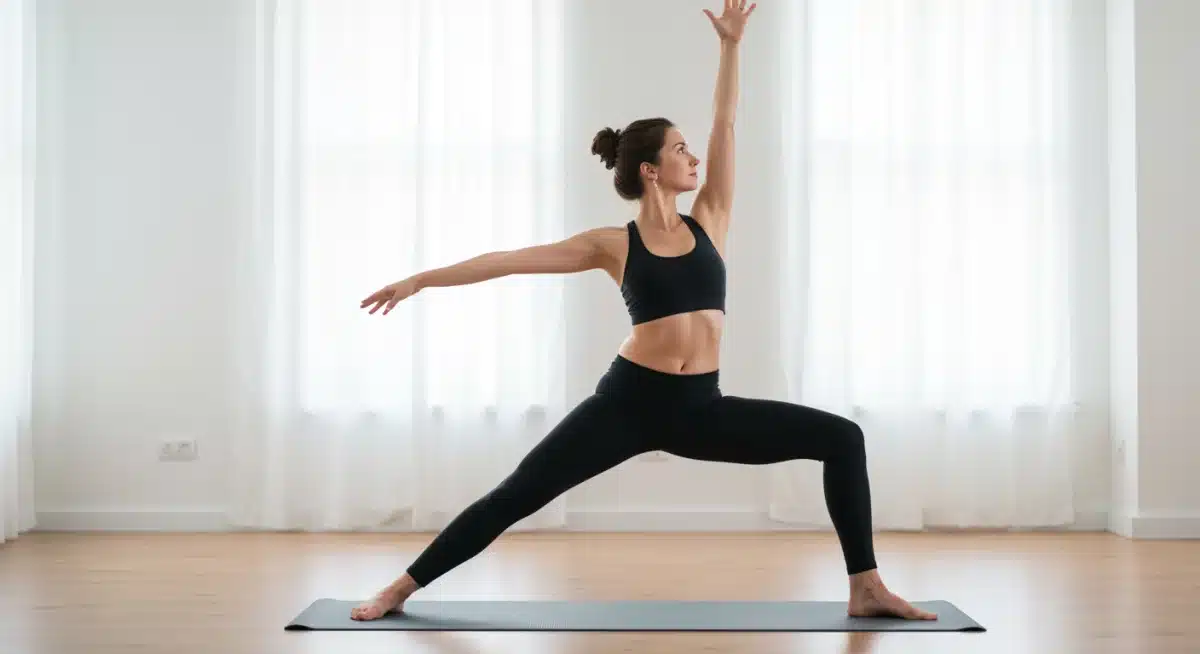
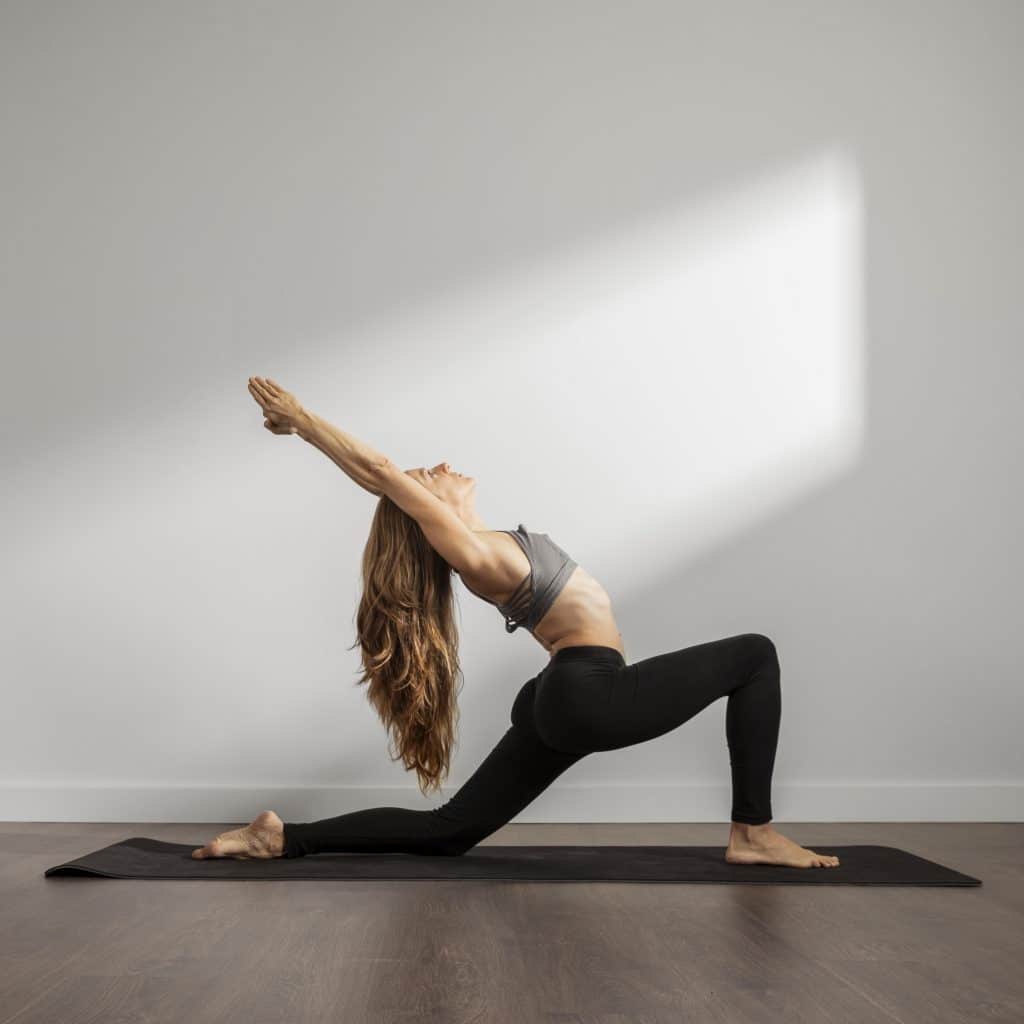 Are you seeking a natural way to boost your physical health, calm your mind, and find a deeper sense of inner peace? Look no further than yoga. The practice of yoga benefits well-being by offering a comprehensive system that can transform your body and mind.
This ancient discipline, originating in India, has gained immense popularity in the United States and worldwide, precisely because of its remarkable capacity to improve flexibility, reduce stress, and enhance overall well-being. It’s more than just a series of poses; it’s a journey towards holistic health.
The roots of yoga and its modern evolution
Yoga is a practice that dates back thousands of years, with its origins deeply embedded in ancient Indian philosophy. It is not merely a physical exercise but a holistic discipline that integrates the body, mind, and spirit.
Understanding its historical context helps to appreciate the depth and breadth of its benefits, which extend far beyond physical postures.
Historically, yoga was developed as a spiritual practice aimed at achieving liberation and self-understanding.
Early texts like the Yoga Sutras of Patanjali outline an eight-limb path, known as Ashtanga Yoga, which includes ethical principles, self-discipline, physical postures (asanas), breathing techniques (pranayama), sensory withdrawal, concentration, meditation, and ultimate absorption.
While these spiritual aspects remain central to many practitioners, modern yoga has evolved to cater to a broader audience, emphasizing physical and mental health benefits.
From ancient wisdom to contemporary practice
The transition of yoga from an ancient spiritual discipline to a mainstream fitness and wellness activity in the Western world began in the late 19th and early 20th centuries.
Key figures brought yoga traditions to the West, adapting them to resonate with contemporary lifestyles and scientific understanding. This adaptation has led to a diverse array of yoga styles, each offering unique approaches to the practice.
Hatha Yoga: Often considered the foundation of many modern yoga styles, Hatha focuses on basic postures and breathing techniques, making it accessible for beginners.
Vinyasa Yoga: Known for its flowing sequences, Vinyasa synchronizes movement with breath, creating a dynamic and often challenging practice.
Restorative Yoga: This gentle style uses props to support the body, allowing for deep relaxation and passive stretching, ideal for stress reduction and recovery.
Ashtanga Yoga: A physically demanding practice with a fixed sequence of poses, Ashtanga builds strength, flexibility, and stamina.
Today, yoga studios can be found in almost every community across the United States, offering classes that range from vigorous power yoga to calming Yin yoga. This widespread popularity underscores its effectiveness in addressing common modern ailments, from chronic stress to physical stiffness. The evolution has made yoga an adaptable tool for personal growth and well-being in an ever-changing world.
In conclusion, yoga’s journey from ancient philosophical roots to its modern, diverse applications highlights its enduring relevance. Its ability to adapt while retaining its core principles of mind-body connection ensures that it continues to offer profound benefits for physical and mental health to millions worldwide.
Improving physical flexibility and joint health
One of the most immediate and tangible benefits of a consistent yoga practice is a significant improvement in physical flexibility.
Many people start yoga specifically to address stiffness and limited range of motion, and they quickly discover how effective it can be. This enhanced flexibility is not just about being able to touch your toes; it has far-reaching implications for overall physical health and daily comfort.
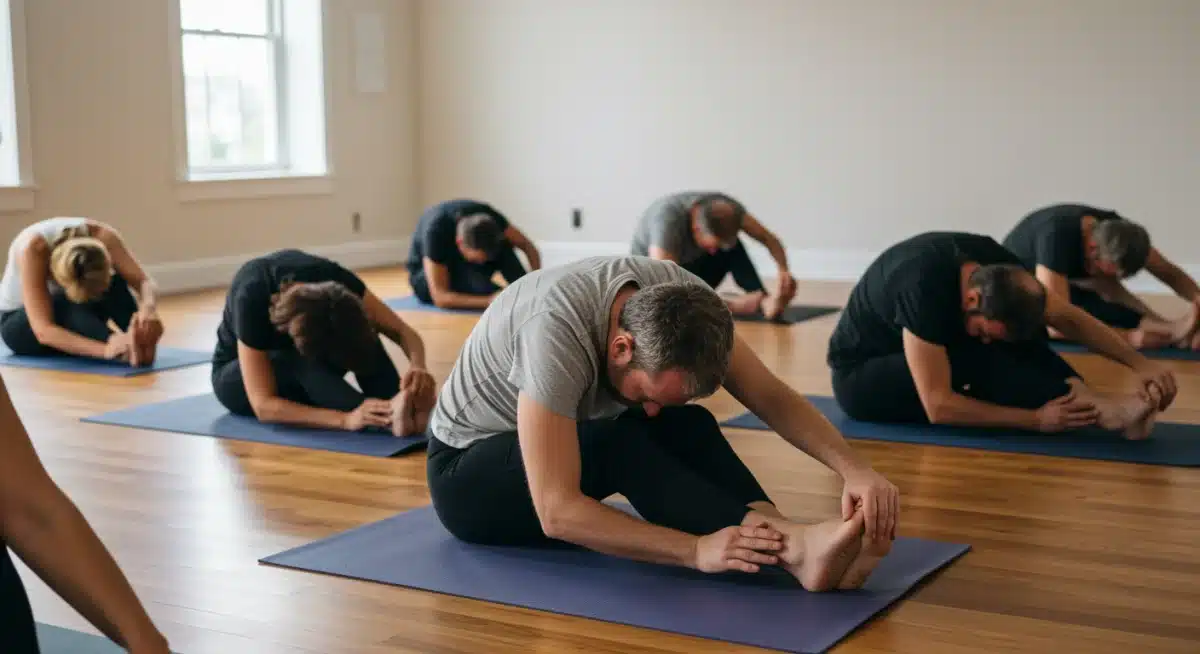
Yoga postures, or asanas, are designed to stretch muscles and connective tissues gently and progressively. Unlike static stretching that you might do before a run, yoga often involves holding poses for a period, allowing the body to gradually release tension and lengthen.
This sustained stretching increases the elasticity of muscles and tendons, leading to greater flexibility over time. Improved flexibility can prevent injuries, alleviate chronic pain, and make everyday movements easier and more fluid.
Enhancing range of motion and preventing injuries
Regular yoga practice systematically works through all major muscle groups and joints, promoting a comprehensive increase in range of motion.
For instance, poses like downward-facing dog stretch the hamstrings and calves, while warrior poses open the hips and strengthen the legs. This holistic approach ensures that no part of the body is neglected.
Increased joint lubrication: Movement through yoga poses encourages the production of synovial fluid, which lubricates the joints, reducing friction and improving their function.
Strengthened supporting muscles: Many yoga postures require engaging small, stabilizing muscles around the joints, which further protects them from injury.
Improved posture: As flexibility and strength improve, so does posture, which can alleviate strain on the spine and other joints.
Reduced muscle imbalances: Yoga helps identify and correct muscular imbalances, preventing certain muscles from becoming overly tight or weak, which often leads to pain and injury.
The gradual nature of yoga means that individuals can progress at their own pace, making it suitable for all fitness levels, from absolute beginners to advanced practitioners.
This gentle yet effective approach ensures sustainable improvements without putting undue stress on the body. Many athletes incorporate yoga into their training routines to enhance performance and reduce the risk of sports-related injuries, showcasing its practical utility.
In summary, yoga is an exceptional tool for enhancing physical flexibility and maintaining healthy joints.
Its diverse array of postures and gradual progression make it an accessible and effective practice for anyone looking to improve their physical well-being, prevent injuries, and move with greater ease and comfort in daily life.
Effective strategies for stress reduction
In our fast-paced modern world, stress has become an almost ubiquitous part of daily life. Chronic stress can have detrimental effects on both mental and physical health, leading to issues such as anxiety, depression, high blood pressure, and weakened immunity.
Yoga offers a powerful antidote to stress, providing a holistic framework for calming the nervous system and fostering a sense of inner peace.
The stress-reducing benefits of yoga stem from its unique combination of physical postures, controlled breathing, and meditative elements. When we engage in yoga, we consciously slow down, focus on our breath, and bring awareness to our bodies.
This intentional shift of focus helps to interrupt the stress response, moving the body from a state of ‘fight or flight’ (sympathetic nervous system activation) to a state of ‘rest and digest’ (parasympathetic nervous system activation).
Mindfulness and breathwork for a calmer mind
At the heart of yoga’s stress-reducing power lies its emphasis on mindfulness and pranayama, or breathing techniques.
Mindfulness, the practice of being present and fully aware of the current moment without judgment, is cultivated through sustained attention to breath and bodily sensations during yoga practice. This present-moment awareness helps to quiet the incessant chatter of the mind, which is often a major source of stress.
Deep breathing (Pranayama): Techniques like diaphragmatic breathing or alternate nostril breathing directly influence the nervous system, signaling the body to relax. This can lower heart rate, reduce blood pressure, and decrease levels of stress hormones like cortisol.
Body scan meditation: Many yoga classes incorporate a body scan, where practitioners bring awareness to different parts of their body, noticing sensations and releasing tension. This practice helps to identify and alleviate physical manifestations of stress.
Focused movement: The synchronized movement with breath in styles like Vinyasa yoga acts as a moving meditation, allowing the mind to become absorbed in the present task rather than dwelling on worries.
Restorative poses: Poses held for extended periods with support, such as legs-up-the-wall or supported bridge pose, are particularly effective at calming the nervous system and promoting deep relaxation.
Regular practice teaches individuals how to recognize and manage their stress responses more effectively, both on and off the mat. By developing a greater capacity for self-regulation, practitioners can navigate challenging situations with more equanimity and resilience.
This internal resource is invaluable in maintaining mental health and preventing the cumulative effects of chronic stress.
In conclusion, yoga provides a comprehensive and accessible toolkit for stress reduction. Through its integration of physical movement, mindful breathing, and meditative awareness, it empowers individuals to calm their nervous system, reduce anxiety, and cultivate a profound sense of inner peace and emotional balance, enhancing their overall well-being.
Enhancing mental clarity and emotional balance
Beyond its physical and stress-reducing attributes, yoga profoundly impacts mental clarity and emotional balance. In a world brimming with distractions and constant demands, the ability to maintain a clear mind and stable emotions is invaluable.
Yoga offers specific practices that cultivate these qualities, helping individuals navigate life’s challenges with greater ease and discernment.
The connection between the body and mind is central to yoga philosophy. When the body is calm and the breath is steady, the mind naturally follows suit.
By engaging in postures that require focus and balance, and by consciously regulating the breath, practitioners train their minds to be more present and less reactive. This heightened awareness extends beyond the yoga mat, influencing daily decision-making and emotional responses.
Cultivating focus and emotional regulation
Yoga is not just about physical flexibility; it’s also about mental discipline. Holding challenging poses requires concentration and mental fortitude, which strengthens the mind’s ability to focus. This improved focus translates into better cognitive function in other areas of life, from work tasks to personal interactions. Moreover, the practice encourages practitioners to observe their thoughts and emotions without judgment, a crucial step towards emotional regulation.
Improved concentration: The deliberate and precise nature of yoga postures helps to sharpen concentration and attention span.
Emotional release: Certain yoga poses, particularly hip openers, are believed to help release stored emotional tension, leading to a sense of catharsis and liberation.
Self-awareness: Yoga cultivates a deeper understanding of one’s internal landscape, allowing individuals to identify emotional triggers and patterns more readily.
Reduced reactivity: By practicing mindfulness and observing thoughts without attachment, individuals become less reactive to external stressors and internal emotional fluctuations.
Furthermore, the meditative aspects of yoga, whether formal meditation practices or simply the meditative quality of moving with breath, foster a sense of inner calm and stability.
This inner peace acts as a buffer against emotional turbulence, allowing individuals to respond to situations thoughtfully rather than impulsively. Consistent practice can lead to a more optimistic outlook and a greater capacity for joy.
In essence, yoga serves as a powerful tool for enhancing mental clarity and achieving emotional balance. By integrating physical postures with breathwork and mindfulness, it equips individuals with the skills to focus their minds, understand their emotions, and cultivate a more peaceful and resilient inner state, significantly contributing to overall well-being.
Boosting energy levels and vitality
Many people associate physical exercise with fatigue, but yoga often has the opposite effect, boosting energy levels and enhancing overall vitality.
While some yoga styles can be physically demanding, even gentle practices contribute to increased energy by improving circulation, stimulating the nervous system, and reducing fatigue-inducing stress.
The practice of yoga works on multiple levels to invigorate the body and mind. Physically, the postures help to release stagnant energy and improve blood flow to all organs and tissues.
Mentally, the focus and breathwork clear mental fog and reduce the drain of stress, leaving practitioners feeling refreshed and revitalized. This sustained energy is different from the temporary jolt provided by caffeine; it’s a deeper, more enduring sense of aliveness.
Revitalizing the body and mind through movement and breath
The dynamic sequences in styles like Vinyasa or Ashtanga yoga can be quite energizing, building heat and strength. However, even slower-paced practices contribute to vitality by promoting efficient bodily functions. The key lies in the deliberate and conscious engagement with the body and breath.
Improved circulation: Yoga poses often involve inversions (like downward-facing dog or shoulder stand) and twists, which help to stimulate blood flow and lymphatic drainage, bringing fresh oxygen and nutrients to cells and removing waste products.
Stimulated endocrine system: Certain poses can stimulate glands in the endocrine system, which are responsible for hormone production, contributing to balanced energy levels and mood regulation.
Enhanced respiratory efficiency: Pranayama techniques increase lung capacity and improve the efficiency of oxygen uptake, providing more fuel for the body’s cells.
- Reduced fatigue from stress: By effectively managing stress, yoga prevents the energy drain associated with chronic anxiety and tension, leading to more sustained energy throughout the day.
Furthermore, the restorative aspects of yoga, though seemingly passive, are profoundly energizing. By allowing the body to deeply relax and recover, energy reserves are replenished.
This balance between effort and surrender is crucial for maintaining optimal energy levels and preventing burnout. Regular yoga practice can help regulate sleep patterns, ensuring better quality rest, which is fundamental for sustained vitality.
In summary, yoga is an excellent practice for boosting energy levels and enhancing overall vitality. Through improved circulation, endocrine system stimulation, enhanced respiratory function, and effective stress reduction, yoga helps individuals feel more energized, alert, and capable of tackling daily challenges with renewed vigor and enthusiasm.
Promoting better sleep quality and overall rest
In an age where sleep deprivation is a common complaint, finding effective ways to improve sleep quality is paramount for health and well-being.
Yoga emerges as a powerful tool in this regard, offering practices that calm the nervous system, reduce mind chatter, and prepare the body for restful sleep. The benefits extend beyond merely falling asleep faster; they encompass deeper, more restorative sleep cycles.
The connection between stress and sleep is well-documented; high levels of stress hormones disrupt the natural sleep-wake cycle.
Yoga directly addresses this by activating the parasympathetic nervous system, which is responsible for the body’s ‘rest and digest’ state.
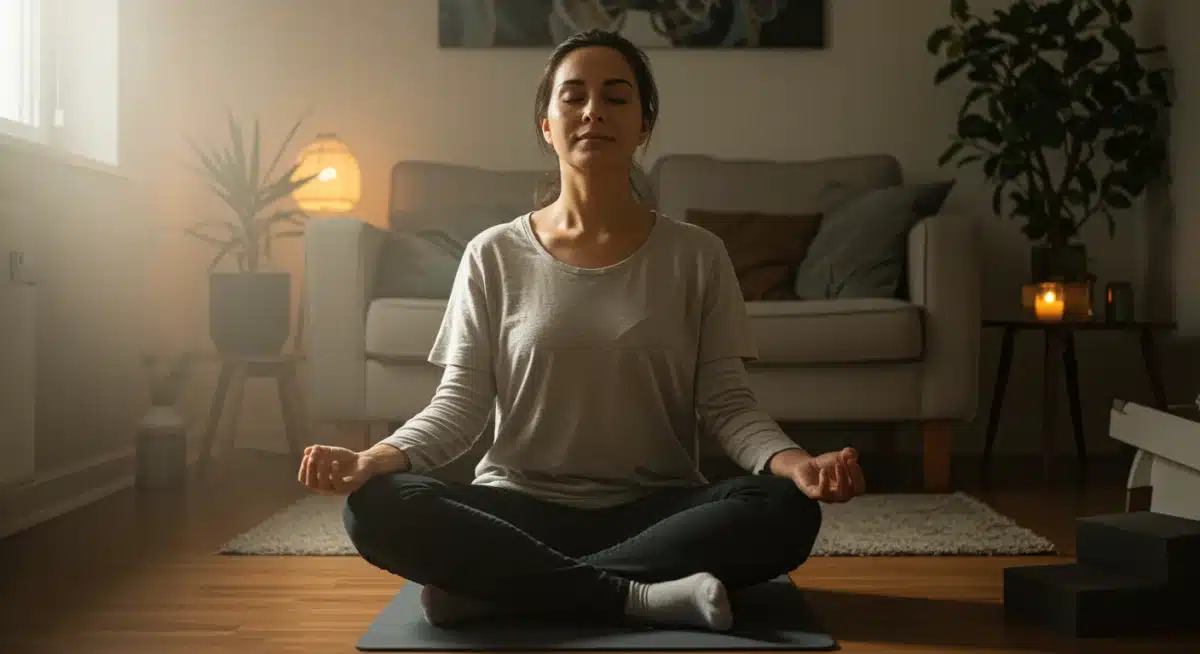
This shift helps to lower heart rate, relax muscles, and quiet the mind, creating an optimal internal environment for sleep.
Functional Strength and Resilience for Daily Life
The strength developed through this mind-body discipline is highly functional, meaning it translates directly into improved performance in daily activities and other forms of exercise.
Rather than building isolated muscles, this practice promotes integrated strength that supports better posture, balance, and coordination. This holistic approach to training also makes the body more resilient to injury.
Core strength: Almost every posture engages the core muscles, which are essential for spinal support, stability, and preventing back pain.
Bodyweight training: Using your own body weight as resistance builds lean muscle mass and improves overall body control.
Muscular endurance: Holding postures for several breaths or moving through flowing sequences increases the muscles’ ability to work longer without fatigue.
Balance and stability: Many movements require focused balance, strengthening smaller stabilizing muscles around the joints and enhancing overall resilience.
Furthermore, the mindful aspect of this practice encourages individuals to listen to their bodies, preventing overexertion and promoting gradual, consistent progress.
This sustainable method of building strength reduces the risk of injury and allows the body to adapt and grow stronger over time. The integrated breathwork also enhances endurance by teaching the body to use oxygen more efficiently during physical effort.
In conclusion, this holistic movement system offers a comprehensive and sustainable pathway to building strength and stamina.
By engaging the entire body through functional movement, bodyweight resistance, and mindful awareness, it cultivates a resilient physique that is strong, balanced, flexible, and prepared to meet the demands of daily life with greater ease and vitality.
Cultivating Mindfulness and Spiritual Growth
Beyond the measurable physical and mental health improvements, one of the most profound benefits of this ancient discipline lies in its ability to cultivate mindfulness and support personal growth.
While not everyone approaches the practice from a spiritual perspective, it naturally encourages a deeper connection to oneself and to the present moment, often leading to a more meaningful and intentional life.
Mindfulness within this tradition involves paying deliberate attention to the breath, bodily sensations, and thoughts without judgment.
This awareness helps quiet external distractions and internal chatter, allowing for a clearer understanding of one’s inner world. Regular engagement with mindful movement and breath awareness can reduce rumination, improve emotional regulation, and enhance overall life satisfaction.
Deepening Inner Connection and Self-Awareness
Personal growth through this practice is not necessarily tied to any specific religion, but rather to an exploration of inner values and a connection to something greater than oneself. This may manifest as increased compassion, heightened clarity about life purpose, or a deeper sense of interconnectedness.
Present-moment awareness: Training the mind to stay in the present reduces anxiety about the future and regret about the past.
Non-judgmental observation: Practitioners learn to observe thoughts and emotions without attachment, fostering greater self-acceptance.
Cultivating compassion: Many philosophies within this tradition emphasize kindness toward oneself and others, encouraging more harmonious relationships.
Finding inner peace: The combination of physical movement, breath control, and meditation techniques promotes a calm, centered state of mind.
Consistent practice creates space for introspection and self-discovery. It invites individuals to slow down, listen inwardly, and align daily actions with deeper values. Over time, this process can inspire meaningful personal transformation and a renewed appreciation for life’s experiences.
In conclusion, this integrative mind-body approach serves as a powerful pathway for developing mindfulness and fostering inner growth.
By encouraging present-moment awareness, compassionate self-observation, and deeper self-connection, it supports greater peace, clarity, and purpose — enriching overall well-being in a truly holistic way.
| Key Benefit | Brief Description |
|---|---|
| Increased Flexibility | Yoga postures gently stretch muscles and connective tissues, improving range of motion and preventing injuries. |
| Reduced Stress | Mindfulness, breathwork, and physical postures calm the nervous system, lowering stress hormones. |
| Enhanced Well-being | Holistic practice improves mental clarity, emotional balance, sleep quality, and overall vitality. |
| Improved Sleep | Yoga prepares the body and mind for restful sleep by reducing anxiety and promoting deep relaxation. |
Frequently asked questions about yoga
Consistency is key. Aim for at least 2-3 times per week to start seeing noticeable improvements in flexibility, strength, and stress reduction. Even short, daily practices of 15-20 minutes can be highly beneficial for maintaining well-being.
Absolutely. Yoga is highly adaptable. Many styles cater to beginners, seniors, and individuals with physical limitations. Always communicate any health concerns to your instructor, who can offer modifications to poses for safety and effectiveness.
Restorative yoga, Yin yoga, and gentle Hatha yoga are excellent for stress relief due to their focus on deep relaxation, supported poses, and breath awareness. Even dynamic styles, when practiced mindfully, can reduce stress by channeling focus.
Yes, many studies suggest yoga can effectively alleviate chronic pain, particularly back pain, by improving flexibility, strengthening core muscles, and reducing stress. Consult your doctor before starting, especially if you have specific medical conditions.
A yoga mat is the primary piece of equipment. Additionally, props like blocks, straps, and blankets can enhance comfort and support, especially for beginners or those with limited flexibility. Comfortable clothing is also essential.
Conclusion
The journey into this ancient mind-body practice is a profound one, offering a wealth of benefits that extend far beyond the physical realm.
From significantly improving flexibility and joint health to serving as a powerful antidote to chronic stress, this holistic discipline provides a pathway to enhanced well-being. It cultivates mental clarity, fosters emotional balance, boosts sustainable energy levels, and promotes deeply restorative sleep.
In addition, it builds functional strength and endurance while nurturing mindfulness and personal growth. In a world constantly searching for quick fixes, this time-honored practice remains remarkably relevant, empowering individuals to take an active role in their own health and happiness.
Embracing this approach is not simply about adopting a new exercise routine — it is about choosing alifestyle that prioritizes harmony between body, mind, and inner awareness, leading to a more vibrant, peaceful, and fulfilling life.