DIY Smart Sprinkler System: Upgrade, Save Water & Money in 2026
 Are you tired of skyrocketing water bills and the constant worry of over or under-watering your lawn? The year 2025 brings exciting opportunities for homeowners to embrace efficiency and savings.
A DIY smart sprinkler system isn’t just a gadget; it’s a game-changer for modern home irrigation, offering unparalleled control and significant water conservation. This guide will walk you through everything you need to know to upgrade your irrigation and enjoy a greener lawn with a fatter wallet.
Understanding Smart Sprinkler Technology
Smart sprinkler systems represent a significant leap forward from traditional irrigation timers. They leverage advanced technology to optimize watering schedules, ensuring your landscape receives precisely the right amount of water at the right time.
This precision not only promotes healthier plant growth but also drastically reduces water waste, which is a key concern for homeowners and municipalities alike.
At its core, a smart sprinkler system integrates with local weather data, soil moisture sensors, and even plant type information to create dynamic watering plans.
This intelligent approach contrasts sharply with conventional timers that operate on fixed schedules, often leading to inefficient watering habits regardless of actual conditions.
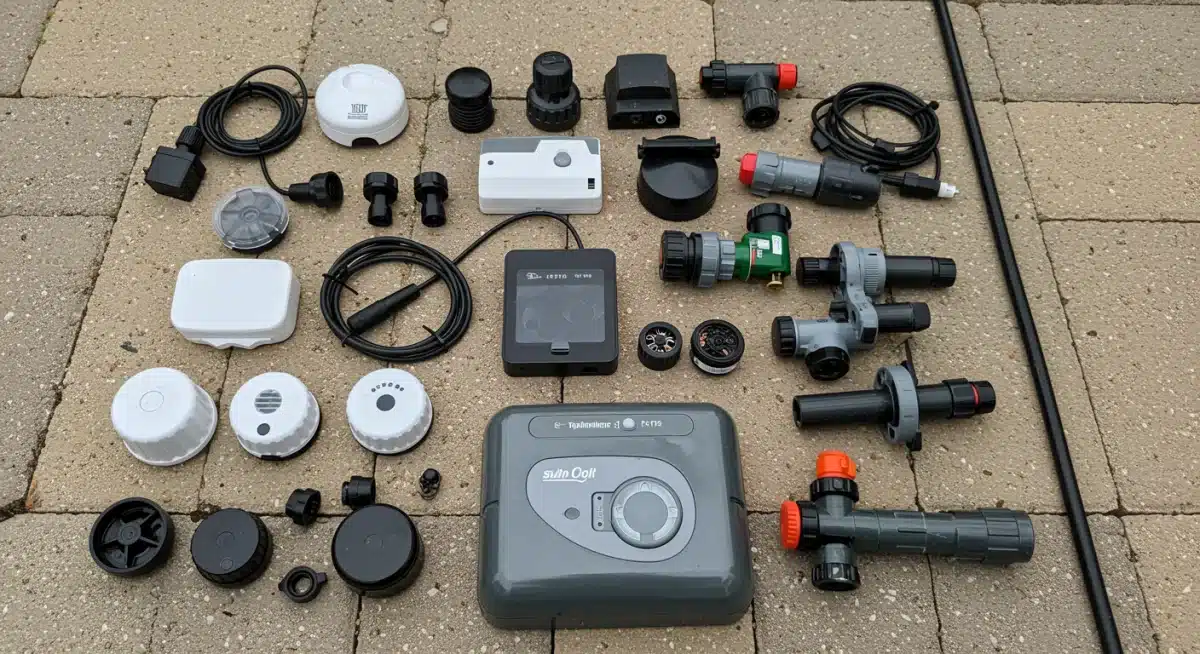
Key Components of a Smart System
To truly understand how a smart system functions, it’s essential to recognize its main components. These elements work in harmony to provide a comprehensive and efficient irrigation solution.
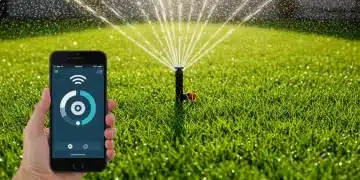
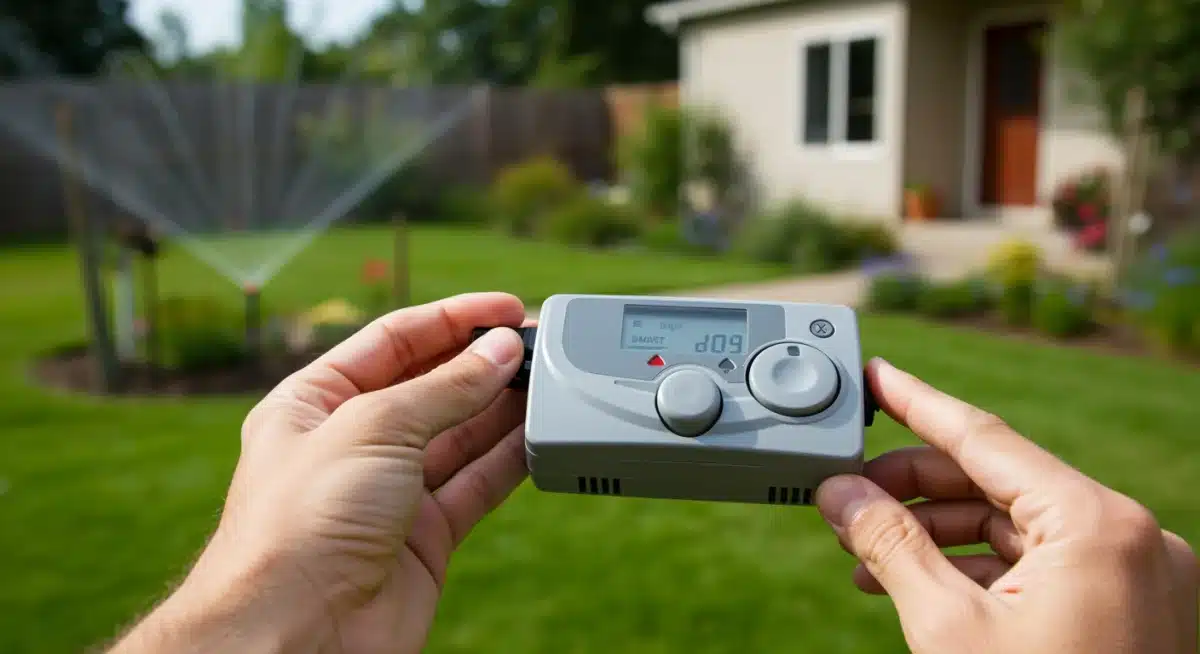
Smart Controller: This is the brain of your system, connecting to your Wi-Fi and allowing remote control via a smartphone app.
Weather Sensors: Integrated or external sensors that provide real-time data on rain, temperature, and humidity, preventing unnecessary watering.
Soil Moisture Sensors: These devices measure the moisture content in your soil, ensuring watering only occurs when needed.
Flow Sensors: Monitor water usage and can detect leaks or breaks in your irrigation lines, potentially saving thousands of gallons.
Each component plays a vital role in the overall efficiency and effectiveness of your smart irrigation setup. By understanding their functions, you can better appreciate the value they bring to your home and garden.
The beauty of these systems lies in their ability to adapt. Instead of a rigid schedule, your lawn gets water based on actual need, reacting to a sudden downpour or an unexpected heatwave.
This adaptability is what truly sets smart sprinklers apart and makes them an invaluable investment for the environmentally conscious homeowner.
Benefits of Upgrading to a Smart Sprinkler System
Upgrading your traditional irrigation setup to a smart sprinkler system offers a multitude of advantages that extend beyond mere convenience.
These benefits touch upon financial savings, environmental responsibility, and the overall health and aesthetics of your landscape.
The immediate appeal often lies in the promise of reduced water bills, a tangible saving that resonates with every homeowner.
However, the long-term gains in landscape health and the contribution to water conservation are equally, if not more, significant. Embracing this technology means a step towards a more sustainable and efficient home.
Significant Water and Cost Savings
One of the most compelling reasons to switch to a smart system is the potential for substantial water and cost savings. By precisely controlling when and how much water your lawn receives, you eliminate wasteful practices.
Reduced Overwatering: Smart systems automatically skip watering cycles when it rains or when the soil is already moist, preventing unnecessary water use.
Optimized Schedules: They adjust watering duration based on plant type, soil composition, and sun exposure, ensuring optimal hydration without waste.
Leak Detection: Some advanced systems can alert you to leaks, helping you address them quickly before they lead to significant water loss and damage.
These efficiencies translate directly into lower utility bills, often paying for the system’s investment within a few seasons. It’s a smart financial decision that yields continuous returns.
Enhanced Landscape Health
Beyond savings, a smart sprinkler system contributes significantly to the vitality of your lawn and garden. Consistent, appropriate watering is crucial for healthy plant growth, and smart systems excel at delivering just that.
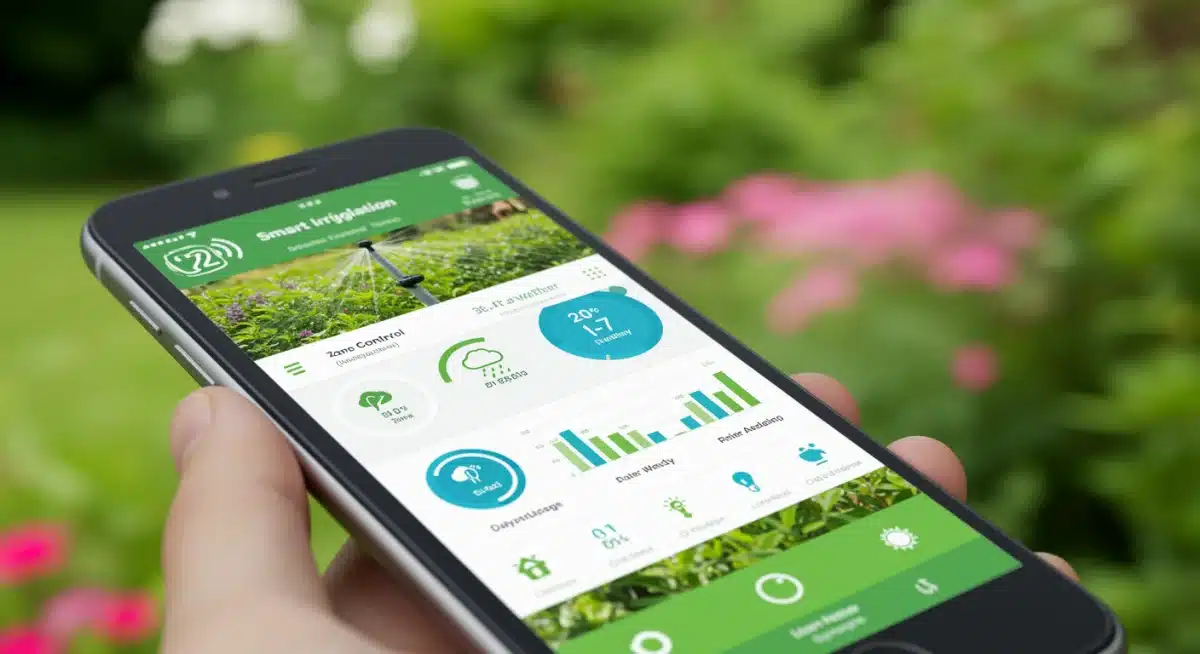
By avoiding both overwatering and underwatering, plants develop stronger root systems, become more resilient to diseases, and maintain a vibrant appearance.
Overwatering can lead to root rot and fungal diseases, while underwatering stresses plants, making them susceptible to pests. A smart system strikes the perfect balance.
The ability to customize watering schedules for different zones, each with unique plant types and sun exposure, ensures every part of your landscape thrives. This personalized approach results in a consistently beautiful and healthy outdoor space, enhancing your home’s curb appeal and your enjoyment of your garden.
Planning Your DIY Smart Sprinkler System Installation
Embarking on a DIY smart sprinkler system installation can be a rewarding project, but careful planning is crucial for success. Before you even purchase components, understanding your current setup and future needs will streamline the process and prevent common pitfalls.
A well-thought-out plan ensures that your new smart system integrates seamlessly with your existing infrastructure, or guides you in creating an entirely new, efficient layout. This initial phase is where you lay the groundwork for a truly intelligent irrigation solution tailored to your specific landscape.
Assessing Your Current Irrigation System
Start by thoroughly evaluating your existing sprinkler system, if you have one. This assessment will inform which components you can reuse and what new parts you’ll need to acquire.
Map Your Zones: Identify each watering zone and the types of plants or turf within them. Note any areas with unique watering requirements.
Check Sprinkler Heads: Inspect the condition and type of your current sprinkler heads. Are they efficient? Do they provide adequate coverage?
Evaluate Water Pressure: Measure your water pressure and flow rate. This data is vital for selecting the right smart controller and ensuring proper operation.
Locate Valves and Wiring: Understand the layout of your existing valves and the condition of the wiring connecting them to your current controller.
This detailed understanding will help you determine whether you’ll primarily be upgrading your controller and adding sensors, or if a more extensive overhaul of your sprinkler heads and lines is necessary. It’s an opportunity to correct any inefficiencies from your old system.
Choosing the Right Smart Controller and Sensors
Selecting the appropriate smart controller is perhaps the most critical decision in your DIY project. The market offers a variety of options, each with different features and capabilities.
Consider the number of zones your landscape requires, as controllers are rated by the number of stations they can manage.
Look for models that offer robust app control, integration with local weather stations, and compatibility with various types of sensors. Features like seasonal adjustments, cycle and soak, and flow monitoring can further enhance efficiency.
For sensors, decide if you’ll primarily rely on weather data or if you want to incorporate soil moisture sensors for hyper-localized watering.
Rain sensors are generally a must-have, preventing watering during or immediately after rainfall. Research compatibility between your chosen controller and desired sensors to ensure seamless operation.
Step-by-Step DIY Installation Guide
Once you’ve planned your system and gathered your components, it’s time for the installation.
While a DIY smart sprinkler system upgrade might seem daunting, breaking it down into manageable steps makes the process straightforward and achievable for most homeowners.
This guide focuses on replacing an existing controller, which is the most common DIY scenario.
If you’re installing a completely new system, additional plumbing and trenching work will be required, which might be best handled by a professional for parts of the groundwork.
Replacing Your Old Controller
The heart of your smart upgrade is the new controller. This process typically involves a direct swap, but careful attention to wiring is essential.
Turn Off Power: Before anything else, locate the circuit breaker for your existing sprinkler system and turn off the power. Safety first!
Document Wiring: Take clear photos of your old controller’s wiring. Label each wire according to its zone number and function (e.g., common wire, master valve, rain sensor). This step is crucial for accurate reconnection.
Disconnect Old Controller: Carefully disconnect all wires from your old controller.
Mount New Controller: Install your new smart controller in the same location, or a more suitable one if desired, following the manufacturer’s instructions for mounting.
Connect Wires: Using your documented photos and labels, connect the wires to the corresponding terminals on your new smart controller. Pay close attention to the common wire and any sensor wires.
Once wired, restore power and proceed to configure your new system. The clear labeling and photographic evidence will be your best friends during this stage.
Configuring Your Smart System and Sensors
With the controller physically installed, the next phase is digital setup. This typically involves connecting the controller to your home Wi-Fi network and configuring it via a smartphone app.
Follow the app’s prompts to connect your controller. You’ll then input details about your lawn: soil type, plant types in each zone, sun exposure, and sprinkler head types.
This information allows the smart controller to create an optimized watering schedule. If you’re installing sensors, connect them according to their specific instructions and integrate them with the controller through the app.
Run a test cycle for each zone to ensure all sprinkler heads are functioning correctly and that the wiring is sound.
Adjust any misaligned heads or address any leaks. Fine-tuning these initial settings will maximize the efficiency and effectiveness of your new DIY smart sprinkler system from day one.
Optimizing Your Smart Sprinkler System for Maximum Efficiency
Installing a DIY smart sprinkler system is just the beginning. To truly unlock its full potential and maximize water savings, ongoing optimization and attentive monitoring are essential.
A smart system is designed to adapt, but your input helps it learn and perform even better.
Think of it as a living system that benefits from your periodic adjustments and observations. By fine-tuning settings and responding to real-world conditions, you ensure your landscape receives precisely what it needs, when it needs it, without any waste.
Fine-Tuning Watering Schedules and Zones
While smart controllers generate initial schedules based on your inputs, they can always be refined. Observe your landscape for a few weeks after installation to identify areas for improvement.
Observe Plant Health: Are certain areas looking stressed or overwatered? Adjust the duration or frequency for those specific zones.
Check for Runoff: If water is pooling or running off into non-landscaped areas, consider implementing a “cycle and soak” schedule. This involves shorter, multiple watering cycles with pause times in between, allowing water to penetrate the soil more effectively.
Seasonal Adjustments: While many smart systems offer automatic seasonal adjustments, a manual check at the beginning of each new season can ensure they align perfectly with your landscape’s needs.
Many smart apps allow for granular control over each zone, enabling you to make precise adjustments without affecting the entire system. This level of customization is a key advantage of smart irrigation.
Leveraging Advanced Features and Integrations
Modern smart sprinkler systems often come with a host of advanced features and integration capabilities that can further enhance efficiency and convenience. Don’t let these powerful tools go unused.
Explore integrations with other smart home platforms, such as Google Home or Amazon Alexa, for voice control.
Consider adding a flow sensor if your system doesn’t have one, as it provides real-time water usage data and alerts for leaks.
Some systems also offer predictive watering, which uses historical data and forecasts to anticipate future watering needs.
Regularly check for firmware updates for your controller, as manufacturers often release improvements and new features.
Engaging with the community forums for your specific smart controller model can also provide valuable tips and tricks for getting the most out of your system.
Troubleshooting Common Smart Sprinkler Issues
Even the most advanced DIY smart sprinkler system can occasionally encounter issues. Knowing how to diagnose and resolve common problems will save you time and frustration, ensuring your system continues to operate efficiently.
Most issues are minor and can be addressed with a few simple troubleshooting steps. It’s important to approach these problems systematically, ruling out the most obvious causes before delving into more complex diagnostics.
Connectivity and App Problems
One of the most frequent issues with smart devices revolves around connectivity. Since smart sprinklers rely on Wi-Fi, connection problems can disrupt their operation.
Check Wi-Fi Signal: Ensure your controller is within range of a strong Wi-Fi signal. If not, consider a Wi-Fi extender.
Router Reboot: Sometimes, simply restarting your home router can resolve connectivity issues.
App Updates: Make sure your smart sprinkler app is updated to the latest version. Outdated apps can sometimes cause functionality glitches.
Controller Reboot: Power cycling your smart controller (turning it off and on again) can often fix temporary software hang-ups.
If you’ve tried these steps and still have connectivity issues, consult your controller’s user manual or the manufacturer’s online support resources. There might be specific network settings or firewall configurations that need adjustment.
Watering Irregularities
If your system isn’t watering as expected, or if certain zones are behaving erratically, it could be due to a few common causes beyond connectivity.
First, verify your watering schedule and zone settings within the app. Accidental changes or incorrect configurations are easy to overlook.
Next, check your sensors: a malfunctioning rain sensor might prevent watering when it shouldn’t, or a faulty soil moisture sensor could be providing inaccurate readings. Clean or replace sensors as needed.
For specific zones not watering, inspect the wiring to that zone’s valve at the controller and at the valve itself. A loose or corroded connection can prevent the valve from opening.
Also, check the solenoid on the valve; it might be stuck or faulty and require replacement. Remember to always turn off the main water supply before working on valves or solenoids to prevent leaks or water damage.
Maintaining Your Smart Sprinkler System for Longevity
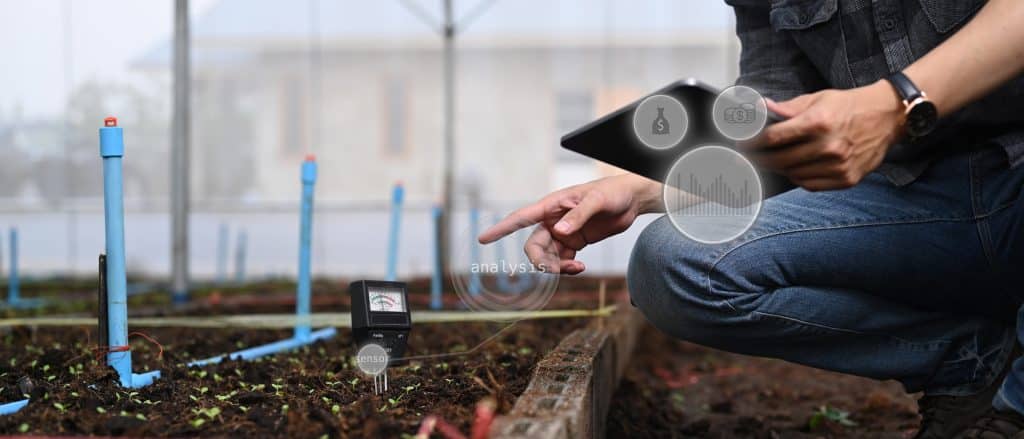
Regular maintenance is key to ensuring your DIY smart sprinkler system continues to perform optimally year after year.
Just like any other home appliance, a little preventative care goes a long way in extending its lifespan and maintaining efficiency.
Neglecting maintenance can lead to reduced performance, water waste, and costly repairs down the line.
By dedicating a small amount of time each season, you can protect your investment and keep your landscape looking its best.
Seasonal Checks and Adjustments
Performing seasonal checks is crucial for adapting your system to changing weather patterns and preparing it for different operational demands.
These checks help identify and address minor issues before they escalate.
Spring Startup: In spring, slowly open the main water valve to prevent water hammer. Inspect all sprinkler heads for damage from winter, clear any debris, and adjust their spray patterns. Test each zone manually using your smart app.
Summer Monitoring: During peak watering season, closely monitor your system’s performance. Check for leaks, clogged nozzles, or areas that are consistently too wet or too dry. Adjust schedules as needed for heatwaves or dry spells.
Fall Shutdown: Before the first freeze, winterize your system. This involves shutting off the main water supply, draining all water from the lines, and blowing out the system with an air compressor to prevent pipes from freezing and bursting.
These routine checks ensure your system is ready for the challenges of each season, prolonging its life and maintaining its efficiency.
Software Updates and Sensor Calibration
Beyond physical maintenance, keeping your smart system’s software up-to-date and its sensors calibrated is vital for its intelligent functions.
Manufacturers frequently release updates that improve performance, add new features, or patch security vulnerabilities.
Regularly check your smart controller’s app for notifications about available software updates and install them promptly. For sensors, especially soil moisture sensors, periodic calibration ensures they provide accurate readings.
Refer to your sensor’s manual for specific calibration instructions, which might involve testing them in known dry or wet soil conditions.
By staying on top of both physical and digital maintenance, you ensure your DIY smart sprinkler system remains a highly effective and reliable tool for water conservation and landscape health for many years to come.
This proactive approach not only saves you money but also contributes to a more sustainable environment.
The Future of Smart Irrigation in 2025 and Beyond
As we move further into 2025 and beyond, the landscape of smart irrigation is continuously evolving, promising even greater efficiency, integration, and user-friendliness.
The advancements in artificial intelligence, machine learning, and sensor technology are poised to transform how we water our landscapes.
The future holds the promise of systems that are not only reactive to current conditions but also predictive, anticipating needs based on a broader range of environmental and historical data.
This evolution will make DIY smart sprinkler system installations even more accessible and beneficial for homeowners.
Emerging Technologies and Trends
Several exciting trends are shaping the next generation of smart irrigation. These innovations aim to make water management even more precise and effortless.
Hyper-Localized Weather Data: Expect even more granular weather forecasting, potentially down to individual property levels, allowing for ultra-precise watering decisions.
AI-Powered Analytics: Systems will increasingly use AI to analyze historical watering data, plant health, and local climate patterns to optimize schedules with minimal user intervention.
Advanced Sensor Integration: New types of sensors, such as those that detect nutrient levels or plant stress, could become more commonplace, providing a holistic view of landscape health.
Robotic Lawn Care Integration: Seamless integration with robotic lawnmowers and other smart garden devices will create a truly autonomous outdoor maintenance system.
These emerging technologies will push the boundaries of what’s possible, making smart irrigation an even more indispensable tool for sustainable living. The focus will shift from just watering efficiently to nurturing a thriving ecosystem with minimal resource input.
The Role of Homeowners in Sustainable Irrigation
While technology advances, the role of the homeowner remains crucial in embracing and maximizing the benefits of smart irrigation. Education and active participation are key to realizing the full potential of these systems.
Understanding your landscape’s specific needs, staying informed about water conservation practices, and actively engaging with your smart system’s features will empower you to be a steward of your environment.
Homeowners who adopt smart irrigation not only save money but also contribute significantly to local and regional water conservation efforts, playing a vital role in managing a precious resource.
The future of smart irrigation isn’t just about the technology; it’s about the collective impact of informed homeowners making smart choices.
By opting for a DIY smart sprinkler system, you become part of a larger movement towards a more sustainable and resource-efficient future for our communities.
| Key Aspect | Brief Description |
|---|---|
| Water Savings | Smart systems reduce water usage by up to 50% through weather and soil moisture integration. |
| Cost Efficiency | Lower utility bills and reduced landscape maintenance costs offer significant financial returns. |
| Landscape Health | Precise watering promotes stronger roots and healthier plants, preventing disease and stress. |
| DIY Accessibility | Many smart systems are designed for easy homeowner installation, especially controller upgrades. |
Frequently Asked Questions About Smart Sprinkler Systems
A smart sprinkler system can reduce outdoor water use by 30-50% compared to traditional timers. This significant saving comes from its ability to adjust watering based on real-time weather, soil conditions, and plant needs, avoiding unnecessary irrigation and minimizing waste.
For existing irrigation systems, replacing the controller is often a straightforward DIY task, primarily involving careful wire reconnection. New installations require more plumbing work but are still manageable for handy homeowners, with many resources available to guide the process.
Yes, smart sprinklers are highly adaptable. You can configure different zones for various plant types, soil conditions, and sun exposures.
This customization ensures each part of your landscape receives optimal watering, promoting health and efficiency across your entire yard.
Most smart sprinkler controllers have an internal memory that stores the last programmed schedule. If Wi-Fi is lost, they will continue to operate on that schedule until connectivity is restored. However, advanced weather-based adjustments will be paused during the outage.
Many water utilities and local governments across the U.S. offer rebates or incentives for installing WaterSense-labeled smart irrigation controllers.
Check with your local water provider or municipality for available programs in your area, as these can significantly offset the initial cost.
Conclusion
Embracing a DIY smart sprinkler system in 2025 is more than just a home improvement project; it’s an investment in efficiency, sustainability, and the long-term health of your landscape.
By leveraging intelligent technology, homeowners can significantly reduce water consumption, lower utility bills, and cultivate a thriving, beautiful yard with minimal effort.
The ease of installation, coupled with the profound benefits in water conservation and cost savings, makes upgrading your irrigation a smart choice for any modern American home. Take the leap, and transform your outdoor space into a testament to intelligent living.