Decoding Food Labels 2026: Healthier Choices, Avoid Traps
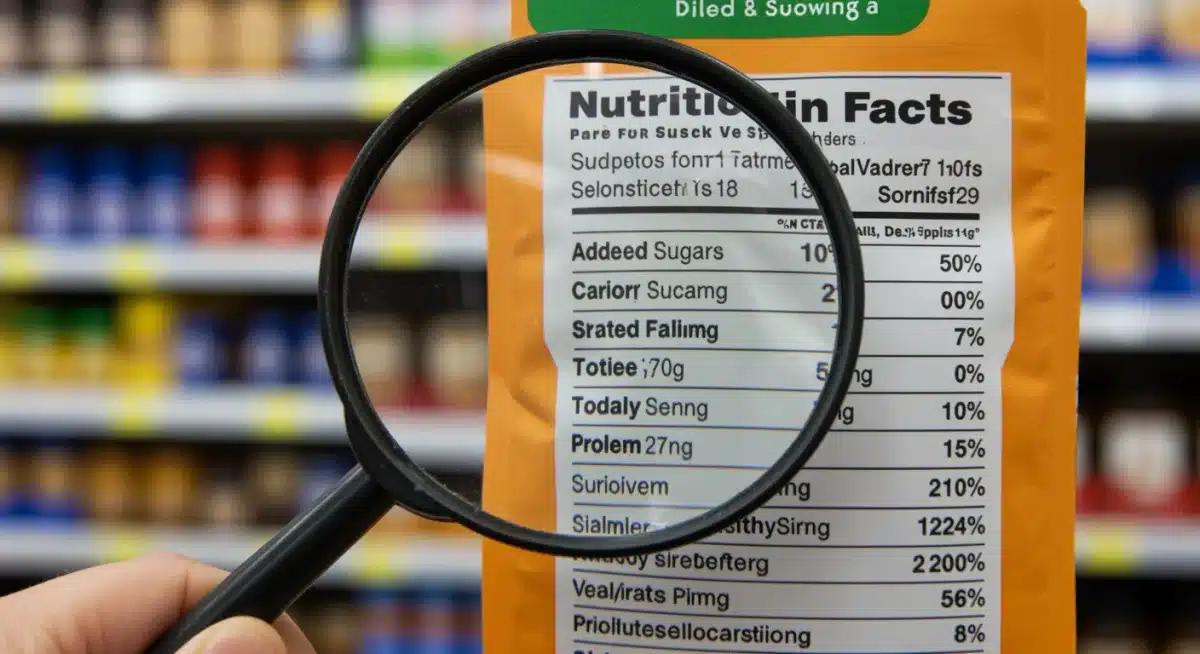

Are you ready to take control of your diet and make genuinely healthier choices in the coming year? Navigating the supermarket aisles can feel like a labyrinth, especially when faced with an array of health claims and complex nutritional information.
This guide on decoding food labels in 2026 will equip you with the knowledge to cut through the marketing noise, understand what you’re truly consuming, and avoid common traps that often lead to less healthy options.
The evolving landscape of food labels in 2026
Food labels are dynamic, constantly evolving to reflect new scientific understanding, consumer demands, and regulatory updates.
In 2026, we’re seeing an increased emphasis on transparency and clarity, but also more sophisticated marketing tactics that can still mislead an uninformed shopper.
Understanding these changes is the first step toward making empowered decisions about your diet.
The shift towards clearer labeling aims to help consumers quickly identify key nutritional information.
However, manufacturers are also adept at adapting their packaging to present their products in the most favorable light, sometimes obscuring less desirable ingredients or high sugar content. Being vigilant and knowing exactly what to look for is more important than ever.
Key updates and what they mean for you
Several significant updates to food labeling regulations have been implemented or are expected to be fully rolled out by 2026. These changes are designed to provide more relevant and easier-to-understand information.
Revised Nutrition Facts Panel: Expect to see a larger, bolder font for ‘Calories,’ ‘Servings per container,’ and ‘Serving size.’ The ‘Added Sugars’ declaration is now mandatory and clearly distinguishable from naturally occurring sugars, which is a major win for health-conscious consumers.
Updated Daily Values: Daily values for various nutrients have been adjusted based on newer scientific evidence, making them more aligned with current dietary recommendations. This helps you gauge if a product contributes significantly to your daily intake of certain nutrients.
Allergen Callouts: While always present, expect even clearer and more consistent allergen declarations, often grouped together for quick identification. This is crucial for individuals with food allergies or sensitivities.
These updates provide a more comprehensive snapshot of a product’s nutritional profile. By familiarizing yourself with these changes, you can quickly scan labels and prioritize products that align with your health goals.
However, the onus remains on the consumer to interpret this information correctly, as marketing language often attempts to overshadow the facts.
Mastering the nutrition facts panel
The Nutrition Facts panel is your most powerful tool for making informed food choices. It provides a standardized breakdown of a product’s nutritional content, allowing for direct comparison between different foods. Learning to read this panel effectively is fundamental to decoding food labels.
Many people glance at the calorie count and perhaps the fat content, but a deeper dive into the panel reveals much more.
The serving size, for instance, is often overlooked, leading to accidental overconsumption. Understanding that the entire package might contain multiple servings is a game-changer for calorie and nutrient tracking.
Beyond calories, pay close attention to macronutrients and micronutrients. The panel details total fat, saturated fat, trans fat, cholesterol, sodium, total carbohydrates, dietary fiber, total sugars, added sugars, protein, and several key vitamins and minerals. Each of these components plays a vital role in your health.
Beyond the basics: what to scrutinize
While the big numbers catch the eye, the devil is often in the details. Scrutinizing specific sections of the Nutrition Facts panel can uncover hidden health implications.
Added Sugars: This is arguably one of the most critical additions to the 2026 label. High intake of added sugars is linked to numerous health issues. Aim for products with minimal added sugars. Remember that 4 grams of sugar equals approximately one teaspoon.
Sodium Content: Many processed foods are surprisingly high in sodium, contributing to high blood pressure. Compare products and choose those with lower sodium levels, especially if you’re monitoring your cardiovascular health.
Dietary Fiber: Often insufficient in modern diets, fiber is essential for digestive health and satiety. Look for products that are good sources of fiber, aiming for at least 3 grams per serving.
Fats: While trans fats are largely phased out, saturated fat still warrants attention. Prioritize products with healthy unsaturated fats, and be mindful of the overall fat content.
By focusing on these specific elements, you can quickly identify products that are genuinely nutrient-dense versus those that might be cleverly disguised as healthy but are actually loaded with undesirable ingredients.
This focused approach simplifies the decision-making process when you’re in a hurry.
The crucial role of the ingredients list
If the Nutrition Facts panel tells you what’s in your food, the ingredients list tells you exactly what it’s made of.
This section is often overlooked but provides invaluable insights into the quality and processing of a product. Ingredients are listed in descending order by weight, meaning the first few ingredients make up the largest proportion of the food.
A long and complex ingredients list with unpronounceable names can often be a red flag, indicating a highly processed product. Conversely, a short list of whole, recognizable ingredients usually signifies a healthier choice.
This is where you can truly differentiate between genuinely wholesome foods and those that are heavily refined.
Identifying common traps and hidden ingredients
Food manufacturers are masters of disguise, especially when it comes to less desirable ingredients. Knowing how to spot these hidden components is key to avoiding common traps when decoding food labels.
For example, sugar can appear under many different names, such as high-fructose corn syrup, corn syrup solids, dextrose, evaporated cane juice, fructose, glucose, lactose, malt syrup, maltose, molasses, sucrose, and fruit juice concentrates.
If several forms of sugar appear high on the ingredient list, the product likely contains a significant amount of added sugar, even if the ‘Added Sugars’ line on the Nutrition Facts panel seems moderate.
Trans Fats: While largely banned, partially hydrogenated oils are still a red flag. These are sources of trans fats, even if the Nutrition Facts panel claims 0g (due to rounding rules).
Artificial Sweeteners and Colors: These ingredients offer no nutritional value and some studies suggest potential health concerns. Look for products free from artificial additives.
Preservatives and Emulsifiers: While many are safe, a long list might indicate a highly processed food with a long shelf life, often at the expense of nutritional quality.
Becoming an ingredient detective empowers you to look beyond the marketing claims and make choices based on the actual components of your food.
This practice is particularly important for those with dietary restrictions or specific health goals, as it allows for precise control over what enters your body.
Understanding health claims and marketing jargon
Supermarket shelves are plastered with health claims: ‘low fat,’ ‘sugar-free,’ ‘natural,’ ‘multigrain,’ ‘light.’ While some claims are regulated and provide useful information, many are simply marketing jargon designed to make products appear healthier than they are.
Discerning between legitimate claims and misleading buzzwords is a crucial skill for any savvy shopper.
For instance, ‘low fat’ doesn’t automatically mean ‘healthy.’ Often, fat is replaced with sugar or artificial ingredients to maintain flavor, potentially making the product less nutritious overall.
Similarly, ‘sugar-free’ products might contain artificial sweeteners that some people prefer to avoid. Always cross-reference claims with the Nutrition Facts panel and ingredients list.

Making healthier choices: practical strategies for 2026
With a deeper understanding of food labels, you’re now ready to implement practical strategies for making healthier choices in 2026.
This isn’t about rigid diets or deprivation, but rather about informed decision-making that supports your overall well-being. Small, consistent changes can lead to significant health improvements over time.
One effective strategy is to create a mental checklist of key nutrients and ingredients you want to prioritize or avoid.
For instance, you might decide to always check for added sugars, sodium, and whole grains. Over time, this process becomes second nature, allowing you to quickly assess products without feeling overwhelmed.
Tips for smart shopping and meal planning
Integrating label-reading into your shopping routine can transform your diet. Here are some actionable tips:
Shop the perimeter: Fresh produce, lean meats, and dairy are typically found around the edges of the grocery store and often require little to no label reading.
Compare similar products: When choosing between two similar items, like yogurts or cereals, put them side-by-side and compare their Nutrition Facts panels and ingredient lists. You might be surprised by the differences.
Prioritize whole foods: Focus on purchasing ingredients rather than pre-made meals. This gives you complete control over what goes into your body.
Plan your meals: Knowing what you plan to cook before you shop helps you create a targeted shopping list, reducing impulse buys of less healthy options.
By adopting these strategies, you can minimize your reliance on processed foods and maximize your intake of nutrient-dense options.
This proactive approach to grocery shopping not only improves your diet but also fosters a greater connection to the food you consume, enhancing your overall health journey.
Beyond the label: holistic approach to nutrition
While decoding food labels is an essential skill, it’s part of a larger, more holistic approach to nutrition.
Labels provide a snapshot, but they don’t tell the whole story of how food impacts your body, mind, and overall health. Consider the context of your entire diet, your lifestyle, and your individual needs.
For example, a food might have a perfectly healthy label, but if it’s consumed in excessive quantities or as part of an otherwise unhealthy diet, its benefits can be negated.
Conversely, an occasional treat, even with a less-than-ideal label, can fit into a balanced diet if overall habits are good. Moderation and balance are key.
The bigger picture: lifestyle and well-being
True health extends beyond just the numbers on a label. It encompasses a range of factors that contribute to your overall well-being.
Mindful Eating: Pay attention to your body’s hunger and fullness cues. Eating slowly and savoring your food can improve digestion and satisfaction.
Hydration: Often overlooked, adequate water intake is crucial for every bodily function. Don’t let clever marketing distract you from this fundamental need.
Physical Activity: Regular exercise complements healthy eating, improving metabolism, mood, and energy levels.
Sleep and Stress Management: Sufficient sleep and effective stress management techniques are vital for hormonal balance and overall health, directly influencing food choices and metabolism.
By integrating label-reading with these broader lifestyle considerations, you create a comprehensive strategy for health.
This holistic perspective ensures that you’re not just making good food choices, but building a sustainable foundation for long-term well-being. It’s about nurturing your body in every way possible, not just through isolated dietary decisions.
| Key Aspect | Brief Description |
|---|---|
| Nutrition Facts Panel | Focus on serving size, added sugars, sodium, and fiber for genuine nutritional assessment. |
| Ingredients List | Examine ingredients by weight, identify hidden sugars and processed additives. |
| Health Claims | Distinguish regulated claims (e.g., ‘organic’) from unregulated marketing jargon (‘natural’). |
| Practical Strategies | Prioritize whole foods, compare products, and plan meals to enhance healthy choices. |
Frequently Asked Questions About Food Labels (Decoding Edition)
What are the most significant changes to food labels in 2026?
The biggest updates in 2026 are designed to make decoding food labels easier and more transparent.
Calories and serving sizes are now displayed more prominently, and “Added Sugars” must be clearly listed so consumers can distinguish naturally occurring sugars from those added during processing.
Daily values for key nutrients have also been updated to reflect modern dietary science, helping people make smarter choices when decoding nutritional impact.
How can I quickly identify hidden sugars when decoding an ingredient list?
When decoding labels, look beyond the word “sugar.” Ingredients like high-fructose corn syrup, dextrose, maltose, agave, cane juice, and fruit juice concentrate all count as added sugars.
If several of these appear near the top of the ingredient list, it means the product is likely high in sugar—even if the front of the package suggests otherwise.
Are “natural” and “organic” the same when decoding labels?
No. When decoding claims, it’s important to know that “organic” is a USDA-regulated term that follows strict production and processing standards.
“Natural,” on the other hand, has no formal regulatory definition and can be used even on highly processed foods. This makes decoding these terms essential for avoiding misleading marketing.
Why is serving size so important when decoding nutrition facts?
Serving size determines every number on the label. When decoding food labels, if you eat two servings, you are also doubling calories, sugar, sodium, and fat.
Many products look healthy at first glance, but misleading serving sizes can hide the true nutritional load unless you carefully decode the label.
What’s the best strategy for making healthier choices when decoding labels?
Start with whole foods whenever possible, especially items from the outer aisles of the grocery store. When buying packaged foods, effective decoding means comparing products side by side and focusing on lower added sugars, lower sodium, higher fiber, and shorter ingredient lists.
This approach helps you avoid marketing traps and make truly healthier choices
Conclusion
In an increasingly complex food environment, mastering the art of decoding food labels is no longer just a helpful skill—it’s a necessity for maintaining optimal health.
By understanding the evolving landscape of food labeling in 2026, scrutinizing the Nutrition Facts panel, delving deep into ingredient lists, and critically evaluating health claims, you empower yourself to make informed choices that genuinely support your well-being.
This proactive approach, coupled with a holistic view of nutrition and lifestyle, will guide you toward a healthier, more vibrant future. Remember, every trip to the grocery store is an opportunity to invest in your health, and with these tools, you are well-equipped to make the best decisions for yourself and your family.