Yoga in 2026: Flexibility, Strength & Mental Well-being
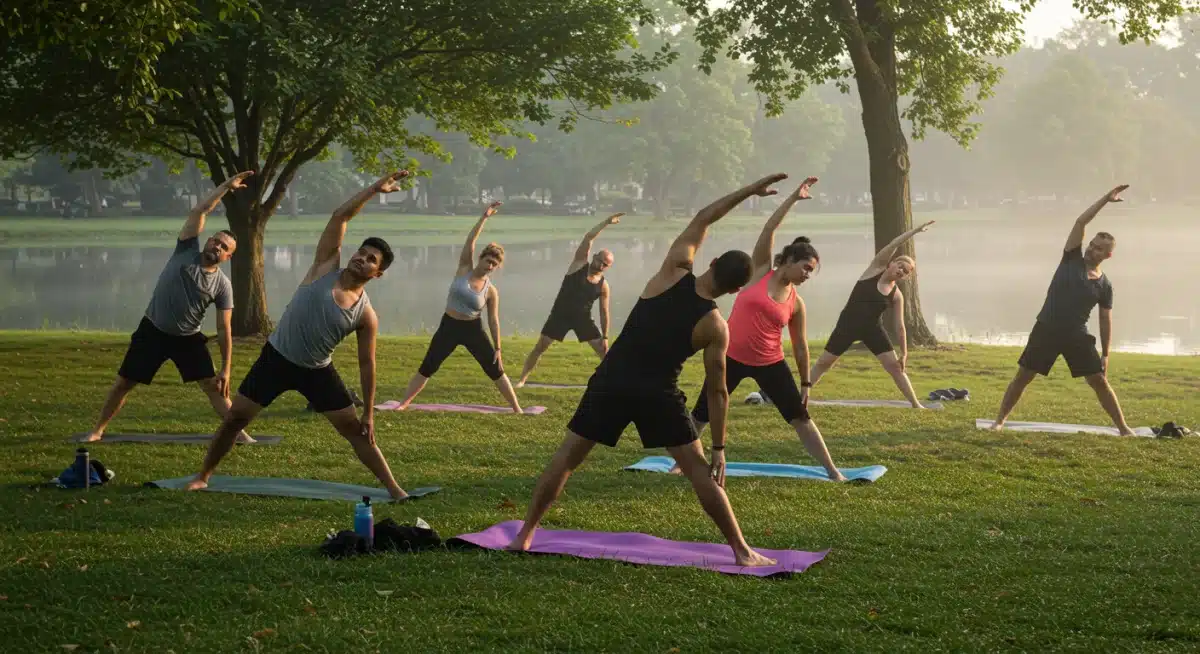
 As we navigate the complexities of modern life in 2026, the demand for holistic health practices continues to grow, and among them, the benefits of yoga stand out as a powerful solution.
This ancient practice, rooted in physical postures, breathing techniques, and meditation, offers a profound pathway to improved physical and mental health. It’s more than just an exercise; it’s a journey towards self-discovery and inner peace, perfectly suited for the contemporary American lifestyle.
Unlocking physical flexibility through consistent practice
One of the most widely recognized benefits of yoga is its remarkable ability to enhance physical flexibility.
Regular engagement with various yoga poses, or asanas, systematically stretches and lengthens muscles, tendons, and ligaments throughout the body.
This continuous, mindful stretching helps to increase range of motion in joints, reduce stiffness, and improve overall bodily suppleness, which is crucial for daily activities and injury prevention.
Many individuals begin their yoga journey seeking relief from chronic stiffness or limited movement, often finding that within weeks, their bodies respond with greater ease and fluidity.
The gentle, yet effective, nature of yoga makes it accessible to people of all ages and fitness levels, allowing everyone to gradually improve their flexibility without excessive strain.
Targeted poses for flexibility enhancement
Certain yoga poses are particularly effective in targeting specific areas of the body to boost flexibility. These poses, when practiced regularly, can unlock tight hips, hamstrings, and shoulders, which are common problem areas for many.
Downward-Facing Dog: Stretches the hamstrings, calves, and lengthens the spine.
Warrior II: Opens the hips and chest, strengthening the legs and core.
Triangle Pose: Lengthens the side body, hamstrings, and groin, while strengthening the legs.
Pigeon Pose: Deeply opens the hips, releasing tension and increasing flexibility in the lower body.
Incorporating these poses into a consistent routine can lead to significant improvements in flexibility, making everyday movements feel lighter and more comfortable.
The key is consistency and listening to your body, gradually deepening stretches over time.
Beyond the immediate physical sensation of stretching, improved flexibility contributes to better posture and reduced risk of injury.
When muscles are pliable and joints move freely, the body is less susceptible to strains and sprains, particularly as we age. This foundational benefit alone makes yoga an invaluable practice for long-term physical health and mobility.
Building functional strength for daily living
While often associated with flexibility, yoga is also an incredibly effective way to build functional strength.
Unlike traditional weightlifting, which often isolates specific muscle groups, yoga engages multiple muscle groups simultaneously, promoting balanced strength throughout the body. This holistic approach to strength training translates directly into improved stability, endurance, and power for everyday tasks.
Holding yoga poses for extended periods requires significant muscular effort, often engaging deep core muscles that are frequently overlooked in other forms of exercise.
This isometric strength building helps to fortify the body from the inside out, creating a resilient and capable physique. From carrying groceries to climbing stairs, the strength gained through yoga makes daily living easier and more efficient.
Core-strengthening asanas
A strong core is fundamental to overall body strength and stability, and yoga excels at developing this crucial area. Poses that engage the abdominal muscles and lower back are integral to nearly every yoga sequence.
Plank Pose: Builds strength in the entire core, arms, and shoulders.
Boat Pose: Engages the deep abdominal muscles and hip flexors.
Side Plank: Strengthens obliques and improves balance.
Chair Pose: Develops strength in the thighs, glutes, and core.
These core-focused poses not only contribute to a stronger midsection but also support the spine, preventing back pain and improving posture. The continuous engagement of these muscles throughout a yoga class ensures a comprehensive workout that builds lasting strength.
Beyond the core, yoga strengthens the arms, legs, and back through various weight-bearing poses. Balancing postures, for instance, not only test equilibrium but also build significant strength in the supporting limbs.
This full-body engagement ensures that strength is developed proportionally, reducing muscular imbalances and enhancing overall physical performance.
The continuous, flowing movements between poses also contribute to muscular endurance, allowing for sustained physical activity without fatigue.

Cultivating mental well-being and stress reduction
In the fast-paced environment of 2026, mental well-being is more important than ever, and yoga offers a powerful antidote to stress and anxiety.
The practice integrates physical movement with controlled breathing (pranayama) and meditation, creating a holistic approach to mental health. This combination helps to calm the nervous system, reduce cortisol levels, and foster a sense of inner peace and clarity.
Many individuals turn to yoga as a way to manage chronic stress, anxiety, or even symptoms of depression. The mindful focus required during yoga practice helps to shift attention away from racing thoughts and worries, grounding the individual in the present moment. This deliberate practice of mindfulness can lead to significant improvements in mood, emotional regulation, and overall psychological resilience.
The role of breathwork in mental clarity
Pranayama, or yogic breathing techniques, are a cornerstone of mental well-being in yoga. By consciously regulating the breath, practitioners can directly influence their physiological and psychological states.
Slow, deep breathing activates the parasympathetic nervous system, which is responsible for the body’s ‘rest and digest’ response, counteracting the ‘fight or flight’ response triggered by stress.
Ujjayi Breath: Calms the mind and warms the body, promoting focus.
Nadi Shodhana (Alternate Nostril Breathing): Balances the left and right hemispheres of the brain, reducing anxiety.
Kapalabhati (Skull Shining Breath): Energizes the body and clears the mind.
Regular practice of these breathing techniques can lead to a more stable emotional state, improved concentration, and a greater sense of calm, even outside of the yoga mat. The power of breath to influence mental states is a profound aspect of yoga’s benefits.
Beyond specific breathing exercises, the meditative aspects of yoga, often incorporated at the beginning or end of a session, provide an opportunity for deep relaxation and self-reflection.
This quiet time allows individuals to process thoughts and emotions without judgment, fostering a greater sense of self-awareness and acceptance. This introspection is vital for personal growth and maintaining robust mental health in a challenging world.
Enhancing body awareness and proprioception
Yoga significantly enhances body awareness, also known as proprioception, which is the body’s ability to sense its position, movement, and action.
Through the precise movements and sustained holds of various poses, practitioners become acutely attuned to the subtle sensations within their bodies.
This heightened awareness allows for better control over movements, improved balance, and a deeper connection between the mind and body.
Understanding how your body moves and where it is in space is crucial for preventing injuries, improving athletic performance, and maintaining good posture.
For many, modern life involves long hours of sitting, which can lead to a disconnect from their physical body. Yoga helps to re-establish this vital connection, promoting a more intuitive and responsive physical self.
Practical applications of improved body awareness
The benefits of enhanced body awareness extend far beyond the yoga mat, impacting various aspects of daily life. From walking with greater grace to performing skilled tasks with more precision, a strong sense of proprioception is invaluable.
Improved Balance: Reduces the risk of falls, especially as one ages.
Better Posture: Corrects imbalances and alleviates back and neck pain.
Injury Prevention: Allows individuals to recognize and respond to potential strain before it becomes an injury.
Enhanced Athletic Performance: Provides athletes with greater control and efficiency of movement.
By consistently challenging the body in new ways, yoga refines the neural pathways that communicate between the brain and muscles. This continuous feedback loop sharpens the body’s internal mapping, leading to more coordinated and efficient movements in all activities.
This deep connection to one’s physical self also fosters a greater sense of self-care and respect for the body.
When you are more aware of your body’s signals, you are better equipped to respond to its needs, whether it’s recognizing fatigue, hunger, or the need for rest. This intuitive self-care is a powerful outcome of a consistent yoga practice, leading to a healthier and more harmonious relationship with your physical form.
Boosting cardiovascular health and circulation
While not traditionally seen as a high-intensity cardio workout, regular yoga practice can significantly contribute to cardiovascular health and improve circulation.
Many styles of yoga, particularly Vinyasa or Ashtanga, involve continuous movement synchronized with breath, which elevates the heart rate and strengthens the cardiovascular system. This dynamic flow helps to improve heart efficiency and endurance over time.
Beyond the more vigorous styles, even gentler forms of yoga contribute to circulatory health by promoting blood flow and reducing inflammation.
Inverted poses, for example, encourage venous return from the legs, while twists stimulate organs and aid in detoxification. The combination of physical activity, breathwork, and relaxation all play a role in maintaining a healthy heart and efficient blood circulation.
Yoga’s direct impact on heart health
The multifaceted nature of yoga provides several direct mechanisms through which it benefits the cardiovascular system. These benefits extend beyond just heart rate elevation to encompass broader circulatory improvements.
Lowers Blood Pressure: Relaxation and stress reduction components help in lowering hypertension.
Improves Blood Flow: Poses and stretches aid in better circulation throughout the body.
Reduces Cholesterol: Regular physical activity can help manage healthy cholesterol levels.
Enhances Lung Capacity: Pranayama techniques increase respiratory efficiency and oxygen uptake.
The mindful movement and deep breathing in yoga help to reduce the physiological markers of stress, such as elevated heart rate and blood pressure, which are significant risk factors for cardiovascular disease. By fostering a calm and balanced state, yoga directly supports a healthier heart.
Furthermore, improved circulation means that oxygen and nutrients are delivered more efficiently to cells and tissues throughout the body, while waste products are removed more effectively.
This enhanced cellular function contributes to overall vitality, increased energy levels, and stronger immunity. The subtle yet profound effects of yoga on the circulatory system make it an excellent complementary practice for anyone looking to support their heart health.
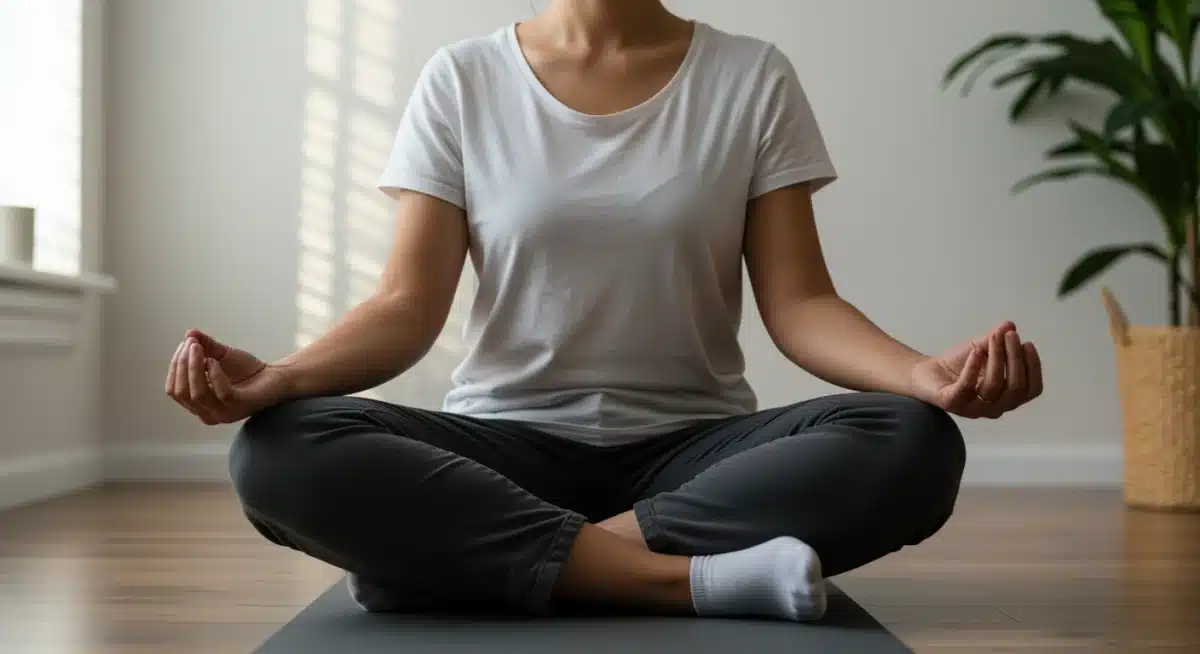
Promoting better sleep quality and energy levels
In an era where sleep disturbances are increasingly common, yoga offers a natural and effective pathway to improved sleep quality.
The practice’s emphasis on relaxation, stress reduction, and mindful breathing directly addresses many of the underlying causes of insomnia and restless nights. By calming the nervous system and quietening the mind, yoga prepares the body for deep, restorative sleep.
Regular evening yoga sessions, particularly those focusing on gentle stretches and restorative poses, can signal to the body that it’s time to wind down.
This consistent routine helps to regulate the body’s natural sleep-wake cycle (circadian rhythm), making it easier to fall asleep and stay asleep.
The physical release of tension accumulated throughout the day also contributes significantly to a more comfortable and uninterrupted sleep.
Yoga techniques for enhanced sleep
Specific yoga poses and practices are particularly beneficial for promoting relaxation and preparing the body for sleep. Incorporating these into a nightly routine can make a noticeable difference in sleep quality.
Legs-Up-the-Wall Pose: Calms the nervous system and relieves tired legs.
Child’s Pose: Releases tension in the back and hips, promoting a sense of security.
Supine Spinal Twist: Gently stretches the spine and relaxes the lower back.
Savasana (Corpse Pose): Deep relaxation, allowing the body and mind to fully rest.
Beyond the physical poses, the meditative aspect of yoga, even a few minutes of focused breathing before bed, can quiet mental chatter and ease the transition into sleep.
This holistic approach ensures that both the body and mind are prepared for a night of restorative rest, leading to higher energy levels the following day.
Improved sleep quality, in turn, has a cascading effect on overall energy levels and daily functioning. When the body and mind are well-rested, individuals experience greater focus, improved mood, and enhanced physical endurance.
This virtuous cycle of yoga leading to better sleep, which then leads to increased energy, underscores the profound and interconnected benefits of the practice for a vibrant and healthy life.
Fostering mindful eating and healthy lifestyle choices
Yoga’s influence extends beyond the mat, subtly encouraging practitioners to adopt more mindful eating habits and healthier lifestyle choices.
The increased body awareness cultivated through yoga often leads to a greater sensitivity to what the body needs and how different foods affect it. This intuitive understanding helps individuals make more conscious and beneficial dietary decisions.
The practice also fosters a sense of self-care and respect for one’s body, which naturally translates into a desire to nourish it with wholesome foods.
When individuals feel good physically and mentally from their yoga practice, they are often less inclined to engage in behaviors that detract from that well-being, such as emotional eating or excessive consumption of unhealthy foods.
The connection between yoga and mindful consumption
Mindfulness, a core tenet of yoga, teaches individuals to pay attention to the present moment without judgment. Applying this principle to eating can transform the experience, leading to more satisfying and healthier outcomes.
Slower Eating: Encourages savoring food and recognizing fullness cues.
Awareness of Hunger: Helps distinguish between true physical hunger and emotional cravings.
Better Food Choices: Promotes selection of nourishing foods that support well-being.
Reduced Overeating: Mindful eating can prevent excessive consumption and digestive discomfort.
By bringing a mindful approach to the dining table, individuals can cultivate a healthier relationship with food, moving away from restrictive diets and towards a more intuitive and sustainable way of eating. This shift is often a natural byproduct of a consistent yoga practice.
Moreover, the discipline and consistency required for a regular yoga practice can spill over into other areas of life, including the adoption of other healthy habits.
Whether it’s choosing to walk more, spending time in nature, or engaging in other forms of self-care, yoga often serves as a catalyst for a more holistically healthy lifestyle.
It empowers individuals to take active steps towards their well-being, creating a ripple effect that touches every aspect of their lives in 2026 and beyond.
| Key Benefit | Brief Description |
|---|---|
| Increased Flexibility | Yoga lengthens muscles and improves joint range of motion, reducing stiffness and injury risk. |
| Enhanced Strength | Builds functional strength, especially core, improving stability and daily physical performance. |
| Mental Well-being | Reduces stress and anxiety through breathwork and meditation, fostering inner peace. |
| Better Sleep & Energy | Promotes deeper sleep and higher energy levels by calming the nervous system. |
Frequently Asked Questions About Yoga
For noticeable improvements in flexibility, strength, and mental well-being, practicing yoga 3-5 times a week is generally recommended.
Even short, consistent sessions can yield significant benefits over time, making it a sustainable habit for many. Listen to your body and adjust frequency as needed.
Absolutely. Yoga is designed to be accessible to all levels, including complete beginners with limited flexibility.
Many studios offer beginner-specific classes, and modifications for poses are always available. The practice encourages gradual progress, focusing on listening to your body rather than achieving perfect poses immediately.
Yes, yoga can be highly effective in managing chronic pain, particularly back pain, arthritis, and fibromyalgia.
It strengthens supporting muscles, improves flexibility, and teaches relaxation techniques that reduce pain perception. Always consult with a healthcare professional before starting any new exercise regimen for chronic conditions.
Styles like Hatha, Restorative, or Yin yoga are often recommended for enhancing mental well-being due to their slower pace and emphasis on longer holds and deep relaxation.
However, any yoga practice that incorporates breathwork and mindfulness can contribute positively to mental health, depending on individual preference.
While a yoga mat is highly recommended for comfort and grip, you don’t need extensive special equipment to start.
Comfortable clothing is essential. Props like blocks, straps, or blankets can enhance practice but are not strictly necessary for beginners. Many poses can be done with household items.
Conclusion
The multifaceted practice of yoga, with its profound impact on flexibility, strength, and mental well-being, continues to be a cornerstone of holistic health in 2026.
From enhancing physical capabilities and reducing chronic pain to cultivating inner peace and fostering healthier lifestyle choices, the benefits of yoga are comprehensive and deeply integrated.
As we strive for balance and resilience in our daily lives, embracing yoga offers a powerful and accessible path toward a more vibrant, harmonious, and self-aware existence for individuals across the United States.
Its ancient wisdom, continually adapted for modern needs, proves that true well-being is a journey of constant discovery and mindful practice.