Vaping Risks 2026: A Comprehensive Health Update

As we navigate further into the 21st century, the landscape of public health continues to evolve, bringing new challenges and requiring updated perspectives. One such area demanding constant attention is the use of electronic cigarettes, commonly known as vaping.
This article offers a crucial look at Understanding the Risks of Vaping: A 2026 Update, providing the latest insights into its health implications and the ongoing efforts to address this growing concern across the United States.
The Evolving Landscape of Vaping: A 2026 Overview
The world of vaping has undergone significant transformations since its inception, with 2026 presenting a complex picture of technological advancements, shifting user demographics, and intensified public health scrutiny.
What began as a perceived safer alternative to traditional cigarettes has revealed a myriad of its own unique challenges, prompting a re-evaluation of its role in society and its true impact on health.
This section delves into the current state of vaping, exploring how products have changed, who is using them, and the regulatory environment shaping their availability.
The rapid pace of innovation in vaping devices and e-liquids means that understanding the risks is an ever-moving target, requiring continuous research and vigilance from health authorities and the public alike.
Technological Advancements and Product Diversity
The market for vaping products in 2026 is characterized by an astonishing array of devices, from sophisticated mod systems to disposable pod devices.
These innovations often introduce new features, flavors, and nicotine delivery mechanisms, making them both appealing to users and challenging for regulators.
High-potency nicotine salts: These formulations allow for higher concentrations of nicotine to be delivered more smoothly, increasing addiction potential.
Advanced heating elements: Newer coil designs and temperature controls can alter aerosol composition, potentially introducing new harmful chemicals.
Flavor complexities: The vast number of flavorings, some mimicking popular candies or fruits, continue to attract younger users.
The constant evolution of these products makes it difficult for research to keep pace, often leaving a gap between market introduction and full understanding of their long-term health effects. This dynamic environment underscores the need for proactive health education.
Changing Demographics and Usage Patterns
While often marketed as cessation aids for adult smokers, vaping continues to see significant uptake among adolescents and young adults. The social media landscape plays a crucial role in normalizing and popularizing vaping, often through influencer marketing and peer pressure.
In 2026, surveys indicate a persistent trend of youth initiation, with many never having smoked traditional cigarettes. This suggests that vaping is not solely a harm reduction tool for existing smokers but a gateway to nicotine addiction for a new generation. The patterns of use also vary, from occasional experimentation to heavy daily vaping, each carrying its own set of risks.
In conclusion, the vaping landscape in 2026 is marked by an ongoing struggle between technological innovation and public health concerns. The diversity of products and the sustained appeal to younger demographics highlight the critical need for updated research and effective regulatory strategies to mitigate potential harms.
Respiratory Health Concerns: A Deeper Look into Vaping’s Impact
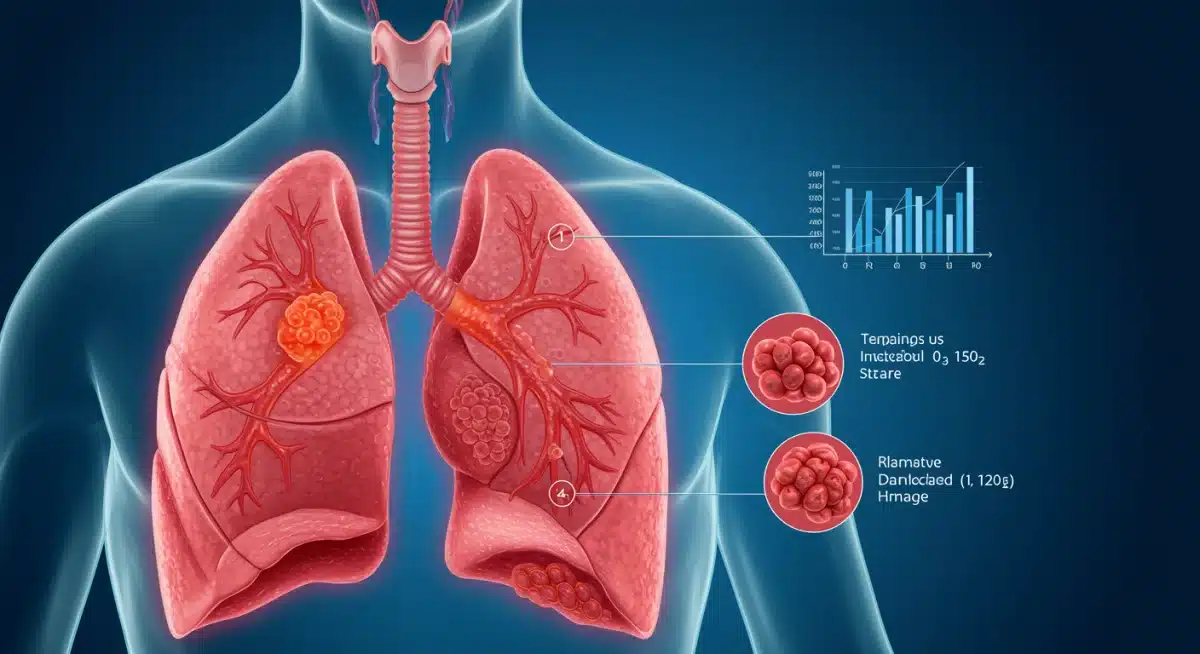
The respiratory system is at the forefront of organs affected by vaping, given that e-cigarettes deliver aerosols directly into the lungs. In 2026, research continues to solidify our understanding of how these inhaled substances impact lung function and overall respiratory health, moving beyond initial hypotheses to more concrete findings.
Evidence now points to a range of potential respiratory issues, from acute lung injuries to chronic conditions, underscoring the severity of these risks.
The intricate composition of e-liquids, including nicotine, flavorings, and other chemicals, contributes to a complex pathology that is still being fully elucidated by the scientific community.
Acute Lung Injury and EVALI
The term EVALI (e-cigarette, or vaping, product use-associated lung injury) emerged as a significant public health crisis in earlier years, and while awareness has grown, the potential for acute lung injury remains a serious concern. This condition is often characterized by sudden onset of respiratory symptoms that can be severe and life-threatening.
Vitamin E acetate: Although identified as a primary culprit in many EVALI cases, other compounds in illicit or unregulated vape products can also cause similar damage.
Inflammatory response: Vaping aerosols can trigger a strong inflammatory reaction in the lungs, leading to fluid accumulation and impaired oxygen exchange.
Symptoms: Patients often present with shortness of breath, cough, chest pain, and gastrointestinal issues, requiring immediate medical attention.
Ongoing surveillance in 2026 ensures that healthcare providers are better equipped to diagnose and treat EVALI, but prevention remains the ultimate goal. The variability in product composition makes it challenging to pinpoint all causative agents, highlighting the inherent risks of unregulated substances.
Chronic Respiratory Conditions

Beyond acute injuries, long-term vaping is increasingly linked to chronic respiratory problems. Studies in 2026 are exploring the development of conditions that mimic those seen in traditional smokers, as well as novel pathologies specific to vaping.
The persistent exposure to fine particulate matter, heavy metals, and volatile organic compounds found in e-cigarette aerosols can lead to irreversible damage over time. This includes conditions such as chronic bronchitis, exacerbated asthma, and potentially more severe lung diseases.
For instance, research continually investigates the impact on the delicate alveolar sacs, which are crucial for gas exchange.
Damage to these structures can significantly reduce lung capacity and efficiency, leading to long-term breathing difficulties. The cumulative effect of daily vaping, even at moderate levels, is a growing area of concern for public health experts. The evidence suggests that while some immediate effects might be subtle, the long-term consequences could be profound and debilitating.
In summary, the respiratory risks associated with vaping are substantial and multifaceted. From acute lung injuries like EVALI to the insidious development of chronic conditions, the evidence in 2026 firmly establishes that vaping is not benign for lung health. Awareness and cessation efforts are paramount to protecting individuals from these serious outcomes.
Cardiovascular Implications: The Heart of the Matter
The impact of vaping extends beyond the respiratory system, with a growing body of evidence in 2026 highlighting significant concerns for cardiovascular health.
Nicotine, a primary component in most e-liquids, is a known vasoconstrictor and can elevate heart rate and blood pressure, placing strain on the cardiovascular system. However, the risks are not limited to nicotine alone; other chemicals present in vape aerosols also contribute to these adverse effects.
Understanding these cardiovascular implications is crucial for a comprehensive assessment of vaping risks 2026. The long-term consequences are still being fully understood, but initial findings suggest potential for serious heart-related problems, raising alarms among cardiologists and public health advocates.
Nicotine’s Direct Cardiovascular Effects
Nicotine is a potent stimulant with well-documented effects on the heart and blood vessels. When inhaled through vaping, it rapidly enters the bloodstream and triggers a cascade of physiological responses that can be detrimental to cardiovascular health.
Increased heart rate: Nicotine stimulates the adrenal glands to release epinephrine, leading to a faster heartbeat.
Elevated blood pressure: It causes blood vessels to constrict, increasing resistance to blood flow and raising blood pressure.
Endothelial dysfunction: Chronic exposure can damage the inner lining of blood vessels (endothelium), contributing to atherosclerosis.
These immediate effects, when sustained over time, can contribute to the development or worsening of cardiovascular diseases. For individuals with pre-existing heart conditions, vaping poses an even greater risk, potentially leading to acute cardiac events.
Other Chemical Contributors to Heart Disease
Beyond nicotine, the various chemicals found in e-cigarette aerosols, such as formaldehyde, acrolein, and heavy metals, also contribute to cardiovascular toxicity. These substances can induce oxidative stress and inflammation, key factors in the progression of heart disease.
For example, some flavorings, when heated, can produce compounds that are harmful to cardiac cells. Research in 2026 is focusing on identifying specific chemical profiles in vape aerosols that pose the greatest cardiovascular threat.
The interplay between these chemicals and nicotine creates a synergistic effect, potentially amplifying the overall risk.
The cumulative exposure to these toxins can lead to stiffening of arteries, reduced blood flow, and an increased risk of blood clot formation, all precursors to heart attacks and strokes. The subtle but persistent damage over years of vaping accumulates, making it a silent threat to long-term heart health.
In conclusion, the cardiovascular system is highly vulnerable to the effects of vaping. The combination of nicotine and other harmful chemicals in e-cigarette aerosols presents a clear and present danger to heart health, contributing to increased heart rate, blood pressure, and potential for long-term cardiovascular disease.
This reinforces the critical importance of addressing vaping risks 2026 from a broad health perspective.
Neurological and Mental Health Impacts: A Growing Concern
The brain, particularly the developing brain of adolescents, is highly susceptible to the effects of nicotine. As we delve into vaping risks 2026, the neurological and mental health impacts of e-cigarette use are emerging as critical areas of concern. Nicotine is a highly addictive substance that can alter brain development, affecting cognition, mood, and impulse control.
This section explores how vaping can influence brain function, contribute to addiction, and potentially exacerbate or trigger mental health issues, especially in younger populations. The long-term consequences of these neurological changes are still being studied, but early findings paint a concerning picture.
Nicotine and Brain Development
Adolescence is a crucial period for brain development, with the prefrontal cortex—responsible for decision-making and impulse control—continuing to mature into the mid-20s. Nicotine exposure during this sensitive period can have lasting adverse effects.
Impaired cognitive function: Nicotine can negatively impact attention, learning, and memory.
Increased impulsivity: Alterations in brain pathways can lead to reduced impulse control.
Heightened addiction risk: The developing brain is more vulnerable to nicotine addiction, making it harder to quit later in life.
These neurological changes can have significant implications for academic performance, social interactions, and overall well-being. The ease of access and appealing flavors of vape products make this risk particularly pertinent for youth.
Vaping and Mental Health Conditions
Beyond direct neurological effects, there is a growing body of evidence linking vaping to various mental health issues. While the relationship is complex and often bidirectional, nicotine use is frequently associated with increased rates of anxiety, depression, and stress.
Many individuals report using vaping as a coping mechanism for stress or anxiety, unaware that nicotine itself can exacerbate these conditions. The withdrawal symptoms associated with nicotine addiction can also lead to increased irritability, anxiety, and difficulty concentrating, creating a vicious cycle.
Moreover, studies are investigating whether vaping can act as a gateway to other substance use disorders, further complicating mental health outcomes.
The presence of other chemicals in e-liquids may also contribute to mood dysregulation, adding another layer of complexity to the mental health landscape of vapers.
In conclusion, the neurological and mental health impacts of vaping are profound, especially for adolescents.
Nicotine’s effects on brain development and its contribution to addiction, anxiety, and depression highlight a critical dimension of vaping risks 2026. Addressing these concerns requires targeted prevention and intervention strategies.
Regulatory Challenges and Public Health Responses in 2026
The rapid evolution of vaping products and their widespread adoption have presented significant regulatory challenges for public health authorities. In 2026, governments and health organizations across the United States are grappling with how to effectively control the marketing, sales, and composition of e-cigarettes to protect public health, particularly among youth.
This section explores the current regulatory landscape, the ongoing debates surrounding policy effectiveness, and the public health initiatives aimed at mitigating the risks associated with vaping.
The balance between allowing adult smokers a less harmful alternative and preventing youth initiation remains a delicate and contentious issue.
Federal and State-Level Regulations
At the federal level, the Food and Drug Administration (FDA) continues to exert its authority over tobacco products, including e-cigarettes. However, the process of reviewing and authorizing new products is slow, often lagging behind market innovations.
States and local municipalities have also implemented their own regulations, leading to a patchwork of laws across the country.
Flavor bans: Many jurisdictions have enacted bans on flavored e-cigarettes to curb youth appeal.
Age restrictions: The federal minimum age for purchasing tobacco products, including e-cigarettes, is 21, but enforcement varies.
Taxation: Some states have imposed excise taxes on vaping products, similar to traditional tobacco, to reduce consumption and generate revenue for public health programs.
The effectiveness of these regulations is constantly being evaluated, with ongoing debates about their impact on both youth initiation and adult cessation rates. The illicit market for unregulated products also poses a significant challenge, undermining legitimate efforts to control product safety.
Public Health Campaigns and Education
In response to the persistent threat of vaping, public health organizations have intensified their efforts to educate the public about the risks. These campaigns target various demographics, with a particular focus on preventing youth initiation.
Educational initiatives often highlight the addictive nature of nicotine, the potential health consequences, and the deceptive marketing tactics used by some manufacturers. Schools, community centers, and online platforms are utilized to disseminate accurate information and promote healthy choices.
Furthermore, resources for vaping cessation are becoming more widely available, including counseling services, quit lines, and digital support programs. These initiatives are crucial for helping individuals overcome nicotine addiction and improve their long-term health outcomes.
In conclusion, regulatory challenges and public health responses to vaping in 2026 are complex and multifaceted.
While federal and state-level regulations aim to control the market, public health campaigns are vital for educating the public and supporting cessation efforts. Continuous adaptation and collaboration are essential to effectively address the evolving landscape of vaping risks 2026.
Long-Term Health Consequences: What 2026 Research Reveals

While much of the early research on vaping focused on immediate effects and acute injuries, 2026 brings a more comprehensive understanding of the potential long-term health consequences. As more individuals have used e-cigarettes for extended periods, scientists are now able to study the cumulative impacts on various organ systems, revealing a broader spectrum of risks than previously understood.
This section synthesizes the latest research findings on the chronic health effects of vaping, moving beyond the well-documented respiratory and cardiovascular issues to explore other emerging concerns. The picture that emerges underscores the importance of a precautionary approach to e-cigarette use.
Emerging Cancer Risks and Cellular Damage
While vaping is often perceived as less carcinogenic than traditional smoking, 2026 research indicates that e-cigarette aerosols contain various genotoxic and carcinogenic compounds. Long-term exposure to these substances raises concerns about an increased risk of certain cancers.
Studies are investigating the cellular and molecular changes induced by vaping, including DNA damage, epigenetic alterations, and impaired cellular repair mechanisms. These changes are precursors to cancer development and highlight a potential long-term risk that cannot be ignored.
For example, formaldehyde and acetaldehyde, common components of vape aerosols, are known human carcinogens.
The chronic inflammation induced by vaping can also create an environment conducive to tumor growth, particularly in the respiratory tract. While direct causal links to specific cancers may take decades to fully establish, the biological plausibility and early indicators are concerning.
Oral Health and Immune System Compromise
Beyond major organ systems, vaping has also been linked to significant oral health problems and a compromised immune system. The heat and chemicals from e-cigarette aerosols can directly irritate and damage oral tissues, leading to a range of issues.
Gum disease: Vaping can contribute to gingivitis and periodontitis, characterized by inflammation and infection of the gums.
Tooth decay: The sugary and acidic nature of some e-liquids can erode tooth enamel, increasing the risk of cavities.
Dry mouth: Propylene glycol, a common ingredient, can lead to dry mouth, which further exacerbates oral health problems.
Furthermore, research suggests that vaping can suppress the immune system, making individuals more vulnerable to infections. The inhaled aerosols can impair the function of immune cells in the lungs and throughout the body, reducing the body’s ability to fight off pathogens, including viruses and bacteria.
This immune suppression can have wide-ranging implications, from increased susceptibility to respiratory infections like influenza and pneumonia to a potential impact on the body’s ability to combat other diseases.
The cumulative effect of these long-term consequences paints a stark picture of the comprehensive health risks associated with sustained vaping.
In conclusion, 2026 research is revealing a more complete and concerning picture of the long-term health consequences of vaping.
From emerging cancer risks and cellular damage to significant oral health issues and immune system compromise, the sustained use of e-cigarettes carries a broad spectrum of health threats. These findings reinforce the urgency of public health interventions and individual cessation efforts to mitigate vaping risks 2026.
Prevention and Cessation Strategies: Moving Forward in 2026
Addressing the comprehensive vaping risks 2026 requires a multi-faceted approach that encompasses both robust prevention strategies and effective cessation programs. While regulations play a crucial role, empowering individuals with knowledge and support is equally vital in curbing the epidemic of e-cigarette use, especially among young people.
This section explores the most promising strategies being implemented and developed in 2026 to prevent vaping initiation and assist those who wish to quit. From educational campaigns to innovative support systems, the focus is on creating environments that discourage vaping and promote healthier lifestyles.
Effective Prevention Programs
Preventing youth initiation remains a cornerstone of public health efforts. Educational programs in schools and communities are crucial for informing young people about the dangers of vaping, often employing peer-led discussions and engaging multimedia content.
These programs go beyond simply listing risks; they aim to build resilience, provide refusal skills, and challenge the social norms that sometimes normalize vaping. The involvement of parents and guardians is also critical, as they play a significant role in influencing youth behavior and monitoring access to these products.
Furthermore, counter-marketing campaigns are designed to expose the deceptive tactics employed by some vaping product manufacturers, helping to demystify the allure of e-cigarettes and present a more accurate picture of their health consequences. These campaigns often use powerful testimonials and stark imagery to convey their message effectively.
Comprehensive Cessation Support
For those already addicted to nicotine through vaping, accessible and effective cessation support is paramount. In 2026, a range of resources is available, catering to different needs and preferences.
Nicotine Replacement Therapy (NRT): Patches, gums, lozenges, and inhalers can help manage nicotine withdrawal symptoms, making it easier to quit.
Behavioral counseling: Individual and group therapy sessions provide coping strategies, address triggers, and offer emotional support.
Digital health tools: Mobile apps, online platforms, and text message programs offer convenient and personalized support for quitting.
Healthcare providers are increasingly being trained to screen for vaping use and offer evidence-based cessation advice and referrals. Integrating vaping cessation into routine medical care is a key strategy to reach a wider population and provide timely interventions.
The emphasis is on personalized approaches, recognizing that quitting vaping can be as challenging as quitting traditional cigarettes due to the highly addictive nature of nicotine and the behavioral aspects associated with the habit. Support networks, both formal and informal, play a crucial role in sustained abstinence.
In conclusion, moving forward in 2026, addressing vaping risks requires a dual focus on prevention and cessation.
Robust educational programs, counter-marketing initiatives, and comprehensive cessation support systems are essential components of a successful public health strategy. By empowering individuals and communities, we can work towards a future where the harms of vaping are significantly reduced.
| Key Aspect | Brief Description |
|---|---|
| Respiratory Health | Vaping causes acute lung injuries (EVALI) and chronic conditions like bronchitis, impacting lung function. |
| Cardiovascular Risks | Nicotine and other chemicals increase heart rate, blood pressure, and contribute to arterial damage. |
| Neurological Impact | Nicotine harms adolescent brain development, affecting cognition, mood, and increasing addiction risk. |
| Prevention & Cessation | Effective strategies include education, regulations, and comprehensive support for quitting vaping. |
Frequently Asked Questions About Vaping Risks
In 2026, primary health risks include severe respiratory issues like EVALI and chronic lung damage, increased cardiovascular strain due to nicotine, and adverse effects on brain development in adolescents, alongside potential cancer risks and oral health problems.
While often marketed as safer, vaping is not harmless. It introduces its own set of significant health risks, including nicotine addiction, lung damage, and cardiovascular issues. Comparing risks is complex, but the consensus is that neither is safe, and both carry substantial health threats.
Nicotine in vape products can significantly impair adolescent brain development, affecting areas responsible for attention, learning, memory, and impulse control. This makes young users more susceptible to addiction and can lead to lasting cognitive issues.
Regulatory efforts in 2026 include federal oversight by the FDA, state-level flavor bans, age restrictions (federal minimum 21), and taxation on vaping products. These measures aim to curb youth access and reduce overall consumption, though challenges persist with product innovation.
Support for quitting vaping is widely available through nicotine replacement therapies, behavioral counseling, and digital health tools like mobile apps and text programs. Healthcare providers can also offer guidance and referrals to cessation resources for personalized assistance.
Conclusion
As we conclude our exploration of Understanding the Risks of Vaping: A 2026 Update, it is clear that the public health landscape surrounding e-cigarettes remains dynamic and challenging. The scientific evidence continues to mount, painting a clearer, yet concerning, picture of the comprehensive health threats associated with vaping.
From severe respiratory and cardiovascular damage to significant neurological and mental health impacts, especially in adolescents, the notion that vaping is a harmless alternative has been thoroughly debunked.
The ongoing evolution of vaping products, coupled with persistent marketing to younger demographics, necessitates continuous vigilance from public health bodies and an informed approach from individuals.
Effective prevention strategies, robust regulatory frameworks, and accessible cessation programs are not merely recommendations but urgent imperatives. By staying informed, advocating for stronger policies, and supporting those who wish to quit, we can collectively work towards mitigating the widespread harms of vaping and fostering a healthier future for all Americans.